Can public–private partnerships accelerate cancer research and clinical trials in LMICs?
5 Feb 2026

The content on this site is intended for healthcare professionals only
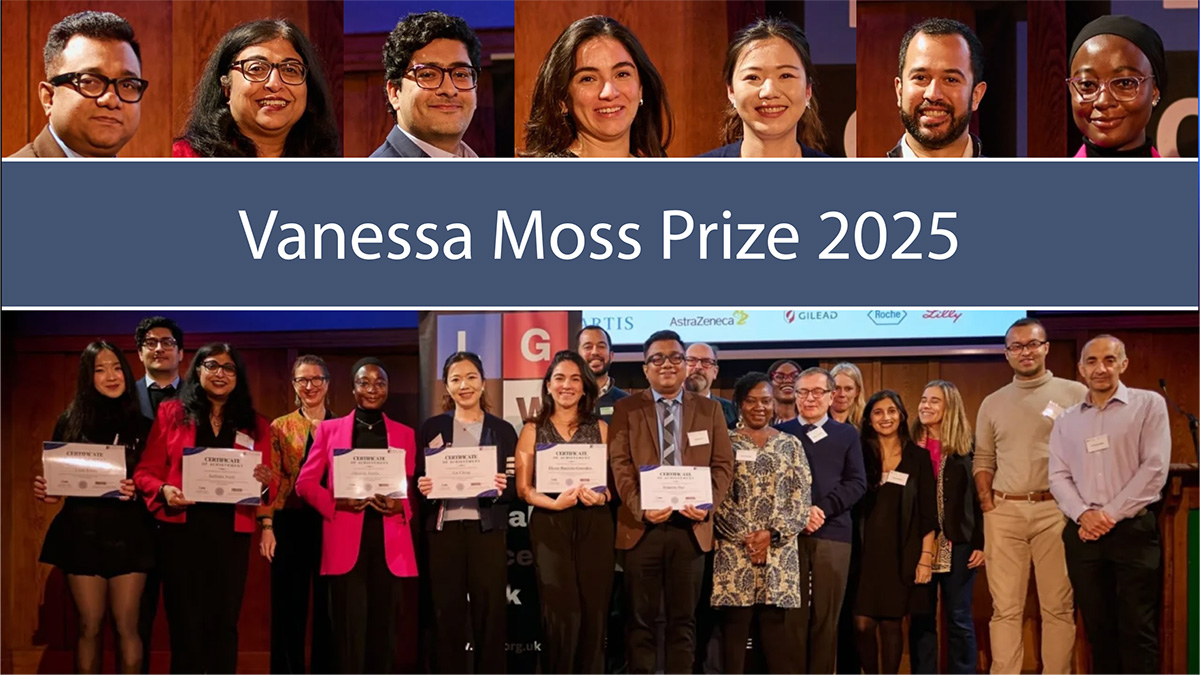
In 2016, the Royal Society of Medicine Oncology Section began annual one-day meetings for people from around the world, aiming to improve cancer outcomes. With the launch of London Global Cancer Week in 2019, these one-day meetings became a week-long series of multi-disciplinary meetings, covering the cancer continuum and acknowledging and addressing the challenge that cancer represents around the world. London Global Cancer Week has grown every year since 2019. In 2025 we will be having more presentations and speakers than ever before.
Can public–private partnerships accelerate cancer research and clinical trials in LMICs?
Oral cancer prevention through community counselling in a tribal population
Global cancer burden, prevention, and inequalities across regions
Understanding breast cancer care systems with the BCCi
Strengthening cancer prevention through the Latin American cancer code
Reducing cancer burden through prevention
The tobacco industry's influence on science and healthcare professionals
How the tobacco industry shapes science to protect profits
Raising awareness and increasing HPV vaccination coverage in Kazakhstan
Improving cancer treatment access in conflict-affected African regions
Improving cancer care by partnering not-for-profits based in the UK and Ireland with colleagues in LMICs
An overview of LGCW 2025
Innovating cancer care access for low and middle-income countries
How cancer misinformation can impact historically marginalised communities
Rebuilding trust in healthcare in historically marginalised communities
Empowering Caribbean and African communities to take charge of cancer prevention
Evolving conversations on value and equity in cancer care
What are the barriers for diverse and inclusive clinical trial recruitment?
Improving diversity in the participation of clinical trials in the UK
Reducing disparities through primary care: improving early detection and screening
Using lived experience of pancreatic cancer to build faith-based support
LGCW 2025 conference highlights
Why cancer health disparities demand global action
Creating a visual resource for breast cancer reconstruction
From lived experience to informed choice in breast cancer reconstruction
Transforming radiotherapy skin care by recognising diverse skin reactions
From institutes to communities: rethinking how cancer research is communicated
Innovation in cancer treatment and equity: ensuring emerging treatments reach all populations
Resource disparities in cancer treatment in Mexico
Ethnic diversity in cancer research and clinical trials
Gustave Roussy International Egypt: Public private partnership model in cancer care