Digital symptom monitoring in early breast cancer: a multicentre pilot study in Argentina and Paraguay
Maria Lucila González Donna1,2, Eliza Ramirez Cabrera1, Andrea Magali del Valle Ochelli1,2, Lucia Ayala Albertini1,2, Lucas Coradini2,3, Verónica Alejandra Livieres Alayón1,2, Iván Garrigoza Garcete1,2, Cinthia Gauna Colas1, Maria Luisa Cabañas León1, Jabibi Noguera1, Gladys Estigarribia4, Alejandro Frydman3, Carlos Palmes5, Santiago Leguizamon5, Matias Rodrigo Chacon5 and Federico Waisberg2,3
1Instituto Nacional del Cáncer (INCAN), Capiatá 110223, Paraguay
2Sitio Biomedical Solutions, Asunción 001411, Paraguay
3Equipo Transdisciplinar para la Investigación del Cáncer (ETIC), Instituto Alexander Fleming, Buenos Aires C1426ANZ, Argentina
4LES SCIENCE, Coronel Oviedo 050142, Paraguay
5Instituto Alexander Fleming, Buenos Aires C1426ANZ, Argentina
Abstract
Background: Adjuvant endocrine therapy is a key treatment for early-stage hormone receptor positive (HR+)/HER2− breast cancer, but it often causes ongoing side effects that can affect quality of life and treatment adherence. Digital tools that collect symptoms directly from patients may help detect these problems earlier. However, there is limited real-world experience with these tools in South America.
Methods: We conducted a prospective, multicentre pilot study at the Paraguayan National Cancer Institute and the Alexander Fleming Institute from Argentina. Adult patients with early-stage HR+/HER2− breast cancer initiating adjuvant endocrine therapy (with or without abemaciclib) were enrolled. A mobile application incorporating 39 patient-reported outcomes-CTCAE (Spanish v1.0) items was used for longitudinal symptom monitoring. The primary outcome was adherence to questionnaire completion (≥2 questionnaires within the first year). Secondary outcomes included characterisation of adverse events and exploratory longitudinal analyses. Descriptive and inferential statistics were applied (p < 0.05).
Results: A total of 113 patients were included (median age 51.5 years). Overall, 231 questionnaires were completed. A total of 96 patients (85%) completed at least one questionnaire, 52.2% completed two and 35.4% completed three or more.
The most frequently reported symptoms were decreased libido (76%), hot flashes (72%), sadness (69%), dyspareunia (68%), insomnia (68%) and concentration issues (67%). Although most events were mild to moderate, severe reports ranged from 1% to 15% depending on the symptom. Neuroaffective and cognitive symptoms, such as sadness and concentration issues, were highly prevalent across subgroups.
Longitudinal analyses did not demonstrate statistically significant changes in symptom incidence or intensity over time, nor consistent differences between treatment subgroups, likely due to limited sample size.
The projected adherence target (73% completing ≥2 questionnaires) was not achieved.
Conclusion: Digital symptom monitoring in early breast cancer was feasible and revealed a substantial symptom burden, including emotional and cognitive dimensions that may be underdetected in routine consultations. However, adherence was lower than projected, underscoring the need to better understand implementation determinants before large-scale deployment. These findings support the clinical value of structured digital monitoring while highlighting the importance of optimising engagement strategies to ensure sustained use.
Keywords: breast cancer, patient-reported outcomes, mobile health, treatment adherence, adverse events
Correspondence to: Maria Lucila González Donna and Lucas Coradini
Email: dra.gonzalezdonna@gmail.com and lcoradini@fmed.uba.ar
Published: 01/09/2026
Received: 23/02/2026
Publication costs for this article were supported by ecancer (UK Charity number 1176307).
Copyright: © the authors; licensee ecancermedicalscience. This is an Open Access article distributed under the terms of the Creative Commons Attribution License (
Introduction
Breast cancer is the most frequently diagnosed malignant tumour worldwide and the leading cause of cancer-related death among women. In South America, 165,427 new cases were recorded in 2022 according to the Global Cancer Observatory, including 21,631 in Argentina and 2,072 in Paraguay, accounting for 31% and 30% of female tumours in these countries, respectively, and representing the leading cause of cancer-related mortality among women [1].
The treatment of early-stage breast cancer requires a multidisciplinary approach integrating surgery, radiotherapy and medical oncology, a strategy that has been shown to reduce disease-specific mortality. In Hormone receptor positive (HR+) tumours, adjuvant endocrine therapy constitutes a standard approach, with its indication determined by stage and menopausal status; this includes aromatase inhibitors (AIs) [2]. In premenopausal women, ovarian function suppression (OFS) with luteinising-hormone releasing hormone analogues may be added to endocrine treatment [3].
The TEXT and SOFT trials, with long-term follow-up (12–13 years), demonstrated that the addition of OFS improves disease-free survival, particularly in patients younger than 35 years or those who had received prior chemotherapy. However, this therapeutic intensification is associated with a higher incidence of grade 3–4 adverse events (31%–32% with OFS versus 24% with tamoxifen alone). These events include hot flashes, musculoskeletal symptoms and sexual dysfunction, which negatively impact quality of life and treatment adherence [4, 5]. Likewise, newer adjuvant therapies such as abemaciclib and olaparib have shown benefit in high-risk patients, albeit with relevant toxicity profiles [6, 7].
In this context, therapeutic success depends not only on the biological appropriateness of treatment but also on tolerance, adherence and the quality of care provided. Therefore, the early identification and appropriate management of adverse events constitute critical components of care [8].
Over the last decade, advances in mobile health have promoted the development of applications aimed at collecting patient-reported outcomes (PROs) and remotely monitoring adverse events in oncology [9, 10]. The validation of instruments such as the PRO-CTCAE by the National Cancer Institute (INCAN) has enabled the systematic capture of the direct symptomatic experience [11]. Several reviews have highlighted the potential of these tools to improve patient-healthcare team communication and to facilitate early detection of toxicities while also pointing out challenges related to their integration with clinical systems and electronic health records [12–14].
In breast cancer, multiple studies have evaluated the use of applications for monitoring patients during chemotherapy, endocrine therapy and the follow-up phase, demonstrating improvements in health-related quality of life, early detection of adverse events and high levels of acceptability and feasibility. Nevertheless, challenges remain, particularly regarding the digital divide, usability, data privacy and integration into routine clinical workflows [15].
The overall objective of the study is to evaluate user acceptance (patients, healthcare teams and patient associations) of a digital tool for symptom monitoring. In addition, the characterisation of adverse events and the consideration of differences in incidence through a longitudinal time-based analysis were included.
Materials and methods
A pilot, multicentre, observational, prospective study with a single-cohort design was conducted. Participating centres were the INCAN of Paraguay (Capiatá, Paraguay) and the Alexander Fleming Institute (IAF; Buenos Aires, Argentina).
The cohort consisted of adult patients with early-stage breast cancer, HR+ and HER2-, with an indication to initiate adjuvant endocrine therapy, with or without abemaciclib. Patients could not have started these treatments prior to inclusion in the study. The data collection period extended from January 2025 to August 2025.
Data was collected through a digital tool specifically designed for the study. This tool incorporated 39 items corresponding to the Spanish version of the NCI-PRO CTCAE® Item List (Spanish Version 1.0). The platform was developed in accordance with the recommendations established by the NCI-PRO CTCAE working group. In addition, sociodemographic and clinical information was collected, and treatment adherence was recorded.
Following enrolment, patients attended an initial in-person visit during which the installation of the mobile application, specifically developed for digital symptom monitoring, was indicated and carried out. During this visit, members of the research team demonstrated how to utilise the app and provided technical assistance. From that point onwards, the application generated periodic reminders for questionnaire completion throughout follow-up.
The primary outcome of the study was adherence to questionnaire completion through the digital platform (Supplementary Figure 1). Patients were required to complete at least two questionnaires during the first year of follow-up, with a minimum semi-annual frequency.
Sample size calculation
Questionnaires were to be completed at least every 6 months to meet the primary objectives of the study. It was estimated that, at each institution and based on a minimum sample of 42 patients (total planned sample: 84), 62 participants would need to complete at least two questionnaires during the first year of follow-up to achieve an adherence rate of 73% (95% CI: 57.9%–86.1%). This threshold was established as a pragmatic feasibility benchmark, based on adherence rates reported in digital PRO studies conducted in oncology settings [11].
Secondary outcomes included characterisation of patient-reported adverse events and evaluation of variations in symptom incidence over time through longitudinal analyses and comparisons between subgroups defined according to the endocrine therapy received.
Descriptive statistics were used for demographic characterisation. For exploratory analyses, analytic tests were performed, including Student’s t test, chi-square test and Fisher’s exact test, as appropriate. To assess changes in symptom incidence and intensity over time, linear mixed-effects models were applied. Demographic variables including age, menopausal status and treatment type were included as fixed effects, with repeated measures per patient modelled as random effects. Missing data were handled under a missing-at-random assumption. Given the exploratory nature of the study and the limited sample size, no corrections for multiple comparisons were applied; subgroup analyses should be interpreted as hypothesis-generating only. A p value <0.05 was considered statistically significant. All statistical analyses were performed using RStudio version 4.5.2.
The study was approved by the Ethics Committees of the INCAN and the IAF. Data was anonymised through the assignment of individual codes and handled in accordance with the principles of the Declaration of Helsinki and applicable local regulations.
Results
Population demographics
The studied population was composed of 113 patients with early-stage HR+ and HER2- breast cancer. The median age of the patients included was 51.5 (range 32–73).
A total of 231 questionnaires were completed and registered. The distribution of the number of questionnaires per participant revealed a median of 2 (IQR 1–3), with an average of 2.04. The minimum number of questionnaires completed was 0, and the maximum was 9.
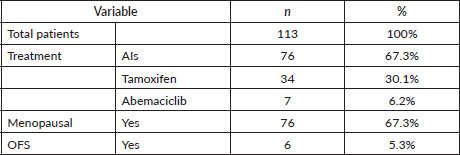
Seventy-six patients received treatment with AIs, and 7 (6.2%) were treated with abemaciclib as an adjuvant treatment (Table 1).
Table 1. Patient treatment characteristics.
Primary objective
The time between enrolment and the completion of their first questionnaire (n = 96) presented a median of 0 days (range 0–382). The interval between the completion of the first questionnaire and the second (n = 59) had a median of 48 days (range 0–382). Finally, the time between the second and the third questionnaire (n = 40) had a median of 59.5 days (IQR 0–423).
Simultaneously, the median time between enrolment and the completion of the second questionnaire (n = 59) was 60 days (range 0–419). Additionally, the median time between signing the consent forms and the completion of the third questionnaire (n = 40) was 102 days (range 32–515).
The time interval analysis was divided into the following subgroups:
Menopausal status
The time between enrolment and the completion of the first questionnaire was 28 days (IQR 0–51.5) in premenopausal patients and 0 days (IQR 0–0) in postmenopausal patients (p = 0.001). The interval between the first and second questionnaire was 46.5 days (IQR 19.75–128.0) versus 48 days (IQR 37.5–74.0) (p = 0.865). The time between the completion of the second and third questionnaire was 61 days (IQR 9–87) versus 50 days (IQR 0–85) (p = 0.702), respectively.
OFS
The time between enrolment and the completion of the first questionnaire was 0 days (IQR 0–30.75) in the patient group without OFS and 44.5 days (IQR 30.75–80) in patients receiving OFS (p = 0.010). The interval between the first and second questionnaire was 48 days (IQR 35–76.5) versus 173 days (IQR 16.75–329) (p = 0.865). The time between the completion of the second and third questionnaire was 58 days (IQR 0–85) versus 64 days (IQR 50.5–83.5) (p = 0.551), respectively.
Abemaciclib
The time between enrolment and completing the first questionnaire was 0 days (IQR 0–30.75) in the patient group without abemaciclib and 44.5 days (IQR 30.75–73.25) in patients receiving abemaciclib (p = 0.012). The interval between the first and second questionnaire was 47 days (IQR 35–79.5) versus 72 days (IQR 52.75–141.5) (p = 0.451). The time between the completion of the second and third questionnaire was 61 days (IQR 0–86) versus 37 days (IQR 18.5–55.5) (p = 0.452), respectively.
Regarding the number of completed questionnaires, we observed that 96 patients (85.0%) completed at least 1 questionnaire, 59 patients (52.2%) completed 2 questionnaires and 40 (35.4%) completed 3 or more (Figure 1).
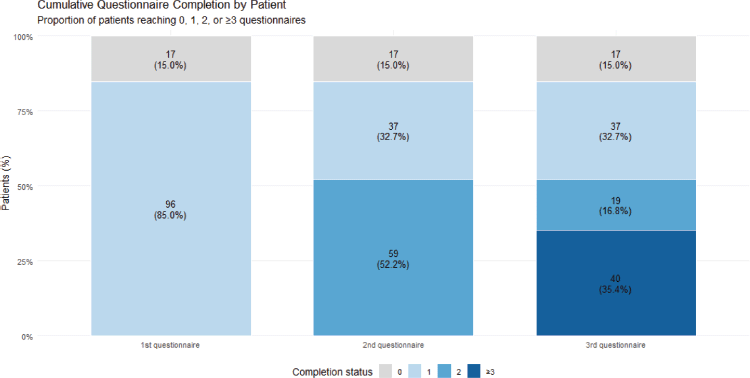
Figure 1. Cumulative questionnaire completion by patient.
Incidence of adverse events reported
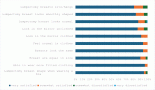
Considering the 113 patients that met the inclusion criteria, the symptoms reported with greater frequency were the decreased libido 76% (n = 86), hot flashes 72% (n = 81), sadness 69% (n = 78), dyspareunia 68% (n = 77%) and insomnia 68% (n = 77). The proportion of events classified as severe or frequent ranged between 1% and 15%, depending on the symptom being studied. The distribution of symptoms reported is shown in Figure 2.
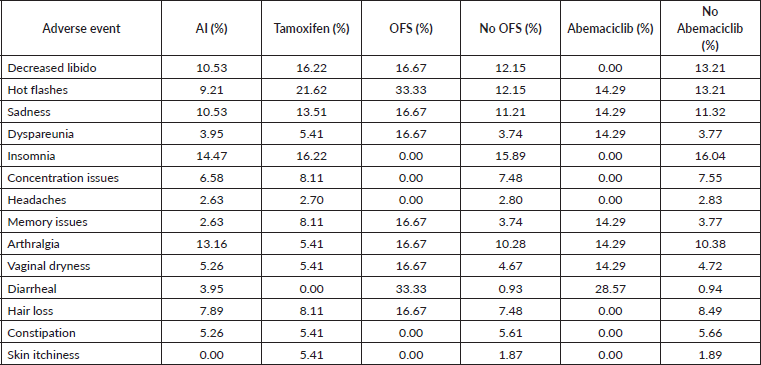
A subgroup analysis was carried out; 13% of patients who received AIs reported severe arthralgia. Hot flashes graded as severe were reported by 21% of patients treated with tamoxifen and by 33% of patients who received OFS. Finally, severe diarrhoea was reported by around one third of patients treated with abemaciclib. Symptoms such as sadness, concentration issues or vaginal dryness were reported as severe, frequent or moderate in all subgroups. Table 2.
For decreased libido, no statistically significant differences were observed between AIs and tamoxifen (p = 0.152), between OFS and no OFS (p = 0.333) or between abemaciclib and no abemaciclib (p = 0.672).
In the case of hot flashes, no statistically significant differences were identified between AIs and tamoxifen (p = 1.000), between OFS and no OFS (p = 0.186) or between abemaciclib and no abemaciclib (p = 1.000).
Longitudinal analysis of selected symptoms
Longitudinal follow-up of selected symptoms of interest was conducted. Based on the observations obtained, no significant differences could be demonstrated in symptom incidence or intensity according to time since treatment initiation. The treatments administered also did not show a statistically significant impact on the relationship between symptom intensity and longitudinal follow-up over time.
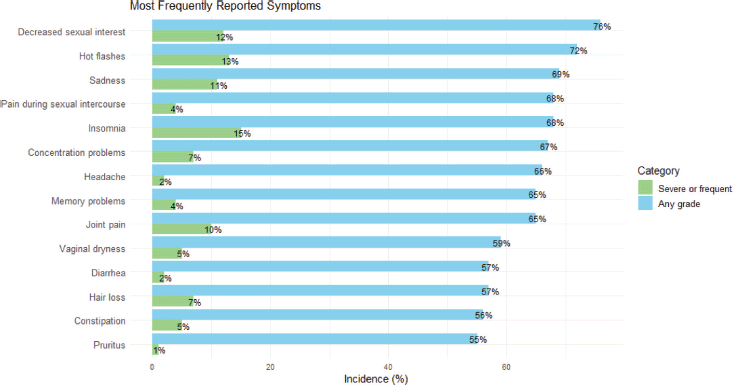
Figure 2. Most frequently reported symptoms.
Table 2. Subgroup analysis for key severe, frequent or intense answers in assessed items.
Adverse events related to endocrine therapies were reported throughout the entire follow-up period. From the scatter plots, reports of decreased libido were observed in patients treated with tamoxifen and AIs, although higher-intensity reports among patients receiving AIs were particularly noted during the first 3 months (Figure 3a).
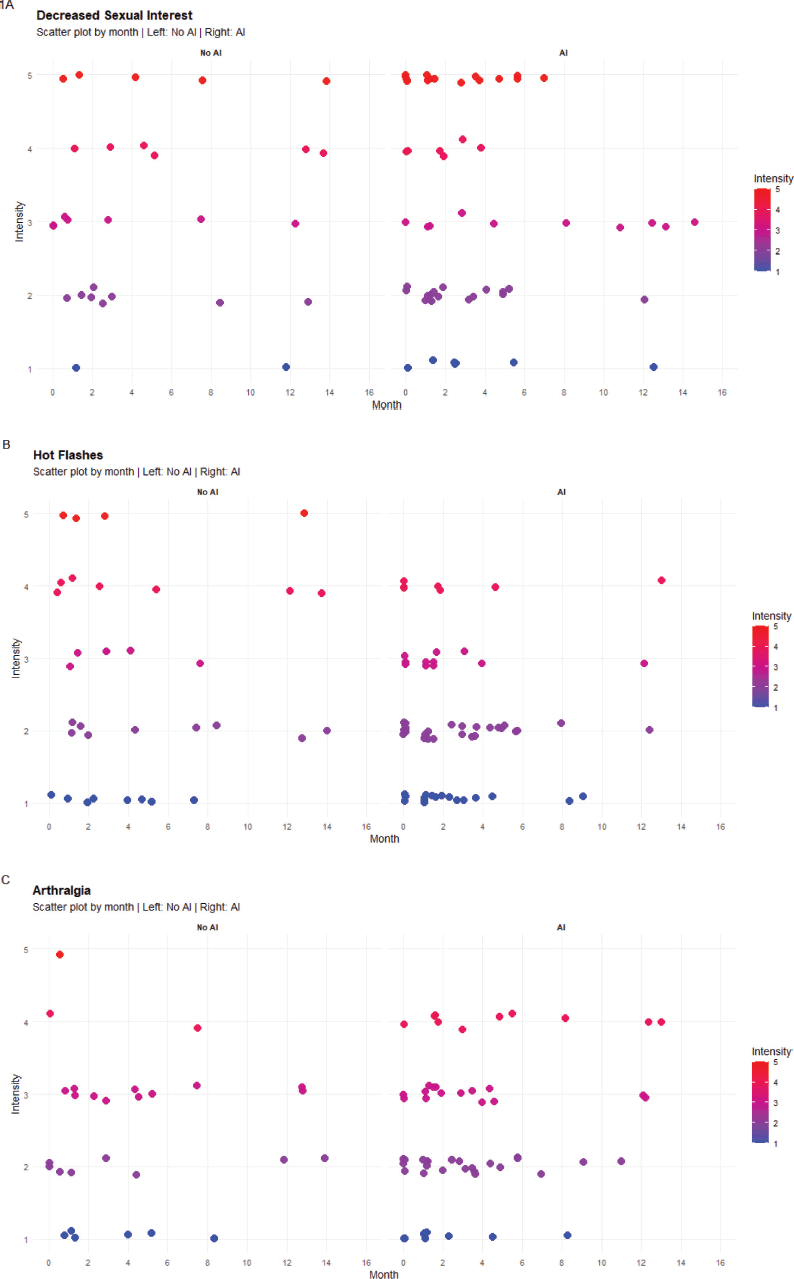
Figure 3. (a): Scatter Plot for decreased sexual interest. (b): Scatter Plot for hot flashes. (c): Scatter Plot for arthralgia.
Similarly, although no statistically significant differences were detected, the scatter plots show a greater concentration of higher-intensity observations for hot flashes and arthralgia after 6 and 12 months in the subgroups of patients receiving tamoxifen and AIs, respectively (Figure 3b and c).
Discussion
This multicentre pilot study evaluated the feasibility of implementing a PRO-CTCAE-based digital tool for longitudinal symptom monitoring in patients with early-stage HR+/HER2- breast cancer receiving adjuvant endocrine therapy. Beyond the descriptive characterisation of adverse events reported, two conceptually relevant findings emerged.
First, our study identified a high frequency of symptoms that do not typically constitute the primary focus of oncologic consultations. Sadness was reported by 69% of patients, concentration issues by 67% and memory issues by 65%. Although the proportion of severe or frequent events was lower (approximately 7% to 11% depending on the symptom), these findings highlight the presence of relevant neuroaffective and cognitive symptoms during follow-up. However, these manifestations are likely multifactorial and may be influenced by cancer survivorship, menopausal status, anxiety and prior treatments.
In routine clinical practice, symptoms such as sadness, mild cognitive changes or alterations in libido may be overshadowed by toxicities considered more ‘clinical’ such as diarrhoea, arthralgia, or hot flashes. However, their high prevalence in our study indicates that they represent a real and sustained symptom burden. As these symptoms do not necessarily prompt spontaneous consultations or urgent interventions, they may be underdetected during time-constrained, structured medical interviews.
Longitudinal analysis demonstrated the persistence of moderate and severe symptoms, particularly arthralgia in patients receiving AIs and hot flashes in those treated with tamoxifen. However, subgroup comparisons did not reach statistical significance, likely due to limited sample size within treatment groups. In this study, as none of the reported symptoms represented an urgent clinical situation, no immediate interventions were required; instead, they were reviewed and addressed by healthcare teams during subsequent follow-up visits.
Second, the projected primary adherence outcome (73% of patients completing at least two questionnaires during the first year) was not achieved. Only 52.2% of patients completed two questionnaires, and 35.4% completed three or more, figures consistent with the variability in completion rates reported in digital PRO studies in oncology. While the tool proved deployable in a real-world multicentre setting, sustained engagement was more limited than anticipated, and implementation cannot be considered fully feasible without a better understanding of the factors that limited adherence.
Possible explanations include digital fatigue, perceived low symptom burden, lack of immediate clinical feedback, technological barriers or simple loss of motivation over the course of follow-up. However, as this study was not designed to formally assess implementation determinants, the specific factors influencing adherence could not be identified. This highlights the need to better understand the determinants that facilitate or limit sustained use of digital monitoring tools in real-world oncology settings [15–18].
In addition, the relatively short follow-up period represents an important limitation given the prolonged duration of adjuvant endocrine therapy. Extended follow-up will be necessary to better characterise the evolution of symptoms, adherence patterns and potential late adverse effects over time. Another consideration is the potential selection bias regarding participation in this study. First, patient recruitment was based on a non-probabilistic convenience sampling strategy within routine clinical practice. As a result, the number of eligible patients who declined participation and the reasons for non-participation were not systematically recorded. On the other hand, participants required access to smartphones, internet connectivity and a minimum level of digital literacy, potentially favouring inclusion of patients with greater technological familiarity and socioeconomic resources. Therefore, the observed adherence and feasibility outcomes may not be fully generalisable to more vulnerable populations or healthcare settings with limited digital infrastructure.
Taken together, our findings suggest that digital monitoring can capture a broad symptom burden, including emotional and cognitive dimensions frequently underestimated in routine consultations. At the same time, they demonstrate that effective implementation of these tools depends not only on their technological availability but also on factors influencing sustained patient engagement over time.
Future implementation efforts should incorporate patient co-design approaches and implementation science frameworks to better understand barriers and facilitators to sustained engagement. Structured feedback mechanisms, integration into routine clinical workflows and targeted reinforcement strategies may improve adherence and long-term adoption. Likewise, integration into the digital channels commonly used by patients represents a relevant design component; drawing on evidence regarding communication preferences in oncology populations and considering generational and sociocultural differences; including environments such as Instagram groups, Facebook communities or WhatsApp networks may facilitate interaction and reduce friction in use. Such approaches would also enable systematic evaluation of acceptability, feasibility and sustainability, while helping determine whether digital symptom monitoring improves the recognition and management of emotional, cognitive and treatment-related symptoms, as well as treatment adherence and long-term clinical outcomes.
Conclusion
Implementation of a digital tool for symptom monitoring in patients with early-stage breast cancer was feasible and enabled identification of a high symptom burden, including affective and cognitive dimensions that are frequently underestimated in routine consultations. Symptoms such as sadness and concentration issues were reported with high frequency, even though most did not reach severe grades. Observed adherence was lower than projected, underscoring the importance of better understanding the factors that influence sustained use of these platforms. Overall, these findings confirm the clinical value of digital monitoring and highlight the need to optimise implementation strategies prior to broader-scale expansion.
List of abbreviations
AIs, aromatase inhibitors; HR+, Hormone receptor positive; IAF, Instituto Alexander Fleming (Alexander Fleming Institute); INCAN, Instituto Nacional del Cáncer (National Cancer Institute); PROs, patient-reported outcomes; OFS, Ovarian function suppression.
Conflicts of interest
The authors declare that they have no conflicts of interest relevant to the content of this article. No financial relationships, commercial affiliations or personal interests influenced the design, execution or reporting of this study.
Funding
Funding from ProCiencia and CONACYT were obtained for conducting this study, no funding was available for publication. No sponsor influenced the design, analysis or reporting of the study.
References
1. International Agency for Research on Cancer and World Health Organization (2022) Global Cancer Observatory: Cancer Fact Sheets — Paraguay (Lyon: IARC) [https://gco.iarc.who.int/media/globocan/factsheets/populations/600-paraguay-fact-sheet.pdf] Date accessed: 01/02/26
2. Bhumbra R (2012) Effects of multidisciplinary team working on breast cancer survival: retrospective, comparative, interventional cohort study of 13 722 women BMJ 344 2718 https://doi.org/10.1136/bmj.e2718
3. Francis PA, Pagani O, and Fleming GF, et al (2018) Tailoring adjuvant endocrine therapy for premenopausal breast cancer N Engl J Med 379(2) 122–137 https://doi.org/10.1056/NEJMoa1803164 PMID: 29863451 PMCID: 6193457
4. Gradishar WJ, Moran MS, and Abraham J, et al (2022) Breast cancer, version 3.2022, NCCN clinical practice guidelines in oncology J Natl Compr Canc Netw 20(6) 691–722 https://doi.org/10.6004/jnccn.2022.0030 PMID: 35714673
5. Bernhard J, Luo W, and Ribi K, et al (2015) Patient-reported outcomes with adjuvant exemestane versus tamoxifen in premenopausal women with early breast cancer undergoing ovarian suppression (TEXT and SOFT): a combined analysis of two phase 3 randomised trials Lancet Oncol 16(7) 848–858 https://doi.org/10.1016/S1470-2045(15)00049-2 PMID: 26092816 PMCID: 4562429
6. Johnston SRD, Harbeck N, and Hegg R, et al (2020) Abemaciclib combined with endocrine therapy for the adjuvant treatment of HR+, HER2-, node-positive, high-risk, early breast cancer (monarchE) J Clin Oncol 38(34) 3987–3998 https://doi.org/10.1200/JCO.20.02514 PMID: 32954927 PMCID: 7768339
7. Tutt ANJ, Garber JE, and Kaufman B, et al (2021) Adjuvant olaparib for patients with BRCA1- or BRCA2-mutated breast cancer N Engl J Med 384(25) 2394–2405 https://doi.org/10.1056/NEJMoa2105215 PMID: 34081848 PMCID: 9126186
8. Saevarsdottir SR and Gudmundsdottir SL (2023) Mobile apps and quality of life in patients with breast cancer and survivors: systematic literature review J Med Internet Res 25 e42852 https://doi.org/10.2196/42852 PMID: 37494111 PMCID: 10416803
9. Vaffis S, Whaley S, and Axon DR, et al (2023) Features of cancer mHealth apps and evidence for patient preferences: scoping literature review JMIR Cancer 9 e37330 https://doi.org/10.2196/37330 PMID: 37115587 PMCID: 10182455
10. Frid S, Amat-Fernández C, and Fuentes-Expósito MA, et al (2024) Mapping the evidence on the impact of mHealth interventions on patient-reported outcomes in patients with breast cancer: a systematic review JCO Clin Cancer Inf 8 e2400014 [https://doi.org/10.1200/CCI.24.00014]
11. Dueck AC, Mendoza TR, and Mitchell SA, et al (2015) Validity and reliability of the US National Cancer Institute’s patient-reported outcomes version of the common terminology criteria for adverse events (PRO-CTCAE) JAMA Oncol 1(8) 1051–1059 https://doi.org/10.1001/jamaoncol.2015.2639 PMID: 26270597 PMCID: 4857599
12. Okuyama H, Takada F, and Taira N, et al (2024) A randomized trial of the impact of symptom monitoring using an electronic patient-reported outcome app on health-related quality of life in postmenopausal breast cancer patients receiving adjuvant endocrine therapy Breast Cancer 31(5) 787–797 https://doi.org/10.1007/s12282-024-01592-4 PMID: 38796818
13. Lang S, Garrido MV, and Heintze C (2016) Patients’ views of adverse events in primary and ambulatory care: a systematic review to assess methods and the content of what patients consider to be adverse events BMC Fam Pract 17 6 https://doi.org/10.1186/s12875-016-0408-0 PMID: 26818052 PMCID: 4728778
14. Deutsch TM, Volmer LL, and Feisst M, et al (2025) ENABLE-app-based digital capture and intervention of patient-reported quality of life, adverse events, and treatment satisfaction in breast cancer: protocol for a randomized controlled trial JMIR Res Protocols 14 e462414 [https://doi.org/10.2196/69855]
15. Suchodolska G and Senkus E (2022) Mobile applications for early breast cancer chemotherapy-related symptoms reporting and management: a scoping review Cancer Treat Rev 105 102364 https://doi.org/10.1016/j.ctrv.2022.102364 PMID: 35231871
16. Tian L, Wen Y, and Li T, et al (2025) Effects of using app-based interventions on quality of life among breast cancer patients: a systematic review with meta-analysis Ann Med 57(1) 2499027 https://doi.org/10.1080/07853890.2025.2499027 PMID: 40327523 PMCID: 12057781
17. Yang S, Bui CN, and Park K (2023) Mobile health apps for breast cancer: content analysis and quality assessment JMIR Mhealth Uhealth 11 e43522 https://doi.org/10.2196/43522 PMID: 36821352 PMCID: 9999256
18. Leidong W, Monachino M, and Lloyd-Williams D, et al (2025) Mobile apps for cancer patients: identifying positive impacts and concerns Digit Health 11 20552076241305707 https://doi.org/10.1177/20552076241305707 PMID: 40041393 PMCID: 11877465
Supplementary material
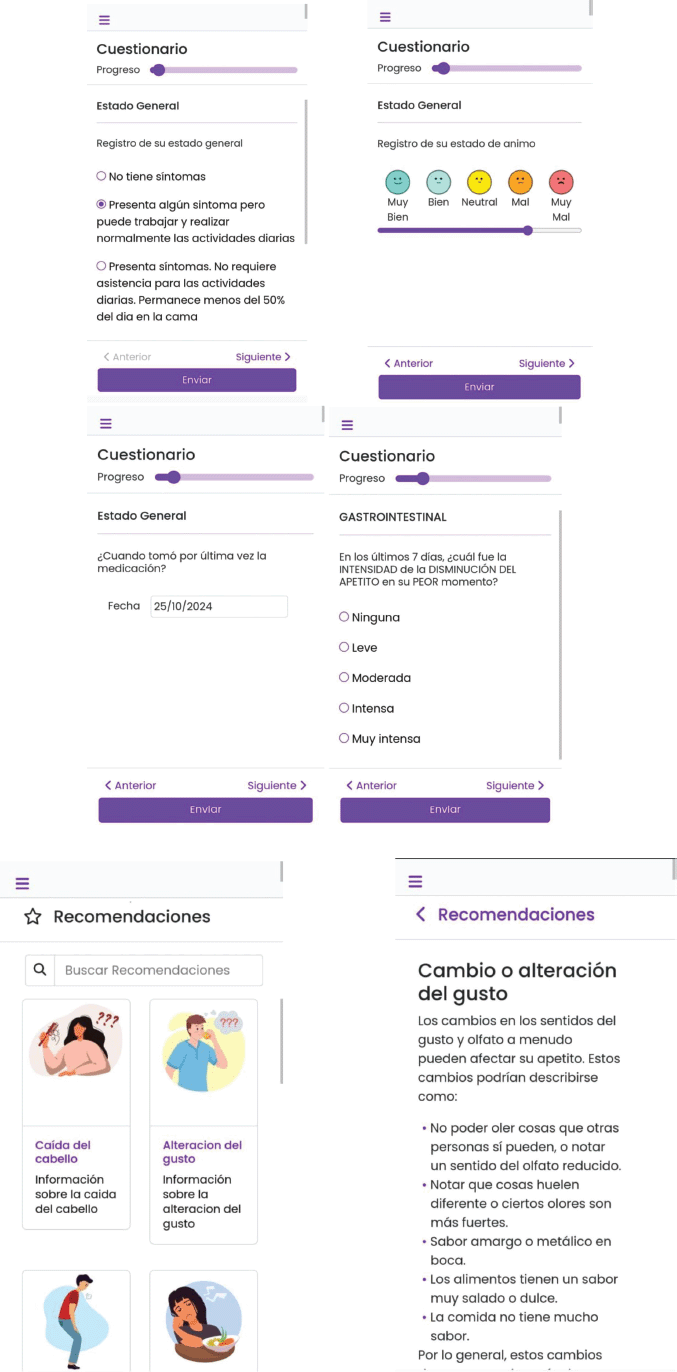
Supplementary Figure 1. Digital platform interface.