Treatment delivery, relative dose intensity and multimodality care patterns in curatively treated soft tissue sarcoma
M P Arun Krishnan, R Nandini Devi, Praveen Kumar Shenoy, Shoaib Nawaz, Abhilash Menon and Anu Mathew
Department of Clinical Hematology and Medical Oncology, Malabar Cancer Centre, Thalassery, Kannur 670103, India
Abstract
Background: Real-world evidence on multimodality treatment and chemotherapy dose delivery in nonmetastatic soft tissue sarcoma (STS) remains limited.
Objectives: To evaluate patterns of multimodality treatment and relative dose intensity (RDI) of chemotherapy in adult patients with nonmetastatic STS treated with curative intent.
Methods: This retrospective study included patients aged ≥18 years with histologically confirmed intermediate- or high-grade STS (World Health Organization 2020 classification; Fédération Nationale des Centres de Lutte Contre le Cancer grade 2–3) in whom treatment was initiated with curative intent and who received at least one treatment modality (surgery ± chemotherapy ± radiotherapy) between January 2016 and December 2024. Data regarding treatment patterns and RDI and toxicity were extracted from hospital records. Survival outcomes were estimated using the Kaplan–Meier method and compared using the log-rank test.
Results: A total of 103 patients were included. The median age was 48 years (range, 18–85). The majority of patients had extremity tumours (75%), and 89.3% had grade 3 disease. Synovial sarcoma was the most common histology (28%). Surgery was performed in 98.1%, achieving clear margins in 84.5%. Radiotherapy was administered in 66% (94% postoperative). Chemotherapy was given to 57%, predominantly in the adjuvant setting (51.5%). Among 53 evaluable patients, RDI 100% for both ifosfamide and doxorubicin was achieved in 13% only, and RDI ≥ 85% in 70%. At a median follow-up of 59.4 months, median overall survival (OS) and disease-free survival (DFS) were not reached; 4 years OS and DFS were 74.6% and 58%, respectively. Trimodality treatment (surgery, radiotherapy and chemotherapy) was associated with the longest mean OS (98.7 months) compared with other treatment modalities (86.5, 79.9, 51.3 and 10.0 months for surgery + radiotherapy, surgery + chemotherapy, surgery alone and chemotherapy alone, respectively). Mean OS differed significantly across treatment groups (p < 0.001). Adjuvant chemotherapy was associated with superior OS (95.1 versus 76.5 months; p = 0.009). Grade ≥3 febrile neutropenia was seen in 18%. Mean OS was numerically longer among patients with an RDI ≥ 85% than among those with an RDI <85% (98.6 versus 76.4 months); however, this difference did not reach statistical significance (p = 0.313).
Conclusion: Adjuvant chemotherapy was associated with improved survival in appropriately selected patients with nonmetastatic STS. However, maintaining optimal RDI of chemotherapy in real-world practice is challenging and associated with higher observed toxicity rates than reported in clinical trials.
Keywords: soft tissue sarcoma, chemotherapy, relative dose intensity
Correspondence to: R Nandini Devi
Email: nandinidevisandeep@gmail.com
Published: 22/09/2026
Received: 16/05/2026
Publication costs for this article were supported by ecancer (UK Charity number 1176307).
Copyright: © the authors; licensee ecancermedicalscience. This is an Open Access article distributed under the terms of the Creative Commons Attribution License (http://creativecommons.org/licenses/by/4.0), which permits unrestricted use, distribution, and reproduction in any medium, provided the original work is properly cited.
Background
Soft tissue sarcomas (STS) account for less than 1%–2% of adult malignancies and encompass more than 50 histological subtypes of biologically diverse mesenchymal tumours [1,2]. The primary goal of management in localised, nonmetastatic extremity STS is to attain local disease control and prevent distant relapse while preserving limb function. The ideal sequencing of multimodality treatment to achieve these goals without compromising the patient quality of life is an area of ongoing debate. The rarity and histologic heterogeneity of sarcoma pose a major hurdle in conducting large prospective trials to address these questions and to formulate universally acceptable treatment guidelines. This leads to varied patterns in application of multimodality treatment options based on institutional preference [1–4].
Systemic failure in the form of lung metastasis is the most common cause of disease-specific mortality in extremity soft tissue sarcoma [1]. Adjuvant chemotherapy trials in STS have demonstrated modest and heterogeneous survival benefits. The Sarcoma Meta-analysis Collaboration (SMAC) published in 1997, which primarily included trials using anthracyclines alone, demonstrated a clear biological effect, with an absolute 6%–10% improvement in recurrence-free survival and a trend towards improved overall survival (OS), although this did not reach statistical significance (HR for death 0.89, 95% CI: 0.76–1.03) [5,6]. Subsequent trials incorporating ifosfamide with doxorubicin, along with granulocyte colony-stimulating factor (G-CSF) support to maintain dose intensity, reported improved outcomes in selected high-risk patients. For example, Frustaci et al [7] reported 4-year OS of 69% versus 50% [7]. Similarly, studies by Brodowicz et al [8] and Petrioli et al [9] reported disease-free survival (DFS) and OS rates broadly in the range of 60%–70% [8,9]. In contrast, the European Organisation for Research and Treatment of Cancer study (EORTC 62931), the largest randomised controlled trial in this setting, demonstrated no significant survival benefit, with 5-year OS of approximately 66% in both arms [10]. These conflicting findings – particularly between the updated SMAC analysis, which suggested an approximate 11% reduction in the risk of death and the negative results of pooled analyses of EORTC trials – have contributed to the ongoing controversy regarding the role of adjuvant chemotherapy in STS [11–14].
A combination of ifosfamide and doxorubicin forms the backbone of systemic therapy in STS. But both doxorubicin and ifosfamide exhibit a steep dose–response relationship to the tune of 75–90 mg/m2 and 9–11 gm/m2 for doxorubicin and Ifosfamide, respectively to induce a 25% tumour size reduction [15,16]. Delivering these doses in a predefined time period without compromising patient quality of life remains challenging. In the context of uncertain survival benefit and potential toxicity risk associated with adjuvant chemotherapy, appropriate patient selection is critical. The present consensus on which patients should receive adjuvant chemotherapy is usually taken on a case-to-case basis after multidisciplinary tumour board discussion and shared decision-making. Consequently, considerable variability exists in contemporary practice patterns [15,16].
Relative dose intensity (RDI) is an established critical parameter that affects outcomes in early-stage breast, diffuse large B cell lymphoma and Ewing sarcoma [17–19]. However, evidence regarding RDI of chemotherapy in STS and its clinical impact is scarce. Across major STS trials, chemotherapy delivery has frequently been limited by dose delays and reductions, although exact RDI values are inconsistently reported. Earlier studies, such as Frustaci et al [7], reported suboptimal chemotherapy delivery, with RDI in the range of approximately 70%–80%. In contrast, more contemporary studies, including Woll et al [10] and Gronchi et al [20], have demonstrated improved treatment delivery, with RDI approaching 85%–90% [10,20]. The use of G-CSF has likely contributed to this improvement by reducing chemotherapy-induced neutropenia, thereby minimising treatment delays and dose reductions and facilitating maintenance of planned dose intensity [11,14,21].
In view of the lack of well-established guidelines regarding the optimal sequence of multimodality options, ideal candidates for adjuvant chemotherapy and underreporting of RDI, the real-world data may show wide variations based on institutional practice [3,22]. Moreover, actual delivery of multimodality therapy and the RDI of chemotherapy received in STS can vary considerably in routine clinical practice based on patient tolerance and toxicity profiles. Limited data are available regarding patterns of multimodality therapy and optimal RDI achievement in STS in nontrial settings. Therefore, an evaluation of current real-world practices across institutions may help to identify gaps in treatment delivery, dose intensity and to optimise future strategies.
Methods
This was a retrospective observational study conducted in the medical oncology division of a tertiary cancer centre in South India. We reviewed case records of patients diagnosed with malignant, nonmetastatic STS who were treated with curative intent between 1 January 2016 and 31 December 2024. The objectives of the study were to describe the patterns of multimodality treatment in malignant nonmetastatic STS, assess the RDI of chemotherapy delivered, estimate DFS and OS and evaluate the association of treatment modalities and chemotherapy RDI with survival outcomes.
Study population
The inclusion criteria were patients of age ≥18 years, histologically confirmed nonmetastatic malignant STS, as per the WHO 2020 Classification, Fédération Nationale des Centres de Lutte Contre le Cancer (FNCLCC) Intermediate (Grade 2) or high grade (Grade 3) and those who received treatment with curative intent with at least one modality (surgery ± chemotherapy ± radiotherapy).
WHO-classified intermediate or benign soft tissue tumours, nonmetastatic disease treated with palliative intent decided by the multispecialty board, and subtypes, such as gastrointestinal stromal tumours, alveolar soft part sarcoma, extra skeletal Ewing’s, extra skeletal osteosarcoma, metastatic disease at diagnosis and incomplete records on sequence of treatment modality or ifosfamide–doxorubicin chemotherapy dosing details were excluded.
Data collection
Unique Health Identifier numbers of nonmetastatic STS patients were collected from the hospital cancer registry, and individual patient hospital records were screened to identify patients fitting the study criteria. Demographic details, tumour characteristics and details of treatment modalities were extracted from and keyed into IBM SPSS Statistics version 29 software.
Institutional approach to adjuvant chemotherapy selection
Our institution’s protocol on deciding on eligibility for adjuvant chemotherapy was a process-driven approach rather than solely depending on parameters, such as size more than 5 cm, deep tumour, margin positive, high grade and extremity site. In a process-driven approach, in addition to the above parameters, patient factors, such as age, performance status, previous tolerance to other modalities, patient preference, including willingness to accept chemotherapy-related toxicities for marginal benefit, were also considered. Shared decision-making was undertaken and documented in the case file prior to initiation of chemotherapy. RDI is the ratio of chemotherapy dose delivered to the standard planned dose per unit time. For patients receiving chemotherapy, RDI was calculated as:
RDI = delivered dose intensity/planned dose intensity × 100
Planned dose intensity was calculated based on the anticipated dose (%) and anticipated duration in days in the standard regimen schedule followed, while delivered dose intensity reflected the actual doses (%) and actual duration of chemotherapy administered. At our institution, the standard chemotherapy protocol consisted of doxorubicin 60 mg/m² on day 1 and ifosfamide 1,800 mg/m² on days 1–3 administered at 21-day intervals for a planned total of six cycles. Therefore, a patient who completed the full planned dose without any interruption will have RDI = 100%
Statistical analysis
Statistical analysis was performed using IBM SPSS Statistics version 29. Categorical variables were expressed as frequencies and percentages. Overall survival was defined as the time from the date of diagnosis to death from any cause or last follow-up. Disease-free survival was defined as the time from definitive surgery to the first documented recurrence. Survival curves were estimated using the Kaplan–Meier method, and comparisons between groups were performed using the log-rank test.
This study commenced after approval from the institutional review board (IRB). Vide no: 1616/IRB-SRC/13/MCC/27-09-2025/2.Waiver of consent was obtained from the IRB.
Operational definitions
Cycle omission: Omission of at least one planned chemotherapy cycle.
Cycle delay (>7 days): An inter-cycle interval exceeding 7 days beyond the planned schedule (i.e. chemotherapy administered on or after day 28 when the intended cycle interval is 21 days).
Completed chemotherapy with RDI >85%: Patients achieving a RDI >85% for both doxorubicin and ifosfamide.
Completed chemotherapy at RDI 100%: Patients achieving 100% RDI for both agents (doxorubicin or ifosfamide).
Results
After screening the records of 382 patients who were documented as nonmetastatic STS during the study period, 103 patients met the inclusion criteria of the study.
Clinical and pathologic profiles
The median age of the study population was 48 years (range: 18–85 years). The majority of patients were aged between 40 and 59 years (51%). Regarding gender distribution, 59 patients (57.3%) were male and 44 patients (42.7%) were female. Most patients had Eastern Cooperative Oncology Group (ECOG) 1 (71.8%) performance status at the time of first presentation in hospital. Among histological subtypes, synovial sarcoma was the most common (28.2%), followed by undifferentiated pleomorphic sarcoma (UPS) (21.4%). Based on FNCLCC grading, the majority of tumours were grade 3 (92, 89.3%), while grade 2 tumours accounted for 11 cases (10.7%). Confirmation of histologic diagnosis by an in-house pathologist was mandatory before initiating treatment. Rebiopsy was done if the initial biopsy was deemed inconclusive by the in-house pathologist after reviewing the slide and block, or if the slide and block were not available for review. Among the patients who underwent rebiopsy (n = 74) due to an inconclusive diagnosis, the diagnosis remained unchanged in 59 cases (79.72%). Six patient underwent testing for the t(X;18)(p11;q11) translocation (Table 1).
Patterns of multimodality treatment
Overall, surgery was performed in the vast majority of patients, with 101 patients (98.1%) undergoing surgical management, while only 2 patients (1.9%) did not undergo surgery as they progressed post-neoadjuvant chemotherapy. A total of 54 patients (52.4%) had their initial surgery performed at a different hospital, and among them, 36 (67%) subsequently required resurgery in our tertiary cancer centre. R1 resection and unknown margin status following the initial surgery were the most common indications for resurgery.
Multidisciplinary tumour board discussions were done in 101 patients (98%) before initiation of treatment to formulate optimal sequencing of treatment modalities. Among patients who received chemotherapy, documentation of factors influencing patient selection and shared decision-making discussing the pros and cons of chemotherapy was available in 96% of case records.
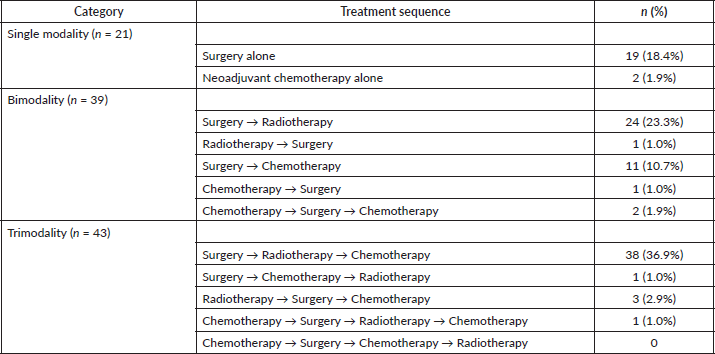
Chemotherapy was administered to 59 patients (57.3%); adjuvant chemotherapy was the most common approach, given to 53 patients (51.5%). Ifosfamide with doxorubicin combination regimen was used. Neoadjuvant chemotherapy (NACT) was used in three patients (2.9%); two progressed during NACT and one systemic progression was detected post-surgery before starting adjuvant. Three patients (2.9%) received both neoadjuvant and adjuvant chemotherapy. All patients received growth factor support post-chemotherapy (Tables 2 and 3).
Relative dose intensity was calculated for 53 patients who received adjuvant chemotherapy. RDI ≥90% for ifosfamide and doxorubicin was achieved in 34 patients (64%), and RDI ≥85% in 70%. The most common reasons for dose delay and dose reductions in maintaining dose were hematologic toxicity (Grade ≥ 3 febrile neutropenia, 18%) and disease progression was the most common cause of treatment cessation before completion of six cycles. One patient developed cardiac toxicity (left ventricular hypokinesia, ejection fraction dropped from 64% to 35%) post four cycles of chemotherapy and further chemotherapy was deferred.
Age forms an important decisive factor in maintaining optimal chemotherapy delivery (Table 4). Out of 53 patients who received adjuvant chemotherapy, 11 did not receive radiotherapy, while the majority (n = 41) received chemotherapy following radiotherapy. Mean time taken to initiate adjuvant chemotherapy post-radiation therapy was 23 days (range, 13–141 days).
Table 1. Clinical and pathologic profile (n = 103).
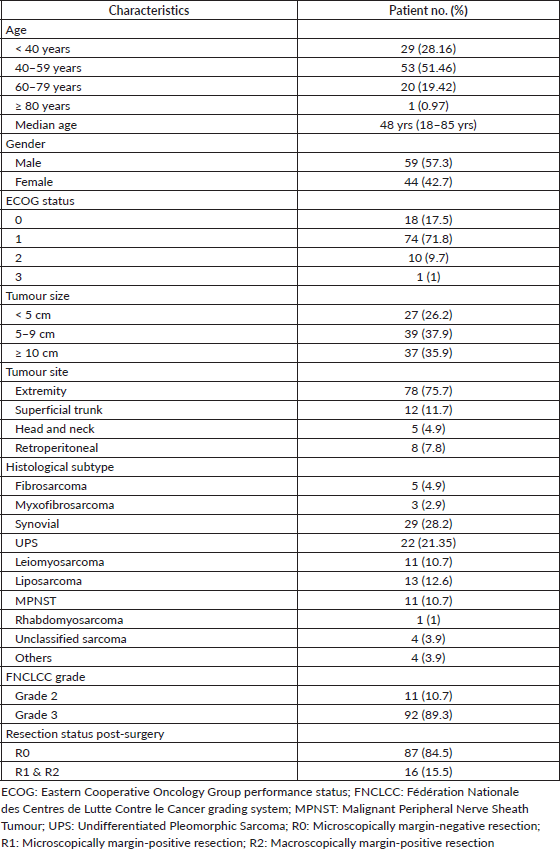
Table 2. Treatment patterns and modalities (n = 103).
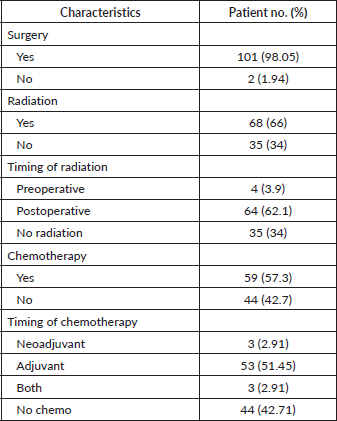
Table 3. Sequencing of treatment modalities (n = 103).
Survival analysis
At a median follow-up of 59.4 months, the median OS and DFS were not reached. The estimated 4-year OS and DFS rates were 74.6% and 58%, respectively. The mean OS was 87.6 months (95% CI: 78.4–96.8), and the mean DFS was 72.2 months (95% CI: 61.5–82.9) (Figures 1 and 2).
Regarding failure patterns, systemic relapse was the most frequently encountered, in 29 patients (28.2%), followed by local recurrence in 14 patients (13.6%).
Table 4. Age-wise distribution of adjuvant chemotherapy delivery (n = 53).
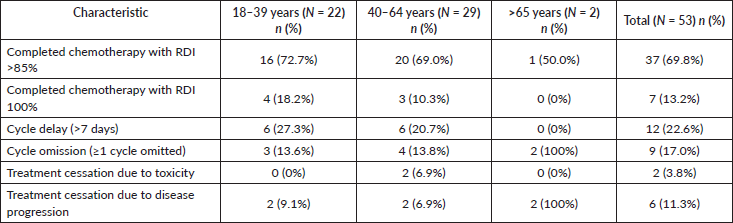
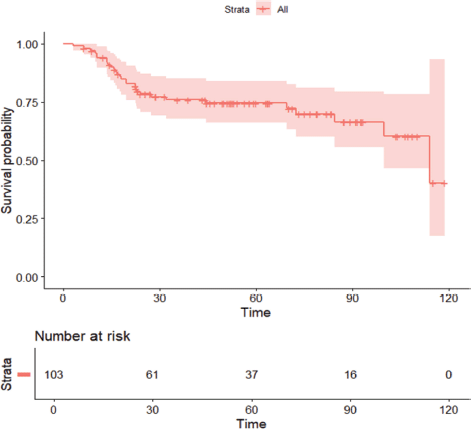
Figure 1. Overall survival (OS) by Kaplan–Meier method (time in months).
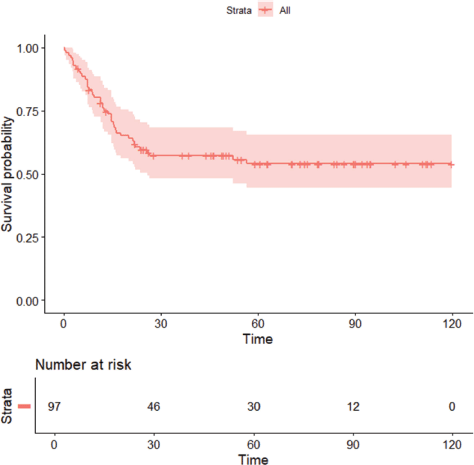
Figure 2. Disease-free survival (DFS) by Kaplan–Meier method (time in months).
Adjuvant chemotherapy was associated with superior OS (95.1 versus 76.5 months; p = 0.009). RDI (≥85%) was not associated with a statistically significant improvement in survival (p = 0.313) (Figure 3).
Patients receiving trimodality treatment (surgery, radiotherapy and chemotherapy) (n = 43, 41.7%) demonstrated the longest mean OS of 98.65 months (95% CI: 89.56–107.74). This was followed by patients treated with surgery and radiotherapy (n = 25, 24.3%), with a mean OS of 86.45 months (95% CI: 68.34–104.56). Patients treated with surgery alone (n = 19, 18.4%) had a mean OS of 51.26 months (95% CI: 35.39–67.13), whereas those receiving chemotherapy alone (n = 2, 2%) had the poorest outcomes, with a mean OS of 10.03 months (95% CI: 2.91–17.15). The differences in mean OS across treatment modalities were statistically significant (log-rank test, p < 0.001). However, NACT alone subgroup comprised only two patients, and therefore the survival estimate should be interpreted with extreme caution due to the very small sample size (Figure 4).
Discussion
Clinical and pathological characteristics
The clinicodemographic profile of our cohort was broadly comparable with previously published Indian and international STS datasets, with age of presentation in the fifth decade of life and extremity being the common site [1]. Synovial sarcoma and UPS were the most frequently encountered histologies, consistent with prior institutional experiences reported from tertiary sarcoma centres in India [23].
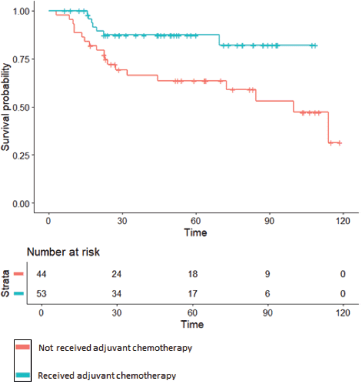
Figure 3. Overall survival (OS) by adjuvant chemotherapy status (time in months).
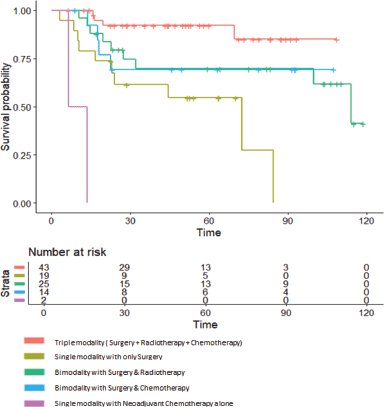
Figure 4. Overall survival (OS) by treatment modality (time in months).
In our study among patients who underwent rebiopsy or in-house slide/block review, the histological diagnosis changed in nearly one-fifth of cases. Similar observations have been reported by Rastogi et al [24] from the All India Institute of Medical Sciences, where nearly 37% discordance between outside and expert sarcoma pathology review was documented. This important observation regarding discordance seen in histologic diagnosis highlights the need for upskilling the pathologic expertise in low- and middle-income countries (LMIC), as it impacts treatment decisions and patient outcomes [24].
More than half of the patients underwent their initial surgery at peripheral centres, and a substantial proportion (67%) subsequently required re-resection at our tertiary cancer centre, primarily due to inadequate or unknown margin status. Previous studies, including that by Gutierrez et al [25] have demonstrated that optimal oncological outcomes are achieved when sarcomas are managed at high-volume centres with dedicated multidisciplinary expertise. These findings underscore the importance of early referral to specialised centres in order to avoid suboptimal initial management and unnecessary interventions [25–27].
Although sarcoma management is increasingly transitioning from a histology-driven approach to a molecular signature-based approach, in our cohort, only six patients underwent studies for translocation. The reasons documented for this low testing rate are limited accessibility due to unavailability of in-house testing during the study period, lack of reimbursement, delayed turnaround times and uncertain therapeutic implications post-testing. Similar barriers to practicing precision medicine based on genomic testing in LMIC have been highlighted by Girisha and Moosa [28,29].
Patterns of multimodality treatment
A major strength of our cohort was the systematic utilisation of multidisciplinary decision-making and finalising the treatment sequence before treatment initiation. Nearly all patients (98%) adhered to the good clinical practice of multidisciplinary tumour board discussion before treatment initiation. Siegel et al [26] have demonstrated that this organisational framework of multispeciality board evaluation improves treatment planning and optimises sequencing of treatment modalities.
Surgery remained the cornerstone of treatment in our cohort. Radiotherapy and chemotherapy were selectively incorporated, taking into consideration tumour- and patient-related factors. Importantly, in our study, among the patients who received adjuvant chemotherapy following a pragmatic process-driven approach, 96% had documentation of the pros and cons of chemotherapy. This meticulous approach is very important as adjuvant chemotherapy is still an area of controversy [14,26].
The use of ifosfamide–doxorubicin regimen in all chemotherapy-eligible patients provided treatment homogeneity and made RDI calculation feasible. Moreover, Gronchi et al’s [20] study evaluating histology-tailored NACT did not demonstrate a survival advantage for histology-driven chemotherapy over standard chemotherapy approaches.
Chemotherapy delivery and relative dose intensity
One of the major objectives of this study was to evaluate real-world chemotherapy delivery and maintenance of its dose intensity.
Although 91% of patients in our cohort completed all planned six cycles of chemotherapy, only 13.2% were able to complete treatment without dose delays or dose reductions (RDI 100%). In comparison, the landmark EORTC 62931 trial reported that approximately 80% of patients completed all five planned cycles, while 68% received the full planned chemotherapy without significant delays or omissions [10].
Despite prophylactic growth factor support, febrile neutropenia was the most common reason for dose delay and dose reduction in our study. Grade ≥3 febrile neutropenia occurred in 18% of patients, which was far higher than the 10% reported in the EORTC 62931 and 13% reported by an Italian cooperative group trial [7,10].
Treatment discontinuation before completion of the planned six cycles of chemotherapy occurred in 15% of our patients, with disease progression being the most frequent cause. In comparison, the Italian trial reported that approximately 9% of patients failed to complete all six planned cycles, most commonly because of toxicity [7]. This discontinuation and toxicity data show the challenges in reproducing clinical trial outcomes in real-world practice [3,4]. An age-related decline in chemotherapy delivery was observed, with younger patients achieving higher RDI, whereas older patients had increased dose reductions, omissions and treatment discontinuation due to toxicity, consistent with patterns reported in other sarcoma cohorts [10]. More recently, Klingberg et al [19] reported that dose intensity and age have a significant impact in Ewing sarcoma patients.
Studies by Chirivella et al [17] demonstrated that maintaining anthracycline dose intensity improves survival and impacts prognosis in breast cancer and diffuse large B-cell lymphoma, respectively [17,18]. However, evidence regarding RDI in adult STS remains sparse. A retrospective multicentric study reported by Poitureau et al [30] failed to demonstrate an association between trabectedin RDI and progression-free survival or OS in advanced liposarcoma and leiomyosarcoma. To the best of our knowledge, this is the first study to explore the impact of RDI of ifosfamide and adriamycin in soft tissue. Our study also failed to demonstrate a statistically significant survival advantage with maintenance of RDI ≥85% for ifosfamide and doxorubicin (p = 0.313). However, given the relatively small sample size and retrospective design of our study, these findings require validation in larger prospective cohorts.
Survival outcomes
In our cohort of 103 patients with a median follow-up of 59.4 months, the estimated 3-year OS was 76%. These findings are comparable to those reported in an Indian study by Garg et al [23] which included 79 patients and demonstrated a 3-year OS of 77.6% with a median follow-up of 55 months. Systemic relapse was the predominant pattern of failure (28%) in our study, consistent with data from prior sarcoma series and similar to the Garg et al [23] study (20%) [1,23].
Adjuvant chemotherapy was associated with improved OS in our cohort (95.1 versus 76.5 months; p = 0.009), which is in concordance with SMAC data [5–6,11]. A study of an Italian group by Frustaci et al [7] reports a positive OS impact by adjuvant chemotherapy (75 months versus 46 months) [7]. The most likely contributing factors for this benefit can be the pragmatic process-driven approach followed in patient selection.
Limitations
The major limitation of the study is a retrospective single-centre design. The pragmatic process-driven approach in patient selection for adjuvant chemotherapy introduces the possibility of selection bias due to clinician judgement and patient preferences. Underreporting of low-grade toxicities due to suboptimal documentation is another limitation. Though a rare disease, the relatively small sample size in subgroups of chemotherapy limits the statistical power to conclusively determine the impact of RDI on survival outcomes. Hence, observations regarding the impact of RDI on survival should be considered hypothesis generating and require further validation in larger prospective multicentric trials.
However, conducting large randomised trials addressing every clinically relevant question is not feasible due to rarity and heterogeneity of the disease. In this context, high-quality real-world studies will help in refining future treatment strategies. In view of the same, despite the above-mentioned limitations, this real-world data from a tertiary cancer centre in an LMIC setting helps to identify gaps in planned care delivery [3,4].
The study tries to address the controversial yet underrepresented aspects of adjuvant chemotherapy, including the survival impact of a pragmatic process-driven approach in patient selection for adjuvant chemotherapy, challenges in maintaining chemotherapy dose intensity and treatment sequencing in clinics. The findings also highlight the disparity in toxicity incidence and treatment delivery challenges encountered in routine clinics versus those reported in a clinical trial setting. Importantly, this study is among the few to explore the association of RDI of ifosfamide–doxorubicin regimen chemotherapy and survival in localised STS.
Conclusion
Adjuvant chemotherapy was associated with improved survival in appropriately selected patients with nonmetastatic STS. However, maintaining optimal RDI of chemotherapy in real-world practice is challenging and associated with higher observed toxicity rates than reported in clinical trials.
Acknowledgments
We sincerely thank Dr Bindu T, Malabar Cancer Centre (PGIOSR), Thalassery, Kerala, India, for helping us with data analysis.
Conflicts of interest
The authors declare that they have no conflict of interest.
Funding
No research funding was obtained for this study.
Informed consent
This study was approved by the institutional review board (IRB). Vide no: 1616/IRB-SRC/13/MCC/27-09-2025/2. Being a retrospective study, waiver of consent was obtained from the IRB.
Author contributions
All authors have reviewed the final version to be published and agreed to be accountable for all aspects of the work.
Concept and design: Arun Krishnan M.P, Nandini Devi R, Praveen Shenoy, Abhilash Menon and Shoaib Nawaz.
Data acquisition and analysis: Arun Krishnan M.P, Nandini Devi R, Anu Mathew and Praveen Shenoy.
Drafting of the manuscript and critical review: Arun Krishnan M.P, Nandini Devi R, Praveen Shenoy, Abhilash Menon, Shoaib Nawaz and Anu Mathew.
References
1. Brennan MF, Antonescu CR, and Moraco N, et al (2014) Lessons learned from the study of 10,000 patients with soft tissue sarcoma Ann Surg 260(3) 416–421 https://doi.org/10.1097/SLA.0000000000000869 PMID: 25115417 PMCID: 4170654
2. Gómez J and Tsagozis P (2020) Multidisciplinary treatment of soft tissue sarcomas: an update World J Clin Oncol 11(4) 180–189 https://doi.org/10.5306/wjco.v11.i4.180 PMID: 32355640 PMCID: 7186235
3. Holthuis EI, Heins MJ, and Van Houdt WJ, et al (2024) Improving diagnosis and care for patients with sarcoma: do real-world general practitioners data and prospective data collections have a place next to clinical trials? JCO Clin Cancer Inf 8 e2400054
4. European Society for Medical Oncology (ESMO) (2025) Real-world data has become integral to sarcoma research [Internet] [https://dailyreporter.esmo.org/esmo-sarcoma-and-rare-cancers-congress-2025/editorial/real-world-data-has-become-integral-to-sarcoma-research]
5. Collaboration SMA (1997) Adjuvant chemotherapy for localised resectable soft-tissue sarcoma of adults: meta-analysis of individual data Lancet 350 1647–1654 https://doi.org/10.1016/S0140-6736(97)08165-8
6. Sarcoma Meta-analysis Collaboration (SMAC) (2000) Adjuvant chemotherapy for localised resectable soft tissue sarcoma in adults Cochrane Database Syst Rev (2) CD001419 [https://doi.org/10.1002/14651858.CD001419]
7. Frustaci S, Gherlinzoni F, and De Paoli A, et al (2001) Adjuvant chemotherapy for adult soft tissue sarcomas of the extremities and girdles: results of the Italian randomized cooperative trial J Clin Oncol 19 1238–1247 https://doi.org/10.1200/JCO.2001.19.5.1238 PMID: 11230464
8. Brodowicz T, Schwameis E, and Widder J, et al (2000) Intensified adjuvant IFADIC chemotherapy for adult soft tissue sarcoma: a prospective randomized feasibility trial Sarcoma 4 151–160 https://doi.org/10.1155/2000/126837
9. Petrioli R, Coratti A, and Correale P, et al (2002) Adjuvant epirubicin with or without ifosfamide for adult soft-tissue sarcoma Am J Clin Oncol 25 468–473 https://doi.org/10.1097/00000421-200210000-00009 PMID: 12393986
10. Woll PJ, Reichardt P, and Le Cesne A, et al (2012) Adjuvant chemotherapy with doxorubicin, ifosfamide, and lenograstim for resected soft-tissue sarcoma (EORTC 62931): a multicentre randomised controlled trial Lancet Oncol 13(10) 1045–1054 https://doi.org/10.1016/S1470-2045(12)70346-7 PMID: 22954508
11. Pervaiz N, Colterjohn N, and Farrokhyar F, et al (2008) A systematic meta-analysis of randomized controlled trials of adjuvant chemotherapy for localized resectable soft-tissue sarcoma Cancer 113 573–581 https://doi.org/10.1002/cncr.23592 PMID: 18521899
12. Le Cesne A, Ouali M, and Leahy MG, et al (2014) Doxorubicin-based adjuvant chemotherapy in soft tissue sarcoma: pooled analysis of two STBSG-EORTC phase III clinical trials Ann Oncol 25 2425–2432 https://doi.org/10.1093/annonc/mdu460 PMID: 25294887
13. Mohan A, Kattepur AK, and Patkar S, et al (2025) A comprehensive review of chemotherapy in localized soft tissue sarcomas: is the cat out of the bag yet? Indian J Surg Oncol 16(6) 1788–1794 https://doi.org/10.1007/s13193-025-02249-0 PMID: 41415756 PMCID: 12708445
14. Bajpai J and Susan D (2016) Adjuvant chemotherapy in soft tissue sarcomas: conflicts, consensus, and controversies South Asian J Cancer 5(1) 15–19 https://doi.org/10.4103/2278-330X.179687 PMID: 27169114 PMCID: 4845599
15. Scurr M and Judson I (2005) Neoadjuvant and adjuvant therapy for extremity soft tissue sarcomas Hematol Oncol Clin North Am 19 489–500 https://doi.org/10.1016/j.hoc.2005.03.003 PMID: 15939193
16. Tascilar M, Loos WJ, and Seynaeve C, et al (2007) The pharmacological basis of ifosfamide use in adult patients with advanced soft tissue sarcomas Oncologist 12 1351–1360 https://doi.org/10.1634/theoncologist.12-11-1351 PMID: 18055856
17. Chirivella I, Bermejo B, and Insa A, et al (2009) Optimal delivery of anthracycline-based chemotherapy in the adjuvant setting improves outcome of breast cancer patients Breast Cancer Res Treatment 114 479–484 https://doi.org/10.1007/s10549-008-0018-1
18. Bosly A, Bron D, and Van Hoof A, et al (2008) Achievement of optimal average relative dose intensity and correlation with survival in diffuse large B-cell lymphoma patients treated with CHOP Ann Hematol 87 277–283 https://doi.org/10.1007/s00277-007-0399-y
19. Klingberg D, Bae S, and Zhou DDX, et al (2025) Association of chemotherapy dose intensity and age with outcomes in patients with Ewing’s family sarcoma Asia Pac J Clin Oncol 21(1) 87–94 https://doi.org/10.1111/ajco.13998 PMCID: 11733862
20. Gronchi A, Palmerini E, and Quagliuolo V, et al (2020) Neoadjuvant chemotherapy in high-risk soft tissue sarcomas: final results of a randomized trial J Clin Oncol 38(19) 2178–2186 https://doi.org/10.1200/JCO.19.03289 PMID: 32421444
21. Bui BN, Chevallier B, and Chevreau C, et al (1995) Efficacy of lenograstim on hematologic tolerance to MAID chemotherapy in patients with advanced soft tissue sarcoma and consequences on treatment dose-intensity J Clin Oncol 13(10) 2629–2636 https://doi.org/10.1200/JCO.1995.13.10.2629 PMID: 7595717
22. Pestana RC, Lopes David BB, and Pires De Camargo V, et al (2024) Challenges and opportunities for sarcoma care and research in Latin America: a position paper from the LACOG sarcoma group Lancet Regional Health Americas 30 100671 https://doi.org/10.1016/j.lana.2023.100671 PMID: 38259252 PMCID: 10801304
23. Garg L, Pruthi M, and Batra U, et al (2022) Analysis of clinical outcomes of patients with soft tissue sarcoma Indian J Surg Oncol 13 518–524 https://doi.org/10.1007/s13193-022-01510-0 PMID: 36187529 PMCID: 9515294
24. Rastogi S, Aggarwal A, and Shishak S, et al (2019) Discordance of histopathological diagnosis of patients with soft tissue sarcoma referred to a tertiary care center Asian Pac J Cancer Care 4(4) 119–123 [https://doi.org/10.31557/apjcc.2019.4.4.119-123]
25. Gutierrez JC, Perez EA, and Moffat FL, et al (2007) Should soft tissue sarcomas be treated at high-volume centers? An analysis of 4205 patients Ann Surg 245(6) 952–958 https://doi.org/10.1097/01.sla.0000250438.04393.a8 PMID: 17522521 PMCID: 1876958
26. Biermann JS, Siegel G, and Chugh R, et al (2015) The multidisciplinary management of bone and soft tissue sarcoma: an essential organizational framework J Multidiscip Healthc 8 109–115 https://doi.org/10.2147/JMDH.S49805 PMID: 25733913 PMCID: 4340372
27. Abarca T, Gao Y, and Monga V, et al (2018) Improved survival for extremity soft tissue sarcoma treated in high-volume facilities J Surg Oncol 117(7) 1479–1486 https://doi.org/10.1002/jso.25052 PMID: 29633281 PMCID: 6322682
28. Girisha KM and Moosa S (2024) Genomic testing in low- and middle-income countries (LMIC) Eur J Hum Genet 32 1193–1194 https://doi.org/10.1038/s41431-024-01622-x PMID: 39443810 PMCID: 11500087
29. Connolly EA, Boye K, and Bonvalot S, et al (2025) Genetic predisposition in sarcomas: clinical implications and management eClinicalMedicine 83 103203 https://doi.org/10.1016/j.eclinm.2025.103203 PMID: 40291347 PMCID: 12032185
30. Poitureau S, Le Deley MC, and Brahmi M, et al (2025) Relative dose intensity of trabectedin and outcome of advanced L-sarcomas Cancer Med 14(16) e71131 https://doi.org/10.1002/cam4.71131 PMID: 40827456 PMCID: 12361930