The context, components and mechanisms of action for early and/or integrated palliative care in adult oncology: a systematic review with assessment of transferability into resource-limited settings
Nahla Gafer1,2, Matthew Maddocks1, Nuhamin Gebre1,3, Khulood Alyami1,4 and Richard Harding1
1Florence Nightingale Faculty of Nursing, Midwifery and Palliative Care, Cicely Saunders Institute, King’s College London, SE5 9PJ London, UK
2Khartoum Oncology Hospital, Khartoum 11111, Sudan
3Ministry of Health, Addis Ababa 1234, Ethiopia
4College of Nursing, Imam Abdulrahman Bin Faisal University, PO Box 1982, Dammam 31451, Saudi Arabia
Abstract
Background: Clinical trials have demonstrated that palliative care (PC) provided early and alongside cancer treatment can alleviate symptoms and enhance the quality of life. This review aimed to synthesise the existing evidence for an early integrated PC in adult oncology with a specific focus on context, components, mechanisms of action and transferability into low-income settings.
Methods: Systematic review of six databases 1967–2025, identifying randomised controlled trials evaluating early and/or integrated PC in adult oncology. Quality appraisal used the Mixed Methods Appraisal Tool (MMAT). Data were synthesised via narrative and intervention syntheses. Context, components, mechanisms of action and outcomes of PC were mapped in a logic model. Transferability was assessed by the TRANSFER approach.
Results: N = 46 papers (2010–25) were retained, with n = 40 (93%) meeting the quality assessment criteria, fulfilling 4/5 MMAT criteria, with only n = 6 (13%) from the global south. Nurses were the most common PC providers, delivering patient communication and symptom management, either within multidisciplinary teams, in doctor–nurse dyads or as sole providers of PC. The term ‘early’ denoted initiation of PC: (a) within 8 weeks of an advanced cancer diagnosis, (b) linked to a cancer treatment phase or (c) based on an estimated prognosis of 6–24 months. Three models of integration were identified: (a) co-located concurrent care (basic integration of services), (b) interdisciplinary collaboration (e.g. team meetings and shared decision making), (c) fully embedded/unified care (e.g. co-rounding models or primary PC by oncology providers). With respect to transferability to low-resource settings, while the core principles are relevant, direct replication is limited by the evidence being from high-resource contexts. Models emphasising structured protocols, task shifting to nurses and simplified, adaptable interventions are considered more feasible, whereas complex, specialist team-dependent models raise moderate concerns for transferability.
Conclusion: Locally appropriate models are urgently needed to meet the needs of patients and families in the global south, which faces the greatest cancer burden.
Keywords: early, integrated, palliative care, oncology, cancer, models, resource-limited settings
Correspondence to: Nahla Gafer
Email: nahla.m.gafer@kcl.ac.uk and nahla.gafer@yahoo.com
Published: 07/09/2026
Received: 23/03/2026
Publication costs for this article were supported by ecancer (UK Charity number 1176307).
Copyright: © the authors; licensee ecancermedicalscience. This is an Open Access article distributed under the terms of the Creative Commons Attribution License (http://creativecommons.org/licenses/by/4.0), which permits unrestricted use, distribution, and reproduction in any medium, provided the original work is properly cited.
Introduction
Cancer was the second leading cause of death globally in 2020 and is expected to become the first by 2060 [1]. Cancer places a heavy burden on patients, families and healthcare systems, including symptoms such as pain, depression, the financial strain of treatment coupled with lost family income and caregiving demands and unplanned admissions [2, 3]. Economic and lifestyle changes, such as higher tobacco use, poor nutrition and physical inactivity, are driving cancer incidence increases in countries undergoing economic transition [4]. By 2060, four-fifths of global deaths with serious health-related suffering will occur in low- and middle-income countries (LMICs), where access to palliative care (PC) is poorest [1].
Despite evidence that PC improves outcomes and saves costs [5–8], currently specialist PC services only reach an estimated 14% of those who would benefit [9]. PC is an essential health service under Universal Health Coverage. Traditionally, PC has been closely linked to end-of-life care [10]. However, evidence suggests significant benefits of introducing PC early and/or alongside disease-oriented treatment. Systematic reviews of early or integrated PC report improvements in quality of life, symptom burden (including pain, depression and anxiety) and patient satisfaction with care [5, 6]. Furthermore, such integration is associated with reduced non-beneficial end-of-life treatments, lower healthcare costs and, in some cases, prolonged patient survival [7, 8].
The American Society of Clinical Oncology has defined early PC as starting within 8 weeks of diagnosis [11]. It is also defined by the clinical milestones in the disease course – for instance, at the time metastatic disease is identified [12] or when first-line palliative chemotherapy begins [13]. This variability reflects the evolving understanding that ‘early’ integration is not only about time but also about the point in the illness trajectory where PC can proactively address unmet needs alongside potentially disease-modifying treatment.
Integration of health care is defined as any ‘managerial or operational changes to health systems to bring together inputs, delivery, management and organisation of particular service functions as a means of improving coverage, access, quality, acceptability and cost-effectiveness’ [14]. Integrated PC is defined as ‘coordinated and continuous care across the different health organisations, levels of care and PC providers’ [15]. Within oncology care, integration has been defined as the systematic incorporation of PC principles and services into the overall care of cancer patients [16].
Existing reviews have effectively identified core components of integrated models, implementation barriers and economic impacts in various contexts [5, 17, 18]. Others have focused on specific themes such as the role of multidisciplinary teams [19] and the necessity of provider training [20]. Notably, some work has begun to explore access challenges in particular settings, including rural environments where resource constraints are often most acute [21]. Despite these contributions, significant gaps remain in understanding how PC is integrated into oncology, the mechanisms by which it provides its benefits, and how these findings can be translated into resource-limited settings, where the greatest need is. While previous reviews establish that integration works, a synthesis of how it works (i.e. through specific components, contextual factors and causal mechanisms) and transferability to low-resource settings is lacking.
This review aimed to identify, critically appraise and synthesise the existing evidence for integrated and/or early PC in adult oncology. The objectives were as follows: (a) to identify randomised controlled trials of early and/or integrated PC for oncology patients; (b) to appraise the study quality; (c) to map models focusing on context, intervention components and mechanisms of action and (d) to assess the transferability of evidence with particular attention to resource requirements.
Methods
Design
This systematic review utilised the PRISMA guidelines (Preferred Reporting Items for Systematic Reviews and Meta-Analysis) and the Guidance on the Conduct of Narrative Synthesis in Systematic Reviews [22, 23].
Protocol registration
The protocol was registered on PROSPERO (CRD42023399630).
Search strategy
Databases
Six databases were searched: Embase, Scopus, CINAHL, MEDLINE, Global Health and the Cochrane Library. Manual search of relevant medical and nursing journals was undertaken. Our search range encompassed the period from 1967 (the inception of the modern PC movement with the establishment of the first modern hospice [24]) to January 2025.
Search terms
The search was informed by prior reviews and included a combination of Medical Subject Headings and free-text terms. The search terms were structured into four main categories.
Firstly, terms related to PC: ‘palliative medicine’, ‘palliative therapy’, ‘PC’, ‘terminal care’, ‘hospice care’, ‘palliat*’ and ‘end of life care’.
Secondly, terms synonymous with ‘cancer’: ‘cancer’, ‘oncolog*’, ‘malignancy’ and ‘neoplasm’.
Thirdly, ‘integration’, ‘early integration’, ‘integrated’, ‘early integrated’, ‘early systems integration’, ‘early integrat*’ and ‘early’.
Finally, study design: the terms ‘randomised controlled trials’ and ‘RCT’ were included.
Within each category, individual terms were combined using the Boolean operator ‘OR’. The four resulting sets were then combined using the Boolean operator ‘AND’ to retrieve articles relevant to all concepts.
Table 1 shows the detailed search terms for the MEDLINE database. The same strategy, with necessary adaptations, was applied to the other five databases.
Eligibility criteria
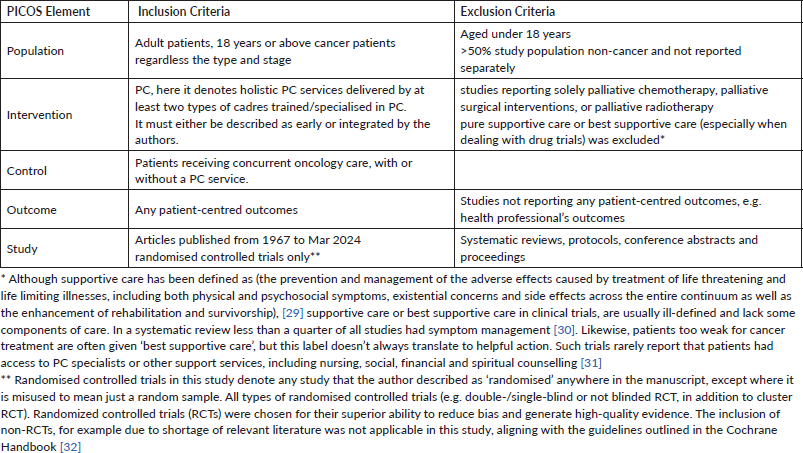
Study inclusion criteria are reported in Table 2.
Study selection and data extraction
Search results were uploaded to Covidence (
Firstly, title and abstract screening was conducted by the first reviewer (Nahla Gafer). Unclear cases were flagged for further review. Articles categorised as ‘maybe’ were discussed with the second reviewer (Nuhamin Gebre) to reach consensus.
Secondly, the first and second reviewers independently assessed full texts (approximately 60% of papers Nahla Gafer and 40% Nuhamin Gebre). Inter-rater agreement for full-text screening was 92%, with disagreements resolved through discussion with senior reviewers (Richard Harding and Matthew Maddocks).
A data extraction sheet was developed based on the Template for Intervention Description and Replication [25]. This 12-item reporting framework helps to ensure that interventions are described adequately for assessment or replication. Data extraction was performed by two independent investigators (Nuhamin Gebre and Khulood Alyami), followed by verification and completion by the first reviewer (Nahla Gafer) using Covidence and Google Sheets. Any discrepancies were resolved by consensus or escalated to Matthew Maddocks and Richard Harding.
Table 1. MEDLINE search strategy.
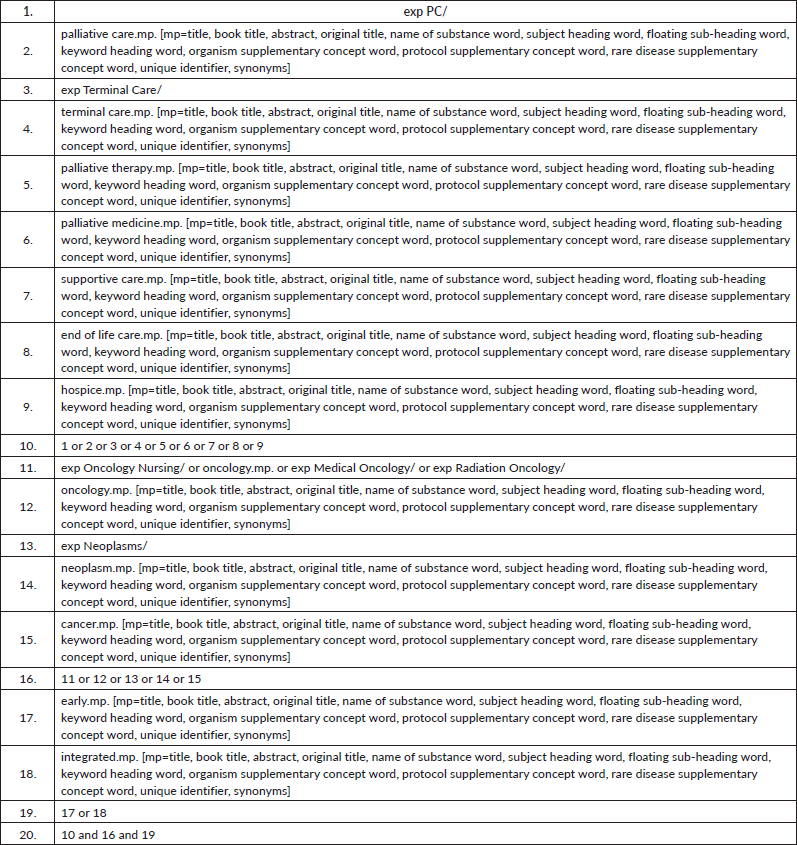
Table 2. Eligibility criteria according to population, intervention, control, outcome and study (PICOS) [28].
Extracted variables included: study characteristics (author, year of publication, country, setting, country level of PC development using the WHO Global Atlas of PC [9] and aim of the study), population characteristics (type of cancer and disease stage), intervention details (type of PC service, description of how the intervention was delivered, team members who provided the intervention and their level of training or expertise, mode of delivery, timing for referral/intervention initiation, components and frequency of the intervention, materials used and barriers and facilitators); study design (type of RCT, recruitment period, assessment timeframes and method of data collection) and outcomes and findings (primary and secondary outcomes measured, main findings and mechanisms of action).
Quality assessment and synthesis of findings
Trial quality was assessed using five key criteria from the Mixed Methods Appraisal Tool (MMAT) Version 2018 [26]. Papers that did not fully meet the criteria for one or two of the following (blinding, randomisation, comparability of the groups, participant adherence or complete results) were still included, with the limitations noted and considered in the review’s overall assessment, as they can still contribute to the context-mechanism-outcome (CMO) configurations.
Narrative analysis [27] began with the descriptive summaries of each of the included studies, allowing reviewers to systematically engage with each study and refine the data extraction elements. To organise the findings, pattern recognition and categorisation were applied. Extracted data were examined for shared characteristics, including: (a) timing of PC initiation (e.g. within 8 weeks of diagnosis, at start of chemotherapy, based on prognosis); (b) model of integration (referral-based, structured collaborative or fully embedded); (c) provider type (nurse-led, doctor-led, multidisciplinary team); (d) intervention components (symptom management, communication and advance care planning) and (e) outcome measures used. Studies were grouped accordingly to enable comparative analysis across these domains.
A quantitative approach was used within each category to describe the frequency of different reported intervention types. Summarising these counts helped identify which interventions were most studied or implemented while also revealing gaps in the evidence base. This process was iterative, involving ongoing refinement of classifications and ensuring coherence across studies. Thematic analysis was conducted using an inductive approach to identify recurring themes and conceptual patterns across included studies. The process followed Braun and Clarke’s six-phase framework: (1) familiarisation with extracted data through repeated reading; (2) generation of initial codes manually by two reviewers; (3) searching for themes by grouping related codes; (4) reviewing themes against the original data; (5) defining and naming themes (e.g. symptom management mechanisms, psychological support pathways and system-level integration facilitators) and (6) producing the final synthesis. This approach facilitated the structured synthesis of key insights related to intervention context, core components, implementation facilitators, barriers and reported outcomes, providing a richer understanding of the evidence.
To further contextualise findings, a logic model was developed using the CMO framework [28] aligned with the Donabedian model of healthcare quality [29]. The CMO framework was applied to examine how the different contexts and components lead to the outcomes and helped to identify the mechanism of action. To better understand success factors and barriers to implementation, we synthesised evidence from studies reporting both positive and inconclusive findings.
Finally, the transferability of findings to a different resource setting was assessed using the TRANSFER assessment framework [30]. This involved analysis of intervention characteristics (e.g. complexity, resource requirements and feasibility of scale-up); health system factors (e.g. infrastructure, workforce capacity and policy environment); sociocultural considerations (e.g. patient and provider attitudes towards PC and cultural norms surrounding serious illness and end-of-life care). Three independent PC providers from low-resource settings viewed the findings of this systematic review across each intervention characteristic, rating it as causing: no concern, minor concerns, moderate concerns or major concerns, when applied in their settings. Recommendations were extrapolated for the implementation of early/integrated PC delivery in resource-limited settings.
Results
Search yield
Electronic database searches yielded n = 2,428 studies. Following deduplication, n = 1,523 articles underwent abstract and title screening, n = 175 full text review, and n = 46 articles were retained for analysis (Figure 1).
Study characteristics
The retained studies (n = 46) were published from 2010 to 2024, and most were (n = 40/46) conducted in high-income countries (HICs), with a predominance from North America (United States: 15 and Canada: 4) and Europe (Italy: 3, Belgium: 2, Denmark: 2, Norway: 2, Czech: 1, France: 1, Germany: 1, Switzerland: 1 and United Kingdom: 1). This was followed by Asia (China: 3, Japan: 1, India: 2, Singapore: 1 and South Korea: 1), Oceania (Australia: 3) and South America (Brazil: 1). Of these, n = 6 studies were from middle-income countries: n = 2 from India (a lower-middle-income country) and n = 4 from upper-middle-income countries (Brazil and China).
According to the Global Atlas of PC [9], most of these countries (n = 38/46) are at ‘advanced’ stages of PC development, i.e. level 4a or 4b, indicating specialist PC services integrated into the mainstream health system.
Quality assessment
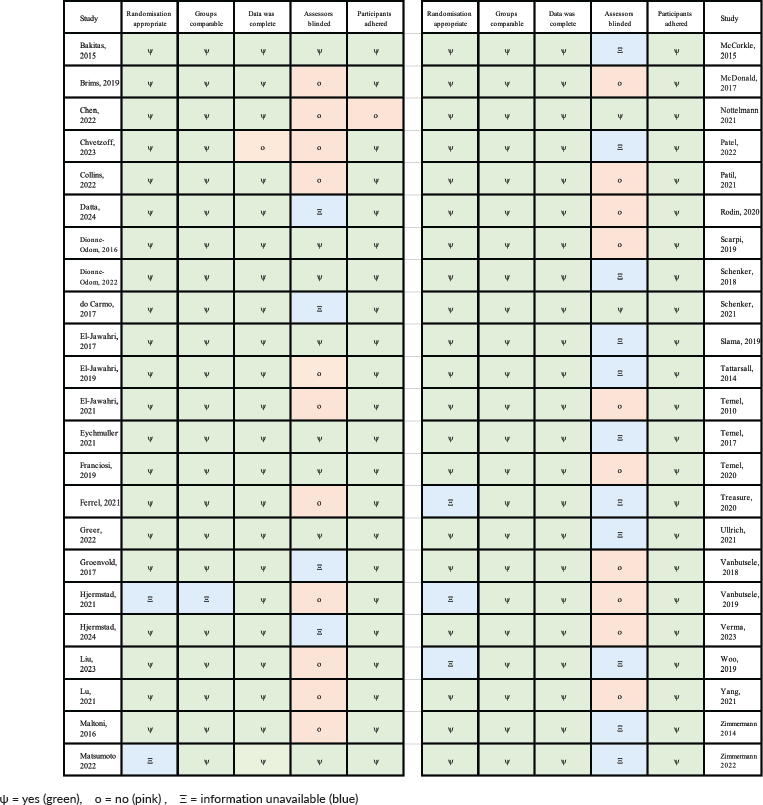
RCT quality is reported in Table 3. Most studies (n = 40/46) fulfilled 4 of 5 criteria of the MMAT Version 2018, with blinding compromised in n = 36 studies, which is an inherent challenge in PC trials where participants and providers cannot be blinded to the intervention.
Only in one study did participants not adhere to the intervention [31], and in only one other study were the results incomplete, as it was prematurely terminated due to patient death or loss to follow-up [32].
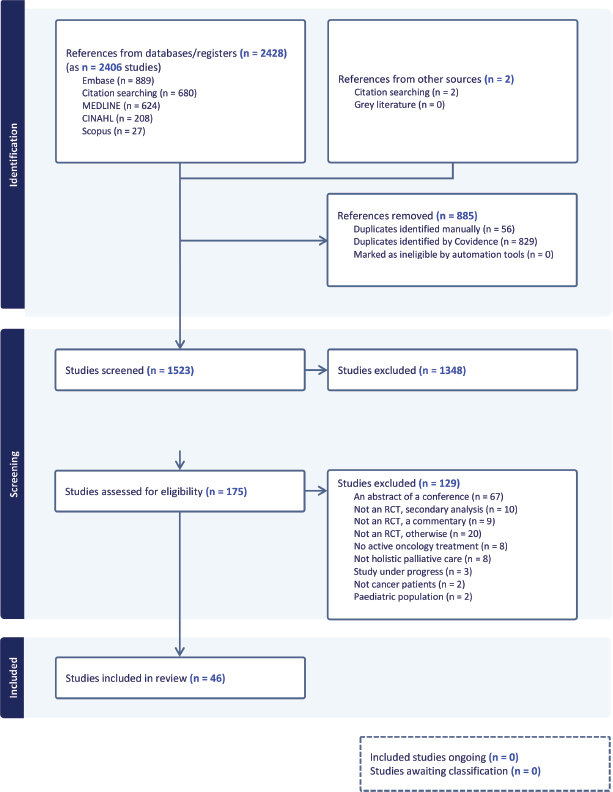
Figure 1. PRISMA flowchart for study selection.
Table 3. Quality assessment results using MMAT tool.
Major weaknesses identified across the included studies include: (a) lack of blinding in 78% of studies, potentially introducing performance and detection bias; (b) short follow-up periods (only seven studies followed patients beyond 12 months), limiting assessment of long-term outcomes; (c) predominant focus on solid tumours (42/46 studies), with haematological malignancies underrepresented; (d) limited reporting of implementation fidelity and intervention adherence and (e) potential selection bias, as trial participants may not represent the broader oncology population. These limitations are considered in the review’s overall assessment while retaining studies for their contribution to CMO configurations’.
Setting and population
Setting
Studies were conducted in comprehensive or academic cancer centres (n = 19), in general hospitals with oncology departments (n = 5) or community-based facilities (n = 4) or in a combination of such facilities (n = 18). The majority of studies (22/46) were conducted in an outpatient setting [31–52]. Six studies were conducted in an inpatient setting [53–58] or both inpatient and outpatient setting (n = 18) [59–75].
Population
The majority of cancer types were solid tumours (42/46). Three studies dealt with haematologic malignancies [54, 65, 69], and one study included both solid and haematologic malignancies [60]. Regarding disease stage at study entry, most studies (37/46) indicated that the disease was in an incurable, refractory, metastatic or advanced stage. Six studies specifically described their population as newly diagnosed with cancer [46, 47, 52, 59, 70, 71].
Early PC
Thirty-three studies were explicitly labeled as ‘early’: [31–34, 36, 38, 39, 41, 42, 45–47, 49–54, 56, 59–64, 68–78]. ‘Early’ was described as the initiation of PC within a narrow timeframe following a diagnosis of advanced, metastatic or incurable cancer. This criterion was applied in n = 16 studies, which specified windows ranging from 30 to 60 days, with ‘within 8 weeks of diagnosis’ serving as the most frequent benchmark [33, 34, 39, 41, 42, 45, 46, 49, 50, 59, 60, 63, 64, 71, 73, 76]. A second, smaller group of studies defined ‘early’ by anchoring it to specific clinical events or treatment phases rather than the date of diagnosis. This heterogeneous group encompassed several distinct approaches. Some defined ‘early’ relative to the start of a defined line of anticancer therapy, such as first-line chemotherapy [56, 77], the last anticancer line [38], at the beginning of palliative systemic therapy [51] or at a specific treatment decision-point, such as when deciding on third or fourth line chemotherapy [32] or palliative chemotherapy [68] or during hospitalisation for intensive treatment [54, 69]. Others used prognostic criteria, intervening for patients with a life expectancy greater than 6 months [75, 78]. Finally, a few studies employed systematic or trigger-based models, initiating care ‘soon after randomisation’ [62], after screening for palliative needs [36], at ‘evidence-based disease-specific trigger points’ [61] or at first contact post-diagnosis [52].
The interventions
Integrated PC
Thirty-one studies explicitly named or described their PC model as ‘integrated’ in their title or abstract [33, 37, 40–44, 47, 49, 51, 53, 54–56, 58–67, 69–73, 76, 77].
‘Integrated’ consistently signalled a structured, collaborative approach where PC was deliberately combined with standard oncology care from a defined starting point. The meaning of ‘integration’ most frequently involved co-located, concurrent care delivery [47, 70, 71], where the PC team worked alongside the oncology team in outpatient settings. A core operational feature was interdisciplinary collaboration and shared decision-making, exemplified by regular ‘combined clinics’ between the PC team and oncologists [32] or co-management between clinicians [59]. Several models described tighter structural unity through shared systems, such as palliative care nurse participation in oncology meetings and shared records [72], a ‘multidisciplinary collaborative team’ model [55] or a fully embedded ‘co-rounding model’ within the oncology team [58]. In other cases, integration was achieved by embedding PC functions into routine oncology practice, such as through oncology nurses delivering primary PC within the same clinic [44] or by incorporating specialist PC as a standard offer within routine cancer care pathways [49].
Models of PC integration
Of the 46 studies reviewed, the descriptions of the intervention models reveal distinct approaches to how palliative care is organised and delivered. These can be characterised by their core structural principle, the mechanism of interaction between PC and oncology and the degree of their operational integration.
First, a standalone referral-based consultation model was employed in several studies, where early PC was the focus, but structural integration was minimal. In this model, the PC team functions as a separate, specialised service. Integration is limited to a formal referral process and subsequent consultation. Interaction is primarily unidirectional; the PC specialist sees the patient and provides recommendations back to the primary oncologist, often via documentation in shared notes or a discharge summary. Studies such as [75, 78] and [52] exemplify this approach, where ‘early’ is defined by prognosis or time of diagnosis, but the care is delivered in a parallel, consultative fashion. Similarly, studies such as [50] and [36] relied on symptom screening in oncology clinics to trigger a referral to a separate PC service, maintaining distinct care streams. Other studies employing a predominantly referral-based model have been reported [34, 45, 48].
In contrast, the structured collaborative model represents a deliberate move towards operational integration while maintaining distinct team identities. This model is defined by scheduled, systematic mechanisms that ensure regular interaction and shared decision making. This includes weekly or regular multidisciplinary team meetings, where PC and oncology clinicians jointly discuss patients [32, 40, 72]. The collaboration extends to co-managing care through a shared plan, which may involve structured, protocol-driven symptom screening with embedded referral pathways [38, 69]. This model [47, 59, 70], effectively blends ‘early’ initiation (e.g. within 8 weeks of diagnosis) with ‘integrated’ procedures, ensuring PC is a routine, scheduled component of care rather than an ad hoc consultation. This was the most common model [31, 33, 37, 39, 41–43, 46, 49, 51, 53, 54, 56, 60–64, 67, 77].
The most fully unified approach is the embedded or unified care model, where PC is fully absorbed into the standard oncology care structure. Here, the distinction between ‘palliative’ and ‘oncologic’ care blurs, as PC functions are delivered by the core oncology team itself. This is achieved either by training and task-shifting to oncology nurses to provide primary PC within the same clinic visit [44] or through a fully integrated ‘co-rounding’ team where a PC clinician is a permanent member of the oncology unit, participating in all rounds and decisions [58]. In models such as [55] or the systematic integration in [73], PC is not a separate service to be referred to but is a foundational element of the standard care pathway from the start. This represents the highest degree of integration, often implemented ‘early’ by design, as the model itself is activated at diagnosis or treatment initiation. Studies with strong elements of this model [65, 66, 76] provide supportive care functions deeply woven into a specific treatment trajectory or clinical trial structure.
Therefore, the spectrum of models ranges from parallel (consultative, referral-based) to collaborative (scheduled co-management) to unified (embedded within oncology). The ‘early’ aspect is frequently a trigger (time from diagnosis) applied within any of these models, but the depth of ‘integration’ determines the consistency and quality of the interdisciplinary partnership.
Across these models, the use of systematic symptom screening to trigger referrals ensures that PC is directed to patients with the highest needs, moving beyond ad hoc clinician judgment towards a more equitable and needs-based approach to integration.
Figure 2 shows the progression in interaction between a PC clinic alongside an oncology clinic.
Four additional facilitators were identified as supporting PC integration. Firstly, training was highlighted as a critical facilitator, encompassing training of oncology teams in PC; PC teams in oncology; other health professionals in PC, and carers and patients (psychoeducation) [40, 50, 60, 66, 67, 72].
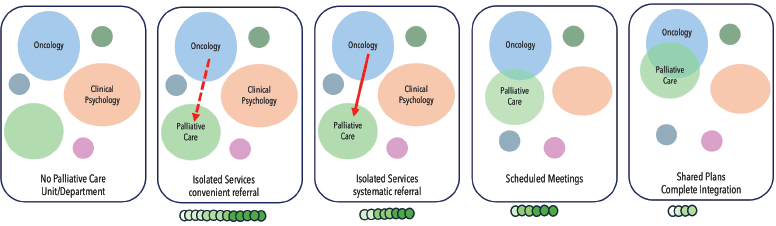
Figure 2. The four images show progression in interaction between a PC clinic alongside an oncology clinic. The circles within the box represent different departments/units within centres/hospitals; the row of small circles below the box each represents an individual study from the review containing that integration model; the darker the green, the more positive/significant are the results in the RCT.
Secondly, the use of specific guidelines and protocols emerged as a key facilitator. The use of specific PC guidelines and protocols, referral guidelines, checklists and bereavement support tools was identified as crucial for structured integration [32, 34, 36, 37, 39, 45, 47, 50, 55, 59, 61, 63, 79]. Thirdly, shared documentation and communication systems facilitated seamless information exchange, including co-located clinics with shared electronic health records [47, 70, 71], PC nurse participation in oncology team meetings [72] and regular interdisciplinary case conferences [32, 40]. Fourthly, institutional leadership and resource allocation, such as dedicated funding for PC positions, protected time for interdisciplinary meetings and visible institutional commitment to integration, emerged as foundational prerequisites [40, 58, 72].
Structural prerequisites for successful integration
Drawing on the Donabedian framework’s structure component, the following structural elements were identified as important for integration to work well:
Workforce composition and expertise: Studies with dedicated PC specialists (board-certified physicians, advanced practice nurses with ≥5 years PC experience) achieved greater improvements in complex symptom management and advance care planning outcomes [31, 32, 37, 41, 47, 50, 52, 54, 58, 59, 61, 63, 64, 66, 70, 71, 74, 75]. However, nurse-led models achieved comparable outcomes for basic symptom management and psychosocial support in adequately trained nurses [34, 44, 60, 72, 73].
Physical infrastructure: Co-located clinic space enabling same-day access to both oncology and PC services [47, 70, 71], private consultation rooms for sensitive conversations about prognosis and end-of-life preferences [57] and reliable telephone/telehealth systems for follow-up [45, 60, 68, 75, 78] emerged as important structural enablers.
Information systems: Shared electronic medical records accessible to both oncology and PC teams [40, 72], embedded clinical decision support tools (e.g. automated referral triggers based on symptom scores) and systematic documentation templates for advance care planning were associated with better care coordination.
Governance and accountability structures: Formal integration agreements defining roles, responsibilities and communication protocols; dedicated leadership with accountability for integration metrics and mechanisms for monitoring quality indicators (e.g. time from diagnosis to PC referral, proportion of patients with documented goals of care) distinguished higher performing integration models [32, 36, 40, 58, 72].
Intervention components
The majority of studies emphasised the importance of pain and symptom management, communication and decision making, holistic care and family support. Other specific interventions included counselling sessions: [34, 45, 49, 55, 57, 59, 62, 63, 65, 68, 69]; rehabilitation [42]; advanced care planning [43]; inpatient visits [54, 75, 78]; scheduled outpatient PC visits alongside oncology care [31, 37, 39–41, 44–47, 63, 64, 68, 70, 71, 74, 75, 78]; 24-h on-call service [60, 68, 75, 78] and email follow-up [45].
Providers of the intervention
PC services were delivered mainly by a dyad of doctor and nurse (N = 18/46 studies, 39%), multidisciplinary teams (n = 13, 28%), a nurse only (n = 6, 13%), a doctor only (n = 5, 11%) or another professional (n = 4, 8%).
First, the doctor–nurse dyad: They are usually highly trained or qualified specialists in PC [31, 32, 37, 41, 47, 50, 52, 54, 58, 59, 61, 63, 64, 66, 70, 71, 74, 75]. Such training ranged from board-certified physicians with 3–5 years of specialist experience, advanced practice nurses with 10–15 years in the field, research nurses trained in symptom management and depression and participants in targeted training sessions.
Second, multidisciplinary teams mainly consisting of physicians, nurses, physiotherapists, psychologists, occupational therapists, dieticians, social workers and chaplains [36, 42, 51, 67]. For some, the team included medical oncologists and specialised oncology nurses [40, 53, 56]. In one, it included oncologists and psycho-oncologists and communication specialists [49]. Further studies mentioned specialists in tumours, nutrition and rehabilitation [55] or advanced practice nurses and mental health clinical nurse specialists [48]. Social workers were emphasised in one study [69]. Two mentioned PC specialists without further details [33, 39].
Third, a sole practitioner or teams, each of a single professional category. The most common profession in this category was nurses [34, 44, 60, 72, 73, 78] (infusion room nurses) [57], followed by doctors [38, 39, 45, 46, 68], psychologists [62, 65], community health workers [43] and navigators [35].
Outcomes measured
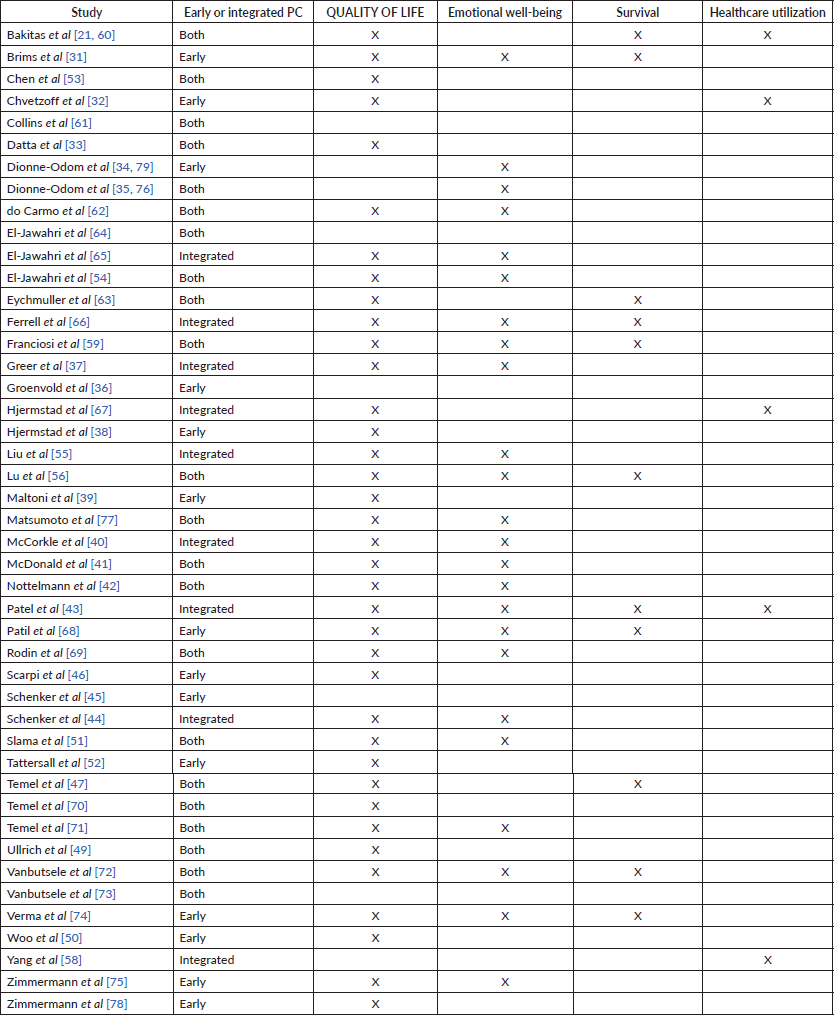
The main constructs measured were quality of life, emotional well-being, survival and healthcare utilisation (Table 4).
Follow-up period
The total period of assessment largely ranged from 3 to 6 months (n = 26/46 studies). Specifically, the follow-up periods were 2 months : [36, 65]; 3 months: [32, 34, 42, 66, 68, 69, 74]; 4 months: [33, 41, 44, 45, 58, 75]; 6 months: [31, 35, 37, 49, 51, 53, 54, 62, 64, 71, 78]; 12 months: [43, 50, 60]; 20 months: [73]; 24 months: [59, 63, 70]; until death (flexible period]: [39, 46, 47, 52, 55] and at irregular time periods: [38, 40, 48, 56, 57, 61, 67, 72].
Mechanisms of action
These mechanisms are multifactorial and overlapping. They are reported as described in the included studies.
Physical symptom control and functionality
The effects of early or integrated PC were associated with better control of pain, fatigue, dyspnoea and other distressing symptoms [40]; integrating physiotherapy, occupational therapy and nutritional support to maintain independence and reduce symptom burden [42]; adapting care to cultural, spiritual and personal values, thereby potentially ensuring a holistic approach aligned with patient preferences [35, 37, 42, 65] and regular assessment enabling timely palliative interventions, reducing crisis situations and improving overall well-being [40].
Psychological and emotional well-being
Interventions were associated with positive effects on patients’ psychological health including enhancing coping mechanisms and reducing emotional distress; establishing strong rapport with patients; creating a safe space for discussing fears, anxieties and future planning [64]; guiding them through stress management techniques, emotional resilience training and goal setting; helping them navigate the uncertainty of illness [35, 54, 64, 65]; assisting patients and caregivers and directing them through their care; offering navigation, problem-solving and ensuring they have the necessary psychological resources to handle treatment-related stress [35].
Table 4. Primary and secondary outcome measures used for the studies and identification of studies as early PC, integrated PC or both.
Optimising end-of-life experiences for patients and families
Interventions were associated with facilitated discussions about patients’ values, treatment preferences and goals of care, which may help to ensure that medical decisions align with their wishes including the use of Advanced Care Planning [35, 41, 43, 64]; engaging caregivers early in the process may have helped them understand the disease progression, reducing uncertainty and emotional burden [34]; reducing caregiver distress by improving symptom control and patient comfort; reducing caregiver burnout, depression and complicated grief post-bereavement [34, 79]; prioritising comfort over non-beneficial interventions, which was associated with reduced unnecessary hospitalisations, Intensive Care Unit (ICU) admissions and burdensome treatments at the end of life [38, 63, 66]; patients and families may feel supported, heard and included in decision making, potentially leading to a more meaningful and less traumatic end-of-life experience [31, 41, 43, 57, 61, 75].
Improving healthcare utilisation and cost-effectiveness
Early and/or integrated PC was associated with efficient healthcare resource use and equitable access by: effective symptom management associated with unnecessary emergency admissions, which may allow patients to remain at home or in less intensive care settings [43, 58, 61]; improving symptom screening and timely interventions, better resource allocation, potentially reducing the financial burden on both healthcare systems and families [43, 46, 74].
Strengthening interdisciplinary collaboration in oncology care
The integration of PC within oncology was associated with enhanced care coordination and treatment outcomes by: close collaboration between oncology and PC teams associated with timely pain relief and discharge planning, potentially minimising prolonged hospitalisations [32, 36, 58]; regular interdisciplinary meetings helped align treatment goals, avoided unnecessary interventions and ensured smoother transitions between care settings [40]; a structured approach to shared decision making ensures that patients’ values guided treatment decisions, promoting dignity and respect in their final phase of life [42, 45].
Here are several points to consider when comparing RCT and real-world practice. Trial patients are usually healthier than real-world populations. Staffing ratios in trials exceed what most systems provide and fee-for-service models generally do not reimburse interdisciplinary meetings or care coordination. Workforce shortages cause waiting times of several weeks for PC, undermining the ‘early’ principle. Oncologists may resist referral, viewing it as ‘giving up’, unlike in trial settings. Interventions are often diluted in practice compared to controlled trial settings.
Transferability
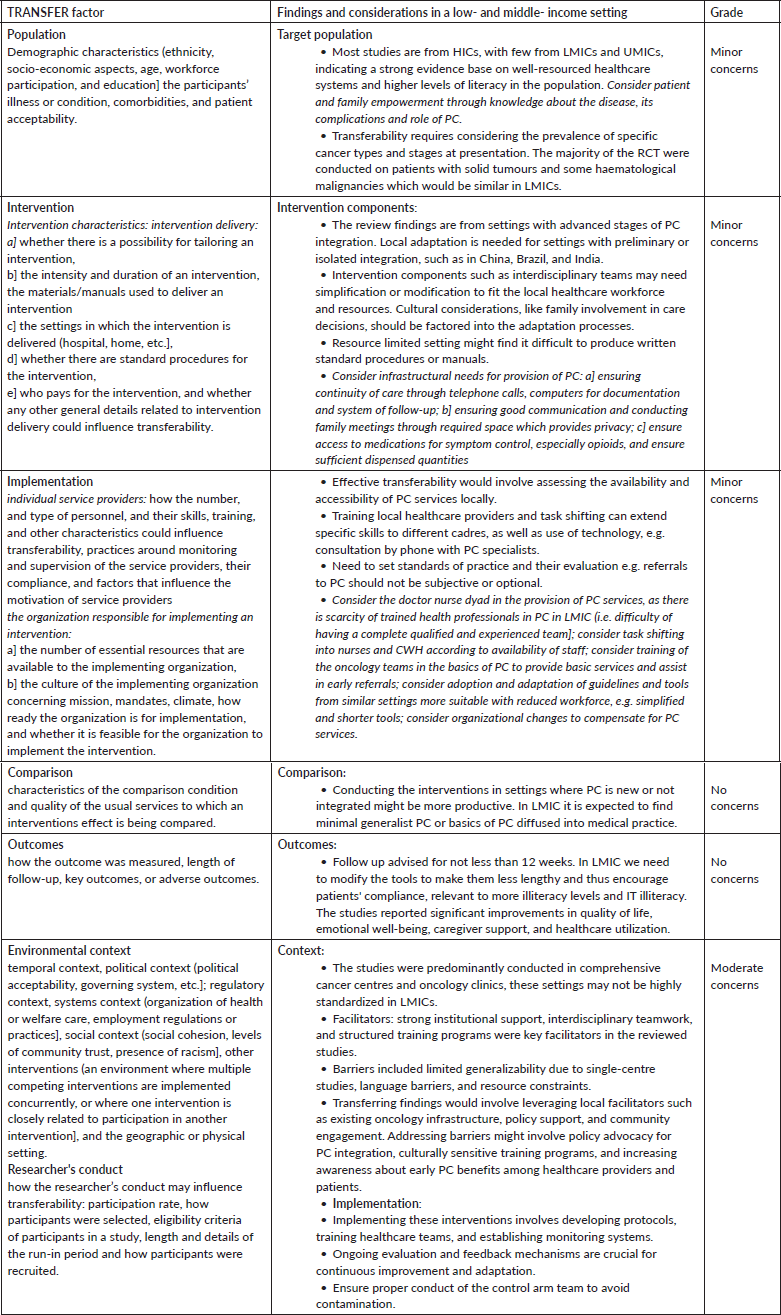
Assessment using the TRANSFER framework (Table 5) found that the review’s findings might be transferred to low- and middle-income country [80] settings, although no studies were conducted in low-income countries. Direct application is hindered by differences in the study populations and settings. The evidence base is drawn overwhelmingly from HICs and specialised cancer centres, which differ substantially from the patient demographics, health system structures and resource levels typical in LMICs. Patients in LMICs often present with later-stage disease, have lower health literacy, face greater barriers to healthcare access (transportation, out-of-pocket costs) and may have cultural barriers to PC acceptance [81]. Furthermore, the well-resourced, interdisciplinary models of physicians, nurses, psychologists, social workers and chaplains described contrast with the fragmented oncology and PC services common in many LMICs, where a single nurse may cover multiple roles and where key facilitators like institutional support are weak, and barriers like policy gaps are pronounced [82, 83]. Many LMICs also lack basic components assumed in the included studies: reliable opioid availability, trained PC workforce, PC included in national essential health benefit packages, functional referral systems and electronic health records. Consequently, direct applicability of findings to low-resource settings remains uncertain and largely theoretical. Significant adaptation to the local context is therefore essential.
The core principles of early and integrated PC (timely access, collaboration and symptom management) remain relevant. However, feasible implementation would require modification, including simplifying complex team structures, shifting tasks to nurses or community health workers and using telemedicine to extend specialist support. Creating locally appropriate protocols, rather than importing manuals, is crucial. Foundational requirements, such as reliable access to essential medications like opioids, private spaces for consultations and basic systems for patient follow-up, must also be secured. While outcomes like quality of life and emotional well-being are universal goals, the tools to measure them may need to be shortened, translated and adapted for populations with lower literacy to ensure that they are practical and meaningful in LMIC clinical practice and research.
Figure 3 presents the process logic model illustrating the hypothesised relationships between the core mechanisms of PC and their resulting outcomes.
Discussion
Based on this systematic review of 46 studies, the terms ‘early’ and ‘integrated’, while often used together, describe related but conceptually distinct dimensions of PC intervention design. The distinction lies in what each term prioritises.
‘Early’ is fundamentally a temporal construct, concerned with when PC is initiated relative to a clinical milestone. The analysis shows this was most commonly operationalised as a protocol mandating intervention within a defined timeframe, most often within 8 weeks of a diagnosis of advanced, metastatic or incurable cancer [39, 60, 71]. Alternative definitions anchored ‘early’ to the start of a specific treatment line, such as first-line chemotherapy [56] or to a prognosis-based window of 6–24 months [75]. A specific group is related to screening for PC needs or immediately upon first contact post-diagnosis. In practice, these definitions function as practical triggers to initiate care. The core intention across all models is to ensure PC is provided concurrently with active oncology treatment from near the beginning of the advanced illness trajectory.
In contrast, ‘integrated’ is an organisational and relational construct. It describes how PC and standard oncology care are structured to work together. Our review identified a spectrum of integration models, from basic co-located concurrent care to deep structural unification. The defining feature was not timing, but the mechanism of collaboration. This ranged from scheduled co-management in shared clinics [47, 70] and regular interdisciplinary meetings [32, 72] to fully embedded models, where PC functions were performed by the oncology team itself, such as through nurse-led primary PC [44] or a ‘co-rounding’ team structure [58]. Therefore, an intervention can be ‘early’ without being ‘integrated’ (e.g. a standalone early referral) and ‘integrated’ without being strictly ‘early’ (e.g. a pathway integrated at the start of last-line therapy). Studies that combine both principles – implementing a protocol-driven early timing rule within a structured collaborative care model – appear to be the most effective, positioning PC as a routine, co-managed component of standard oncology practice from diagnosis.
Several facilitators of PC integration were identified in this review, including systematic symptom screening, training and the use of clinical guidelines.
The value of systematic symptom screening and needs assessment as a facilitator is well established, enabling the proactive identification of patients with unmet PC needs rather than relying on ad hoc clinician referral [84, 85].
Table 5. Results of the TRANSER assessment of SR findings into resource limited settings.
The importance of training for effective integration is reinforced by systematic reviews [5, 18], which emphasise the importance of education for healthcare providers and patients. A prior review suggests that the use of structured guidelines and protocols can enhance the delivery of PC and ensure that best practices are consistently followed [86]. Furthermore, standardised guidelines improve the consistency and quality of PC, with studies [11, 87] demonstrating the effectiveness of using protocols in the integration of PC.
The interventions in this review demonstrate a consistent, multi-faceted impact on patient and family outcomes, which can be understood through a mechanism-to-effect pathway. The fundamental achievement is the improvement in quality of life and emotional well-being, congruent with some landmark meta-analyses [5]. This is not a singular effect but the result of a synergistic process. The mechanism begins with proactive, systematic symptom management [40, 42], which establishes physical comfort as a foundation. Concurrently, dedicated, ongoing support from the PC team fosters therapeutic relationships that enhance coping skills and mitigate distress by providing a secure forum for discussing prognosis and fears [65, 76]. This dual support (addressing the physical and the psychological) directly translates into the gains measured by patient-reported outcome measures.
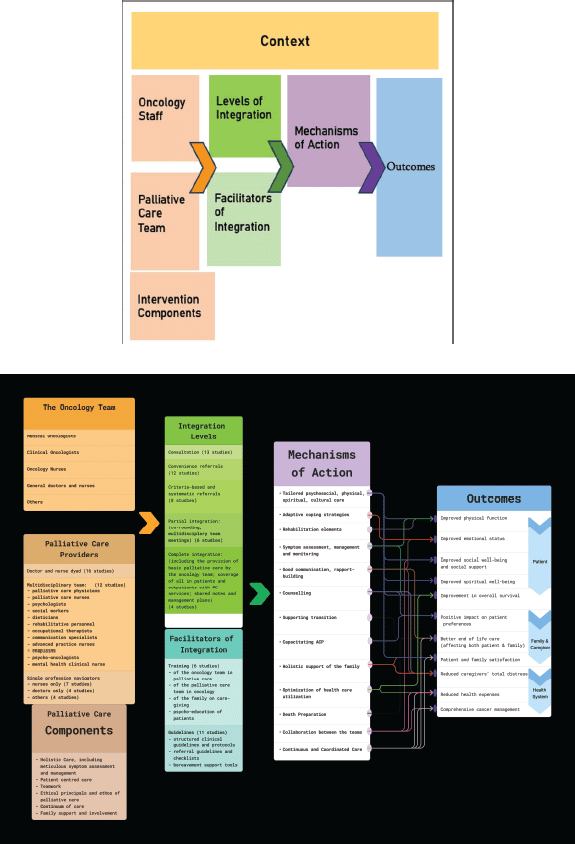
Figure 3. Process logic model for early/integrated PC into oncology. (a) simplified and (b) expanded. The model depicts how these interconnected processes, such as holistic care, patient-centredness and caregiver support, interact to generate positive effects for patients, families and the health system while excluding pathways related solely to healthcare providers.
Beyond quality of life, these models achieve a re-alignment of care with patient values and more appropriate healthcare utilisation. The mechanism here is the structured facilitation of goals-of-care discussions and advance care planning, integrated early in the illness trajectory [41, 43]. This process, supported by ongoing clinician–patient rapport, ensures medical decisions reflect personal preferences, which in turn leads to the observed reductions in aggressive end-of-life treatments and emergency department use [61, 63]. The effect is a care experience that prioritises patient-defined quality over default, often non-beneficial, intensive interventions. Importantly, this value-congruent care also extends support to caregivers, reducing their burden and distress [34].
Finally, the ‘integrated’ dimension of these interventions achieves a system-level effect by enhancing interdisciplinary collaboration. The mechanism is the formalisation of communication channels (through co-location, shared pathways or regular meetings) between oncology and PC teams [32, 72]. This integration streamlines care coordination, enables earlier identification of needs and fosters a unified treatment plan. The outcome is not only more efficient resource use [58], but also the normalisation of palliative principles within standard oncology practice, ensuring a more seamless and supportive continuum of care for all patients facing serious illness. In summary, these interventions work by embedding a parallel process of supportive care that manages symptoms, clarifies goals and coordinates systems, thereby improving patient-centred and health system outcomes.
Most of the studies were conducted in HICs with some level of generalist PC as a part of standard cancer treatment. There, the proven benefits of specialised early and integrated models show the additional value they bring to an existing supportive system. In places where basic palliative support is scarce, the potential benefit could be much greater, but the challenges in delivering these services may also be much larger. Understanding how to adapt and implement these models in resource-limited settings is essential.
This systematic review advances the field by moving beyond confirming the efficacy of ‘early integrated PC as a singular concept. It performs a critical deconstruction, clearly delineating ‘early’ as a temporal/prognostic trigger and ‘integrated’ as an organisational/relational model. By mapping specific intervention components (such as provider structures, i.e. specialist dyads versus multidisciplinary teams; operational mechanisms, e.g. scheduled consultations versus embedded pathways) to these distinct concepts, this review provides a practical framework for implementation. It clarifies that while combined ‘early integrated’ models are potent, effective ‘early’ care can be delivered through simpler, scalable models (e.g. nurse-led protocols) and ‘integration’ can be achieved through task-shifting within oncology teams, rather than only by adding external specialists. This granular analysis of how interventions are built and delivered is a key contribution for translating evidence into heterogeneous clinical settings.
Based on the findings of this review, we propose the following recommendations aimed at translating evidence into meaningful action across clinical, research and policy domains in resource-limited settings.
For clinical practice, we recommend a pragmatic, tiered approach to implementation. Recognising that resources are often constrained, health services should begin by establishing systematic symptom screening for all cancer patients at diagnosis and major treatment junctures. This simple step operationalises the ‘early’ principle by identifying needs proactively. For patients with advanced disease or high symptom burden, a clear, protocol-driven referral pathway to specialist PC (such as referral within 8 weeks of an advanced diagnosis) should be activated, leveraging existing specialist teams or advanced practice nurses. In more resourced settings, such as academic cancer centres, deeper integration can be pursued through multidisciplinary teams or by embedding PC clinicians directly within oncology units. A key, sustainable strategy across all settings is to invest in training oncology nurses and doctors in core PC skills, such as symptom assessment and basic psychosocial support, thereby building integrated capacity from within the existing workforce.
To address critical gaps in the evidence, future research must prioritise pragmatic and context-specific studies. There is an urgent need for studies conducted in LMICs, where the models tested in high-income settings may not be directly applicable. These studies should explore the minimal effective ‘dose’ of PC and determine which personnel models (such as nurse-led versus specialist-led care) are most feasible and effective in different resource environments. We also recommend a full dedicated paper on implementation of early integrated PC in low-resource settings as a separate future direction, including a systematic review of implementation studies and qualitative evidence synthesis from LMICs.
Finally, substantive policy reform is required to create an enabling environment for these models. Policymakers must move beyond rhetorical support and mandate the development of structured clinical pathways that include systematic screening and timed referral criteria for PC, aligning it with other standards of oncologic care. Policy must also actively support workforce development by funding the training and credentialing of oncology nurses and other allied health professionals in PC competencies and ensure these expanded roles are recognised and reimbursed. Ultimately, financing models must evolve from fee-for-service to value-based systems that incentivise and reward patient-centred outcomes – such as improved quality of life and goal-concordant care – and the reduction of aggressive, non-beneficial treatments at the end of life. This financial imperative is crucial for driving the widespread and sustainable integration of PC into standard oncology practice.
Conclusion
For LMICs, where patients often present with advanced disease and specialist resources are scarce, the potential impact of integration could be profound, but currently tested models may not be directly feasible. Future efforts must therefore prioritise implementation science in these under-resourced contexts, exploring adapted, sustainable models of care delivery. Ultimately, the goal is to ensure that the holistic support of PC is a seamless part of every cancer patient’s journey, irrespective of geography or prognosis.
Conflicts of interest
The authors declare that they have no competing interests.
Funding
This research did not receive any specific grant from funding agencies in the public, commercial or not-for-profit sectors.
Author contributions
Nahla Gafer led the study conceptualisation and methodology, performed investigation (screening, review and data extraction) and drafted and revised the manuscript. Nuhamin Gebre contributed to investigation and manuscript review. Khulood Alyami contributed to investigation (data extraction). Matthew Maddocks and Richard Harding contributed to conceptualisation, methodology, validation, review and editing and supervision. All authors approved the final manuscript.
References
1. Sleeman KE, De Brito M, and Etkind S, et al (2019) The escalating global burden of serious health-related suffering: projections to 2060 by world regions, age groups, and health conditions Lancet Global Health 7(7) e883–ee92 https://doi.org/10.1016/S2214-109X(19)30172-X PMID: 31129125 PMCID: 6560023
2. Lewandowska A, Rudzki G, and Lewandowski T, et al (2021) The problems and needs of patients diagnosed with cancer and their caregivers Int J Environ Res Public Health 18(1) 87 https://doi.org/10.3390/ijerph18010087 PMCID: 7795845
3. Alzehr A, Hulme C, and Spencer A, et al (2022) The economic impact of cancer diagnosis to individuals and their families: a systematic review Support Care Cancer 30(8) 6385–6404 PMID: 35235040 PMCID: 9213304
4. Torre LA, Siegel RL, and Ward EM, et al (2016) Global cancer incidence and mortality rates and trends—an update Cancer Epidemiol Biomarkers Prev 25(1) 16–27 https://doi.org/10.1158/1055-9965.EPI-15-0578
5. Kavalieratos D, Corbelli J, and Zhang D, et al (2016) Association between palliative care and patient and caregiver outcomes: a systematic review and meta-analysis Jama 316(20) 2104–2114 https://doi.org/10.1001/jama.2016.16840 PMID: 27893131 PMCID: 5226373
6. Naoum P, Athanasakis K, and Pavi E (2023) Is palliative care cost-effective? A systematic review of the literature Home Health Care Manage Pract 36(3) 205–216 https://doi.org/10.1177/10848223231209316
7. Zhang AH, Wang C, and Hu ZY, et al (2025) Healthcare cost of palliative care for patients with terminal illness: a meta-analysis Int J Nursing Stud 172 105221 https://doi.org/10.1016/j.ijnurstu.2025.105221
8. Dalal S and Bruera E (2017) End-of-life care matters: palliative cancer care results in better care and lower costs Oncologist 22 361–368 https://doi.org/10.1634/theoncologist.2016-0277 PMID: 28314840 PMCID: 5388382
9. Connor SR, Connor S, and Claire W, et al (2020) Global Atlas of Palliative Care 2nd edn (London: Worldwide Hospice Palliative Care Alliance)
10. Ryan S, Wong J, and Chow R, et al (2020) Evolving definitions of palliative care: upstream migration or confusion? Curr Treatment Options Oncol 21(3) 20
11. Smith TJ, Temin S, and Alesi ER, et al (2012) American society of clinical oncology provisional clinical opinion: the integration of palliative care into standard oncology care J Clin Oncol 30(8) 880–887 https://doi.org/10.1200/JCO.2011.38.5161 PMID: 22312101
12. Lakhani S, Scalzitti DA, and Padrone L, et al (2023) From evidence to practice: early integration of palliative care in a comprehensive cancer center Support Care Cancer 31(1) 17
13. Nakajima N and Abe Y (2016) Concurrent specialized palliative care upon initiation of first-line chemotherapy for cancer progression: is it early enough? Am J Hospice Palliative Care 33(4) 340–345 https://doi.org/10.1177/1049909114560370
14. World Health Organization E (2008) Integrated Health Services - What and Why? (Geneva: World Health Organization) Contract No.: 1
15. Mondejar-Pont M, Ramon-Aribau A, and Gómez-Batiste X (2019) Integrated palliative care definition and constitutive elements: scoping review J Integr Care 27(4) 285–304 https://doi.org/10.1108/JICA-11-2018-0069
16. Mathews J, Hannon B, and Zimmermann C (2021) Models of integration of specialized palliative care with oncology Curr Treatment Options Oncol 22(5) 44 https://doi.org/10.1007/s11864-021-00836-1
17. Hui D and Bruera E (2015) Models of integration of oncology and palliative care Ann Palliative Med 4(3) 898
18. Bajwah S, Oluyase AO, and Yi D, et al (2020) The effectiveness and cost-effectiveness of hospital-based specialist palliative care for adults with advanced illness and their caregivers Cochrane Database of Syst Rev 2020(9) CD012780
19. Bainbridge D, Bishop V, and Myers J, et al (2023) Effectiveness of training programs about a palliative care approach: a systematic review of intervention trials for health care professionals J Palliative Med 26(4) 564–581 https://doi.org/10.1089/jpm.2022.0051
20. Li WW, Chhabra J, and Singh S (2021) Palliative care education and its effectiveness: a systematic review Public Health 194 96–108 https://doi.org/10.1016/j.puhe.2021.02.033 PMID: 33873061
21. Bakitas MA, Elk R, and Astin M, et al (2015) Systematic review of palliative care in the rural setting Cancer Control 22(4) 450–464 https://doi.org/10.1177/107327481502200411 PMID: 26678972
22. Moher D, Shamseer L, and Clarke M, et al (2016) Preferred reporting items for systematic review and meta-analysis protocols (PRISMA-P) 2015 statement Revista Espanola De Nutricion Humana Y Dietetica 20(2) 148–160
23. Van Tulder M, Furlan A, and Bombardier C, et al (2003) Updated method guidelines for systematic reviews in the cochrane collaboration back review group Report No.: 28 1290 PMID: 12811274
24. Clark D (2008) History and culture in the rise of palliative care Palliative Care Nursing: Principles and Evidence for Practice 2nd edn (London: Open University Press) pp 39–54
25. Hoffmann TC, Glasziou PP, and Boutron I, et al (2016) Better reporting of interventions: template for intervention description and replication (TIDieR) checklist and guide Gesundheitswesen (Bundesverband Der Arzte Des Offentlichen Gesundheitsdienstes (Germany)) 78(3) 175–188
26. Hong QN (2018) Revision of the Mixed Methods Appraisal Tool (MMAT): a Mixed Methods Study (Montreal: McGill University)
27. Popay J, Roberts H, and Sowden A, et al (2006) Guidance on the Conduct of Narrative Synthesis in Systematic Reviews: A Product from the ESRC Methods Programme (London: ESRC Methods Programme, Universities of Exeter and Plymouth)
28. Renmans D, Holvoet N, and Criel B (2020) No mechanism without context: strengthening the analysis of context in realist evaluations using causal loop diagramming New Dir Eval 167 101–114
29. Ibn El Haj H, Lamrini M, and Rais N (2013) Quality of care between Donabedian model and ISO9001V2008 Int J For Qual Res 7(1)
30. Munthe-Kaas H, Nøkleby H, and Lewin S, et al (2020) The TRANSFER approach for assessing the transferability of systematic review findings BMC Med Res Methodol 20(1) 11 https://doi.org/10.1186/s12874-019-0834-5
31. Brims F, Gunatilake S, and Lawrie I, et al (2019) Early specialist palliative care on quality of life for malignant pleural mesothelioma: a randomised controlled trial Thorax 74(4) 354–361 https://doi.org/10.1136/thoraxjnl-2018-212380 PMID: 30661019
32. Chvetzoff G, Bouleuc C, and Lardy-Cléaud A, et al (2023) Impact of early palliative care on additional line of chemotherapy in metastatic breast cancer patients: results from the randomized study OSS Support Care Cancer 31(1) 82
33. Datta A, Ostwal S, and Das A (2024) Role of symptomatic management in understanding effects of early integration of palliative care among nonmetastatic lung cancer patients on psychological well‐being Eur J Cancer Care 1(1) 6651067
34. Dionne-Odom JN, Azuero A, and Lyons KD, et al (2016) Family caregiver depressive symptom and grief outcomes from the ENABLE III randomized controlled trial J Pain Symptom Manage 52(3) 378–385 https://doi.org/10.1016/j.jpainsymman.2016.03.014 PMID: 27265814 PMCID: 5023481
35. Dionne‐Odom JN, Azuero A, and Taylor RA, et al (2022) A lay navigator-led, early palliative care intervention for African American and rural family caregivers of individuals with advanced cancer (project cornerstone): results of a pilot randomized trial Cancer 128(6) 1321–1330 https://doi.org/10.1002/cncr.34044
36. Groenvold M, Petersen MA, and Damkier A, et al (2017) Randomised clinical trial of early specialist palliative care plus standard care versus standard care alone in patients with advanced cancer: the Danish palliative care trial Palliative Med 31(9) 814–924 https://doi.org/10.1177/0269216317705100
37. Greer JA, Moy B, and El-Jawahri A, et al (2022) Randomized trial of a palliative care intervention to improve end-of-life care discussions in patients with metastatic breast cancer JNCCN J Nat Comprehensive Cancer Netw 20(2) 136–143 https://doi.org/10.6004/jnccn.2021.7040
38. Hjermstad MJ, Pirnat A, and Aass N, et al (2024) PALLiative care in ONcology (PALLiON): a cluster-randomised trial investigating the effect of palliative care on the use of anticancer treatment at the end of life Palliative Med 38(2) 229–239 https://doi.org/10.1177/02692163231222391
39. Maltoni M, Scarpi E, and Dall’Agata M, et al (2016) Systematic versus on-demand early palliative care: a randomised clinical trial assessing quality of care and treatment aggressiveness near the end of life Eur J Cancer 69 110–118 https://doi.org/10.1016/j.ejca.2016.10.004 PMID: 27821313
40. Mccorkle R, Jeon S, and Ercolano E, et al (2015) An advanced practice nurse coordinated multidisciplinary intervention for patients with late-stage cancer: a cluster randomized trial J Palliative Med 18(11) 962–969 https://doi.org/10.1089/jpm.2015.0113
41. Mcdonald J, Swami N, and Hannon B, et al (2017) Impact of early palliative care on caregivers of patients with advanced cancer: cluster randomised trial Ann Oncol 28(1) 163–168 https://doi.org/10.1093/annonc/mdw438
42. Nottelmann L, Groenvold M, and Vejlgaard TB, et al (2021) Early, integrated palliative rehabilitation improves quality of life of patients with newly diagnosed advanced cancer: the Pal-Rehab randomized controlled trial Palliative Med 35(7) 1344–1355 https://doi.org/10.1177/02692163211015574
43. Patel MI, Kapphahn K, and Dewland M, et al (2022) Effect of a community health worker intervention on acute care use, advance care planning, and patient-reported outcomes among adults with advanced stages of cancer: a randomized clinical trial JAMA Oncol 8(8) 1139–1148 PMID: 35771552 PMCID: 9247857
44. Schenker Y, Althouse AD, and Rosenzweig M, et al (2021) Effect of an oncology nurse-led primary palliative care intervention on patients with advanced cancer: the CONNECT cluster randomized clinical trial JAMA Internal Med 181(11) 1451–1460 https://doi.org/10.1001/jamainternmed.2021.5185
45. Schenker Y, Bahary N, and Claxton R, et al (2018) A pilot trial of early specialty palliative care for patients with advanced pancreatic cancer: challenges encountered and lessons learned J Palliative Med 21(1) 28–36 https://doi.org/10.1089/jpm.2017.0113
46. Scarpi E, Dall’Agata M, and Zagonel V, et al (2019) Systematic vs. on-demand early palliative care in gastric cancer patients: a randomized clinical trial assessing patient and healthcare service outcomes Support Care Cancer 27(7) 2425–2434
47. Temel JS, Greer JA, and Muzikansky A, et al (2010) Early palliative care for patients with metastatic non-small-cell lung cancer New England J Med 363(8) 733–742 https://doi.org/10.1056/NEJMoa1000678
48. Treasure M, Daly B, and Cao S, et al (2021) A randomized controlled trial of structured palliative care versus standard supportive care for patients enrolled in phase 1 clinical trials Cancer Med 10(13) 4312–4321 https://doi.org/10.1002/cam4.3971 PMID: 34033228 PMCID: 8267138
49. Ullrich A, Wilde S, and Müller V, et al (2022) Acceptance and benefits of two different strategies to timely integrate specialist palliative care into routine cancer care: a randomized pilot study Oncol Res Treatment 45(3) 118–129 https://doi.org/10.1159/000521077
50. Woo SM, Song MK, and Lee M, et al (2019) Effect of early management on pain and depression in patients with pancreatobiliary cancer: a randomized clinical trial Cancers 11(1) 79 https://doi.org/10.3390/cancers11010079 PMID: 30641928 PMCID: 6356375
51. Slama O, Pochop L, and Sedo J, et al (2020) Effects of early and systematic integration of specialist palliative care in patients with advanced cancer: randomized controlled trial PALINT J Palliative Med 23(12) 1586–1593 https://doi.org/10.1089/jpm.2019.0697
52. Tattersall M, Martin A, and Devine R, et al (2014) Early contact with palliative care services: a randomized trial in patients with newly detected incurable metastatic cancer J Palliat Care Med 4(170) 170–176 https://doi.org/10.4172/2165-7386.1000170
53. Chen M, Yang L, and Yu H, et al (2022) Early palliative care in patients with non–small-cell lung cancer: a randomized controlled trial in Southwest China Am J Hospice Palliative Med 39(11) 1304–1311 https://doi.org/10.1177/10499091211072502
54. El-Jawahri A, Leblanc TW, and Kavanaugh A, et al (2021) Effectiveness of integrated palliative and oncology care for patients with acute myeloid leukemia: a randomized clinical trial JAMA Oncol 7(2) 238–245 https://doi.org/10.1001/jamaoncol.2020.6343 PMCID: 7747042
55. Liu YJ, Wu LP, and Wang H, et al (2023) The clinical effect evaluation of multidisciplinary collaborative team combined with palliative care model in patients with terminal cancer: a randomised controlled study BMC Palliative Care 22(1) 1–9 https://doi.org/10.1186/s12904-023-01192-7
56. Lu Z, Fang Y, and Liu C, et al (2021) Early interdisciplinary supportive care in patients with previously untreated metastatic esophagogastric cancer: a phase III randomized controlled trial J Clin Oncol Off J Am Soc Clin Oncol 39(7) 748–756
57. Matsumoto Y, Okizaki A, and Kiuchi D, et al (2021) Effectiveness of a nurse-led, screening-triggered, early specialized palliative care intervention program for patients with advanced lung cancer: a multicenter randomized controlled trial J Clin Oncol 39(15_suppl) 12097 https://doi.org/10.1200/JCO.2021.39.15_suppl.12097
58. Yang GM, Zhou S, and Xu Z, et al (2021) Comparing the effect of a consult model versus an integrated palliative care and medical oncology co-rounding model on health care utilization in an acute hospital – an open-label stepped-wedge cluster-randomized trial Palliative Med 35(8) 1578–1589 https://doi.org/10.1177/02692163211022957
59. Franciosi V, Maglietta G, and Esposti CD, et al (2019) Early palliative care and quality of life of advanced cancer patients-a multicenter randomized clinical trial Ann Palliative Med 8(4) 381–389 https://doi.org/10.21037/apm.2019.02.07
60. Bakitas MA, Tosteson TD, and Li Z, et al (2015) Early versus delayed initiation of concurrent palliative oncology care: patient outcomes in the ENABLE III randomized controlled trial J Clin Oncol 33(13) 1438–1445 https://doi.org/10.1200/JCO.2014.58.6362 PMID: 25800768 PMCID: 4404422
61. Collins A, Sundararajan V, and Le B, et al (2022) The feasibility of triggers for the integration of Standardised, Early Palliative (STEP) Care in advanced cancer: a phase II trial Front Oncol 12 991843 https://doi.org/10.3389/fonc.2022.991843
62. Do Carmo TM, Paiva BSR, and De Oliveira CZ, et al (2017) The feasibility and benefit of a brief psychosocial intervention in addition to early palliative care in patients with advanced cancer to reduce depressive symptoms: a pilot randomized controlled clinical trial 201717(1)564 17(1) 564
63. Eychmüller S, Zwahlen S, and Fliedner MC, et al (2021) Single early palliative care intervention added to usual oncology care for patients with advanced cancer: a randomized controlled trial (SENS Trial) Palliative Med 2692163211005340 https://doi.org/10.1177/02692163211005340
64. El-Jawahri A, Greer JA, and Pirl WF, et al (2017) Effects of early integrated palliative care on caregivers of patients with lung and gastrointestinal cancer: a randomized clinical trial Oncologist 22(12) 1528–1534 https://doi.org/10.1634/theoncologist.2017-0227 PMID: 28894017 PMCID: 5728034
65. El‐Jawahri A, Jacobs JM, and Nelson AM, et al (2020) Multimodal psychosocial intervention for family caregivers of patients undergoing hematopoietic stem cell transplantation: a randomized clinical trial Cancer 126(8) 1758–1765 https://doi.org/10.1002/cncr.32680
66. Ferrell B, Chung V, and Hughes MT, et al (2021) A palliative care intervention for patients on phase 1 studies J Palliative Med 24(6) 846–856 https://doi.org/10.1089/jpm.2020.0597
67. Hjermstad MJ, Hamfjord J, and Aass N, et al (2021) Using process indicators to monitor documentation of patient-centred variables in an integrated oncology and palliative care pathway-results from a cluster randomized trial Cancers 13(9) 2194 https://doi.org/10.3390/cancers13092194 PMID: 34063594 PMCID: 8124531
68. Patil VM, Singhai P, and Noronha V, et al (2021) Effect of early palliative care on quality of life of advanced head and neck cancer patients: a phase III trial J Nat Cancer Inst 113(9) 1228–1237 https://doi.org/10.1093/jnci/djab020 PMID: 33606023
69. Rodin G, Malfitano C, and Rydall A, et al (2020) Emotion and symptom-focused engagement (EASE): a randomized phase II trial of an integrated psychological and palliative care intervention for patients with acute leukemia Support Care Cancer 28(1) 163–176
70. Temel JS, Greer JA, and El-Jawahri A, et al (2017) Effects of early integrated palliative care in patients with lung and Gi cancer: a randomized clinical trial J Clin Oncol 35(8) 834–841 https://doi.org/10.1200/JCO.2016.70.5046
71. Temel JS, Sloan J, and Zemla T, et al (2020) Multisite, randomized trial of early integrated palliative and oncology care in patients with advanced lung and gastrointestinal cancer: alliance A221303 J Palliative Med 23(7) 922–929 https://doi.org/10.1089/jpm.2019.0377
72. Vanbutsele G, Pardon K, and Van Belle S, et al (2018) Effect of early and systematic integration of palliative care in patients with advanced cancer: a randomised controlled trial Lancet Oncol 19(3) 394–404 https://doi.org/10.1016/S1470-2045(18)30060-3 PMID: 29402701
73. Vanbutsele G, Van Belle S, and Surmont V, et al (2020) The effect of early and systematic integration of palliative care in oncology on quality of life and health care use near the end of life: a randomised controlled trial Eur J Cancer 124 186–193 https://doi.org/10.1016/j.ejca.2019.11.009
74. Verma M, Horrow J, and Kalman RS, et al (2020) Integrating palliative care into the treatment of hepatocellular carcinoma: a randomized controlled trial 202072(1 SUPPL)396A‐ 72 396A
75. Zimmermann C, Swami N, and Krzyzanowska M, et al (2014) Early palliative care for patients with advanced cancer: a cluster-randomised controlled trial Lancet 383(9930) 1721–1730 https://doi.org/10.1016/S0140-6736(13)62416-2 PMID: 24559581
76. Dionne-Odom J, Azuero A, and Dosse C, et al (2022) A lay navigator-led early palliative care intervention for African American and rural family caregivers of individuals with advanced cancer (project cornerstone): a pilot randomized trial J Pain Symptom Manage 63(5) 859–860 https://doi.org/10.1016/j.jpainsymman.2022.02.043
77. Matsumoto Y, Umemura S, and Okizaki A, et al (2022) Early specialized palliative care for patients with metastatic lung cancer receiving chemotherapy: a feasibility study of a nurse-led screening-triggered programme Japanese J Clin Oncol 52(4) 375–382 https://doi.org/10.1093/jjco/hyab204
78. Zimmermann C, Pope A, and Hannon B, et al (2022) Randomized controlled trial (RCT) of symptom screening with targeted early palliative care (STEP) versus usual care in patients with advanced cancer J Clin Oncol 40(16 Supplement 1) e24084 https://doi.org/10.1200/JCO.2022.40.16_suppl.e24084
79. Dionne-Odom JN, Azuero A, and Lyons K, et al (2016) Family caregiver grief and depression outcomes from the ENABLE III randomized controlled trial J Pain Symptom Manage 51(2) 362 https://doi.org/10.1016/j.jpainsymman.2015.12.218
80. Golla H, Nettekoven C, and Bausewein C, et al (2020) Effect of early palliative care for patients with glioblastoma (EPCOG): a randomised phase III clinical trial protocol BMJ Open 10(1) 34378 https://doi.org/10.1136/bmjopen-2019-034378
81. Harding R, Salins N, and Sharan K, et al (2022) Health literacy in communication, decision-making and outcomes among cancer patients, their families and clinicians in India: a multicentre cross-sectional qualitative study Psychooncology 31(3) 532–540 https://doi.org/10.1002/pon.5838
82. Peeler A, Afolabi O, and Harding R (2024) Palliative care is an overlooked global health priority BMJ 387 q2363 PMID: 39486840 PMCID: 11528410
83. Peeler A, Afolabi OA, and Sleeman KE, et al (2024) Confronting global inequities in palliative care BMJ Global Health 2024 1–7
84. Gómez-Batiste X, Martínez-Muñoz M, and Blay C, et al (2017) Utility of the NECPAL CCOMS-ICO© tool and the surprise question as screening tools for early palliative care and to predict mortality in patients with advanced chronic conditions: a cohort study Palliative Med 31(8) 754–763 https://doi.org/10.1177/0269216316676647
85. Xie Z, Ding J, and Jiao J, et al (2023) Screening instruments for early identification of unmet palliative care needs: a systematic review and meta-analysis BMJ Support Palliative Care 14 256–268 https://doi.org/10.1136/spcare-2023-004465
86. Emanuel L, Alexander C, and Arnold RM, et al (2004) Integrating palliative care into disease management guidelines J Palliative Med 7(6) 774–783 https://doi.org/10.1089/jpm.2004.7.774
87. Higginson IJ, Sarmento VP, and Calanzani N, et al (2013) Dying at home–is it better: a narrative appraisal of the state of the science Palliative Med 27(10) 918–924 https://doi.org/10.1177/0269216313487940