Background: Accurate diagnosis of haematological malignancies (HMs) requires a skilled multidisciplinary workforce and access to advanced diagnostic techniques, yet both remain constrained in many low- and middle-income countries. This study assessed diagnostic proficiency, role distribution and access to advanced haematology diagnostics among medical laboratory scientists and haematologists in Lagos State, Nigeria.
Methods: A descriptive cross-sectional study was conducted across 11 public hospitals in Lagos State between May and October 2025. Eligible participants were 54 medical laboratory scientists and 21 haematologists, recruited via a census of consenting staff. Data were collected using structured, self-administered questionnaires developed for this study, covering demographics, self-reported diagnostic proficiency, clinical exposure, access to advanced tools and training experiences.
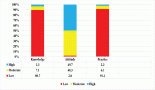
Results: Self-reported proficiency in complete blood count interpretation was high overall but significantly higher among haematologists than medical laboratory scientists. Advanced diagnostic proficiency was limited across both groups, with only 2.7% reporting expert proficiency in flow cytometry, none in cytogenetics and 5.3% in molecular diagnostics. Haematologists reported diagnosing all leukaemia cases in their practice and most lymphoma, multiple myeloma and myelodysplastic syndrome cases, whereas participation by medical laboratory scientists in these diagnoses was much lower. Only one teaching tertiary hospital reported access to flow cytometry, and no participating facility reported access to cytogenetics, polymerase chain reaction, fluorescence in situ hybridisation or next-generation sequencing. Most haematologists rarely requested advanced diagnostic investigations. Regular training was reported in 27.3% of institutions, while trainer shortages and lack of funding were the main barriers.
Conclusion: The haematology diagnostic workforce in Lagos demonstrates adequate proficiency in basic procedures but critical deficits in advanced diagnostics required for contemporary classification of HMs. These findings reflect a broader pattern seen across low- and middle-income settings, where limited access to advanced diagnostics, workforce shortages and weak laboratory systems constrain accurate disease classification and equitable care. Strengthening training, task-sharing and international partnerships is urgently needed to improve diagnostic capacity.