Bevacizumab in advanced hepatocellular carcinoma outside clinical trials: consensus recommendations
Leonardo G Da Fonseca1a, Duilio Reis da Rocha Filho2, Aline Lopes Chagas3, Alexandre Jacome4, Leila Moreira Beltrao Pereira5, Rogerio Alves6, Mario Reis Alvares-da-Silva7, Mauro Donadio8, Ana Paula Victorino9, Federico Piñero10 and Cassia Guedes Leal11
1Medical Oncology, Instituto do Cancer do Estado de Sao Paulo, University of São Paulo School of Medicine, Sao Paulo, Brazil, 01246-000
2Oncologia D´Or, Hospital Universitário Walter Cantídio, Universidade Federal do Ceará, Fortaleza, Brazil, 60430-372
3Hepatology, Instituto do Cancer do Estado de Sao Paulo, University of São Paulo School of Medicine, Sao Paulo, Brazil, 01246-000
4Clinical Oncology, Cancer Center Oncoclinicas/Hospital Vila da Serra, Nova Lima, Brazil, 34006-056
5Gastroenterology, Instituto do Figado e Transplantes de Pernambuco, Universidade de Pernambuco, Recife, Brazil, 50100-130
6Beneficiência Portuguesa de São Paulo Sao Paulo, Brazil
7Hepatology, Universidade Federal do Rio Grande do Sul, Porto Alegre, Brazil, 90040-060
8Oncoclínicas, Sao Paulo, Brazil, 01309-001
9Instituto Americas/Oncologia Rio de Janeiro/RJ, Rio de Janeiro, Brazil, 22775-001
10Unidad de Hígado y Trasplante Hepático Hospital Austral de Buenos Aires, Pilar, Argentina, B1629AHJ
11Hospital dos Servidores do Estado do Rio de Janeiro, Rio Janeiro, Brazil, 20221-903
ahttps://orcid.org/0000-0002-0216-3618
Abstract
Background: The combination of atezolizumab and bevacizumab has become the standard first-line systemic therapy for advanced hepatocellular carcinoma (HCC). However, pivotal clinical trials enrolled highly selected populations, excluding patients with comorbidities or clinical conditions frequently encountered in real-world practice, which remain areas of uncertainty with limited guidance.
Objective: To develop a literature review and consensus recommendations on the use of bevacizumab-containing regimens in special populations with advanced HCC, particularly patients underrepresented or excluded from randomised clinical trials.
Methods: This expert consensus was developed using a structured modified Delphi methodology. A multidisciplinary panel of ten hepatologists and clinical oncologists from different institutions formulated clinical questions using the PICO framework across 11 predefined domains related to bevacizumab safety and use. A PRISMA-informed literature review was conducted, prioritising clinical guidelines, randomised trials, meta-analyses and observational studies. Evidence was appraised using the Oxford Centre for Evidence-Based Medicine Levels of Evidence. Recommendations were drafted, reviewed, graded and voted upon through Delphi rounds.
Results: Consensus recommendations were established for all predefined PICO domains, including anticoagulation, antiplatelet therapy, coagulopathies, liver and renal dysfunction, thrombocytopenia, cardiovascular and cerebrovascular disease, age and body weight extremes, procedural considerations and digestive bleeding risk. The panel emphasised individualised, multidisciplinary decision-making, careful patient selection and proactive risk mitigation strategies. Levels of evidence ranged from moderate to low, reflecting the limited representation of these populations in clinical trials.
Conclusion: This expert consensus provides practical, evidence-informed guidance on the use of bevacizumab in special populations with advanced HCC. By addressing common real-world clinical scenarios not adequately covered by existing guidelines, these recommendations aim to promote consistent, safe and individualised application of bevacizumab-based therapy in routine clinical practice.
Keywords: hepatocellular carcinoma, bevacizumab, atezolizumab, patient safety, real-world evidence, consensus
Correspondence to: Leonardo G Da Fonseca
Email: l.fonseca@fm.usp.br
Published: 15/10/2026
Received: 03/04/2026
Publication costs for this article were supported by ecancer (UK Charity number 1176307).
Copyright: © the authors; licensee ecancermedicalscience. This is an Open Access article distributed under the terms of the Creative Commons Attribution License (
Background
Hepatocellular carcinoma (HCC) is the most common primary liver malignancy and represents a significant and growing global health challenge, with increasing incidence and high mortality worldwide [1]. A substantial proportion of patients are diagnosed at an advanced stage, often in the context of underlying chronic liver disease, limiting curative options and resulting in historically poor clinical outcomes. Recent advances in systemic therapy, including targeted agents and immune checkpoint inhibitors, have significantly altered the therapeutic landscape for advanced HCC, improving survival outcomes in selected patient populations [2].
The combination of atezolizumab, a programmed death-ligand 1 (PD-L1) inhibitor, with bevacizumab, a monoclonal antibody targeting vascular endothelial growth factor (VEGF), has emerged as a preferred first-line systemic therapy for patients with advanced HCC, supported by robust evidence from randomised clinical trials [3–5]. This regimen exerts complementary antitumor effects through immune modulation and inhibition of tumour angiogenesis and has demonstrated superior efficacy compared with sorafenib, leading to its incorporation into international treatment guidelines [6, 7].
However, translating these trial results into routine clinical practice is complicated by the highly selected nature of the study populations. Key clinical trials evaluating atezolizumab and bevacizumab excluded patients with conditions frequently encountered in real-world HCC populations, including clinically significant portal hypertension, untreated or high-risk gastroesophageal varices, recent bleeding events, substantial cardiovascular comorbidities, impaired renal function, poor performance status, advanced age or the need for therapeutic anticoagulation [8–10]. Many of these characteristics constitute relative, rather than absolute, contraindications to bevacizumab use, yet their presence introduces considerable uncertainty regarding treatment safety and the risk–benefit balance.
The safety profile of bevacizumab is well characterised across multiple tumour types, with known risks including bleeding, arterial and venous thromboembolic events, hypertension, proteinuria, impaired wound healing and, less commonly, gastrointestinal perforation [11]. While most adverse events (AEs) are manageable with appropriate monitoring and supportive care, patients with cirrhosis and portal hypertension may be particularly vulnerable to VEGF inhibition-related complications [12]. Notably, the evidence base guiding the use of bevacizumab in these higher-risk populations remains limited and largely derives from subgroup analyses, retrospective series or extrapolation from non-HCC settings. Consequently, treatment decisions regarding the use of bevacizumab in special populations are frequently individualised and influenced by clinicians’ experience, institutional policies and regional practice patterns. This variability reflects the absence of consensus-driven guidance and underscores an unmet need in contemporary HCC management.
In response to this gap, a multidisciplinary expert panel was convened to systematically evaluate the available evidence and clinical experience on the use of bevacizumab-containing regimens in patients with advanced HCC who do not meet conventional clinical trial eligibility criteria. Using a structured consensus methodology, this initiative aims to develop practical, evidence-informed recommendations for patient selection, risk stratification and management strategies for bevacizumab in special populations, to promote consistency in clinical decision-making, enhance patient safety and support individualised treatment approaches in real-world practice.
Methods
Study design and consensus framework
This manuscript represents an expert consensus developed using a structured, modified Delphi methodology. The process was designed to synthesise the best available evidence and expert clinical judgment to address the use of bevacizumab-containing regimens in special populations with HCC, particularly those underrepresented in randomised clinical trials.
A core leadership group (CGL and LF) convened an expert panel consisting of ten physicians with recognised expertise in HCC management. Panel members were drawn from different academic and clinical institutions and medical societies across multiple regions of Brazil, ensuring geographic diversity and a representation of real-world practice patterns. The panel included specialists in hepatology and clinical oncology actively involved in the care of patients with advanced HCC.
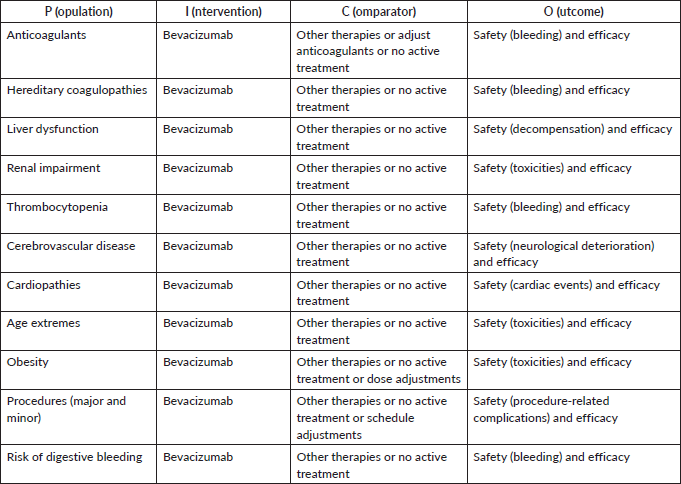
The core panel predefined the objectives and scope of the consensus. Clinical questions were formulated according to the PICO framework (Patient/Problem/Population, Intervention, Comparison/Control, Outcome) [13] and structured across 11 predefined domains relevant to bevacizumab use in special populations: (1) anticoagulant therapy, (2) hereditary coagulopathies, (3) liver dysfunction, (4) renal impairment, (5) thrombocytopenia, (6) cerebrovascular disease, (7) cardiopathies, (8) age extremes; (9) high body weight, (10) major and minor procedures and (11) risk of digestive bleeding (Table 1).
The proposed PICO questions were evaluated by the full expert panel and formed the framework for subsequent evidence retrieval and recommendation development
Evidence identification and selection (PRISMA-informed approach)
For each PICO question, a designated panel member conducted a systematic literature search. Searches were limited to studies published in English and focused on clinical practice guidelines, randomised controlled trials, meta-analyses and observational studies relevant to the safety and use of bevacizumab in the predefined clinical scenarios. A structured literature review was performed for each predefined PICO question using MEDLINE (via PubMed). Searches were conducted between August 2025 and January 2026 and included studies published from database inception through January 2026.
Table 1. PICO questions and descriptions.
Search strategies combined Medical Subject Headings and free-text terms related to ‘HCC’, ‘bevacizumab’, ‘atezolizumab’, ‘‘anti-VEGF’, ‘portal hypertension’, ‘gastroesophageal varices’, ‘bleeding’, ‘anticoagulation’, ‘antiplatelet therapy’, ‘thrombocytopenia’, ‘renal impairment’, ‘liver dysfunction’, ‘‘cardiovascular disease’, ‘cerebrovascular disease’, ‘elderly’, ‘obesity’, ‘surgery’ and related concepts using Boolean operators (“AND” and “OR”).
Eligible publications included international clinical practice guidelines, randomised clinical trials, prospective and retrospective observational studies, systematic reviews and meta-analyses. When HCC-specific evidence was unavailable, clinically relevant evidence from other solid tumours treated with bevacizumab was considered to inform the recommendations. Reference lists of eligible publications and major guidelines were manually screened to identify additional relevant studies. The literature selection process followed a PRISMA-informed approach [14]. Titles and abstracts were screened according to the predefined PICO questions. Full-text articles were subsequently reviewed for eligibility, considering study design, patient population, clinical applicability and reported efficacy and safety outcomes.
Development, grading and approval of recommendations
Draft recommendations were prepared by the panel member assigned to each PICO question and independently reviewed by at least one additional expert before discussion by the full panel. Recommendations were formulated after considering the quality and consistency of the available evidence, the expected balance between benefits and harms, clinical applicability and expert clinical judgment.
The level of evidence supporting each recommendation was classified according to the Oxford Center for Evidence-Based Medicine (OCEBM) levels of evidence, adapted from the Oxford 2011 framework [15] (Table 2), whereas the strength of recommendation (strong, moderate or weak) reflected the panel’s overall confidence following structured Delphi discussion and voting.
Final recommendations were approved through anonymous electronic voting. A predefined threshold of ≥75% agreement was required for consensus approval. Agreement levels were classified as ‘Consensus’ (100% agreement) or ‘Major agreement’ (75%–99% agreement). For transparency, the level of agreement achieved for each recommendation is reported throughout the manuscript. The final manuscript was reviewed and approved by all coauthors before submission. In addition, the consensus recommendations were externally discussed with regional experts during the V HCC Annual Meeting (Austral Hospital, December 2025) before finalisation.
Results
In the following subsections, each predefined PICO question is addressed individually. For each clinical domain, the available evidence is summarised, critically appraised and interpreted in the context of patients with advanced HCC, with particular attention to populations underrepresented in randomised clinical trials. Based on this evidence review and the structured Delphi process, consensus-based recommendations are formulated for each PICO question. Each subsection concludes with a clearly defined consensus statement that specifies the level of evidence and the strength of recommendation to support consistent and transparent clinical decision-making. The literature review and voting steps were performed between August 2025 and January 2026. All the recommendations achieved at least a major agreement in the first round of voting. Figure 1 represents the rationale, developments and key messages.
Table 2. OCEBM framework adopted in the document.
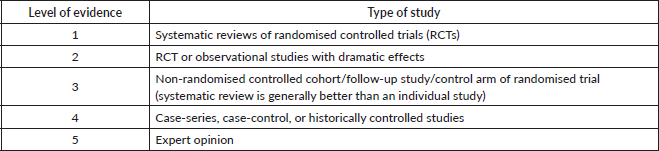
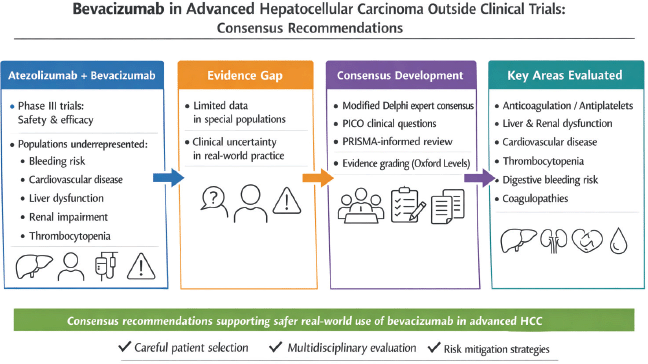
Figure 1. The rationale for the elaboration of the topics addressed and the main evidence gaps motivated the elaboration of a consensus discussion, highlighting the role of patient selection and multidisciplinary care.
1. Use of anticoagulants: is there sufficient evidence supporting the use of bevacizumab in patients using anticoagulants, considering the potential risk of bleeding?
The concomitant use of bevacizumab and anticoagulants has been evaluated across different oncologic settings. In patients with metastatic colorectal cancer and lung cancer, the combined use of bevacizumab and anticoagulants for the treatment of thrombotic events has generally not been associated. In a retrospective cohort of 162 patients, 43.2% discontinued bevacizumab and 58.8% continued treatment after the diagnosis of thrombosis. Most patients received low-molecular-weight heparin. Bleeding rates were similar between the two groups (30.0% versus 29.3%), with no impact on survival outcomes [16].
In another study involving ovarian cancer, seven patients were treated with bevacizumab in combination with direct oral anticoagulants (DOACs), and two non-clinically significant bleeding events were reported [17]. Within the DOAC class, retrospective data suggest that apixaban may have a more favourable safety profile than rivaroxaban, the latter being associated with a higher frequency of bleeding events in patients with colorectal cancer treated with bevacizumab [18]. Additional studies have also supported the preferential use of apixaban in oncology populations [19].
In HCC, however, the clinical scenario is distinct. The combination of atezolizumab and bevacizumab, evaluated in the pivotal IMbrave150 trial, has become a standard first-line therapy for advanced HCC. Nevertheless, this trial excluded patients receiving anticoagulants or antiplatelet agents (except for prophylactic doses of acetylsalicylic acid) due to concerns about severe bleeding. Despite this careful patient selection, bleeding occurred in approximately 25% of patients, with grade ≥3 events observed in 6%, predominantly involving gastrointestinal bleeding related to varices. However, it is important to point out that Vp4 thrombosis was unbalanced between arms, with more patients in the atezolizumab plus bevacizumab arm than in the sorafenib arm (n = 48 versus 25) [5]. Additionally, experimental studies suggest that portal pressure and portosystemic collateralisation are reduced by anti-VEGF therapies such as bevacizumab and tyrosine kinase inhibitors [20, 21]. These findings underscore that bleeding risk in HCC cannot be solely attributable to the pharmacologic effects of bevacizumab, but largely reflects the underlying cirrhosis-associated pathophysiology, including portal hypertension, gastroesophageal varices, thrombocytopenia and coagulopathy.
A real-world retrospective study evaluated the safety and efficacy of atezolizumab plus bevacizumab in patients with HCC receiving antiplatelet or anticoagulant therapy – populations excluded from IMbrave150 – compared with patients not receiving these agents. A total of 185 patients were included (157 without and 28 with antiplatelet/anticoagulant therapy). The most frequently used agents were edoxaban (n = 9), apixaban (n = 5), rivaroxaban (n = 2) and clopidogrel (n = 6). Grade ≥3 bleeding events occurred in 11 and 3 patients, respectively, with no significant difference in incidence between the two groups (p = 0.547). Similarly, no differences were observed in overall survival or progression-free survival. The Albumin–Bilirubin (ALBI) score was associated with an increased risk of bleeding (p = 0.038), reinforcing the relevance of liver dysfunction severity as a bleeding risk factor, whereas macrovascular invasion was not associated with grade ≥3 haemorrhagic events (p = 0.167). When patients receiving anticoagulants, high-dose antiplatelet agents and low-dose antiplatelet agents were analysed collectively, no increased risk of bleeding events of any grade or grade ≥3 was observed (p = 0.494) [22].
Larrey et al [23] described a cohort of 43 patients with HCC treated with atezolizumab and bevacizumab, of whom 48.8% were receiving curative anticoagulation. The authors found that 14% presented with acute variceal bleeding (AVB), with a median time to bleeding of 3 months, and there were no bleeding-related deaths. In multivariate analysis, a history of variceal bleeding (p = 0.03) was associated with acute bleeding, whereas anticoagulation was not (p = 0.17) [23]. In another real-world study of 464 patients with HCC, 325 received atezolizumab and bevacizumab, and 139 received lenvatinib. Bleeding episodes were reported in 57 (18%) patients receiving atezolizumab and bevacizumab compared with 15 (11%) receiving lenvatinib (p = 0.07). The incidence of overall bleeding, variceal haemorrhage and thromboembolic events did not differ significantly between patients who received atezolizumab and bevacizumab and those who received lenvatinib over 6 months. Anticoagulation was used by 29% and 27% of patients receiving atezolizumab and bevacizumab and lenvatinib, respectively. Anticoagulation was significantly associated with an increased risk of non-gastrointestinal bleeding (odds ratio 2.3, 95% CI 1.1–4.9; p = 0.02), but not with gastrointestinal or variceal bleeding. In particular, the use of DOACs was linked to non-gastrointestinal bleeding episodes in this cohort [24].
Thus, while there is more structured evidence on the concomitant use of bevacizumab and anticoagulants in other solid tumours, decision-making in HCC must be individualised and multidisciplinary. Pre-treatment endoscopic evaluation, careful selection of the anticoagulant – preferably apixaban – and close clinical monitoring are essential to mitigate bleeding risk without compromising the oncologic efficacy of bevacizumab-based regimens.
Recommendation (consensus; 100% agreement)
In patients with HCC receiving low-dose aspirin for cardiovascular prevention, bevacizumab can be administered without routine treatment modification (Level of evidence 2; strong recommendation).
In patients requiring therapeutic anticoagulation or clopidogrel, bevacizumab may be considered following individualised multidisciplinary assessment and careful monitoring for bleeding complications (Level of evidence 3; moderate recommendation).
2. Dialysis and renal impairment: what is the evidence supporting the use of bevacizumab in patients with renal function impairment, regarding safety and efficacy?
Bevacizumab is a recombinant humanised monoclonal antibody with a molecular weight of approximately 149 kDa. Its elimination occurs predominantly through systemic proteolytic catabolism rather than hepatic metabolism or renal excretion. Consequently, bevacizumab is not dialyzable, and its pharmacokinetic profile in patients undergoing haemodialysis is comparable to that observed in individuals with preserved renal function [25]. These characteristics support the biological plausibility of administering bevacizumab in patients with end-stage renal disease (ESRD) without dose adjustment. Nevertheless, proteinuria is a frequent AE associated with bevacizumab, which is usually asymptomatic but may progress to nephrotic syndrome or renal thrombotic microangiopathy [26].
Although prospective studies evaluating bevacizumab specifically in patients with HCC undergoing dialysis are lacking, evidence from other malignancies provides indirect safety data. Published reports describe at least 13 patients with unresectable or recurrent colorectal cancer or renal cell carcinoma receiving bevacizumab-containing chemotherapy while on maintenance haemodialysis. With one notable exception – a patient with renal cell carcinoma who developed haemorrhagic gastritis due to angiodysplasia and intracerebral haemorrhage after prolonged therapy – serious bevacizumab-related toxicities were uncommon. Importantly, most reported patients did not experience grade 3–4 hypertension or major bleeding events [27].
Patients with ESRD are intrinsically at higher risk for cardiovascular and cerebrovascular complications, as well as thrombotic and bleeding events. Therefore, although bevacizumab does not appear to confer unexpected toxicity in dialysis patients, its use requires careful risk assessment, detailed patient counselling and enhanced monitoring, particularly for blood pressure elevation and haemorrhagic complications. In this context, data suggesting that lower doses of bevacizumab (<15 mg/kg) may achieve non-inferior progression-free and overall survival with reduced rates of proteinuria are clinically relevant and may support dose-adapted strategies in high-risk populations such as dialysis patients [28].
Atezolizumab shares similar pharmacokinetic properties, with a high molecular weight (atezolizumab ~145 kDa), catabolic clearance and lack of dialysability. Available evidence indicates that it can be administered safely in patients undergoing haemodialysis without dose modification. Retrospective analyses across multiple tumour types have shown comparable rates of immune-related AEs between ESRD and non-ESRD populations. Published case reports describe at least four dialysis patients treated with atezolizumab for non-HCC malignancies without serious immune-related toxicity [27].
In this context, limited but emerging data on the combination of atezolizumab and bevacizumab in patients with HCC undergoing haemodialysis are encouraging. Case-based evidence suggests that this regimen can be delivered without unexpected toxicity, and disease control has been observed in selected patients. However, given the small number of reported cases and the absence of prospective studies, the efficacy of this combination in the dialysis population remains uncertain [29].
In summary, the available pharmacokinetic data, extrapolated evidence from other malignancies and limited real-world experience suggest that bevacizumab – alone or in combination with atezolizumab – may be administered to selected patients with unresectable HCC undergoing haemodialysis, without dose adjustment. Nevertheless, due to the scarcity of robust clinical data and the elevated baseline risk of vascular complications in ESRD, such treatment should be individualised, undertaken within a multidisciplinary framework and accompanied by rigorous monitoring for cardiovascular, renal and haemorrhagic AEs.
Recommendation (consensus; 100% agreement)
Atezolizumab plus bevacizumab may be administered without dose adjustment in patients with mild, moderate or severe renal impairment (Level of evidence 3; moderate recommendation).
In patients receiving chronic haemodialysis, treatment may be considered at standard doses following individualised multidisciplinary evaluation and close monitoring, recognising that the available evidence is limited to observational studies and case reports (Level of evidence 4; weak recommendation).
3. Cardiopathies: are there sufficient evidence supporting the use of bevacizumab in patients with cardiac comorbidities?
Although relatively uncommon, cardiovascular AEs are potential complications of bevacizumab-based therapies. The presence of comorbidities, including pre-existing cardiovascular disease, may influence the risk of toxicity and should be carefully evaluated [30].
Bevacizumab is associated with cardiovascular events, including hypertension, heart failure, arterial thrombosis, acute myocardial infarction and stroke, particularly in individuals with underlying risk factors [12]. Atezolizumab, in contrast, has a less pronounced cardiovascular toxicity profile but may be associated with immune-mediated events, such as myocarditis [31].
In the pivotal IMbrave150 trial, patients with New York Heart Association class II or higher heart disease, recent myocardial infarction or cerebrovascular accident, severe arrhythmias, unstable angina or poorly controlled hypertension were excluded. Grade ≥3 hypertension was observed in 12% of patients treated with atezolizumab plus bevacizumab and in 9% of those treated with sorafenib. Heart failure and myocardial infarction were reported in 0.3% of patients in the experimental arm [5].
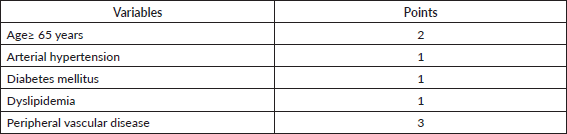
Real-world data provide additional insights. In a retrospective study including 296 patients, the incidence of grade ≥3 hypertension was 3.7% [8]. In an analysis specifically evaluating cardiovascular AEs among 83 patients treated with atezolizumab plus bevacizumab, the incidence of myocarditis and myocardial infarction was 4.8% and 2.4%, respectively – higher than that reported in the pivotal trial. Cardiovascular risk was increased in patients with hypertension or diabetes mellitus. In this cohort, patients with controlled comorbidities were included; 55.1% had arterial hypertension, and 39.5% had diabetes mellitus. Patients with a CARDIOSOR score ≥5 had a higher risk of cardiovascular events (Table 3) [30].
Another study analysed data from VigiBase, the World Health Organization’s global database of adverse drug reaction reports, which contains more than 28 million records since 1968. A total of 32.5 million valid reports (after excluding duplicates) were included through December 2022. The analysis evaluated cardiovascular toxicities associated with atezolizumab, bevacizumab and their combination, according to MedDRA definitions. Disproportionality analyses using the reporting odds ratio (ROR) and information component (IC) were applied, with signals considered significant when the lower limit of the IC was >0 and the ROR was >1. Among 84,951 reports involving bevacizumab, 10,595 involving atezolizumab and 2,092 involving both agents, most patients were aged ≥45 years. Bevacizumab showed significant associations with multiple cardiovascular events, including hypertension (ROR = 5.28; IC = 2.31), arterial embolism and thrombosis (ROR = 2.26; IC = 1.14), myocardial infarction (ROR = 1.42; IC = 0.48), central nervous system ischemia (ROR = 2.32; IC = 1.18), supraventricular tachyarrhythmias (ROR = 2.03; IC = 0.99), ventricular tachyarrhythmias (ROR = 1.89; IC = 0.87), heart failure (ROR = 1.94; IC = 0.93), shock (ROR = 1.35; IC = 0.41), pericarditis (ROR = 1.19; IC = 0.21), haemorrhage-related clinical events (ROR = 2.08; IC = 1.00), haemorrhagic laboratory abnormalities (ROR = 1.40; IC = 0.42), cerebral haemorrhage (ROR = 2.01; IC = 0.98), pulmonary hypertension (ROR = 1.57; IC = 0.61), venous embolism and thrombosis (ROR = 6.25; IC = 2.57), cardiomyopathy (ROR = 3.68; IC = 1.84) and respiratory failure (ROR = 1.36; IC = 0.42), highlighting its potential cardiovascular risk profile [32]
These findings underscore the importance of treatment individualisation, multidisciplinary management and proactive monitoring, particularly in patients with comorbidities. Patients with decompensated heart failure, severe hypertension, recent thromboembolic events or unstable coronary artery disease may be considered ineligible for atezolizumab plus bevacizumab in high-risk scenarios. For patients receiving treatment, regular blood pressure monitoring, appropriate antihypertensive therapy and temporary or permanent discontinuation of bevacizumab in cases of uncontrolled hypertension are recommended. Patients who develop hypertensive crisis or heart failure should discontinue bevacizumab therapy. Agents with proven cardiovascular benefit – such as angiotensin-converting enzyme (ACE) inhibitors or beta-blockers in hypertensive patients, sodium-glucose cotransporter 2 inhibitors in patients with diabetes, or statins in those with dyslipidemia – may be preferentially used. No specific antihypertensive agent provides superior control of bevacizumab-induced hypertension, though different classes may have secondary effects. For example, ACE inhibitors are recommended for treating proteinuria (also induced by bevacizumab), whereas caution is advised against using the calcium channel blocker nifedipine, which has been shown to induce VEGF secretion [33, 34]. Finally, personalised cardiovascular risk assessment tools, such as the CARDIOSOR score, may help identify patients who could benefit from early preventive interventions.
Recommendation (consensus; 100% agreement)
Patients with stable cardiovascular disease may receive atezolizumab plus bevacizumab after appropriate cardiovascular evaluation and optimisation of modifiable risk factors (Level of evidence 2; strong recommendation).
Table 3. CardioSor score.
Bevacizumab should be avoided in patients with uncontrolled hypertension, recent myocardial infarction or unstable angina, decompensated heart failure or other unstable cardiovascular conditions until these have been adequately treated and stabilised (Level of evidence 2; strong recommendation).
4. Hereditary coagulopathy: what is the evidence available of bevacizumab use in patients with hereditary coagulopathy?
Evidence on this topic is limited, particularly outside the context of hereditary haemorrhagic telangiectasia (HHT), as most studies focus on the use of bevacizumab to treat bleeding associated with vascular malformations in HHT, rather than its oncologic use in patients with coagulopathies. The bleeding risk associated with bevacizumab is well documented in general populations, but data specifically regarding hereditary coagulopathies are scarce.
A phase II, multicentre, randomised, double-blind study including 24 patients evaluated intravenous bevacizumab versus placebo in HHT patients with severe bleeding. The study demonstrated a numerical reduction in transfusion requirements, and bleeding risk was not significantly increased with bevacizumab (5 mg/kg every 2 weeks). Haemorrhagic AEs were rare, suggesting relative safety in HHT [35]. Another multicentre, retrospective international study across 12 centres, including 238 HHT patients treated with systemic bevacizumab, reported reduced bleeding, particularly epistaxis and lower transfusion requirements. Only 5% of patients experienced treatment-emergent AEs, including 2% with thromboembolic events; no bleeding events were reported, further supporting the potential safety of HHT [36]. A single-centre retrospective study of 57 patients with HHT-related bleeding and/or high-output heart failure suggested that bevacizumab effectively reduced bleeding, with a low incidence of haemorrhagic AEs (no severe bleeding reported) [37]. In another retrospective database study from HHT centres evaluating 69 patients with HHT-related bleeding and/or high-output heart failure, improvements were observed in epistaxis and gastrointestinal bleeding. Bleeding as an AE occurred in two patients (2.8%): one gastrointestinal grade 3 and one fatal pulmonary haemorrhage (grade 5) [38].
Evidence in other hereditary coagulopathies is less robust. A case report described a patient with Glanzmann thrombasthenia and gastrointestinal angiodysplasias causing melena and iron-deficiency anaemia who was successfully treated with bevacizumab, suggesting safety in selected cases [39]. Another report described the use of bevacizumab with chemotherapy in a patient with mild haemophilia B and metastatic colon cancer. The patient tolerated the combination without bleeding, and haematologic monitoring remained stable [40]. Finally, a case of a patient with type IIA von Willebrand disease and refractory gastrointestinal bleeding from intestinal angiectasias, dependent on weekly transfusions despite factor VIII prophylaxis and octreotide, was treated with bevacizumab (5 mg/kg every 2 weeks). This resulted in immediate cessation of bleeding, transfusion independence and sustained complete response after 4 months, without AEs [41]
In summary, most available studies focus on HHT, given its vascular malformations that frequently affect the liver and are of interest in hepatic tumours. Paradoxically, bevacizumab is used to reduce bleeding in HHT, with consistent data showing safety and efficacy without a significant increase in haemorrhagic risk. Only isolated case reports exist for haemophilia, Glanzmann thrombasthenia and von Willebrand disease, showing no major toxicities and potential benefit in controlling gastrointestinal bleeding. These findings suggest that bevacizumab may be safe in specific platelet/coagulation disorders, although more data are needed, and a multidisciplinary risk stratification is desirable.
No study has directly evaluated the use of bevacizumab in patients with hepatic tumours and hereditary coagulation disorders simultaneously. The IMbrave150 trial excluded patients with haemoptysis within the month prior to treatment initiation or with evidence of significant bleeding diathesis or coagulopathy [5]. Therefore, clear data regarding hereditary coagulopathies are lacking. In patients with liver tumours and hereditary coagulopathies, bevacizumab use requires careful evaluation, intensive monitoring for haemorrhagic events (especially gastrointestinal and hepatic) and appropriate management strategies (e.g. coagulation factor prophylaxis in haemophilia). Future studies are needed to clarify bleeding risk in coagulopathies beyond HHT.
Recommendation (major agreement; 90% agreement)
Bevacizumab may be considered in selected patients with hereditary coagulopathies after individualised multidisciplinary evaluation, optimisation of the underlying bleeding disorder and careful assessment of the expected benefits and haemorrhagic risks (Level of evidence 5; weak recommendation).
5. Prior or active cerebrovascular disease: what is the evidence supporting the use of bevacizumab in patients with cerebrovascular disease?
Since the earliest studies evaluating bevacizumab in the treatment of solid tumours, ischaemic and haemorrhagic AEs were anticipated based on its mechanism of action on the vascular endothelium. Consequently, patients with underlying cardiovascular and cerebrovascular disease, as well as those at increased risk of haemorrhagic complications, have traditionally been excluded from clinical trials assessing bevacizumab. After more than two decades of clinical experience with this anti-angiogenic agent across multiple solid tumours, the medical literature indicates that bevacizumab use is associated with an increased risk of cerebrovascular events (CVE).
The most robust evidence comes from a systematic review and meta-analysis of randomised trials evaluating bevacizumab in patients with advanced solid tumours, comparing experimental arms containing bevacizumab with control arms without bevacizumab. A total of 12,917 patients from 17 randomised trials were included. The absolute incidence of CVE among patients receiving bevacizumab was 0.5%. The relative risk (RR) of CVE associated with bevacizumab was 3.28 (95% CI, 1.97–5.48), with an RR of 3.22 (95% CI, 1.71–6.07) for ischaemic events and 3.09 (95% CI, 1.36–6.99) for haemorrhagic events. The risk increased with higher doses of the anti-angiogenic agent, with an RR of 1.96 (95% CI, 0.76–5.06) at 2.5 mg/kg/week and 3.97 (95% CI, 2.15–7.36) at 5 mg/kg/week. The risk was also higher in colorectal cancer compared with other solid tumours. Importantly, patients with HCC were not included in this meta-analysis [42].
In randomised studies evaluating bevacizumab in HCC, the most commonly used dose is 5 mg/kg/week. Across these trials, the incidence of CVE was below 0.5%. In the IMbrave150 trial, one fatal subarachnoid haemorrhage was reported in the atezolizumab plus bevacizumab arm, with no such events in the sorafenib arm [5]. In the phase Ib GO30140 study, in the randomised cohort comparing atezolizumab plus bevacizumab versus atezolizumab monotherapy, no CVEs were reported [3]. In the phase III EMERALD-1 trial, in which patients with HCC were randomised to transarterial chemoembolisation (TACE) plus placebo (arm 1), TACE plus durvalumab plus placebo (arm 2), or TACE plus durvalumab plus bevacizumab (arm 3), two ischaemic CVEs occurred in arm 3, one ischaemic and one haemorrhagic CVE occurred in arm 2 and one ischaemic CVE occurred in arm 1 [43]. In the randomised phase Ib/II MORPHEUS-Liver study, patients with HCC were randomised to tiragolumab plus atezolizumab plus bevacizumab versus atezolizumab plus bevacizumab; one ischaemic CVE was reported in the triplet-therapy arm [44]. In the phase III ORIENT-32 trial comparing sintilimab plus bevacizumab versus sorafenib, one ischaemic CVE was reported in the combination arm and one haemorrhagic CVE in the sorafenib arm [45]. In a large real-world study comparing the efficacy and safety of atezolizumab plus bevacizumab versus lenvatinib in patients with advanced HCC, no CVEs were reported among the 864 patients treated with the anti-PD-L1/anti-angiogenic combination [46]. In the IMbrave150 trial, patients with cerebral ischemia within the previous 3 months, as well as those with recent haemorrhagic events, were excluded. Most real-world studies do not explicitly list recent CVE as exclusion criteria [47], although such patients are unlikely to be considered candidates for systemic therapy in routine practice and are therefore underrepresented in observational cohorts. There are no data that clearly contraindicate bevacizumab in patients with remote or resolved CVE.
Recommendation (consensus; 100% agreement)
Patients with a remote history of ischaemic stroke or transient ischaemic attack who have achieved clinical stability and optimal secondary prevention may be considered for atezolizumab plus bevacizumab following individualised multidisciplinary evaluation (Level of evidence 2; moderate recommendation).
Bevacizumab should generally be avoided in patients with recent CVE (<3 months) until adequate clinical stabilisation has been achieved (Level of evidence 5; strong recommendation).
6. Altered liver function: are the data on the use of bevacizumab applicable to patients with altered liver function?
Most patients with HCC have underlying chronic liver disease, making hepatic function a key determinant of both prognosis and therapeutic success. The combination of atezolizumab and bevacizumab is considered a first-line therapy for advanced HCC, based on the pivotal IMbrave150 trial, which predominantly enrolled patients with preserved liver function (Child–Pugh (CP) A). Consequently, scientific evidence supporting this combination in patients with CP B liver function remains limited [5]. In the pivotal clinical trials, however, the proportion of patients with cirrhosis has been inconsistently reported, and a non-negligible fraction of participants has non-cirrhotic HCC – particularly in Asian cohorts with chronic hepatitis B infection.
In recent years, real-world studies and retrospective analyses have the understanding of the safety and efficacy of atezolizumab and bevacizumab in this setting. D’Alessio et al [48] in a multicentre cohort, demonstrated that patients with CP B had AE rates similar to those of CP A patients, with a median overall survival of 14.9 months and progression-free survival of 6.8 months, despite inferior survival compared with CP A patientsClique ou toque aqui para inserir o texto.. Other real-world studies have corroborated these findings [49, 50]. In a Korean multicentre study, improved survival was observed in CP A5 patients; however, clinically compensated CP B7 patients (without encephalopathy or ascites, total bilirubin <2 mg/dL and albumin ≥2.8 g/dL) exhibited survival outcomes comparable to those of CP A6 patients [51]. Similarly, in a U.S. multicentre study, CP B7 patients derived clinical benefit from atezolizumab plus bevacizumab without significant AEs, although survival remained inferior to that of CP A patients [50]. These studies suggest that improved stratification of CP B patients is essential and may expand indications for oncologic treatment, particularly for well-selected CP B7 patients.
Recent meta-analyses have evaluated the role of liver function in patients treated with atezolizumab and bevacizumab. Kulkarni et al [52] analysed 47 studies including 5,400 patients and found that CP B patients had objective response rates and disease control rates similar to those of CP A patients, although with worse outcomesClique ou toque aqui para inserir o texto.. In contrast, another meta-analysis including 1,071 CP A and 225 CP B patients reported a higher incidence of grade ≥3 AEs, as well as poorer overall survival in CP B patients [53].
A systematic review and meta-analysis evaluating the efficacy of immunotherapy-based regimens in patients with HCC and impaired liver function included 15 studies comprising 2,311 patients, of whom 639 (27.7%) had CP B cirrhosis and 34 (1.5%) had CP C cirrhosis. Across eight studies, the restricted mean survival time for patients with CP B/C liver function was 8.4 months, with substantial heterogeneity among studies. Pooled analysis of eight studies comparing outcomes according to liver function demonstrated significantly worse overall survival in patients with CP B compared with CP A cirrhosis (HR 1.65, 95% CI 1.45–1.84), with no significant statistical heterogeneity. However, the available evidence was limited by marked variability in patient selection, treatment lines and reporting of liver disease severity, with less than half of patients having treatment-line data available and only three studies evaluating first-line atezolizumab plus bevacizumab. The authors concluded that current evidence remains insufficient to clearly define the benefit of immunotherapy in patients with advanced liver dysfunction and emphasised the need for more detailed characterisation of hepatic reserve, including prior decompensation events, ascites management and clinically significant portal hypertension, to improve patient stratification and interpretation of outcomes in future studies [54].
Systematic reviews of phase II studies evaluating bevacizumab in advanced HCC reported AEs, including increased aspartate aminotransferase/alanine aminotransferase (13%), fatigue (12%), hypertension (10%), diarrhoea (8%) and neutropenia (5%). Thirty patients experienced gastrointestinal bleeding (grade 1/2 = 18, grade 3/4 = 12), typically due to oesophageal varices. The risk of bleeding is clinically relevant, especially in patients with portal hypertension; therefore, evaluation and treatment of varices prior to initiating bevacizumab are recommended [55].
In the phase II CHALLENGE trial, a multicentre, open-label, single-arm study evaluating atezolizumab plus bevacizumab in patients with unresectable HCC and CP B cirrhosis (score 7–8), 30 treatment-naïve patients were included in the final analysis after a median follow-up of 517 days. The regimen demonstrated a manageable safety profile, with severe AEs occurring in 30.0% of patients, most commonly increased bilirubin, proteinuria, hypoalbuminemia and hypertension. Grade ≥3 liver-related AEs were observed in 23.3% of patients, while severe immune-related AEs were uncommon (6.7%). Liver function remained relatively stable throughout treatment, with minimal changes in mean CP scores over time. Antitumor activity was encouraging, with objective response rates of 40.0%. Median progression-free survival and time to progression were both 240 days, while median overall survival reached 470 days. These findings suggest that atezolizumab plus bevacizumab is feasible and exhibits clinically meaningful efficacy in patients with advanced HCC and CP B cirrhosis, a population historically underrepresented in pivotal immunotherapy trials [56].
A phase II trial of bevacizumab in HCC included patients with CP A or compensated CP B (without refractory ascites or encephalopathy, total bilirubin ≤3 mg/dL, albumin ≥2.5 mg/dL). Among 46 patients, the objective response rate was 13%, but clinically relevant toxicities were observed, including grade 3–4 hypertension (15%), thrombotic events (6%, including 4% arterial thrombosis) and grade ≥3 haemorrhage in 11% of patients, with one fatal variceal bleeding. These findings suggest that while bevacizumab demonstrates antitumor activity in HCC with compensated liver dysfunction, its use in CP B patients requires stringent selection, proactive variceal screening and close monitoring due to an increased risk of bleeding and vascular complications, and no robust evidence from randomised clinical trials is available [57].
The ALBI score is a useful tool for improved stratification and prognostic assessment of liver function and may assist therapeutic decision-making. It has been validated in studies involving patients treated with atezolizumab plus bevacizumab [50, 51, 53]. In a Brazilian multicentre study evaluating patients treated with immunotherapy, mainly atezolizumab plus bevacizumab, the ALBI score was identified as an independent prognostic factor for survival [10].
Although classifications such as ALBI and CP are well validated in clinical trials, a comprehensive clinical evaluation is necessary to assess the risk of liver decompensation. For example, laboratory alterations, such as indirect bilirubin elevation and low albumin, can be attributable to non-liver causes depending on the clinical context. Direct and indirect signs of portal hypertension also provide valuable insights into the risk of liver decompensation during systemic treatment.
Recent studies suggest that patients who achieve recompensation after adequate management are candidates for systemic treatment, with outcomes comparable to those of never-decompensated patients [58]. Although the definition of recompensation is not well established in HCC, the BAVENO VII defines recompensation as the simultaneous presence of: a) sustained cure, suppression or removal of the underlying etiology of cirrhosis; b) resolution of ascites and encephalopathy after discontinuation of diuretics and lactulose/rifaximin, as well as the absence of variceal bleeding for 12 months and c) sustained improvement of liver function tests, as assessed by serum albumin, bilirubin and international normalised ratio [59].
Finally, in real practice, bevacizumab is often an alternative in patients with impaired liver function (mainly in CP B), provided that there is strict monitoring for haemorrhagic events and hepatic toxicity, and after adequate evaluation and management of oesophageal varices. Current evidence is more robust for CP A patients, but real-world data suggest tolerability in CP B patients, whereas its use in CP C remains contraindicated.
Recommendation (major agreement; 80% agreement)
Atezolizumab plus bevacizumab may be considered for carefully selected patients with CP B7 liver function, preserved performance status and compensated portal hypertension after multidisciplinary evaluation (Level of evidence 3; moderate recommendation).
Evidence supporting treatment in patients with CP B8–B9 cirrhosis remains limited, and treatment decisions should be individualised (Level of evidence 4; weak recommendation).
7. Elderly patients: are the data on bevacizumab applicable to patients irrespective of age?
Data on the efficacy and safety of the combination of atezolizumab and bevacizumab in elderly patients with HCC remain limited, largely due to the underrepresentation of this population in oncologic clinical trials. In the IMbrave150 study, approximately 20% of patients were older than 70 years, and no upper age limit was defined in the inclusion criteria. Among the 336 patients in the atezolizumab plus bevacizumab arm, 68 were older than 70 years. The maximum age of participants included in the study was 88 years [5].
Recent studies have shown that the efficacy and tolerability of the combination are comparable between elderly and younger patients, with no substantial increase in the incidence of AEs, thereby reinforcing the applicability of this therapy in older populations [60–62]. In elderly patients, treatment selection should be individualised, taking comorbidities and frailty into account; however, available data do not indicate a need for specific dose adjustments based solely on age [63]. In a multicentre real-world cohort of 191 patients with unresectable HCC treated with atezolizumab plus bevacizumab, outcomes were compared between older (≥65 years) and younger (<65 years) patients. Older patients more frequently had non-alcoholic fatty liver disease, smaller tumours, less portal vein thrombosis (PVT) and less advanced BCLC stage, but these baseline differences did not translate into inferior outcomes. OS was comparable between older and younger patients (median 14.9 versus 15.1 months; HR 1.15, p = 0.63), as was objective response rate (27.6% versus 20.0%). Importantly, treatment-related AEs, including grade ≥3 toxicities and treatment discontinuation due to toxicity, occurred at comparable rates in older and younger patients. Patients aged ≥75 years demonstrated outcomes and safety profiles like those of younger individuals. These findings indicate that advanced age alone does not adversely affect the efficacy or tolerability of atezolizumab plus bevacizumab in unresectable HCC [60].
Regarding studies on colorectal adenocarcinoma, the AVF2192g trial included 80% of patients aged ≥65 years, with mean ages of 70.7 and 71.3 years in the fluorouracil-leucovorin and fluorouracil-leucovorin plus bevacizumab arms, respectively. Despite its use in a population at high risk for serious AEs, bevacizumab was well tolerated. Grade 3 hypertension was more frequent with bevacizumab (16% versus 3%) but was manageable with antihypertensive drugs and did not lead to any discontinuation of treatment. There was no difference between the two groups in terms of incidence of bleeding and venous thromboembolic events, but an increased rate of arterial thrombotic events was observed in the bevacizumab arm when compared with the placebo arm (10% versus 4.8%) [64].
Finally, the American Society of Clinical Oncology (ASCO) guidelines for elderly patients (65 years or older) initiating systemic therapy recommend a ‘Geriatric Assessment’, which is essential for identifying vulnerabilities or deficits not detected by routine oncologic evaluation. If deficits are identified, the care plan should include ‘Geriatric Assessment–Guided Management’, which uses the assessment results to inform treatment decision-making and to address identified deficits through appropriate interventions and referrals [65].
Recommendation (major agreement; 90% agreement)
Chronological age alone should not be used to exclude patients with HCC from bevacizumab treatment (Level of evidence 2; strong recommendation).
Treatment decisions in older adults (≥65 years old) should incorporate frailty, functional status, comorbidity burden, liver function and patient preferences, with multidisciplinary geriatric assessment considered whenever feasible (Level of evidence 3; strong recommendation).
8. Obesity: are the data on bevacizumab applicable to patients irrespective of body weight?
Regarding body weight, IMbrave150 allowed the inclusion of patients regardless of body mass index (BMI); however, specific data on obesity and maximum BMI were not reported in the primary analyses of the study [5]. The dose of bevacizumab for HCC is calculated based on body weight, including in obese patients, at 15 mg/kg every 3 weeks, according to the FDA-approved label in the United States and current clinical guidelines. There is no recommendation for dose adjustment or capping in obese patients; the ASCO guidelines reinforce that obese patients should receive full weight-based dosing for systemic oncologic therapies, including bevacizumab [66]. Obesity has not demonstrated a clinically significant impact on the efficacy or toxicity of bevacizumab in HCC, and there is no evidence supporting dose reduction in these patients [55].
An emerging factor in the context of HCC treatment is the ‘obesity paradox’, which suggests improved outcomes in patients who are overweight or obese. Proposed mechanisms include more adequate nutritional reserves, immunologic modulation via leptin and reduced protein degradation. While obesity appears to favour responses to checkpoint inhibitor-based immunotherapy, such as anti-PD-1/PD-L1 agents, its impact on the efficacy of anti-VEGF therapies, such as bevacizumab, may be more heterogeneous [67]. Wang et al [68] evaluated the impact of BMI in patients with advanced HCC treated with lenvatinib and camrelizumab, observing the ‘obesity paradox’ patternClique ou toque aqui para inserir o texto.. However, sarcopenia and cachexia-related weight loss may attenuate these benefits, highlighting the need for studies focused on body composition in hepatic immunotherapy [67].
A retrospective study evaluated the impact of BMI on the safety and efficacy of atezolizumab plus bevacizumab in 191 patients with unresectable HCC and found no significant differences in clinical outcomes between overweight (BMI ≥25) and non-overweight patients. BMI did not influence median progression-free survival (7.1 versus 6.1 months; p  =  0.42), response rates (27.2% versus 22.0%; p  =  0.44) and disease control rates (74.1% versus 71.9%; p  =  0.46). There were higher rates of atezolizumab-related fatigue (22.3% versus 10.3%; p  =  0.02) and bevacizumab-related thrombosis (8.5% versus 2.1%; p  =  0.045) in the overweight patients, but overall AEs and treatment discontinuation were comparable between cohorts. Bevacizumab-related AEs were comparable between the two groups (12.4% for the BMI<25% versus 14.9% for the BMI≥ 25%; p = 0.61) [69].
A pooled analysis published in 2011 evaluating chemotherapy with or without bevacizumab for advanced colorectal cancer raised the possibility that bevacizumab might be less effective in obese patients [70]. However, subsequent studies reported that the efficacy of bevacizumab did not significantly vary according to BMI in patients with metastatic colorectal cancer [71, 72]. Obesity emerges as a potential modulator of therapeutic response, although its effects vary according to treatment modality. Future studies should focus on therapeutic individualisation based on age, body composition and tumour biological profile.
In summary, there is no contraindication to the use of bevacizumab in patients with HCC solely based on obesity, provided that hepatic function criteria, performance status and comorbidity control are met. Management should be multidisciplinary and individualised.
Recommendation (major agreement; 90% agreement)
Obesity alone should not preclude treatment with bevacizumab (Level of evidence 2; strong recommendation).
Treatment decisions should instead consider obesity-associated comorbidities, functional status and liver function, with optimisation of cardiovascular and metabolic risk factors before treatment initiation whenever appropriate (Level of evidence 3; strong recommendation).
9. Thrombocytopenia and portal hypertension: are the available data sufficient to use bevacizumab in patients with thrombocytopenia and portal hypertension?
Portal hypertension and HCC are major complications of chronic liver disease and share common pathological mechanisms that worsen the outcomes of both conditions [73]. PVT may occur in patients with HCC regardless of bevacizumab use; however, arterial and venous thrombotic events, including PVT, have been reported in association with bevacizumab, although with a low incidence of approximately 6%. Thrombocytopenia is common in patients with cirrhosis and portal hypertension and is not a direct adverse effect of bevacizumab; nevertheless, it may exacerbate bleeding
Thrombocytopenia is common in patients with HCC and portal hypertension, and bevacizumab may slightly increase the risk of thrombocytopenia (RR approximately 1.2 for any grade and approximately 3.4% for grade 3/4) [74]. However, most cases of severe thrombocytopenia result from the underlying liver disease rather than from bevacizumab itself. A recent retrospective study of 640 patients showed that the risk of bleeding was higher in patients treated with atezolizumab plus bevacizumab in the presence of thrombocytopenia. Portal vein invasion was also associated with a higher bleeding risk in this study [75].
Patients with tumour-related PVT have a poor prognosis. A study published this year evaluated atezolizumab plus bevacizumab in 22 patients with tumoural PVT Vp3/4 and demonstrated that the regimen may be effective in patients with ALBI 1/2a, whereas outcomes were poor in those with ALBI 2b/3 [76]. A subanalysis of the IMbrave150 trial assessed 48 patients with VP4 PVT. Median survival was 7.6 months, longer than that observed with sorafenib (5.5 months), although this difference did not reach statistical significance (p = 0.104) [5].
Major guidelines, studies and position statements do not consider thrombocytopenia or PVT as absolute contraindications to the use of bevacizumab in HCC, but recommend individualised assessment of bleeding risk, particularly in patients with platelet counts <50,000/mm³ or extensive PVT [76–78]. Treatment decisions should be based on multidisciplinary evaluation, including screening and prophylaxis for varices, strict monitoring and careful weighing of risks and benefits. Significant gaps remain in the literature for specific subgroups, such as patients with CP B/C cirrhosis and severe thrombocytopenia. Therefore, isolated thrombocytopenia and PVT are not considered formal contraindications to bevacizumab in patients with HCC, but require individualised assessment and rigorous management of bleeding and thrombotic risk.
Recommendation (consensus; 100% agreement)
Bevacizumab may be administered to selected patients with thrombocytopenia and/or no tumoural PVT after individualised assessment of bleeding risk, portal hypertension and liver function (Level of evidence 3; moderate recommendation).
Evidence supporting treatment in patients with platelet counts below 75 × 10⁹/L remains limited, and treatment should be individualised with close clinical monitoring (Level of evidence 4; weak recommendation).
10. Gastroesophageal varices and risk of variceal bleeding: what is the safety profile of bevacizumab in patients with gastroesophageal varices?
Some early studies suggest that bevacizumab-based regimens may be associated with a higher risk of AVB, and that a prior history of AVB may increase the risk of future bleeding episodes [57, 79]. A recent prospective study showed that patients with previous AVB who received atezolizumab plus bevacizumab experienced more bleeding events than patients receiving sorafenib [23]. A real-world study conducted in 464 patients evaluated the occurrence of bleeding or thromboembolic events within the first six months of atezolizumab and bevacizumab compared with lenvatinib and found no significant difference between regimens. However, bleeding was more frequent with bevacizumab in patients with splenomegaly and a history of AVB [24]. In a multicentre study (n = 640) with baseline endoscopic evaluation, the cumulative incidence of variceal bleeding was 6.3% at 6 months and 7.4% at 12 months, with no deaths due to bleeding. Independent risk factors included tumour invasion of the main portal vein, low platelet count, history of gastrointestinal bleeding and varices requiring treatment [75].
The use of atezolizumab plus bevacizumab has been mainly evaluated in CP A patients, and therefore, its use should be considered primarily in compensated individuals [5]. A recent study assessed the ALBI score for identifying patients at an increased risk of gastrointestinal bleeding after receiving atezolizumab plus bevacizumab and demonstrated that ALBI grades 2 and 3 better identify bleeding risk and outperform the CP score in predicting survival [80]. A recent meta-analysis confirmed the increased risk of bleeding and the utility of the ALBI score for risk prediction [81]. However, high-quality prospective studies are still lacking, and the optimal approach to managing varices prior to treatment has not been clearly defined [82]. The 2025 consensus of the European Association for the Study of the Liver provides no specific recommendations on this topic [6].
Generally, the risk of variceal bleeding with bevacizumab is modestly increased in patients with HCC and gastroesophageal varices, with a cumulative incidence of approximately 6%–8% at 6–12 months in cohorts undergoing appropriate endoscopic screening and prophylaxis [75]. This risk can be reduced through prior prophylactic or therapeutic measures (pharmacologic and/or endoscopic), and pre-treatment endoscopy is therefore recommended. Higher risk is observed in patients with varices requiring treatment, tumour thrombosis of the main portal vein, thrombocytopenia, prior AVB and ALBI grades 2–3 [83]. In patients without prior prophylaxis who need to start systemic treatment, concomitant initiation of carvedilol is a reasonable approach to avoid delays in oncologic treatment.
The BAVENO VII consensus is a key document that provides evidence on the management of portal hypertension and the risk mitigation of complications, although most of the evidence comes from non-oncologic literature [59]. Practical guidance before initiating bevacizumab in HCC is described in Table 4.
Recommendation (consensus; 100% agreement)
All patients being considered for bevacizumab should undergo evaluation for clinically significant portal hypertension, including upper gastrointestinal endoscopy, with optimisation of primary or secondary prophylaxis before treatment initiation. Treatment with bevacizumab should be avoided or postponed in patients with untreated high-risk varices or recent variceal bleeding (Level of evidence 2; strong recommendation).
Table 4. Practical considerations in variceal bleeding prophylaxis.

The presence of treated gastroesophageal varices or clinically significant portal hypertension should not be considered an absolute contraindication to bevacizumab (Level of evidence 2; strong recommendation).
11. Concomitant use of bevacizumab with procedures (biopsy, endoscopic variceal therapy, intra-arterial therapies and minor and major surgery): what is the safety profile of bevacizumab in patients submitted to medical procedures?
Bevacizumab, as a VEGF inhibitor, may increase the risk of periprocedural bleeding by affecting homeostasis and vascular wound healing, particularly in patients with cirrhosis or gastroesophageal varices, and especially during invasive procedures. However, direct evidence specifically addressing periprocedural risk is limited, as most studies focus on general bleeding risk or on other oncologic settings (e.g. colorectal or lung cancer), inferring procedural risk from postoperative or post-endoscopic complications.
Endoscopic band ligation is indicated for primary prophylaxis when beta-blockers are contraindicated or not tolerated and for secondary prophylaxis. While there is no specific concern for increased bleeding during therapy with tyrosine kinase inhibitors or immunotherapy without bevacizumab, the issue arises in patients receiving bevacizumab, as it may delay healing of post-ligation ulcers and impair haemostasis. For this reason, an interval of approximately 4 weeks after surgery before initiating bevacizumab is generally recommended; this interval may be shortened to 7–14 days for less invasive procedures. Band ligation sessions are typically performed every 2 weeks, with an average of three to four sessions required for variceal eradication.
A single-centre retrospective study including 59 patients receiving antiangiogenic therapy (including bevacizumab) who underwent 85 endoscopic procedures (biopsies, polypectomies) reported a low rate of periprocedural bleeding and no procedure-related AEs, suggesting relative safety without the need for routine interruption for low-risk procedures [84]. A systematic review, however, highlighted an increased risk of wound-healing complications – such as dehiscence, ecchymosis, surgical site bleeding and infection – and recommended waiting 6–8 weeks after drug cessation before surgery and resuming therapy only after 28 days postoperatively to minimise haemorrhagic complications [85].
Analyses of the AVADO and ATHENA trials in 827 patients receiving bevacizumab who underwent major or minor surgery for metastatic breast cancer showed a low incidence of severe bleeding (0.9%–1% grade 3/4, no grade 5 events) and wound-healing complications in 1.3%–2.2%. Both protocols required discontinuation of bevacizumab for at least 6 weeks before elective surgery and resumption at least 28 days after major surgery or once the wound had fully healed [86]. In a multicentre retrospective series of 445 patients undergoing 545 endoscopic procedures within 31 days of bevacizumab administration (mean interval 11 days), only three procedure-related AEs were observed. Another retrospective study comparing early (≤7 days) versus delayed bevacizumab administration after central venous catheter placement in 184 patients with metastatic colorectal cancer reported a 13% haemorrhagic complication rate, with no difference between groups [87]. Conversely, a retrospective study of patients with vestibular schwannomas undergoing surgery after preoperative bevacizumab showed increased intraoperative blood loss, more difficult haemostasis and lower rates of complete resection, correlated with longer duration of preoperative treatment. The median time off bevacizumab prior to surgery was 11.5 months and ranged from 0.75 to 87 months. [88].
Overall, the available data suggest that for low-risk endoscopic procedures (biopsies, polypectomies and gastrostomy), bevacizumab is associated with a low risk of bleeding. For endoscopic treatment of varices in patients with HCC, there is a relevant risk of post-procedural bleeding, particularly in the presence of portal vein invasion. Minor surgical procedures (e.g. catheter implantation) appear to be safe in the context of recent bevacizumab exposure. However, for major surgery, safety data are derived from studies in which bevacizumab was withheld for 6–8 weeks preoperatively and resumed at least 28 days postoperatively.
The literature addressing invasive procedures during bevacizumab therapy, specifically in HCC, is limited, and no randomised trials have evaluated this issue. Current recommendations are therefore based on systematic reviews, retrospective studies, case series and expert opinion. In the IMbrave150 trial, patients were required to have at least 3 days between biopsies or minor surgery and treatment initiation, 28 days after major surgery, open biopsy or trauma, and 6 days after significant abdominal trauma or abdominal surgery [5].
Regarding concomitant use with TACE, atezolizumab plus bevacizumab has been evaluated across various schedules and protocols. A multicentre retrospective study in China evaluated whether adding atezolizumab and bevacizumab to TACE improves outcomes in patients with intermediate-stage HCC. The systemic treatment was initiated 7 days post-TACE, and TACE was repeated every 6–8 weeks. After propensity score matching, TACE combined with atezolizumab–bevacizumab was associated with significantly longer overall survival and progression-free survival, as well as higher objective response and disease control rates compared with TACE alone. The combination regimen was generally well tolerated, with manageable AEs. In the combination arm, 6 of 46 patients developed hepatic injury after 7–70 days of atezolizumab and bevacizumab. No major signs of bevacizumab-related toxicities were described [89].
In the ongoing IMPACT trial, patients are randomised to receive atezolizumab plus bevacizumab +/- TACE. The design is planned for the administration of atezolizumab plus bevacizumab (Day 1), followed by TACE during days 15–28. After TACE, a period of  ≥ 7 days is required before restarting atezolizumab plus bevacizumab [90]. In the Emerald-1 trial, the arms that combined bevacizumab were designed to add bevacizumab 14 days after the last TACE, with results showing a manageable safety profile for the combined use of TACE and bevacizumab [43]. Another phase II study evaluated the combination of atezolizumab and bevacizumab with TACE. Systemic therapy would be initiated 2–14 days after the first TACE procedure, and no safety signals were reported [91]. The TALENTACE trial was recently presented and showed a prolongation of progression-free survival with the addition of atezolizumab and bevacizumab to on-demand TACE. Complete safety details are not yet available, as the trial has not yet been published [92].
Recommendation (consensus; 100% agreement)
Bevacizumab should generally be withheld for 6–8 weeks before major surgical procedures and restarted only after adequate wound healing, in accordance with current prescribing information and multidisciplinary assessment (Level of evidence 3; strong recommendation).
For endoscopic variceal ligation, we recommend that a minimum interval of 14 days before initiating or resuming bevacizumab is advised due to the risk of delayed ulcer healing and post-procedural bleeding (Level of evidence 5; moderate recommendation)
For minor invasive procedures (e.g. biopsies, polypectomies, catheter placement and paracentesis), treatment interruption should be individualised according to the anticipated bleeding and wound-healing risks. Routine interruption is not supported for many low-risk procedures (Level of evidence 5; moderate recommendation).
For intra-arterial procedures (i.e. TACE), ≥ 14 days before the last dose of bevacizumab and ≥7 days of interval to (re)start atezolizumab-bevacizumab is recommended (Level of evidence 3; moderate recommendation). Additional caution is warranted in patients with thrombocytopenia, portal vein invasion or recent gastrointestinal bleeding.
Discussion
This expert consensus addresses a critical gap in the management of advanced HCC: the use of bevacizumab-containing regimens in patients routinely excluded from randomised clinical trials. While atezolizumab plus bevacizumab has become the first-line option for advanced HCC, the restrictive eligibility criteria of pivotal studies – particularly IMbrave150 – have left clinicians without clear guidance for a substantial proportion of patients encountered in real-world practice. Through a structured, modified Delphi methodology and a systematic appraisal of the available evidence, this consensus provides practical, risk-adapted recommendations for the use of bevacizumab across a spectrum of complex clinical scenarios.
In the 2025 update of the BCLC guideline, a practical framework was developed recognising that decisions are complex, uncertain, subjective and emotional (CUSE). The CUSE framework supports clinical decisions when evidence is incomplete, conflicting or not directly comparable. Instead of implying a single ‘best’ option, CUSE defines choices as ‘optimal’ under uncertainty, explicitly acknowledging doubt while remaining evidence-based and safety-focused. Through a structured, co-designed process – clarifying goals of care, integrating clinical and social contexts, grading the certainty and applicability of evidence and iteratively revising decisions over time – CUSE translates population data into individual-level choices. It is especially relevant when multiple trials lack direct comparisons, OS data are immature, or reliance on non-surrogate endpoints such as PFS is necessary. In these situations, describing the available evidence and engaging in multidisciplinary discussions support decision-making in specific cases, such as those outlined in this document.
A central theme emerging from this work is that many traditionally perceived contraindications to bevacizumab – such as thrombocytopenia, portal hypertension, compensated cardiovascular disease, renal impairment, advanced age, or obesity- lack robust evidence derived from randomised clinical trials. Rather, most of the data are based on retrospective studies, cohorts and case series. In the decision-making process, these factors require careful patient selection, multidisciplinary evaluation and proactive mitigation strategies. This approach reflects the evolving paradigm in HCC management, in which therapeutic decisions are increasingly individualised based on liver function, portal hypertension status, comorbidities and procedural risks rather than dictated solely by rigid eligibility criteria.
Bleeding risk remains the principal safety concern associated with bevacizumab in HCC, largely driven by the underlying cirrhotic liver rather than by the drug itself. Across domains – anticoagulation, thrombocytopenia, PVT, gastroesophageal varices and procedural interventions – our findings consistently indicate that haemorrhagic events are strongly influenced by portal hypertension, variceal burden, hepatic dysfunction and prior bleeding history. Real-world data suggest that with appropriate endoscopic screening, prophylactic therapy and close monitoring, the cumulative incidence of variceal bleeding in patients receiving atezolizumab plus bevacizumab is modest and comparable to that seen with other systemic therapies [51, 75, 76, 80, 82].
Cardiovascular and cerebrovascular comorbidities represent another major source of uncertainty. Pharmacovigilance data and observational studies confirm that bevacizumab is associated with hypertension, arterial thromboembolism and, rarely, myocardial infarction or stroke. However, the absolute incidence of these events in HCC trials remains low. Our consensus distinguishes between patients with decompensated or unstable disease – where bevacizumab should be avoided – and those with compensated, well-controlled conditions, in whom treatment may be cautiously considered [30].
One of the most clinically impactful areas addressed in this consensus is the use of bevacizumab in patients with impaired hepatic function. While randomised evidence is largely restricted to CP A populations, accumulating real-world data indicate that carefully selected CP B patients – particularly those with CP B7 and preserved clinical compensation – may derive benefit from atezolizumab plus bevacizumab with manageable toxicity [51, 63, 80]. Nonetheless, outcomes remain inferior to those observed in CP A patients, and bleeding risk is higher, underscoring the need for stringent selection, variceal prophylaxis and close follow-up.
Importantly, emerging evidence supports the feasibility of combining atezolizumab plus bevacizumab with TACE. Retrospective series and ongoing trials suggest that carefully timed integration of systemic and locoregional therapy may enhance tumour control without unacceptable toxicity, reinforcing the evolving role of multimodal strategies in intermediate and advanced HCC. The optimal schedule is not yet defined, but well-designed prospective studies are ongoing.
Several limitations must be acknowledged. The evidence base for many recommendations is derived from retrospective studies, subgroup analyses, case series and extrapolation from non-HCC populations, resulting in predominantly moderate-to-low levels of evidence. Regional practice patterns and healthcare resource availability may also influence the applicability of certain recommendations. Furthermore, these statements do not replace individualised clinical judgment.
Conclusion
Prospective studies and dedicated real-world registries are needed to validate these recommendations. In conclusion, with thoughtful patient selection, multidisciplinary collaboration and proactive risk management, many patients previously considered unsuitable may safely receive and benefit from effective treatments approved on the basis of clinical trials with strict selection criteria.
List of abbreviations
ACE, Angiotensin-converting enzyme; AE, Adverse events; ALBI, Albumin–Bilirubin; AMI, Acute myocardial infarction; AVB, Acute variceal bleeding; BCLC, Barcelona Clinic Liver Cancer; BMI, Body mass index; CP, Child–Pugh; CUSE, Complex, Uncertain, Subjective and Emotional; CVE, Cerebrovascular event; DOACs, Direct oral anticoagulants; ESRD, End-stage renal disease; HCC, Hepatocellular Carcinoma; HHT, Hereditary Haemorrhagic Telangiectasia; OCEBM, Oxford Centre for Evidence-Based Medicine; PD-1, Programmed cell death protein 1; PD-L1, Programmed death-ligand 1; PVT, portal vein thrombosis; RCT, Randomised controlled trial; ROR, Reporting odds ratio; RR, Relative risk; TACE, Transarterial chemoembolisation; VEGF, Vascular endothelial growth factor.
Acknowledgments
Andrea Chulam and Elaine Monfre, from Roche-Brazil.
Conflicts of interest
Leonardo Da Fonseca: Honoraria: AstraZeneca, Roche, SERVIER, Bayer, MSD. Research grant from Bayer and AstraZeneca.
Duilio Reis Da Rocha Filho. Speakers’ Bureau: Ipsen, Bayer, Merck Serono, United Medical, SERVIER, AstraZeneca, Roche. Travel, Accommodations, Expenses: Roche.
Alexandre Jacome: Honoraria: Novartis, Roche, Amgen, Servier, BMS, Astellas, MSD, AstraZeneca, Daiichi-Sankyo, Takeda, BeOne. Advisory board: Bayer, Eli Lilly, Servier, BMS, MSD, Astellas, AstraZeneca, Takeda, BeOne. Educational grant: IPSEN, Roche, Pfizer, Zodiac, Servier, AstraZeneca, Astellas, Daiichi-Sankyo, Bayer, Amgen. Research grant: Bayer (Inst), Servier (Inst).
Funding
The manuscript submission was funded by an educational grant from Roche Brazil. There was no interference with the manuscript’s elaboration and content.
Author contributions
Conceptualisation, LGDF and CGL. Methodology, LGDF and CGL. Validation, all authors; Formal analysis, all authors. Investigation, all authors. Resources, all authors. Data curation, all authors. Writing – original draft preparation, all authors. Writing – review and editing, all authors. Visualisation, all authors; Supervision, LGDF and CGL. Project administration, LGDF and CGL. Funding acquisition, LGDF and CGL. All authors have read and agreed to the published version of the manuscript.
References
1. Rumgay H, Arnold M, and Ferlay J, et al (2022) Global burden of primary liver cancer in 2020 and predictions to 2040 J Hepatol 77 1598–1606 https://doi.org/10.1016/j.jhep.2022.08.021 PMID: 36208844 PMCID: 9670241
2. Reig M, Sanduzzi-Zamparelli M, and Forner A, et al (2025) BCLC strategy for prognosis prediction and treatment recommendations: the 2025 update J Hepatol [https://doi.org/10.1016/j.jhep.2025.10.020]
3. Lee MS, Ryoo BY, and Hsu CH, et al (2020) Atezolizumab with or without bevacizumab in unresectable hepatocellular carcinoma (GO30140): an open-label, multicentre, phase 1b study Lancet Oncol 21 808–820 https://doi.org/10.1016/S1470-2045(20)30156-X PMID: 32502443
4. Cheng AL, Qin S, and Ikeda M, et al (2022) Updated efficacy and safety data from IMbrave150: atezolizumab plus bevacizumab vs. sorafenib for unresectable hepatocellular carcinoma J Hepatol 76 862–873 https://doi.org/10.1016/j.jhep.2021.11.030
5. Finn RS, Qin S, and Ikeda M, et al (2020) Atezolizumab plus bevacizumab in unresectable hepatocellular carcinoma N Engl J Med 382 1894–1905 https://doi.org/10.1056/NEJMoa1915745 PMID: 32402160
6. Sangro B, Argemi J, and Ronot M, et al (2025) EASL clinical practice guidelines on the management of hepatocellular carcinoma J Hepatol 82 315–374 https://doi.org/10.1016/j.jhep.2024.08.028
7. Singal AG, Llovet JM, and Yarchoan M, et al (2023) AASLD practice guidance on prevention, diagnosis, and treatment of hepatocellular carcinoma Hepatology 78 1922–1965 https://doi.org/10.1097/HEP.0000000000000466 PMID: 37199193 PMCID: 10663390
8. Fulgenzi CAM, Cheon J, and D’Alessio A, et al (2022) Reproducible safety and efficacy of atezolizumab plus bevacizumab for HCC in clinical practice: results of the AB-real study Eur J Cancer 175 204–213 https://doi.org/10.1016/j.ejca.2022.08.024 PMID: 36148739
9. Piñero F and Da Fonseca LG (2021) Trial eligibility in advanced hepatocellular carcinoma: does it support clinical practice in underrepresented subgroups? World J Gastroenterol 27 3429–3439 https://doi.org/10.3748/wjg.v27.i24.3429 PMID: 34239261 PMCID: 8240059
10. Da Fonseca LG, Freire CS, and Guedes RAV, et al (2025) Effectiveness and safety of immunotherapy for hepatocellular carcinoma in clinical practice: a Brazilian multicenter study JCO Glob Oncol 11 [https://doi.org/10.1200/GO-25-00128] PMID: 40737578
11. Chen DS and Hurwitz H. (2018) Combinations of bevacizumab with cancer immunotherapy Cancer J 24 193–204 https://doi.org/10.1097/PPO.0000000000000327 PMID: 30119083
12. FDA (n.d.) Highlights of Prescribing Information (Mississauga: Hoffmann-La Roche Limited)
13. Hosseini MS, Jahanshahlou F, and Akbarzadeh MA, et al (2024) Formulating research questions for evidence-based studies J Med Surg Public Health 2 100046 https://doi.org/10.1016/j.glmedi.2023.100046
14. Page MJ, Moher D, and Bossuyt PM, et al (2021) PRISMA 2020 explanation and elaboration: updated guidance and exemplars for reporting systematic reviews BMJ 372 n160 https://doi.org/10.1136/bmj.n160 PMID: 33781993 PMCID: 8005925
15. Explanation of the 2011 OCEBM Levels of Evidence — Centre for Evidence-Based Medicine (CEBM), University of Oxford n.d. [https://www.cebm.ox.ac.uk/resources/levels-of-evidence/explanation-of-the-2011-ocebm-levels-of-evidence] Date accessed: 01/01/26
16. Mayenga M, Falvo N, and Mahé I, et al (2023) Cancer-associated thrombosis on bevacizumab: risk of recurrence and bleeding when bevacizumab is stopped or continued Cancers (Basel) 15 https://doi.org/10.3390/cancers15153893 PMID: 37568708 PMCID: 10417508
17. Komiyama S, Nagashima M, and Taniguchi T, et al (2019) bevacizumab plus direct oral anticoagulant therapy in ovarian cancer patients with distal deep vein thrombosis Clin Drug Investig 39 395–400 https://doi.org/10.1007/s40261-019-00757-w
18. Rho S, Wang C, and Hosseini Dehkordi SH, et al (2023) Bleeding and thrombotic events in bevacizumab-treated patients with colorectal cancer on novel oral anticoagulants and antiplatelet medications Am Heart J Plus Cardiol Res Pract 27 [https://doi.org/10.1016/j.ahjo.2023.100283]
19. Fujisaki T, Sueta D, and Yamamoto E, et al (2024) Comparing anticoagulation strategies for venous thromboembolism associated with active cancer: a systematic review and meta-analysis JACC CardioOncol 6 99–113 https://doi.org/10.1016/j.jaccao.2023.10.009 PMID: 38510285 PMCID: 10950435
20. Fernandez M, Mejias M, and Angermayr B, et al (2005) Inhibition of VEGF receptor-2 decreases the development of hyperdynamic splanchnic circulation and portal-systemic collateral vessels in portal hypertensive rats J Hepatol 43 98–103 https://doi.org/10.1016/j.jhep.2005.02.022 PMID: 15893841
21. Allaire M, Rudler M, and Thabut D (2021) Portal hypertension and hepatocellular carcinoma: des liaisons dangereuses Liver Int 41 1734–1743 https://doi.org/10.1111/liv.14977 PMID: 34051060
22. Moriguchi M, Okuda K, and Horiguchi G, et al (2024) Safety/efficacy of atezolizumab + bevacizumab during anti-platelet/anticoagulation therapy in unresectable hepatocellular carcinoma Liver Int 44 1751–1761 https://doi.org/10.1111/liv.15918 PMID: 38838097
23. Larrey E, Campion B, and Evain M, et al (2022) A history of variceal bleeding is associated with further bleeding under atezolizumab-bevacizumab in patients with HCC Liver Int 42 2843–2854 https://doi.org/10.1111/liv.15458 PMID: 36254617
24. Ben Khaled N, Möller M, and Jochheim LS, et al (2024) Atezolizumab/bevacizumab or lenvatinib in hepatocellular carcinoma: multicenter real-world study with focus on bleeding and thromboembolic events JHEP Rep 6 [https://doi.org/10.1016/j.jhepr.2024.101065]
25. Abraham S and Samson A (2024) Case report: successful treatment of a patient undergoing haemodialysis with multifocal hepatocellular carcinoma using atezolizumab and bevacizumab Front Oncol 13 https://doi.org/10.3389/fonc.2023.1279501 PMID: 38239658 PMCID: 10794777
26. Kataoka S, Nishikawa Y, and Funakoshi T, et al (2024) Proteinuria frequency and subsequent renal dysfunction in bevacizumab-treated patients: a single center, retrospective, observational study Int J Clin Oncol 29 398–406 https://doi.org/10.1007/s10147-024-02474-7 PMID: 38351273
27. Sakaguchi K, Satoh T, and Kawaguchi S, et al (2024) Safety and efficacy of atezolizumab plus bevacizumab combination therapy in patients with unresectable hepatocellular carcinoma undergoing dialysis: a case series Clin J Gastroenterol 17 515–522 https://doi.org/10.1007/s12328-024-01946-7 PMID: 38502472
28. Lee YC, Huang WT, and Lee MY, et al (2023) Bevacizumab and atezolizumab for unresectable hepatocellular carcinoma: real-world data in taiwan-tainan medical oncology group H01 trial In Vivo 37 454–460 https://doi.org/10.21873/invivo.13099 PMID: 36593061 PMCID: 9843751
29. Tanaka T, Suzuki H, and Ushijima T, et al (2022) Case report: changes in serum bevacizumab concentration in a hemodialysis patient with unresectable colorectal cancer treated with FOLFIRI plus bevacizumab Front Oncol 12 https://doi.org/10.3389/fonc.2022.947013
30. Fortuny M, García-Calonge M, and Arrabal O, et al (2025) Cardiological adverse events in hepatocellular carcinoma patients receiving immunotherapy: influence of comorbidities and clinical outcomes Eur J Cancer 221 https://doi.org/10.1016/j.ejca.2025.115404 PMID: 40245453
31. Wang DY, Salem JE, and Cohen JV, et al (2018) Fatal toxic effects associated with immune checkpoint inhibitors: a systematic review and meta-analysis JAMA Oncol 4 1721–1728 https://doi.org/10.1001/jamaoncol.2018.3923 PMID: 30242316 PMCID: 6440712
32. Niimura T, Goda M, and Miyata K, et al (2023) Evaluation of cardiovascular toxicity of the atezolizumab and bevacizumab combination Front Drug Saf Regulation 3 [https://doi.org/10.3389/FDSFR.2023.1213771/PDF]
33. Plummer C, Michael A, and Shaikh G, et al (2019) Expert recommendations on the management of hypertension in patients with ovarian and cervical cancer receiving bevacizumab in the UK Br J Cancer 121 109–116 https://doi.org/10.1038/s41416-019-0481-y PMID: 31182765 PMCID: 6738076
34. Izzedine H, Ederhy S, and Goldwasser F, et al (2009) Management of hypertension in angiogenesis inhibitor-treated patients Ann Oncol 20 807–815 https://doi.org/10.1093/annonc/mdn713 PMID: 19150949
35. Dupuis‐Girod S, Rivière S, and Lavigne C, et al (2023) Efficacy and safety of intravenous bevacizumab on severe bleeding associated with hemorrhagic hereditary telangiectasia: a national, randomized multicenter trial J Intern Med 294 761–774 https://doi.org/10.1111/joim.13714
36. Al-Samkari H, Kasthuri RS, and Parambil JG, et al (2021) An international, multicenter study of intravenous bevacizumab for bleeding in hereditary hemorrhagic telangiectasia: the InHIBIT-Bleed study Haematologica 106 2161–2169 https://doi.org/10.3324/haematol.2020.261859 PMCID: 8327711
37. Albitar HAH, Almodallal Y, and Gallo De Moraes A, et al (2020) Intravenous bevacizumab in hereditary hemorrhagic telangiectasia-related bleeding and high-output cardiac failure: significant inter-individual variability in the need for maintenance therapy Mayo Clin Proc 95 1604–1612 https://doi.org/10.1016/j.mayocp.2020.03.001 PMID: 32753135
38. Buscarini E, Botella LM, and Geisthoff U, et al (2019) Safety of thalidomide and bevacizumab in patients with hereditary hemorrhagic telangiectasia Orphanet J Rare Dis 14 https://doi.org/10.1186/s13023-018-0982-4
39. Saladino A, Gonzalez ML, and Chuliber FA, et al (2023) Glanzmann’s thrombasthenia associated with gastrointestinal angiodysplasias successfully treated with bevacizumab Blood Coagulation Fibrinolysis 34 545–548 https://doi.org/10.1097/MBC.0000000000001249
40. Lambert C, Deneys V, and Pothen D, et al (2008) Safety of bevacizumab in mild haemophilia B Thromb Haemost 99 963–964 https://doi.org/10.1160/TH07-12-0717 PMID: 18449429
41. Rochate D, Pavavo C, and Leal A, et al (2021) Bevacizumab and Rescue Treatment for Severe Gastrointestinal Bleeding in von Willebrand Disease (European Hematology Association - Virtual Congress 2021. EHA Library) p 325339
42. Zuo PY, Chen XL, and Liu YW, et al (2014) Increased risk of cerebrovascular events in patients with cancer treated with bevacizumab: a meta-analysis PLoS One 9 https://doi.org/10.1371/journal.pone.0102484
43. Sangro B, Kudo M, and Erinjeri JP, et al (2025) Durvalumab with or without bevacizumab with transarterial chemoembolisation in hepatocellular carcinoma (EMERALD-1): a multiregional, randomised, double-blind, placebo-controlled, phase 3 study Lancet 405 https://doi.org/10.1016/S0140-6736(24)02551-0 PMCID: 12282661
44. Finn RS, Ryoo BY, and Hsu CH, et al (2025) Tiragolumab in combination with atezolizumab and bevacizumab in patients with unresectable, locally advanced or metastatic hepatocellular carcinoma (MORPHEUS-Liver): a randomised, open-label, phase 1b–2, study Lancet Oncol 26 214–226 https://doi.org/10.1016/S1470-2045(24)00679-X PMID: 39855251
45. Ren Z, Xu J, and Bai Y, et al (2021) Sintilimab plus a bevacizumab biosimilar (IBI305) versus sorafenib in unresectable hepatocellular carcinoma (ORIENT-32): a randomised, open-label, phase 2–3 study Lancet Oncol 22 977–990 https://doi.org/10.1016/S1470-2045(21)00252-7 PMID: 34143971
46. Casadei-Gardini A, Rimini M, and Tada T, et al (2023) Atezolizumab plus bevacizumab versus lenvatinib for unresectable hepatocellular carcinoma: a large real-life worldwide population Eur J Cancer 180 9–20 https://doi.org/10.1016/j.ejca.2022.11.017
47. Campani C, Pallas D, and Sidali S, et al (2024) Heterogeneity in adverse events related to atezolizumab-bevacizumab for hepatocellular carcinoma reported in real-world studies JHEP Rep 6 [https://doi.org/10.1016/j.jhepr.2024.101190] PMID: 39524204 PMCID: 11550199
48. D’Alessio A, Fulgenzi CAM, and Nishida N, et al (2022) Preliminary evidence of safety and tolerability of atezolizumab plus bevacizumab in patients with hepatocellular carcinoma and Child-Pugh A and B cirrhosis: a real-world study Hepatology 76 1000–1012 https://doi.org/10.1002/hep.32468 PMCID: 9790703
49. Jost‐Brinkmann F, Demir M, and Wree A, et al (2023) Atezolizumab plus bevacizumab in unresectable hepatocellular carcinoma: results from a German real-world cohort Aliment Pharmacol Ther 57 1313–1325 https://doi.org/10.1111/apt.17441
50. Storandt MH, Zemla TJ, and Patell K, et al (2024) Atezolizumab plus bevacizumab as first-line systemic therapy for hepatocellular carcinoma: a multi-institutional cohort study Oncologist 29 986–996 https://doi.org/10.1093/oncolo/oyae142 PMID: 38979643 PMCID: 11546648
51. Lee J, Yang K, and Han JW, et al (2025) Subset of Child-Pugh Score 7 Shows comparable survival outcomes to Child-Pugh score 6 in patients with hepatocellular carcinoma treated with atezolizumab and bevacizumab Clin Cancer Res 31 4323–4332 https://doi.org/10.1158/1078-0432.CCR-25-0495 PMID: 40407727 PMCID: 12521912
52. Kulkarni AV, Tevethia H, and Kumar K, et al (2023) Effectiveness and safety of atezolizumab-bevacizumab in patients with unresectable hepatocellular carcinoma: a systematic review and meta-analysis EClinicalMedicine 63 https://doi.org/10.1016/j.eclinm.2023.102179 PMID: 37680945 PMCID: 10480543
53. Pasta A, Calabrese F, and Jaffe A, et al (2023) Safety and efficacy of atezolizumab/bevacizumab in patients with hepatocellular carcinoma and impaired liver function: a systematic review and meta-analysis Liver Cancer 13 235–245 https://doi.org/10.1159/000533991
54. El Hajra I, Sanduzzi-Zamparelli M, and Sapena V, et al (2023) Outcome of patients with HCC and liver dysfunction under immunotherapy: a systematic review and meta-analysis Hepatology 77 1139–1149 https://doi.org/10.1097/HEP.0000000000000030 PMID: 36632997
55. Fang P, Hu JH, and Cheng ZG, et al (2012) Efficacy and safety of bevacizumab for the treatment of advanced hepatocellular carcinoma: a systematic review of phase II trials PLoS One 7 https://doi.org/10.1371/journal.pone.0049717
56. Ikeda M, Terashima T, and Yamashita T, et al (2025) A multicenter, phase 2 study of atezolizumab plus bevacizumab (atezo+bev) combination therapy in patients with unresectable hepatocellular carcinoma (HCC) and Child–Pugh class B cirrhosis: cHALLENGE trial final results J Clin Oncol 43 587 https://doi.org/10.1200/JCO.2025.43.4_suppl.587
57. Siegel AB, Cohen EI, and Ocean A, et al (2008) Phase II trial evaluating the clinical and biologic effects of bevacizumab in unresectable hepatocellular carcinoma J Clin Oncol 26 2992–2998 https://doi.org/10.1200/JCO.2007.15.9947 PMID: 18565886 PMCID: 3635806
58. Lani L, Scheiner B, and Pinter M, et al (2025) Hepatic recompensation before systemic therapy for hepatocellular carcinoma yields comparable survival to compensated cirrhosis Liver Int 45 https://doi.org/10.1111/liv.70413 PMID: 41165395
59. De Franchis R, Bosch J, and Garcia-Tsao G, et al (2022) Baveno VII – renewing consensus in portal hypertension J Hepatol 76 959–974 https://doi.org/10.1016/j.jhep.2021.12.022 PMID: 35120736 PMCID: 11090185
60. Vithayathil M, D’Alessio A, and Fulgenzi CAM, et al (2022) Impact of older age in patients receiving atezolizumab and bevacizumab for hepatocellular carcinoma Liver Int 42 2538–2547 https://doi.org/10.1111/liv.15405 PMID: 35986902 PMCID: 9825835
61. An J and Shim JH (2022) Is ageing a problematic hurdle to the efficacy of first-line atezolizumab plus bevacizumab in hepatocellular carcinoma? Liver Int 42 2352–2353 https://doi.org/10.1111/liv.15418 PMID: 36162086
62. Tada T, Kumada T, and Hiraoka A, et al (2022) Safety and efficacy of atezolizumab plus bevacizumab in elderly patients with hepatocellular carcinoma: a multicenter analysis Cancer Med 11 3796–3808 https://doi.org/10.1002/cam4.4763 PMID: 35441477 PMCID: 9582693
63. Brown CL and Bajaj JS (2025) Considerations in the diagnoses and management of hepatic disease in older adults Am J Gastroenterol 120(S) S56–S66 https://doi.org/10.14309/ajg.0000000000003641.07 PMID: 41041999
64. Kabbinavar FF, Schulz J, and Mccleod M, et al (2005) Addition of bevacizumab to bolus fluorouracil and leucovorin in first-line metastatic colorectal cancer: results of a randomized phase II trial J Clin Oncol 23 3697–3705 https://doi.org/10.1200/JCO.2005.05.112 PMID: 15738537
65. Bergerot CD, Temin S, and Verduzco-Aguirre HC, et al (2025) Geriatric assessment: ASCO global guideline JCO Glob Oncol https://doi.org/10.1200/GO-25-00276
66. Griggs JJ, Bohlke K, and Balaban EP, et al (2021) Appropriate systemic therapy dosing for obese adult patients with cancer: ASCO guideline update J Clin Oncol 39 2037–2048 https://doi.org/10.1200/JCO.21.00471 PMID: 33939491
67. Sierra L, Abu-Hammour MN, and Chatterjee A, et al (2025) Obesity paradox role in the immunosuppressive treatment of hepatocellular carcinoma World J Gastroenterol 31 https://doi.org/10.3748/wjg.v31.i19.105617 PMID: 40497086 PMCID: 12146916
68. Wang YQ, Pan D, and Yao ZY, et al (2024) Impact of baseline body mass index on the long-term prognosis of advanced hepatocellular carcinoma treated with immunotherapy World J Gastroenterol 30 4132–4148 https://doi.org/10.3748/wjg.v30.i37.4132 PMID: 39474397 PMCID: 11514531
69. Vithayathil M, D’Alessio A, and Fulgenzi CAM, et al (2023) Impact of body mass index in patients receiving atezolizumab plus bevacizumab for hepatocellular carcinoma Hepatol Int 17 904–914 https://doi.org/10.1007/s12072-023-10491-3 PMID: 37005953 PMCID: 10386929
70. Simkens LHJ, Koopman M, and Mol L, et al (2011) Influence of body mass index on outcome in advanced colorectal cancer patients receiving chemotherapy with or without targeted therapy Eur J Cancer 47 2560–2567 https://doi.org/10.1016/j.ejca.2011.06.038 PMID: 21803570
71. Aparicio T, Ducreux M, and Faroux R, et al (2018) Overweight is associated to a better prognosis in metastatic colorectal cancer: a pooled analysis of FFCD trials Eur J Cancer 98 1–9 https://doi.org/10.1016/j.ejca.2018.03.031 PMID: 29807237
72. Renfro LA, Loupakis F, and Adams RA, et al (2016) Body mass index is prognostic in metastatic colorectal cancer: pooled analysis of patients from first-line clinical trials in the ARCAD database J Clin Oncol 34 144–150 https://doi.org/10.1200/JCO.2015.61.6441 PMCID: 5070548
73. De Gaetano V, Pallozzi M, and Cerrito L, et al (2024) Management of portal hypertension in patients with hepatocellular carcinoma on systemic treatment: current evidence and future perspectives Cancers (Basel) 16 https://doi.org/10.3390/cancers16071388 PMID: 38611066 PMCID: 11011056
74. Schutz FAB, Jardim DLF, and Je Y, et al (2011) Haematologic toxicities associated with the addition of bevacizumab in cancer patients Eur J Cancer 47 1161–1174 https://doi.org/10.1016/j.ejca.2011.03.005 PMID: 21470847
75. Park K, Lee HW, and Kim E, et al (2025) Risk of variceal bleeding in patients receiving atezolizumab-bevacizumab treatment for hepatocellular carcinoma Aliment Pharmacol Ther 61 1310–1317 https://doi.org/10.1111/apt.18526 PMID: 39871662
76. Komatsu S, Yano Y, and Terashima K, et al (2025) The potential efficacy of atezolizumab plus bevacizumab treatment for hepatocellular carcinoma patients with macroscopic portal vein tumor thrombus Surg Today 55 900–908 https://doi.org/10.1007/s00595-025-03009-x PMID: 39934306
77. Su GL, Altayar O, and O’Shea R, et al (2022) AGA clinical practice guideline on systemic therapy for hepatocellular carcinoma Gastroenterology 162 920–934 https://doi.org/10.1053/j.gastro.2021.12.276 PMID: 35210014
78. Northup PG, Garcia‐Pagan JC, and Garcia‐Tsao G, et al (2021) Vascular liver disorders, portal vein thrombosis, and procedural bleeding in patients with liver disease: 2020 practice guidance by the American Association for the study of liver diseases Hepatology 73 366–413 https://doi.org/10.1002/hep.31646
79. Boige V, Malka D, and Bourredjem A, et al (2012) Efficacy, safety, and biomarkers of single-agent bevacizumab therapy in patients with advanced hepatocellular carcinoma Oncologist 17 1063–1072 https://doi.org/10.1634/theoncologist.2011-0465 PMID: 22707516 PMCID: 3425524
80. Stefanini B, Fulgenzi C, and Scheiner B, et al (2025) ALBI grade enables risk stratification for bleeding events and refines prognostic prediction in advanced HCC following atezolizumab and bevacizumab J Hepatocell Carcinoma 12 671–683 https://doi.org/10.2147/JHC.S462701 PMID: 40201222 PMCID: 11977629
81. Song YG, Yeom KM, and Jung EA, et al (2024) Risk of bleeding in hepatocellular carcinoma patients treated with atezolizumab/bevacizumab: a systematic review and meta-analysis Liver Cancer 13 590–600 [https://doi.org/10.1159/000539423] PMID: 39687040 PMCID: 11649258
82. Salimi S and Liu K (2025) Editorial: variceal bleeding in patients receiving atezolizumab-bevacizumab for hepatocellular carcinoma-don’t ignore the risk factors! Aliment Pharmacol Ther 61 1404–1405 https://doi.org/10.1111/apt.70017 PMID: 39957603
83. Tada F, Hiraoka A, and Tada T, et al (2023) Efficacy and safety of atezolizumab plus bevacizumab treatment for unresectable hepatocellular carcinoma patients with esophageal-gastric varices J Gastroenterol 58 1134–1143 https://doi.org/10.1007/s00535-023-02026-2 PMID: 37528255
84. Azam M, Hudgi A, and Uy PP, et al (2022) Safety of endoscopy in patients undergoing treatments with antiangiogenic agents: a 5-year retrospective review World J Gastrointestinal Endoscopy 14 416–423 https://doi.org/10.4253/wjge.v14.i7.416
85. Gordon CR, Rojavin Y, and Patel M, et al (2009) A review on bevacizumab and surgical wound healing: an important warning to all surgeons Ann Plast Surg 62 707–709 https://doi.org/10.1097/SAP.0b013e3181828141 PMID: 19461291
86. Cortés J, Caralt M, and Delaloge S, et al (2012) Safety of bevacizumab in metastatic breast cancer patients undergoing surgery Eur J Cancer 48 475–481 https://doi.org/10.1016/j.ejca.2011.11.021
87. Kachaamy T, Gupta D, and Edwin P, et al (2017) Safety of endoscopy in cancer patients on antiangiogenic agents: a retrospective multicenter outcomes study PLoS One 12 https://doi.org/10.1371/journal.pone.0176899
88. Wood CG, Kozanno L, and Stemmer-Rachamimov A, et al (2025) Increased hemorrhage during excision of bevacizumab-treated NF2-related vestibular schwannomas Laryngoscope https://doi.org/10.1002/lary.32342 PMID: 40511882
89. Zheng Y, Xiang Y, and Shi H, et al (2024) Transarterial chemoembolization combined with atezolizumab plus bevacizumab versus transarterial chemoembolization alone in intermediate-stage hepatocellular carcinoma: a multicenter retrospective study J Hepatocell Carcinoma 11 1079–1093 https://doi.org/10.2147/JHC.S461630 PMID: 38882440 PMCID: 11180435
90. Kodama Y, Ueshima K, and Moriguchi M, et al (2025) Protocol of the IMPACT study: randomized, multicenter, phase 3 study evaluating the efficacy of immunotherapy (Atezolizumab) plus anti-VEGF therapy (Bevacizumab) in combination with transcatheter arterial chemoembolization for unresectable hepatocellular BMC Cancer 25 https://doi.org/10.1186/s12885-025-13648-5
91. Wang K, Feng J, and Yu H, et al (2025) Transarterial chemoembolization plus atezolizumab and bevacizumab in patients with intermediate hepatocellular carcinoma: a single-arm, phase 2 trial Signal Transduct Target Ther 10 [https://doi.org/10.1038/S41392-025-02427-0]
92. Wang L, Luo B, and Zhao M, et al (2025) Transarterial chemoembolization combined with immunotherapy and targeted therapy as first-line treatment for unresectable and non-metastatic hepatocellular carcinoma: a meta-analysis of phase III trials Therap Adv Gastroenterol 18 https://doi.org/10.1177/17562848251396424