Variation in reported incidence and treatment approaches in de-novo oligo-metastatic and oligo-recurrent non-nasopharyngeal head and neck cancers across the continents: subgroup analysis from a head and neck cancer international group (HNCIG) survey
Monali Swain1a, Sarbani Ghosh-Laskar1, Lachlan McDowell2, Christina Henson3, Pierluigi Bonomo4, Sadhana Kannan5, Timothy Malouff6, Akihiro Homma7, Alexander Rühle8,9, Anna Lee10, Francesca Caparrotti11, James Bates12, Jorgen Johansen13,14,15, Juliette Thariat16, Marco Ferrari17, Miguel Mayo-Yáñez18, Sarah Hamilton19, Sue S Yom20, Hisham Mehanna21 and Petr Szturz22
1Department of Radiation Oncology, Tata Memorial Hospital (TMH), Tata Memorial Centre, Homi Bhabha National Institute (HBNI), Mumbai 400012, India
2Department of Radiation Oncology, Princess Alexandra Hospital, Brisbane 4102, Australia
3Department of Radiation Oncology, University of Oklahoma, Oklahoma City, OK 73104, USA
4Department of Radiation Oncology, Azienda Ospedaliero-Universitaria Careggi, 50134 Florence, Italy
5Clinical Research Secretariat, Tata Memorial Centre, Homi Bhabha National Institute (HBNI), Mumbai 400012, India
6Department of Radiation Oncology, Stephenson Cancer Center, University of Oklahoma, Oklahoma City, OK 73104, USA
7Department of Radiation Oncology, Faculty of Medicine and Graduate School of Medicine, Hokkaido University, Sapporo 060-8638, Japan
8Department of Radiation Oncology, Faculty of Medicine, University of Freiburg, 79106 Freiburg, Germany
9University of Leipzig Medical Centre, 04103 Leipzig, Germany
10Department of Radiation Oncology, The University of Texas MD Anderson Cancer Centre, Houston, TX 77030, USA
11Radiation Oncology Department, Clinique Générale Beaulieu - Swiss Medical Network, 1206 Genève, Switzerland
12Department of Radiation Oncology, Winship Cancer Institute of Emory University, Atlanta, GA 30322, USA
13Department of Clinical Research, University of Southern Denmark, 5230 Odense, Denmark
14Danish Centre for Particle Therapy, Aarhus University Hospital, 8200 Aarhus, Denmark
15Department of Oncology, Odense University Hospital, 5000 Odense, Denmark
16Centre François-Baclesse, Normandie Universite, 14076 Cedex 5, Caen, France
17Section of Otorhinolaryngology-Head and Neck Surgery, Azienda Ospedaliera di Padova, University of Padua, 35128 Padua, Italy
18Otorhinolaryngology, Head and Neck Surgery Department, Complexo Hospitalario Universitario A Coruna, 15006 A Coruña, Spain
19Department of Radiation Oncology University of British Columbia, Vancouver, BC V5Z 1M9, Canada
20Department of Radiation Oncology, University of California, San Francisco, CA 94143, USA
21Institute of Head & Neck Studies and Education (InHANSE), University of Birmingham, B15 2TT Birmingham, UK
22Medical Oncology, Department of Oncology, University of Lausanne (UNIL) and Lausanne University Hospital (CHUV), 1011 Lausanne, Switzerland
ahttps://orcid.org/0000-0002-8111-4127
Abstract
Background: We performed a secondary analysis of a global survey conducted on de-novo Oligo-metastatic and Oligo-recurrent non-nasopharyngeal head and neck cancers (OM-HNC and OR-HNC) under the aegis of the Head and Neck Cancer International Group (HNCIG) to evaluate the current perceptions, incidence and treatment approaches across various continents.
Material and methods: An 18-item questionnaire was developed by the HNCIG Young Investigator Subcommittee and distributed electronically to experts across 24 cooperative groups worldwide. Three rounds of invitations were sent, and responses were analysed using SPSS v24.
Results: A total of 204 responses were obtained and the majority (86.8%) were from academic institutes, with similar representation from different continents. The major responses were primarily from Europe (59.8%), followed by Asia (26.5%). Most respondents (81.9%) reported <10% incidence of de-novo OM-HNC, with regional variation (16%–20% reporting >10%,
mainly in Asia and Europe). Oligo-recurrence was encountered more frequently, with 28.9% reporting rates up to 20% and a minority reporting up to 30%. For de-novo OM-HNC, 64.7% favoured combining systemic therapy with local treatment to both primary and metastatic sites, which is consistent across all continents. For OR-HNC, though a combination of systemic therapy with metastasis-directed treatments (MDTs) was the most common approach across continents, up to one-third favoured MDT alone, especially in certain regions. Stereotactic body radiotherapy was the most frequently utilised MDT approach, used >50% of cases by 74.7% of respondents, with 18.7% using it exclusively.
Conclusion: This global survey highlights the variability in the incidence estimates and treatment approaches for OM-HNC and OR-HNC. While most clinicians endorse combining systemic therapy with MDT, a substantial minority consider MDT alone, reflecting ongoing uncertainty and the need for establishing evidence-based guidelines in the future.
Keywords: global variation, head and neck cancer, de-novo oligo-metastasis, oligo-recurrent, survey
Correspondence to: Monali Swain and Petr Szturz
Email: drmonaliswain@gmail.com and szturz@gmail.com
Published: 20/07/2026
Received: 02/12/2025
Publication costs for this article were supported by ecancer (UK Charity number 1176307).
Copyright: © the authors; licensee ecancermedicalscience. This is an Open Access article distributed under the terms of the Creative Commons Attribution License (http://creativecommons.org/licenses/by/4.0), which permits unrestricted use, distribution, and reproduction in any medium, provided the original work is properly cited.
Introduction
De-novo oligo-metastatic and oligo-recurrent head and neck cancers (OM-HNC and OR-HNC) are known to have a distinct biologic behaviour and possibly better prognosis. The incidence of OM-HNC is low. Up to 10%–20% of patients develop metastasis following definitive treatment; however, certain cohorts may be at an elevated risk, such as those with hypopharyngeal cancers (30%) [1–3]. There are no clear, well-defined guidelines for the definition and treatment of this unique subset of patients, apart from a few consensus statements and retrospective series [2, 4–6]. Herein, we present a secondary analysis of data from a survey conducted under the aegis of Head and Neck Cancer International Group (HNCIG) to understand global variations in the incidence and management of OM-HNC [7].
Materials and methods
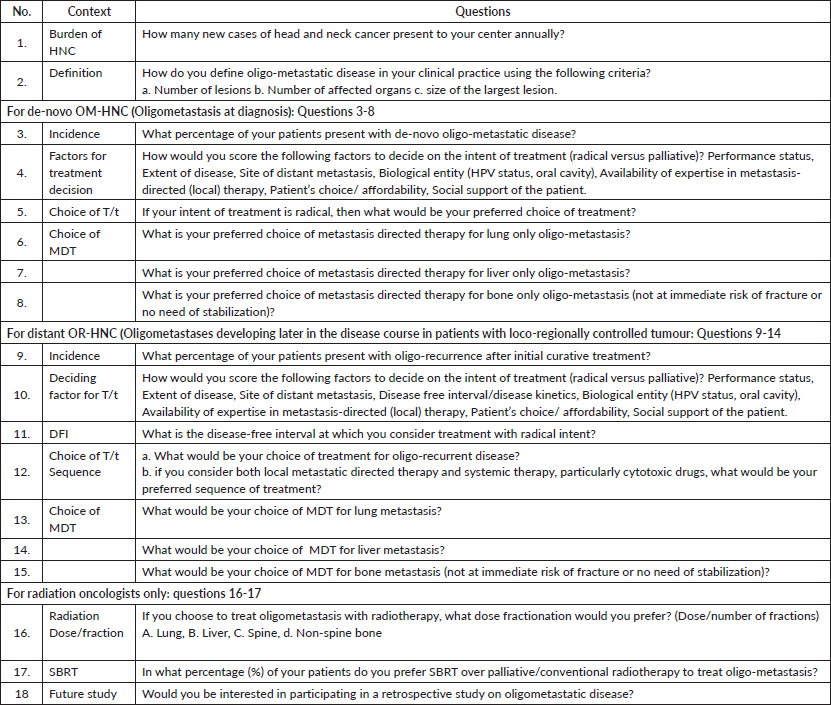
A survey questionnaire was developed by the Young Investigator Subcommittee of the HNCIG, a global research collaborative comprising 24 HNC research cooperative groups. The survey was developed based on the available literature and challenges faced in clinical practice. An 18-item survey questionnaire was created using Google Forms. The complete sets of questions are provided in Table 1. The details of the development of the questionnaire have been published previously [7]. The survey was distributed via email to individuals identified as having the relevant expertise through the individual HNCIG member organisations. A total of three rounds of emails were sent: the initial invitation, a first reminder 3 months later and a second reminder 1 month before the survey closed. Data were analysed using Statistical Package for Social Sciences version v 24.0 (IBM Corp Armonk, IL, USA).
Results
A total of 204 responses were obtained with a response rate of 15.6% (204/1,307) and 59.8% (n = 122) responses were from Europe, 26.5% (n = 54) from Asia, 8.3% (n = 170) from North America, 3.9% (n = 8) from Australia and 1.5% (n = 3) from South America. The majority of respondents were from academic centers (86.8%, n = 177) and 62.7% (n = 128) had more than 10 years of practice experience. By continent, the proportion of respondents from academic institutions was similar: Asia (88.8%), North America (88.2%), Europe (85.2%), Australia (87.5%) and South America (66.6%).
Among the responders, there was no clear consensus on the definition of OM-HNC, but it included either the number of metastases (≤3 metastases selected by 48% of respondents) or their size (≤3 cm in 35.8%) or the number of affected organs (≤3 organs in 43.6%).
Table 1. Questions included for the survey.
De-novo OM-HNC
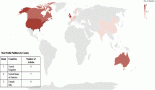
The incidence of de-novo OM-HNC patients was reported to be below 10% in clinical practice by the majority of respondents (81.9%, n = 167). This low incidence was consistently reported by the majority of respondents across different continents, with 83.3% (n = 45) from Asia, 88.2% (n = 15) from North America, 100% (n = 3) from South America, 79.3% (n = 96) from Europe and 100% (n = 8) from Australia (Figure 1). A minority of respondents reported a higher incidence of de-novo OM-HNC (>10%), particularly those from Asia (16.6%, n = 9) and Europe (20.7%, n = 25).
When radical intent treatment is planned for OM-HNC, the majority (64.7%) of respondents preferred to combine systemic therapy with local therapy to both the primary and metastatic sites. This treatment approach was consistently endorsed across all continents (63% (34/54) Asia, 82.4% (14/17) North America, 66.7% (2/3) South America, 63.6% (77/121) Europe and 62.5% (5/8) Australia) (Figure 2). Only a few respondents (17.2%, n = 35) considered local therapy for the primary and metastasis-directed treatments (MDTs) without any systemic treatment, an approach more commonly endorsed by responders in Europe (21.5%, 26/121) and North America (17.6%, 3/17).
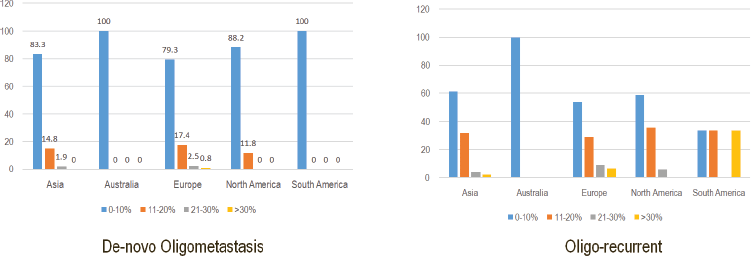
Figure 1. Incidence of de-novo OM-HNC and OR-HNC in clinical practice.
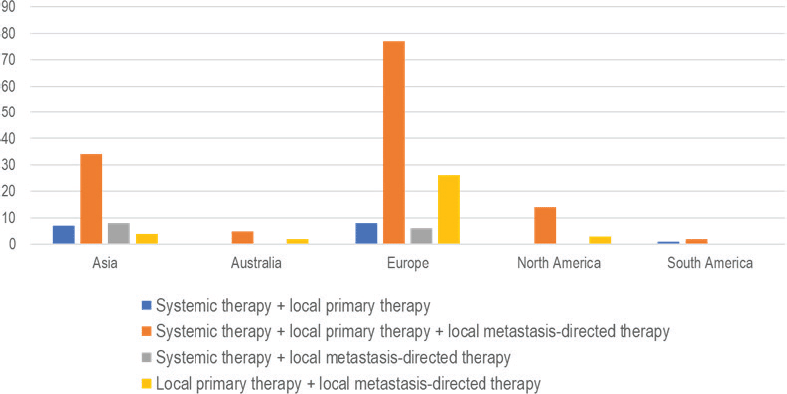
Figure 2. Treatment approaches to de-novo OM-HNC across continents.
Distant OR-HNC
The majority of respondents (57.4%, n = 117) reported encountering oligo-recurrent disease in less than 10% of cases, while 28.9% (n = 59) reported rates of up to 20%. About one third of respondents from Asia (31.5%, n = 17), North America (35.3%, n = 6) and Europe (28.9%,
n = 35) reported a higher incidence (11%–20%) of OR-HNC (Figure 1). Eleven (9.1%) respondents from Europe reported an incidence of up to 30% in their clinical practice.
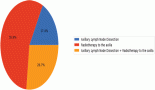
Overall, in the case of oligo-recurrent disease following definitive curative treatment with a controlled primary site, the majority of respondents (63.7%, n = 130) would consider combining or sequencing both MDT and systemic treatment. The combination of systemic therapy with MDT was the most common approach across continents (Asia 68.5% (n = 37/54), North America 64.7% (n = 11/17), South America 100% (n = 3/3), Europe 62% (n = 75/121) and Australia 50% (n = 4/8)). However, a substantial minority of respondents from Australia (37.5%, n = 3/8), Europe (32.2%, n = 39/121), North America (23.5%, n = 4/17) and Asia (16.7%, n = 9/54) favoured MDT alone (Figure 3).
Stereotactic body radiotherapy (SBRT) was frequently favoured by radiation oncologists and clinical oncologists (n = 91) in delivering MDT. The majority (74.7%, n = 68) of respondents report frequent use of SBRT for MDT (>50% of their patients with OM-HNC), while 18.7% (n = 17) of respondents reported using SBRT exclusively. Finally, the majority of the respondents across all continents (Asia: 73.7%, n = 28; North America: 76.9%, n = 10; South America: 100%, n = 2; Europe: 91.7%, n = 99; Australia: 100%, n = 6) indicated a willingness to participate in a future retrospective, multinational study to provide a more objective understanding of the patterns of care and outcomes for patients with OM-HNC.
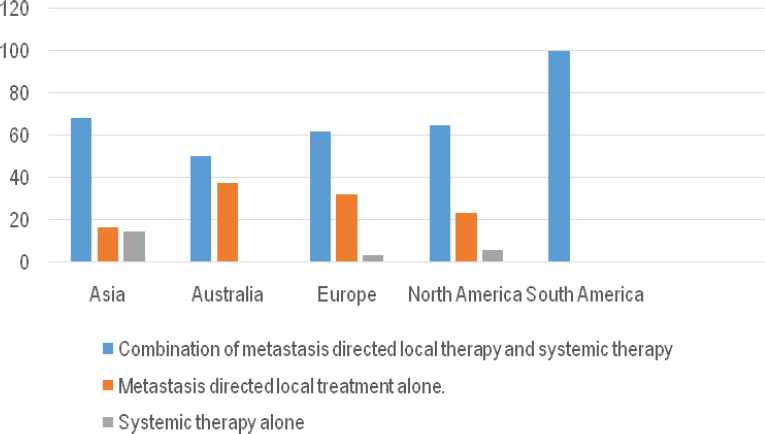
Figure 3. Treatment approaches to OR-HNC across continents.
Discussion
To the best of our knowledge, this is the first survey looking at the worldwide perception of incidence and overall practice patterns by continent in OM-HNC and OR-HNC. In this study, we have highlighted the reported incidence, as perceived by the respondents, and overall treatment approaches across different continents, although the responses were weighted towards Europe and Asia. There is a well-established body of literature highlighting significant differences in the presentation of primary head and neck tumours, their biologic behaviours and treatments rendered, with a significant divergence between Caucasians and Asians. The Asian population, especially the South Asian population, shows a higher incidence of oral cancer patients, largely attributed to prevalent risk factors such as betel quid and tobacco chewing, with a similar or better outcome compared to Caucasians, whereas HPV-positive oropharyngeal cancer is more prevalent among Caucasians with a better survival outcome [8–11]. Similarly, the treatment patterns vary with higher use of chemotherapy and radiotherapy among Asian populations and higher use of immunotherapy among Caucasian populations [12, 13], reflecting differences in healthcare infrastructure, approval timelines and clinical practice guidelines. These geographic and ethnic variations in disease presentation and management have prompted further exploration of the presentation and patterns of care in OM-HNC and OR-HNC within and among different continents.
The incidence of de-novo OM-HNC reported in the literature is low, and our finding is in line with what is reported in most publications [1]. In the questionnaire, the majority of respondents reported a self-estimated incidence of ≤10% in their clinical practice. However, the incidence of metachronous distant metastasis in the literature is reported to be higher [2, 3], and respondents from Europe and Asia more frequently reported an incidence of 10%–20%. One of the large studies by the DAHANCA group, which included 7,300 patients of larynx and pharynx cancers, reported a low incidence of de-novo metastasis of 3% and metachronous metastasis of 8%, though oligo-metastasis was not uniquely specified but would presumably be even lower [14]. A similar low incidence was also reported by other studies [15–17], suggesting the variations across different geographic regions. However, the DAHANCA study has reported the incidence of distant metastasis to be 21% in patients with p16 – positive oropharyngeal cancer [14].
Though the incidence of distant metastasis is increasing, the outcomes of metastatic head and neck cancers have improved only marginally over the years [18–20]. The reason may be that the ‘one size fits all’ approach has been applied, with all metastatic and recurrent diseases being treated together and with similar approaches. The concept of OM-HNC is being increasingly recognised in recent years, with many practitioners favouring a more radical approach for these patients. In recent years, the approach has changed towards incorporating high-intensity MDTs like radical surgery or radiotherapy into the management, which produce competitive overall survival (OS) results compared to standard systemic therapy alone (2 years OS 34.2% versus 20.6%, p < 0.001) [21]. There is evidence from national cancer registry studies, multicenter and single-center retrospective studies that local treatment of the primary in de-novo metastatic setting could lead to improved survival [21–24]. This evolution of use of local therapy to the primary is reflected in the current practice of the respondents, who indicated a preference for a combination of local and systemic therapy.
Though MDT in the form of surgery is well established, there is increasing evidence supporting the use of radiofrequency ablation, cryotherapy and especially SBRT in recent years for a more radical approach. Evidence supporting these approaches for OM-HNC and OR-HNC remains sparse; it is evolving and increasing [25–31]. The recent phase II randomised trial showed that SBRT alone achieved survival outcomes comparable to the EXTREME chemotherapy regimen combined with SBRT, while offering superior preservation of quality of life [32]. There are various ongoing studies evaluating the role of MDT exclusively for OM-HNC (NCT03283605, NCT03386357, NCT03070366, NCT05136768, NCT05815927 and NCT05721755) combining chemotherapy or immunotherapy with radiotherapy. These studies are expected to establish the appropriate treatment approach in the future.
Conclusion
There are perceived variations in the overall low incidence of OM-HNC and OR-HNC as reported by the respondents of various continents. Treatment approaches with more radical intent and deploying a combination of therapies remain the choice for the majority of respondents across all continents. The overwhelming willingness to collaborate in future multinational studies underscores the urgent need for harmonised definitions and prospective data to establish evidence-based guidelines for this unique subgroup of HNC patients.
Conflicts of interest
CH is the Co-Chair of the Young Investigators Committee of HNCIG.
AR reports personal fees and research grants from Novocure, and speaking fees from Merck Healthcare Germany outside the submitted work.
JB has done advisory boards for Castle Biosciences and Galera Therapeutics.
SNH receives Honoraria from EMD Serrano.
SSY receives research grants from Bristol Myers Squibb, EMD Serono, Nanobiotix, Merck; chapter royalties from Up-to-date and Springer; editorial honoraria from ASTRO and Elsevier.
HM is the Director and a shareholder of Warwickshire Head and Neck Clinic; Chair of the Head and HNCIG; and past president of the British Association of Head and Neck Oncologists. HM also reports receiving honoraria from AstraZeneca; Speakers Bureau on MSD, Sanofi Pasteur, Merck; Research funding from GSK Biologicals, MSD, Sanofi Pasteur, GSK Plc, AstraZeneca; travel accommodation expenses from Sanofi, Pasteur, MSD, Merck.
PS has had advisory relationships with Merck Serono, Servier, and MSD.
The rest of the authors do not have any conflicts of interest to declare.
Funding
This research did not receive any specific grant from funding agencies in the public, commercial or not-for-profit sectors.
Author contributions
Study Concept and Design: MS, PS
Data Acquisition: MS
Data Analysis and Interpretation: All authors
Manuscript Preparation: MS, PS
Manuscript editing and review: All authors.
References
1. Takes RP, Rinaldo A, and Silver CE, et al (2012) Distant metastases from head and neck squamous cell carcinoma. Part I. Basic aspects [Internet] Oral Oncol 48(9) 775–779 https://doi.org/10.1016/j.oraloncology.2012.03.013 PMID: 22520054
2. Leeman JE, Li JG, and Pei X, et al (2017) Patterns of treatment failure and postrecurrence outcomes among patients with locally advanced head and neck squamous cell carcinoma after chemoradiotherapy using modern radiation techniques JAMA Oncol 3(11) 1487–1494 https://doi.org/10.1001/jamaoncol.2017.0973 PMID: 28542679 PMCID: 5710194
3. Lacas B, Carmel A, and Landais C, et al (2021) Meta-analysis of chemotherapy in head and neck cancer (MACH-NC): an update on 107 randomized trials and 19,805 patients, on behalf of MACH-NC group Radiother Oncol 156 281–293 https://doi.org/10.1016/j.radonc.2021.01.013 PMID: 33515668 PMCID: 8386522
4. Sun XS, Michel C, and Babin E, et al (2018) Approach to oligometastatic disease in head and neck cancer Future Oncol 14(9) 877–889 https://doi.org/10.2217/fon-2017-0468 PMID: 29578359
5. Schulz D, Wirth M, and Piontek G, et al (2018) Improved overall survival in head and neck cancer patients after specific therapy of distant metastases Eur Arch Otorhinolaryngol 275(5) 1239–1247 https://doi.org/10.1007/s00405-018-4920-9 PMID: 29520497
6. Young ER, Diakos E, and Khalid‐Raja M, et al (2015) Resection of subsequent pulmonary metastases from treated head and neck squamous cell carcinoma: systematic review and meta-analysis Clin Otolaryngol 40(3) 208–218 https://doi.org/10.1111/coa.12348
7. Swain M, Ghosh-Laskar S, and Mcdowell L, et al (2025) Patterns of care in de-novo oligo-metastatic and oligo-recurrent head and neck cancers: a Head and Neck Cancer International Group (HNCIG) survey Oral Oncol 170 107647 https://doi.org/10.1016/j.oraloncology.2025.107647 PMID: 41043212
8. Sozio S, Jhawar S, and Li S, et al (2024) Prognosis of South Asian buccal mucosa cancer patients in the United States: association of race with overall survival [Internet] Asian Pacific J Cancer Prevention 25(1) 241–248 https://doi.org/10.31557/APJCP.2024.25.1.241
9. Moon PK, Ma Y, and Megwalu UC (2022) Head and neck cancer stage at presentation and survival outcomes among native Hawaiian and other Pacific Islander patients compared with Asian and White patients JAMA Otolaryngol Head Neck Surg 148(7) 636–645 https://doi.org/10.1001/jamaoto.2022.1086 PMID: 35616952 PMCID: 9136676
10. Budrukkar A, Kashid SR, and Swain M, et al (2025) Long-term outcomes of consecutive patients of oropharyngeal cancer treated with radical radiotherapy BJC Rep 29(1) 54 https://doi.org/10.1038/s44276-025-00164-z
11. Ang KK, Harris J, and Wheeler R, et al (2010) Human papillomavirus and survival of patients with oropharyngeal cancer [Internet] N Engl J Med Internet 363(1) 24–35 [http://www.nejm.org/doi/abs/10.1056/NEJMoa0912217] https://doi.org/10.1056/NEJMoa0912217
12. Lin ME, Castellanos CX, and Bagrodia N, et al (2024) Differences in presentation, treatment, and outcomes among minority head and neck cancer patient groups in Los Angeles County [Internet] Am J Otolaryngol 45(1) 104031 [https://linkinghub.elsevier.com/retrieve/pii/S0196070923002454] https://doi.org/10.1016/j.amjoto.2023.104031
13. Ramkumar SP, Bhardwaj A, and Patel A, et al (2023) Differences in receipt of immunotherapy treatment among patients with head and neck cancer [Internet] JAMA Otolaryngol Head Neck Surg 149(10) 912 [https://jamanetwork.com/journals/jamaotolaryngology/fullarticle/2808977] https://doi.org/10.1001/jamaoto.2023.2420
14. Kjems J, Zukauskaite R, and Johansen J, et al (2021) Distant metastases in squamous cell carcinoma of the pharynx and larynx: a population-based DAHANCA study Acta Oncol 60(11) 1472–1480 https://doi.org/10.1080/0284186X.2021.1959056 PMID: 34369265
15. Kuperman DI, Auethavekiat V, and Adkins DR, et al (2011) Squamous cell cancer of the head and neck with distant metastasis at presentation Head Neck 33(5) 714–718 https://doi.org/10.1002/hed.21529
16. Liu JC, Bhayani M, and Kuchta K, et al (2019) Patterns of distant metastasis in head and neck cancer at presentation: implications for initial evaluation Oral Oncol 88 131–136 https://doi.org/10.1016/j.oraloncology.2018.11.023 PMID: 30616783
17. Gillison ML, Trotti AM, and Harris J, et al (2019) Radiotherapy plus cetuximab or cisplatin in human papillomavirus-positive oropharyngeal cancer (NRG Oncology RTOG 1016): a randomised, multicentre, non-inferiority trial Lancet 393(10166) 40–50 https://doi.org/10.1016/S0140-6736(18)32779-X
18. Burtness B, Goldwasser MA, and Flood W, et al (2005) Phase III randomized trial of cisplatin plus placebo compared with cisplatin plus cetuximab in metastatic/recurrent head and neck cancer: an Eastern Cooperative Oncology Group study J Clin Oncol 23(34) 8646–8654 https://doi.org/10.1200/JCO.2005.02.4646 PMID: 16314626
19. Burtness B, Harrington KJ, and Greil R, et al (2019) Pembrolizumab alone or with chemotherapy versus cetuximab with chemotherapy for recurrent or metastatic squamous cell carcinoma of the head and neck (KEYNOTE-048): a randomised, open-label, phase 3 study Lancet 394(10212) 1915–1928 https://doi.org/10.1016/S0140-6736(19)32591-7 PMID: 31679945
20. Guigay J, Aupérin A, and Fayette J, et al (2021) Cetuximab, docetaxel, and cisplatin versus platinum, fluorouracil, and cetuximab as first-line treatment in patients with recurrent or metastatic head and neck squamous-cell carcinoma (GORTEC 2014-01 TPExtreme): a multicentre, open-label, randomised, phase 2 trial Lancet Oncol 22(4) 463–475 https://doi.org/10.1016/S1470-2045(20)30755-5 PMID: 33684370
21. Zumsteg ZS, Luu M, and Yoshida EJ, et al (2017) Combined high-intensity local treatment and systemic therapy in metastatic head and neck squamous cell carcinoma: an analysis of the National Cancer Data Base Cancer 123(23) 4583–4593 https://doi.org/10.1002/cncr.30933 PMID: 28817183 PMCID: 5745815
22. Kabarriti R, Baliga S, and Ohri N, et al (2019) Radiation therapy for patients with newly diagnosed metastatic head and neck squamous cell carcinoma Head Neck 41(1) 130–138 https://doi.org/10.1002/hed.25476
23. Rambeau A, Bastit V, and Thureau S, et al (2019) Impact of locoregional irradiation in patients with upfront metastatic head and neck squamous cell carcinoma [Internet] Oral Oncol 93 46–51 [https://linkinghub.elsevier.com/retrieve/pii/S1368837519301046] https://doi.org/10.1016/j.oraloncology.2019.04.005
24. Borson S, Shuai Y, and Branstetter BF, et al (2022) Definitive local therapy to head and neck squamous cell carcinoma with distant metastasis Laryngoscope Investig Otolaryngol 7(3) 757–765 https://doi.org/10.1002/lio2.807 PMID: 35734044 PMCID: 9194988
25. Ricco A, Davis J, and Rate W, et al (2017) Lung metastases treated with stereotactic body radiotherapy: the RSSearch® patient Registry’s experience Radiat Oncol 12(1) 35 https://doi.org/10.1186/s13014-017-0773-4 PMID: 28143558 PMCID: 5286804
26. Sutera P, Clump DA, and Kalash R, et al (2019) Initial results of a multicenter phase 2 trial of stereotactic ablative radiation therapy for oligometastatic cancer Int J Radiat Oncol Biol Phys 103(1) 116–122 https://doi.org/10.1016/j.ijrobp.2018.08.027
27. Widder J, Klinkenberg TJ, and Ubbels JF, et al (2013) Pulmonary oligometastases: metastasectomy or stereotactic ablative radiotherapy? [Internet] Radiotherapy Oncol 107(3) 409–413 [https://linkinghub.elsevier.com/retrieve/pii/S0167814013002442] https://doi.org/10.1016/j.radonc.2013.05.024
28. Bernstein MB, Chang EL, and Amini B, et al (2016) Spine stereotactic radiosurgery for patients with metastatic thyroid cancer: secondary analysis of phase I/II trials Thyroid 26(9) 1269–1275 https://doi.org/10.1089/thy.2016.0046 PMID: 27334245
29. Bates JE, De Leo AN, and Morris CG, et al (2019) Oligometastatic squamous cell carcinoma of the head and neck treated with stereotactic body ablative radiotherapy: single-institution outcomes Head Neck 41(7) 2309–2314 https://doi.org/10.1002/hed.25695 PMID: 30788878
30. Pasalic D, Betancourt-Cuellar SL, and Taku N, et al (2020) Outcomes and toxicities following stereotactic ablative radiotherapy for pulmonary metastases in patients with primary head and neck cancer Head Neck 42(8) 1939–1953 https://doi.org/10.1002/hed.26117 PMID: 32129548 PMCID: 9673070
31. Nägler F, Vorbach S, and Mohamed AA, et al (2025) Pulmonary stereotactic body radiation therapy of oligometastatic head-and-neck squamous cell carcinoma: a multicenter retrospective study [Internet] Int J Radiat Oncol Biol Phys 122(1) 140–1139 [https://linkinghub.elsevier.com/retrieve/pii/S0360301624037714] (Accessed 24 Sep 2025) https://doi.org/10.1016/j.ijrobp.2024.12.015
32. Thariat J, Bosset M, and Falcoz A, et al (2025) Survival without quality-of-life deterioration in the GORTEC 2014-04 “OMET” randomized phase 2 trial in patients with head and neck cancer with oligometastases using stereotactic ablative radiation therapy (SABR) alone or chemotherapy and SABR Int J Radiat Oncol Biol Phys [Internet] 121(5) 1194–1206 [https://linkinghub.elsevier.com/retrieve/pii/S0360301624036514] Date accessed: 24/09/25 https://doi.org/10.1016/j.ijrobp.2024.11.084