Introduction: Radiobiological models optimising tumour control probability (TCP) and normal tissue complication probability (NTCP) underpin effective radiotherapy treatment planning; however, real-world adoption – particularly in low- and middle-income country (LMIC) settings and for plan evaluation – remains poorly characterised alongside emerging artificial intelligence and machine learning (AI/ML) applications.
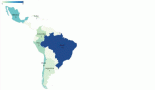
Methods: This cross-sectional survey is a pre-specified component of a mixed-methods systematic review registered with PROSPERO (CRD420251146188); the survey itself is not separately registered. A 40-item anonymous instrument was distributed via the MEDPHYS mailing list and professional society channels. Forty-two self-selected professionals from 10 countries (India 71.4%) responded. Analysis was descriptive, with Wilson 95% confidence intervals; proportions are reported on the full sample (N = 42), with the number of non-respondents stated for every item. Reporting follows CHERRIES guidelines for internet e-surveys.
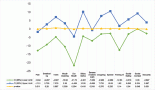
Results: Confirmed local calibration of radiobiological model parameters was reported by 14.3% (95% CI 6.7%–27.8%) of respondents; 40.5% (95% CI 27.0%–55.5%) reported no calibration and a further 40.5% did not know their institution’s calibration status. Biologically effective dose and equivalent dose in 2 Gy fractions were widely recognised (>70%), while formal TCP and NTCP models were reported substantially less often (<35%). Radiobiological models were used for plan evaluation by 38.1% of respondents; dedicated software was uncommon (commercial 11.9%; open-source 2.4%). Routine clinical use of AI/ML was reported by 19.0% (95% CI 10.0%–33.3%), with auto-contouring the most frequently reported application (50.0%). Publication activity in this domain was low: 83.3% (95% CI 69.4%–91.7%) reported no peer-reviewed publications. The most frequently cited barriers were limited software access (45.2%), inadequate infrastructure (40.5%) and absence of clinical validation guidelines (31.0%).
Conclusion: In this small, self-selected sample, these exploratory findings describe a multi-layered implementation gap spanning model calibration, plan evaluation, training and AI/ML adoption. They are hypothesis-generating rather than representative of national or global practice and indicate priorities for larger, geographically balanced studies and for the accompanying systematic review evidence synthesis (PROSPERO: CRD420251146188).