The Psychosocial, Palliative, and End-of-Life Care in Africa Symposium (PPEoLC) was held virtually on February 18–19, 2025, and convened clinicians, researchers, policymakers and other healthcare professionals from Africa and internationally to examine current challenges and future directions in PPEoLC across African contexts. This symposium highlighted that the central challenge is not only limited access to palliative care services, which has been well documented, but also the insufficient integration of psychosocial, spiritual, family and community dimensions into serious illness care.
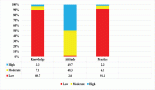
Key learnings were identified through a review of symposium presentations, session recordings and transcripts, audience questions, moderated discussions, collaborative working-session content and an anonymous post-symposium survey (n = 12).
Across sessions, six interconnected priorities emerged: strengthening community and family support structures; integrating cultural and spiritual dimensions of care; developing culturally relevant assessment and outcome measures; strengthening health systems and access to care; evaluating digital health and technological innovations; and building workforce capacity. These priorities reflected the interconnected structural, cultural, relational, and health-system factors that shape care delivery across African contexts. The symposium generated a conference-derived framework with implications for clinical practice, policy, education and research. The findings support a shift from documenting unmet need towards developing, implementing and evaluating locally responsive models of care that reflect what matters to patients, families and communities across Africa.