Surgeons’ perspectives of factors affecting the quality of surgical cancer care in public facilities in Tanzania: findings from a qualitative interview study
Patricia N Apenteng 1a*, Larry Akoko2*, Vihar Kotecha3, Theresia Mwakyembe4, Masumbuko Mwashambwa5, Rukia Himid6, Deo Hando7, Charles Komba2, Ally Mwanga2, Peter Mbele8, Paul Itule9, Joshua Jackson10, Mungeni Misidai2, Cameron Gaskill11, Doruk Ozgediz12 and Nathan Brand12,13
1Department of Applied Health Sciences, University of Birmingham, Birmingham B15 2TT, UK
2Department of Surgery, Muhimbili University for Health and Allied Sciences, Dar es Salaam PO Box 65001, Tanzania
3Department of Surgery, Catholic University for Health and Allied Sciences, Mwanza PO Box 1464, Tanzania
4Department of Surgery, Kilimanjaro Christian Medical Center, Moshi PO Box 2240, Tanzania
5Department of Surgery, University of Dodoma, Dodoma PO Box 259, Tanzania
6Department of Surgery, Mnazi Mmoja Hospital, Zanzibar PO Box 236, Tanzania
7Department of Surgery, Mbeya Zonal Referral Hospital, Mbeya PO Box 419, Tanzania
8Department of Surgery, Dodoma Regional Referral Hospital, Dodoma PO Box 904, Tanzania
9Department of Surgery, Sekou Toure Regional Referral Hospital, Mwanza PO Box 132, Tanzania
10Department of Urology, Tanga Regional Referral Hospital, Tanga PO Box 452, Tanzania
11Department of Surgery, University of California, Davis, Sacramento, CA 95817, USA
12Department of Surgery, University of California, San Francisco, CA 94143, USA
13Department of Surgery, University of New Mexico, Albuquerque, NM 87131, USA
ahttps://orcid.org/0000-0003-0835-3495
Abstract
Background: Tanzania, like many countries in sub-Saharan Africa, has a growing cancer burden characterised by a high mortality. Surgery forms the cornerstone of both diagnosing and treating cancer. The availability of quality oncology surgery is necessary for better outcomes. The perspectives of surgeons on the quality of surgical oncology services within the country are vital for any improvement to be made.
Methods: This qualitative study explored surgeons’ perspectives on the factors affecting the quality of surgical oncology care in Tanzania. We interviewed 13 surgeons from different types of public health facilities that were identified as providing oncological surgery. The data were analysed using framework analysis. The study was approved by both local Institutional Review Board (Muhimbili University of Health and Allied Sciences and National Health Research Ethics Committee) and the University of California, San Francisco. Ethical approvals were obtained from all participating institutions in Tanzania and the United States.
Results: We identified seven themes from the data, centred on the diagnosis of cancer, the surgical management of cancer and other contextual factors affecting cancer care. The provision of quality care for diagnosis was impacted by variations in diagnostic capacity and diagnostic delays in the health system. Presentation at a late stage, disparities in adjuvant and neo-adjuvant therapy and infrastructural challenges, including inadequate equipment and a lack of specialist skills, hindered the surgical management of cancer. The surgeons believed that patient factors, such as the ability to pay, were a key contributing factor to patients’ cancer journeys and the care they received.
Conclusion: Our findings suggest that addressing delays in the diagnostic pathway, investing in equipment and surgical skills training and placing an emphasis on equitable distribution of health resources will support improvements in surgical oncology in Tanzania.
Keywords: cancer, surgical oncology, quality, qualitative study, interviews, Tanzania
Correspondence to: Nathan Brand
Email: nathanbrand@gmail.com
Published: 01/09/2026
Received: 12/10/2025
Publication costs for this article were supported by ecancer (UK Charity number 1176307).
Copyright: © the authors; licensee ecancermedicalscience. This is an Open Access article distributed under the terms of the Creative Commons Attribution License (http://creativecommons.org/licenses/by/4.0), which permits unrestricted use, distribution, and reproduction in any medium, provided the original work is properly cited.
Introduction
By 2050, the number of newly diagnosed cancer cases is expected to rocket by 77%, reaching 35 million from the current 20 million cases globally, making it a public health concern [1]. There are stark disparities in cancer survival between low- and middle-income countries (LMICs) compared with high-income countries (HICs). The LMICs experience cancer mortality of 75% compared to only 46% in HICs [2]. Sub-Saharan Africa (SSA) is disproportionately burdened by cancer due to multiple factors, including delayed treatment [3–6]. The epidemiological trends indicate that the growing cancer burden will unduly impact SSA, and improvements are required across the cancer care continuum to avert a catastrophic crisis.
Surgery is an essential element in the diagnosis and treatment of cancer, extending from diagnostic to curative to palliative procedures, [7] and an estimated 80% of cancer patients will need surgery at some point in their care. In SSA, surgical care is especially critical for cancer control, since the most common cancers require tissue diagnosis, and radiology-guided biopsy is often unavailable. In addition, surgical resection remains the mainstay of treatment for solid tumours. This is even more true in LMIC, where adjuvant therapy is out of reach for most [8]. Quality and capacity in surgical oncology are essential to improving delays in cancer care/outcomes; however, little is known regarding the quality of surgical cancer care in SSA.
This paper reports the qualitative component of a study that explored the ability to provide cancer surgery in Tanzania. Tanzania is an LMIC in East Africa with a growing cancer burden and is estimated to have 44,931 new cancer cases and 29,743 cancer deaths annually [9]. The qualitative study is embedded within a larger study documenting Tanzania's surgical oncological care capacity. The quantitative component of the study found a high unmet need for surgical oncology within the public sector, with only 25% of the estimated required cancer surgeries being conducted [10]. This qualitative study aimed to explore Tanzania providers’ ability to provide surgical oncological care and provide further context from surgeons’ perspectives.
Methods
Study design and setting
The study employed qualitative in-depth interviews with identified surgeons from the national referral hospital, all zonal referral hospitals and a selection of regional referral hospitals in Tanzania. Qualitative research is widely used to explore healthcare needs and human experience, perceptions and realities, and the qualitative design was appropriate due to the exploratory nature of the research [11, 12]. One-to-one interviews were appropriate to allow detailed exploration of participants' perceptions based on their individual experiences in a confidential setting without inhibitions or contamination of other participants' views [13]. The study was set in Tanzania, both mainland and Zanzibar, with a population of 61.7 million. The country is divided into 32 administrative regions, each having a regional hospital. Five strategically placed zonal hospitals and a single national hospital offer the majority of cancer care, including surgery. Patients typically move through a complex referral system from primary care facilities (dispensary, health centre and district hospital) to tertiary facilities (regional and zonal hospitals) with Muhimbili National Hospital serving as the apex of all referrals. Surgeons are typically deployed from the level of regional hospitals and above. Ethics approval for the study was granted by Muhimbili University of Health and Allied Sciences and the National Medical Research Institutes in Tanzania, and the University of California, San Francisco institutional review board in the United States.
Study population
The study recruited surgeons from the regional hospitals, zonal hospitals and the national hospital in 2023. To be involved in the interview, one had to be a qualified and registered surgeon by the Medical Council of Tanzania with a valid practicing license confirmed by being in active practice during the study period. Additionally, participants provided informed consent to participate, including to be audio recorded.
Sample size and sampling
We estimated a sample size of 12–15 was appropriate, based on the determinants of information power in qualitative studies such as the narrow aim of the interviews, the dense specificity of the sample and the expectation that the dialogue would be of good quality [14]. To include views from diverse hospital types, we purposively sampled from the national referral hospital, each of the five zonal referral hospitals and a sample of the regional hospitals, as these were the settings for most oncological surgeries.
Participant recruitment
Following the identification of hospitals to be included in the study, a facility team lead was identified among the surgeons. The surgeons invited to participate in the interview were purposefully nominated by the facility team lead as the best to respond to surgical oncology issues. Once nominated, the lead researcher approached the nominated surgeon and scheduled an interview date and time to avoid clashes with the vital responsibilities of the surgeons.
Data collection
The study employed the use of semi-structured interview guides to explore perceptions of factors that influence service delivery, spanning from experiences with multidisciplinary care to the referral networks (Box 1). All the interviews were conducted by Nathan Brand, a general surgeon with training in qualitative research. The researcher did not know the participants before the study. All interviews were conducted face-to-face, with ten conducted physically and three virtually via the Zoom platform, and audio-recorded using a digital recorder.
Data analysis
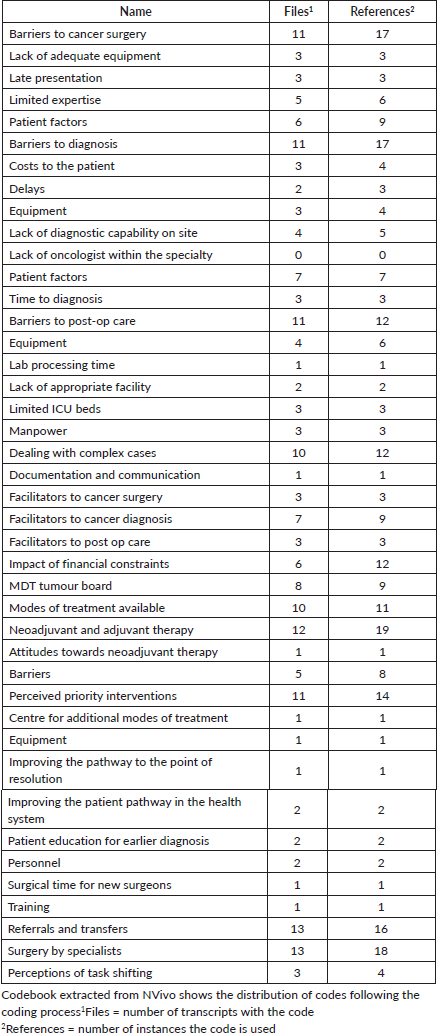
The interviews were transcribed verbatim by a professional transcription agency, and a sample of the transcripts was checked for accuracy. Data analysis was conducted by PA, a researcher with expertise in qualitative research, aided by NVivo 11 (www.qsrinternational.com) software for managing qualitative data. The framework method of qualitative data analysis was used as it provides a systematic procedure that allows a qualitative researcher to lead data analysis while engaging with multidisciplinary teams and incorporating their perspectives [15, 16]. The researcher leading the analysis (PA) read and re-read three of the transcripts and listened to the related recordings to familiarise with the data. The researcher then assigned descriptive labels to excerpts of the three transcripts. These were discussed with one of the study leads (NB), and the descriptive labels were refined accordingly and consolidated into a coding framework. The researcher then coded the transcripts in line with the agreed coding framework using NVivo. Emerging themes were discussed in a meeting with the two clinical study leads (NB and LA), and the findings were interpreted through discussion and consensus. The codebook is provided in Supplementary Table S1.
Results
Participants
Thirteen surgeons were interviewed between March and November 2023. The surgeons worked in a range of hospital types (Table 1); two worked in the national referral hospital, eight worked in zonal referral hospitals, and three worked in regional referral hospitals. The surgeon’s specialisation fields covered gynaecology, general surgery, otorhinolaryngology, orthopaedics and urology.
Findings from interviews
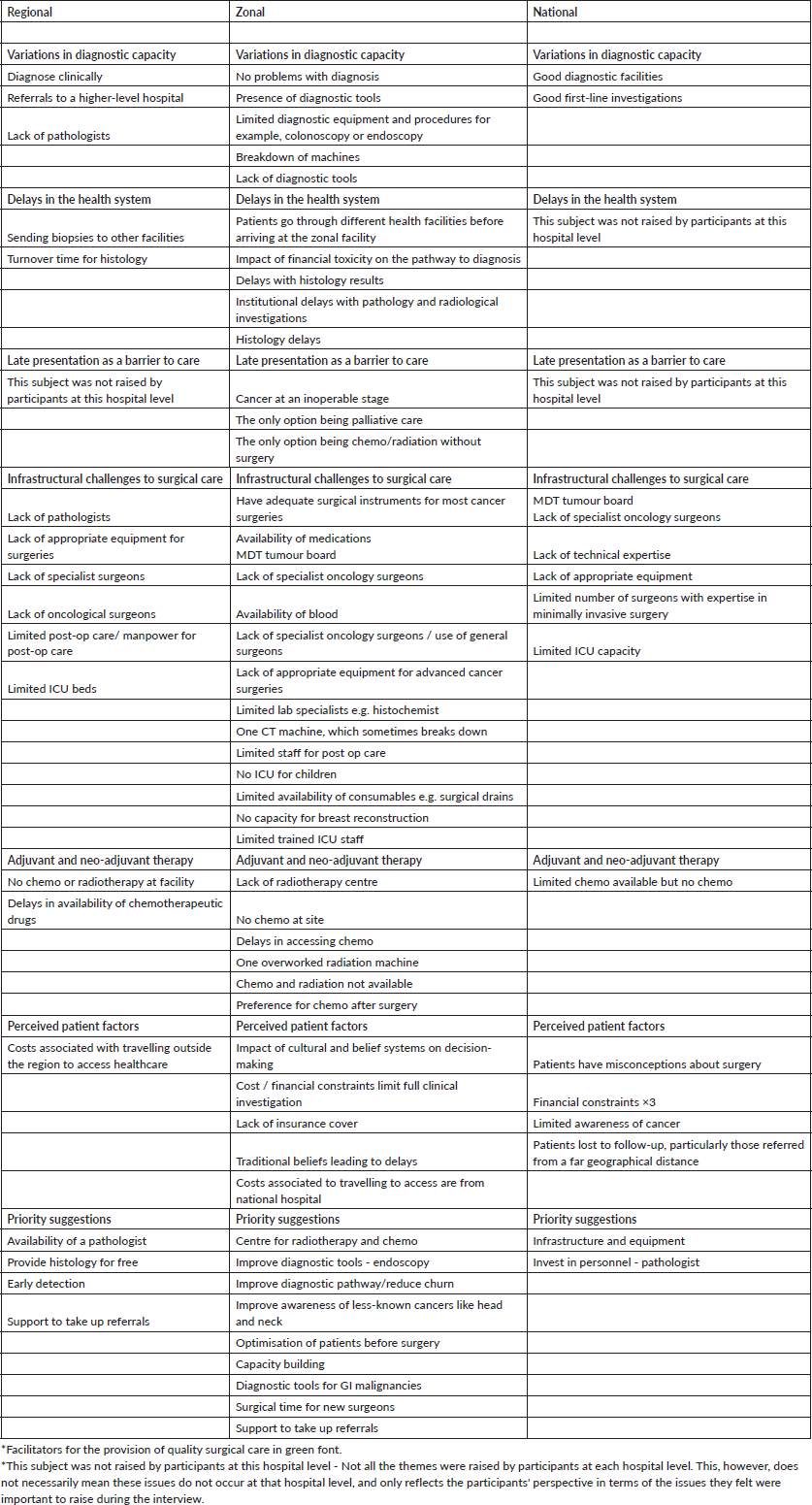
Figure 1 displays the seven themes that emerged as influencing cancer surgery in Tanzania under three overarching categories: diagnosis of cancer, surgical management of cancer and other contextual factors influencing cancer care. The first category, diagnosis of cancer captures findings related to issues at the point of diagnosis. Surgical management of cancer covers findings of clinical management from the point of diagnosis, including surgery and post-surgical care. The third category captures factors outside the cancer care continuum that impact the delivery of cancer care. There were some patterns according to the level of hospital, as illustrated in Supplementary Table S2. Additionally, these themes highlighted key barriers to the delivery of high-quality care across the cancer care continuum, as illustrated in Supplementary Figure S1.
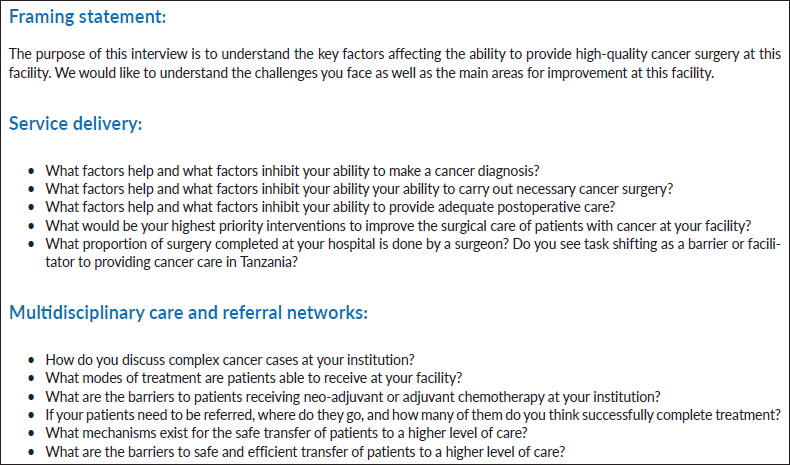
Box 1. Topic guide for semi-structured interviews.
Table 1. Participant characteristics.
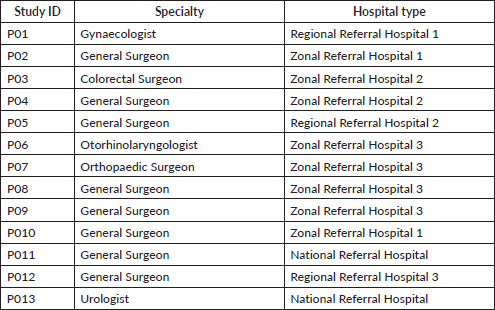
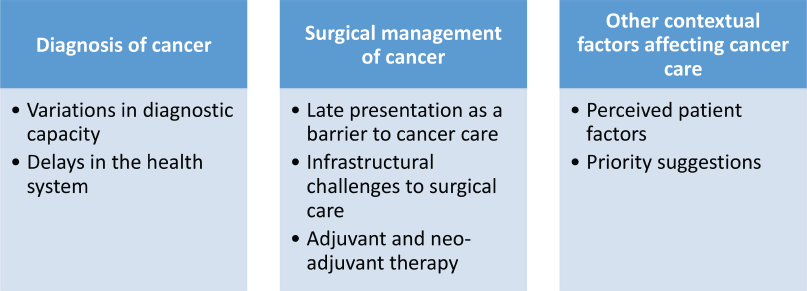
Figure 1. Themes grouped into overarching areas.
Diagnosis of cancer
This category captured the issues impacting the provision of quality diagnosis of cancer as perceived by participants in two themes presented in detail below:
Theme 1: Variations in diagnostic capacity
Participants were confident in their ability to diagnose cancer at their facility through diagnostic surgery or examination to detect cancer at their facility. Nevertheless, the responses revealed variations in diagnostic capacity. While participants from the national hospital and some zonal-level hospitals reported having excellent infrastructure, including multidisciplinary experts who facilitated cancer diagnosis, others, especially from regional hospitals, experienced limitations in diagnosing certain cancers. These were usually in the form of equipment and human resources, and examples given include a facility having one computed tomography (CT) scan, which sometimes breaks down, a lack of magnetic resonance imaging (MRI) machines on site, and the lack of pathologists for the histopathological analysis of biopsies.
‘I don’t think we have a problem with diagnosis… we pretty have all the systems in place to help us approach whatever is colon cancer or rectal cancer to reach the diagnosis. We have a functioning endoscopy unit, we have pathologists, we have radiologists and radiology department, which is I think it’s equipped with basic stuff that we need to do a diagnosis. So, we don’t have challenges with diagnosis, yeah, so I wouldn’t say there’s any challenge’. P03, Zonal Referral Hospital
‘There are several factors which may help us in diagnosis of cancers… these gynaecological cancers, we diagnose them clinically. And for cancers such as cervical cancers, we usually take a biopsy and take it to [referral hospital] for histopathological analysis. But in the case of cervical cancer, it’s easier to diagnose it clinically, because the lesions are usually obvious...’ P01, Regional hospital
‘Sometimes a lab investigation, to be specific, you need an histo-chemist. They are not available sometimes. They’re out of stock. So, it sometimes hinders our decision-making. And the hospital has one CT scan machine, if it’s broken then sometimes it’s difficult to make a decision. So those are some of the hospital factors that might deter the diagnosis of cancer in our hospital’. P09, Zonal Referral Hospital 2
Participants in facilities that lacked the capability to diagnose some types of cancer mentioned making use of referral pathways that enabled them to facilitate cancer diagnosis. These pathways included established linkages with other hospitals or cancer services for shared histology or biopsies outside their capabilities.
’For some cancers, like ovarian cancer and endometrial cancers, there are some limitations in diagnosis such as unavailability of some investigations including MRI and also some tumour markers. And also, in our facility, we don’t have someone who has a knowledge in pathology. We don’t have a pathologist who can do histopathological analysis of those biopsies. So, we have to send the biopsies to [a referral hospital] for analysis. So, there’s a difficulty in diagnosis because when we send those biopsies [as], it usually takes 2 to 3 weeks, sometimes even a month, to get the results, so that may also delay the management’. P01, Regional Referral Hospital
Theme 2: Delays in the health system
Many of the surgeons believed the diagnosis of cancer was hindered by delays in the health system. They referred to two main sources of delay: delays in the health system before patients reached the referral hospitals, due to the failure to refer patients who presented with symptoms that warranted investigation for cancer, and delays within referral hospitals, such as delays relating to pathology and other investigations, pathology turnaround time and reporting delays.
‘…even in our facility despite presence of diagnostic facilities is the national referral system that caters for almost all the country like a lot of patients come in, so the resources that we have for diagnosis are not enough to provide timely diagnosis, so there is also then an institutional delay right from the patient transfers here and then they need to be evaluated for certain symptoms that suspect is cancer, it might take a while especially in pathology and radiological investigations’ P11, National Referral Hospital
‘Then the other thing, it’s the turnover time of histology for results. You might still take a biopsy of the patient…for example I now have a patient who we are waiting for the result, histology, biopsy has been taken for more than a month, but we’re yet to receive the results from the pathology. Because we don’t do pathology here, we just take a biopsy and then take them to ( Referral Hospital) ….so our own turnover time for us is around 3 weeks for histology result to be brought, which if you consider that is quite a number of time if you have any advanced or very severe disease’. P05, Regional Referral Hospital
Some participants also alluded to a perceived role of patient factors that impact the delay, pointing out that people with suspected cancer sometimes do not return to the hospital or return only after they have clinically deteriorated.
Surgical management of cancer
The category surgical management of cancer covers findings relating to the clinical management of cancer from the point of diagnosis, including surgical procedures and post-surgical care, and is described under three themes.
Theme 3: Late presentation as a barrier to surgical care
Participants across hospital types reported that late presentation of cancer was a major constraint to high-quality cancer surgery. Participants expressed frustration that presentation at a late stage reduced opportunities for curative surgeries. This was particularly the case for participants in referral hospitals, where patients would usually have visited several health facilities before presenting.
‘Most of the patients that we've seen for cancer surgery are mostly as advanced, so it’s not much we can do in most of these cases. And we don’t have a lot of patients to actually see at the right stage for us to perform curative surgeries. Something that would help is the fact that we diagnose them at the time that they are, if we do diagnose them early, it’s straightforward’” P12, Regional Referral Hospital
‘The factors that hinder this is that you find most of the time when a patient comes to our setting, you find that it’s cancer stage three, stage four, which is more like we do palliative care. So, towards management of these patients is that sometimes we can do surgery, then we save them, but some other time we cannot even do the surgery, because the patient has come very late. So, what we offer is only the chemo-radiation without surgery, although we have taken the incisional biopsy for the diagnosis’ P06, Zonal Referral Hospital
Theme 4: Infrastructural challenges to surgical care
Participants highlighted three key infrastructural challenges to providing quality surgical care: inadequate equipment and consumables, lack of specialist skills and inadequate intensive care unit (ICU) facilities. The surgeons reported that they lacked appropriate equipment and supplies for some procedures. This ranged from periodic shortages of basic equipment such as microscopes, surgical supplies, and blood, to missing some surgical instruments required for abdominoperineal resection, and a lack of advanced equipment and technologies for accessing anatomical areas that were difficult to reach using traditional surgical approaches.
‘For our side we lack the instruments and tools that are specific for most cancer surgeries, especially advanced ones. Like we would just use a laparotomy set to perform a Whipple (procedure) and that’s actually really bad’ P012, Regional Health Center
‘And there are some other operations, in for example, the nasopharyngeal malignancies or the hypopharyngeal, the cancer is in the area that your hands cannot access. So, you cannot do surgery to those parts. Instead, you just take incisional biopsy then you send the patient to radiation. So, they’re inaccessible anatomical areas that we cannot, then it’s another inhibitor factor. Our colleagues in the UK and the developed world, I know they use robot for those inaccessible areas and a patient is helped that way. So, as we normally take incisional biopsy, the rest of it the chemo does’. P06, Zonal Referral Hospital
Other limitations were the lack of prostheses for reconstruction following tumour resection, which sometimes necessitated very aggressive and outdated treatments like major limb amputation for a potentially salvageable tumour.
‘The other challenge is in orthopaedic tumours some of them, they might need excision and they might need customised prosthesis to be inserted to the bone that has been excised, so that’s another challenge that we can do. So, the consequence is either amputate because you don’t have anything to replace’. P07, Zonal Referral Hospital
Despite the infrastructural issues described here, the experiences narrated by surgeons demonstrated resilience and innovation as indicated in the quotes below.
‘The factors that make postoperative a bit difficult is the availability of some consumables like surgical drains. They are not available. Special drains…they are not available. So, we improvise by using corrugated rubber drains which sometimes risk the patient to get infection’. P09, Zonal Referral Hospital
Interviewees also highlighted limitations in their own skills in terms of a lack of oncological expertise. The surgeons revealed they had not received specialist oncology training and were applying their surgical skills as best as they could.
‘Well …we don’t have an oncosurgeon per se, an oncological surgeon, and we’re all just general surgeons, that’s like, you know, knowledge is the biggest thing that can actually help. The way we manage these patients is randomly, so maybe I will look at a book that I know and it will tell me this is how you manage or this is how you perform this surgery and then someone else will look at NCCN (global cancer guidelines) and say OK no this is how you manage it now and this is how you perform the surgery’. P12, Regional Referral Hospital
‘Our training, as gynaecologists, we didn’t have much exposure to surgery such as radical hysterectomy, which is usually done in patients who have cervical malignance, or any other perfect malignance which may require radical hysterectomy. So, we have a limited exposure to radical hysterectomy. It’s an extensive surgery which requires much more training and exposure in the – all gynaecologists in our facility, we didn’t have that much exposure. None can do the radical hysterectomy. So, we have a limitation in the technical aspect’. P01, Regional Referral Hospital
Many of the participants reported having an ICU at their facility; however, they described them as being inadequate to meet growing pressure and struggling to cope with the volume of surgeries required. There were issues with ICU capacity in terms of limited ICU beds, and some recounted having to postpone surgeries due to the unavailability of ICU beds. One participant highlighted the lack of a dedicated paediatric ICU at their facility. There were also challenges with adequate staff for the ICU in terms of numbers and expertise.
‘OK. For their post op care it’s about the – when you start with ICU, you need personnel who are trained to take care post operation, especially cancer patients, sometimes they are very expensive. So, for example we have qualified doctor for ICU is only a single person, so the rest is just short course training and some of them they never even attended formal training for the ICU…So personnel for the ICU’. P02, Zonal Referral Hospital
‘For high-risk patient, ICU is still a problem. You still, you will be forced to discharge your patients from ICU, or sometimes you want space in the ICU because the ICU Unit is still, you know, it’s pretty limited. The space is limited’. P13, National Referral Hospital
Theme 5: Adjuvant and neo-adjuvant therapy
Overall, participants described the modes of therapy available to patients with cancer in their facility as chemotherapy, radiation therapy, immunotherapy and hormonal therapy. However, not all participants had access to non-surgical therapies (medical and radiation oncology) at their facilities, and patients were referred according to their needs. Chemotherapy was the most widely available form of adjuvant therapy in many facilities; however, it was unavailable at some institutions, which led to limited use of both adjuvant and neo-adjuvant therapy.
‘Most patients as we know, they usually require chemotherapy plus/minus radiotherapy. But we don’t have that in our facility. So, we may be required to transfer them to a high-level facility. That’s why in most patients usually we don’t do surgeries. We refer them so that they can have surgeries in those facilities where they can also receive postoperative care. There is also a limitation in chemotherapy. We don’t have chemotherapy’. P01 Regional Referral Hospital
Participants recounted some challenges they had encountered with adjuvant therapy, in that delay in the initiation of adjuvant chemotherapy as the precise prescription may not be available, resulting in wait times of up to 2 months during which cancer progresses. Additionally, they felt that not having chemotherapy at a facility disadvantaged patients from low socioeconomic backgrounds. Even though there was a designated facility for free chemotherapy, such patients did not have the means to travel to and reside in the area to receive chemotherapy, making it ultimately inaccessible.
‘Yeah, it’s free but it’s free in the term of free but in real sense it’s not free – why do I say that? If this patient, we refer them to another region, you understand, the chemo can be free, but where are they staying, they have to pay, the transport, they have to pay, the food that they're taking every day they have to pay, so in real sense it’s not that much free, it’s free by the name but if you compare the costs sometimes you find it’s almost there’. P04, Zonal Referral Hospital
‘And then identify barriers, if any. But in terms of adjuvant therapy, again, we don’t really have data but I can think of some barriers and one of them will be financial barriers because at the time the patient is reaching adjuvant they have gone through diagnostic which they have to have paid out of pocket, they’ve gone through surgery, post op recovery, so by the time they get to adjuvant they're usually drained, so I could see a financial barrier. And again, the fact that adjuvant therapy is provided at ocean road, most of these patients come from up country so most of the time some of these they won't have a place to stay, so it’s usually challenging and I feel like that could be a barrier for them to complete adjuvant therapy’. P11, National Referral Hospital
Other contextual factors affecting cancer care
This category covers cross-cutting issues affecting cancer care that impact the cancer pathway in two themes.
Theme 6: Perceived patient factors
Participants thought that personal factors impacted the cancer care patients received from diagnosis through to post-operative care. The surgeons drew from their experiences with patients, and their narratives highlighted the role of the patient in the diagnostic pathway. For instance, they reported that some patients do not return to the facility until they have clinically deteriorated. A participant highlighted financial constraints as a barrier for investigations prior to surgery; histopathological analysis is expensive compared to other investigations and resulted in delays in patients' pathway to diagnosis. Participants also revealed that the financial ability of the patients influenced treatment decisions. From their experience, the majority of patients do not have insurance, and they often adjust their clinical management to reduce the financial burden to the patient where indicated. For example, they request the most essential investigations prior to surgery and limit the number of days in the ICU so as not to run up their hospital bill. They reported that it was common for treatment to be delayed due to financial constraints, and patients went away for extended periods to source the money required for their treatment, during which their cancer progressed.
‘Maybe I want to do 1, 2, 3 and 4 investigations, some of them they can afford, some of them they can't afford, so even for that one because before doing surgery it’s good to do some investigation, maybe you want a CT scan for staging, but you find a patient cannot afford that, so that will be a hindrance for you to proceed with management’. P04, Zonal Referral Hospital
‘And then another one would be some of them you diagnose them and show them the pathway and discuss different kinds of modality that’s available for then, they will either opt to take it or not take it, depending on their cultural and belief system, which affects also part of the management’ P03, Zonal Referral Hospital
‘Most of the time you are caught up in the situation where you have to discharge a patient before, because they can’t simply afford. Because this patient, we have been seeing this patient from the clinic. You know they have struggled to pay for PSA which is twenty thousand. So, you going to keep them in the ward longer or adequately at least, so you just go for the minimal possible time that you must keep them. So, we are forced to discharge patients prematurely because of their financial status’. P13, National Referral Hospital
Theme 7: Priority suggestions
Participants suggested that priority interventions for quality surgical care were in two categories: reducing delays in cancer care and improving infrastructure. Participants indicated that there was a need to reduce delays across the cancer care pathway, from educating the community to strengthening the health system to improving pathways to diagnosis and resolution. Participants recommended reducing churn in referral pathways by ensuring that doctors at the primary care level are aware of centres capable of handling various cancer cases, so that patients are channelled appropriately to improve early diagnosis. A related suggestion to tackle delays at this stage was providing support to patients to take up referrals.
OK, one thing for me like we should cut off this referral thing, like, you find a patient go five hospitals, in all of them they spend a lot of time, do you understand, but if it was like we can maybe have one or two, that’s enough, then just from this, from that-that, from that-that, the whole month this patient is just referred from one hospital to another, by the time it’s there that is malignant, it’s spread everywhere. Imagine 1 month for referral and then you see this patient, you reach a point where you want to take biopsy, biopsies take almost 14 days, so you find almost 2 months still investigating the patient, so by the time you start the treatment 3 months, or 2 months, where we can minimise that and then we can make early diagnosis for then better outcome for the patients. P04, Zonal Referral Hospital
Suggestions for improving hospital infrastructure included investing in medical personnel through training and surgical practice time. Participants also recommended investing in equipment, with one participant advocating for a new clinical centre with additional modes of cancer treatment. Participants pointed out the need to address a shortage of diagnostic tools such as endoscopic services for gastrointestinal malignancies, mammography for breast cancer and cystoscopy for urological malignancies. In the era of personalised services, reliable availability of immunohistochemistry services should also be addressed to help with targeted therapies.
The priority what I think to help improve the quality of surgical cancer patients is improving the diagnostic tools for GI malignancies, like I said, lower and upper, GI endoscopy, but also in breast cancer patients the immunochemistry patterns or parameters for breast cancer patients is not properly done, sometimes we are lacking variants for that for up to 6 months, so that means patients, sending the tissue blocks to the other high labs that is our of region, so for patients who are economic status they cannot afford to pay to check the immunochemistry of the tumour. P10, Zonal Referral Hospital
So speaking specifically for urology, having, so there’s a lot that can be done in the outpatient setting. We can make the diagnosis to very high-risk malignancies including bladder cancer, prostate cancer, just by the first contact we meet patients. If we had, let’s say if I had a flexible cystoscopy at the clinic, I could take biopsies. I see a patient with haematuria, I’m suspecting a bladder cancer, instead of telling the patient to go, come back next week for admission to be going to the theatre for cystoscopy, I would finish with him or her at the clinic, you see? So installation of this equipment would help. Having an ultrasound machine at the clinic, I can do like a tru- cut biopsy at the same time. Because there is a procedure [room] where we do dressing [changes], it’s easy to take biopsy from there and you discharge the patient. No need to admit. So there’s a lot, there’s a huge room for improvement. P13, National Referral Hospital
Discussion
This qualitative study of 13 practicing surgeons provides the most comprehensive exploration to date of barriers and facilitators to cancer care in Tanzania from the perspective of surgeons working in regional, zonal and national referral hospitals. We identified seven themes that highlight Tanzania providers' ability to provide surgical oncological care.
Participants' accounts of their ability to diagnose cancer varied according to hospital level, mirroring the hierarchical healthcare system in Tanzania. The national hospital has the most advanced surgical and diagnostic infrastructure, and participants from this hospital-level reported excellent diagnostic facilities. In contrast, zonal hospitals vary in their infrastructure according to location and funding, ranging from specialised centres of excellence to facilities with limited infrastructure and capacity. Participants reported that diagnosis at a late stage hindered the provision of surgical oncological care, and one of the most recurrent themes was the need for timely and accurate cancer diagnosis, particularly the critical role of pathology services. Investment in pathology has been highlighted previously in focus groups with oncologists, radiation specialists and oncology nurses at the Ocean Road Cancer Institute in Dar es Salaam [17]. Our findings reinforce this priority, emphasising that accurate and timely pathology is foundational to effective cancer care. Participants also described facility-level delays due to misdiagnosis, long turnaround times and challenges with referrals. These findings align with prior surveys of Tanzanian cancer patients, which showed that individuals who saw multiple practitioners before diagnosis were more likely to experience treatment delays compared to those diagnosed efficiently within the hospital system [18]. Additional studies of cancer patients in Tanzania highlight how these delays can be magnified among patients who lack insurance, have low incomes and limited education [19]. This underscores how many of the barriers faced by surgeons caring for cancer patients are similar to those faced by medical oncologists, radiation oncologists and other members of the cancer care team.
An important cross-cutting observation in our study was the presence of resilience and improvisation among surgeons working within constrained systems. Barriers in infrastructure, workforce shortages and intermittent supply chains were met with adaptive strategies to maintain continuity of cancer care. These included improvising with locally available materials when specialised surgical consumables were unavailable, relying on referral linkages for delayed histopathological analysis and drawing on individual clinical judgment and external guidelines to guide oncological decision-making in the absence of formal subspecialty support. While such adaptive practices enable service delivery in resource-constrained settings, they may also introduce variability and be a barrier to guideline-concordant care. This tension has previously been described in efforts to support the implementation of cancer treatment guidelines in Tanzania [20].
Another important theme identified in our study was the need for specialised surgical training and high-quality instruments to manage complex cancer operations. This is a critical but often overlooked issue. Study participants identified surgical consumables, instruments and post-operative care as key barriers to the provision of high-quality surgical oncology care. In addition, there was a strong interest in additional clinical training in surgical oncology. Despite this, no locally available training programs currently exist in Tanzania, and oncology-specific surgical curricula for Africa are only beginning to emerge [21]. This represents a key opportunity to support surgical oncology care in the country.
Our findings also underscore the tension between concentrating cancer care at high-volume centres, where outcomes are generally better, and expanding capacity at smaller regional hospitals to improve patient access. This tension is reflected in the literature, where it has been shown that high-volume centres boast improved surgical outcome, but that distance from treating facility and travel times are associated with advanced-stage presentation and poorer prognosis [22]. A recent effort in Kenya to decentralise cancer care from a single comprehensive centre in Nairobi to regional hospitals has demonstrated success, with increased uptake of services across the country [23]. A similar strategy in Tanzania could allow regional hospitals to manage straightforward cases, while referral centres focus on more complex and specialised care.
Financial toxicity emerged as a consistent theme across participants' responses, highlighting the financial burden of cancer care and its impact on the care patients receive. Surgeons across all levels of the healthcare system identified financial toxicity as a major structural barrier affecting every stage of cancer care. Participants described how financial constraints contributed to delays in presentation, limited diagnostic evaluation, influenced surgical decision-making and restricted the postoperative care they were able to provide. These findings are consistent with previous studies from Tanzania demonstrating that financial barriers substantially affect access to and delivery of cancer care from both patient and provider perspectives [19, 24].
To our knowledge, our study is one of the first qualitative studies in SSA to explore surgical cancer care exclusively from the perspective of surgeons. Comparative qualitative research has explored cancer care more broadly and included a range of stakeholders [20]. For example, a study in Mali explored access to breast cancer care and included healthcare professionals, patients and other stakeholders [25], while a recent study in Southern Africa [26] explored the perspectives of healthcare workers managing patients with symptoms of cancer. Findings highlight similar themes to our study, including institutional, infrastructural, resource and training challenges, as well as patient-related factors.
Strengths and limitations
A major strength of this study is the inclusion of surgeons from a range of hospitals (regional, zonal and national referral centres) and across different surgical specialties, providing diverse perspectives on cancer care. Another strength is the involvement of a multidisciplinary research team, including local collaborators, which enriched the interpretation of findings. Methodologically, the sample size of 13 surgeons is supported by the concept of ‘information power’ in qualitative research. Although we achieved data saturation, the sample size may not have been sufficient to capture rare or less frequently occurring themes. In addition, we were only able to include three regional hospitals in our study, which may have led us to miss themes present at other regional hospitals. The interviewer’s identity as a surgeon may inadvertently have influenced participants’ responses and shaped how the data was collected. This study also did not examine the role of governmental funding across facilities, which may contribute to the reported barriers to cancer care. Future research exploring this dimension, as well as incorporating perspectives from patients, caregivers and other healthcare professionals, would provide a more comprehensive understanding of barriers to cancer care in the region and is an opportunity for future research.
Conclusion
While surgeons were generally confident in their facilities’ ability to diagnose cancer, they still expressed frustration with systemic delays that often resulted in patients presenting at advanced stages, limiting opportunities for curative surgery. The main perceived challenges were a general lack of comprehensive oncology management capacity for patients requiring surgery. Compounding these problems are financial toxicities related to referral difficulties and lack of referral support. Surgeons’ recommendations to improve cancer services cantered on strengthening both infrastructural and human resources capacity for comprehensive cancer care at all levels of care, including primary facilities. In addition, further research is important in the regional hospitals to improve the diagnostic pathway and support the take-up of referrals. This will enable patients to reach the higher-level hospitals for surgical care at an earlier stage and improve outcomes.
Acknowledgments
This work was supported by the Fogarty International Center of the National Institutes of Health under Award No. D43TW009343 and the University of California Global Health Institute. PNA is funded by the National Institute for Health and Care Research (NIHR158242) using UK international development funding from the UK Government to support global health research, as well as the NIHR Midlands Patient Safety Research Collaboration and the NIHR Applied Research Collaboration West Midlands.
Conflicts of interest
The authors declare that they have no conflicts of interest.
References
1. Bray F, Laversanne M, and Sung H, et al (2024) Global cancer statistics 2022: GLOBOCAN estimates of incidence and mortality worldwide for 36 cancers in 185 countries CA A Cancer J For Clin 74(3) 229–263
2. Farmer P, Frenk J, and Knaul FM, et al (2010) Expansion of cancer care and control in countries of low and middle income: a call to action Lancet 376(9747) 1186–1193 https://doi.org/10.1016/S0140-6736(10)61152-X PMID: 20709386
3. Jedy-Agba E, Mccormack V, and Adebamowo C, et al (2016) Stage at diagnosis of breast cancer in sub-Saharan Africa: a systematic review and meta-analysis Lancet Global Health 4(12) e923–e935 https://doi.org/10.1016/S2214-109X(16)30259-5 PMID: 27855871 PMCID: 5708541
4. Huerta <AQ: Please provide publisher’s location (city/country) for the references “4 and 12.” >E and Grey N (2007) Cancer Control Opportunities in Low‐and Middle‐Income Countries (Wiley Online Library) pp 72–74.
5. Vos T, Barber RM, and Bell B, et al (2015) Global, regional, and national incidence, prevalence, and years lived with disability for 301 acute and chronic diseases and injuries in 188 countries, 1990–2013: a systematic analysis for the Global Burden of Disease Study 2013 Lancet 386(9995) 743–800 https://doi.org/10.1016/S0140-6736(15)60692-4
6. Vento S (2013) Cancer control in Africa: which priorities? Lancet Oncol 14(4) 277–279 https://doi.org/10.1016/S1470-2045(13)70022-6 PMID: 23561739
7. Dare AJ, Anderson BO, and Sullivan R, et al (2015) Surgical Services for Cancer Care. Cancer: Disease Control Priorities 3rd edn (Washington: World Bank) pp 223–238
8. Kingham TP, Alatise OI, and Vanderpuye V, et al (2013) Treatment of cancer in sub-Saharan Africa Lancet Oncol 14(4) e158–e167 https://doi.org/10.1016/S1470-2045(12)70472-2 PMID: 23561747
9. Ferlay J, Colombet M, and Soerjomataram I, et al (2021) Cancer statistics for the year 2020: an overview Int J Cancer 149(4) 778–789 https://doi.org/10.1002/ijc.33588
10. Brand NR, Akoko L, and Kotecha V, et al (2024) Assessment of the surgical oncology case volume within the public sector in Tanzania JCO Global Oncol 10 e2300316 https://doi.org/10.1200/GO.23.00316
11. Ritchie J, Lewis J (2003) Qualitative Research Practice: A Guide for Social Science Students and Researchers (London: Sage Publications)ton R, and McNaughton Nicholls C, et al (2013) Qualitative research practice: a guide for social science students and researchers
12. Bryman A (2016) Social Research Methods (Oxford University Press)
13. Brinkmann S and Kvale S (2018) Doing interviews
14. Malterud K, Siersma VD, and Guassora AD (2016) Sample size in qualitative interview studies: guided by information power Qual Health Res 26(13) 1753–1760 https://doi.org/10.1177/1049732315617444
15. Ritchie <AQ: Please provide editor(s) name, publisher’s name and its location (city/country) for the reference “15.” >J and Spencer L (2002) Qualitative data analysis for applied policy research Analyzing Qualitative Data eds A Bryman and RG Burgess (London: Routledge) p 173
16. Gale NK, Heath G, and Cameron E, et al (2013) Using the framework method for the analysis of qualitative data in multi-disciplinary health research BMC Med Res Methodol 13(1) 1–8 https://doi.org/10.1186/1471-2288-13-117
17. Nyagabona SK, Luhar R, and Ndumbalo J, et al (2021) Views from multidisciplinary oncology clinicians on strengthening cancer care delivery systems in Tanzania Oncologist 26(7) e1197–e1204 https://doi.org/10.1002/onco.13834 PMID: 34041817 PMCID: 8265360
18. Rick TJ, Aagard M, and Erwin E, et al (2021) Barriers to cancer care in northern Tanzania: patient and health-system predictors for delayed presentation JCO Global Oncol 7 1500–1508 https://doi.org/10.1200/GO.21.00253
19. Makene FS, Ngilangwa R, and Santos C, et al (2022) Patients’ pathways to cancer care in Tanzania: documenting and addressing social inequalities in reaching a cancer diagnosis BMC Health Serv Res 22(1) 189 https://doi.org/10.1186/s12913-021-07438-5 PMID: 35151290 PMCID: 8841053
20. Deboer RJ, Ndumbalo J, and Meena S, et al (2020) Development of a theory-driven implementation strategy for cancer management guidelines in sub-Saharan Africa Implement Sci Commun 1(1) 24 https://doi.org/10.1186/s43058-020-00007-7 PMID: 32885183 PMCID: 7427872
21. Nanji S, Ezeome E, and Alatise O, et al (2025) A novel curriculum for surgical oncology fellowship training in West Africa Ann Surg Oncol 32(3) 1590–1600 https://doi.org/10.1245/s10434-024-16348-9
22. Huo YR, Phan K, and Morris DL, et al (2017) Systematic review and a meta-analysis of hospital and surgeon volume/outcome relationships in colorectal cancer surgery J Gastrointestinal Oncol 8(3) 534 https://doi.org/10.21037/jgo.2017.01.25
23. Nyangasi MF, Mcligeyo AA, and Kariuki D, et al (2023) Decentralizing cancer care in sub-Saharan Africa through an integrated regional cancer centre model: the case of Kenya PLoS Global Public Health 3(9) 2402 https://doi.org/10.1371/journal.pgph.0002402
24. Alwash Z, Henke O, and Serventi F, et al (2019) Staff perspectives toward challenges in a newly established cancer center in Tanzania: a qualitative study J Global Oncol 5 1–8
25. Schantz C, Coulibaly A, and Traoré A, et al (2024) Access to oncology care in Mali: a qualitative study on breast cancer BMC Cancer 24(1) 81 https://doi.org/10.1186/s12885-024-11825-6 PMID: 38225594 PMCID: 10788985
26. Day S, Arendse KD, and Scott SE, et al (2025) Challenges and facilitators in pathways to cancer diagnosis in Southern Africa: a qualitative study BMJ Open 15(6) 99296 https://doi.org/10.1136/bmjopen-2025-099296
Supplementary Table S1. Codebook
Supplementary Table S2. Description of themes according to level of hospital
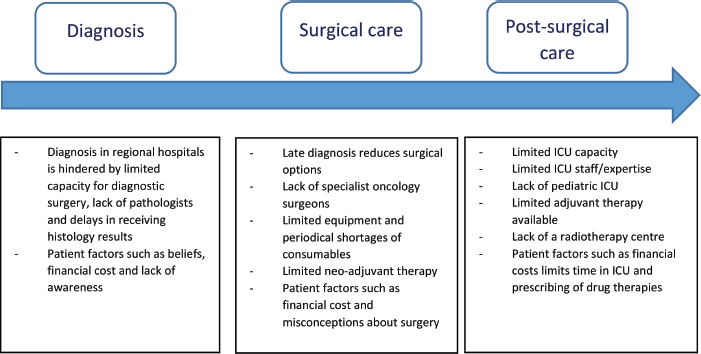
Supplementary Figure S1. Key barriers across the cancer care pathway as reported by participants.<AQ: Please specify where this Supplementary Figure S1 should be mentioned in the text>