Perceived supportive care needs among cancer patients undergoing chemotherapy in India: a cross-sectional study
Bincy Mathew1a, Nitin Yashas Murthy1b, Amit Rauthan1c, Poonam Patil1d, Devesh Ballal1e, Shabber S Zaveri1f, Guddahatty Nanjappa Hemanth1g, Ananthakrishnan Nidheesh2h and Nidudi Javaregowda Harshitha1i
1Manipal Hospitals, Old Airport Road, Kodihalli, Bengaluru, Karnataka 560017, India
2Kasturba Medical College, Mahe, Karnataka 576104, India
a https://orcid.org/0000-0003-1005-3467
b https://orcid.org/0000-0001-9846-2972
c https://orcid.org/0000-0002-6360-3349
d https://orcid.org/0000-0001-9518-2609
e https://orcid.org/0000-0001-6472-7151
f https://orcid.org/0000-0002-8033-8524
g https://orcid.org/0000-0002-2855-2558
h https://orcid.org/0009-0009-0638-8257
i https://orcid.org/0009-0003-6995-3563
Abstract
Background: In a lower-middle-income country like India, where resources for basic needs are limited, many patients struggle with unmet supportive care needs, leading to unrelieved symptoms, heightened distress, financial difficulties and poor quality of life throughout their cancer journey, and these aspects are largely overlooked. The study aims to identify the most prevalent unmet supportive care needs among cancer patients receiving chemotherapy and to compare these needs across levels of psychological distress and gender differences.
Methods: This cross-sectional study used a purposive sampling technique to assess supportive care needs among newly registered chemotherapy patients (N = 245) in the day care unit of a single centre. The study used the Supportive Care Needs Survey - Short Form and the National Comprehensive Cancer Network Distress Thermometer as tools.
Results: The highest-ranked needs were psychological aspects and health-related information. Female patients reported higher psychological needs (M = 26.28, SD = 9.08) and greater psychological distress compared with males (M = 20.15, SD = 8.83), with the difference being statistically significant (t(243) = −4.97, p < 0.001). In contrast, no significant gender differences were observed in health system and information needs (p = 0.358) or physical and daily living needs (p = 0.169).
Conclusion: Female patients experience greater psychological burden, supportive care needs, sexuality-related concerns and overall distress compared with male patients. Screening all new patients - especially high-risk groups such as female patients - and providing psychological support and patient-centred interventions are essential.
Keywords: unmet needs, supportive care, psycho-oncology, psychological distress, gender-based needs
Correspondence to: Bincy Mathew
Email: annbinc@gmail.com
Published: 20/08/2026
Received: 18/03/2026
Publication costs for this article were supported by ecancer (UK Charity number 1176307).
Copyright: © the authors; licensee ecancermedicalscience. This is an Open Access article distributed under the terms of the Creative Commons Attribution License (http://creativecommons.org/licenses/by/4.0), which permits unrestricted use, distribution, and reproduction in any medium, provided the original work is properly cited.
Introduction
Advances in cancer detection and treatment have led to a significant increase in the number of cancer survivors in India [1]. The primary objective of cancer treatment, in relation to a patient’s survival, is to enhance their quality of life (QoL) [2]. QoL is a patient-reported outcome (PRO) that is multidimensional and specific, encompassing various aspects of social, financial, psychosocial and physical functioning. Patients often perceive it as a comprehensive measure of their overall well-being [3]. Needs assessment serves as an alternative approach to PRO-based QoL measures [4], as it focuses on evaluating patients’ perceived needs for and desire for support. A recent study reported that unmet supportive care negatively impacts the QoL of patients [5].
Assessing needs serves as a precise indicator of the difference between patients’ expectations and their experiences. This evaluation not only gauges patients’ perceptions of the support they require for specific concerns but also measures the intensity of their urge for assistance in addressing unfulfilled needs [6]. Understanding these unmet needs is critical for developing effective interventions and improving cancer care. However, the majority of studies in this area have been conducted in a Western cultural context, and there is a significant gap in understanding within the Indian context, which could limit the development of tailored interventions. This study has the potential to help healthcare professionals in India develop optimised action items for effective care. The initial phase of chemotherapy is a particularly vulnerable period for cancer patients in India, marked by uncertainty, physical side effects and emotional distress. During this stage, patients are most likely to experience unmet supportive care needs due to limited preparedness, lack of information and challenges in accessing holistic care.
Identifying these unmet needs early provides a critical opportunity to intervene before distress escalates or care becomes fragmented [7]. Stratifying supportive care needs based on psychological distress levels can help identify high-risk individuals who require intensive psychosocial support, thereby enabling prioritisation of resources in resource-limited healthcare settings [8]. High levels of mental distress for sustained periods of time in cancer patients may lead to anxiety, depression or both. This mixed symptomatology is very common, with two-thirds of cancer patients with depression also expressing clinically significant levels of anxiety [9].
Studies have shown that anxiety and depression are strongly associated with poor QOL in breast and colorectal cancer patients [10, 11]. Additionally, in a diverse country like India, where cancer care is influenced by socio-cultural, demographic and clinical factors, understanding variations in supportive care needs across patient subgroups is essential for developing personalised and culturally sensitive care plans. Such insights are particularly valuable for oncologists, oncology nurses, psycho-oncology practitioners and supportive care providers who play a frontline role in addressing patients’ holistic needs. Hence, the study aims to understand the most prevalent unmet supportive care needs reported by cancer patients undergoing chemotherapy. The study also compares the domains of supportive care needs among patients undergoing chemotherapy across different levels of psychological distress and gender-based differences.
Methods
The present observational cross-sectional study was conducted from January to December 2024 in the chemotherapy day care unit of a single centre, after obtaining ethical approval from the institutional ethics committee. The researcher employed a non-probabilistic purposive sampling to recruit newly diagnosed cancer patients undergoing treatment with curative intent after obtaining informed consent. All patients included in the study were aware of their diagnosis and able to read and comprehend the questionnaire in English. Participants were eligible if they were aged 18 years or older, regardless of their gender, socio-economic status or occupation. This included demographic characteristics, such as age, gender, education, marital status and employment status. It also contained disease and treatment-related factors, such as functional physical activity level, cancer diagnoses, American Joint Committee on Cancer (AJCC) stage and comorbid disease.
The researcher identified and enrolled eligible patients when they visited the Oncology Day Care Unit at the hospital. In the current study, terminally ill patients who were on palliative care intent, patients undergoing any medication for psychiatric illness or neurological disorder, were also excluded. The aim, procedure and ethical considerations of the study were explained in detail to the patients, and participation in the study was entirely voluntary. Data collection instruments were administered only to those who provided written informed consent. The Supportive Care Needs Survey- Short Form (SCNS-SF34) is a 34-item, validated measure of cancer-specific perceived needs across five domains: psychological, health systems and information, physical and daily living, patient care and support and sexuality. This tool was selected due to its strong psychometric properties, with Cronbach’s alpha ranging from 0.86 to 0.96, and its extensive cross-cultural application across diverse populations, including Asian countries such as India, China, Japan and Nepal [12–16]. Patients rate their level of need for help in the past month, a scale that ranges from 1 (no need/not applicable) to 5 (high need). The National Comprehensive Cancer Network (NCCN) Distress Thermometer [17] is a simple tool used to screen for symptoms of distress. It is a self-reported tool that uses a 0-to-10 rating scale, where 0 indicates no distress, 1 to 3 indicates mild distress, 4 to 7 indicates moderate distress and 8 to 10 indicates severe distress.
Statistical analyses were performed using R software. Descriptive statistics were used to summarise sociodemographic and clinical characteristics of the participants. Additionally, researchers used a simple t-test and ANOVA to compare the groups.
Results
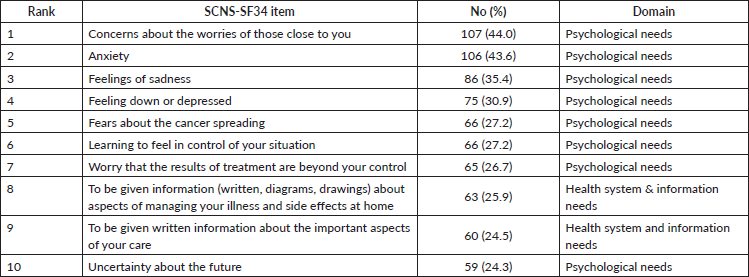
The participants in the study ranged in age from 18 to 84 years, with a mean age of 54.2 years and a standard deviation of 14.41 years, indicating a moderately wide variation in age, which is summarised in Table 1. The most prevalent moderate-to-high unmet supportive care needs reported by participants were predominantly related to psychological concerns, as reported in Table 2. The highest-ranked need was concern about the worries of those close to the patient, reported by 44.0% of respondents, followed closely by anxiety at 43.6%.
Table 1. Sociodemographic and clinical characteristics of patients (N = 245).
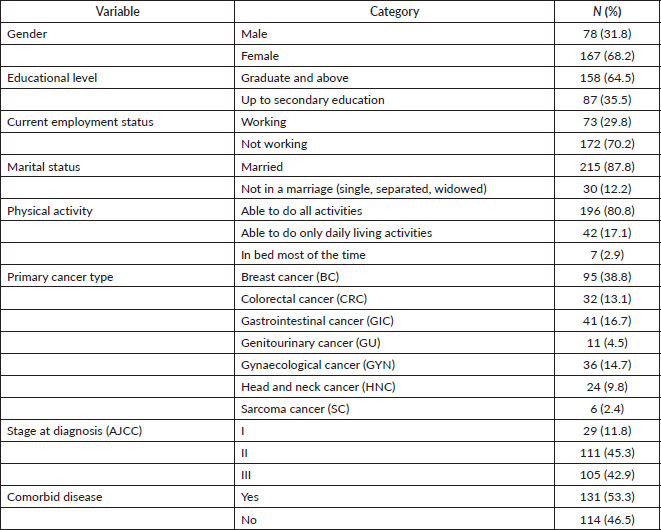
Table 2. Ten most prevalent ‘moderate’ or ‘high’ level unmet supportive care needs.
A comparison of domain scores between genders revealed significant differences in several areas of supportive care needs reported in Table 3. Female patients reported higher psychological needs (M = 26.28, SD = 9.08) compared with males (M = 20.15, SD = 8.83), with the difference being statistically significant (t(243) = – 4.97, p < 0.001). Similarly, females scored significantly higher in patient care and support needs (M = 8.48, SD = 3.42 versus M = 6.97, SD = 2.76; t(243) = – 3.40, p < 0.001) and sexuality needs (M = 4.86, SD = 2.72 versus M = 3.63, SD = 1.58; t(243) = – 4.45, p < 0.001). Distress levels, as measured by the NCCN distress score, were also significantly higher among females (M = 6.53, SD = 3.19) than males (M = 5.31, SD = 3.57; t(243) = – 2.68, p = 0.008). In contrast, no significant gender differences were observed in health system and information needs (p = 0.358) or physical and daily living needs (p = 0.169).
The comparison of domain scores across distress categories, analysed using one-way ANOVA in Table 4, indicates that psychological needs varied significantly with distress levels (F = 4.805, p = 0.003), with the highest mean reported among participants with moderate distress (Mean = 26.44, SD = 9.87) and the lowest among those with no distress (mean = 18.65, SD = 9.68). Physical and daily living needs also showed a significant difference across distress categories (F = 2.959, p = 0.033), with participants experiencing moderate distress reporting the highest needs (Mean = 11.54, SD = 3.96) and those with no distress the lowest (Mean = 8.81, SD = 3.78).
The comparison of domain scores across different cancer types, analysed using one-way ANOVA, revealed significant variations in several domains in Table 5. Psychological needs differed markedly among cancer types (F = 6.878, p < 0.001), with gynaecological cancer patients reporting the highest mean score (Mean = 30.03, SD = 7.87) and genitourinary cancer patients the lowest (Mean = 16.55, SD = 5.97). Physical and daily living needs also varied significantly (F = 4.111, p < 0.001), with sarcoma patients reporting the highest needs (mean = 15.83, SD = 4.62) and breast and colorectal cancer patients the lowest. Patient care and support needs differed across cancer types as well (F = 6.284, p < 0.001), being highest among gynaecological cancer patients (Mean = 10.53, SD = 3.59) and lowest in genitourinary patients (Mean = 6.64, SD = 2.01). Sexuality needs showed significant variation (F = 6.856, p < 0.001), with gynaecological patients again reporting the highest scores (mean = 6.56, SD = 3.39) and genitourinary patients the lowest (Mean = 3.18, SD = 0.41). No significant differences were observed in health system and information needs (F = 1.652, p = 0.134), indicating that this domain remained relatively consistent regardless of cancer type. In Table 6, most patients across cancer types reported moderate-to-high supportive care needs (75.5%, 95% CI: 69.64–80.73), while 20.4% (95% CI: 15.52–26.03) reported low needs and only 4.1% (95% CI: 1.97–7.38) indicated no needs.
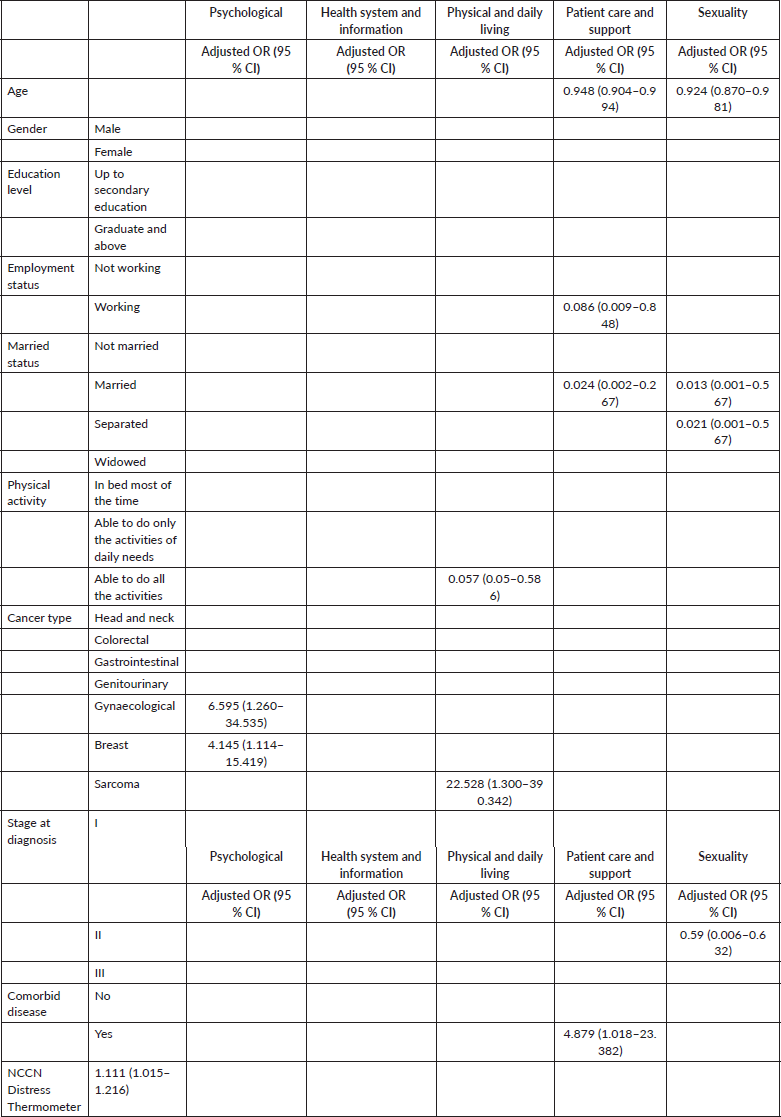
In Table 7, the findings indicate that psychological needs were most strongly predicted by the cancer type and distress level. Gynaecological cancer patients had more than sixfold increased odds (adjusted OR = 6.595, p < 0.05), and breast cancer patients had more than fourfold increased odds (adjusted OR = 4.145, p < 0.05) of unmet psychological needs. Higher NCCN distress scores independently increased the odds of psychological unmet needs by 11% per unit increase (adjusted OR = 1.111, p < 0.05). Physical and daily living needs were significantly predicted by younger age, with each additional year of age reducing the odds by approximately 5% (adjusted OR = 0.948, p < 0.05), confirming that younger patients carry a disproportionately higher burden in this domain. Patient care and support needs were most strongly influenced by marital status, with unmarried patients demonstrating dramatically higher odds of unmet needs compared to married (adjusted OR = 0.024, p < 0.01) and separated patients (adjusted OR = 0.021, p < 0.05). Functional limitation, comorbid disease (adjusted OR = 4.879, p < 0.05) and unemployment were additional significant predictors. Health system and information needs had no significant independent predictors, indicating these needs are universally unmet across all patient subgroups. Sexuality needs were significantly associated with stage at diagnosis, with stage II patients reporting lower odds than stage I patients (adjusted OR = 0.590, p < 0.05).
Table 3. Comparison of domain scores between genders.

Table 4. Comparison of domain scores across distress categories.
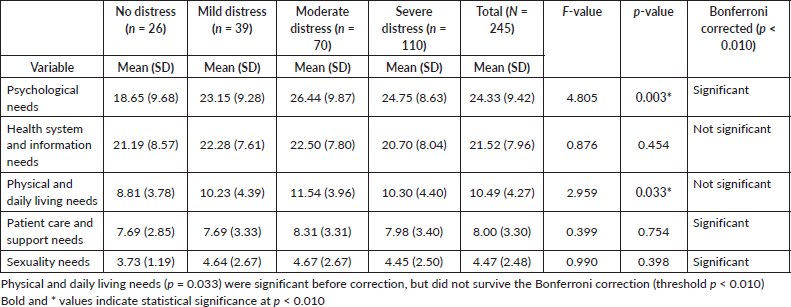
Table 5. Comparison of domain scores across cancer types.
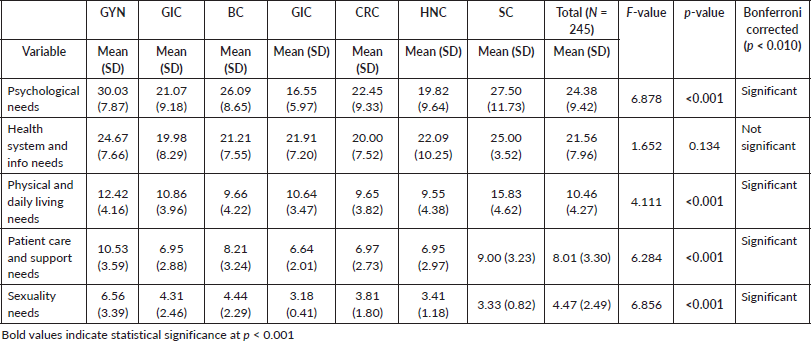
Table 6. Prevalence of supportive care needs.

Discussion
The findings of the current study indicate that psychological needs are among the top supportive cancer concerns for cancer participants, with seven of ten most frequently reported unmet needs. Within the psychological spectrum, the concerns about the worries of caregivers and loved ones, the pervasive sadness and their own fear and anxiety are the top three. These findings corroborate the previous understanding of how cancer affects not only physical but also psychological and emotional well-being, and the distress extends to others beyond the patient themselves [18–20]. A similar study conducted in north-east India also reported unmet psychological needs as the core findings [13]. Studies conducted among the cancer survivors have also reported patterns of them prioritising the well-being of their loved ones over their own from a deep sense of guilt, contributing to further anxiety in the post-treatment journey [21].
The health system and information needs were another important area of concern for cancer patients. However, they were ranked below the psychological concerns. About a quarter of participants sought information in more tangible formats to carry with them, to learn more about the disease, side effects and other important aspects of care, especially in the context of managing care at home. These concerns indicate the importance of patient education, information accessibility and clarity of communication from the healthcare providers. Previous studies have found links between unmet informational needs and a strong association with higher psychological distress and lower satisfaction with care [22, 23].
Table 7. Individual characteristics associated with moderate- to high-level unmet needs by domain.
Across supportive care domains, clear variations in findings emerged based on gender specific differences, distress level and cancer type. The NCCN Distress Thermometer score was an independent predictor of psychological unmet needs. This means distress screening should not be optional or selective. Every patient at every chemotherapy visit should be screened using the NCCN Distress Thermometer, and high scores should automatically trigger a psychological support referral. Gender-based differences in needs and requirements are one such gap reported in many previous studies, which has showcased evidence of such disparities in distress level variations across cancer types, where female patients seem to go through a higher level of psychological distress and unmet psychological needs than their male counterparts [8]. For example, females with gynaecological cancers and sarcoma reported having a higher psychological burden. These findings indicate the need for gender specific interventions that are extremely relevant to deliver equitable care measures among the patients. On the other hand, the health system and need for information did not show gender specific requirements across distress levels among patients. This indicates that its relevance and importance are more universal. Physical and daily living needs did not differ by gender but varied with distress and diagnosis; patients with moderate distress reported the highest needs, while those without distress had the lowest. The impact of functional challenges on emotional state and type of cancer indicates the diversity of needs among different diagnoses.
Patient care and support needs were higher among female patients, indicating a gender disparity, but they did not show any differences with varying distress levels. At the same time, the diagnostic differences showed variations, with gynaecological and sarcoma patients showing higher support needs, while genitourinary patients showed the least support needs [24]. Although sexual needs were higher among the females, the overall scores remained low and did not influence much across the distress level. The gynaecological and breast cancer patients had greater concerns, while genitourinary cancer and sarcoma patients showed lower concerns. These findings indicate the cancer type and diagnosis as a major differentiator for the support need interventions in the early cancer treatment journey; hence, it is important for developing more specific need-based early supportive care interventions across cancer and diagnosis types [25].
The analysis of this study indicates that the supportive care needs differ with cancer type, and it is dynamic across psychological, physical, patient support and sexuality. With gynaecological cancers reporting the highest amount of support across domains, this may be an indicator of its intimate nature and directly affects the reproductive and sexual organs and their links with the concept of body image, sexual identity, femininity and emotional vulnerability. This is also aligned with broader research by McCallum et al [26] that highlights the elevated levels of anxiety, depression, sexual dysfunction and unmet psychosocial needs found among gynaecological cancer survivors [26].
In contrast, genitourinary cancer patients reported the lowest needs across multiple supportive care domains, which could reflect differences in symptom burden, cultural factors influencing disclosure of sexuality concerns or better adaptation strategies. There is a cultural silence in terms of sharing the sexual health needs among patients in India that could have prevented the participants from sharing them. Similar findings have been reported in Middle Eastern countries, where they have mentioned that less need is associated with sexual health [27, 28]. However, female gynaecological cancer patients reported their needs regarding sexual health.
Physical and daily living needs were most pronounced in sarcoma patients, possibly due to the functional impairments and mobility limitations commonly associated with sarcoma treatment and surgeries. A recent narrative review outlines key physical impairments, pain, reduced mobility and challenges in self-care that sarcoma survivors frequently face [29]. These findings emphasise the necessity of tailoring supportive care interventions to cancer types, with particular attention to addressing the high psychological, sexual and interpersonal support needs while ensuring equitable access to information and healthcare support for all.
Continued
Limitations and recommendations
A few limitations are present in the study: for certain cancer types, the analysis is limited by sample size, especially for sarcoma and genitourinary cancers. The majority of participants were female, and the study was conducted only among patients receiving curative-intent treatment, which further limits its applicability to advanced cancer cases. The study was conducted among a literate population in an urban setting, with participants holding a graduation or above, which may limit the generalisability of the findings. The tool used was originally developed and validated in Western populations. To our knowledge, its psychometric properties have not been extensively validated in the Indian context; however, one study has been conducted in India [13]. Therefore, cultural differences may have influenced participants’ interpretations of items and response patterns, especially in terms of sexuality items, as many participants reported that these did not apply to them.
Future studies should assess supportive care needs at multiple time points across the treatment trajectory to capture how needs evolve from diagnosis through post-treatment. Financial toxicity and out-of-pocket expenditure should be incorporated as key variables, given their potential to independently influence psychological distress across different income and socioeconomic groups.
Clinical implications
The current study also reported that women are a high-risk group, and their care should be prioritised. Distress screening has to be incorporated into different touchpoints of care pathways. This helps identify and triage high-risk groups. Entity-specific care should be provided based on individual needs. Information leaflets can also be included as part of the care delivery system. Assessing these supportive care needs would enhance multidisciplinary collaboration and, in turn, improve patient satisfaction, reduce emotional distress, optimise treatment outcomes and enhance QoL throughout the cancer care continuum.
Conclusion
From the current study, it is evident that cancer patients have high unmet supportive care needs, and many patients report that these exist across domains, especially in psychological, health system and information areas. Female patients require greater patient care, psychological support and attention to sexuality during the treatment trajectory.
Conflicts of interest
The authors have no conflicts of interest to declare.
Funding
The authors declare that they have no known competing financial interests or personal relationships that could have appeared to influence the work reported in this paper.
References
1. Guntupalli AM, Selvamani Y, and Maclennan SJ, et al (2022) Health status and associated factors of middle-aged and older adult cancer survivors in India: results from the Longitudinal Ageing Study in India BMC Cancer 22 1087 https://doi.org/10.1186/s12885-022-10111-7 PMID: 36273166 PMCID: 9587652
2. Nayak MG, George A, and Vidyasagar MS, et al (2017) Quality of life among cancer patients Indian J Palliat Care 23(4) 445–450 https://doi.org/10.4103/IJPC.IJPC_82_17 PMID: 29123353 PMCID: 5661349
3. Reale ML, De Luca E, and Lombardi P, et al (2020) Quality of life analysis in lung cancer: a systematic review of phase III trials published between 2012 and 2018 Lung Canc 139 47–54 https://doi.org/10.1016/j.lungcan.2019.10.022
4. Rainbird K, Perkins J, and Sanson-Fisher R, et al (2009) The needs of patients with advanced, incurable cancer Br J Cancer 101(5) 759–764 https://doi.org/10.1038/sj.bjc.6605235 PMID: 19654579 PMCID: 2736850
5. Zhang J, Dong B, and Dong H, et al (2025) Gender-specific differences in factors influencing supportive care needs in colorectal cancer patients BMC Cancer 25(1) 471 https://doi.org/10.1186/s12885-025-13887-6 PMID: 40087644 PMCID: 11907775
6. Wen KY and Gustafson DH (2004) Needs assessment for cancer patients and their families Health Qual Life Outcomes 2 11 https://doi.org/10.1186/1477-7525-2-11 PMID: 14987334 PMCID: 394345
7. Bergerot C, Jacobsen PB, and Rosa WE, et al (2024) Global unmet psychosocial needs in cancer care: health policy EClinicalMedicine 78 102942 https://doi.org/10.1016/j.eclinm.2024.102942 PMID: 39634034 PMCID: 11615525
8. Lynex C, Meehan D, and Whittaker K, et al (2025) The need for improved integration of psychosocial and supportive care in cancer: a qualitative study of Australian patient perspectives Supportare Cancer Off J Multinational Assoc Support Care Cancer 33(6) 516 https://doi.org/10.1007/s00520-025-09593-5
9. Smith HR (2015) Depression in cancer patients: pathogenesis, implications and treatment (Review) Oncol Lett 9(4) 1509–1514 https://doi.org/10.3892/ol.2015.2944 PMID: 25788991 PMCID: 4356432
10. Aminisani N, Nikbakht H, and Jafarabadi MA, et al (2017) Depression, anxiety, and health related quality of life among colorectal cancer survivors J Gastrointest Oncol 8(1) 81–88 https://doi.org/10.21037/jgo.2017.01.12 PMID: 28280612 PMCID: 5334052
11. Akel R, El Darsa H, and Anouti B, et al (2017) Anxiety, depression and quality of life in breast cancer patients in the Levant Asian Pac J Cancer Prev 18(10) 2809–2816 PMID: 29072421 PMCID: 5747408
12. Boyes A, Girgis A, and Lecathelinais C (2009) Brief assessment of adult cancer patients’ perceived needs: development and validation of the 34‐item Supportive Care Needs Survey (SCNS‐SF34) J Eval Clin Pract 15(4) 602–606 https://doi.org/10.1111/j.1365-2753.2008.01057.x PMID: 19522727
13. Ezung T, Gauba A, and Singh RKL (2024) Unmet supportive care needs of women with gynecological cancer in Manipur, North East India Nat J Community Med 15(03) 182–191 https://doi.org/10.55489/njcm.150320243631
14. Li WW, Lam WW, and Shun SC, et al (2013) Psychometric assessment of the Chinese version of the Supportive Care Needs Survey short-form (SCNS-SF34-C) among Hong Kong and Taiwanese Chinese colorectal cancer patients PLoS One 8(10) e75755 https://doi.org/10.1371/journal.pone.0075755 PMID: 24146774 PMCID: 3795709
15. Okuyama T, Akechi T, and Yamashita H, et al (2009) Reliability and validity of the Japanese version of the Short-form Supportive Care Needs Survey questionnaire (SCNS-SF34-J) Psychooncology 18(9) 1003–1010 https://doi.org/10.1002/pon.1482 PMID: 19177464
16. Lyu J, Yin L, and Cheng P, et al (2020) Reliability and validity of the mandarin version of the supportive care needs survey short-form (SCNS-SF34) and the head and neck cancer-specific supportive care needs (SCNS-HNC) module BMC Health Serv Res 20 956 https://doi.org/10.1186/s12913-020-05793-3 PMID: 33066769 PMCID: 7565772
17. Agarwal P, Patel PM, and Powell C, et al (2025) Optimizing NCCN distress thermometer use in real-world settings: a systematic review and thematic synthesis of the literature J Cancer Survivorship 1–10
18. Boyes AW, Girgis A, and D’Este C, et al (2012) Prevalence and correlates of cancer survivors’ supportive care needs 6 months after diagnosis: a population-based cross-sectional study BMC Cancer 12 150 https://doi.org/10.1186/1471-2407-12-150
19. Fancourt D, Warran K, and Finn S, et al (2019) Psychosocial singing interventions for the mental health and well-being of family carers of patients with cancer: results from a longitudinal controlled study BMJ Open 9 26995 https://doi.org/10.1136/bmjopen-2018-026995
20. Sharma BP, Haque MI, and Hossain MB, et al (2024) Depression and anxiety status among informal caregivers of patients with cancer treated at selected tertiary hospitals in Nepal J Taibah Univ Med Sci 19(3) 482–491 PMID: 38544870 PMCID: 10963890
21. Fardell JE, Irwin CM, and Vardy JL, et al (2023) Anxiety, depression, and concentration in cancer survivors: national health and nutrition examination survey results Support Care Cancer Off J Multinational Assoc Support Care Cancer 31(5) 272
22. Shea-Budgell MA, Kostaras X, and Myhill KP, et al (2014) Information needs and sources of information for patients during cancer follow-up Curr Oncol (Toronto Ont) 21(4) 165–173 https://doi.org/10.3747/co.21.1932
23. Mathew B, Lam WWT, and Tiwari S, et al (2025) Expanding psycho‐oncology services in India: perspectives from physicians in cancer care centres Psycho‐Oncology 34(9) e70271 https://doi.org/10.1002/pon.70271
24. Wessels H, Graeff A, and Wynia K, et al (2010) Gender-related needs and preferences in cancer care indicate the need for an individualized approach to cancer patients Oncologist 15(6) 648–655 https://doi.org/10.1634/theoncologist.2009-0337 PMID: 20507890 PMCID: 3227987
25. Scotté F, Taylor A, and Davies A (2023) Supportive care: the “Keystone” of modern oncology practice Cancers 15(15) 3860 https://doi.org/10.3390/cancers15153860 PMID: 37568675 PMCID: 10417474
26. Mccallum M, Jolicoeur L, and Lefebvre M, et al (2014) Supportive care needs after gynecologic cancer: where does sexual health fit in? Oncol Nursing Forum 41(3) 297 https://doi.org/10.1188/14.ONF.297-306
27. Nair SC, Jaafar H, and Jaloudi M, et al (2018) Supportive care needs of multicultural patients with cancer in the United Arab Emirates Ecancermedicalscience 12 838 PMID: 29910835 PMCID: 5985753
28. Rahmani A, Ferguson C, and Jabarzadeh F, et al (2014) Supportive care needs of Iranian cancer patients Indian J Palliative Care 20(3) 224 https://doi.org/10.4103/0973-1075.138400
29. Cristian A, Keole N, and Orada R, et al (2024) A narrative review of the assessment and treatment of physical impairments commonly seen in sarcoma cancer survivors using a rehabilitative approach Cancers 17(1) 6 https://doi.org/10.3390/cancers17010006