Built on three pillars—descriptive analysis on the implementation of a Sarcoma Multidisciplinary Tumour Board at the National Cancer Institute of Paraguay
Maria Lucila Gonzalez Donna1,2, Eliza Ramirez Cabrera1,2, Lucia Ayala Albertini1,2, Verónica Alejandra Livieres Alayón1,2, Iván Garrigoza Garcete1,2, Ramiro Flosi3, Lucas Coradini2,4, Carlos Palmes5, Federico Waisberg2,4, Ignacio Bocles6, Cinthia Gauna Colas1, Maria Luisa Cabañas León1, William Omar Villalba1, Juan Luis Cabañas1, Nadya Maria Rojas Caballero1, Laura Rojas Scheffer1, Lilian Gimenez Gonzalez1, Ana Martinez Pavetti1, Olivia Maria Detez Vargas1, Jose Santiago Bozzano Pereira1, Abraham M Baez1, Maximiliano Pankow1, Jabibi Noguera1 and Matias Rodrigo Chacon5
1Departamento de Docencia e Investigación, Instituto Nacional del Cáncer, Capiatá 110223, Paraguay
2Sitio Biomedical Solutions, Asunción 001411, Paraguay
3Hospital General de Agudos Dr. Juan Antonio Fernández, Buenos Aires C1425AGP, Argentina
4Equipo Transdisciplinar para la Investigación del Cáncer (ETIC), Instituto Alexander Fleming, Buenos Aires C1426ANZ, Argentina
5Instituto Alexander Fleming, Buenos Aires C1426ANZ, Argentina
6Facultad de Medicina, Universidad de Buenos Aires (UBA), Buenos Aires C1121A6B, Argentina
Abstract
Background: Tumour boards are multidisciplinary meetings designed to improve therapeutic decision-making in oncology. Their relevance is particularly evident in rare and complex diseases such as sarcomas, where diagnostic heterogeneity and limited expertise pose significant challenges. This study aimed to describe the characteristics of cases discussed at the Sarcoma Tumour Board (STB) of the National Cancer Institute of Paraguay (INCAN) and to explore its perceived clinical and educational impact.
Methods: A descriptive observational study with two sequential components was conducted. First, a retrospective review of all consecutive sarcoma cases discussed at the STB between March and December 2025 was performed. Second, cross-sectional surveys were administered to specialist physicians and residents participating in the STB. Descriptive and inferential statistics were performed. Descriptive statistics were performed.
Results: Eighty-five patients were included (median age: 44.1 years and IQR: 31.8–58.3). Extremities were the most frequent tumour location (28.2%), and liposarcoma was the most common histologic subtype (14.1%). The STB modified the initial therapeutic plan in 65.4% of cases. Among 54 eligible specialists, 29 responded (53.7%). Most rated the STB as highly valuable for clinical practice (79.3% strongly agreed) and reported frequent modification of initial management (58.6%). However, logistical difficulties (86.2%) and insufficient institutional time allocation (75.9%) were commonly identified. Twenty-three residents responded; 65.2% strongly agreed that the STB contributed to their clinical training, and 56.5% reported a very high contribution to diagnostic and therapeutic reasoning.
Conclusion: The STB at INCAN was associated with a high frequency of therapeutic modifications and was perceived as clinically valuable. Despite operational constraints, it also demonstrated substantial educational potential. These findings provide regional evidence supporting the organisational strengthening of multidisciplinary sarcoma boards as both clinical and formative tools.
Keywords: sarcoma, multidisciplinary team care, clinical decision-making, medical education, surveys and questionnaires, multidisciplinary tumour board meeting
Correspondence to:Maria Lucila González Donna and Lucas Coradini
Email: dra.gonzalezdonna@gmail.com and lcoradini@fmed.uba.ar
Published: 28/07/2026
Received: 23/02/2026
Publication costs for this article were supported by ecancer (UK Charity number 1176307).
Copyright: © the authors; licensee ecancermedicalscience. This is an Open Access article distributed under the terms of the Creative Commons Attribution License (
Introduction
Treatment of oncologic patients is an ever-growing task due to rapid evolution of scientific evidence and the continuous incorporation of new health technologies, all of which make therapeutic decision-making increasingly complex [1, 2].
In response, tumour boards (TBs), also known as multidisciplinary teams, were created to allow formal, interdisciplinary collaboration between different specialists, with the objective of reaching a consensus on the clinical management of oncologic patients [3].
In general terms, a TB is structured as a periodic meeting between specialists such as clinical oncologists, surgeons, pathologists, radiologists and other disciplines. They usually include a systematic report of clinical cases, a review of diagnostic studies, a discussion on therapeutic management and a documentation of the decision reached [4].
TBs became particularly relevant in the management of rare diseases, such as sarcomas. Sarcomas consist of a heterogeneous group of malignant neoplasms that originate from connective tissues, such as muscle, adipose tissue, nerves, blood vessels and bones. The incidence is approximately six cases per 100,000 inhabitants per year; this makes soft tissue sarcomas a challenge due to their low prevalence, complex diagnosis and the need for highly specialised care. These characteristics hinder not only timely diagnosis but also the development and implementation of adequate treatment as well, particularly in regions with structural limitations [5–7].
As a part of the field of implementation science, it has been proposed to distinguish different types of results, including those linked to acceptability, adoption, appropriateness, feasibility and sustainability of interventions, differentiating them from clinical outcomes and service outcomes. In this context, exploring professionals’ perceptions could provide relevant information about the function and implementation of complex organisational strategies, such as sarcoma tumour boards (STBs) [8].
Various studies have demonstrated that the implementation of TBs is associated with greater adherence to evidence-based guidelines, improvements in the quality of therapeutic decisions and improved clinical outcomes [9]. Likewise, other studies have described the educational benefits, especially for resident physicians, who perceive these meetings as interdisciplinary learning opportunities and academic challenges [10].
However, the educational potential of TBs does not necessarily equate to a structured educational strategy. TBs were not created with the goal of being teaching opportunities, but evidence suggests that they could become a relevant learning opportunity if the experience is intentionally designed as such and without losing its primary purpose. Recent studies have proven that, despite residents perceiving these meetings as useful for the development of clinical abilities (such as case presentations, oral communication, diagnostic image interpretation and interdisciplinary reasoning), their participation tends to be occasional, which highlights a gap between perceived value and the effective integration into daily practice. Hence, practical strategies have been proposed, such as brief feedback, increasing the residents’ active participation and brief teaching interventions by specialists based on real cases discussed in the meeting, which could enhance the learning potential without transforming the TB into a formal class nor increasing specialists’ workload [11, 12].
The objective of this study is to describe the characteristics of the patients presented in the STB organised by the National Cancer Institute of Paraguay (INCAN) between March and December 2025 and to explore the impact of these meetings in two complementary dimensions; its contribution to clinical decision-making from the perspective of the specialists who participate and its value as a learning opportunity for medical residents, specifically in the application of theoretical knowledge into real clinical cases.
Materials and methods
Study design
A descriptive observational study with two sequential components was conducted. The first component was a retrospective review of cases presented to the STB of the INCAN. The second component was a cross-sectional study based on surveys administered to specialist physicians and resident physicians participating in the INCAN TBs.
These components were designed to address complementary objectives: the registry analysis to describe clinical and process-related characteristics and the survey to explore participants’ perceptions. Although both components were interpreted jointly at the discussion stage, they were analysed independently and were not formally integrated within a predefined mixed-methods analytical framework.
Clinical cases included
For the analysis, all consecutive cases presented to the STB of the INCAN between March and December 2025 were considered. The unit of analysis was the presentation to the STB. Only cases diagnosed with sarcoma and discussed once during the study period were included, and those corresponding to diagnoses not compatible with sarcoma were excluded.
The information analysed came from the official STB registry and was limited to the data available at the time of the case discussion, without incorporating subsequent clinical or follow-up information. Sociodemographic, clinical and tumour variables were collected, as well as dimensions related to the care process, the functioning of the STB and the timing of care.
Surveys of specialists and residents
The second component of the study consisted of administering structured surveys to specialist physicians and resident physicians who participated in the STB at the INCAN. Questionnaires were distributed to all professionals and residents who participated in at least one STB meeting during 2025. Participation was voluntary and anonymous.
The questionnaires were developed ad hoc by the research team and were not formally validated. However, items were created taking into account concepts derived from Implementation Science, particularly domains such as acceptability, feasibility and perceived utility, as described by Proctor et al [8].
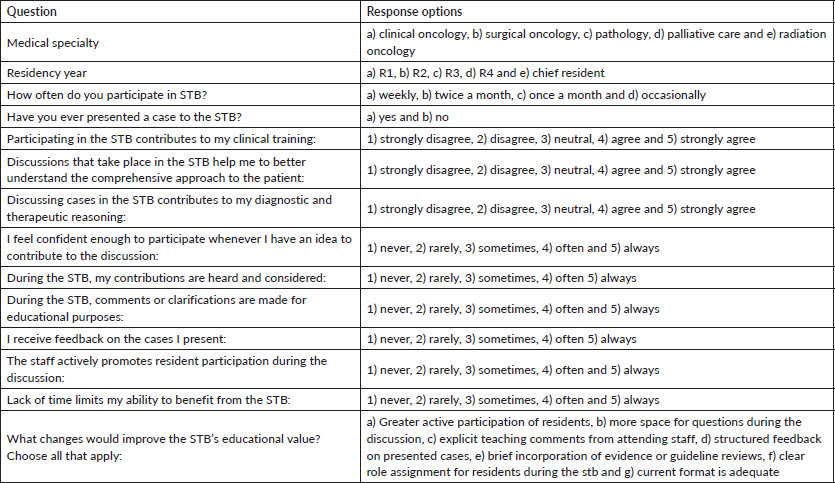
Questions were structured as five-point Likert scales of agreement and frequency, as well as multiple-choice questions, some allowing single selections and others allowing multiple selections. The items of the questionnaire focused on the following domains: clinical decision-making, functioning of STB, interdisciplinary participation, implementation barriers and educational value. The full survey instruments are available as supplementary material (Tables S1 and S2).
An informal pilot test was conducted with STB members prior to implementation to assess clarity and relevance. The surveys were self-administered via an online platform (Google Docs; Google Inc., Mountain View, CA, USA), with a single submission during January and February 2026. Separate questionnaires were used for specialists and residents, and their responses were considered independently.
Data analysis
The analysis was performed using descriptive statistics. Categorical variables were summarised as absolute frequencies and percentages, and continuous variables as medians and interquartile ranges. In the case of the surveys, Likert-type items were analysed as ordinal variables and reported as frequencies per category, while multiple-choice questions were summarised using rankings based on the frequency of selection for each option. No statistical comparisons were made between specialists and residents. Data processing and analysis were carried out using RStudio 4.5.2 software.
Ethical considerations
The study was conducted using anonymised secondary data from the official STB registry and anonymous, voluntary surveys administered to healthcare professionals. No personally identifiable information was collected from patients or respondents.
Results
Cases discussed in the STB meetings
Eighty-five patients were discussed in the STB and were included. The median age was 44.1 (IQR: 31.8–58.3). The average patients presented per month were five, the maximum being in April with 13 cases and the minimum in December with two cases presented. Eighteen patients (21.2%) were presented to the STB after their first consultation to decide the initial treatment plan.
Regarding the anatomical location of the primary tumour, the most frequent presentation was extremities with 28.2% (n = 24), trunk with 21.2% (n = 18), retroperitoneum with 16.5% (n = 14) and abdomen with 15.3% (n = 13); the remaining locations registered included head and neck, pelvis and viscera, and were grouped as “other sites” 18.8% (n = 16). Regarding the histologic subtypes, the most frequent were liposarcomas 14.1% (n = 12), chondrosarcoma 10.6% (n = 9) and synovial sarcoma 10.6% (n = 9). The full classification can be observed in Table 1.
Regarding the final recommendation of the STB, the treatment plan suggested was systemic treatment 57.6% (n = 49), radiotherapy 21.2% (n = 18), surgery 16.5% (n = 14), diagnostic revision 15.3% (n = 13), close follow-up 9.4% (n = 8) and palliative care 2.4% (n = 2).
Table 1. Clinical characteristics of the STB cases.
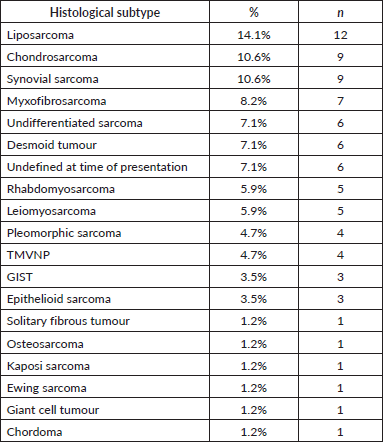
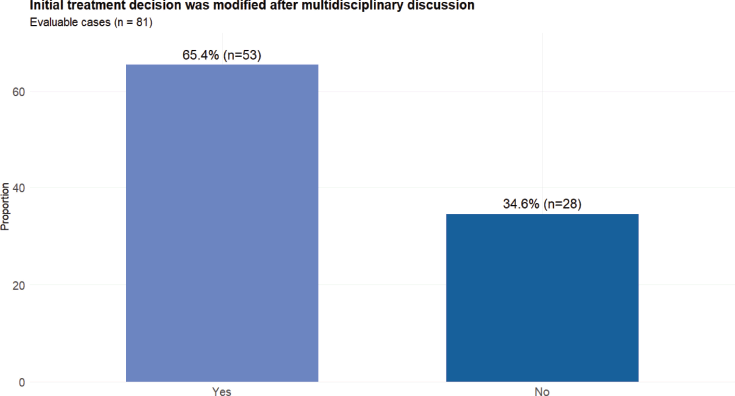
Figure 1. Treatment modification after STB discussion.
Figure 1 shows the proportion of cases presented where the initial treatment plan proposed before presenting to the STB was modified following the meeting.
Finally, at the median follow-up time, which was 29.6 months, 96.5% (n = 82) patients were still alive and 3.5% (n = 3) had died.
Specialist physician survey responses
Out of 54 physicians who participated in the STB, 29 were included, which represent a response rate of 53.7%.
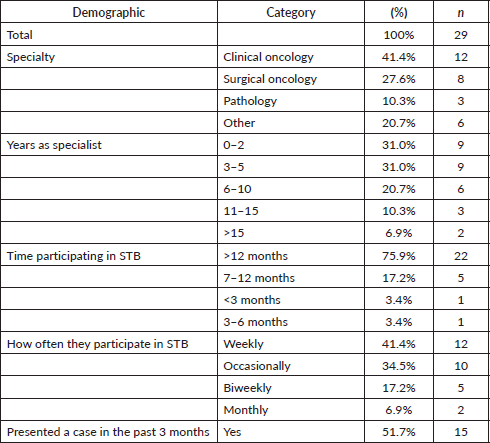
The specialty that participated the most was clinical oncology with 41.4% (n = 12). The groups that had 0–2 and 3–5 years of experience as specialists represented 31.0% (n = 9) each. Regarding participation in the STB, 51.7% (n = 15) claimed to have presented at least one case in the past 3 months. This information is summarised in Table 2.
When asked about the value of the STB in clinical practice, 79.3% (n = 23) strongly agreed, 13.8% (n = 4) agreed and 6.9% (n = 2) strongly disagreed. Regarding the suitability for addressing the complexity of cases, 86.2% (n = 25) strongly agreed, 6.9% (n = 2) agreed and 6.9% (n = 2) strongly disagreed.
Concerning clinical decision-making, 55.2% (n = 16) reported a very high improvement and 44.8% (n = 13) a high improvement. Respondents considered that initial clinical management was frequently modified for 58.6% of the surveys (n = 17) and on some occasions for 37.9% (n = 11).
Regarding the meetings’ functioning, clinical information was considered sufficient or entirely sufficient by 96.6% (n = 28), and overall functioning was rated as completely agree or agree by 89.7% (n = 26). Recommendations were rated as clear or very clear by 89.6% (n = 26).
Table 2. Characteristics of STB participants.
Concerning the operational aspects, logistical difficulties were reported on some occasions or frequently by 86.2% (n = 25), and the time assigned by the institution for these meetings was considered insufficient or totally insufficient by 75.9% (n = 22). The sustainability of the STB overtime was rated with agreement or complete agreement by 86.2% (n = 25).
According to the specialist physicians, the learning opportunities for residents during STB meetings were considered to be very high by 72.4% (n = 21) and high by 27.6% (n = 8).
Figure 2 shows the distribution priority areas for improvement mentioned by the specialists.
Resident physician survey responses
Out of the 50 residents who were invited to participate in the STB meetings, 23 were included (46%) and 87.0% (n = 20) mentioned that they had presented at least one patient case to the STB.
Regarding their perception of the meetings’ contribution to clinical training, 65.2% (n = 15) expressed full agreement, while 17.4% (n = 4) indicated agreement and 17.4% (n = 4) expressed full disagreement.
Concerning the case discussions’ contribution to diagnostic and therapeutic reasoning, 56.5% (n = 13) answered that STBs provided a very high contribution, 26.1% (n = 6) provided a high contribution and 17.4% (n = 4) provided a moderate contribution.
Finally, the residents answered that comments and clarifications with educational purposes were always given by 65.2% (n = 15) and frequently given by 34.8% (n = 8) during STB meetings(Figure 3).
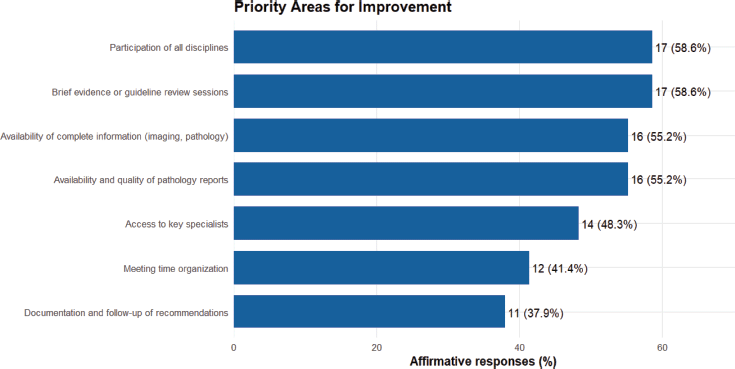
Figure 2. Areas for STB improvement – specialists’ perceptions.
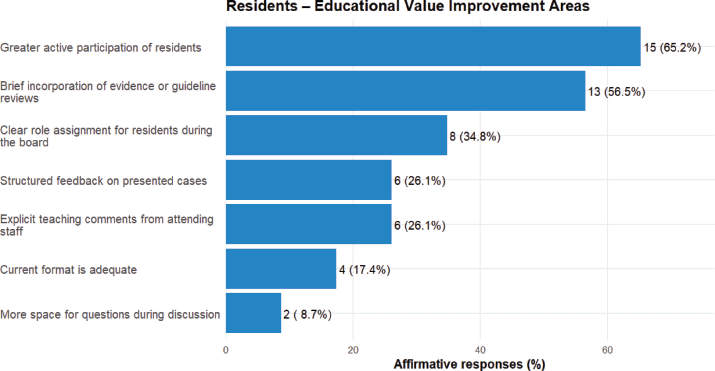
Figure 3. Areas for STB improvement – residents’ perceptions.
Discussion
This study describes the characteristics of cases presented and discussed at the STB meetings at INCAN and explores the impact from three perspectives: an objective analysis of the therapeutic decision-making, the specialists’ perceived impact and the educational benefit for the residents who participated.
The results showed that in 65.4% of cases presented at a meeting, the initial therapeutic approach proposed by the treating physician was modified, demonstrating how essential these meetings are for the management of cancer patients.
This coincides with international publications; systematic reviews have concluded that TBs are associated with greater diagnostic precision, changes in tumour staging and therapeutic modifications that better align with clinical guidelines [3]. Previous studies have documented that the presence of TBs is correlated with better therapeutic plans for the patient and a greater adherence to evidence-based guides. Therefore, the proportion of modifications observed in our study is consistent with international reports that describe these adjustments following interdisciplinary discussion [1].
The next aspect of our analysis was the impact of the STB perceived by the specialist physicians, which was rated as having high clinical utility. However, operational obstacles were identified, such as institutional time constraints and logistical difficulties, which highlight the tension between the clinical and educational value of tools such as TBs and the structural challenges affecting their long-term sustainability.
This phenomenon has already been explored by different authors [13–16]. Soukup et al [17] have shown that the functioning of TBs depends on favourable organisational conditions, such as designated time and institutional support. When these spaces are not formally integrated into the institution’s agenda, participation tends to depend on the individual physicians’ efforts, which could hinder sustainability over time, even when it is recognised as a useful clinical tool [13].
The final pillar of our analysis was the educational benefits identified by resident physicians, including improvements in clinical reasoning and a better understanding of the multidisciplinary approach needed for treating sarcomas, suggesting the educational value of these meetings.
However, TBs were not originally designed as teaching mechanisms, but evidence suggests that they can acquire significant educational value if the meetings are intentionally designed without losing their clinical value. Among the pedagogical strategies proposed in the literature, certain approaches, such as structured feedback, a sense of belonging within an academic community and discovery learning, allow residents to apply theoretical concepts and transfer what they have learned to concrete situations [11, 17]. These environments promote retention of theoretical knowledge and strengthen competencies in medical decision-making.
Global cancer burden continues to increase worldwide, with marked disparities between high-income and transitioning countries, placing additional strain on health systems in low- and middle-income countries (LMICs) and highlighting the need for resource-adapted cancer care strategies [18]. This challenge is particularly relevant in sarcoma care, where optimal management requires treatment in specialised high-volume centres with multidisciplinary expertise. However, access to specialised sarcoma reference centres remains limited in many LMICs, where oncologic care is frequently concentrated in a small number of tertiary institutions. This decentralisation may contribute to delays in referral and treatment initiation, particularly among patients referred from outside the capital [19, 20]. Within this context, TBs may play an important role not only in therapeutic decision-making but also in facilitating timely specialist evaluation and improving coordination between treating physicians and referral centres, which could be essential to ensure appropriate and timely treatment planning [21].
Building on these structural and organisational challenges, the relevance of our findings becomes particularly evident in Latin American settings, where published evidence on TBs remains limited and reports describing multidisciplinary teams dedicated to the management of rare diseases such as sarcomas are even scarcer [22]. In this context, our study contributes to expanding regional knowledge on the implementation, clinical impact and educational value of TBs in public oncology institutions.
From a clinical perspective, our results suggest that multidisciplinary discussions could have a relevant role in the structured revision of diagnostic and therapeutic decisions. Furthermore, there are aspects that have been prioritised by the various parties involved and that can serve as facilitating factors to adapt our experience in public institutions in the region. On the other hand, we identified logistical obstacles, which include the insufficient time allocated by the institute for these meetings. This underscores the need for directors to create practical strategies that implement cultural change and promote TBs as an essential part of patient-centred care [23].
Finally, we must recognize the limitations of our study. The descriptive character of the analysis does not allow causal inferences between the recommendations given during the STB meetings and the clinical outcomes, and the lack of long-term follow-up data prevents assessment of survival or disease control benefits. Additionally, the surveys were developed ad hoc and were not formally validated. Moreover, the study was conducted in a single centre, which limits the generalizability of our findings.
Ultimately, the results presented in our study, in conjunction with the international literature referenced, call attention to the actual challenge, which is not proving the value of TBs but ensuring that these meetings are properly organised. From the specialists’ perspective, the main issue is the need to prioritize the organisation of the meetings, ensuring protected time allocated by the institution with adequate logistical support. Meanwhile, the challenge regarding the residents is focused on promoting their participation and implementing targeted strategies needed to make the meetings more educational. This would require defining a specific role within the meetings, implementing brief feedback and teaching interventions within the real patient cases discussed. Integrating these strategies without compromising the clinical utility of TBs may transform multidisciplinary meetings into not only a clinical decision-making tool but also a meaningful educational environment.
Conclusion
The STB has shown a high frequency of modifying clinical decisions after interdisciplinary discussions. The findings of the patient registry demonstrate the importance of structured revision when taking into consideration diagnostic and therapeutic decisions when treating rare and complex pathologies. From the perspective of medical participants, the meetings were considered useful for both clinical and educational purposes. Finally, the results provide local evidence regarding how TB functions in Paraguay and highlight their clinical relevance and organisational requirements.
List of abbreviations
INCAN, Instituto Nacional del Cáncer (National Cancer Institute); STB, Sarcoma Tumour Board; TB, tumour board.
Conflicts of interest
The authors declare that they have no conflicts of interest relevant to the content of this article. No financial relationships, commercial affiliations or personal interests influenced the design, execution or reporting of this study.
Funding
Funding from ProCiencia and CONACYT was obtained for conducting this study; no funding was available for publication. No sponsor influenced the design, analysis or reporting of the study.
References
1. Berardi R, Morgese F, and Rinaldi S, et al (2020) Benefits and limitations of a multidisciplinary approach in cancer patient management Cancer Manag Res 12 9363–9374 https://doi.org/10.2147/CMAR.S220976 PMID: 33061625 PMCID: 7533227
2. Prasad V, Fojo T, and Brada M (2016) Precision oncology: origins, optimism, and potential Lancet Oncol 17(2) e81–e86 https://doi.org/10.1016/S1470-2045(15)00620-8 PMID: 26868357
3. Specchia ML, Frisicale EM, and Carini E, et al (2020) The impact of tumor board on cancer care: evidence from an umbrella review BMC Health Serv Res 20(1) 73 https://doi.org/10.1186/s12913-020-4930-3 PMID: 32005232 PMCID: 6995197
4. Borras JM, Albreht T, and Audisio R, et al (2014) Policy statement on multidisciplinary cancer care Eur J Cancer 50(3) 475–480 https://doi.org/10.1016/j.ejca.2013.11.012
5. Carmagnani Pestana R, Lopes David BB, and Pires de Camargo V, et al (2024) Challenges and opportunities for sarcoma care and research in Latin America: a position paper from the LACOG sarcoma group Lancet Regional Health Americas 30 100671 https://doi.org/10.1016/j.lana.2023.100671
6. Cruz-Ramos M, García-Ortega DY, and Becerra-Herrera R, et al (2025) Systematic review of soft tissue sarcomas in Latin America JCO Glob Oncol 11 e2400508 https://doi.org/10.1200/GO-24-00508 PMID: 40294361
7. Gronchi A, Miah AB, and Dei Tos AP, et al (2021) Soft tissue and visceral sarcomas: ESMO–EURACAN–GENTURIS clinical practice guidelines for diagnosis, treatment and follow-up Ann Oncol 32(11) 1348–1365 https://doi.org/10.1016/j.annonc.2021.07.006 PMID: 34303806
8. Proctor E, Silmere H, and Raghavan R, et al (2011) Outcomes for implementation research: conceptual distinctions, measurement challenges, and research agenda Adm Policy Ment Health 38(2) 65–76 https://doi.org/10.1007/s10488-010-0319-7 PMCID: 3068522
9. Lamb BW, Sevdalis N, and Taylor C, et al (2012) Multidisciplinary team working across different tumour types: analysis of a national survey Ann Oncol 23(5) 1293–1300 https://doi.org/10.1093/annonc/mdr453
10. Taylor C, Atkins L, and Richardson A, et al (2012) Measuring the quality of MDT working: an observational approach BMC Cancer 12 202 https://doi.org/10.1186/1471-2407-12-202 PMID: 22642614 PMCID: 3489862
11. Tahmasebi H, Ko G, and Lam CM, et al (2025) Multidisciplinary oncology education among postgraduate trainees: systematic review JMIR Med Educ 11 e63655 https://doi.org/10.2196/63655 PMID: 40418850 PMCID: 12129420
12. Le Nail LR and Samargandi R (2023) Teaching potential of multidisciplinary tumor board meetings for orthopedic residents: insights from a French sarcoma reference center Cureus 15(5) e39783 [https://doi.org/10.7759/cureus.39783] PMID: 37265907 PMCID: 10231847
13. Patkar V, Acosta D, and Davidson T, et al (2011) Cancer multidisciplinary team meetings: evidence, challenges, and the role of clinical decision support technology Int J Breast Cancer 2011 831605 https://doi.org/10.4061/2011/831605
14. Wright FC, De Vito C, and Langer B, et al (2007) Multidisciplinary cancer conferences: a systematic review and development of practice standards Eur J Cancer 43(6) 1002–1010 https://doi.org/10.1016/j.ejca.2007.01.025
15. Ottevanger N, Hilbink M, and Weenk M, et al (2013) Oncologic multidisciplinary team meetings: evaluation of quality criteria J Eval Clin Pract 19(6) 1035–1043 https://doi.org/10.1111/jep.12022 PMID: 23441961
16. Blazeby JM, Wilson L, and Metcalfe C, et al (2006) Analysis of clinical decision-making in multi-disciplinary cancer teams Ann Oncol 17(3) 457–460 https://doi.org/10.1093/annonc/mdj102
17. Soukup T, Lamb BW, and Arora S, et al (2018) Successful strategies in implementing multidisciplinary team working in the care of patients with cancer: an overview and synthesis of the available literature J Multidiscip Healthc 11 49–61 https://doi.org/10.2147/JMDH.S117945
18. Sung H, Ferlay J, and Siegel RL, et al (2021) Global cancer statistics 2020: GLOBOCAN estimates of incidence and mortality worldwide for 36 cancers in 185 countries CA Cancer J For Clinicians 71(3) 209–249 [https://doi.org/10.3322/caac.21660]
19. Grimer R, Judson I, and Peake D, et al (2010) Guidelines for the management of soft tissue sarcomas Sarcoma 2010 506182 [https://doi.org/10.1155/2010/506182] [https://onlinelibrary.wiley.com]
20. Von Mehren M, Kane Jm III, and Agulnik M, et al (2022) Soft tissue sarcoma, version 2.2022, NCCN clinical practice guidelines in oncology J Natl Compr Canc Netw 20(7) 815–933 https://doi.org/10.6004/jnccn.2022.0035 PMID: 35830886 PMCID: 10186762
21. Taylor C, Munro AJ, and Glynne-Jones R, et al (2010) Multidisciplinary team working in cancer: what is the evidence? BMJ 340 951 https://doi.org/10.1136/bmj.c951
22. Martin-Broto J, Hindi N, and Aguiar S Jr, et al (2026) Initial report from the SAR-TRACK (SELNET) registry: a multicentric international study on sarcoma management Lancet Regional Health - Americas 30 100671 [https://doi.org/10.1016/j.lana.2026.101404]
23. Jalil R, Ahmed M, and Green JSA, et al (2013) Factors that can make an impact on decision-making and decision implementation in cancer multidisciplinary teams: an interview study of the provider perspective Int J Surg 11(5) 389–394 https://doi.org/10.1016/j.ijsu.2013.02.026 PMID: 23500030
Supplementary materials
Table S1. Questionnaire for specialists.
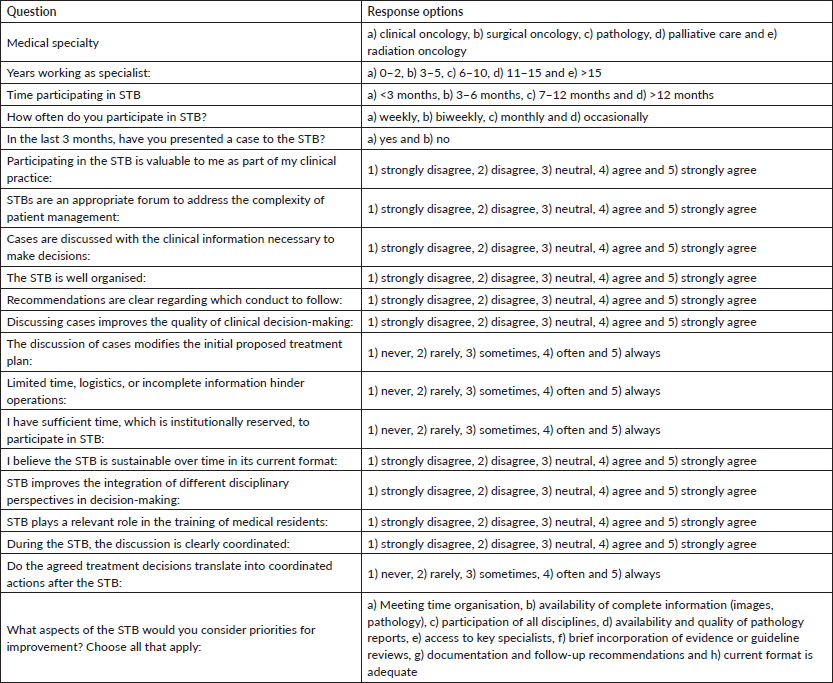
Table S2. Questionnaire for residents.