Profile of cancer cases at a rural cancer centre: insights from Homi Bhabha Cancer Hospital and Research Centre, Muzaffarpur, Bihar, India
Ravikant Singh1, Atul Budukh2,3, Suvarna Kolekar2, Gaurav Kumar1, Burhanuddin Qayyumi1, Tulika Gupta1, Zikki Hassan Fatima1, Narpat Padvi2, Samyukta Shivashankar2, Alisha Shah2,3, Deepak Gupta1, Nishant Kumar1 and Kumar Prabhash1,3
1Homi Bhabha Cancer Hospital and Research Centre, Muzaffarpur, Bihar 842004, India
2Centre for Cancer Epidemiology (CCE-ACTREC), Tata Memorial Centre, Mumbai, Maharashtra 410210, India
3Homi Bhabha National Institute (HBNI), Training School Complex, Anushakti Nagar, Mumbai 400094, India
Abstract
Background: Bihar faces various healthcare challenges and has limited access to specialised cancer care and systematic cancer surveillance. The establishment of the Homi Bhabha Cancer Hospital and Research Centre (HBCH&RC), Muzaffarpur, a unit of Tata Memorial Hospital offers state-of-art cancer care services, and a valuable platform to describe the cancer patterns through hospital-based registry data.
Methods: This study analyses data from the Hospital-Based Cancer Registry (HBCR) at HBCH&RC, Muzaffarpur, covering the years 2021–2022. Cancer pattern was assessed with respect to sociodemographic characteristics, cancer site distribution, stage at presentation and treatment patterns. Factors associated with treatment uptake were examined using binary logistic regression. Data were coded using the International Classification of Diseases for Oncology and analysed using standard registry guidelines.
Results: Among the 5,285 registered cases, 2,904 cases had complete records, while information on disease behaviour and treatment was unavailable for 2,381 cases (45%) due to suboptimal maintenance of electronic medical records during the initial years of hospital functioning. Of the remaining 2,904 cases, 2,878 (99.1%) were malignant. Mouth (418, 28%), tongue (119, 8.2%), prostate (69, 4.7%), stomach (62, 4.2%) and lung cancer (62, 4.2%) dominated among males; while breast (436, 30.7%), cervix (192, 13.5%), gall bladder (163, 11%), ovary (82, 5.8%) and lung cancers (70, 4.9%) were frequent among females. Only half of the registered cancer patients undertook definitive treatment at the study centre. Logistic regression revealed lower treatment uptake among older patients (60–69 years: odds ratio (OR) = 0.62; 95% confidence interval (CI): 0.48–0.81; p < 0.001; ≥70 years: OR = 0.45; 95% CI: 0.34–0.60; p < 0.001). Higher education levels were positively associated with treatment uptake (primary education: OR = 1.36; 95% CI: 1.07–1.72; p = 0.011; secondary education or above: OR = 1.32; 95% CI: 1.08–1.62; p = 0.006) than illiterates. Patients with monthly income (≤₹5,000: OR = 0.70; 95% CI: 0.59–0.84; p <0.001), residence outside Muzaffarpur district, locoregional disease extent and lack of government financial scheme coverage were also independently associated with reduced treatment uptake.
Conclusion: The cancer profile observed reflects a high burden of preventable and tobacco-related cancers, late-stage presentation and substantial socioeconomic barriers hindering treatment uptake and completion. The present HBCR data can be used as a database for diverse epidemiological studies, expanding treatment infrastructure and planning cancer control programs.
Keywords: hospital-based cancer registry, Bihar, oral cancer, breast cancer, health inequity
Correspondence to: Nishant Kumar
Email: drnishantkumar1999@gmail.com
Published: 10/09/2026
Received: 08/03/2026
Publication costs for this article were supported by ecancer (UK Charity number 1176307).
Copyright: © the authors; licensee ecancermedicalscience. This is an Open Access article distributed under the terms of the Creative Commons Attribution License (http://creativecommons.org/licenses/by/4.0), which permits unrestricted use, distribution, and reproduction in any medium, provided the original work is properly cited.
Introduction
The global shift in disease patterns has led to a rapid rise in noncommunicable diseases (NCDs), particularly in low- and middle-income countries (LMICs), which account for nearly 73% of all NCD-related deaths [1]. Cancer alone contributes to approximately one-fourth of this burden. India has been significantly affected by this transition, with cancer now ranking among the leading causes of morbidity and mortality across the nation. In 2024, India was estimated to have 1.56 million new cancer cases and 9.7 million cancer deaths [2]. Within the next two decades, the cancer burden in India is projected to rise substantially, with an increase of 90.4% [3].
Data on cancer patients are methodically gathered, maintained and reported by cancer registries. Population-based cancer registries (PBCR) and hospital-based cancer registries (HBCR) are the two primary types of cancer registries [4]. PBCR record all incident cancer cases occurring within a defined population, thereby providing measures of cancer occurrence and distribution. HBCR compiles data on patients diagnosed and treated at a specific institution, capturing essential clinical, diagnostic, treatment and outcome-related information to support patient care evaluation and service planning.
The state of Bihar has a predominantly rural population, with 90% of residents living in rural areas [5]. The first PBCR in the state was established in Muzaffarpur district. Its initial findings signified the constraints in access to tertiary healthcare and lack of availability of specialised oncology services in the district. Consequently, patients had to travel intra-state and across the country, contributing to delays in diagnosis, potentially compromising treatment outcomes [6].
Understanding this vital lack of infrastructure, the Department of Health & Family Welfare, Government of Bihar, with assistance from Tata Memorial Centre (TMC) Mumbai, a grant-in-aid organisation under the Department of Atomic Energy (DAE), Government of India, established a dedicated cancer centre – Homi-Bhabha Cancer Hospital and Research Centre (HBCH&RC) in 2020 within the premises of Shri Krishna Medical College and Hospital Muzaffarpur, with the support of Mahamana Pandit Madan Mohan Malaviya Cancer Centre, Varanasi [7]. The establishment of HBCH&RC, Muzaffarpur, under the TMC network represents a major step towards decentralising cancer care in India.
The HBCR was established for HBCH&RC and has been operational since 1 February 2022, with the objective of assessing cancer burden experienced by the hospital, supporting hospital administration and monitoring the quality of cancer care services [8]. HBCRs play a complementary role to PBCRs by providing insights into patient profiles, stage at diagnosis, treatment pathways and health system performance. This study presents an analysis of cancer patterns and treatment characteristics among patients registered at HBCH&RC during 2021–2022, offering valuable evidence to inform cancer control strategies in Bihar.
Methodology
Study settings
Muzaffarpur district in Bihar is one of the 38 administrative districts in the state. It is further divided into 16 blocks and is spread over an area of approximately 3,122 sq. km. Notably, 90% of the population resides in rural areas, with a population of 4,801,062 [9]. Figure 1 displays the location of the HBCH& RC area on a map.
Study design
A retrospective observational study was conducted using data from the HBCR at HBCH&RC, Muzaffarpur, Bihar. The hospital serves as a major referral centre for the Muzaffarpur district and the surrounding regions.
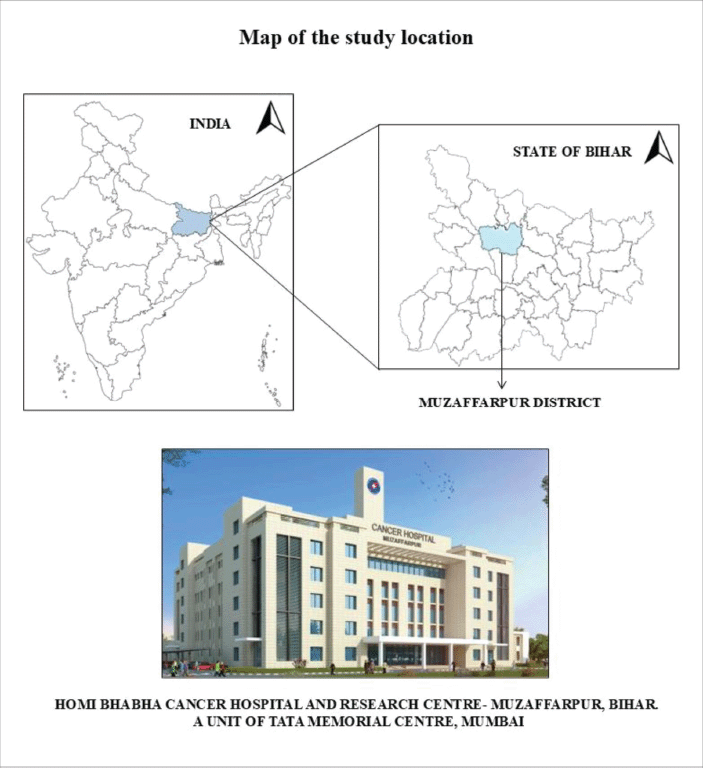
Figure 1. Location of the hospital on map (HBCH&RC, Muzaffarpur, Bihar).
Data sources and case inclusion
HBCH&RC was formally commissioned on 29 January 2021, and clinical services commenced progressively from early 2021, while the HBCR unit was formally established on 1 February 2022. Cases registered between January 2021 and December 2022, preceding the formal HBCR establishment date, were captured through retrospective abstraction of electronic medical records and case files by trained TMC and HBCH&RC registry staff. All patients registered in the HBCR between 1 January 2021 and 31 December 2022 were included. Cancer diagnoses were classified according to International Classification of Diseases, Tenth Revision (ICD-10) for site and International Classification of Diseases for Oncology, Third Edition (ICD-O-3) for morphology [10]. Both newly diagnosed (per premium) and previously treated cases were recorded.
Variables analysed
Data were collected using a standardised proforma capturing the following details. Sociodemographic variables included age, sex, education, occupation, income and district of residence. Clinical variables comprised cancer site, histology of tumour, clinical extent of disease, treatment modality and mode of payment. Treatment status was defined as: (a) treated – received at least one modality of active cancer-directed treatment (chemotherapy, surgery or hormonal therapy) administered at HBCH&RC during the study period; or (b) not treated at HBCH&RC – included patients referred for radiotherapy to external centres (radiotherapy infrastructure was under construction at HBCH&RC during 2021–2022), patients receiving palliative or symptom-only management and those lost to follow-up prior to treatment initiation. Treatment delivered solely at another institution was not included in this outcome.
Regarding mode of payment, patients were classified into three groups: (i) covered under governmental schemes and funds – comprising Pradhan Mantri Jan Arogya Yojana/Ayushman Bharat Scheme and the Chief Minister’s Medical Relief Fund, Bihar; (ii) covered under nongovernmental schemes – comprising Zakat (Islamic charitable financial assistance) and Improving Paediatric Cancer Care and Treatment (ImPaCCT) (a TMC-affiliated support programme for disadvantaged patients); and (iii) payment by self (out-of-pocket).
Staff training and case abstraction
Two staff members with public health/medical backgrounds were trained at the Centre for Cancer Epidemiology (CCE), TMC, Navi Mumbai. A standardised HBCR proforma was developed by CCE in consultation with HBCH&RC clinicians. Cancer case information was abstracted from case files and electronic medical records by HBCH&RC and CCE staff under consultant supervision. Tumours were staged with clinician guidance and coded using ICD-10 and ICD-O-3. Canreg5, a software made for PBCR, was used for data management due to resource confines.
Quality control
Data quality was ensured through review by senior TMC staff, with errors discussed with registry staff and clinicians. Further validation was performed using the International Agency for Research on Cancer CHECK programme for logical and consistency checks [11] Figure 2 represents graphical study methodology.
Data submission and analysis
Data for 2,878 cancer cases (2021–2022) were submitted to the Indian Council of Medical Research-National Cancer Registry Programme in August 2023, and all queries related to quality control were addressed. Data analysis was conducted using CanReg5 and STATA software. Descriptive statistics were used to summarise patient and tumour characteristics. Logistic regression analysis was applied to identify factors associated with receipt of treatment. Results are presented as proportions and odds ratios (OR) with 95% confidence intervals (CI).
Results
A total of 5,285 registered cases, of which about 2,381 (45.1%) had an unknown disease status. Of the remaining 2,904 cases, 2,878 (99.1%) were malignant, the rest were benign (0.2%), uncertain (0.1%), in situ (0.02%) and nonmalignant cases (0.1%). Among the malignant cases, 79.8% were newly diagnosed (per premium) and 20.2% were post-treatment cases, including nine cases with multiple primaries. The mean age of cancer patients was 55 and 54 years for males and females, respectively. Table 1 describes the age distribution of cancer cases registered in Muzaffarpur HBCR (2021–2022).
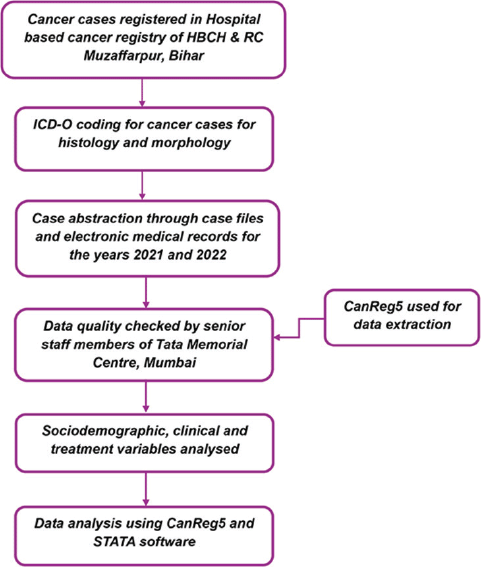
Figure 2. Graphical study methodology.
Nearly half of the patients (48.6%) were illiterate, the majority belonged to the Hindu community (84.1%) and females were predominantly housewives (40.5%), and agriculture was the most common occupation. A large proportion of patients belonged to the ≥ ₹5,000 (55.35$) monthly income category, accounting for 95.8% of the study population. Table 2 describes the sociodemographic details of the cases registered in HBCH& RC. Of the 2,878 cancer cases, 1,424 (49.4%) patients received treatment at HBCH&RC, of which, 795 (27.6%) underwent chemotherapy, 288 (10%) undertook surgery, 239 (8.3%) underwent both chemotherapy and surgery and 43 (1.5%) underwent both chemotherapy and hormone therapy in addition to surgery. Of all cancer cases, 1,432 (49.8%) did not receive any treatment, of which 342 were older cases who had previously sought treatment at HBCH&RC. Table 3 describes the type of treatment taken by cancer cases in HBCH&RC.
Distribution of cancer sites among males
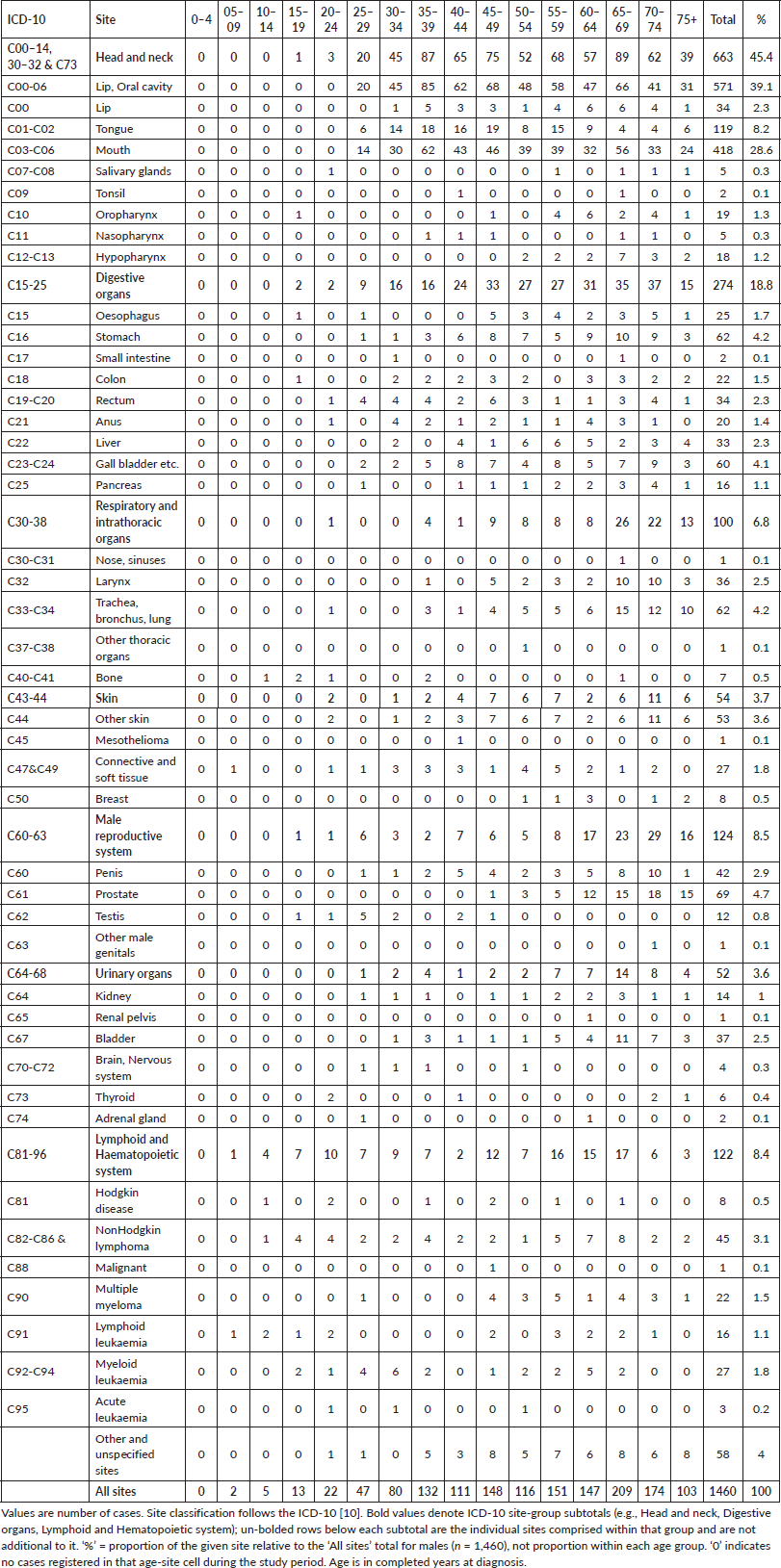
A total of 1,460 cases were registered for males. Among these, cancers of the mouth and tongue constituted the largest share, together accounting for over one-third of all male cancers: mouth cancer (419, 28.7%), tongue cancer (119, 8.2%) and prostate cancer (69, 4.7%). Stomach cancer and cancers of the trachea, bronchus and lung were reported equally, with 62 cases each (4.2%) and gall bladder cancer (GBC) (60, 4.1%). Figure 3a represents the leading sites among males registered in the years 2021–2022 in Muzaffarpur HBCR.
Oral cavity cancers (mouth and tongue): Mouth cancer peaked in the 35–39-year age group (n = 62, 14.8%; mean age: 52 years), while tongue cancer in the 45–49-year age group (n = 19, 16%; mean age: 48 years). Locoregional stage predominated for both (mouth: 67.1%; tongue: 63.9%). Common subsites included cheek mucosa (mouth: n = 210, 50.1%) and tongue border (n = 78, 65.5%). Squamous cell carcinoma, not otherwise specified (NOS), was the predominant histology (mouth: 85.7%; tongue: 89.1%), and among these, Grade II tumours were most common (mouth: 52.7%; tongue: 58.8%). Curative treatment was intended for most (mouth: 77.3%; tongue: 83.2%), with chemotherapy (mouth: 26.3%; tongue: 30.3%) and surgery (mouth: 24.8%; tongue: 21.0%) as top modalities. Treatment nonuptake at HBCH was high for both sites (mouth/tongue: 40.3%).
Prostate cancer: Incidence peaked in the 70–74-year age group (n = 18, 26.1%; mean age: 68 years), with distant metastasis in 44.9% cases at diagnosis. Adenocarcinoma NOS (44 cases; 63.8%) and acinar cell carcinoma (21 cases; 30.4%) dominated histologically. Curative intent was applied to 81.2%, primarily via hormone therapy in 13 cases (18.8%). Non-uptake reached 37 patients (53.6%).
Stomach cancer: This was most commonly observed in the 65–69-year age group, accounting for ten cases (16.1%), with a mean age at diagnosis of 57 years. At presentation, 17 cases (27.4%) were diagnosed at the locoregional stage, while 15 cases (24.2%) had distant metastasis. Stomach NOS, was the most frequently involved subsite (37 cases; 59.7%). Adenocarcinoma, NOS, was the predominant histological type (41 cases; 66.1%), with Grade II (moderately differentiated) tumours being the most common (21 cases; 33.9%). Curative intent treatment was planned for the majority of patients (45 cases; 72.6%). Chemotherapy was the most commonly administered treatment modality (22 cases; 35.5%). Notably, 30 patients (48.4%) did not receive any treatment at HBCH.
Table 1. Age distribution of cancer cases registered in Muzaffarpur HBCR (2021–2022).
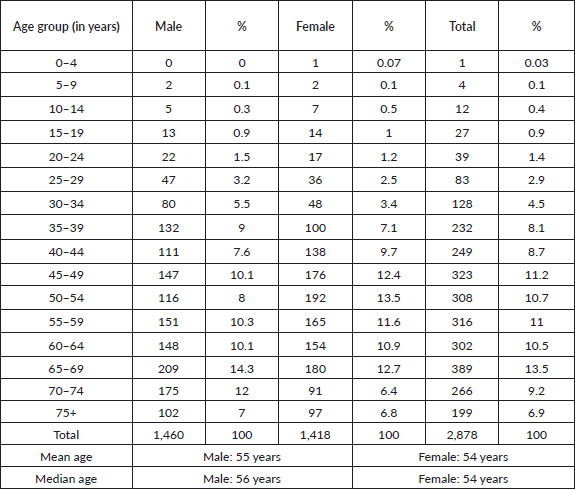
Table 2. Sociodemographic details of cancer cases registered in Muzaffarpur HBCR (2021–2022).
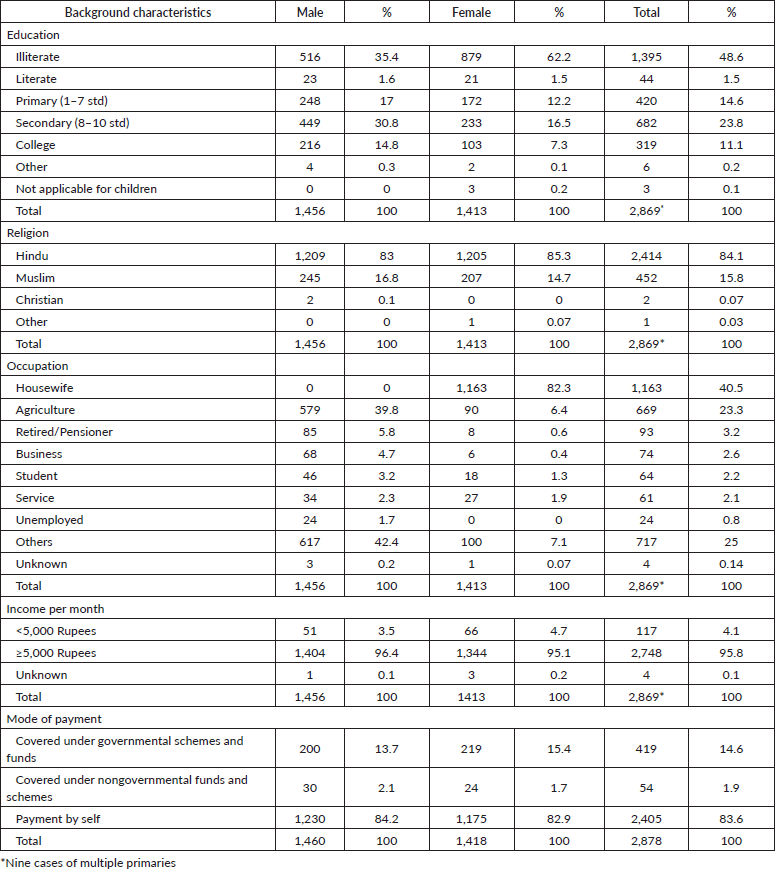
Table 3. Type of treatment taken by cancer cases in HBCH&RC.
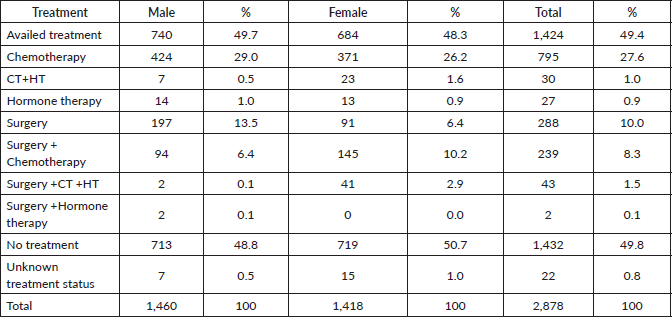
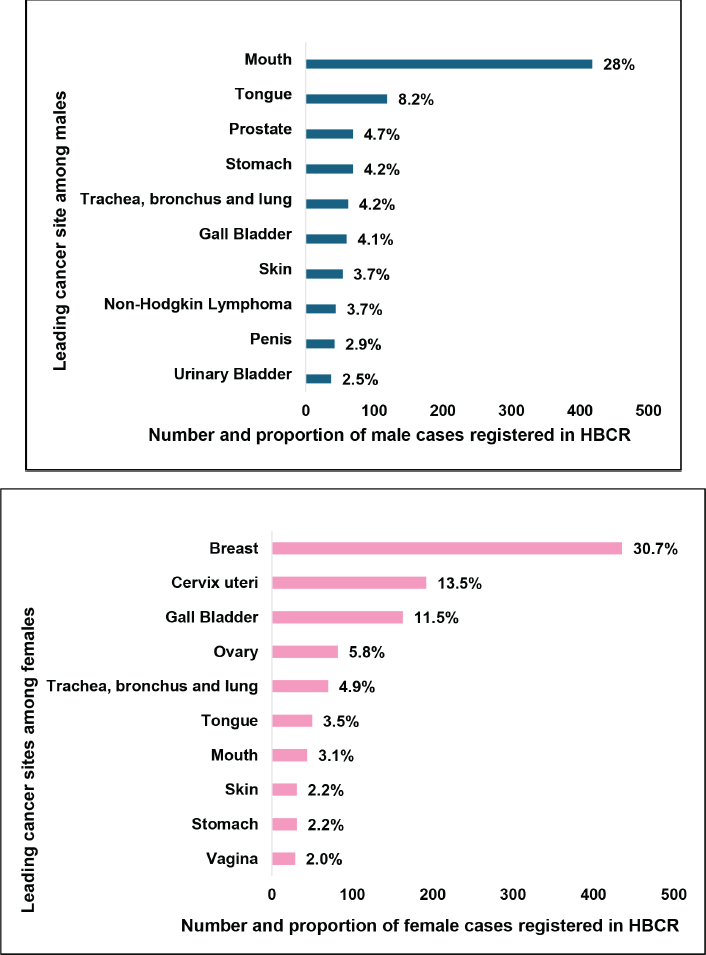
Figure 3. (a): Number and proportion of leading sites registered among males in Muzaffarpur HBCR, for the years 2021–2022. (b): Number and proportion of leading sites registered among females in Muzaffarpur HBCR, for the years 2021–2022.
Lung cancer: Peak incidence was in the 65–69-year age group (n = 15, 24.2%; mean age: 64 years), with distant metastasis in 32 cases (51.6%), lung NOS subsite was reported in 50 cases (80.7%); with adenocarcinoma NOS (15 cases; 24.2%) and squamous cell carcinoma (14 cases; 22.6%) leading; Grade III tumours comprised of 9 cases (14.5%). Curative intent reached 64.5%, driven by chemotherapy (29 cases; 46.8%). Non-uptake stood at 30 cases (48.4%).
Distribution of cancer sites among females
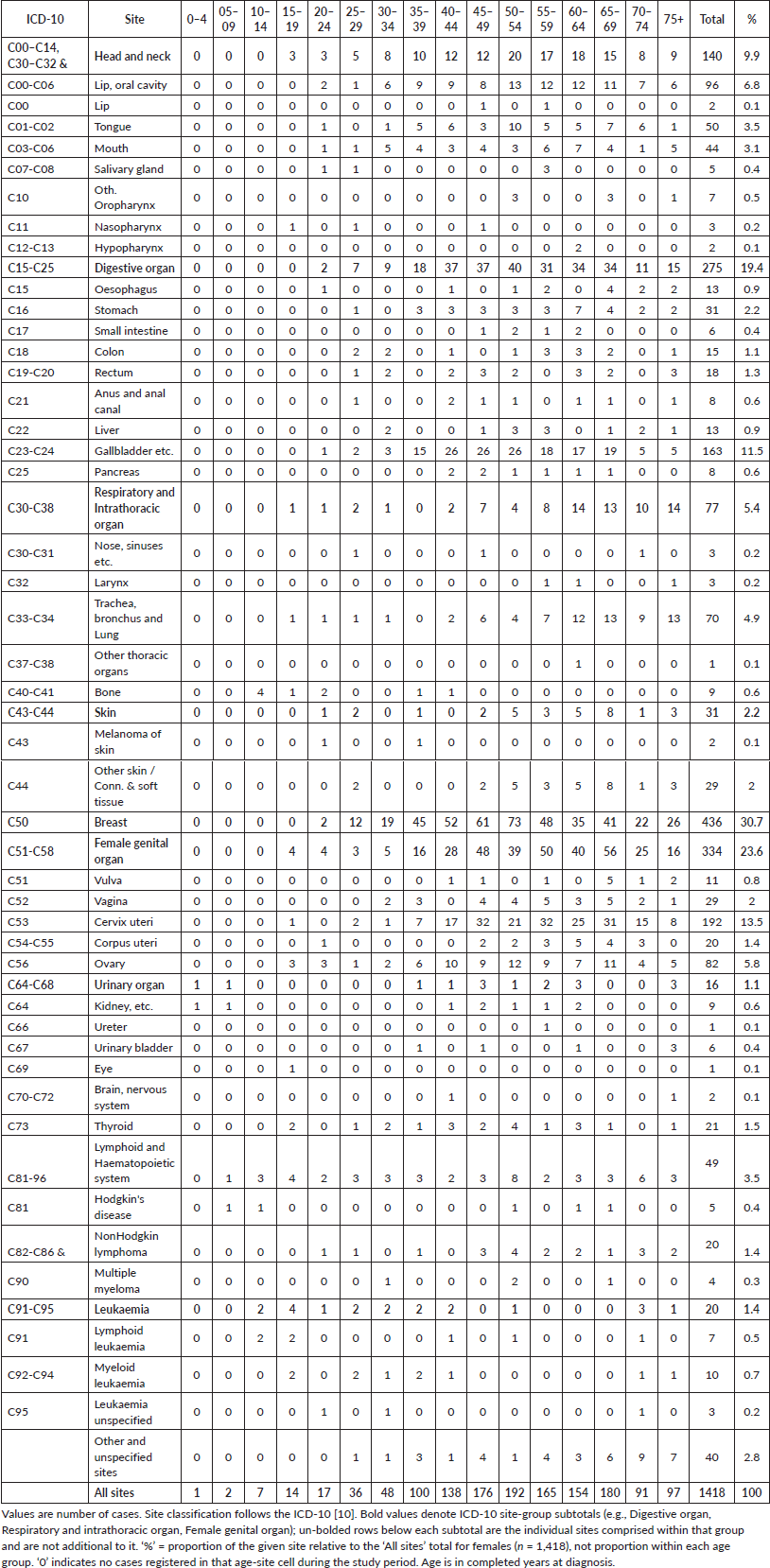
Among the 1,418 female cancer cases, breast cancer was the leading site, with 436 cases (30.7%), followed by 192 cases of cancer of the cervix uteri (13.5%). GBC accounted for 163 cases (11.5%), ovarian cancer for 82 cases (5.8%) and cancers of the trachea, bronchus and lung for 70 cases (4.9%). Figure 3b represents the leading sites among females registered in the years 2021–2022 in Muzaffarpur HBCR.
Breast cancer: Peak incidence occurred in the 50–54-year age group (n = 73, 16.7%; mean age: 52 years), with locoregional stage in 50.5%. Breast NOS subsite dominated (378 cases; 86.7%), followed by upper outer quadrant (31 cases; 7.1%). Infiltrating duct carcinoma prevailed histologically (387 cases; 88.8%), with Grade III in 198 cases (45.4%). About 15% were triple-negative (ER/PR/HER2-negative). Curative intent applied to 345 cases (79.1%). Chemotherapy alone was the most common treatment modality (102 cases; 23.4%), followed by surgery combined with chemotherapy (87 cases; 20.0%). Notably, 160 patients (36.7%) did not receive any treatment at HBCH.
Cervix uteri cancer: Cases peaked jointly in 45–49-year and 55–59-year age groups (n = 64, 33.3%; mean age: 57 years), nearly half of the patients were diagnosed at the localised stage (93 cases; 48.4%). Cervix uteri NOS subsite was reported in 183 cases (95.3%). Squamous cell carcinoma (nonkeratinising, NOS) was the predominant histological type (73 cases; 38.0%). Grade II (moderately differentiated) tumours were observed in 35 cases (18.2%). Curative intent treatment was planned for 142 cases (74.0%), and chemotherapy was administered in 28 cases (14.6%).
Ovarian cancer: The 50–54-year age group marked peak incidence (n = 12, 14.6%; mean age: 52 years), with distant metastasis in 30 cases (36.6%). Serous cystadenocarcinoma was the most common histology (36 cases; 43.9%). Grade III tumours were observed in 32 cases (39.0%). Curative treatment was planned for the majority of patients, with 65 cases (79.3%) receiving treatment with curative intent. Chemotherapy was administered in 29 cases (35.4%). A total of 25 patients (30.5%) did not receive any treatment at HBCH.
Cancers of the trachea, bronchus and lung: most commonly observed in the 65–69-year and 75+-year age group (n = 13, 18.6%; mean age: 62 years), with distant metastasis in 30 cases (42.9%), lung NOS subsite prevailed (50 cases; 71.4%), alongside adenocarcinoma NOS (17 cases; 24.3%) and Grade III (5 cases; 4.1%). Curative intent applied to 49 cases (70.0%), led by chemotherapy (27 cases; 38.6%). Non-uptake reached 38 cases (54.3%).
GBC: This was the third and sixth most common site in females and males, respectively. The incidence peaked relatively earlier in females (40–49) than males (70–74). Advanced-stage disease was common, with distant metastasis present in 69 (44.2%) females and 28 (54.9%) of males. Adenocarcinoma, NOS was the predominant histological subtype, accounting for 96 cases (61.5%) among females and 28 cases (54.9%) among males. Grade II tumours were the most common among females (42 cases; 26.9%), while Grade III tumours predominated among males (12 cases; 23.5%). Chemotherapy was the most frequently administered treatment modality, received by 67 females (42.9%) and 18 males (35.3%). Despite treatment planning, a substantial proportion of patients did not initiate treatment at HBCH&RC, including 31 males (60.8%) and approximately half of the females diagnosed with GBC.
Paediatric cancer
Paediatric cancers constituted a small proportion of the overall cancer burden at HBCH&RC, with only 17 cases (0.6%) among 2,878 registered cancers in 2021–2022. Girls accounted for a higher share of cases (58%) compared to boys (42%), and the majority of patients (70.6%) were in the 10–14 years’ age group. Most cases were newly diagnosed (82.4%) and predominantly belonged to the Hindu religion (88.2%). Over half of the paediatric cases were from Muzaffarpur district (58.8%), followed by Vaishali (11.8%), with the remainder distributed across neighbouring districts. Nearly two-thirds of children (64.7%) received treatment, with a higher treatment uptake among girls (80%) than boys (42.9%); chemotherapy was the most common treatment modality (52.9%), while 35.3% did not receive any treatment. According to International Classification of Childhood Cancer, Third Edition classification, lymphoid leukaemia and osteosarcoma were the most frequent malignancies, each accounting for 29.4% of cases, followed by Hodgkin lymphoma (17.6%).
Geriatric cancer burden
Among patients aged ≥65 years, distinct gender-specific cancer patterns were observed. In males, cancers of the tongue were most frequent (119 cases; 8.2%), followed by prostate (48 cases; 4.7%), lung (37 cases; 4.2%), stomach (22 cases; 4.2%) and gall bladder (60 cases; 4.1%). In females, breast cancer predominated (98 cases; 30%), followed by cervical cancer (71 cases; 13.5%), gall bladder (41 cases; 11%) and lung cancer (13 cases; 4.9%).
Tobacco-related cancers
Tobacco-related cancers (TRCs) accounted for a substantial proportion of the cancer burden at HBCH&RC, with 964 cases (33.5%) among the 2,878 registered cancers during the study period. A marked gender difference was observed, with over half of all male cancers being tobacco-related (767 cases; 52.5% of 1,460 males) compared to only 197 cases (13.9%) among 1,418 females. Cancers of the mouth (48.1%) and tongue (17.6%) together formed the majority of TRCs, particularly among males, where mouth cancer alone constituted 54.6% of cases. Lung cancer was another major site, accounting for 13.7% TRC burden overall, and was notably more common among females (35.7%) than males (8.1%). Other tobacco-associated sites included the lip, larynx, oesophagus, urinary tract, oropharynx and hypopharynx, each contributing smaller proportions.
Haematological malignancies
During 2021–2022, a total of 166 haematological malignancies were registered at HBCH&RC, with a clear male predominance (120 males versus 46 females). NonHodgkin lymphoma was the most common haematological cancer, accounting for 65 cases (39.2%), followed by myeloid leukaemia with 37 cases (22.3%) and multiple myeloma with 26 cases (15.7%). Lymphoid leukaemia contributed 23 cases (13.9%), while Hodgkin’s lymphoma comprised 13 cases (7.8%). Rare malignancies, such as other specified lymphomas and malignant immunoproliferative diseases together accounted for less than 2% of cases. Among males, nonHodgkin lymphoma (37.5%) and myeloid leukaemia (22.5%) were the leading diagnoses, whereas among females, nonHodgkin lymphoma (43.5%) and lymphoid leukaemia (15.2%) were more prominent. Overall, the distribution highlights the predominance of lymphomas and leukaemia among haematological malignancies treated at the centre.
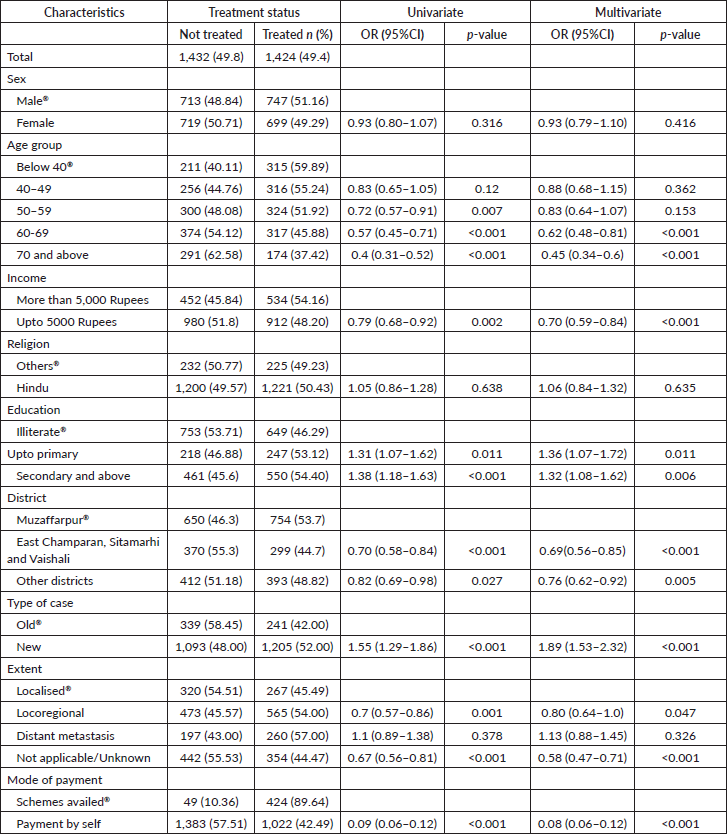
Table 4 shows the association of sociodemographic and clinical factors with treatment uptake at HBCH&RC during 2021–2022, using univariate and multivariate logistic regression analyses. Overall, 49.4% of patients received treatment. Increasing age showed a strong inverse association with treatment uptake: patients aged 60–69 years (OR 0.62; 95% CI 0.48–0.81; p < 0.001) and ≥70 years (OR 0.45; 95% CI 0.34–0.60; p < 0.001) were significantly less likely to receive treatment compared to those below 40 years. Patients with monthly income ≤₹5,000 had lower odds of treatment (OR 0.70; 95% CI 0.59–0.84; p < 0.001). Higher education was positively associated with treatment, both for primary education (OR 1.36; 95% CI 1.07–1.72; p = 0.011) and secondary or above education (OR 1.32; 95% CI 1.08–1.62; p = 0.006) compared to illiterate patients. Patients from East Champaran, Sitamarhi and Vaishali (OR 0.69; 95% CI 0.56–0.85; p < 0.001) and from other districts (OR 0.76; 95% CI 0.62–0.92; p = 0.005) had significantly lower odds of receiving treatment than those from Muzaffarpur. New cases were more likely to receive treatment than old cases (OR 1.89; 95% CI 1.53–2.32; p < 0.001). Compared to localised disease, locoregional disease showed higher treatment uptake (OR 0.80; 95% CI 0.64–1.00; p = 0.047), while distant metastasis was not significantly associated (OR 1.13; 95% CI 0.88–1.45; p = 0.326); cases with unknown or not applicable extent were significantly less likely to receive treatment (OR 0.58; 95% CI 0.47–0.71; p < 0.001). Mode of payment showed the strongest association, with self-paying patients being markedly less likely to receive treatment compared to those availing schemes (OR 0.08; 95% CI 0.06–0.12; p < 0.001).
Discussion
HBCRs are essential in understanding the pattern of cancer care and health infrastructure. This study highlights the cancer burden observed in a specialised cancer hospital in the rural district of Muzaffarpur. In settings where cancer care facilities are concentrated in the state capital, HBCH&RC played a crucial role in bridging healthcare gaps by providing state-of-the-art facilities in rural and underserved population of Bihar state. HBCH&RC operates under a subsidised service delivery model, as HBCH&RC is a unit of TMC – a grant-in-aid institute, under DAE, Government of India, with most clinical services provided at nominal cost.
Oral cancer (OC), specifically of the mouth and tongue, predominates as the leading site among males reporting in the hospital. A similar pattern was observed in HBCR of another tertiary care centre in Bihar, which reported OC as the most commonly reported malignancy, and demonstrated an increasing trend over time [12]. Comparable findings have been reported by rural HBCRs, other hospitals and PBCRs across India, indicating a high burden of OC across the nation [2, 13–16].
Prostate and lung cancers were also among the top sites, and most patients reported with advanced stages of disease; similar to the pattern reported across 96 hospitals and various PBCRs [2, 14]. The advanced presentation can be due to low awareness of disease, with early signs and symptoms often being overlooked or misinterpreted, pertaining to delayed health-care seeking behaviour, and advanced manifestation of the disease [17, 18].
Table 4. Characteristics of patients who received treatment at HBCH&RC in 2021–2022.
Among women, breast and cervical cancers were predominant; in line with the pattern observed across HBCRs and PBCRs in the country. The pattern remains similar in rural and urban HBCRs and across populations globally and in India. Breast cancer predominates owing to its, growing influence of reproductive, hormonal and lifestyle-related risk factors, while cervical cancer continues to prevail owing to persistent HPV infection, lack of awareness of screening and HPV- vaccination programs [19, 20].
In comparison with neighbouring LMICs, the Nepal HBCR documented bronchus and lung cancers as the leading sites in males, whereas breast and cervical cancers were most frequent among females [21].
GBC was among the leading malignancies for both sexes, with almost half of cases reporting at distant metastasis. A similar burden was observed in the neighbouring HBCR with GBC reporting an increasing trend, consistent with the known Gangetic plain GBC belt [22]. A spatial analysis further strengthens this association with the district nearer to river Ganga reporting significantly higher risk of GBC [23]. Population-based survival estimates of Muzaffarpur for patients diagnosed in 2018, indicated that none of the females survived after 3 years of diagnosis with GBC [7]. Early-stage disease presentation for GBC is relatively uncommon, reflecting delayed health-seeking behaviour and lack of awareness. The establishment of HBCH&RC has improved the access towards cancer diagnostics and treatment facilities for the rural population of Bihar, which shall be exhibited in future reports.
Only about half of the malignant cases received active treatment at HBCH&RC, a finding comparable with reports from other HBCRs in India, where substantial proportions of patients either do not initiate or discontinue treatment after registration [24, 25].
Sociodemographic variables affected treatment uptake as observed in our analysis. Increasing age was inversely associated with treatment uptake, with patients aged 60 years and above significantly are less likely to receive treatment. A Japanese study reported that when compared to patients aged 40 years or below, patients above 85 years did not initiate treatment [26]. Similar patterns have been reported from HBCRs and tertiary cancer centres across India, where advanced age is often associated with comorbidities, poor performance status, delayed presentation and social dependency, all of which negatively influence treatment decisions [27–29].
Socioeconomic status emerged as a major determinant of treatment uptake. Patients with lower monthly income had significantly reduced odds of receiving treatment, highlighting financial constraints as a key barrier to cancer care in India. Mode of payment showed the strongest association with treatment uptake. Patients who were self-paying were markedly less likely to receive treatment compared to those availing government or insurance-based schemes. This finding is strongly supported by studies across India, which consistently demonstrate improved treatment initiation and continuity among patients covered under government-funded health insurance schemes [30, 31]. Various studies and analyses have consistently shown that out-of-pocket expenditure and indirect costs contribute substantially to treatment noninitiation and abandonment [32, 33].
Educational status was positively associated with treatment uptake, with patients having primary/secondary and above education being more likely to receive treatment. A Brazilian study reported that women with college education (compared to illiterates) had less chance of having late-stage diagnosis (OR: 0.32; 95% CI:0.29–0.35) [34]. This observation aligns with the foundation that education improves health awareness, timely health-seeking behaviour and the ability to navigate complex cancer care pathways.
Geographic disparities were also evident, as patients residing outside Muzaffarpur district had significantly lower odds of receiving treatment. Similar findings have been documented in studies, where distance from the treating centre, travel time, accommodation issues and loss of daily wages have been identified as important contributors to poor treatment uptake, particularly among rural populations [7, 35].
Newly registered cases were more likely to receive treatment than older cases. This is consistent with observations indicating previously diagnosed patients often experience treatment discontinuation due to disease progression, prior treatment fatigue, financial exhaustion or loss to follow-up [36, 37]. With respect to the clinical extent of disease, patients with unknown or not applicable staging had significantly lower odds of receiving treatment. Incomplete diagnostic work-up and poor documentation have been repeatedly highlighted as indicators of fragmented care and missed treatment opportunities [38, 39]. The lack of a significant association between distant metastasis and treatment uptake reflects the provision of palliative or symptom-directed treatment even in advanced disease at tertiary centres [40].
The high non-treatment rate is not merely a measure of individual patient choice, but reflects compounding system-level deficiencies: absence of in-house radiotherapy during 2021–2022 (necessitating referrals that interrupt treatment continuity), the markedly inverse association of self-payment with treatment, geographical barriers with respect to the distance travelled and age-related attrition. The establishment of radiotherapy units and strengthening of cancer care infrastructure shall improve treatment continuity, reducing the proportion of patients remaining untreated.
Overall, these findings highlight persistent sociodemographic, economic and health system barriers to cancer treatment uptake. The finding signifies that government and nongovernmental scheme coverages are strong predictors of treatment completion. There is a lack of awareness regarding government schemes, leading to high out-of-pocket expenditures causing treatment abandonment [31]. Strengthening patient-navigation, improving access for patients from distant districts and targeted support for elderly and socioeconomically disadvantaged patients can increase treatment uptake and promote better clinical outcomes.
Limitations
A key limitation is the high proportion of cases with unknown disease status (45.1%), it was largely attributable to the hospital being newly established, the initial year of registry operations, lack of trained staff and incompletely functional electronic medical records system. Similar findings were reported in another rural HBCR, where incomplete documentation was observed during the initial year of operation [13]. Further, the results lack generalisability, due to the prominent referral nature of HBCH&RC. The burden at HBCH&RC reflects its role as the regional cancer centre, and accounts for approximately 50% of cases documented in Muzaffarpur PBCR. The direct comparisons between HBCR and PBCR are not epidemiologically equivalent and must be interpreted with caution.
Conclusion
This study focuses on the cancer burden in the rural cancer centre of Muzaffarpur, Bihar. It highlights the critical role of HBCR in systematically capturing cancer patterns in low-resource settings. The HBCR at HBCH&RC serves as a robust and reliable data source. The findings can be used for epidemiological studies, resource allocation and rehabilitation programs, with an emphasis on policymaking to improve treatment uptake and completion rates.
List of abbreviations
CCE, Centre for cancer epidemiology; CI, Confidence interval; DAE, Department of atomic energy; GBC, Gall bladder cancer; HBCH&RC, Homi Bhabha Cancer Hospital and Research Centre; HBCR, Hospital-based cancer registry; ICD-10, International Classification of Diseases, Tenth Revision; ICD-O-3, International Classification of Diseases for Oncology, Third Edition; LMICs, Low- and middle-income countries; NCDs, Noncommunicable diseases; NHFS-5, National Family Health Survey, Fifth Round; NOS, Not otherwise specified; OC, Oral cancer; OR, Odds ratio; PBCR, Population-based cancer registry; QC, Quality control; STATA, Statistics and data analysis software; TMC, Tata Memorial Centre.
Acknowledgements
The authors would like to acknowledge the support received from Dr Sudeep Gupta (Director, TMC), Dr Pankaj Chaturvedi (Director, ACTREC) and Dr Rajesh Dikshit (Director, CCE). We shall extend our gratitude to the Government of Bihar, Shri Krishna Medical College and Hospital and Homi Bhabha Cancer Hospital and Research Centre, Varanasi for their continuous support in functioning of Muzaffarpur HBCR.
Conflicts of interest
The authors declare no conflicts of interest.
Funding
Tata Memorial Centre (TMC), Mumbai, India.
References
1. Noncommunicable Diseases [Internet] [https://www.who.int/news-room/fact-sheets/detail/noncommunicable-diseases] Date accessed: 01/01/26
2. National Cancer Registry Programme Investigator Group (2025) Cancer incidence and mortality across 43 cancer registries in India JAMA Netw Open 8(8) e2527805 https://doi.org/10.1001/jamanetworkopen.2025.27805 PMID: 40833697 PMCID: 12368690
3. Cancer Tomorrow [Internet] [https://gco.iarc.who.int/today/] Date accessed: 28/07/25
4. Jensen OM, Parkin DM, and MacLennan R, et al (2025) Cancer Registration: Principles and Methods [Internet] [https://publications.iarc.who.int/Book-And-Report-Series/Iarc-Scientific-Publications/Cancer-Registration-Principles-And-Methods-1991] Date accessed: 28/07/25
5. Government of Bihar - Population [Internet] [https://state.bihar.gov.in/main/Content.html?links&page=Population] Date accessed: 01/01/26
6. Budukh A, Bagal S, and Pandey N, et al (2023) Cancer Incidence and Mortality in Muzaffarpur, Bihar state, India: 2018 (Mumbai: Tata Memorial Centre, TMC),[https://tmcepi.gov.in/assets/Documents/MRR_Reports/Muzaffarpur%20PBCR_2018.pdf]
7. Budukh A, Bagal S, and Gupta D, et al (2025) Cancer burden, its pattern and survival in Muzaffarpur: findings from first population-based cancer registry of Bihar state, India ecancermedicalscience 19 1972 https://doi.org/10.3332/ecancer.2025.1972 PMID: 41333360 PMCID: 12665899
8. Kolekar S, Shivshankar S, and Gupta D, et al (2023) Hospital Based Cancer Registry Report: 2021-22 (Muzaffarpur: Homi Bhabha Cancer Hospital and Research Centre, HBCH&RC)
9. District Muzaffarpur, Government of Bihar | An Official website of Muzaffarpur District | India [Internet] [https://muzaffarpur.nic.in/] Date accessed: 01/01/26
10. WHO (2013) International Classification of Diseases for Oncology (ICD-O) [Internet] (Geneva: World Health Organization) [https://iris.who.int/handle/10665/96612] Date accessed: 25/08/25
11. IACR - Check and Conversion Program [Internet] [http://www.iacr.com.fr/index.php?option=com_content&view=article&id=72:iarccrgtools&catid=68&Itemid=445] Date accessed: 14/01/25
12. Raj S, Sinha DK, and Madhawi R, et al (2024) Trends and patterns of top ten common cancers in Eastern India from 2014 to 2021: a retrospective hospital-based cancer registry data update Indian J Community Med (Off Publication Indian Assoc For Prev Soc Med) 49(5) 707–712 [https://doi.org/10.4103/ijcm.ijcm_796_23]
13. Joshi M, Gosavi N, and Zade B, et al (2024) Hospital Based Cancer Registry Report: 2020-21 (Pune: Indrayani Hospital and Cancer Institute)
14. R Clinicopathological Profile of Cancers in India: a Report of the Hospital Based Cancer Registries (2021) [https://ncdirindia.org/All_Reports/HBCR_2021/Default.aspx]
15. Babu A, Mathew RT, and Shetty R (2023) Pattern of oral cancer in India: an analysis of Hospital Based Cancer Registry data J Indian Acad Oral Med Radiol 35(4) 497 https://doi.org/10.4103/jiaomr.jiaomr_145_23
16. Patil S, More P, and Lokhande D, et al (2024) Hospital Based Cancer Registry Report 2022 (Chiplun: Bhaktashreshtha Kamlakarpant Laxman Walawalkar Hospital Diagnostic & Research Centre)
17. Rao AG, Dkhar W, and Sharath S, et al (2023) Knowledge, awareness and practice towards screening for prostate cancer: a systematic review and meta-analysis Ethiop J Health Sci 33(3) 547–554 [https://doi.org/10.4314/ejhs.v33i3.19] PMID: 37576174 PMCID: 10416328
18. Cassim S, Chepulis L, and Keenan R, et al (2019) Patient and carer perceived barriers to early presentation and diagnosis of lung cancer: a systematic review BMC Cancer 19(1) 25 https://doi.org/10.1186/s12885-018-5169-9 PMID: 30621616 PMCID: 6323678
19. Vijayakumar S, Ramamoorthy T, and George AD, et al (2026) Understanding female breast cancer risk in the Indian population: evidence from a systematic review and meta-analysis Cancer Epidemiol 100 102979 https://doi.org/10.1016/j.canep.2025.102979
20. Bowden SJ, Doulgeraki T, and Bouras E, et al (2023) Risk factors for human papillomavirus infection, cervical intraepithelial neoplasia and cervical cancer: an umbrella review and follow-up Mendelian randomisation studies BMC Med 21(1) 274 https://doi.org/10.1186/s12916-023-02965-w PMID: 37501128 PMCID: 10375747
21. Poudel KK, Huang Z, and Neupane PR, et al (2010) Hospital-based cancer incidence in Nepal from 2010 to 2013 Nepal J Epidemiol 7(1) 659–665 https://doi.org/10.3126/nje.v7i1.17759
22. Pandey A, Raj S, and Madhawi R, et al (2019) Cancer trends in Eastern India: retrospective hospital-based cancer registry data analysis South Asian J Cancer 8(4) 215–217 https://doi.org/10.4103/sajc.sajc_321_18 PMID: 31807479 PMCID: 6852642
23. Madhawi R, Pandey A, and Raj S, et al (2018) Geographical pattern of carcinoma gallbladder in Bihar and its association with river Ganges and arsenic levels: retrospective individual consecutive patient data from Regional Cancer Centre South Asian J Cancer 7(3) 167–170 https://doi.org/10.4103/sajc.sajc_37_18 PMID: 30112331 PMCID: 6069329
24. Budukh AM, Chaudhary D, and Sancheti S, et al (2021) Determinants of completion of cancer directed treatment: an experience from a rural cancer centre, Sangrur, Punjab state, India ecancermedicalscience 15 1313 https://doi.org/10.3332/ecancer.2021.1313
25. Halder P, Dixit J, and Gupta N, et al (2025) Access to timely cancer treatment initiation in India: extent, determinants and trends Lancet Regional Health Southeast Asia 32 100514 https://doi.org/10.1016/j.lansea.2024.100514 PMID: 39802701 PMCID: 11722993
26. Okuyama A and Higashi T (2018) Patterns of cancer treatment in different age groups in Japan: an analysis of hospital-based cancer registry data, 2012–2015 Jpn J Clin Oncol 48(5) 417–425 https://doi.org/10.1093/jjco/hyy032 PMID: 29590399
27. Mahani A (2025) Cancer in the elderly in India: challenges, attitudes, and strategies for improvement Ann Geriatr Educ Med Sci 11(2) 58–60 [https://doi.org/10.18231/j.agems.2024.013]
28. Sankarapillai J, Krishnan S, and Ramamoorthy T, et al (2023) Epidemiology of cancers among older adults in India: findings from the National Cancer Registry Programme Public Health 223 230–239 https://doi.org/10.1016/j.puhe.2023.08.002 PMID: 37683494
29. Noronha V, Pillai A, and Mittal K, et al (2025) Need and uptake of geriatric assessment-guided interventions in older Indian patients with cancer: a cross-sectional analytical study J Geriatr Oncol 16(7) 102331 https://doi.org/10.1016/j.jgo.2025.102331 PMID: 40769074
30. Goyanka R, Yadav J, and Sharma P (2023) Financial burden and coping strategies for cancer care in India Clin Epidemiol Glob Health 20 101259 https://doi.org/10.1016/j.cegh.2023.101259
31. Gore S, Mhamane S, and Jadhav S, et al (2025) Implementation challenges of government-funded health schemes for cancer treatment at Tata Memorial Centre J Cancer Policy 43 100564 https://doi.org/10.1016/j.jcpo.2025.100564
32. Dinesh TA, Nair P, and Abhijath V, et al (2020) Economics of cancer care: a community-based cross-sectional study in Kerala, India South Asian J Cancer 9(1) 7–12 https://doi.org/10.4103/sajc.sajc_382_18 PMCID: 6956579
33. Prinja S, Dixit J, and Gupta N, et al (2023) Financial toxicity of cancer treatment in India: towards closing the cancer care gap Front Public Health 11 https://doi.org/10.3389/fpubh.2023.1065737
34. Renna Junior NL and Silva GAE (2018) Late-stage diagnosis of breast cancer in Brazil: analysis of data from hospital-based cancer registries (2000–2012) Rev Bras Ginecol E Obstetrícia RBGO Gynecol Obstet 40(3) 127–136 https://doi.org/10.1055/s-0038-1624580
35. Ambroggi M, Biasini C, and Del Giovane C, et al (2015) Distance as a barrier to cancer diagnosis and treatment: review of the literature Oncologist 20(12) 1378–1385 https://doi.org/10.1634/theoncologist.2015-0110
36. Basu A, Sheet S, and Palui I (2026) Assessing cancer-related fatigue in survivors undergoing diverse treatments: a prospective cohort study J Clin Diagn Res https://doi.org/10.7860/JCDR/2026/81475.22440
37. Khanna D, Sharma P, and Budukh A, et al (2024) Rural-urban disparity in cancer burden and care: findings from an Indian cancer registry BMC Cancer 24 308 https://doi.org/10.1186/s12885-024-12041-y PMID: 38448839 PMCID: 10916062
38. Jumhour H (2026) Delayed diagnosis in outpatient care: a systematic review of documentation fragmentation as a hidden driver of diagnostic error Cureus 18(2) e102990 PMID: 41657870 PMCID: 12880841
39. Abernethy AP, Herndon JE, and Wheeler JL, et al (2009) Poor documentation prevents adequate assessment of quality metrics in colorectal cancer J Oncol Pract 5(4) 167–174 https://doi.org/10.1200/JOP.0942003 PMID: 20856630 PMCID: 2795422
40. Deo SVS, Kumar N, and Rajendra VKJ, et al (2021) Palliative surgery for advanced cancer: clinical profile, spectrum of surgery and outcomes from a tertiary care cancer centre in low-middle-income country Indian J Palliat Care 27(2) 281–285 https://doi.org/10.25259/IJPC_399_20 PMID: 34511797 PMCID: 8428898
Supplementary Tables
Supplementary Table 1. Age group and site wise distribution of cancer cases: 2021–2022 (Males). % = relative proportion of cancers of all sites (denominator = 1,460).
Supplementary Table 2. Age group and site wise distribution of cancer cases: 2021–2022 (Females). % = relative proportion of cancers of all sites (denominator = 1,418).