Supporting oncology professionals through education
The content on this site is intended for healthcare professionals only
The content on this site is intended for healthcare professionals only
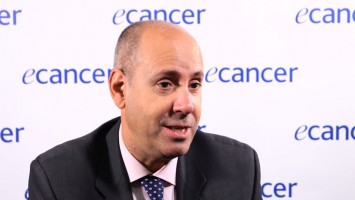
Dr Daniel Rea talks to ecancer at the 2013 NCRI Cancer Conference in Liverpool about the aTTom study.
In patients with early breast cancer, tamoxifen was given for 5 years after surgery for ER-positive early breast cancer. This reduced recurrence and breast cancer mortality and was more effective than treatment for shorter durations. It has been uncertain what advantage there may be to extending tamoxifen treatment to 10 years.
aTTom confirmed findings of the complementary International ATLAS study that, continuing tamoxifen to year 10 rather than just to year 5 produces further reductions in recurrence and breast cancer deaths. The proportional reduction in recurrence was unaffected by age or nodal status. Benefits from continuing tamoxifen treatment beyond year 5 emerge only after 7 years from start of treatment for recurrence and 10 years for mortality.