A nationwide survey on current clinical practices for diagnosis and treatment of patients with BRAF-mutated melanoma and BRAF-mutated colorectal cancer in Argentina
Verónica Soledad Vilchez1, Sebastián Gorbik Fornerón1, José Biurrun Manresa2,3 and Belén Moglia1,2
1Center for Nuclear and Molecular Medicine of Entre Ríos (CEMENER), Oro Verde, Entre Ríos E3100XAD, Argentina
2Faculty of Engineering, National University of Entre Ríos (UNER), Oro Verde, Entre Ríos E3100XAD, Argentina
3Institute for Research and Development in Bioengineering and Bioinformatics (IBB), National Scientific and Technical Research Council (CONICET), National University of Entre Ríos (UNER), Oro Verde, Entre Ríos E3100XAD, Argentina
Abstract
Background: v-Raf murine sarcoma viral oncogene homolog B1 (BRAF) mutation occurs in approximately 50% of cutaneous melanoma and in 10% of patients with colorectal cancer (CRC). BRAF testing is recommended as good clinical practice, since it is critical for decision-making regarding adjuvants and treatment selection. In Argentina, there is a considerable knowledge gap with respect to how often BRAF testing is indicated, the delay between the time points at which the test is ordered and the results are received, how much external factors influence this delay, and how diagnosis, treatment and follow-up of melanoma and CRC are affected. Thus, the aim of this project was to provide insight into current clinical practices for diagnosis and treatment of patients with melanoma and CRC in Argentina.
Methods: A nationwide digital survey directed at clinical oncologists in private and public institutions across the country.
Results: Twenty-five percent of the oncologists answered the survey (115/462), from 16 out of 24 provinces. Over 95% of oncologists consider the test as standard of care, but there are considerable delays in the time to obtain the results depending on the jurisdictions, which significantly affect decision-making in diagnosis, treatment and follow-up.
Conclusion: BRAF testing is considered useful for the diagnosis and treatment of melanoma and CRC. The survey results highlight the need to optimise available resources to ensure quality care.
Keywords: epidemiology, B-Raf proto-oncogene, melanoma, colorectal cancer, public health
Correspondence to: Belén Moglia
Email: belen.moglia@cemener.org.ar
Published: 18/08/2026
Received: 27/11/2025
Publication costs for this article were supported by ecancer (UK Charity number 1176307).
Copyright: © the authors; licensee ecancermedicalscience. This is an Open Access article distributed under the terms of the Creative Commons Attribution License (http://creativecommons.org/licenses/by/4.0), which permits unrestricted use, distribution, and reproduction in any medium, provided the original work is properly cited.
Introduction
Melanoma and colorectal cancer (CRC) are leading causes of cancer-related deaths around the world, and their incidence is increasing. Both types of cancer have some of the highest mutation rates among all solid tumours [1, 30]. Specific oncogenes are involved in these mutations, leading to alterations in cell cycle regulation, proliferation and apoptosis [37]. In particular, v-Raf murine sarcoma viral oncogene homolog B1 (BRAF) mutation occurs in approximately 50% of cutaneous melanoma [28] and in 10% of patients with CRC [21], commonly due to the V600E substitution. BRAF mutations are frequently associated with poor prognosis and reduced response to treatment [15]. The identification and characterisation of BRAF mutations led to the development of highly specific drugs that substantially improved survival in patients with melanoma [4]. Unfortunately, similar clinical responses were not observed in BRAF-mutated CRC, proposing a distinct mechanism of carcinogenesis, which will require new therapeutic agents to improve outcomes in these patients [5, 8].
Melanoma is a tumour that presents epidemiological rates different from any other tumour. The annual increase in incidence rates varies between 3% and 7% in different Caucasian countries. Thus, it is estimated that every 10 to 20 years the incidence doubles, being for these reasons one of the malignant tumours that has increased the most in the white population. In Latin America, the incidence varies throughout the region with a relatively low incidence of 1% to 5% [26]. This finding may be related to the scarce systematic collection of data in the region, in addition to large differences in ethnicities throughout the territory. However, mortality is high in this subcontinent due to this pathology, a fact that could be associated with the low socioeconomic resources in most of the countries of the region [36, 39].
With regard to CRC, it is the third leading diagnosis and the fourth most common cause of cancer-related deaths worldwide [34]. The main risk factors for CRC are poor diet, lack of exercise and tobacco and alcohol consumption, among others [9]. Whereas the incidence of CRC in developed countries has stabilised or declined in the past five decades, countries transitioning to higher levels of human development (such as those in Central and South America) have seen an increase in the incidence of CRC [6]. Here, it is estimated that CRC explains almost 80,000 new cancer cases and 44,000 cancer deaths per year, and it is expected to increase by almost 80% by 2030. However, these estimations rely on high-quality cancer incidence and mortality data, which are still lacking in the region.
Argentina is a large and heterogeneous country with 46 million people, and it has remarkable socioeconomic and cultural differences among its population. In Argentina, available cancer data are scarce and incomplete, and it often comes from external sources, making it difficult to analyse local issues. With respect to melanoma, it is known that the risk could be related in part to skin colour, which is genetically determined. The composition of the Argentinian population is a mixture of European descendants, native peoples and African immigrants in smaller proportions [19]. A case-control study conducted in Argentina shows that individuals with European grandparents have a similar risk of melanoma as those living in southern Europe. However, those with Argentinean grandparents have a lower risk of melanoma, which could be related to a darker skin tone [20].
On the other hand, CRC caused 6,816 deaths in Argentina in 2010, 11.7% of all deaths from malignant tumours, ranking second only to lung cancer. More than 90% of CRC occur in people over 50 years of age, so the increase in life expectancy and the decrease in the birth rate observed in the country, with the consequent aging of the population, will generate an increase in the population vulnerable to this disease in the coming decades. Argentina has implemented a national CRC prevention and early detection program to reduce incidence and mortality, but it should be complemented with further actions to improve the diagnosis, treatment and follow-up of the disease in all its stages.
In Argentina, the costs of BRAF mutation testing are completely covered by the pharmaceutical industry, which is centralised in Buenos Aires. Additionally, Argentina’s vast territory presents a challenge for the efficient management of BRAF testing. Since testing is concentrated in a single geographic location, turnaround times for obtaining results may vary depending on the province from which the request originates. In this context, there is a considerable knowledge gap with respect to how often testing is indicated by clinical oncologists, what is the delay between the time points at which the test is ordered, and the results are received, how much do external factors (such as geographical distance to the testing laboratory) influence this delay and how diagnosis, treatment and follow-up of melanoma and CRC cancer are consequently affected. Within this framework, the aim of this work was to describe current clinical practices for diagnosis and treatment of patients with BRAF-mutated melanoma and BRAF-mutated CRC in Argentina.
Materials and methods
Participants
The survey was directed to clinical oncologists in Argentina. It was intended to have a nationwide outreach, so we aimed to obtain responses from all 24 jurisdictions, i.e., the 23 provinces and the Autonomous City of Buenos Aires (CABA).
Survey design
This descriptive study was designed to collect information about the current clinical practices for diagnosis and treatment of patients with BRAF-mutated melanoma and BRAF-mutated CRC in Argentina. The survey was elaborated by the clinical oncologist in our research group (V.V.). Before implementing the survey, we conducted a pilot test involving two oncologists, with the aim of checking the clarity and usability of the questionnaire. Respondents were interviewed after completing the survey to get their opinions about the questions and the web interface where the survey was implemented.
The survey consisted of four sections: 1. Referred to oncologists (“Zip code of the city where you work regularly,” “Do you work in private or public institutions or both?” “How many people do you have on your staff?” and “Number of patients per day”); 2. Referred to BRAF testing in melanoma (“How many melanoma patients do you see per month?” “How many BRAF tests do you perform per month?” “Do you consider BRAF a SOC (Standard of Care) test in your clinical practice?” “Do you make decisions based on BRAF result in melanoma?” and “At what point in time do you perform BRAF testing?”); 3. Referred to BRAF testing in CRC (the same questions as in the previous section but referring to the CRC) and 4. Referred to the BRAF test ordering procedure (“Does the execution of the test change depending on the workplace?” “Who completes the administrative questions?” “Do you agree with the following statement: ‘The current procedure for ordering the BRAF test is satisfactory’?” “How long is the average time between ordering the test and sample pick-up?” and “How long is the time between the exam request and the result on average?”). The survey was sent to 462 oncologists nationwide via email and telephone, and the goal was to have at least five responses from each province. The survey was resent 3 and 6 weeks after the first contact to those oncologists who had not responded the first time.
Survey implementation
Study data were collected and managed using Research Electronic Data Capture (REDCap) electronic data capture tools hosted at the National University of Entre Ríos [16, 17]. REDCap is a secure, web-based software platform designed to support data capture for research studies, providing an intuitive interface for validated data capture; audit trails for tracking data manipulation and export procedures; automated export procedures for seamless data downloads to common statistical packages; and procedures for data integration and interoperability with external sources. Furthermore, REDCap also provides tools to ensure the anonymity of the responders.
Data analysis and statistics
Descriptive statistics were performed to summarise the data. Postal codes were used to discriminate physicians by jurisdiction. Missing data were not imputed.
Results
Response rate and demographic data
The survey was sent to 462 clinical oncologists: 31.0% (143/462) accessed the survey, 24.9% (115/462) completed only the first section, 23.6% (109/462) completed up to the second section, 22.5% (104/462) completed up to the third section and 22.1% (102/462) completed all sections of the survey. Table 1 shows the distribution of responses by province, with 115 responses obtained in 16 of the 24 jurisdictions.
Of the 115 completed surveys, it can be observed that 70.4% (81/115) worked with a team of more than three people, 21.7% (25/115) worked with two or three people and 7.9% (9/115) worked alone (Figure 1, left). Team members (n = 99, seven persons did not answer this question) were asked who completed the administrative tasks for the test order: 74.7% (74/99) answered that they completed them themselves, 19.2% (19/99) answered that the tasks were completed by administrative staff and 6.1% (6/99) answered that the questions were completed by resident physicians (Figure 1, right).
With regard to the workplace-related questions, 12.9% (13/115) of the physicians worked only in the public sector, 38.6% (47/115) worked only in the private sector and 48.5% (55/115) worked in both sectors (Figure 2, left). Those working in both sectors (n = 51, four people did not answer this question)
were asked if the execution of the test changed according to the place of work: 84.3% (43/51) answered that it did not, whereas 15.7% (8/51) answered that it did (Figure 2, right).
The median number of patients seen per day was 20. In relation to the diseases treated (n = 104, nine did not complete the section), 6.7% (7/104) reported treating only CRC, 3.8% (4/104) reported treating only melanoma and 89.9% (93/104) reported treating both diseases. The median number of patients seen per month was 3 and 10 for melanoma and CRC, respectively. The median value of BRAF tests ordered per month for melanoma was 1 and for CRC 3 (the ratio of patients seen to the number of BRAF tests ordered is similar).
Table 1. Distribution of responses by jurisdiction.
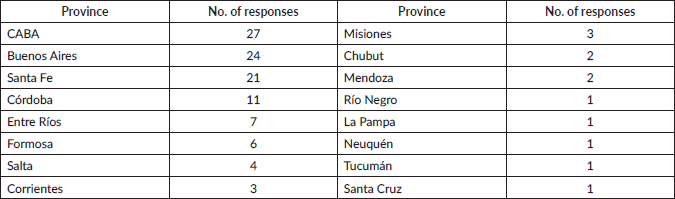
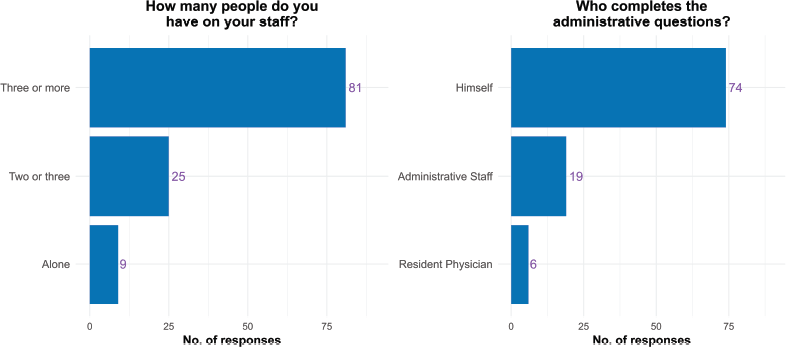
Figure 1. Staff. Left: Number of people on staff. Right: Person responsible for completing administrative questions.
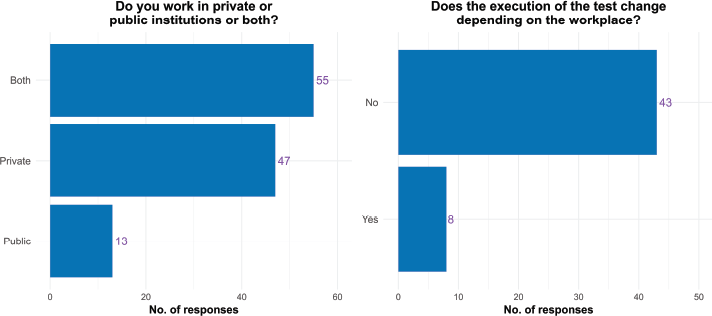
Figure 2. Workplace. Left: Institutions where physicians work. Right: Changes in text execution depending on workplace.
BRAF-test-related answers
In melanoma, 97.2% (106/109) of respondents and in CRC 94.2% (98/104) of respondents considered BRAF a standard of care (SOC) test. Of those who consider BRAF a SOC test, 1.9% (2/106) in melanoma and 8.16% (8/98) in CRC do not make decisions based on the test result. Regarding the timing of BRAF testing in melanoma, of the 95 physicians who responded to the question, 26.3% (25/95) perform it at initial histologic diagnosis regardless of stage, 33.7% (32/95) perform it at initial radiologic confirmation of advanced/metastatic disease prior to first-line treatment (1L) and 40.0% (38/95) test at diagnosis of stage 2C or greater (Figure 3, left). In CRC, of the 95 physicians who responded to the question 1.1% (1/95) do not perform the test or perform it only in clinical trials, 2.2% (2/95) perform the test in the follow-up progress of the standard 1L treatment, 22.1% (21/95) perform it at initial histologic diagnosis regardless of stage and 74.7% (71/95) perform it at initial radiologic confirmation of advanced/metastatic disease prior to first-line treatment (1L) (Figure 3, right). Of the 95 physicians who completed the CRC section, 77.9% (74/95) use tumour tissue to perform the BRAF test, and 22.1% (21/95) use both blood and tumour tissue. None of the respondents use only blood to perform the test.
The last section of the survey asked how much they agreed with the current process for ordering BRAF test (n = 102): 5.90% (6/102) reported a strong disagreement, 10.8% (11/102) reported disagreement, 11.8% (12/102) provided a neutral answer, 56.9% (58/102) reported agreement and 14.7% (15/102) reported a strong agreement (Figure 4).
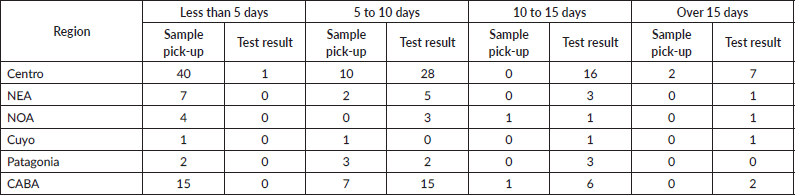
Table 2 shows the sample withdrawal times and BRAF test results for each region of the country: Centro (Buenos Aires, Córdoba, Entre Ríos y Santa Fe), NEA (Chaco, Corrientes, Formosa and Misiones), NOA (Catamarca, Jujuy, Salta, Santiago del Estero and Tucumán), Cuyo (La Rioja, Mendoza, San Juan and San Luis) and Patagonia (Chubut, La Pampa, Neuquén, Río Negro, Santa Cruz and Tierra del Fuego, Antártida e Islas del Atlántico Sur). The results from the CABA were separated from the Central region due to the proximity to the laboratory that processes BRAF samples, which is located in this city. It can be observed in Table 2 (n = 96) that the sample pick-up occurs in 95.8% (92/96) before 10 days in all regions. However, the BRAF results are provided within 5 days in 1.0% (1/96) of the cases, between 5 and 10 days in 55.2% (53/96) of the cases, between 10 and 15 days in 30.2% (29/96) and in more than 15 days in 2.1% (2/96) of the cases.
Discussion
The aim of the present work was to bridge the knowledge gap with respect to how often BRAF testing is indicated by clinical oncologists, the delay between the time points at which the test is ordered and the results are received, how much external factors influence this delay and how diagnosis, treatment and follow-up of melanoma and CRC cancer are affected. A full database of clinical oncologist contacts covering the entire country does not exist; nonetheless, we obtained responses from 16 of the 24 jurisdictions. The information collected in the survey was analysed quantitatively, and we obtained descriptive results that provide an overview of the current situation of clinical practices in Argentina. We surveyed 462 clinical oncologists from an estimated total population of approximately 1,000 professionals across the country. From these, we obtained 115 partial responses and 102 full responses. We were not able to get responses from at least five oncologists from Salta, Corrientes, Misiones, Chubut, Mendoza, Río Negro, La Pampa, Neuquén, Tucumán and Santa Cruz. In these jurisdictions, there are fewer hospitals, and the number of oncologists dedicated to treating melanoma and/or CRC is consequently lower.
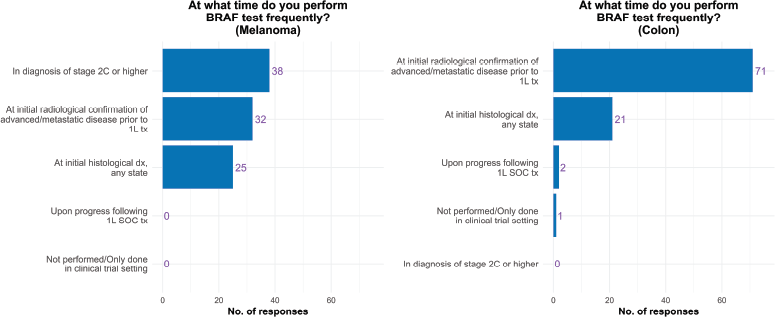
Figure 3. BRAF timing. Left: Time point at which BRAF testing is performed in melanoma. Right: Time point at which BRAF testing is performed in CRC.
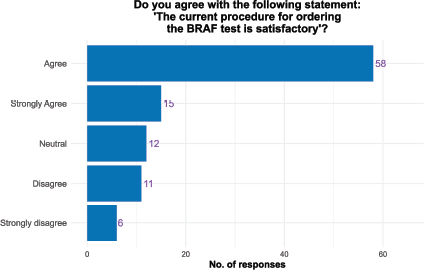
Figure 4. Satisfaction with the BRAF procedure. Level of satisfaction for the BRAF testing procedure.
Table 2. BRAF test processing times, distributed by region.
Based on the results obtained, we observe that the response rate to the survey is adequate and in line with our predictions of 20%–25% [27]. The response rate is in line with other oncology surveys in Latin America [14] but lower compared to other regions of the world [24]. Nonetheless, the absolute number of responses compared to the total population of oncologists in the country was very high. We attempted to follow some of the recommendations included in previous studies to increase the response rate, such as monetary incentives and a survey design that was easy to access and quick to fill out. However, other more impactful measures, such as follow-up phone calls, could not be implemented due to privacy concerns, and this impacted the final response rate [22]. Interestingly, physicians in cities with higher volume of patients and specialised centres answered in greater proportion than more distant cities.
With regard to the type of practice, we observed that about 75% of all surveyed professionals work in teams of more than three people, which shows a tendency towards multidisciplinary and/or teamwork [33]. A very interesting fact is that about half (48.5%) of the surveyed professionals work in both the public and private sectors, and 15.7% answered that there are differences in test implementation depending on the setting in which they work. The specific reasons for these differences were not directly evaluated in the survey; nonetheless, based on the open comments received after the survey and the knowledge of the organisational functioning of oncological institutions in Argentina, we hypothesise that this disparity reflects differences in administrative processes, logistical coordination, availability of pathological samples and human resources between public and private institutions [13, 23, 31, 32]. In particular, public institutions may rely more on individual physician initiatives than on standardised institutional circuits.
Furthermore, and going into BRAF testing in particular, we were able to observe that the professionals surveyed are clear about the usefulness of the BRAF test and most of them take it as part of their practice and for making therapeutic decisions, a fact that is not minor considering the advances in new therapies and their benefits [18]. Most physicians use tumour tissue to perform the BRAF test in CRC, although around on fifth of the sample reported using both blood and tumour tissue. In this regard, liquid biopsy from blood samples (as opposed to the traditional solid tissue biopsy) is a useful tool for early diagnosis, screening, treatment monitoring and prognosis prediction of CRC [38]. However, its use in Argentina is still limited by important aspects such as the appropriate indications for its use, limitations of the technique (particularly its sensitivity), reporting of variants, interpretation of results, cost-benefit ratio and coverage in health plans [2]. With regard to melanoma, the use of liquid biopsies is still in the research stage, showing particular promise in continuous monitoring of treatment response and disease relapse [35].
In the case of melanoma, the timing of BRAF testing is crucial, as its results directly influence treatment selection. While 66% of oncologists request the test at the time of the initial histological diagnosis, 40% do so at stage 2C or higher, aligning with current recommendations. On the other hand, the 26% who request it from the outset for any stage may be delaying the decision on the most appropriate treatment. However, this does not necessarily mean that oncologists in these cases do not initiate the corresponding treatment while awaiting the results to adjust their therapeutic approach. Among oncologists working independently, there is a lower tendency to request testing at stage 2C or higher, opting more frequently for other alternatives. This difference could be attributed to reduced interaction and discussion of clinical cases compared to multidisciplinary teams, where the exchange of ideas and continuous updates are encouraged. This, in turn, fosters greater confidence in requesting more complex tests. In the case of BRAF testing in CRC, the two most commonly used options align with expectations, as they do not alter the initial therapeutic approach. However, 22% of surveyed oncologists prefer to request the BRAF test at the time of histological diagnosis, suggesting that they use it not only as a diagnostic tool but also as a prognostic indicator of tumour aggressiveness. This approach allows for better long-term treatment planning.
Regarding the delay in obtaining test results, it is greater the further away from the capital of the country. This may correspond to multiple factors, which should be evaluated in future studies to overcome these difficulties and achieve equity of access throughout the country. Our findings support the need for a national biomarker testing program in Argentina in particular and Latin America in general [7, 29], following the example of similar successful programs in other countries [10–12]. This program should be oriented towards standardising molecular testing requests, improving administrative workflows and reducing geographic inequities in access to precision oncology. Furthermore, it could include the development of regional referral centres in large urban conglomerates (such as Córdoba, Rosario and Mendoza) to decentralise testing logistics and improve turnaround times, especially for patients located far from Buenos Aires.
On the other hand, the survey also revealed that, while the vast majority of oncologists (92%) work in collaboration with other professionals, a significant proportion (75%) devote time to administrative tasks related to test requests, such as completing forms and following up on results. One of the key findings of the survey is that workload overload is a significant issue for oncologists. Many of them see an average of 20 patients per day, work across multiple healthcare centres and additionally take on administrative duties, such as managing the BRAF test. This situation makes it challenging to proactively track test results, which can lead to delays in diagnosis and, consequently, postpone the initiation of timely treatments. In some cases, this overload even affects test selection, which may vary depending on the patient’s care setting. From experience in clinical practice, delays in obtaining results can lead, in some cases, to the initiation of standard treatments (such as cytotoxic chemotherapy) before the complete molecular profile is available, with eventual subsequent adjustment to targeted therapies when results are available. Whereas our study was not designed to directly assess whether delays in obtaining BRAF test results actually modified treatment decisions or clinical outcomes, it has been previously shown that long turnaround times could delay access to targeted therapies in patients with advanced disease [3, 25], which merits future prospective evaluations.
Conclusion
We completed the development and implementation of a comprehensive survey to evaluate current clinical practices in the diagnosis and treatment of patients with BRAF-mutated melanoma and BRAF-mutated CRC. BRAF testing is considered useful for the diagnosis and treatment of melanoma and CRC. The survey results highlight the need to optimise available resources to ensure quality care.
Acknowledgments
We thank Dr. Marta Bader and Dr. Aldo Riso, who assisted us during the pilot phase of the survey.
Conflicts of interest
The authors declare that the research was conducted in the absence of any commercial or financial relationships that could be construed as a potential conflicts of interest.
Funding
This work was supported by a Pfizer Global Medical Grant (Grant No. 72134623).
Patient consent for publication
Not applicable.
Ethical approval
As this is a survey of professional practice and no confidential patient data was collected, ethical approval was not required from the local ethics committee.
Availability of data and materials
Data and materials are available upon request to the corresponding author.
Author contributions
Conceived and designed the analysis: Moglia B, Vilchez V, Biurrun Manresa J.
Collected the data: Gorbik Fornerón S.
Contributed data or analysis tools: Gorbik Fornerón S, Biurrun Manresa J.
Performed the analysis: Gorbik Fornerón S, Biurrun Manresa J.
Wrote the paper: Moglia B, Vilchez V, Gorbik Fornerón S, Biurrun Manresa J.
References
1. Akbani R, Akdemir KC, and Aksoy BA, et al (2015) Genomic classification of cutaneous melanoma Cell 161 1681–1696 https://doi.org/10.1016/j.cell.2015.05.044
2. Alonso VA and Mendeluk GR (2025) Determinación de BRAF V600E Por Biopsia Líquida en Oncología De Precisión Adv Lab Med Av En Med Lab 6 306–313
3. Arteaga DP, Saeed-Kamil Z, and King I, et al (2022) Turnaround times in melanoma BRAF testing and the impact on the initiation of systemic therapy at a single tertiary care cancer center JCO Oncol Pract 18 e642–e647 https://doi.org/10.1200/OP.21.00810
4. Ascierto PA, Dummer R, and Gogas HJ, et al (2020) Update on tolerability and overall survival in COLUMBUS: landmark analysis of a randomised phase 3 trial of encorafenib plus binimetinib vs vemurafenib or encorafenib in patients with BRAF V600–mutant melanoma Eur J Cancer 126 33–44 https://doi.org/10.1016/j.ejca.2019.11.016 PMID: 31901705
5. Bernabe-Ramirez C, Patel R, and Chahal J, et al (2020) Treatment options in BRAF-mutant metastatic colorectal cancer Anticancer Drugs 31 545–557 https://doi.org/10.1097/CAD.0000000000000940 PMID: 32304411
6. Bishehsari F (2014) Epidemiological transition of colorectal cancer in developing countries: environmental factors, molecular pathways, and opportunities for prevention World J Gastroenterol 20 6055 https://doi.org/10.3748/wjg.v20.i20.6055 PMID: 24876728 PMCID: 4033445
7. Bravo-Garzón MA, Bornstein-Quevedo L, and Camargo VPD, et al (2024) BRAF-mutated melanoma journey in Latin America: expert recommendations from diagnosis to treatment Cancer Control 31 10732748241251572 https://doi.org/10.1177/10732748241251572 PMID: 38751033 PMCID: 11100406
8. Caputo F, Santini C, and Bardasi C, et al (2019) BRAF-mutated colorectal cancer: clinical and molecular insights Int J Mol Sci 20 5369 https://doi.org/10.3390/ijms20215369 PMID: 31661924 PMCID: 6861966
9. Cogliano VJ, Baan R, and Straif K, et al (2011) Preventable exposures associated with human cancers JNCI J Natl Cancer Inst 103 1827–1839 https://doi.org/10.1093/jnci/djr483 PMID: 22158127 PMCID: 3243677
10. Dall G, Harris K, and Chan N, et al (2024) Equitable access to genomic molecular testing for Australian cancer patients: insights from the Victorian Precision Oncology Summit Curr Oncol 31 4519–4530 https://doi.org/10.3390/curroncol31080337 PMID: 39195320 PMCID: 11352575
11. Duggan MA, Anderson WF, and Altekruse S, et al (2016) The surveillance, epidemiology, and end results (SEER) program and pathology: toward strengthening the critical relationship Am J Surg Pathol 40 e94–e102 https://doi.org/10.1097/PAS.0000000000000749 PMID: 27740970 PMCID: 5106320
12. Emile JF, Tisserand J, and Bergougnoux L, et al (2013) Improvement of the quality of BRAF testing in melanomas with nationwide external quality assessment, for the BRAF EQA group BMC Cancer 13 472 https://doi.org/10.1186/1471-2407-13-472 PMID: 24119386 PMCID: 3852250
13. Eraso Y (2019) Factors influencing oncologists’ prescribing hormonal therapy in women with breast cancer: a qualitative study in Córdoba, Argentina Int J Equity Health 18 35 https://doi.org/10.1186/s12939-019-0936-z
14. Gómez HL, Pinto JA, and Castañeda C, et al (2015) Current barriers for developing clinical research in Latin America: a cross-sectional survey of medical oncologists Clin Res Trials 1 https://doi.org/10.15761/CRT.1000108
15. Grothey A, Fakih M, and Tabernero J (2021) Management of BRAF-mutant metastatic colorectal cancer: a review of treatment options and evidence-based guidelines Ann Oncol 32 959–967 https://doi.org/10.1016/j.annonc.2021.03.206 PMID: 33836264
16. Harris PA, Taylor R, and Minor BL, et al (2019) The REDCap consortium: building an international community of software platform partners J Biomed Inf 95 103208 https://doi.org/10.1016/j.jbi.2019.103208
17. Harris PA, Taylor R, and Thielke R, et al (2009) Research electronic data capture (REDCap)—a metadata-driven methodology and workflow process for providing translational research informatics support J Biomed Inf 42 377–381 https://doi.org/10.1016/j.jbi.2008.08.010
18. Imani S, Roozitalab G, and Emadi M, et al (2024) The evolution of BRAF-targeted therapies in melanoma: overcoming hurdles and unleashing novel strategies Front Oncol 14 1504142 https://doi.org/10.3389/fonc.2024.1504142 PMID: 39582535 PMCID: 11582033
19. Loria D, González A, and Latorre C (2010) Cutaneous melanoma epidemiology in Argentina: analysis from the Argentine Cutaneous Melanoma Registry Dermatol Argent 16 39–45
20. Loria D and Matos E (2001) Risk factors for cutaneous melanoma: a case-control study in Argentina Int J Dermatol 40 108–114 https://doi.org/10.1046/j.1365-4362.2001.01132.x PMID: 11328391
21. Luu LJ and J Price T (2019) BRAF mutation and its importance in colorectal cancer Advances in the Molecular Understanding of Colorectal Cancer (Rijeka: IntechOpen) pp 1–18 https://doi.org/10.5772/intechopen.82571
22. Martins Y, Lederman RI, and Lowenstein CL, et al (2012) Increasing response rates from physicians in oncology research: a structured literature review and data from a recent physician survey Br J Cancer 106 1021–1026 https://doi.org/10.1038/bjc.2012.28 PMID: 22374464 PMCID: 3304407
23. Mela Osorio MJ, Pavlovsky C, and Pavlovsky MA (2023) Inequalities in access to treatment in Argentina: differences in management of CLL and multiple myeloma? Semin Hematol 60 209–214 https://doi.org/10.1053/j.seminhematol.2023.07.001
24. Meyer VM, Benjamens S, and Moumni ME, et al (2022) Global overview of response rates in patient and health care professional surveys in surgery: a systematic review Ann Surg 275 e75–e81 https://doi.org/10.1097/SLA.0000000000004078
25. Mistry K, Jeffrey P, and Levell NJ, et al (2025) A national cohort study of melanoma BRAF status, testing patterns, patient and tumour characteristics, treatment and survival in England from 2016 to 2021 Br J Dermatol 193 1146–1154 https://doi.org/10.1093/bjd/ljaf351 PMID: 40902091 PMCID: 12626136
26. Nikolaou V and Stratigos AJ (2014) Emerging trends in the epidemiology of melanoma Br J Dermatol 170 11–19 https://doi.org/10.1111/bjd.12492
27. Parekh AD, Bates JE, and Amdur RJ (2020) Response rate and nonresponse bias in oncology survey studies Am J Clin Oncol 43 229–230 https://doi.org/10.1097/COC.0000000000000665 PMID: 31972569
28. Patel H, Yacoub N, and Mishra R, et al (2020) Current advances in the treatment of BRAF-mutant melanoma Cancers 12 482 https://doi.org/10.3390/cancers12020482 PMID: 32092958 PMCID: 7072236
29. Peixoto RD, Chakhtoura JJA, and Garcia-Rivello H, et al (2022) BRAF testing in melanoma and colorectal cancer in Latin America: challenges and opportunities Cureus https://doi.org/10.7759/cureus.31972
30. Potocki PM, Wójcik P, and Chmura Ł, et al (2023) Clinical characterization of targetable mutations (BRAF V600E and KRAS G12C) in advanced colorectal cancer—a nation-wide study Int J Mol Sci 24 9073 https://doi.org/10.3390/ijms24109073
31. Rabadán A, Hernandez D, and Vazquez N, et al (2017) Assessment of accessibility to the diagnosis and treatment of brain tumors in Argentina: preliminary results Surg Neurol Int 8 118 https://doi.org/10.4103/sni.sni_497_16 PMID: 28680737 PMCID: 5482164
32. Recondo G, Cosacow C, and Cutuli HJ, et al (2019) Access of patients with breast and lung cancer to chemotherapy treatment in public and private hospitals in the city of Buenos Aires Int J Qual Health Care 31 682–690 https://doi.org/10.1093/intqhc/mzz047 PMID: 31125084
33. Selby P, Popescu R, and Lawler M, et al (2019) The value and future developments of multidisciplinary team cancer care Am Soc Clin Oncol Educ Book 332–340 https://doi.org/10.1200/EDBK_236857 PMID: 31099640
34. Sierra MS and Forman D (2016) Burden of colorectal cancer in Central and South America Cancer Epidemiol 44 S74–S81 https://doi.org/10.1016/j.canep.2016.03.010 PMID: 27678325
35. Slusher N, Jones N, and Nonaka T (2024) Liquid biopsy for diagnostic and prognostic evaluation of melanoma Front Cell Dev Biol 12 1420360 https://doi.org/10.3389/fcell.2024.1420360 PMID: 39156972 PMCID: 11327088
36. Sortino-Rachou AM, Curado MP, and Cancela MC (2011) Cutaneous melanoma in Latin America: a population-based descriptive study Cad Saúde Pública 27 565–572 https://doi.org/10.1590/S0102-311X2011000300016
37. Tanda ET, Vanni I, and Boutros A, et al (2020) Current state of target treatment in BRAF mutated melanoma Front Mol Biosci 7 https://doi.org/10.3389/fmolb.2020.00154
38. Tao XY, Li QQ, and Zeng Y (2024) Clinical application of liquid biopsy in colorectal cancer: detection, prediction, and treatment monitoring Mol Cancer 23 145 https://doi.org/10.1186/s12943-024-02063-2 PMID: 39014366 PMCID: 11250976
39. De Vries E, Sierra M, and Piñeros M, et al (2016) The burden of cutaneous melanoma and status of preventive measures in Central and South America Cancer Epidemiol 44 S100–S109 https://doi.org/10.1016/j.canep.2016.02.005 PMID: 27034057