Oral cancer burden and mortality in India: a GLOBOCAN 2022 analysis with regional comparison
Delfin Lovelina Francis1a and Saravanan Sampoornam Pape Reddy2b
1Department of Public Health Dentistry, Saveetha Dental College & Hospitals, Saveetha University, Saveetha Institute of Medical and Technical Sciences (SIMATS), Chennai, Tamil Nadu 600077, India
2Department of Periodontology, Army Dental Centre (Research & Referral), Delhi 110010, India
a https://orcid.org/0000-0002-3355-1322
b https://orcid.org/0000-0003-1391-6125
Abstract
Background: India bears a disproportionate burden of oral cancer globally. We aimed to provide an updated epidemiological assessment of oral cancer incidence, mortality and prevalence in India using GLOBOCAN 2022 data, contextualised within the WHO South-East Asia Region (SEARO).
Methods: A descriptive cross-sectional analysis was done using GLOBOCAN 2022 data from the International Agency for Research on Cancer. India was compared with other SEARO countries and temporal trends (1992–2017) were analysed using cancer in five continents data and Indian National Cancer Registry Programme data. Age-standardised rates (ASRs) were calculated per 100,000 population using the World Standard Population and 5-year prevalence and cumulative lifetime risk before age 75 were estimated.
Results: In 2022, India reported 143,759 new oral cancer cases (10.2% of all cancers) with an ASR of 10.1 per 100,000 population. Males accounted for 75% of cases (ASR: 15.6 versus 5.0 per 100,000 in females). India recorded 79,979 deaths (8.7% of all cancer deaths) with mortality ASR of 6.4 per 100,000. The cumulative lifetime risk was 1.1%. India accounted for 81% of SEARO’s oral cancer burden despite representing 68% of the population. India’s incidence rates were 33% higher than the regional average (10.1 versus 7.5 per 100,000). Long-term trends (1992–2017) showed stabilising ASRs but increasing absolute numbers due to population growth. Tobacco and areca nut use account for approximately 70%–80% of cases.
Conclusion: India has the highest oral cancer incidence globally, with persistent age and gender disparities. The disproportionate burden relative to population size reflects entrenched behavioural risk factors and systemic gaps in prevention, screening and treatment. Urgent priorities include enhanced tobacco control legislation, targeted risk-based screening expansion and leveraging digital health innovations to reduce oral cancer morbidity and mortality.
Keywords: oral cancer, India, SEARO, mortality
Correspondence to: Delfin Lovelina Francis
Email: delfin_lovelina@yahoo.co.in
Published: 09/07/2026
Received: 01/12/2025
Publication costs for this article were supported by ecancer (UK Charity number 1176307).
Copyright: © the authors; licensee ecancermedicalscience. This is an Open Access article distributed under the terms of the Creative Commons Attribution License (http://creativecommons.org/licenses/by/4.0), which permits unrestricted use, distribution, and reproduction in any medium, provided the original work is properly cited.
Introduction
Globally, oral cancer, which encompasses malignant neoplasms of the lip, oral cavity and oropharynx, ranks the sixth most common cancer, with an estimated 380,000 new cases and 178,000 deaths annually [1]. Low-income and middle-income countries bear a disproportionate amount of the burden, with India being the most severely impacted [2]. This discrepancy results from widespread consumption patterns of tobacco and areca nuts that are ingrained in Indian subcontinental culture [3].
The oral cancer epidemiology in India presents a unique public health challenge. Incidence and mortality rates continuously surpass the global averages, even with ongoing tobacco control efforts and cancer prevention programs [4]. In 2022, the country recorded about 143,759 new cases of oral cancer, which accounted for 10.2% of all incident cancers [5]. It ranks the second most common among men and women, after prostate cancer and breast cancer, respectively. India has a significantly higher cumulative lifetime risk of 1.1% for oral cancer before the age of 75 than the regional average [6]. The epidemic of oral cancer in India is primarily caused by a variety of tobacco use patterns and widespread use of both smokeless tobacco products (gutkha, khaini and betel quid with tobacco) and combustible tobacco products (bidis, cigarettes) [7]. According to the Global Adult Tobacco Survey 2016–17, about 28% of Indian adults smoke, with state-level prevalence rising to 40% in high-burden areas [8]. It is concerning that high prevalence also affects traditionally lower-risk groups, such as rural women and adolescents [9]. Tobacco users are at least six times more likely to develop oral cancer than non-users, according to extensive Indian case-control and cohort studies [10]. Through synergistic mechanisms, the concurrent use of areca nut products, which are frequently combined with tobacco in traditional preparations, further increases the carcinogenic potential [11].
The prevalence of oral cancer in India varies significantly by region and is impacted by socioeconomic, medical and cultural factors. There is a strong correlation between higher tobacco and areca nut consumption patterns and high-incidence clusters in northeastern states, Uttar Pradesh, West Bengal and Andhra Pradesh [12]. Because of ingrained cultural customs, insufficient tobacco control enforcement and restricted access to early detection and treatment services, marginalised populations, especially those living in rural and tribal areas, are disproportionately at risk [13]. More than half of oral cancer cases present at advanced stages (III or IV), with 5-year survival rates below 50%, according to population-based cancer registries [14]. Significant economic repercussions result from the high out-of-pocket costs, which, even in national health insurance systems, cause financial hardship [15].
The potential of oral cancer screening to lower mortality is strongly supported by data from meta-analyses and randomised controlled trials. Oral cancer screening has shown potential to reduce mortality in high-risk populations, particularly when based on visual examination by trained health workers. However, screening coverage at the population level remains limited, and implementation challenges persist in referral pathways, programme quality and integration within primary healthcare systems [16]. Less than 15% of high-risk adults have ever been screened, indicating that population-level screening coverage is still insufficient [17]. Poor integration of oral cancer awareness within primary healthcare systems, insufficient referral pathways and uneven screening program quality are some of the obstacles [18].
Emerging epidemiological trends include increased smokeless tobacco use, lifestyle modifications and urbanisation effects. Flavoured, commercially packaged smokeless tobacco products marketed to women and teenagers have contributed to early initiation of use and consumption more of them, which is in line with the rising prevalence among those under 50 [19, 20]. Services for cancer screening, diagnosis and treatment were further disrupted throughout healthcare systems by the COVID-19 pandemic [21]. Although digital health interventions, including telemedicine, mobile health messaging and artificial intelligence-assisted lesion detection, show promise, these remain in early pilot phases requiring scale-up and evaluation [22].
In stark contrast to neighbouring countries like Bangladesh, Myanmar and Nepal, which report significantly lower incidence and cumulative risks, India accounts for over 80% of regional oral cancer cases and deaths despite making up roughly 68% of the South-East Asia Region (SEARO) population [23–25]. While offering insights for larger Southeast Asian contexts, this sharp regional disparity highlights the need for evidence-based cancer control strategies tailored to India [26]. There are still gaps in nationally representative epidemiological data that include recent GLOBOCAN estimates and thorough regional comparisons, despite prior research. This study aims to address these gaps by providing a detailed epidemiological profile of oral cancer in India using GLOBOCAN 2022 data, contextualising findings within regional trends and deriving actionable insights for tobacco control, screening and prevention strategies.
Methods
Study design and setting
A descriptive cross-sectional epidemiological study was conducted to assess oral cancer burden in India and the WHO SEARO for 2022. Oral cancer was defined as malignant neoplasms of the lip and oral cavity classified under International Classification of Diseases, 10th revision (ICD-10) codes C00–C06. The analysis encompassed incidence, mortality, prevalence and cumulative risk estimates, with temporal trend analysis of age-standardised rates (ASRs) from 1992 to 2017.
Data sources
Primary data were obtained from the Global Cancer Observatory (GLOBOCAN 2022) database maintained by the International Agency for Research on Cancer [27]. GLOBOCAN provides modelled estimates of cancer incidence, mortality and 5-year prevalence for 185 countries using standardised methodologies combining population-based cancer registry data, mortality data and population data. For temporal trend analysis (1992–2017), data from the Cancer in Five Continents (CI5plus) database were used, which compiles high-quality population-based cancer registry data worldwide [28]. This was supplemented with National Cancer Registry Programme (NCRP) data from India to enhance representativeness for subnational and sex-specific analyses [29]. Population denominators were derived from United Nations Population Division mid-year 2022 estimates for standardisation purposes [30].
Case definition and eligibility
All primary malignant neoplasms of the lip and oral cavity (ICD-10 codes C00–C06) across all age groups and both sexes were included. Secondary malignancies, benign lesions and carcinomas in situ were excluded to maintain consistency with GLOBOCAN methodology.
Outcome measures
Primary outcomes included:
-
Incident oral cancer cases and age-standardised incidence rates (ASIR) per 100,000 population.
-
Oral cancer deaths and age-standardised mortality rates (ASMR) per 100,000 population.
-
5-year prevalence of oral cancer survivors.
-
Cumulative lifetime risk of developing or dying from oral cancer before age 75.
Secondary outcomes comprised annual ASR values for incidence and mortality by sex for temporal trend analysis and proportional contributions to overall cancer burden.
Statistical analysis
Data management and analysis were performed using R software (version 4.3.0). ASIR and ASMR were calculated using direct standardisation with the 1966 World Standard Population to enable cross-population and temporal comparability [31]. Separate ASRs for males, females and combined populations were estimated.
Proportions of oral cancer cases and deaths relative to all cancers nationally and regionally were calculated. For temporal trend analysis, join point regression was used to identify significant trend changes, reporting annual percent change and average annual percent change (AAPC) [32]. The regional burden was expressed through proportional analysis, risk ratios and excess case calculations. Literature-derived population attributable fractions were applied for tobacco and areca nut use to estimate preventable case fractions [33–35].
Quality assurance
Cross-validation of key epidemiological metrics was performed across GLOBOCAN, CI5plus, NCRP registries and peer-reviewed literature to ensure data consistency. Modelling assumptions, including incidence-mortality ratios and prevalence estimation methods, documenting limitations related to registry coverage and estimation methodologies were reviewed.
Results
National oral cancer burden in India, 2022
India recorded 143,759 new lip and oral cavity cancer cases in 2022, constituting 10.2% of all incident cancers nationally (Table 1). The overall ASIR was 10.1 per 100,000 population, with males disproportionately affected (107,812 cases [75%] versus 35,947 females [25%]). Among male cancers, oral cancer represented 15.6% of cases compared with 5.0% among females. The cumulative lifetime risk of developing oral cancer before age 75 was 1.1%. Mortality was substantial, with 79,979 deaths recorded, representing 8.7% of all cancer fatalities. The ASMR was 6.4 per 100,000, with higher rates in males (9.8 per 100,000) than females (3.2 per 100,000). Five-year prevalence data revealed 370,106 survivors, indicating significant ongoing healthcare needs.
Regional comparison: India versus SEARO
India contributed disproportionately to the regional burden, accounting for 81.1% of incident cases (143,759/177,258), 81.0% of deaths (79,979/98,735) and 81.1% of 5-year prevalent cases (370,106/456,270) within SEARO, despite comprising 68.3% of the regional population. India’s ASIR was 33% higher than the SEARO average (10.1 versus 7.5 per 100,000), its ASMR was 42% higher (6.4 versus 4.5 per 100,000) and its cumulative lifetime risk was 18% higher (1.1% versus 0.93%) (Table 2, Figure 1).
Temporal trends (1992–2017)
Long-term trend analysis revealed that ASIRs were relatively stable to moderately declining for males and stable for females (Figure 2). Population growth and demographic shifts caused a significant increase in absolute case numbers despite stable ASRs. While female ASIR rates stayed constant (AAPC: −0.2%, 95% CI −0.7 to +0.3), male ASIRs displayed a moderate declining trend (AAPC: −0.8%, 95% CI −1.2 to −0.4). Compared to regional peers, overall mortality rates remain high, but after 2,000, mortality trends showed moderate declines, particularly among females (AAPC: −1.4%, 95% CI −2.1 to −0.7). Over the course of the observation period, India’s ASRs continuously outperformed those of its neighbouring SEARO nations (Figure 3).
Demographic and geographic patterns
The male-to-female incidence ratio was approximately 3:1, driven by differential tobacco and areca nut exposure patterns. Emerging evidence indicates increasing incidence among adults aged under 50 years, particularly in high-burden states including Uttar Pradesh (ASR: 12.8 per 100,000), West Bengal (ASR: 11.4 per 100,000) and Andhra Pradesh (ASR: 13.2 per 100,000).
Rural populations exhibited higher age-adjusted incidence rates compared with urban areas (11.8 versus 8.9 per 100,000), with marginalised populations including Scheduled Castes, Scheduled Tribes and socioeconomically disadvantaged groups bearing a disproportionate burden compounded by late-stage diagnosis and limited healthcare access.
Population attributable risk
Based on established risk estimates, approximately 70%–80% of oral cancer cases in India are attributable to tobacco and areca nut consumption [33]. This translates to an estimated 100,000–115,000 preventable incident cases and 56,000–64,000 preventable deaths annually with effective risk factor modification strategies.
Table 1. Oral cancer burden in India, 2022.
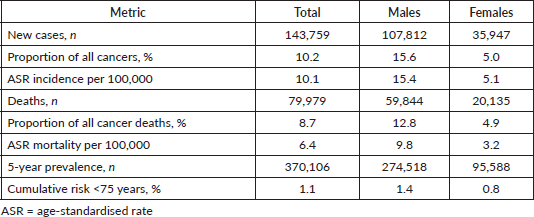
Table 2. Regional comparison of oral cancer burden, 2022.
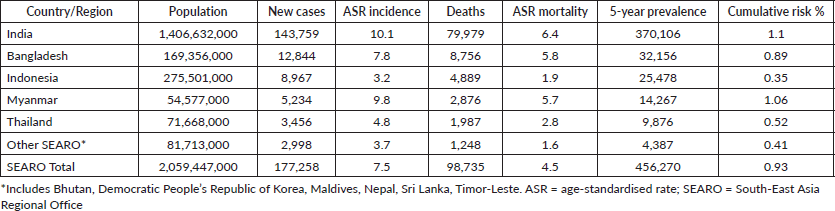
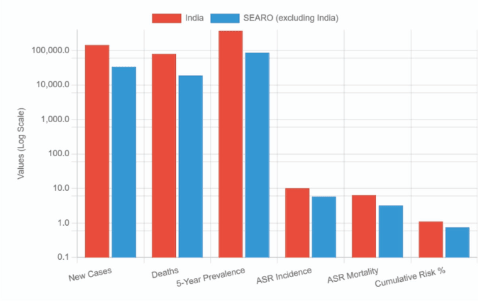
Figure 1. Oral cancer burden India versus SEARO (2022).
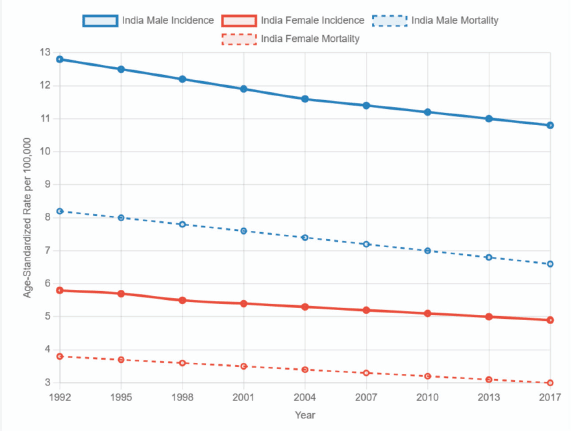
Figure 2. Temporal trends in age-standardised rates (1992–2017).
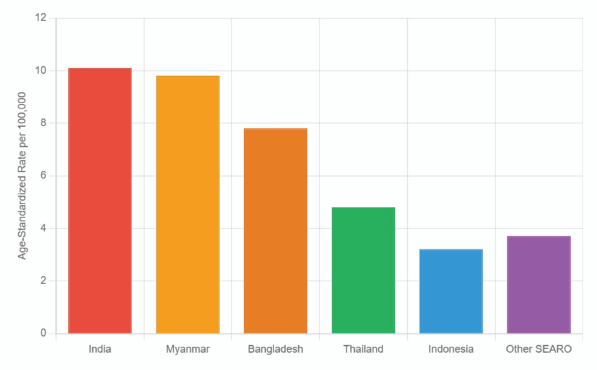
Figure 3. Regional comparison of ASIRs across SEARO countries.
Discussion
This comprehensive analysis using GLOBOCAN 2022 data confirms India as the epicentre of the global oral cancer epidemic. More than 80% of incident cases, fatalities and survivors in South-East Asia occur in India, despite the making up 68% of the population. The ASIR of 10.1 per 100,000 is 33% higher than the regional average, and the cumulative lifetime risk is 18% higher than the regional levels. These findings highlight the significant excess risk brought on by high population-level exposures and insufficient protective measures.
Epidemiological context
The persistent male predominance (75% of cases) with a 3:1 male-to-female ratio reflects long-standing tobacco use patterns, though concerning trends toward increased female and youth tobacco consumption require monitoring [19]. The rise in younger-onset disease (under 50 years of age) is associated with the availability of commercially marketed, flavour-infused smokeless tobacco products targeted at previously lower-risk groups [36].
The availability of areca nuts and smokeless tobacco, unequal tobacco control enforcement, the cultural acceptance of carcinogenic substances and a lack of proper healthcare infrastructure for early detection and treatment are some of the many factors that contribute to India’s disproportionate burden when compared to its neighbours [37, 38].
Comparison with global literature
Our findings offer revised estimates that are consistent with previous epidemiological assessments while accounting for recent demographic changes [39]. In comparison to the absolute burden, which is increasing as a result of aging and population growth, age-standardised rates have stabilised. High-income nations, where organised screening programs and tobacco control measures have produced long-term incidence reductions, exhibit a different pattern [40].
The mortality-to-incidence ratio of 0.56 indicates poor survival outcomes compared with developed nations, reflecting late-stage presentation, inadequate treatment infrastructure and socioeconomic barriers to care access. Population-based registry data consistently demonstrate that over 60% of cases present at advanced stages, significantly limiting treatment options and survival prospects [41].
Public health implications
The identification of a substantial preventable burden (70%–80%) attributable to tobacco and areca nut) emphasises primary prevention potential through enhanced tobacco control measures. Successful models from other high-burden countries suggest that comprehensive approaches combining taxation, marketing restrictions, cessation support and law enforcement can achieve significant incidence reductions [42, 43].
Secondary prevention through organised screening programmes offers important mortality reduction potential. Foundational evidence comes from the landmark Kerala cluster-randomised trial, which demonstrated a 26% reduction in oral cancer mortality among high-risk individuals screened by trained health workers [16]. However, the translation of screening evidence into routine public health practice remains incomplete, with low coverage, variable quality and weak referral continuity continuing to limit programme effectiveness in real-world settings [44]. But the current screening coverage is still insufficient, underscoring the pressing need for program expansion and quality control.
Healthcare system implications and programmatic gaps
Despite the substantial burden identified, healthcare system capacity remains insufficient to deliver effective prevention, early detection and timely treatment services. Screening coverage among high-risk populations remains low, reflecting challenges in programme implementation, workforce preparedness, referral linkage and continuity of care. The mortality-to-incidence ratio of 0.56 further suggests suboptimal survival outcomes, consistent with delayed diagnosis and uneven treatment access. These findings indicate that India’s oral cancer burden is not only a function of risk exposure, but also of persistent health-system limitations in screening, diagnosis, treatment and follow-up care.
Healthcare system strengthening
A thorough survivorship care plan that includes long-term follow-up care, psychosocial support and rehabilitation services is required due to the sizeable survivor population (370,106 5-year prevalent cases) [45]. For patients in advanced stages, who make up the majority of presentations, palliative care services must be integrated into primary healthcare systems [46]. Targeted interventions addressing the structural determinants of health inequality are necessary to address geographic and socioeconomic disparities. Cultural factors, healthcare access limitations and economic constraints are just a few of the obstacles marginalised populations must overcome, necessitating community-based, culturally relevant intervention strategies [47, 48].
Technological innovation
In environments with limited resources, emerging digital health technologies such as telemedicine platforms, mobile health interventions and artificial intelligence-assisted screening present promising opportunities to increase screening reach and diagnostic accuracy [21, 22]. To realize potential benefits, however, thorough assessment and long-term implementation plans are needed.
Policy recommendations
Priority policy interventions include: enhanced tobacco taxation and marketing restrictions, particularly targeting flavoured products; mandatory pictorial health warnings on all tobacco products; strengthened enforcement of existing tobacco control legislation; expansion of tobacco cessation services within healthcare systems; and implementation of organised, quality-assured oral cancer screening programmes targeting high-risk populations [49].
Healthcare system strengthening requires increased investment in cancer treatment infrastructure, healthcare workforce training and health information systems. Integration of oral cancer awareness and screening within existing public health programmes can achieve synergistic benefits while optimising resource utilisation [44].
Study limitations
Several limitations should be acknowledged. GLOBOCAN estimates rely partially on modelling from available registry data, with potential under ascertainment in underserved regions [27]. Temporal comparability may be affected by changes in registry coverage, diagnostic practices and reporting standards over time. Population attributable fractions for tobacco and areca nut are derived from literature estimates rather than individual-level exposure data within GLOBOCAN. Limited subnational data restricts detailed geographic and socioeconomic analysis capabilities.
Future research priorities
Priority research areas include: expansion of population-based cancer registries for improved surveillance; prospective studies of tobacco and areca nut cessation interventions, particularly among youth and marginalised populations; implementation science evaluations of screening programme scale-up strategies; health economic assessments of prevention and treatment interventions; and technology-enabled intervention development and evaluation [50].
Conclusion
India faces a severe oral cancer epidemic, which is mostly caused by systemic healthcare gaps and modifiable risk factors. The disproportionate burden draws attention to subpar treatment results, insufficient screening and poor prevention. The findings emphasise urgent needs for: comprehensive tobacco and areca nut control legislation with robust enforcement mechanisms; systematic expansion of quality-assured screening programmes targeting high-risk populations; healthcare infrastructure strengthening with focus on early detection and treatment capabilities; integration of survivorship care within health systems; and continued surveillance through enhanced cancer registry networks. To reduce this avoidable burden and accomplish significant, long-term advancements in oral cancer prevention and control, sustained political commitment, resource allocation and coordinated multisectoral action are essential.
Conflicts of interest
The authors declare that there are no financial and non-financial conflicts of interest in this manuscript preparation.
Funding
No external funding/grant was available for the conduct of this original research.
Ethical approval
The study was conducted in accordance with the Declaration of Helsinki.
Patient consent
Not applicable.
Permission to reproduce material from other sources
GLOBOCAN 2022 data, which is publicly available, is used.
Clinical trial number
Not applicable.
Author contributions
-
Delfin Lovelina Francis to conception, design, data acquisition and interpretation, drafted and critically revised the manuscript.
-
Saravanan Sampoornam Pape Reddy contributed to conception, design, data acquisition and interpretation, drafted and critically revised the manuscript.
-
All authors gave their final approval and agree to be accountable for all aspects of the work.
Data availability
Data used in this study are publicly available from GLOBOCAN 2022, CI5plus database and Indian National Cancer Registry Programme.
References
1. Sung H, Ferlay J, and Siegel RL, et al (2021) Global cancer statistics 2020: GLOBOCAN estimates of incidence and mortality worldwide for 36 cancers in 185 countries CA Cancer J Clin 71(3) 209–249 [http://doi.org/10.3322/caac.21660] PMID: 33538338
2. Warnakulasuriya S (2009) Global epidemiology of oral and oropharyngeal cancer Oral Oncol 45(4-5) 309–316 https://doi.org/10.1016/j.oraloncology.2008.06.002
3. Johnson NW, Jayasekara P, and Amarasinghe AAHK (2011) Squamous cell carcinoma and precursor lesions of the oral cavity: epidemiology and aetiology Periodontol 2000 57(1) 19–37 https://doi.org/10.1111/j.1600-0757.2011.00401.x PMID: 21781177
4. Muthusamy M, Ramani P, and Arumugam P, et al (2025) Assessment of various etiological factors for oral squamous cell carcinoma in non-habit patients- a cross sectional case control study BMC Oral Health 25(1) 62 https://doi.org/10.1186/s12903-024-05406-z PMID: 39800703 PMCID: 11727232
5. Ferlay J, Ervik M, and Lam F, et al (2022) Global Cancer Observatory: Cancer Today (Lyon: International Agency for Research on Cancer) [https://gco.iarc.fr/today] Date accessed: 01/09/25
6. Miranda-Filho A and Bray F (2020) Global patterns and trends in cancers of the lip, tongue and mouth Oral Oncol 102 104551 https://doi.org/10.1016/j.oraloncology.2019.104551 PMID: 31986342
7. Kumar S, Gawde N, and Mini GK (2025) Tobacco cessation among dual users: analysis of two rounds of Global Adult Tobacco Survey, India J Public Health 47(3) 584–593 https://doi.org/10.1093/pubmed/fdaf067
8. Tata Institute of Social Sciences; Ministry of Health and Family Welfare (2017) Global Adult Tobacco Survey India 2016-17 (Mumbai: Tata Institute of Social Sciences)
9. Itumalla R, Khatib MN, and Gaidhane S, et al (2024) Smokeless tobacco consumption among women of reproductive age: a systematic review and meta-analysis BMC Public Health 24(1) 1361 https://doi.org/10.1186/s12889-024-18840-z
10. Gandini S, Botteri E, and Iodice S, et al (2008) Tobacco smoking and cancer: a meta-analysis Int J Cancer 122(1) 155–164 https://doi.org/10.1002/ijc.23033
11. Senevirathna K, Pradeep R, and Jayasinghe YA, et al (2023) Carcinogenic effects of areca nut and its metabolites: a review of the experimental evidence Clin Pract 13(2) 326–346 https://doi.org/10.3390/clinpract13020030 PMID: 36961055 PMCID: 10037666
12. Mathur P, Sathishkumar K, and Chaturvedi M, et al (2020) Cancer statistics, 2020: report from national cancer registry programme, India JCO Glob Oncol 6 1063–1075 https://doi.org/10.1200/GO.20.00122 PMCID: 7392737
13. Chellappa LR and Maliael MT (2025) Prevalence and level of nicotine dependence of tobacco users among tribal Todas in hilly areas of Nilgiris district J Int Oral Health 17(1) 45–50 https://doi.org/10.4103/jioh.jioh_296_24
14. Sankaranarayanan R, Ramadas K, and Amarasinghe H, et al (2015) Oral cancer: prevention, early detection, and treatment Cancer: Disease Control Priorities 3rd edn (Volume 3) ed H Gelband, P Jha, and R Sankaranarayanan, et al (The International Bank for Reconstruction and Development / The World Bank) p 3
15. Francis DL, Dumka N, and Kotwal A, et al (2023) Why should we invest in health? Evidence from the lens of second-order benefits of health J Global Health Rep 7 e2023059 [https://doi.org/10.29392/001c.85124]
16. Sankaranarayanan R, Ramadas K, and Thomas G, et al (2005) Effect of screening on oral cancer mortality in Kerala, India: a cluster-randomised controlled trial Lancet 365(9475) 1927–1933 https://doi.org/10.1016/S0140-6736(05)66658-5 PMID: 15936419
17. Menon I, Kumar P, and Rebello P, et al (2025) Oral cancer awareness and screening practices in urban versus rural Indian population: web-based survey Bioinformation 21(5) 1253–1256 https://doi.org/10.6026/973206300211253 PMCID: 12357727
18. Bashir A, Kumar D, and Dewan D, et al (2020) Quality of life of head and neck cancer patients before and after cancer-directed treatment - a longitudinal study J Cancer Res Ther 16(3) 500–507 https://doi.org/10.4103/jcrt.JCRT_311_18
19. Mishra GA, Kulkarni SV, and Gupta SD, et al (2015) Smokeless tobacco use in Urban Indian women: prevalence and predictors Indian J Med Paediatr Oncol 36(3) 176–182 https://doi.org/10.4103/0971-5851.166739 PMID: 26681842 PMCID: 4672461
20. Francis DL, Pape Reddy SS, and Rathi M, et al (2025) From periodontal inflammation to oral cancer: the impact of smokeless tobacco Lancet Reg Health Southeast Asia 36 100574 https://doi.org/10.1016/j.lansea.2025.100574 PMCID: 12002655
21. Ranganathan K and Kavitha L (2019) Oral epithelial dysplasia: classifications and clinical relevance in risk assessment of oral potentially malignant disorders J Oral Maxillofac Pathol 23(1) 19–27 https://doi.org/10.4103/jomfp.JOMFP_13_19 PMID: 31110412 PMCID: 6503768
22. Kim JS, Kim BG, and Hwang SH (2022) Efficacy of artificial intelligence-assisted discrimination of oral cancerous lesions from normal mucosa based on the oral mucosal image: a systematic review and meta-analysis Cancers (Basel) 14(14) 3499 https://doi.org/10.3390/cancers14143499 PMID: 35884560 PMCID: 9320189
23. Molla MR, Iqbal M, and Islam MN, et al (2025) Epidemiology of surgically treated oral cancer patients in a tertiary care hospital in Bangladesh: a retrospective study Natl J Maxillofac Surg 16(1) 140–144 https://doi.org/10.4103/njms.njms_197_23 PMID: 40510700 PMCID: 12156849
24. Sharma R, Koul RK, and Kumar R, et al (2024) Temporal patterns of cancer burden in Asia, 1990–2019: a systematic examination for the global burden of disease 2019 study Lancet Reg Health Southeast Asia 21 100333 https://doi.org/10.1016/j.lansea.2023.100333
25. Gurung D, Joshi U, and Chaudhary B, et al (2022) Oral potentially malignant disorders among patients attending the department of oral medicine and radiology of a tertiary care dental hospital: a descriptive cross-sectional study JNMA J Nepal Med Assoc 60(249) 453–456 https://doi.org/10.31729/jnma.7494 PMID: 35633230 PMCID: 9252219
26. Torre LA, Bray F, and Siegel RL, et al (2012) Global cancer statistics, 2012 CA Cancer J Clin 65(2) 87–108
27. Ferlay J, Colombet M, and Soerjomataram I, et al (2019) Estimating the global cancer incidence and mortality in 2018: GLOBOCAN sources and methods Int J Cancer 144(8) 1941–1953 https://doi.org/10.1002/ijc.31937
28. Forman D, Bray F, and Brewster DH, et al (2014) Cancer Incidence in Five Continents, Vol. X. IARC Sci Publ 164 (Lyon: International Agency for Research on Cancer)
29. Nandakumar A, Gupta PC, and Gangadharan P, et al (2005) Geographic pathology revisited: development of an atlas of cancer in India Int J Cancer 116(5) 740–754 https://doi.org/10.1002/ijc.21109 PMID: 15849747
30. United Nations Department of Economic and Social Affairs, Population Division (2022) World Population Prospects 2022: Data Booklet (New York: United Nations Department of Economic and Social Affairs, Population Division)
31. Doll R, Payne P, and Waterhouse JAH (1966) Cancer Incidence in Five Continents: a Technical Report (Berlin: Springer-Verlag)
32. Kim HJ, Fay MP, and Feuer EJ, et al (2000) Permutation tests for join point regression with applications to cancer rates Stat Med 19(3) 335–351 https://doi.org/10.1002/(SICI)1097-0258(20000215)19:3<335::AID-SIM336>3.0.CO;2-Z PMID: 10649300
33. Gupta PC, Mehta FS, and Daftary DK, et al (1980) Incidence rates of oral cancer and natural history of oral precancerous lesions in a 10-year follow-up study of Indian villagers Community Dent Oral Epidemiol 8(6) 283–333 https://doi.org/10.1111/j.1600-0528.1980.tb01302.x PMID: 6937277
34. Balaram P, Sridhar H, and Rajkumar T, et al (2002) Oral cancer in southern India: the influence of smoking, drinking, paan-chewing and oral hygiene Int J Cancer 98(3) 440–445 https://doi.org/10.1002/ijc.10200 PMID: 11920597
35. Znaor A, Brennan P, and Gajalakshmi V, et al (2003) Independent and combined effects of tobacco smoking, chewing and alcohol drinking on the risk of oral, pharyngeal and esophageal cancers in Indian men Int J Cancer 105(5) 681–686 https://doi.org/10.1002/ijc.11114 PMID: 12740918
36. Rumgay H, Arnold M, and Ferlay J, et al (2024) Global burden of oral cancer in 2022 attributable to smokeless tobacco and areca nut consumption: a systematic analysis Lancet Oncol 25(5) e398–e410 https://doi.org/10.1016/S1470-2045(24)00458-3
37. John RM, Sinha P, and Munish VG, et al (2021) Economic costs of diseases and deaths attributable to tobacco use in India, 2017-2018 Nicotine Tob Res 23(2) 294–301 https://doi.org/10.1093/ntr/ntaa154
38. Muttagi SS, Chaturvedi P, and Gaikwad R, et al (2012) Head and neck squamous cell carcinoma in chronic areca nut chewing Indian women: case series and review of literature Indian J Med Paediatrics Oncol 33(1) 32–35 https://doi.org/10.4103/0971-5851.96966
39. Ramadas K, Sankaranarayanan R, and Jacob BJ, et al (2003) Interim results from a cluster randomized controlled oral cancer screening trial in Kerala, India Oral Oncol 39(6) 580–588 https://doi.org/10.1016/S1368-8375(03)00041-1 PMID: 12798401
40. Warnakulasuriya S and Straif K (2018) Carcinogenicity of smokeless tobacco: evidence from studies in humans & experimental animals Indian J Med Res 148(6) 681–686 https://doi.org/10.4103/ijmr.IJMR_149_18
41. Sathishkumar K, Sankarapillai J, and Santhappan S, et al (2025) Geographic disparities in oral cancer survival from 10 population-based cancer registries in India JAMA Netw Open 8(4) e253910 https://doi.org/10.1001/jamanetworkopen.2025.3910 PMID: 40198071 PMCID: 11979727
42. Sankaranarayanan R, Masuyer E, and Swaminathan R, et al (1998) Head and neck cancer: a global perspective on epidemiology and prognosis Anticancer Res 18(6B) 4779–4786
43. Levy DT, Tam J, and Kuo C, et al (2018) The impact of implementing tobacco control policies: the 2017 tobacco control policy scorecard J Public Health Manag Pract 24(5) 448–457 https://doi.org/10.1097/PHH.0000000000000780 PMID: 29346189 PMCID: 6050159
44. Oswal K, Gaurav K, and Pradhan A, et al (2025) Current status of implementation of cancer screening programme in India: a review of policies and practice Asian Pac J Cancer Prev 26(4) 1117–1128 https://doi.org/10.31557/APJCP.2025.26.4.1117 PMCID: 12227947
45. Murphy CC, Gerber DE, and Pruitt SL (2018) Prevalence of prior cancer among persons newly diagnosed with cancer: an initial report from the surveillance, epidemiology, and end results program JAMA Oncol 4(6) 832–836 https://doi.org/10.1001/jamaoncol.2017.3605
46. Temel JS, Greer JA, and Muzikansky A, et al (2010) Early palliative care for patients with metastatic non-small-cell lung cancer N Engl J Med 363(8) 733–742 [10.1056/NEJMoa1000678] https://doi.org/10.1056/NEJMoa1000678 PMID: 20818875
47. Brown AF, Ma GX, and Miranda J, et al (2019) Structural interventions to reduce and eliminate health disparities Am J Public Health 109(S1) S72–S78 https://doi.org/10.2105/AJPH.2018.304844 PMID: 30699019 PMCID: 6356131
48. Delfin Lovelina F and Pape Redd SS (2024) Reaching the unreachable: a health equity door-step approach to reducing tobacco use among the indigenous tribal population of South India Tob Prev Cessat 10(Suppl 1) 26 https://doi.org/10.18332/tpc/194282
49. Mudey A, Shukla A, and Choudhari SG, et al (2023) Does the graphic health warning on tobacco products have an influence on tobacco consumers in India? A scoping review Cureus 15(4) e38304 [https://doi.org/10.7759/cureus.38304] PMID: 37255891 PMCID: 10226759
50. Cancer Center Cessation Initiative Implementation Science Working Group (2021) Implementation science to improve tobacco cessation services in oncology care J Natl Compr Canc Netw 19(Suppl_1) S12–S15 https://doi.org/10.6004/jnccn.2021.7094 PMID: 34872048 PMCID: 9047055