Delay in diagnosis and treatment of patients with oral cancer seeking treatment in a public hospital in India: a cross-sectional study
Parth Sharma1a, Mongjam Meghachandra Singh1b, Amod Laxmikant Borle1c, Disha Agrawal2d, Anurita Srivastava3e and Ravi Meher4f
1Department of Community Medicine, Maulana Azad Medical College, Delhi 110002, India
2Maulana Azad Medical College, Delhi 110002, India
3Department of Radiation Therapy, Maulana Azad Medical College, Delhi 110002, India
4Department of E.N.T., Maulana Azad Medical College, Delhi 110002, India
a https://orcid.org/0000-0003-4954-6031
b https://orcid.org/0000-0002-1716-746X
c https://orcid.org/0000-0001-8448-3967
d https://orcid.org/0009-0006-5695-2053
e https://orcid.org/0000-0001-9178-9358
f https://orcid.org/0000-0002-03060-1443
Abstract
Introduction: The burden of oral cancer is rising, especially in the Indian subcontinent, which contributes one-third of all global cases. Oral cancer, though preventable, often goes undetected until later stages. This study aimed to estimate the patient, diagnostic and treatment intervals in the care trajectory of patients with oral cancer.
Methods: This cross-sectional observational study was conducted in Delhi. The study included 116 patients with histopathologically confirmed oral cancer who were receiving treatment within the last 3 months, selected by purposive sampling. Statistical analysis was performed using SPSS. The ‘Aarhus statement’ guidelines were followed in designing and reporting the study.
Results: The study population had a mean age of 47.6 ± 11.1 years; 87.3% were male, 51.8% were from a lower socioeconomic group and 67.3% presented with Stage IV disease. The median (interquartile range) patient, diagnostic, treatment and total intervals were 13.5 (5.0, 55.7) days, 89.5 (38.0, 228.7) days, 55.0 (29.0, 95.5) days and 202.0 (135.7, 451.5) days, respectively. Delays were mainly due to symptoms being dismissed as minor (98.1%), initial healthcare workers not suspecting cancer (47.2%) and excessive delays in completing investigations required before initiating treatment (20.9%).
Conclusion: A majority of the patients with oral cancer presented with advanced-stage disease, with diagnostic interval being the longest, followed by treatment and patient intervals. Future studies should evaluate interventions to reduce the three intervals and also assess the impact of these interventions on the disease outcome.
Keywords: mouth neoplasms, head and neck neoplasms, health policy, delayed diagnosis, treatment delay
Correspondence to: Mongjam Meghachandra Singh
Email: megharita1@gmail.com
Published: 05/08/2026
Received: 20/01/2026
Publication costs for this article were supported by ecancer (UK Charity number 1176307).
Copyright: © the authors; licensee ecancermedicalscience. This is an Open Access article distributed under the terms of the Creative Commons Attribution License (http://creativecommons.org/licenses/by/4.0), which permits unrestricted use, distribution, and reproduction in any medium, provided the original work is properly cited.
Introduction
Globally, nearly 19.3 million people are diagnosed with cancer every year, which is the third leading cause of death globally [1, 2]. In 2020, nearly half of the new cases and 58.3% of the cancer-related deaths occurred in Asia, where 59.5% of the global population resides [2]. In India, cancer is the fourth leading cause of death, and nearly 1.5 million people are diagnosed with cancer every year, with the incidence expected to rise to 2 million per annum by 2040 [1, 3].
Oral cancers are preventable diseases with several risk factors. The commonest risk factors for oral cancer are tobacco use, alcohol consumption, infection with the Human Papillomavirus, chronic inflammation and genetic predisposition [4]. However, despite being a preventable cancer that can also be diagnosed at an early precancerous stage, the burden of oral cancer has been rising globally. It is the sixth most common cancer in males, accounting globally for 377,713 new cases and 177,757 deaths in 2020, increasing from 354,864 new cases and 177,384 deaths in 2018 [5]. The highest burden of oral cancer is in India, accounting for one-third of all oral cancer cases [6]. It is the commonest cancer affecting Indian men, and a regional distribution of oral cancer has also been noticed, with the highest burden being present in the northeastern part of the country [7, 8].
It is well known that the prognosis of oral cancer progressively worsens as the stage at diagnosis progresses [9]. However, as per the National Cancer Registry Program Report 2020, nearly two-thirds of the patients with oral cancer in India were diagnosed with advanced-stage disease [7]. Diagnosis at an advanced stage could be attributed to a combination of delays in symptom appraisal, help-seeking, diagnosis and initiation of treatment [10]. An Indian study identified deficiencies in the awareness of the risk factors and symptoms of oral cancer, despite approximately 80% of the study population having heard of the disease [11]. Another study revealed that oral cancer patients are referred to a specialist after a minimum of three consultations with a Healthcare Professional (HCP), contributing to diagnostic delays [12, 13].
Recognizing the inappropriateness of blaming the patient for these delays, the World Health Organization has suggested the term ‘patient interval’ rather than ‘patient delay’ [14]. Multiple studies have been conducted to measure and understand the reasons for these intervals. However, they have lacked uniformity in their definitions and approaches. This has made comparison across these studies difficult. To ensure comparability across studies assessing various intervals in cancer care, the ‘Aarhus statement’ was developed. The Aarhus Statement is a standardised reporting guideline developed to improve the quality, consistency and transparency of research on early cancer diagnosis, particularly studies examining diagnostic delay [15].
Currently, there is a paucity of literature on the duration and reasons for prolonged patient, diagnostic and treatment intervals in oral cancer patients in India. As the only previously done study using the Aarhus statement was from Kerala, a high-income state with high literacy levels, the results cannot be generalised to the rest of the country [16]. This creates a knowledge gap in guiding policy interventions for cancer prevention. Therefore, this study aimed to estimate the patient, diagnostic and treatment intervals in the care trajectory of patients with oral cancer for seeking treatment from a public hospital.
Methods
Study design and setting
This was a cross-sectional observational study consisting of a quantitative survey. The study was registered on the Clinical Trials Registry (CTRI) – India on 19th July 2023 (CTRI registration number: CTRI/2023/07/055360).
The study was done at the Lok Nayak Hospital, a teaching tertiary care hospital affiliated with Maulana Azad Medical College in Delhi, from November 2023 to May 2024. The hospital is a referral centre for cancer treatment in the northern Indian region. Ethical clearance was obtained from the Institutional Ethical Committee (F.1/IEC/MAMC/MD/MS(96/02/2023/No.125) on 15.05.2023.
Study population
Patients above 18 years of age with a histopathologically confirmed diagnosis of oral cancer and who had initiated treatment within the past 3 months were included in the study. The cancers of the following anatomical structures in the oral cavity were considered: lip, base, surface and border of the tongue, gum, the floor of the mouth, hard palate and buccal mucosa. Severely ill patients (i.e., patients in severe pain unable to talk, patients in need of urgent admission or patients admitted to intensive care units) and patients with a history of cancer of other body parts, or with recurrence of oral cancer, were excluded from the study.
Sample size and sampling method
The following formula was used for calculating the sample size [17]:

The following values were used:
Z = 1.96, value of the standard normal variate corresponding to the level of significance, α = 5%, prevalence of patient interval of more than 3 months [16] (p) = 54% and q = 100-p = 46% absolute precision (d) = 10%.
Therefore, the minimum sample size was calculated to be 95 patients. Study participants were recruited from the Outpatient Departments (OPDs) and Inpatient Departments (IPDs) of ear, nose, throat (ENT) and radiotherapy departments using consecutive sampling [18].
Data collection
A pretested interview schedule was used to gather the information from the participants. The schedule was created using a literature review and expert consultation. It was pretested on ten people for face validity. Necessary modifications were made before finalizing the tool. Written informed consent was taken from all individuals willing to participate in the study.
Data on the three intervals (patient, diagnostic and treatment intervals) and factors contributing to these intervals were collected in a direct patient interview using the pretested interview schedule. The participants were interviewed in the OPD, IPD or daycare. To address recall bias and obtain a reliable date when the symptom was first noticed by the patient, pseudo-exact dates were chosen using a predefined protocol based on the patient’s history. The pseudo-exact date protocol refers to a structured approach to approximate uncertain or partially recalled dates by assigning the most probable specific date based on patient recall, temporal cues, and predefined rules, thereby enabling consistent calculation of diagnostic intervals [19]. The date of first contact with the healthcare provider was either obtained from medical records or through the patient’s history. Date of diagnosis and treatment initiation were obtained from medical records. The data were collected using EpiCollect5 software.
Operational definitions
Definitions of the following time points were based on the ‘phases of clinical pathway’ described by Olesen et al [20].
-
Date of the first symptom: Self-reported date on which a patient identified a bodily change or symptom in the oral cavity. This was estimated using a predefined protocol.
-
Date of the first presentation: The date on which the patient consulted a health care provider (doctor of modern medicine and others) to discuss the bodily change or symptom in the oral cavity, based on available records or patient recall.
-
Date of diagnosis: The date of diagnosis was decided based on a hierarchy produced by the European Network of Cancer Registries in the order of declining priority.
a. Date of first histological or cytological confirmation of this malignancy (except histology or cytology at autopsy). This date was, in the following order: (a) the date when the specimen was taken (biopsy), (b) the date of receipt by the pathologist and (c) the date of the pathology report.
b. Date of admission to the hospital because of this malignancy.
c. When evaluated at an outpatient clinic only, the date of the first consultation at the outpatient clinic because of this malignancy.
-
Patient interval: The period between the ‘Date of the first symptom’ and the ‘Date of the first presentation’.
-
Diagnostic interval: The period between the ‘Date of the first presentation’ and the ‘Date of diagnosis’.
-
Treatment interval: The period between the ‘Date of the diagnosis’ and ‘Date of initiation of treatment.’
-
Stage of disease: The stage of the disease was considered as per the 8th edition of the American Joint Committee on Cancer staging manual [21].
Statistical analysis
Descriptive statistical methods were used to summarise categorical and continuous variables. Mean and standard deviation (SD) were used for variables with a Gaussian distribution and median and interquartile range (IQR) for variables with a skewed distribution. Families were classified as below and above the poverty line based on the per capita family income cutoff for the urban Delhi population for 2023–2024 [22]. The updated Modified Kuppuswamy Scale for 2024 was used to assess socioeconomic status [23]. Univariate analyses were performed using the Mann–Whitney U test for comparisons between two groups and the Kruskal–Wallis test for comparisons involving more than two groups. Significance levels were defined at 0.05. All analyses were done in SPSS Ver 25.0.
Results
Sociodemographic characteristics and disease profile of participants
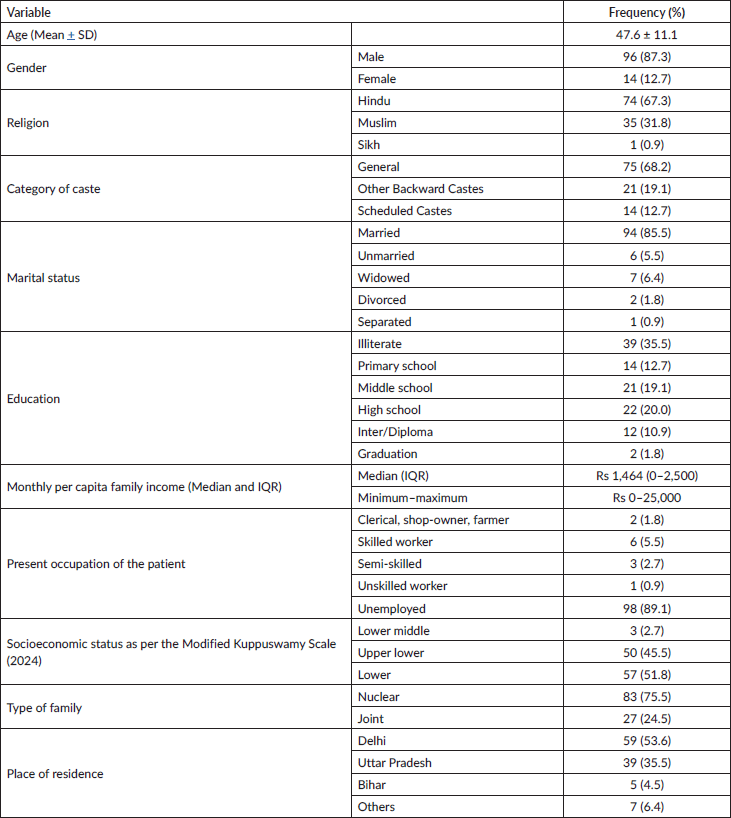
A total of 110 patients with oral cancer were included in this study. The mean age of the study participants was 47.6 ± 11.1 years. Most of the participants were male (87.3%), Hindu (67.3%), married (85.5%) and belonged to the General caste category (68.2%). With respect to education, 39 (35.5%) participants were illiterate, and the majority resided in nuclear families (75.5%). Over half of the participants were residents of Delhi (53.6%). The median per capita monthly family income was ₹1,464 (IQR: ₹0–₹2,500), with 36 (32.7%) families reporting no monthly income. Most participants were unemployed (89.1%) and belonged to the upper and lower or lower socioeconomic classes (97.3%) (Table 1).
Tobacco use was common in the study population. Overall, 61 (55.5%) participants reported exclusive use of smokeless tobacco, 9 (8.2%) reported exclusive use of smoked tobacco and 31 (28.2%) reported use of both smoked and smokeless forms; only 9 (8.2%) reported never having used tobacco. Among participants who used smoked tobacco (n = 39), bidis were the predominant form (92.3%), while cigarette smoking was reported by 7.7%. The median (IQR) smoking exposure was 5.5 (1.4–8.3) pack-years. Alcohol use was reported by 56 (50.9%) participants.
The most common site of cancer was the buccal mucosa (40.9%), followed by the tongue (33.6%) and the alveolus (11.8%). Other sites of cancer included the gingivobuccal sulcus (7.3%), retromolar trigone (3.6%) and hard palate (2.7%). All cases were histopathologically confirmed as squamous cell carcinoma. A majority of the patients were diagnosed with moderately differentiated carcinoma (59.1%), followed by well-differentiated carcinoma in 42 (37.3%) participants and poorly differentiated carcinoma in 5 (3.6%) participants.
Table 1. Sociodemographic characteristics of the study population (N = 110).
With respect to tumour staging, over half of the cases were classified as T4 (55.5%), whereas early-stage tumours (T1) were observed in only 7 (6.4%) participants. Nodal involvement varied, with 30 (27.3%) participants having no regional lymph node metastasis (N0), 29 (26.4%) classified as N1, 36 (32.7%) as N2 and 15 (13.6%) as N3. Distant metastasis was uncommon, with only 4 (3.4%) participants classified as M1. Overall, Tumour, Node, and Metastasis (TNM) staging indicated that most participants were diagnosed at an advanced stage, with 74 (67.3%) presenting with Stage IV disease. Stage III, II and I disease were observed in 25 (22.7%), 7 (6.4%) and 4 (3.6%) participants, respectively.
Factors impacting access to care in the study population
Patient-related factors: In response to the first symptom, 59 (54.7) consulted a doctor or informal medical practitioner, while 21 (19.1%) attributed the symptom to a minor issue and waited for it to resolve. Additionally, 17 (15.5%) self-medicated, and 13 (11.8%) tried home remedies. Most participants (80.9%) shared their symptom onset with a family member. The majority of these family members were spouses (43.6%), followed by sons/daughters (22.7%). When advising the patient, 71.8% suggested consulting a doctor, while only a small number advised self-medication (2.7%), using home remedies (3.6%) or stopping tobacco use (0.9%).
Healthcare worker-related factors: Study participants saw a median of two healthcare providers (IQR = 1–3) before being diagnosed with oral cancer, ranging from 0 to 25 providers. Cancer was first suspected by the first healthcare provider for 50 (45.5%) participants, while for 35.7% of the participants, it took a visit to more than two healthcare providers for cancer to be first suspected. The specialisation of the first doctor seen included dental specialists (31.8%), followed by informal medical providers (23.6%), general practitioners (18.2%), ENT specialists (20.0%), cancer specialists (2.7%) and others (3.6%). The advice given by the first healthcare provider varied, with 60 (54.5%) healthcare providers attributing the symptom as minor and advising follow-up. Meanwhile, 25 (22.7%) healthcare providers provided symptomatic treatment and advised a biopsy, and another 25 (22.7%) offered symptomatic treatment and referred the patient to a higher centre.
Health system-related factors: A total of 42 (38.2%) participants took more than 120 minutes from their homes to reach the hospital where they were seeking treatment. Additionally, 26 (23.6%) patients travelled between 31 and 60 minutes, and 22 (20.0%) patients travelled between 61 and 120 minutes. Only 7 (6.4%) patients reached less than 15 minutes. The public bus was the most common mode of transport, used by 58 (52.7%) of participants. Other modes included taxis (23.6%), intercity trains plus taxis (11.8%) and own vehicles (6.4%), with local trains being the least preferred (3.6%).
Patient, diagnostic and treatment interval durations
The median (IQR) duration of the patient interval was 13.5 (5.0, 55.7) days, the diagnostic interval was 89.5 (38.0, 228.7) days and the treatment interval was 55.0 (29.0, 95.5) days. The median total interval from identifying the symptom to initiating treatment was 202.0 (135.7, 451.5) days.
Factors associated with patient, diagnostic and treatment intervals
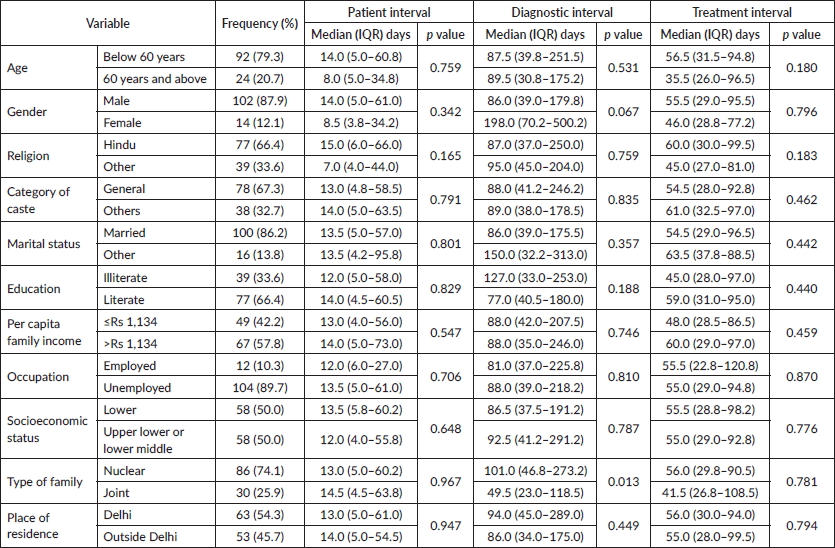
The median diagnostic interval was significantly higher in patients belonging to nuclear families (p = 0.013) (Supplementary Table 1). The median diagnostic interval was more than double for females compared to males, and the median treatment interval was nearly 1.5 times that of people above 60 years of age for people less than 60 years of age. Similarly, the median diagnostic interval was longer for patients who were illiterate and who did not have a partner, compared with patients who were literate and living with a partner, respectively. However, these differences were not statistically significant (p < 0.05).
Among health system-related factors, the diagnostic interval was significantly longer if the first healthcare provider gave symptomatic treatment and did not refer the patient (p < 0.001) (Supplementary Table 2). The diagnostic interval was longer when cancer was first suspected after the patient had consulted more than two healthcare providers (p < 0.05). The patient, diagnostic and treatment intervals were longer for patients using public transport to reach the hospital compared to those using private vehicles. However, these differences were not statistically significant (p < 0.05). The grade and stage of the disease were not significantly associated with patient, diagnostic and treatment intervals (Supplementary Table 3).
Reasons for perception of delay in diagnosis and treatment of oral cancer
Patient interval: A majority of the patients, i.e., 108 (98.1%), attributed delays in seeking healthcare to perceiving their symptoms as minor and expecting spontaneous resolution. Other reasons included being too busy to make time to see a doctor (3.6%) and concerns about the costs of consulting a doctor (2.7%) (Table 2).
Diagnostic interval: The most frequently reported reason for delay in diagnosis was failure of the initial healthcare provider to suspect malignancy, as reported by 52 (47.2%) participants. Financial barriers were also prominent; 18 (16.3%) participants were unable to afford diagnostic investigations on time, while a further 17 (15.4%) deferred biopsy after experiencing temporary symptomatic relief following initial treatment. Other contributing factors included difficulty in accessing facilities with biopsy services (9.1%), prolonged waiting times for diagnostic tests (9.1%) and apprehension regarding the biopsy procedure itself (4.5%). Notably, 23 (20.9%) participants perceived that there had been no delay in their diagnosis, indicating heterogeneity in patient perceptions of the diagnostic process (Table 3).
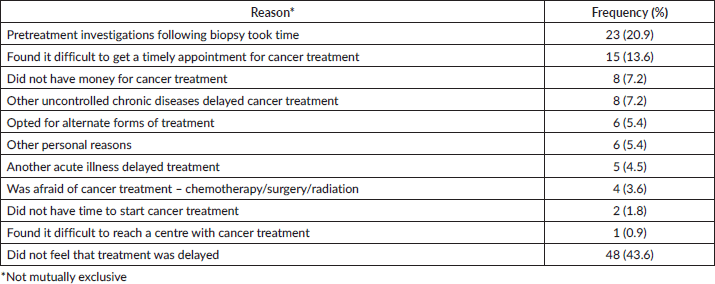
Treatment interval: Nearly half the participants, i.e., 48 (43.6%), perceived that there was no delay in initiation of treatment. Among those who felt treatment was delayed, the most commonly cited reasons were prolonged pretreatment investigations following biopsy (20.9%) and difficulty in securing timely appointments for cancer treatment (13.6%). Financial constraints contributed to delayed treatment initiation in 8 (7.2%) participants. Additional factors included postponement due to poorly controlled chronic comorbid conditions (7.2%) and the decision to pursue alternative forms of treatment (5.4%) (Table 4).
Discussion
This study reports the duration of patient, diagnostic and treatment intervals in patients seeking care for oral cancer in a public hospital, revealing significant delays in diagnosis and treatment of oral cancer in India. The diagnostic interval was the longest contributor to delay, with a median duration of 89.5 days, compared with 13.5 days for the patient interval and 55.0 days for the treatment interval, resulting in a total median interval of 202.0 days from symptom recognition to treatment initiation. Prolonged diagnostic intervals were significantly associated with health system factors, particularly failure of the first healthcare provider to suspect cancer and symptomatic treatment without referral, as well as the need to consult multiple providers. The impact of prolonged intervals in the study population was evident as most participants presented with advanced disease, with nearly two-thirds diagnosed at Stage IV.
Table 2. Reason for perception of delay in seeking healthcare after identification of symptom (patient interval) (N = 110).
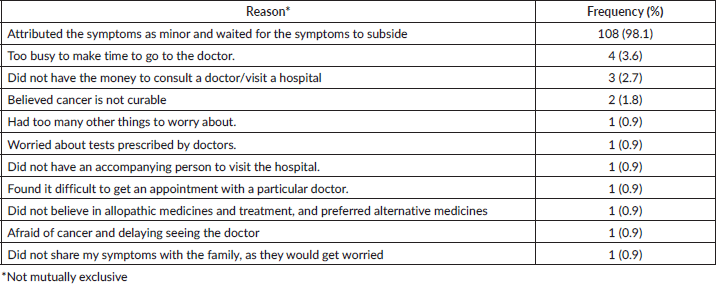
Table 3. Reason for perception of delay in diagnosis after seeing a healthcare provider (diagnostic interval) (N = 110).
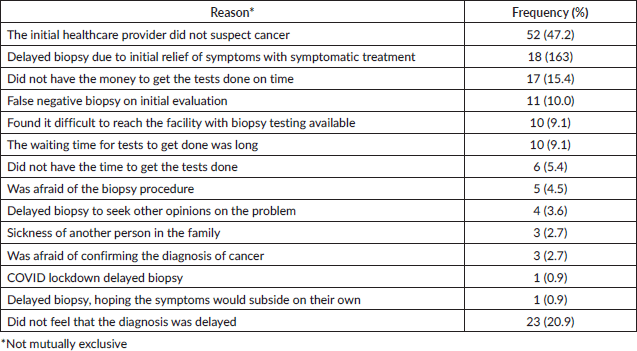
Table 4. Reasons for perception of delay in initiation of treatment following diagnosis of oral cancer (treatment interval) (N = 110).
Similar delays in oral cancer diagnosis have been reported from other parts of the country. A cancer treatment centre in Maharashtra classified delays in cancer care into primary, secondary and tertiary delays. The primary delay, from symptom onset to seeing a primary care physician, was the longest at 2.75 months. Secondary delay, from seeking advice to referral to a tertiary centre, was 1.94 months, while tertiary delay, from referral to the start of treatment, was 1.4 months [24]. A study by Swaminathan et al [25] examined diagnostic delays and the impact of various patient and tumour factors on these delays. The study interviewed 120 patients and found that the median primary delay was 90 days, while the median secondary delay was 11 days. While the diagnostic interval was comparable to other studies from India, the patient interval was significantly shorter in our study population. This could be due to easy access to informal healthcare providers and pharmacies, both of which were also considered a part of the healthcare system in this study. However, the reliance on patient-reported recall for determining the date of first symptom onset, which forms the basis of the patient interval, could have introduced recall bias, impacting the reliability of the duration of the patient interval reported in this study. Although a pseudo-exact dating protocol was employed to improve temporal accuracy, recall of early, often nonspecific oral symptoms is inherently subject to recall biases. It is plausible that early symptom phases were not distinctly remembered or were retrospectively reclassified as less significant once a cancer diagnosis was established. This could have resulted in a systematic underestimation of the patient interval in our study, which should therefore be interpreted with caution. Consequently, while the study suggests that patient delay may be less prominent relative to diagnostic delay, the potential for recall bias implies that the contribution of patient-related factors to overall delay may be underestimated.
In 2014, Akram et al [26] in Uttar Pradesh reported that significant risk factors contributing to delays in seeking hospital care included older age, low socioeconomic status, rural residence, lack of awareness about head and neck cancer, downplaying of symptoms as minor, absence of fear and reliance on alternative therapies. Similar reasons for delay were reported by Rath et al [27]. For example, lack of awareness, hope that the lesion will heal spontaneously, lack of perception of seriousness and financial constraints were reported to be reasons for delay in cancer care [27]. Swaminathan et al [25] reported that education played a significant role with literate patients presenting earlier for treatment. However, similar findings were not reported in this study.
Delays in cancer care are a global concern. A study conducted in the Philippines found that cancer treatment was delayed by more than 30 days for 35.1% of patients, while 25.2% and 20% of patients experienced delays upwards of 60 and 90 days, respectively [28]. The factors contributing to delays are similar across the low and middle-income countries. In a study by Bayable et al [29] in Ethiopia, female gender, rural residence, low social support, not having any other comorbidity and poor awareness were associated with delayed health-seeking. In a study from Thailand by Poum et al [30], significant associations were reported between delays in breast cancer diagnosis and education, family income, time to referral and number of consultations with a surgeon before diagnosis. Health system-related days compound patient-related delays. Cancer survivors in Eswatini reported poorly trained healthcare workers with insufficient skill and knowledge, delays in diagnostic procedures and inadequate infrastructure as reasons for delayed care [31]. The findings of a systematic review in 2021 by Lima et al [32] suggested that a lack of awareness about the signs and symptoms of oral cancer, along with the undervaluation of self-care, are strongly linked to delays in its diagnosis. A study by Saka-Herrán et al [33] in 2021 reported that patients with advanced-stage disease, primary treatment with radiotherapy, treatment at an academic facility and transitions in care were associated with prolonged pretreatment intervals. Similar to this study, a study by Bhatia et al [34] in Botswana reported that patients living with larger families were less likely to experience a help-seeking delay for cancer. Evidence on factors associated with treatment delay in patients with oral cancer in India is lacking.
Such delays are known to adversely affect patient outcomes, leading to greater morbidity and mortality [35]. Early diagnosis of cancer is reported to be associated with reduced expenses and the mean costs of care rise with advancing stages of the disease [36]. This also holds for patients with oral cancer. A review of studies conducted in 15 countries demonstrated a sharp rise in the costs of oral cancer with disease progression, rising from 22% of gross domestic product (GDP) per capita to 373% GDP per capita in the advanced stages [37].
Recognising the urgency of reducing intervals in cancer treatment, it is essential to promote early access to medical professionals. The United Kingdom introduced the 62-day Treatment Standard as a part of the National Health Service in 2023, which recommended the initiation of cancer treatment within 62 days of referral by a general physician. The upper limit of the diagnostic interval was set at 28 days as per the Faster Diagnosis Standard, and the 31-day Treatment Standard promoted the initiation of treatment within 31 days of a decision to treat the patient. Notably, these standards replace and broaden the scope of earlier standards set in 2000, one of which included a Two Week Wait Standard, recommending a specialist appointment within 2 weeks of referral by a general physician [38]. The European Cancer Organization published a policy action report in 2024, emphasising the inclusion of goals for treatment timelines in national policies across the continent, stringent monitoring of delays in treatment to identify areas requiring improvement, digitisation of the patient’s treatment journey to flag delays and understanding the financial benefits of reduced delays [39]. The benefits of employing digital systems to track treatment timelines of patients with breast cancer were demonstrated by a study in the United States, which showed a 55% reduction in time to treatment from 74 to 33 days [40].
To reduce delays resulting from a poorly trained workforce, community health workers (CHWs) may be trained to detect oral precancer and early-stage cancer cases. In a study conducted in India, such training resulted in near-perfect agreement with dentists and a sensitivity of almost 97% [41]. Recent developments in artificial intelligence (AI) can also be leveraged by HCPs to expedite diagnosis and referral. While unaided clinicians accurately diagnosed 61%–98% of oral mucosal lesion photographs, AI achieved 74%–100% accuracy [42]. A review published by Kim et al [43] demonstrated 92% sensitivity of AI-assisted oral cancer screening. A study by Talwar et al [44] conducted in India evaluated AI models using photographs taken by CHWs and identified DenseNet201 and Swin Transformer (base) as high-performing tools for oral cancer screening. These applications may also empower patients residing in remote and resource-limited settings and help them recognise early symptoms of disease to seek prompt care [44].
In India, the Pradhan Mantri Jan Arogya Yojana (PMJAY), a public insurance scheme introduced in 2018, was found to have improved timely access to cancer treatment. A higher proportion of patients initiated treatment within 30 days of diagnosis after PMJAY was launched in 2018 compared to the period before that [45]. However, in the current study, the impact of PMJAY could not be assessed as this was a cross-sectional study, and the scheme was not implemented in Delhi when it was conducted. Additionally, PMJAY has expanded financial access to cancer care across both public and empanelled private facilities, but the present study does not capture patient experiences within private-sector settings. Noncorporate private hospitals, in particular, may differ substantially from public institutions in terms of referral pathways, diagnostic turnaround times, provider incentives and patient navigation mechanisms. These structural differences can influence both the duration and determinants of delays. Caution is warranted in extrapolating these findings to the heterogeneous private healthcare sector or to other regions with differing health system characteristics.
Policy recommendations
Interventions should be prioritised according to the observed distribution of delays, with primary emphasis on reducing the diagnostic interval, which was the principal bottleneck in this cohort. The relatively short patient interval (13.5 days) suggests that delays are not predominantly driven by patient health-seeking behaviour but rather by system-level factors, particularly failure of initial clinical suspicion and delayed referral. However, the possibility of recall and desirability bias, i.e., patients reporting early health-seeking, may have impacted the patient interval, which necessitates caution in its interpretation.
This requires strengthening of the diagnostic pathway, which would include targeted training of primary and secondary healthcare providers to improve early recognition of potentially malignant oral lesions, establishment and dissemination of clear clinical guidelines mandating timely biopsy of nonhealing oral lesions and development of streamlined, protocol-driven referral pathways. Expanding access to diagnostic services through decentralised models such as hub-and-spoke systems and the integration of digital health solutions (e.g., telepathology and remote consultation) will be critical. Additionally, inclusion of diagnostic procedures within government-funded insurance schemes can mitigate financial barriers that contribute to delays. While patient-directed interventions remain relevant, they should be considered supportive rather than central in this context. Efforts such as tobacco control, population-based screening and awareness campaigns may help sustain early presentation but are unlikely to substantially impact the primary delay observed.
Finally, reducing the treatment interval requires strengthening downstream health system capacity. This can be achieved by improving the availability and accessibility of cancer treatment services, particularly in underserved areas. In addition, financial risk protection through insurance coverage and social security mechanisms is essential to mitigate treatment-related financial toxicity.
Strengths and limitations
This is the first study to assess all three levels of intervals – patient, diagnostic and treatment – in patients with oral cancer in India. This study was conducted in a referral public health centre for cancer treatment, which sees footfall of people from the middle and lower socioeconomic populations in India, most commonly affected by oral cancer. Therefore, the findings represent the challenges faced by a majority of the people who are diagnosed with oral cancer. However, despite these strengths, the study has a few limitations. First, since the date of symptom identification was based on memory recall, there is a possibility of recall bias. However, a pseudo-exact date method was used to address this bias to identify the most accurate date of symptom identification, which might not be exact. Another limitation relates to the reconstruction of treatment pathways based predominantly on patient interviews, particularly in instances where medical records from multiple facilities were unavailable or incomplete. Cancer care pathways in India often involve fragmented care across different providers and institutions, making accurate recall of sequences, referrals and timelines challenging. This also may have introduced imprecision in estimating the patient interval and in estimating the number of healthcare providers seen by the patient before receiving the right diagnosis and treatment. Second, the relatively small sample size limited the number of women included, precluding a detailed analysis of gender disparities in treatment-seeking behaviour. However, the reported trend highlighted that women took longer to be diagnosed than men. This trend requires further investigation. Third, the study included only participants from public health centres, excluding patients enrolled at private setups. Therefore, the findings cannot be generalised to private-sector hospitals. Finally, the cross-sectional design of this study limits the ability to establish causal relationships between observed delays and clinical outcomes such as disease progression, stage migration or survival. While a high proportion of patients in this study presented with advanced-stage disease alongside prolonged diagnostic and treatment intervals, these associations cannot be interpreted as causal. The temporal sequence between delay and disease progression cannot be definitively established within this study design, and residual confounding by tumour biology, patient comorbidities or healthcare access factors may exist. Longitudinal studies with prospective follow-up are required to quantify the impact of specific intervals on survival outcomes and to identify critical time thresholds beyond which prognosis significantly worsens. Therefore, the findings of this study should be viewed as hypothesis-generating and primarily descriptive of delay patterns rather than inferential regarding patient outcomes.
Conclusion
A majority of the patients with oral cancer presented with advanced-stage disease with preventable delays at various levels. The diagnostic interval was found to be the longest, followed by treatment and patient intervals. There are various risk factors predisposing people to these delays. Our study highlights the need for enhanced screening in high-risk populations for oral cancer, improvement in awareness regarding early symptoms among healthcare providers and patients, and improved access to diagnostic and treatment services. However, as this is a single-centre study, the findings should be interpreted with caution and should not be generalised across the country.
Acknowledgments
The author (PS) would like to thank Dr Nandini Sharma, ex-Dean, Maulana Azad Medical College, for her constant support and guidance.
Conflicts of interest
The authors declare that they have no competing interests.
Funding
This study did not receive any funding.
Ethics approval and consent to participate
Ethics clearance was taken from the Institutional Ethical Committee (F.1/IEC/MAMC/MD/MS(96/02/2023/No.125) on 15.05.2023.
Availability of data and materials
All data will be available on reasonable request to the corresponding author.
Author contributions
PS – Conceptualisation, data collection, data analysis, data interpretation, manuscript – original draft writing.
MMS – Conceptualisation, data interpretation, manuscript – review and editing, supervision.
ALB – Conceptualisation, data interpretation, manuscript – review and editing.
DA – Data interpretation, manuscript – review and editing.
AS – Conceptualisation, data interpretation, manuscript – review and editing.
RM – Conceptualisation, data interpretation, manuscript – review and editing.
References
1. Vos T, Lim SS, and Abbafati C, et al (2020) Global burden of 369 diseases and injuries in 204 countries and territories, 1990–2019: a systematic analysis for the Global Burden of Disease Study 2019 Lancet 396(10258) 1204–1222 https://doi.org/10.1016/S0140-6736(20)30925-9
2. Sung H, Ferlay J, and Siegel RL, et al (2021) Global cancer statistics 2020: GLOBOCAN estimates of incidence and mortality worldwide for 36 cancers in 185 countries CA Cancer J Clin 71(3) 209–249 [https://doi.org/10.3322/caac.21660] PMID: 33538338
3. Sathishkumar K, Chaturvedi M, and Das P, et al (2022) Cancer incidence estimates for 2022 & projection for 2025: result from National Cancer Registry Programme, India Indian J Med Res 156(4 & 5) 598–607 https://doi.org/10.4103/ijmr.ijmr_1821_22 PMID: 36510887 PMCID: 10231735
4. Irani S (2020) New insights into oral cancer-risk factors and prevention: a review of literature Int J Prev Med 11 202 https://doi.org/10.4103/ijpvm.IJPVM_403_18
5. Bray F, Ferlay J, and Soerjomataram I, et al (2018) Global cancer statistics 2018: GLOBOCAN estimates of incidence and mortality worldwide for 36 cancers in 185 countries CA Cancer J Clin 68(6) 394–424 [https://doi.org/10.3322/caac.21492] PMID: 30207593
6. Borse V, Konwar AN, and Buragohain P (2020) Oral cancer diagnosis and perspectives in India Sens Int 1 100046 https://doi.org/10.1016/j.sintl.2020.100046 PMID: 34766046 PMCID: 7515567
7. Factsheet - National Cancer Registry Programme (Bengaluru: ICMR-NCDIR) [https://ncdirindia.org/All_Reports/Report_2020/Factsheet/Fact_Sheet_2020.pdf.] Date accessed: 07/04/26
8. Ferlay J, Colombet M, and Soerjomataram I, et al (2021) Cancer statistics for the year 2020: an overview Int J Cancer https://doi.org/10.1002/ijc.33588
9. Zardawi FM, Alahmad BEM, and Marla V, et al (2025) Revisiting early detection of oral cancer: a review on methods, impact on survival rates, and recurrence prevention J Oncol Sci [https://doi.org/10.37047/jos.galenos.2025.2025-6-1]
10. Scott SE, Walter FM, and Webster A, et al (2013) The model of pathways to treatment: conceptualization and integration with existing theory Br J Health Psychol 18(1) 45–65 https://doi.org/10.1111/j.2044-8287.2012.02077.x
11. Jyothsna M, Pinisetti S, and Dasarathy A, et al (2025) Assessment of awareness about oral cancer and its risk factors among adults in Semiurban population A questionnaire study Eur J Cardiovasc Med 15 412–417 [https://doi.org/10.61336/ejcm/25-10-72]
12. He D, Yang Y, and Li R, et al (2025) Effect of delayed treatment on survival of patients with head and neck squamous cell cancer Sci Rep 15(1) 18366 https://doi.org/10.1038/s41598-025-03500-y PMID: 40419633 PMCID: 12106715
13. Grafton-Clarke C, Chen KW, and Wilcock J (2019) Diagnosis and referral delays in primary care for oral squamous cell cancer: a systematic review Br J Gen Pract 69(679) e112–e126 https://doi.org/10.3399/bjgp18X700205
14. Guide to Cancer Early Diagnosis (2017) (Geneva: World Health Organization) [https://iris.who.int/handle/10665/254500] Date accessed: 07/04/26
15. Weller D, Vedsted P, and Rubin G, et al (2012) The Aarhus statement: improving design and reporting of studies on early cancer diagnosis Br J Cancer 106(7) 1262–1267 https://doi.org/10.1038/bjc.2012.68
16. Philip PM and Kannan S (2021) Patient interval and associated factors in the diagnostic journey of oral cancer: a hospital-based cross-sectional study from Kerala, India Asian Pac J Cancer Prev APJCP 22(10) 3143–3149 https://doi.org/10.31557/APJCP.2021.22.10.3143
17. Charan J and Biswas T (2013) How to calculate sample size for different study designs in medical research? Indian J Psychol Med 35(2) 121–126 https://doi.org/10.4103/0253-7176.116232 PMID: 24049221 PMCID: 3775042
18. Martínez-Mesa J, González-Chica DA, and Duquia RP, et al (2016) Sampling: how to select participants in my research study? Bras Dermatol 91(3) 326–330 https://doi.org/10.1590/abd1806-4841.20165254
19. Philip PM and Kannan S (2022) Tool development and validation of the oral cancer patient and diagnostic interval measure Int J Community Med Public Health 9(2) 819 https://doi.org/10.18203/2394-6040.ijcmph20220245
20. Olesen F, Hansen RP, and Vedsted P (2009) Delay in diagnosis: the experience in Denmark Br J Cancer 101(2) S5–S8 https://doi.org/10.1038/sj.bjc.6605383 PMID: 19956163 PMCID: 2790711
21. Amin MB, Greene FL, and Edge SB, et al (2017) The eighth edition AJCC cancer staging manual: continuing to build a bridge from a population-based to a more “personalized” approach to cancer staging CA Cancer J Clin 67(2) 93–99 [https://doi.org/10.3322/caac.21388] PMID: 28094848
22. Poverty Line in Delhi in Economic Survey of Delhi 2023-24 (2024) Planning Department [https://delhiplanning.delhi.gov.in/sites/default/files/Planning/chapter_20_1.pdf] Date accessed: 07/04/26
23. Javalkar SR, Shalini H, and Davalagi SB, et al (2024) Socio-economic status assessment in India: history and updates for 2024 Int J Community Med Public Health 11(3) 1369–1377 https://doi.org/10.18203/2394-6040.ijcmph20240648
24. Nair S, Joshi P, and Chaturvedi P, et al (2014) Delay in seeking specialized care for oral cancers: experience from a tertiary cancer center Indian J Cancer 51(2) 95–97 https://doi.org/10.4103/0019-509X.137934 PMID: 25104185
25. Swaminathan D, George NA, and Thomas S, et al (2024) Factors associated with delay in diagnosis of oral cancers Cancer Treat Res Commun 40 100831 [https://doi.org/10.1016/j.ctarc.2024.100831] PMID: 38996584
26. Akram M, Siddiqui SA, and Karimi AM (2014) Patient related factors associated with delayed reporting in oral cavity and oropharyngeal cancer Int J Prev Med 5(7) 915–919 PMID: 25105006 PMCID: 4124572
27. Rath H, Shah S, and Sharma G, et al (2018) Exploring determinants of care-seeking behaviour of oral cancer patients in India: a qualitative content analysis Cancer Epidemiol 53 141–148 https://doi.org/10.1016/j.canep.2018.01.019 PMID: 29438925
28. Cambia JM, Wannasri A, and Orlina ECA, et al (2025) Burden of prolonged treatment delay among patients with common cancers in the Philippines Cancer Causes Control 36(7) 663–672 [https://doi.org/10.1007/s10552-025-01969-6] PMID: 39992497 PMCID: 12103467
29. Bayable A, Tegenaw A, and Tesfaye Z, et al (2023) Delay in health-seeking behaviour and associated factors among adult patients with cancer in Ethiopia: a multicentre cross-sectional study BMJ Open 13(8) 71406 https://doi.org/10.1136/bmjopen-2022-071406
30. Poum A, Promthet S, and Duffy SW, et al (2014) Factors associated with delayed diagnosis of breast cancer in northeast Thailand J Epidemiol 24(2) 102–108 https://doi.org/10.2188/jea.JE20130090 PMCID: 3983282
31. Xolisile D, Lomalanga H, and Thokozani M, et al (2022) Delays to cancer care, exploring the factors associated with barriers to accessing comprehensive cancer care in Eswatini: a qualitative study Asian Pac J Cancer Care 7(3) 499–507 [https://doi.org/10.31557/apjcc.2022.7.3.499507]
32. Lima A, Meira I, and Soares M, et al (2021) Delay in diagnosis of oral cancer: a systematic review Med Oral Patol Oral Cirugia Bucal 26(6) e815–e924 https://doi.org/10.4317/medoral.24808
33. Saka-Herrán C, Jané-Salas E, and Mari-Roig A, et al (2021) Time-to-treatment in oral cancer: causes and implications for survival Cancers 13(6) 1321 https://doi.org/10.3390/cancers13061321 PMID: 33809427 PMCID: 8000007
34. Bhatia RK, Rayne S, and Rate W, et al (2018) Patient factors associated with delays in obtaining cancer care in Botswana J Glob Oncol 4 1–13 [https://doi.org/10.1200/JGO.18.00088] PMCID: 6223504
35. Ang SP, Lee E, and Chia JE, et al (2025) Time-to-treatment initiation and its effect on all-cause mortality: insights from the surveillance, epidemiology, and end results database World J Oncol 16(3) 286–294 https://doi.org/10.14740/wjon2584 PMID: 40556964 PMCID: 12185122
36. Mcgarvey N, Gitlin M, and Fadli E, et al (2022) Increased healthcare costs by later stage cancer diagnosis BMC Health Serv Res 22(1) 1155 https://doi.org/10.1186/s12913-022-08457-6 PMID: 36096813 PMCID: 9469540
37. Ribeiro-Rotta RF, Rosa EA, and Milani V, et al (2022) The cost of oral cancer: a systematic review PLoS One 17(4) 266346 https://doi.org/10.1371/journal.pone.0266346
38. Johnson P (2024) Updating the NHS cancer waiting time standards BMJ Oncol 3(1) 337 [https://doi.org/10.1136/bmjonc-2024-000337]
39. Albers P and Kaczmarek A (2024) Getting There on Time: Time to Treatment in Cancer in Europe (Brussels: European Cancer Organisation) [https://www.europeancancer.org/download-file/1730.html] Date accessed: 07/04/26
40. Holmes DR, Evans SD, and Fisher W, et al (2024) Reducing delays in breast cancer care using an innovative digital health platform Am J Accountable Care 12(2) 23–29 https://doi.org/10.37765/ajac.2024.89569
41. Thampi V, Hariprasad R, and John A, et al (2022) Feasibility of training community health workers in the detection of oral cancer JAMA Netw Open 5(1) e2144022 https://doi.org/10.1001/jamanetworkopen.2021.44022 PMID: 35040966 PMCID: 8767429
42. Rokhshad R, Mohammad-Rahimi H, and Price JB, et al (2024) Artificial intelligence for classification and detection of oral mucosa lesions on photographs: a systematic review and meta-analysis Clin Oral Investig 28(1) 88 https://doi.org/10.1007/s00784-023-05475-4 PMID: 38217733
43. Kim JS, Kim BG, and Hwang SH (2022) Efficacy of artificial intelligence-assisted discrimination of oral cancerous lesions from normal mucosa based on the oral mucosal image: a systematic review and meta-analysis Cancers 14(14) 3499 https://doi.org/10.3390/cancers14143499 PMID: 35884560 PMCID: 9320189
44. Talwar V, Singh P, and Mukhia N, et al (2023) AI-assisted screening of oral potentially malignant disorders using smartphone-based photographic images Cancers 15(16) 4120 https://doi.org/10.3390/cancers15164120 PMID: 37627148 PMCID: 10452422
45. Halder P, Dixit J, and Gupta N, et al (2025) Access to timely cancer treatment initiation in India: extent, determinants and trends Lancet Reg Health - Southeast Asia 32 100514 https://doi.org/10.1016/j.lansea.2024.100514 PMID: 39802701 PMCID: 11722993
Supplementary materials
Supplementary Table 1. Sociodemographic factors associated with patient, diagnostic and treatment intervals.
Supplementary Table 2. Association between the health system and healthcare worker-related factors and diagnostic interval.
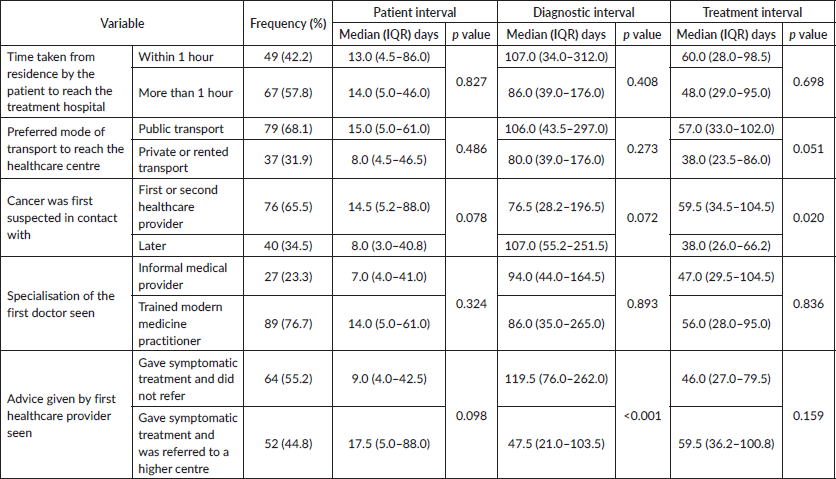
Supplementary Table 3. Association of grade and stage of cancer with patient, diagnostic and treatment intervals.