Nutritional status at diagnosis and follow-up and its impact on short-term clinical outcome in children with cancer: a real-world report from India
Rajul M Gala1, Maya Prasad1,2a Shyam Srinivasan1,2, Venkata Rama Mohan Gollamudi1,2, Chetan Dhamne1,2, Nirmalya Roy Moulik1,2, Badira Parambil1,2, Akanksha Chichra1,2, Gaurav Narula1,2 and Girish Chinnaswamy1,2
1Division of Paediatric Oncology, Tata Memorial Centre, Parel, Mumbai 400012, India
2Homi Bhabha National Institute (HBNI), Anushakti Nagar, Mumbai 400094, India
a https://orcid.org/0000-0003-0127-7987
Abstract
Nutritional status (NS) in children with cancer may impact a wide range of outcomes, and remediation of under and over-nutrition may potentially improve outcomes. Children with cancer at our centre were classified as undernourished (UN) body mass index (BMI Z-score ≤−2 standard deviations (SD) World Health Organisation (WHO) or mid-upper-arm circumference (MUAC) <12.5 cm for <5 years (WHO) or <25th percentile for >5 years (Frisancho)), well-nourished (WN) (BMI Z-score −1 SD to +1 SD or MUAC 12.5–13.5 cm for <5 years or 25–50th percentile for >5 years) and over-nourished (ON) (BMI Z-score ≥+1 SD or MUAC ≥75th percentile for >5 years). NS was assessed at three time-points: diagnosis, 3- and 6-month follow-up. Trends in NS and impact on outcomes (event-free survival (EFS) and overall survival) were analysed. At diagnosis (n = 2,086) and 6-month follow-up (n = 1,245), 30.9% and 41.7% were WN, 65.3% and 52.2% UN and 3.8% and 6.1% ON. During the course of treatment, 45.5% gained weight and 11.6% lost weight. The highest prevalence of undernutrition at diagnosis was seen in acute myeloid leukaemia (73.3%), lymphoma (68.8%) and bone tumours (68.7%). Two-year EFS was 71.3% ± 1.82% in WN children, 71.3% ± 5.19% in ON children and 68.4% ± 1.28% in children UN at diagnosis (p = 0.004). Children who gained weight between diagnosis and follow-up had a 2-year EFS of 82.8% ± 1.60% versus 76% ± 1.70% in those without weight gain (p = 0.022). Undernutrition at diagnosis as well as during treatment leads to increased relapse as well as mortality. Weight gain and improved NS appear to impact clinical outcomes, highlighting the need for targeted nutritional interventions in children with cancer.
Keywords: nutritional status, survival outcome, low-middle income countries, children, cancer
Correspondence to: Maya Prasad
Email: maya.prasad@gmail.com
Published: 02/06/2026
Received: 04/11/2025
Publication costs for this article were supported by ecancer (UK Charity number 1176307).
Copyright: © the authors; licensee ecancermedicalscience. This is an Open Access article distributed under the terms of the Creative Commons Attribution License (http://creativecommons.org/licenses/by/4.0), which permits unrestricted use, distribution, and reproduction in any medium, provided the original work is properly cited.
Introduction
The majority of children diagnosed with cancer across the world belong to low-income and low-middle income countries (LMIC) [1]. Undernutrition remains a critical global health challenge in these regions, responsible for approximately 45% of deaths in children under 5 years, which often results in patients being already malnourished at the time of their cancer diagnosis [2]. However, the outcomes of cancer treatment continue to be low in these settings, with toxic deaths and treatment abandonment being major causes of treatment failure [1]. Undernutrition is a key prognostic variable contributing to increased treatment-related toxicities (TRT) such as infections as well as poor tolerance to treatment, treatment delays, abandonment of therapy and poor quality of life all of which lead to inferior outcomes in children with cancer [3–6].
Certain tumour types (metastatic solid tumours, acute myeloid leukaemia (AML), high-risk and relapsed acute lymphoblastic leukaemia (ALL), brain tumours and nasopharyngeal carcinomas) and treatment exposures (high dose chemotherapy, hematopoietic stem cell transplantation, intensive phases of chemotherapy, radiation involving the brain and abdominal surgery) and demographic factors (low socioeconomic status and limited access to appropriate supplementation) are known to have a high risk of undernutrition [6]. Weight loss is common both at disease diagnosis and during cancer treatment, has multifactorial causes and necessitates appropriate and timely nutritional assessment and management [3–6]. There is emerging evidence that remediation of under and over nutrition may improve outcomes [7–9]. Employing an effective strategy for nutritional assessment and management is challenging, but has been shown to result in superior nutritional outcomes [10, 11].
Previous reports from our centre documented a high incidence of undernutrition in newly diagnosed children with cancer and at follow-up, which remains a major concern [10, 12]. In this paper, we analysed the trajectories in nutritional status (NS) at various time-points during treatment. We also analysed the impact of the NS on event-free (EFS) and overall-survival (OS)in a large cohort of children newly diagnosed with cancer.
Materials and methods
This is a retrospective cohort study, which included patients (0–15 years) registered in the paediatric oncology unit between 1 January 2018 and 31 December 2019. All diagnoses were eligible. Children without reliable data on NS and clinical follow-up were excluded.
Nutritional assessment
All children underwent nutritional assessment at diagnosis and at regular intervals throughout treatment, as per departmental protocol [10]. Parameters measured and documented were weight, height/length and mid-upper-arm circumference (MUAC). The Z-scores for weight-for-age, height-for-age, weight-for-height or body mass index (BMI) for age were computed for classification of NS.
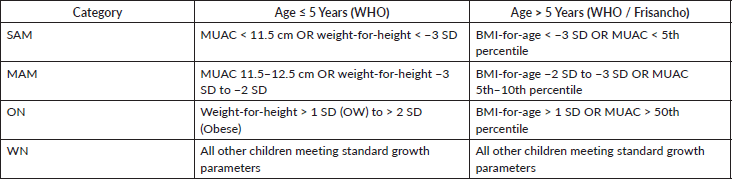
Children aged ≤5 years were defined to have severe acute malnutrition (SAM) if MUAC was <11.5 cm or weight-for-height was <−3 standard deviations (SD), and moderate acute malnutrition (MAM) if MUAC was between 11.5 and 12.5 cm or weight-for-height was −3 SD to −2 SD. They were termed overweight (OW) if weight-for-height was between 1 SD and 2 SD and obese if weight-for-height was >2 SD. Children aged >5 years were classified as SAM if BMI-for-age was <−3 SD or MUAC for age was <5th percentile, and MAM if BMI-for-age was between −3 SD and −2 SD or MUAC 5–10th percentile, OW if BMI-for-age was between 1 SD and 2 SD or MUAC for age was >50th percentile, and obese if BMI-for-age was >2 SD. These definitions were as per World Health Organisation (WHO) classification for weight-for-height, BMI-for-age and MUAC in <5 years; and Frisancho classification for MUAC in >5 years [13, 14]. The remaining patients were grouped as well nourished (WN) (Supplementary Table 1).
For purposes of this manuscript, children who were SAM and MAM were termed in combination as undernourished (UN) and children who were OW and obese were termed over-nourished (ON).
Nutritional intervention and follow-up
A detailed description of the nutritional management and intervention in our unit has been published previously [11]. Children with SAM and MAM were follow-up weekly and 2-weekly, respectively, until optimum weight was achieved and monthly thereafter [15]. Those who were WN were monitored monthly if intake was good and no weight loss was anticipated. Those who were OW and obese were followed-up 3- and 2-weekly, respectively [10].
Clinical follow-up
The clinical end-points documented for this study were treatment abandonment, disease progression, recurrence, toxic death and death due to other cause.
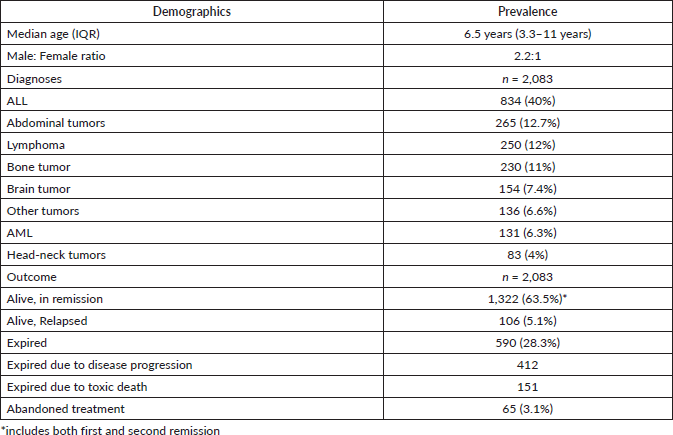
Table 1. Demographics, diagnoses and outcomes of the cohort (n = 2,083).
Protocols for treatment of specific cancers
Children with specific cancer diagnoses were treated according to standard, predominantly institutional treatment protocols detailed in Supplementary Table 4.
Data collection
Data were collected from the division of Paediatric Oncology, Tata Memorial Centre, Mumbai. For the purpose of this study, diagnoses were grouped as ALL, AML, lymphoma, brain tumours, head and neck tumours, bone tumours, abdominal solid tumours (non-lymphoma) and other solid tumours.
The clinical and demographic data (age, sex, diagnosis, treatment details and follow-up) were collected from the department database and nutrition data (height, weight, BMI, MUAC and biochemical parameters at diagnosis and follow-up) were extracted from the department nutritional database [16]. Socio-economic status was also considered, with most children in this cohort belonging to a poor socio-economic strata, which is one of the important determinants of NS as highlighted in the introduction. Data on treatment-related complications were not included in the analysis; however, most of the worsening of NS during treatment may be attributable to treatment-related complications. Both prospective databases are maintained real-time by data managers and nutritionists, respectively. Weight gain was defined as >10% gain in weight and weight loss was defined as >10% loss in weight from diagnosis to 3-month follow-up. Data on NS were taken at diagnosis, 3 months from diagnosis and 6 months from diagnosis (where available). Improvement in NS was defined as a change from either SAM to MAM, from MAM to WN status or from OW/obesity to WN status. Worsening of NS was defined as a change from WN status to MAM or OW status or obesity or from MAM to SAM.
The Institutional Ethics committee approved this retrospective analysis and waiver of consent was obtained.
Statistical analysis
All demographic data were summarised as descriptive statistics, with continuous data as median and range or interquartile range (IQR). EFS was defined as the time interval between the date of diagnosis and the date of event (relapse, second malignancy, treatment abandonment, death) or last follow-up whichever occurred earlier. OS was defined as the time interval between date of diagnosis and date of death due to any cause or the date of the last follow-up. Patient follow-up was updated until January 2023. Survival analysis was done by Log-Rank test and presented as Kaplan-Meier curves. Univariate analysis was performed by Cox proportional hazard model. Analysis was performed using IBM SPSS™ Statistics for Windows software, version 25.0. The following variables were analyzed for their impact on EFS and OS: NS at diagnosis and follow-up, weight gain, weight loss and improvement in NS. Univariate and multivariate analyses were performed by Cox proportional hazard model. For the purpose of multivariate analysis, variables with a p-value less than 0.2 on univariate analysis were included.
Results
Demographics
Over the study period of 2 years, 3,575 children were diagnosed with cancer at our centre, and 3,120 children were initiated on treatment (Figure 1). Information on NS and clinical outcome was available in 2,083 children at diagnosis and 1,245 children at follow-up (Figure 1). The cohort was predominantly male, with a median age of 6.5 years (IQR 3.3–11 years). The most frequent diagnosis was ALL (40%), followed by abdominal solid tumours (12.7%), lymphomas (12%) and bone tumours (11%) (Table 1).
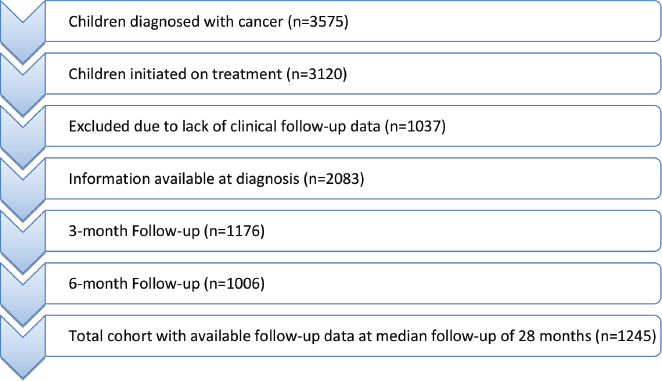
Figure 1. Study enrollment and follow-up flowchart.
At a median follow-up of 28 months, 65 (3.1%) either abandoned treatment or were lost to follow-up, 1,322 (63.5%) are alive in first remission, 545 (26.2%) relapsed or progressed on treatment and 151 (7.2%) expired due to TRT. Of those who relapsed or progressed on treatment 106 (19.4%) are alive in second remission (Table 1).
Table 2. Clinical outcomes of the entire cohort by NS at diagnosis, follow-up and weight changes during treatment.
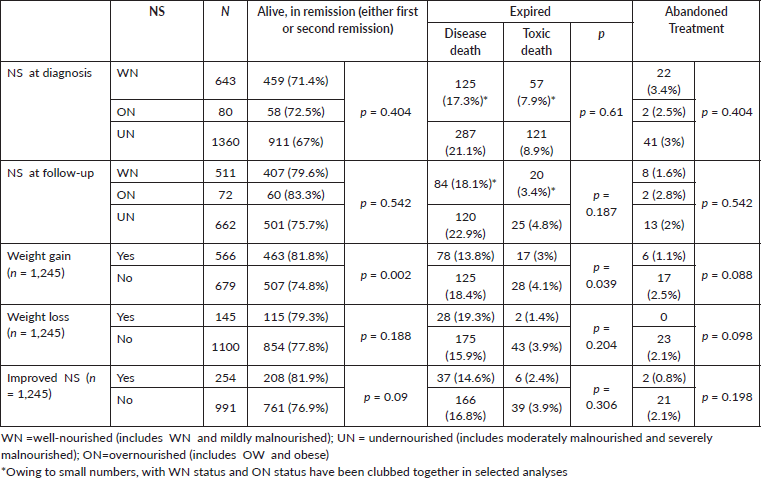
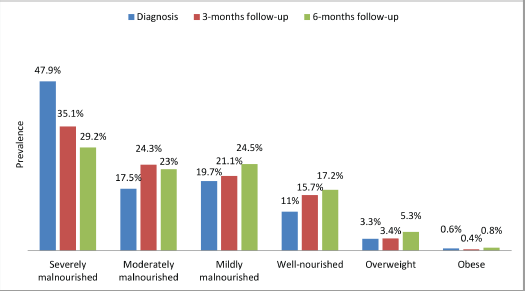
Figure 2. Trends in NS at diagnosis and follow-up.
Trajectory of NS
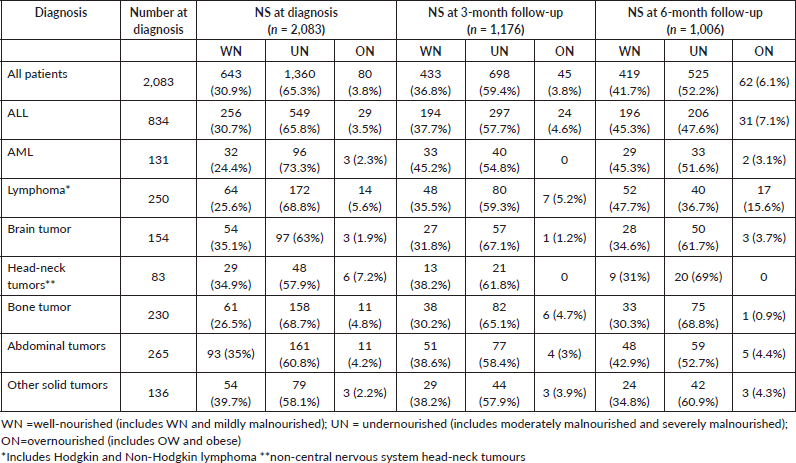
At diagnosis (n = 2,083), 233 (11%) were WN, 410 (19.7%) were mildly malnourished, 363 (17.5%) were moderately malnourished, 997 (47.9%) were severely malnourished, 68 (3.3%) were OW and 12 (0.6%) were obese (Figure 2).
During the course of treatment (n = 1,245), 566 (45.5%) gained >10% weight, 145 (11.6%) lost >10% weight and 534 (42.9%) either showed <10% change or no change in weight. Improvement in NS was seen in 254 (20.4%) children, while the rest either worsened or had no change in their NS (Table 2).
Of the 2,083 children, data were available in 1,176 at 3-month follow-up and 1,006 at 6-month follow-up. Of 335 children who were WN at diagnosis, 230 (68.7%) remained WN at 3 months, while 79 (23.6%) children worsened to become UN and 26 (7.8%) children became ON. Out of 811 children who were UN at diagnosis, 191 (23.6%) became WN while 4 (0.5%) became ON at 3-month follow-up. Out of 30 children who were found to be ON at diagnosis, 12 (40%) became WN while 3 (10%) became UN at 3 months. Most children (65%) who were WN at diagnosis (n = 270) continued to remain WN at 6-month follow-up, 60 (22.2%) children became UN, while 35 (13%) children were ON. Of the 707 children who were UN at diagnosis, 232 (32.8%) became WN, while 13 (1.8%) became ON. Out of 29 children who were ON at diagnosis, 12 (41.4%) became WN while 3 (10.3%) became UN at 6 months follow-up. (Supplementary Figure S1)
Changes in NS by diagnosis
The prevalence of undernutrition at diagnosis was highest in children with AML (96, 73.3%) and lymphoma (172, 68.8%), at 3-month follow-up in children with brain tumour (57, 67.1%) and bone tumour (82, 65.1%) and at 6-month follow-up in children with head-neck tumour (20, 69%) and bone tumour (75, 68.8%) (Table 3). Weight loss was highest in children with brain tumour (21.1%) and bone tumour (19.1%) and weight gain was highest in children with lymphoma (60%) and abdominal tumours (48.6%) (Supplementary Figure S2).
Associations between NS and clinical outcome
Outcomes: For the entire cohort, EFS and OS at 24 months were 69.7% ± 1.00% and 75.8% ± 1.00% (Supplementary Figure S3).
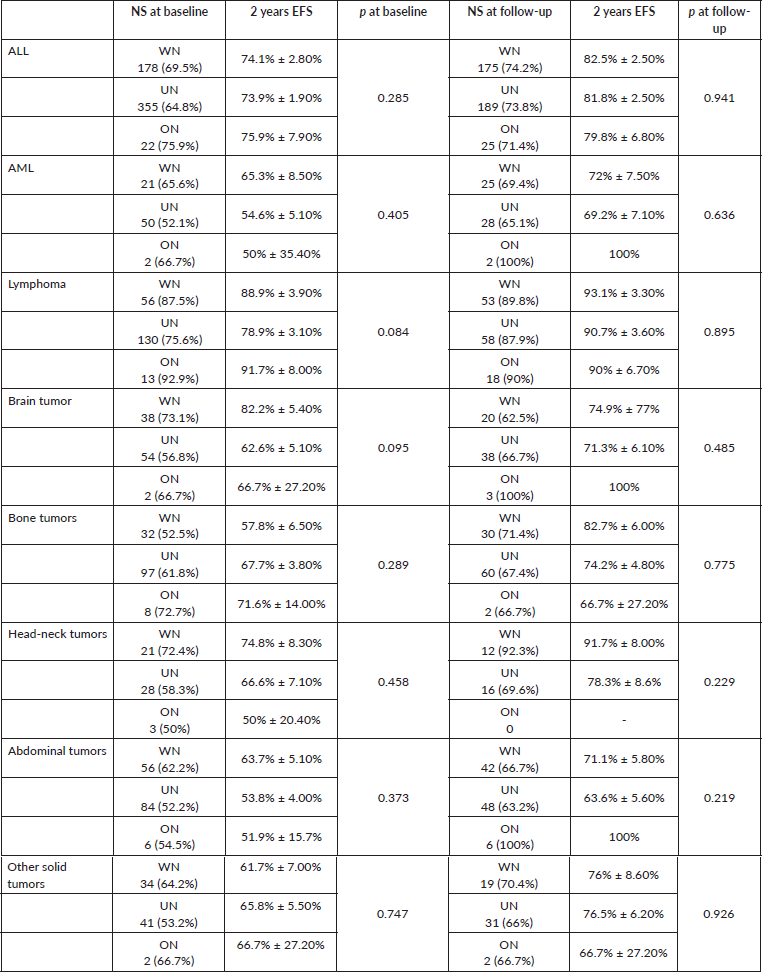
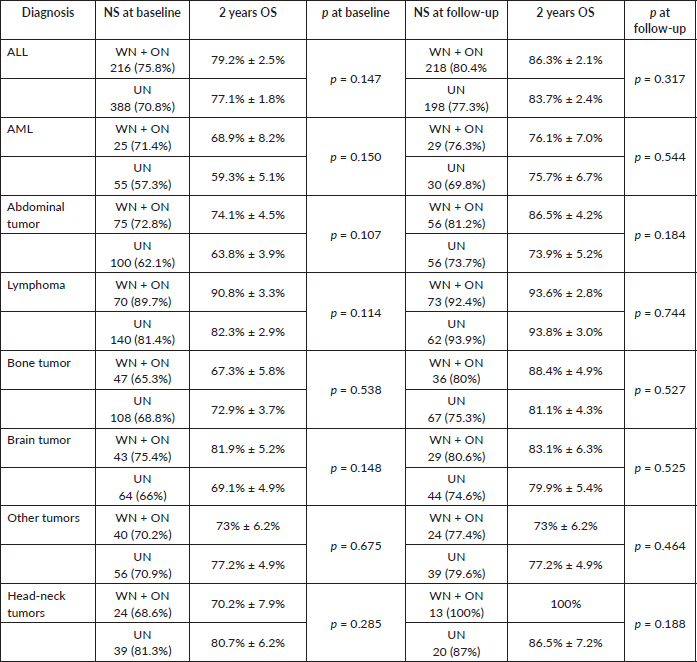
NS and outcomes: The 24-month EFS in children who were WN (n = 643) at diagnosis was 71.3% ± 1.82% and ON (n = 80) at diagnosis was 71.3% ± 5.19% versus 68.4% ± 1.28% in those who were UN (n = 1,360) at diagnosis (p = 0.004). The 24-month OS of those who were WN at diagnosis was 77.5% ± 1.70% and ON at diagnosis was 75.5% ± 5.05% versus 74% ± 1.22% in those who were UN at diagnosis (p = 0.085) (Figure 3, Supplementary Tables 2 and 3).
Figure 3 illustrates the impact of NS at follow-up on outcomes.
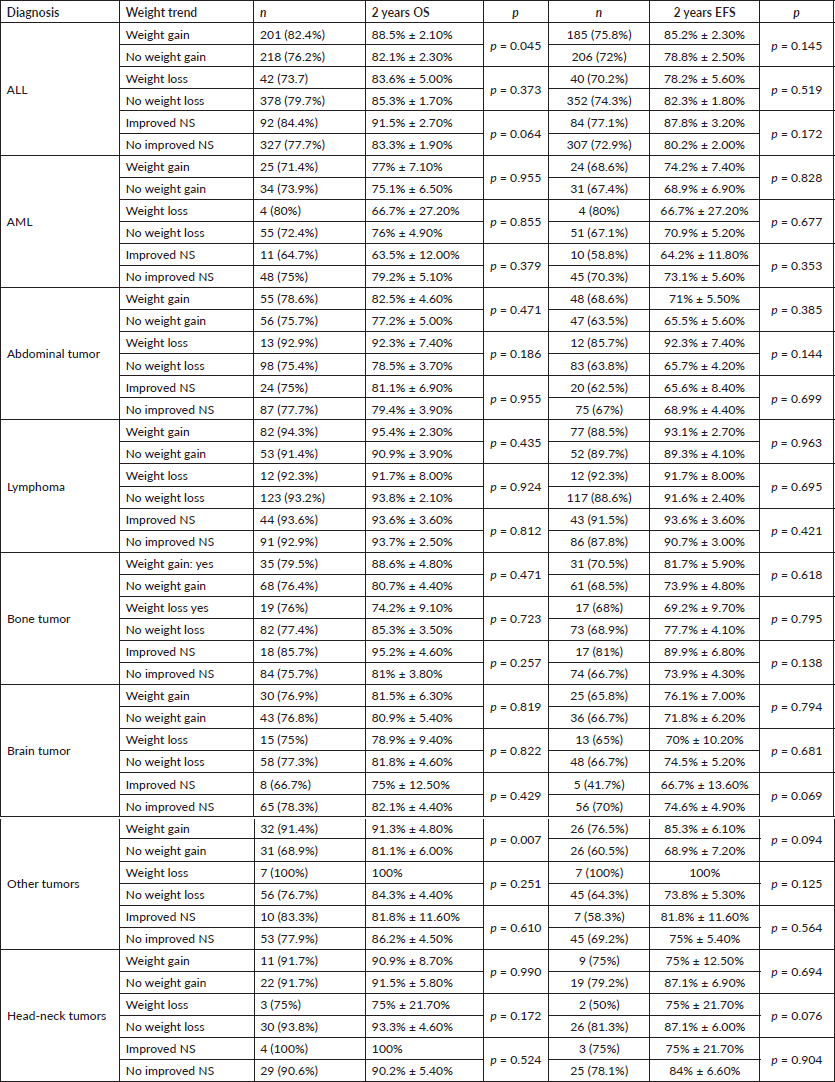
Children who gained weight between diagnosis and follow-up had a 24-month EFS of 82.8% ± 1.60% versus 76% ± 1.70% in those who did not gain weight (p = 0.021) (Figure 4). Those who lost weight between diagnosis and follow-up had a 24-month EFS of 78.2% ± 3.50% versus 79.2% ± 1.20% in children who did not lose weight (p = 0.98). Children who showed improvement in their NS between diagnosis and follow-up had a 24-month EFS of 83.1% ± 2.40% versus 78.1% ± 1.30% in those without improved NS (p = 0.282). Children whose NS improved between diagnosis and follow-up had a 24-month OS of 87.9% ± 2.10% versus 83.7% ± 1.20% in those whose NS was stable or worsened (p = 0.085) (Supplementary Figure S4). Children with ALL who experienced weight gain showed a 24-month OS of 88.5% ± 2.10%, compared to 82.1% ± 2.30% in those without weight gain (p = 0.045). Children with other solid tumours who gained weight achieved 91.3% ± 4.80% OS compared to 81.1% ± 6.00% in those without weight gain (p = 0.007). For other diagnosis, changes in weight trend did not demonstrate statistically significant associations with survival outcomes (Table 4).
Of 566 children who gained weight, 6 (1%) abandoned treatment, whereas of 679 children who did not gain weight, 17 (2.5%) abandoned treatment (p = 0.088). Fewer children who improved their NS abandoned treatment (2, 0.8%) compared to those without improved NS (21, 2.1%; p = 0.198) (Table 2). Specifically, fewer patients with weight gain abandoned treatment (n = 17, 2.5%) compared to those without weight gain (n = 6, 1.1%; p = 0.008). More patients with weight gain are alive and in remission (n = 463, 81.8%) compared to those without weight gain (n = 507, 75.7%; p = 0.002). Fewer patients with weight gain died of disease (n = 78, 13.8%) than those without weight gain (n = 125, 18.4%; p = 0.039) (Table 2).
Table 3. Nutritional status at diagnosis and follow-up.
Discussion and conclusion
This study aimed to evaluate the impact of NS on short-term clinical outcomes in children with cancer, focusing on the prevalence and trajectory of undernutrition and over-nutrition, and their association with EFS and OS. Key findings include a high prevalence of undernutrition at diagnosis, significant improvement in NS for a subset of children during treatment and better clinical outcomes (EFS and OS) among children who were WN or ON at diagnosis or follow-up or who gained weight during treatment.
Undernutrition is highly prevalent in the general paediatric population in LMICs, with contributory factors being low socioeconomic status, food insecurity, low educational levels, dietary habits, poor access to healthcare, unhygienic living conditions/sanitation and co-morbid conditions like infections [17, 18]. The interplay between cancer and nutrition is complex, with multiple mechanisms for undernutrition in children with cancer, such as increased metabolic rate, anorexia, inflammation and altered physical activity [3–6]. In LMICs, pre-existing undernutrition is further compounded by delayed cancer diagnosis and advanced presentations of disease [12, 19–24, 29].
In this large cohort, two-thirds of children at diagnosis and half at 6-month follow-up were severely or moderately malnourished. Only a small proportion was OW/obese at diagnosis (3.8%), with a marginal increase at follow-up (5.8%). This is similar to literature from LMICs worldwide [7, 19–24]; reports from upper-income and upper-middle-income countries show a lower proportion of undernutrition and higher over-nutrition in children with cancer [9, 25–28] .In an apparent paradox, obesity and metabolic syndrome are major concern in survivors of childhood cancer, with OW in 20% and metabolic syndrome in 4.2% [30, 31]. In our cohort, children with all tumour diagnoses had 60%–70% prevalence of undernutrition at diagnosis, with the highest being in aggressive malignancies like lymphoma, AML, bone and brain tumours; this is similar to reported literature [12, 19–24].
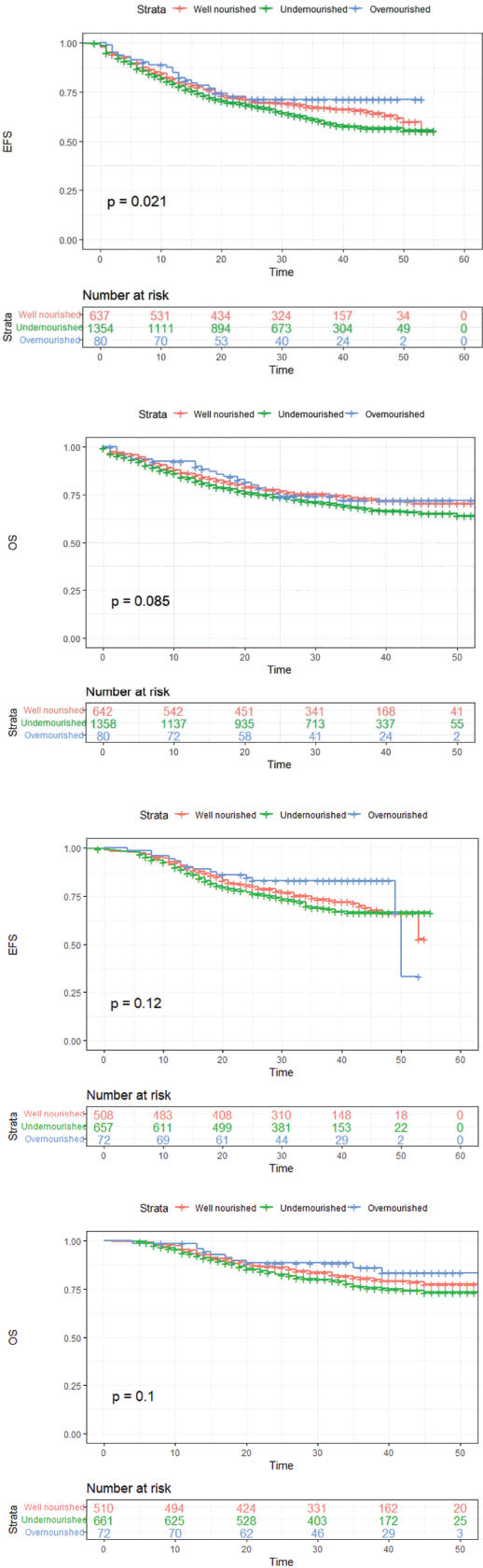
Figure 3. EFS and OS by NS at diagnosis and NS at follow-up: (a): EFS by NS at diagnosis (b): OS by NS at diagnosis (c): EFS by NS at diagnosis NS at followup (d): OS by NS at diagnosis NS at follow-up.
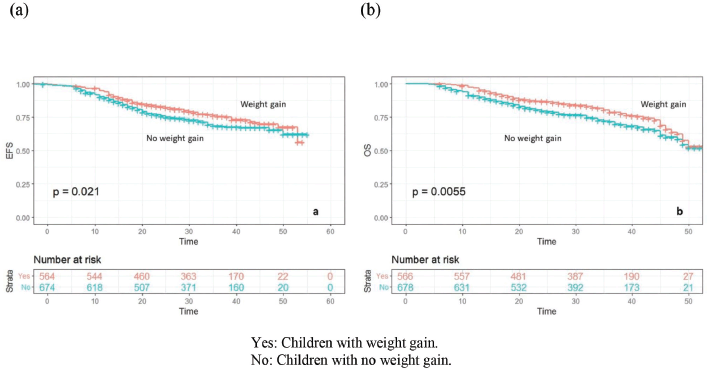
Figure 4. EFS and OS by weight gain from diagnosis to follow-up: (a): EFS by weight gain from diagnosis to follow-up (b): OS by weight gain from diagnosis to follow-up. Both EFS and OS at 12 and 24 months were significantly higher in children who gained weight compared to those who did not.
While a significant proportion of children continued to be UN at 6-month follow-up, nearly half the cohort gained weight >10% from baseline and 20.4% showed an improvement in NS. Weight loss was most pronounced in children with bone and brain tumours, while children with leukaemia, lymphoma and abdominal solid tumours had the greatest improvement in weight and NS. While there is sparse literature on trends in NS by individual tumour types, it is reported that children with solid tumours tend to improve nutritionally once in remission [27]. Children with hematological malignancies on treatment have been reported to show rapid increases in fat mass, with an acute loss of skeletal muscle mass; but in other reports, they were found to be at high risk of developing undernutrition [22, 26]. Children with brain/central nervous system tumours present with symptoms like nausea and vomiting and are known to have significant nutritional morbidity at diagnosis, which worsens during treatment, including cranial radiation [32]. Chemotherapy regimens used in bone tumours tend to be cyclical and invariably cause TRTs like febrile neutropenia, mucositis and other gastro-intestinal disturbances; this is true for several other childhood tumour types as well. These toxicities need careful assessment and optimal nutritional management (including supplements) and medical supportive care to maintain weight [3–6].
In our cohort, the short-term survival outcomes, i.e., EFS at 24 months was higher for children who were WN or ON at diagnosis or follow-upon gained weight during treatment. While the proportion of patients who expired, including due to TRT, was higher in the UN group (at diagnosis and follow-up) and those did not improve their NS, this was not statistically significant. Malnutrition (both under- and over-nutrition) are known to cause inferior outcomes across tumour groups, leading to increased treatment abandonment, causing and worsening TRT (including toxic deaths), increased susceptibility to infections, prolonged hospitalisation, treatment delays and poorer quality of life [3–7, 32–35].
Studies across Central America, South Africa, Malawi and Nicaragua consistently show that undernutrition and food insecurity at diagnosis lead to increased treatment abandonment, higher treatment-related morbidity and significantly inferior EFS and OS. Research from Brazil and other regions suggests that proactive nutritional management can mitigate these negative effects, potentially resulting in stable OS despite pre-treatment undernutrition [19, 20, 22, 23, 25]. Studies from other parts of Africa and India have demonstrated higher mortality due to infections and TRT in UN children [21, 32–34].
Severe malnutrition in children is known to cause multiple organ dysfunctions and varying degrees of immune dysregulation, leading to an increased risk of morbidity and mortality, mainly due to infections [18]. Altered states of nutrition may also affect drug pharmacokinetics and could potentially either increase drug toxicities or reduce treatment efficacy [35]. Other reasons for decreased non-toxic mortality are as yet unclear. Malnutrition may also influence long-term effects of chemotherapy, such as cardiotoxicity and second cancers; cancer treatment may, in turn lead to alterations in body composition, which can affect long-term survival post cancer [3, 5, 34].
Table 4. Survival as per trends in weight.
There is a growing body of evidence to suggest that remediation of undernutrition can reverse many of these adverse clinical outcomes and result in lower treatment abandonment, lower TRTs, reduce treatment delays and improve EFS [7–9]. This necessitates careful and periodic clinical and nutritional assessment of children with cancer, with arm anthropometry (preferably local standards) being a useful indicator of clinically relevant undernutrition, especially in children with solid tumours [12, 19–21, 36, 37]. Recent literature also focuses on the importance of micronutrient deficiency and altered body composition in children with cancer, and these should be assessed where possible [3]. In our cohort, children improved their NS either because of enteral nutrition support or oral dietary intervention with formula feeds and counseling. Proactive nutritional strategies tailored to the child and using highly nutritious, affordable and home-based nutritional supplementation are proven to be effective in improving NS as well as clinical outcomes [10, 15, 38].
We acknowledge the limitations of this study in that there was no risk-stratification based on disease presentations, weight loss before diagnosis or intensity of treatment received, which would have helped define children at the highest nutritional risk. Although the nutritional and clinical details were recorded prospectively, several nutritionists were involved in taking anthropometric measurements over this period. Importantly, the clinical impact of micronutrient status was not studied.
This study highlights a high baseline prevalence of undernutrition among Indian children with cancer and demonstrates that persistent malnutrition remains a challenge. We observed that patients who gained weight showed trends toward better survival, emphasising the prognostic importance of early and continuous nutritional support.
Moreover, this study reports one of the largest real world datasets from a high-volume center in an LMIC. By providing a broad view of NS and its correlation with survival across various paediatric malignancies, this work serves as a framework for future prospective, risk-stratified studies to identify children at the highest nutritional risk and to evaluate the impact of targeted nutritional interventions on both short- and long-term outcomes.
List of abbreviations
ALL, Acute lymphoblastic leukaemia; AML, Acute myeloid leukaemia; BMI, Body mass index-for-age; EFS, Event free survival; IQR, Interquartile range; LIC, Low income countries; LMIC, Low middle income countries; MAM, Moderate acute malnutrition; MUAC, Mid upper arm circumference; NS, Nutritional status; ON, Over-nourished; OS, Overall survival; OW, Overweight; SAM, Severe acute malnutrition; SD, Standard deviations; TRT, Treatment-related toxicities; WHO, World Health Organiszation; WN, Well nourished; UN, Undernourished.
Acknowledgments
The authors acknowledge the team of paediatric nutritionists and data managers who have contributed to patient management and data entry over the years.
Ethical approval
This study has been presented in part at the Annual Congress of the International Society of Paediatric Oncology (SIOP), Barcelona in October 2022. IEC: Project no 900470 approved 03.02.2021.
Conflicts of interest
The authors do not report any conflicts of interest.
Funding
None.
Author contributions
All authors contributed to the study design, data collection and interpretation, patient management, writing and review of the paper and approval of the final version.
Data availability
Data will be shared upon request.
References
1. Rodriguez-Galindo C, Friedrich P, and Morrissey L, et al (2013) Global challenges in pediatric oncology Curr Opin Pediatr 25(1) 3–15 https://doi.org/10.1097/MOP.0b013e32835c1cbe PMID: 23295716
2. Makamo N, Schoon S, and Ozuah N, et al (2025) Prevalence of undernutrition in children with cancer in low-income and middle-income countries: a systematic review BMJ Glob Health 10(6) 19345 https://doi.org/10.1136/bmjgh-2025-019345
3. Barr RD and Stevens MCG (2020) The influence of nutrition on clinical outcomes in children with cancer Pediatr Blood Cancer 67 (Suppl 3) e28117 https://doi.org/10.1002/pbc.28117 PMID: 32134218
4. Barr RD and Antillon-Klussmann F (2022) Cancer and nutrition among children and adolescents in low- and middle-income countries Hematology 27(1) 987–993 https://doi.org/10.1080/16078454.2022.2115437 PMID: 36094475
5. Diakatou V and Vassilakou T (2020) Nutritional status of pediatric cancer patients at diagnosis and correlations with treatment, clinical outcome and the long-term growth and health of survivors Children (Basel) 7(11) 218 PMID: 33171756 PMCID: 7694979
6. Nidhi S, Ekta C, and Maya P (2020) The importance of enteral nutrition to prevent or treat undernutrition in children undergoing treatment for cancer Pediatr Blood Cancer 67(Suppl 3) e28378 https://doi.org/10.1002/pbc.28378
7. Antillon F, De Maselli T, and Garcia T, et al (2008) Nutritional status of children during treatment for acute lymphoblastic leukemia in the Central American Pediatric Hematology Oncology Association (AHOPCA): preliminary data from Guatemala Pediatr Blood Cancer 50(2 Suppl) 502–517 https://doi.org/10.1002/pbc.21398
8. Prasad M, Tandon S, and Gala R, et al (2021) Efficacy of ready-to-use therapeutic food in malnourished children with cancer: results of a randomized, open-label phase 3 trial Pediatr Blood Cancer 68(9) e29197 https://doi.org/10.1002/pbc.29197 PMID: 34212474
9. Orgel E, Sposto R, and Malvar J, et al (2014) Impact on survival and toxicity by duration of weight extremes during treatment for pediatric acute lymphoblastic leukemia: a report from the Children’s Oncology Group J Clin Oncol 32(13) 1331–1337 https://doi.org/10.1200/JCO.2013.52.6962 PMID: 24687836 PMCID: 3992723
10. Prasad M, Moulik NR, and Jatia S, et al (2022) Impact of a pediatric oncology nutrition program: lessons learnt over a decade Pediatr Blood Cancer 69(7) e29728 https://doi.org/10.1002/pbc.29728 PMID: 35441780
11. Damasco-Avila E, Zelaya Sagastizado S, and Carrillo M, et al (2023) Improving the quality of the delivery of nutritional care among children undergoing treatment for cancer in a low- and middle-income country JCO Glob Oncol 9 e2300074 https://doi.org/10.1200/GO.23.00074 PMID: 37384860 PMCID: 10497261
12. Arora B, Shah P, and Jhaveri U, et al (2015) Nutritional status at presentation, comparison of assessment tools, and importance of arm anthropometry in children with cancer in India Indian J Cancer 52(2) 210–215 https://doi.org/10.4103/0019-509X.175838
13. WHO Multicentre Growth Reference Study Group (2006) WHO Child Growth Standards: Length/Height-for-Age, Weight-for-Age, Weight-for-Length, Weight-for-Height and Body Mass Index-for-Age: Methods and Development (Geneva: World Health Organization) [http://www.who.int/childgrowth/standards/technical_report/en/index.html]
14. Frisancho AR (1981) New norms of upper limb fat and muscle areas for assessment of nutritional status Am J Clin Nutr 34(11) 2540–2545 https://doi.org/10.1093/ajcn/34.11.2540 PMID: 6975564
15. Chheda E and Prasad M (2020) Focused nutrition clinic for severely malnourished children with cancer is feasible and effective in high-volume, resource-constrained settings Expert Rev Anticancer Ther 20(11) 919–920 https://doi.org/10.1080/14737140.2020.1823225 PMID: 32924649
16. Jatia S, Prasad M, and Paradkar A, et al (2019) Holistic support coupled with prospective tracking reduces abandonment in childhood cancers: a report from India Pediatr Blood Cancer 66(6) e27716 https://doi.org/10.1002/pbc.27716 PMID: 30900819
17. Amoadu M, Abraham SA, and Adams AK, et al (2024) Risk factors of malnutrition among in-school children and adolescents in developing countries: a scoping review Children (Basel) 11(4) 476 PMID: 38671693 PMCID: 11049343
18. Bhutta ZA, Berkley JA, and Bandsma RHJ, et al (2017) Severe childhood malnutrition Nat Rev Dis Primers 3 17067 https://doi.org/10.1038/nrdp.2017.67 PMID: 28933421 PMCID: 7004825
19. Sala A, Rossi E, and Antillon F, et al (2012) Nutritional status at diagnosis is related to clinical outcomes in children and adolescents with cancer: a perspective from Central America Eur J Cancer 48(2) 243–252 https://doi.org/10.1016/j.ejca.2011.06.006
20. Huibers MHW, Manda G, and Silverstein A, et al (2022) The burden of malnutrition in childhood cancer in Malawi - risk regardless of age Nutr Cancer 74(9) 3322–3328 https://doi.org/10.1080/01635581.2022.2076888 PMID: 35608604
21. Salifu N, Segbefia CI, and Alhassan Y, et al (2024) Short-term chemotherapy-related complications and undernutrition in children diagnosed with cancer at Korle Bu Teaching Hospital, Accra, Ghana: a prospective cohort study PLoS One 19(3) 301208 https://doi.org/10.1371/journal.pone.0301208
22. Schoeman J, Kellerman IM, and Ndlovu S, et al (2023) Prevalence of poverty and hunger at cancer diagnosis and its association with malnutrition and overall survival in South Africa Nutr Cancer 75(7) 1551–1559 https://doi.org/10.1080/01635581.2023.2214970 PMID: 37227249
23. Pribnow AK, Ortiz R, and Báez LF, et al (2017) Effects of malnutrition on treatment-related morbidity and survival of children with cancer in Nicaragua Pediatr Blood Cancer 64(11) e26590 https://doi.org/10.1002/pbc.26590
24. Villanueva G, Blanco J, and Rivas S, et al (2019) Nutritional status at diagnosis of cancer in children and adolescents in Guatemala and its relationship to socioeconomic disadvantage: a retrospective cohort study Pediatr Blood Cancer 66(6) e27647 https://doi.org/10.1002/pbc.27647 PMID: 30729661
25. Viani K, Barr RD, and Filho VO, et al (2021) Nutritional status at diagnosis among children with cancer referred to a nutritional service in Brazil HematolTransfus Cell Ther 43(4) 389–395
26. Revuelta Iniesta R, Paciarotti I, and Davidson I, et al (2019) Nutritional status of children and adolescents with cancer in Scotland: a prospective cohort study Clin Nutr ESPEN 32 96–106 https://doi.org/10.1016/j.clnesp.2019.04.006 PMID: 31221298
27. Sasse P, Bergmann A, and Afonso W, et al (2021) Malnutrition at diagnosis and throughout therapy in pediatric patients with solid tumors: a single-institution study in a developing country Pediatr Blood Cancer 68(11) e29317 https://doi.org/10.1002/pbc.29317 PMID: 34490992
28. Runco DV, Wasilewski-Masker K, and Mazewski CM, et al (2021) Features associated with weight loss and growth stunting for young children during cancer therapy J Pediatr Hematol Oncol 43(8) 301–307 https://doi.org/10.1097/MPH.0000000000002246 PMID: 34133373 PMCID: 9580507
29. Murphy-Alford AJ, Prasad M, and Slone J, et al (2020) Perspective: creating the evidence base for nutritional support in childhood cancer in low- and middle-income countries: Priorities for body composition research Adv Nutr 11(2) 216–223 https://doi.org/10.1093/advances/nmz095 PMCID: 7442409
30. Prasad M, Goswami S, and Chinnaswamy G, et al (2022) Long-term outcomes in survivors of childhood cancer: a 30-year experience from India JCO Glob Oncol 8 e2200044 https://doi.org/10.1200/GO.22.00044 PMID: 36332172 PMCID: 9668554
31. Kurkure P, Prasad M, and Arora B, et al (2015) Nutritional status in survivors of childhood cancer: experience from Tata Memorial Hospital, Mumbai Indian J Cancer 52(2) 219–223 https://doi.org/10.4103/0019-509X.175814
32. Prasad M, Chheda E, and Chheda G, et al (2020) Increased treatment toxicities and inferior outcomes in undernourished children with brain tumours Neuro Oncol 22(Suppl 3) 379
33. Prasad M, Chinnaswamy G, and Arora B, et al (2014) Risk predictors for adverse outcome in pediatric febrile neutropenia: single center experience from a low and middle-income country Indian J Cancer 51(4) 432–437 https://doi.org/10.4103/0019-509X.175321 PMID: 26842150
34. Mande R, Prasad M, and Srinivasan S, et al (2023) Cardiac function in pediatric Ewing sarcoma during and after treatment: a longitudinal study Pediatr Blood Cancer 70 e30475 [https://doi.org/10.1002/pbc.30475]
35. Schoon S, Makamo N, and Uittenboogaard A, et al (2023) Impact of undernutrition on the pharmacokinetics of chemotherapy in children with cancer: a systematic review Pediatr Blood Cancer 70 e30531 https://doi.org/10.1002/pbc.30531 PMID: 37393425
36. Prasad M, Ladas EJ, and Barr R (2022) Addition of arm anthropometry to body mass index for age, but not serum albumin, improves the accuracy of the nutritional assessment in severely and moderately malnourished children with cancer Pediatr Blood Cancer 69(9) e29718 https://doi.org/10.1002/pbc.29718 PMID: 35441783
37. Khadilkar AV, Khadilkar VV, and Gondhalekar KM, et al (2021) Reference centile curves for mid-upper arm circumference for assessment of under- and overnutrition in school-aged Indian children and adolescents Nutrition 91–92 111401 https://doi.org/10.1016/j.nut.2021.111401 PMID: 34364267
38. Ladas EJ, Orjuela M, and Stevenson K, et al (2016) Dietary intake and childhood leukemia: the Diet and Acute Lymphoblastic Leukemia Treatment (DALLT) cohort study Nutrition 32(10) 1103–1109 https://doi.org/10.1016/j.nut.2016.03.014 PMID: 27318855 PMCID: 5572566
Supplementary materials
Supplementary Table 1. NS classification: criteria for defining SAM, MAM, ON and WN status based on WHO and Frisancho standards for children.
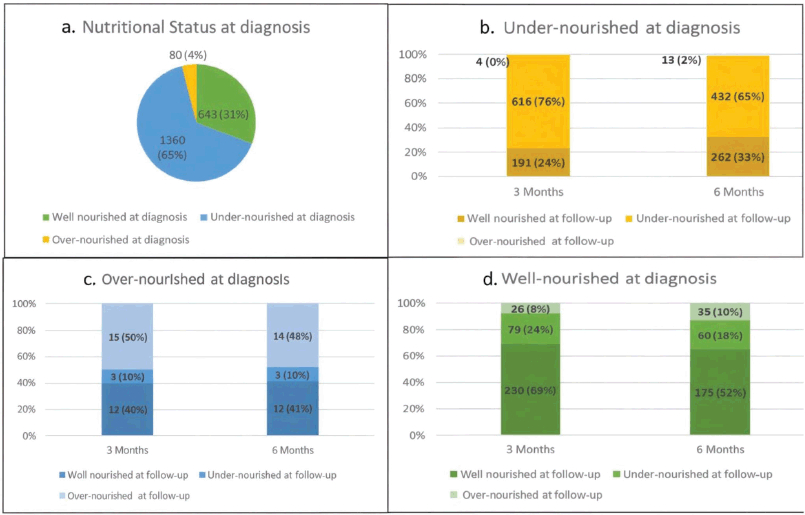
Supplementary Figure S1. NS at diagnosis (n = 2,083) and follow-up (n = 1,245) (a): NS of the entire cohort at diagnosis (b): NS at follow-up of those who were UN at diagnosis (c): NS at follow-up of those who were ON at diagnosis (d): NS at follow-up of those who were WN at diagnosis.
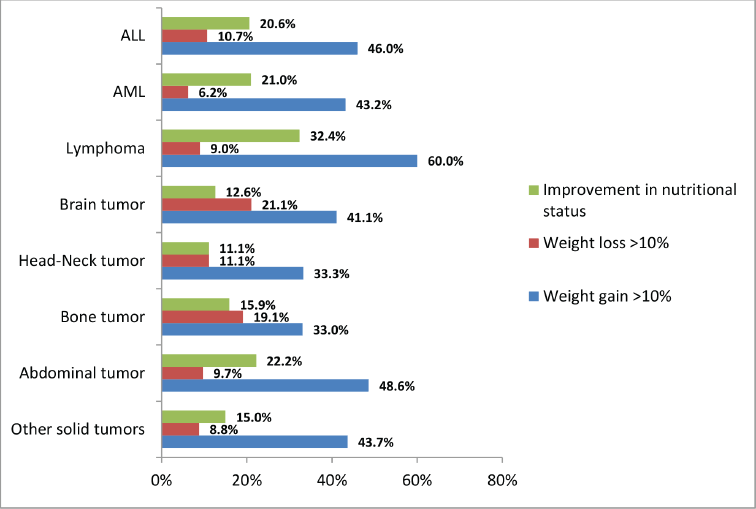
Supplementary Figure S2. Changes in weight trend by diagnosis.
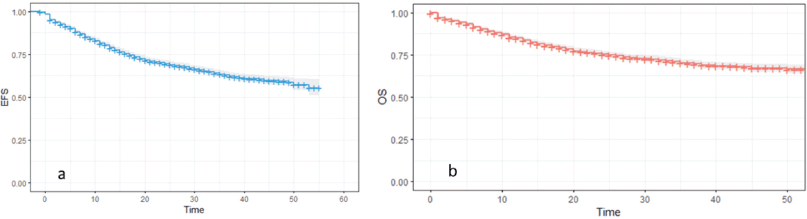
Supplementary Figure S3. (a): EFS and (b): OS of the entire cohort.
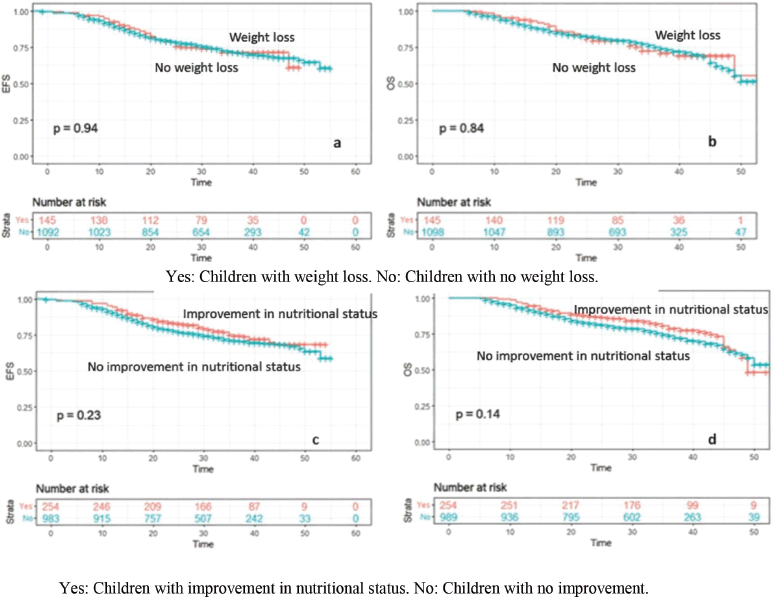
Supplementary Figure S4. EFS and OS by weight loss and improvement in NS. There was no significant difference in (a): EFS and (b): OS of those with weight loss compared those without weight loss or in (c): EFS and (d): OS of those with improvement in NS compared to those without improvement.
Supplementary Table 2. Two-year EFS by diagnosis and NS.
Supplementary Table 3. Two-year OS by diagnosis and NS.
Supplementary Table 4. Institutional protocols of treatment by diagnosis.