Determinants of delayed treatment initiation among patients with colorectal cancer at Hawassa University Comprehensive Specialized Hospital, Sidama Region, southern Ethiopia: a retrospective study
Deresse Daka, Bargude Balta, Wondwossen Tekle Silassie, Dejene Hailu
College of Medicine and Health Sciences, Hawassa University , Hawassa, Ethiopia
Abstract
Background: Colorectal cancer (CRC) is an emerging public health concern in Ethiopia, with an estimated 3,347 new cases reported in 2022. This local burden reflects a global rise, with CRC projected to reach 2.2 million new cases and 1.1 million deaths worldwide by 2030. Delayed initiation of treatment contributes to disease progression, increased complications and higher healthcare costs. Despite this, limited local evidence exists regarding factors contributing to treatment delays. This study aimed to assess how patient-related, health system and socioeconomic factors influence delayed treatment initiation among CRC patients in a resource-limited setting.
Objective: To identify determinants of delayed treatment initiation among CRC patients at Hawassa University Comprehensive Specialized Hospital (HUCSH), Sidama Regional State, Southern Ethiopia.
Methods: A hospital-based retrospective cohort study was conducted at HUCSH. Data were collected in August 2025 through retrospective review of medical records of CRC patients managed at HUCSH between 2017 and 2025. The data were analysed using SPSS version 27.0. Patients were categorised as delayed or not delayed based on treatment initiation time. Logistic regression analysis was used to determine independent predictors of treatment delay.
Results: The prevalence of delayed treatment initiation was 77.2% (95% CI: 73.3–81.1). Significant predictors of delay included being married (adjusted odds ratio [AOR] = 3.71), rural residence (AOR = 2.11) and lack of health insurance (AOR = 2.41). Clinical factors such as rectal tumour site (AOR = 8.00) and elective surgery (AOR = 21.16) were also associated with increased delays. Patients with tumour nodes metastasis stage III disease were less likely to experience delays (AOR = 0.91), possibly due to clinical prioritisation.
Conclusion: Delayed treatment initiation among CRC patients at HUCSH is highly prevalent and influenced by demographic, socioeconomic and clinical factors. The findings highlight the need to expand health insurance coverage, improve access for rural populations and optimise surgical scheduling. Addressing these barriers is essential to reduce treatment delays and improve outcomes for CRC patients in Ethiopia.
Keywords: colorectal cancer, treatment delay, time to treatment initiation, retrospective cohort study, Sidama Region
Correspondence to: Bargude Balta
Email: barjuda@gmail.com
Published: 24/09/2026
Received: 16/02/2026
Publication costs for this article were supported by ecancer (UK Charity number 1176307).
Copyright: © the authors; licensee ecancermedicalscience. This is an Open Access article distributed under the terms of the Creative Commons Attribution License (http://creativecommons.org/licenses/by/4.0), which permits unrestricted use, distribution, and reproduction in any medium, provided the original work is properly cited.
Background
Colorectal cancer (CRC) is a major global health burden, ranking as the third most common cancer and the second leading cause of cancer-related deaths worldwide [1]. It develops in the colon or rectum, typically arising from benign polyps that undergo malignant transformation over time [2]. With ageing populations and advancements in diagnostics and therapies, the prevalence of CRC is increasing, placing significant strain on healthcare systems and underscoring the critical need for continued research into its management and treatment [3].
The global burden of CRC is substantial and growing. In 2020, there were approximately 1.93 million new cases and 935,000 deaths globally [4]. A stark disparity in outcomes exists between high-income countries and low- and middle-income countries (LMICs). While screening programs have successfully reduced incidence and mortality in high-income nations, many LMICs are experiencing a sharp rise. For example, between 2010 and 2019, Africa saw a 48% increase in incidence and a 41% increase in mortality [5]. This trend is projected to continue, with estimates of 3.2 million new cases and 1.6 million deaths annually by 2040, representing a 63% and 73% increase, respectively [6]. Prognosis is highly dependent on the stage at diagnosis, with early detection leading to significantly improved survival, a key challenge in regions with rising incidence and limited screening infrastructure [1].
In Ethiopia, CRC is among the top three most common cancers, with an estimated 3,347 new cases in men and 3,204 in women reported in 2022 [7]. Ethiopia has experienced an increasing burden of CRC, with a mortality rate of 38.5% among affected patients, underscoring gaps in early diagnosis and management [8]. In 2020, CRC was a major contributor to cancer-related deaths in the country, with approximately 1,967 new cases and 1,289 fatalities, positioning it as one of the leading causes of cancer mortality [9].
The shift towards Westernised diets and more sedentary lifestyles in LMICs, driven by urbanisation, has increased exposure to key CRC risk factors, including processed foods and physical inactivity, contributing to the growing global burden of CRC [10]. The World Health Organization (WHO) reports that 8.8 million people die from cancer annually, with a significant number in LMICs due to late diagnosis and inadequate treatment, leading to unnecessary suffering and premature death [11]. Detecting CRC at an early stage allows for more effective interventions, often leading to better patient outcomes and reduced healthcare costs. The WHO emphasises that early cancer diagnosis significantly increases survival rates and reduces treatment costs. Late-stage diagnosis often results in unnecessary suffering and early death, whereas early detection enables more effective and less expensive treatment [12].
In the Ethiopian context, significant delays in initiating CRC treatment profoundly worsen patient outcomes [13]. These delays, which can extend for 10–12 months for essential therapies, such as radiotherapy, are driven by a complex interplay of factors, including limited diagnostic facilities, shortages of specialised healthcare providers and pervasive socioeconomic barriers [14]. Globally, evidence confirms that treatment postponements drastically increase mortality; each 4-week delay raises the risk of death by 12%–39%, as the cancer advances to more complex and less treatable stages [15,16]. Therefore, understanding the specific causes and timelines of these treatment delays in Ethiopia is critical for developing targeted interventions to improve healthcare delivery and patient survival [17].
In Ethiopia, CRC treatment is characterised by significant delays, with patients experiencing average waits of 5–6 months and radiotherapy delays exceeding 160 days [18]. These delays are exacerbated by a confluence of patient-related factors (e.g. fear and low awareness), systemic barriers (e.g. inadequate infrastructure, long waiting times and specialist shortages) and socioeconomic challenges (e.g. financial constraints and geographic disparities) [19–21]. Although Ethiopia has initiated strategic responses, such as the National Cancer Control Plan, critical gaps persist. A key unmet need is the lack of comprehensive, context-specific data on the factors influencing treatment delays and their direct impact on patient outcomes. Therefore, this study aims to identify the determinants of delayed treatment initiation and evaluate their effect on clinical outcomes among CRC patients in Ethiopia.
Methods
Study area and design
This institution-based retrospective study using secondary data was conducted at Hawassa University Comprehensive Specialized Hospital (HUCSH), located in Hawassa City, Ethiopia’s fifth largest city, and the primary public hospital serving over 25 million people in the southern region [22]. HUCSH provides daily oncology services, including chemotherapy, radiotherapy and palliative care, supported by a multidisciplinary team of oncologists, nurses, pharmacists, radiographers and other staff, despite challenges, such as limited personnel, chemotherapy shortages and a lack of access to radiation therapy. The study reviewed medical records of patients with histologically confirmed CRC who were diagnosed between 01 May 2017 and 30 April 2025. Data were collected over the period from 01 August 2025 to 30 August 2025.
All CRC patients were managed at HUCSH during this period, while the study population consisted of histologically confirmed CRC cases who received treatment at the hospital. CRC patients who were diagnosed but did not receive timely treatment due to appointment delays were included. Also, inclusion required complete medical records and clinical confirmation of CRC. Patients who had carcinoma in situ, unknown staging or histology, non-CRC colon conditions, multiple cancers, who were referred elsewhere for treatment, with comorbid cancers or who were paediatric cases were excluded. After a thorough review, a total of 469 eligible patients were included in the final sample.
Measurements
We have collected baseline characteristics about each patient, including age, gender, marital status, place of residence, age at diagnosis, tumour location, tumour stage, carcinoembryonic antigen (CEA), histology type, tumour grade, chemotherapy, surgery and delayed treatment, defined as starting treatment >60 days after diagnosis. Our primary outcome variable was the time to treatment initiation, with delayed treatment defined as initiation occurring ≥60 days after diagnosis.
Data quality assurances
Pretest on 5% of medical record review was done on a confirmed diagnosis of patients enrolled in 2017 and 2025, 2 weeks before the actual data collection time at Hawassa University Cancer Treatment Centre. As a result, some unrecorded variables were removed from the data extraction tool. A training guide was prepared for further quality. The data collectors and supervisors were trained for half a day before data collection. Review of the data extraction tool was checked for completeness by the principal investigator and supervisors daily. Kobo Toolbox as well as paper-based tools were used for data collection to ensure quality.
Operational definition or definition of terms
Delayed time to treatment initiation (TTI): the period between a confirmed diagnosis and the start of actual treatment, which is >60 days from diagnosis to first treatment [23–25].
CRC, also known as bowel cancer, is a type of cancer that develops in the colon or rectum, which are parts of the large intestine.
Data analysis
Data were analysed using SPSS 27 v. Basic descriptive analysis (mean, median and proportions) was summarised for baseline characteristics. The dependent variables were dichotomised into delayed (>60 days) and not delayed (<60 days). Before running the logistic regression model, a multicollinearity diagnosis was checked using VIF, a value below ten showing that there is no multicollinearity between two or more predictors. The necessary assumption for the model was checked using a goodness of fit test by Schoenfeld residual, and variables having a p-value > 0.05 were considered as fulfilling the supposition. Bivariable logistic regression was fitted, and those independent variables that fitted in the bivariable regression <0.25 position of significance were included in the multivariable analysis. Multiple logistic regression was done at a 0.05 level of significance to determine the net effect of each explanatory variable on the time to delay of treatment initiation. The p-value < 0.05 in the multivariable analysis was considered statistically significant. The results of these models were expressed as odds ratios with a 95 CI and p-values were used to identify statistically significant predictors.
Ethics statement
This study was approved by the Ethics Committee of Pharma College (Ref: No. 080/IRERC/2025). Permission to access patients’ records was granted by hospital officials. Patient information was anonymous and kept confidential.
Result
Sociodemographic background
We selected 469 medical records from over 7,680 cases registered at HUCSH’s oncology centre to evaluate delayed treatment initiation in CRC patients. Of the 469 CRC patients, nearly half, 225 (48.0%), were middle-aged (45–64 years), while 153 (32.6%) were under 45 and 91 (19.4%) were 65 or older. The mean age was 50.9 (SD + 13.39) years, while the median age of 50 years with an interquartile range (IQR) of 50 years (Q1 = 40, Q3 = 60) and mode stood at 50 years, indicating a relatively symmetrical distribution centred around this age. Additionally, 242 (51.6%) were under 50 and categorised as having early-onset CRC, while 227 (49.4%) were 50 or older. The age range was from 23 to 79 years, yielding a total range of 56 years (Table 1).
Clinical and pathological characteristics of CRC patients
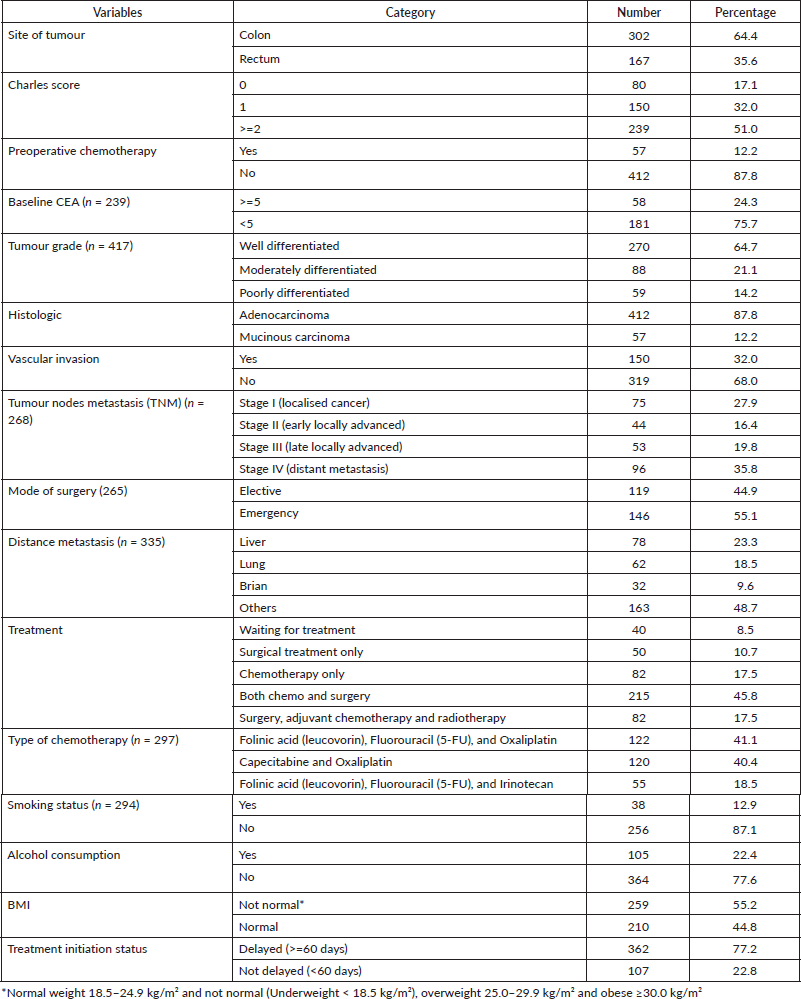
In this study, 469 CRC patients participated, and the majority of them had colon tumours; 302 (64.4%) and 412 (87.8%) were classified as adenocarcinoma. For patients under 50 years, rectal tumours made up 41.3% of cases, while for those aged 50 years and above, the percentage was 58.7%. At diagnosis, half of the patients, 238 (50.7%), presented with metastatic disease, most commonly to the liver 78 (23.3%), lungs 62 (18.5%) and over half, 239 (51.0%), had a significant comorbidity burden (Charlson score ≥ 2). Most tumours were well-differentiated 270 (64.7%), though vascular invasion was present in a third of cases 150 (32.0%) (Table 2).
Table 1. Distribution of sociodemographic variables among CRC patients in Hawassa Comprehensive Specialized Hospital, Southern Ethiopia (N = 469).
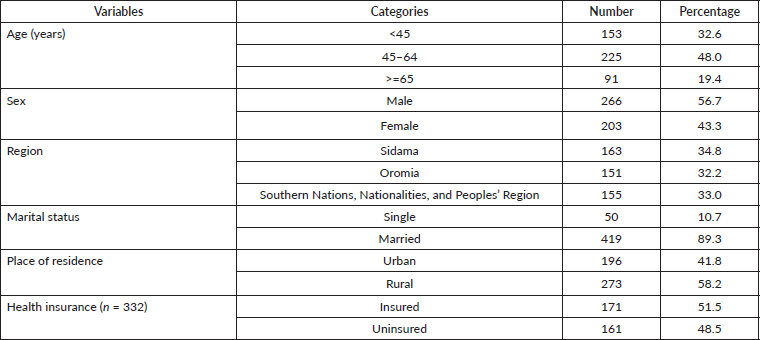
Table 2. Clinical, pathological and behavioural characteristics of CRC patients in Hawassa Comprehensive Specialized Hospital, Southern Ethiopia (N = 469).
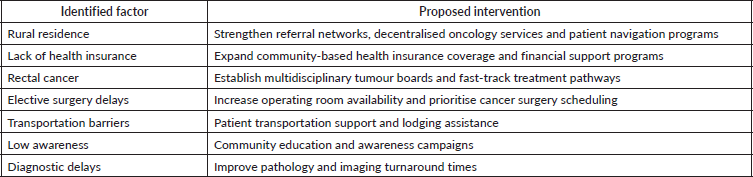
Several of the determinants identified in this study are potentially modifiable through health-system interventions (Table 3).
Table 3. Potential interventions to reduce delayed treatment initiation.
Magnitude of CRC
This study showed that the magnitude of delayed treatment initiation among CRC patients was 77.2% (95% CI: 73.37–81.00). The median time for treatment initiation among CRC patients was 130 days with an IQR of 149 days (Q1 = 67, Q3 = 216), indicating substantial variability in treatment delays. This extended interval suggests a significant lag in initiating treatment postdiagnosis, which may have critical implications for disease progression, patient outcomes and overall healthcare efficiency.
Factors associated with delayed treatment initiation
In this study, about six sociodemographic variables were analysed, and three of them showed independent predictors of the outcome after controlling for other variables’ effects on CRC treatment delay, such as marital status, place of residence and health insurance. Married patients had 3.71 times higher adjusted odds of the late initiation of treatment compared to single patients (adjusted odds ratio [AOR] = 3.71, 95% CI: 1.88–7.32, p < 0.001). Similarly, rural residents had 2.11 times higher adjusted odds than urban residents (AOR = 2.11, 95% CI: 1.24–3.60, p = 0.006). Furthermore, not having health insurance was significantly associated with the outcome, with uninsured patients having 2.41 times higher adjusted odds than those with insurance (AOR = 2.41, 95% CI: 1.38–4.18, p = 0.002). While female sex showed a significant crude association (crude odds ratio (COR) = 1.78, 95% CI: 1.13–2.80, p = 0.013), it was not statistically significant in the adjusted model (AOR = 1.69, 95% CI: 0.98–2.95, p = 0.06), indicating its effect may be influenced by other sociodemographic factors (Table 4).
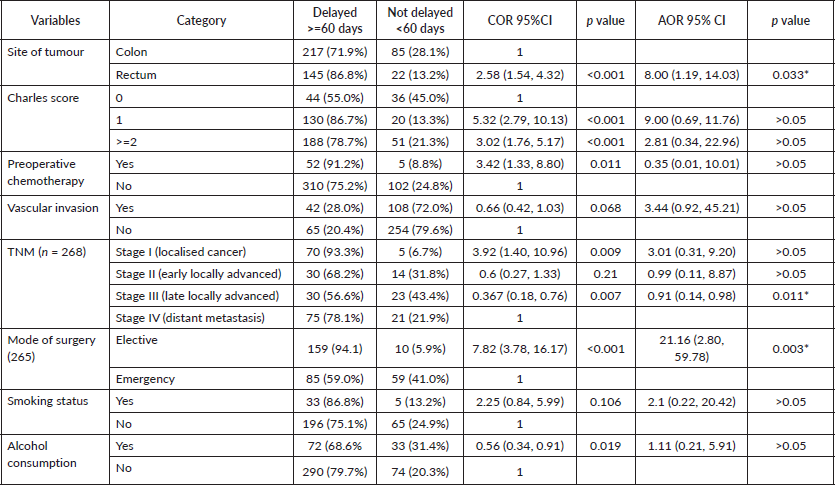
The multivariate logistic regression analysis identified three factors as independent predictors of a treatment initiation delay of ≥60 days: tumour site, TNM stage III disease and mode of surgery. Patients with rectal tumours had significantly higher odds of delay compared to those with colon tumours (AOR = 8.00, 95% CI: 1.19–14.03, p = 0.033). On the other hand, a diagnosis of TNM stage III cancer was associated with significantly reduced odds of delay compared to stage IV disease (AOR = 0.91, 95% CI: 0.14–5.8, p = 0.011). Most patients undergoing elective surgery had a dramatically increased probability of a prolonged delay compared to those requiring emergency operations (AOR = 21.16, 95% CI: 2.80–59.78, p = 0.003) (Table 5).
Discussion
This study aimed to investigate the determinants of delayed treatment initiation and assess their effect on clinical outcomes in patients with CRC in Ethiopia. The findings of the study suggest that CRC can affect individuals across a broad age range, with the mean age of onset being 50.9 (±13.39) years and identical median and mode ages of 50 years. These findings, confirm that CRC affects individuals across the adult lifespan and are consistent with existing literature indicating that while incidence rises with age, the disease can occur at any age [26–28]. The increased incidence of CRC in young adults (<50 years) is might be due to lifestyle change, which is related to BMI, smoking, alcohol consumption and other factors.
This study found that the incidence of delayed treatment initiation among CRC patients was 77.2% (95% CI: 73.37–81.00). This rate is lower than that reported in Brazilian women with breast cancer (89.1%) [29], but higher than findings from several other studies, including Black Lion Hospital in Ethiopia (65%) [25], Spain (65.5%) [3] and Woods’ study (46.8%) [30] on CRC. This discrepancy may be obtained from disparities in how ‘delayed treatment’ is defined across studies, with some using shorter time thresholds or different starting points for measuring TTI.
Table 4. Multivariable analysis of sociodemographic variables among CRC patients in Hawassa Comprehensive Specialized Hospital, Southern Ethiopia.
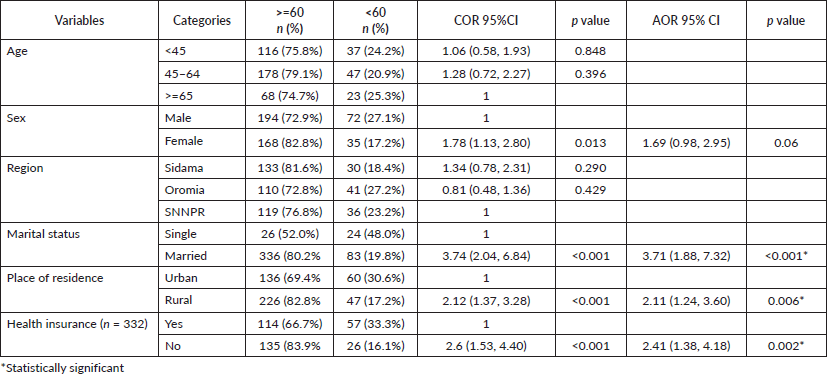
Table 5. Multivariable analysis of clinical, pathological and behavioural characteristics of CRC patients in Hawassa Comprehensive Specialized Hospital, Southern Ethiopia (N = 469).
The median TTI among CRC patients in this study was 130 days (IQR: 149), which is slightly lower than the 138 days reported by Van Hout et al [31], but notably higher than the 44 days observed by Korsgaard et al [32] and the 62 days reported by Hoffmann et al [33]. These discrepancies may be attributed to differences in healthcare system efficiency, referral pathways and diagnostic infrastructure across countries. Additionally, variations in how ‘treatment initiation’ is defined – whether measured from symptom onset, diagnosis or first specialist consultation – can significantly influence reported timelines. Socioeconomic factors, patient awareness and institutional capacity also play critical roles in shaping treatment delays.
In this study, marital status emerged as a significant predictor of treatment delay among CRC patients. Married individuals were found to be 3.71 times more likely to experience treatment delay compared to their single counterparts (95% CI: 1.88–7.32, p < 0.001) in this study. Even though most evidence supports marriage as a factor for earlier diagnosis and better survival in CRC, the result of this study showed that married people are 3.71 times more likely to experience treatment delay, which may reflect unique local or study-specific factors that diverge from the broader trend [34–36]. Furthermore, the study’s population, setting and methodology variation might have affected the result [13,35]. Also, complex familial decision-making and financial burdens [37], diverted resources and competing responsibilities [3], caregiver burden inconsistency [38], gendered dimensions and social stigma [39] can paradoxically impede timely access to care.
The finding that rural residence is associated with approximately twice the odds of CRC treatment initiation delay compared to urban residence (AOR = 2.11, 95% CI: 1.24–3.60, p = 0.006). This is consistent with previous studies conducted in Victoria, Australia, which found rural CRC patients had significantly longer total intervals from first symptom or screening to treatment compared to urban patients, particularly due to longer diagnostic intervals [40]. Also, the Scottish study found rural patients had less radiotherapy for CRC, likely reflecting travel distance considerations, but overall treatment modalities like surgery or chemotherapy were similarly delivered in rural and urban groups.
Another study done in Scotland observed that there were no increased delays in treatment for rural patients; in fact, treatment was sometimes quicker for rural patients after adjusting for disease stage and emergency admissions. This may arise due to differences in healthcare systems, geography, access to specialists, reduced access to diagnostic resources or how delays are measured (total interval versus postreferral treatment interval) across studies [40].
This study also revealed that lack of health insurance was significantly associated with delayed treatment initiation among CRC patients. Individuals without insurance were 2.6 times more likely to experience treatment delays compared to those with insurance (COR = 2.60, 95% CI: 1.53–4.40, p < 0.001). This association remained strong even after adjusting for other variables, with an AOR of 2.41 (95% CI: 1.38–4.18, p = 0.002), indicating that insurance status independently influences timely access to care. Similarly, studies from the world, Tennessee Cancer Registry [41], Puerto Rico [42] and the UK [43] showed that patients who were uninsured were more likely to be diagnosed and initiated treatment with advanced-stage CRC. Hence, these individuals experienced poorer overall survival, largely due to reduced access to recommended adjuvant therapies, which contributed to less favourable treatment outcomes [41]. This explains the critical need for insurance coverage to reduce CRC treatment delays and improve survival rates [41]. This might be due to financial constraints that often compel patients to delay or skip essential treatments [44], while inefficiencies within the healthcare system can result in extended wait times for diagnostics and specialist appointments [13,45,46]. Additionally, psychological stress, particularly anxiety over treatment costs, may discourage individuals from early treatment initiation [44].
In this study, tumour location was identified as a strong predictor of treatment delay (≥60 days) among CRC patients, with those having rectal tumours being eight times more likely to experience delayed treatment compared to those with colon tumours (AOR = 8.00, 95% CI: 1.19–14.03, p = 0.033). This is in line with the studies of Asian, Native Hawaiian and other Pacific Islander patients, which indicated that CRC located at rectal is more prone to delay on time treatment initiation [47]. Also, another study done elsewhere shows that CRC patients with rectal cancer are more likely to delay treatment initiation[3,25,48]. This is because rectal tumour location in CRC is strongly linked to delayed treatment initiation due to complex clinical management and patient/tumour-specific factors [25]. Rectal cancer often requires more complex surgical planning and neoadjuvant therapy, unlike colon cancer, which typically involves simpler resection [49].
In this study, elective surgery treatment showed a strong association with treatment delays (AOR = 21.16, 95% CI: 2.80–59.78, p = 0.003), which is likely explained by scheduling constraints and limited resource availability. Unlike emergency surgery procedures that typically receive immediate prioritisation due to their urgent nature, elective surgeries must be scheduled within healthcare systems facing limited operating room capacity, personnel shortages and prioritisation challenges that prolong waiting times. Several studies support this explanation, including a systematic review that showed elective surgery takes longer time to be scheduled for treatment initiation [50]. Also, an international cohort study on CRC patients found that elective surgery causes long delays in CRC patients’ treatment initiation and leads to poor survival of CRC patients [51]. Furthermore, the 2023 study on the global impact of COVID-19 revealed significant delays in elective colorectal surgeries worldwide, raising concerns about postponed CRC treatment initiation and its potential effect on patient mortality [52]. This might be due to the triaging and prioritisation that emergency cases always jump the queue, pushing elective cases back. Moreover, resource limitation and other health conditions before surgery add time to the process.
The study found that Stage III CRC patients are less likely to experience treatment delays (AOR = 0.91, 95% CI: 0.14–0.98, p = 0.011), suggesting that patients with advanced but potentially curable disease are prioritised for timely treatment possibly due to clinical urgency or structured treatment protocols. Supporting evidence shows that Stage III CRC, which involves lymph node metastasis but remains potentially curable, attracts greater clinical attention to expedite treatment due to the higher risk of disease progression and poorer prognosis if delayed [53]. Conversely, early-stage patients may not always receive the same urgency, potentially contributing to longer treatment intervals. Previous studies reported that delays in adjuvant chemotherapy beyond recommended windows (>=60 days) are associated with worse overall and recurrence-free survival in Stage III CRC patients, thereby reinforcing the need for prompt therapy in this group [54]. This might be due to clinical urgency, system protocols, and patient behaviour that lead to higher levels of fear, motivation and compliance, leading to prioritised personal schedules.
Some of the factors highlighted in this study could be improved through changes in the health system. Expanding health insurance, strengthening referral networks for rural communities, improving access to diagnostic services and giving priority to scheduling elective cancer surgeries could help cut delays in starting treatment. Creating multidisciplinary care pathways for rectal cancer patients could also make treatment planning smoother and ensure faster access to care.
Limitations
This study is limited due to data quality and completeness of pre-existing records, which may be incomplete, inconsistent or inaccurate. Also, missing data can introduce bias or limit the ability to adjust for confounders. Moreover, the measurement and definition of variables are varied from different study settings, so that this makes difficult to compare directly.
Conclusion
This study determined a high prevalence of delayed treatment initiation among CRC patients, with multiple sociodemographic and clinical factors contributing to these delays. Marital status, rural residence, lack of health insurance, rectal tumour location and elective surgical treatment, all of which significantly increase the likelihood of treatment postponement. Conversely, patients with Stage III disease were less likely to experience delays, likely due to clinical prioritisation. While the unexpected finding that married patients experienced more delays contradicts some existing literature, it highlights the context-specific nature of these barriers. Therefore, these findings emphasise the need for targeted interventions to address systemic barriers, improve healthcare access and streamline treatment pathways, particularly for CRC patients, by expanding insurance coverage and improving resource allocation for elective surgeries to mitigate delays and improve oncologic outcomes, particularly CRC outcomes.
Abbreviations
AOR, Adjusted odds ratio; ASCO, American Society of Clinical Oncology; CI, Confidence interval; CRC, Colorectal cancer; DM, Diabetes mellitus; GLOBOCAN, Global Cancer Observatory; DTTI, Delayed time treatment initiations; FAP, Familial adenomatous polyposis; HTN, Hypertension; HIV, Human immunodeficiency virus; HR, Hazard ratio; HUCSH, Hawassa University Comprehensive Specialized Hospital; LMICs, Low- and middle-income countries; NCCN, National Comprehensive Cancer Network; NHS, National Health Service; SDG, Sustainable development; SSA, Sub-Saharan Africa; TTI, Treatment initiation; TV, Television; WHO, World Health Organization.
Acknowledgments
We would like to thank HUCSH and Pharma College Hawassa Campus.
Authors’ contributions
DD, BB and DH were responsible for the conception and design of the manuscript. DD, BB, DH and WT contributed in writing the manuscript. DD, BB, DH and WT reviewed and edited the article. All authors have read and agreed to the final version of the manuscript.
Conflicts of interest
The authors declare no competing interests.
Funding
No funds were obtained.
Data availability
The datasets are available from the corresponding author on reasonable request.
Ethics approval and consent to participate
This study was conducted in accordance with the Declaration of Helsinki. Ethical approval was obtained from Pharma University College IRERC (Ref No:080/IRERC/2025). Patient confidentiality was maintained by anonymising records, and data were used solely for research purposes. A permission letter was obtained from Hawassa University Comprehensive Specialized Hospital.
Consent for publication
Not applicable.
References
1. WHO (2023) Colorectal Cancer [https://www.who.int/news-room/fact-sheets/detail/colorectal-cancer] Date accessed: 4/5/2025
2. American Cancer Society (2024) American Cancer Society Annual Cancer Statistics 2024 Shows Drop in Cancer Mortality but Increasing Incidence for Six of the Top Ten Cancers Delaware J Public Health 10(3), 6–7 [https://doi.org/10.32481/djph.2024.08.03]
3. Klimeck L, Heisser T, and Hoffmeister M et al (2023) Colorectal cancer: a pressing health and economic challenge Best Pract Res Clin Gastroenterol 66 101839 [https://doi.org/10.1016/j.bpg.2023.101839]
4. Sung H, Ferlay J, and Siegel RL, et al (2021) Global Cancer Statistics 2020: GLOBOCAN Estimates of Incidence and Mortality Worldwide for 36 Cancers in 185 Countries CA: A Cancer J Clin 71(3) 209–249 [https://doi.org/10.3322/caac.21660]
5. Awedew AF, Asefa Z, and Belay WB (2022) Burden and trend of colorectal cancer in 54 countries of Africa 2010–2019: a systematic examination for Global Burden of Disease BMC Gastroenterol 22(1) 204 https://doi.org/10.1186/s12876-022-02275-0 PMID: 35468750 PMCID: 9036749
6. Morgan E, Arnold M, and Gini A, et al (2023) Global burden of colorectal cancer in 2020 and 2040: incidence and mortality estimates from GLOBOCAN Gut 72(2) 338–344 https://doi.org/10.1136/gutjnl-2022-327736 PMID: 36604116
7. Atinafu BT, Bulti FA, and Demelew TM (2020) Survival status and predictors of mortality among colorectal cancer patients in Tikur Anbessa Specialized Hospital, Addis Ababa, Ethiopia: a retrospective follow-up study J Cancer Prevention 25(1) 38–47 https://doi.org/10.15430/JCP.2020.25.1.38
8. Balta B, Taylor L, and Bogale N, et al (2024) Survival and predictors of mortality among colorectal cancer patients on follow-up in Hawassa University comprehensive specialized Hospital, Sidama region, Southern Ethiopia, 2022. A 5-year retrospective cohort study PLoS One 19(8) 304820 https://doi.org/10.1371/journal.pone.0304820
9. Kumar PZY, et al (2022) Magnitude and determinants of colorectal cancer at the oncology unit of Dessie comprehensive specialized hospital, Dessie, Ethiopia J Abyssinia J Sci Technol 7(2) 60–68
10. Olfatifar M, Rafiei F, and Sadeghi A, et al (2025) Assessing the colorectal cancer landscape: a comprehensive exploration of future trends in 216 countries and territories from 2021 to 2040 J EpidemiolGlobal Health 15(1) 5
11. WHO (2017) Early Cancer Diagnosis Saves Lives, Cuts Treatment Costs [https://www.who.int/news/item/03-02-2017-early-cancer-diagnosis-saves-lives-cuts-treatment-costs] Date accessed: 4/11/2025
12. WHO (2025) Promoting Cancer Early Diagnosis [https://www.who.int/activities/promoting-cancer-early-diagnosis] Date accessed: 4/11/2025
13. Ungvari Z, Fekete M, and Fekete JT, et al (2025) Treatment delay significantly increases mortality in colorectal cancer: a meta-analysis GeroScience 47(3), 5337–5353 https://doi.org/10.1007/s11357-025-01648-z
14. Zingeta GT, et al (2023) Clinical presentation, treatment patterns, and outcomes of colorectal cancer patients at Tikur Anbessa Specialized Hospital in Addis Ababa, Ethiopia: a prospective cohort study Cancer Rep (Hoboken) 6(9) e1869
15. Society AC (2025) Colorectal Cancer: Survival Rates for Colorectal Cancer [https://www.cancer.org/cancer/types/colon-rectal-cancer/detection-diagnosis-staging/survival-rates.html] Date accessed: 4/11/2025
16. Society AC (2024) Colorectal Cancer [https://www.cancer.org/cancer/types/colon-rectal-cancer/detection-diagnosis-staging/staged.html] Date accessed: 4/11/2025
17. Sikdar KC, Dickinson J, and Winget M (2017) Factors associated with mode of colorectal cancer detection and time to diagnosis: a population level study BMC Health ServRes 17(1) 7 https://doi.org/10.1186/s12913-016-1944-y
18. Adigo B, Gulilat D, and Kassa S (2023) Delay in first treatment initiation and associated factors among colorectal cancer patients at Tikur Anbessa specialized hospital, Addis Ababa, Ethiopia: a Retrospective Cohort Study Int J Cancer Res Ther 8(4) 155–163
19. Nurse A (2025) Cancer Treatment Delays and Survival Outcomes [https://www.myamericannurse.com/cancer-treatment-delays-and-survival-outcomes/] Date accessed: 4/11/2025
20. Hanna TP, et al (2020) Mortality due to cancer treatment delay: systematic review and meta-analysis 371 m4087 PMID: 33148535 PMCID: 7610021
21. Hope Co. (2024) Even a One-Month Treatment Delay Increases Cancer Death Risk [https://www.cancercenter.com/community/blog/2024/07/delayed-cancer-treatment-risks] Date accessed: 4/11/2025
22. Gebretsadik A. and Dulla D (2024) The Top Ten Cancer Burdens at Hawassa University Comprehensive Specialized Hospital, 2013–2019 Ethiopian J Med Health Sci 4(1) [https://journals.hu.edu.et/hu-journals/index.php/ejmhs]
23. Edwards GC, Gamboa AC, and Feng MP, et al (2022) What’s the magic number? Impact of time to initiation of treatment for rectal cancer Surgery 171(5) 1185–1192 https://doi.org/10.1016/j.surg.2021.08.032
24. Mclaughlin JM, Anderson RT, and Ferketich AK, et al (2012) Effect on survival of longer intervals between confirmed diagnosis and treatment initiation among low-income women with breast cancer J Clin Oncol 30(36) 4493–4500 https://doi.org/10.1200/JCO.2012.39.7695 PMID: 23169521 PMCID: 3518728
25. Adigo B, D. Gulilat, and S. Kassa (2023) Delay in first treatment initiation and associated factors among colorectal cancer patients at Tikur Anbessa specialized hospital, Addis Ababa, Ethiopia: a retrospective cohort study Int J Cancer Res Ther 8(4) 155–163
26. Sifaki-Pistolla D, et al (2022) Significant rise of colorectal cancer incidence in younger adults and strong determinants: 30 years longitudinal differences between under and over 50s Cancers (Basel) 14(19) 2022 https://doi.org/10.3390/cancers14194799
27. Howren A, et al (2021) Trends in the incidence of young-onset colorectal cancer with a focus on years approaching screening age: a population-based longitudinal study J Natl Cancer Inst 113(7) 863–868 https://doi.org/10.1093/jnci/djaa220 PMID: 33492399 PMCID: 8246802
28. Stoffel EM and Murphy CC (2020) Epidemiology and mechanisms of the increasing incidence of colon and rectal cancers in young adults Gastroenterology 158(2) 341–353 https://doi.org/10.1053/j.gastro.2019.07.055
29. Medeiros L, et al (2021) Determinants of delay from cancer diagnosis to treatment initiation in a cohort of Brazilian women with breast cancer Health Soc Care Community 29(6) 1769–1778 https://doi.org/10.1111/hsc.13284 PMID: 33438787
30. Woods AL, Kachen A, and Dejenie RA, et al (2025) Time to definitive treatment in rectal cancer care coordination Am J Surg 248 116333 https://doi.org/10.1016/j.amjsurg.2025.116333
31. Van Hout AMGH, De Wit NJ, and Rutten FH, et al (2011) Determinants of patient’s and doctor’s delay in diagnosis and treatment of colorectal cancer Eur J Gastroenterol & Hepatol 23 1056–1063 https://doi.org/10.1097/MEG.0b013e32834c4839
32. Korsgaard M, Pedersen L, and Laurberg S (2008) Delay of diagnosis and treatment of colorectal cancer -- a population-based Danish study Cancer Detection Prevention 32(1) 45–51 https://doi.org/10.1016/j.cdp.2008.01.001
33. Hoffmann MS, et al (2014) Reducing the time from diagnosis to treatment of patients with stage II/III rectal cancer at a large county hospital J Clin Oncol Off J Am Soc Clin Oncol 32 141 https://doi.org/10.1200/jco.2014.32.30_suppl.141
34. Alyabsi M, Ramadan M, and Algarni M, et al (2021) The effect of marital status on stage at diagnosis and survival in Saudis diagnosed with colorectal cancer: cancer registry analysis Sci Rep 11(1) 8603 https://doi.org/10.1038/s41598-021-88042-9 PMID: 33883627 PMCID: 8060407
35. Li Q, Gan L, and Liang L, et al (2015) The influence of marital status on stage at diagnosis and survival of patients with colorectal cancer Oncotarget 6(9) 7339–7447 https://doi.org/10.18632/oncotarget.3129 PMID: 25749515 PMCID: 4466689
36. Feng Y, Dai W, and Li Y, et al (2018) The effect of marital status by age on patients with colorectal cancer over the past decades: a SEER-based analysis Int J Colorectal Dis 33(8) 1001–1010 https://doi.org/10.1007/s00384-018-3017-7 PMID: 29546559
37. Langenbach MR, Sauerland S, and Kröbel KW, et al (2010) Why so late?!—delay in treatment of colorectal cancer is socially determined Langenbeck’s Arch Surg 395(8) 1017–1024 https://doi.org/10.1007/s00423-010-0664-8
38. Suryani ND, Wiranata JA, and Puspitaningtyas H, et al (2024) Determining factors of presentation and diagnosis delays in patients with colorectal cancer and the impact on stage: a cross sectional study in Yogyakarta, Indonesia Ecancermedicalscience 18 1761 https://doi.org/10.3332/ecancer.2024.1761 PMCID: 11489102
39. Sathiyaseelan G, Hashim SM, and Nawi AM (2025) Sociocultural factors influencing women’s adherence to colorectal, breast, and cervical cancer screening: a systematic review BMC Public Health 25(1) 2034 https://doi.org/10.1186/s12889-025-23118-z PMID: 40457244 PMCID: 12128488
40. Bergin RJ, Emery J, and Bollard RC, et al (2018) Rural–urban disparities in time to diagnosis and treatment for colorectal and breast cancer Cancer Epidemiology Biomarkers & Prevention 27(9) 1036–1046 https://doi.org/10.1158/1055-9965.EPI-18-0210
41. Parikh AA, Robinson J, and Zaydfudim VM, et al (2014) The effect of health insurance status on the treatment and outcomes of patients with colorectal cancer J Surg Oncol 110(3) 227–232 https://doi.org/10.1002/jso.23627 PMID: 24810008
42. Ortiz-Ortiz KJ, Ramírez-García R, and Cruz-Correa M, et al (2014) Effects of type of health insurance coverage on colorectal cancer survival in Puerto Rico: a population-based study PLoS One 9(5) e96746 https://doi.org/10.1371/journal.pone.0096746 PMID: 24796444 PMCID: 4010542
43. Abdulaal A, Arhi C, and Ziprin P (2020) Effect of health care provider delays on short-term outcomes in patients with colorectal cancer: multicenter population-based observational study Interact J Med Res 9(3) e15911 https://doi.org/10.2196/15911 PMID: 32706666 PMCID: 7395251
44. Siminoff L, Thomson M, and Dumenci L (2014) Factors associated with delayed patient appraisal of colorectal cancer symptoms Psychooncology 23(9) 981–988 https://doi.org/10.1002/pon.3506 PMID: 24615789 PMCID: 4604563
45. Sun W, Cheng M, and Zhuang S, et al (2019) Impact of insurance status on stage, treatment, and survival in patients with colorectal cancer: a population-based analysis Med Sci Monit 25 2397–2418 https://doi.org/10.12659/MSM.913282 PMID: 30939127 PMCID: 6457135
46. Lee JY, Pihl E, and Kim HK, et al (2024) Risk factors for suboptimal colon cancer diagnosis and management at a safety-net hospital system J Surgical Res 301 127–135 https://doi.org/10.1016/j.jss.2024.05.036
47. Tanariyakul M, Wannaphut C, and Takahashi T, et al (2025) Comprehensive analysis of factors associated with treatment delays in Asian, Native Hawaiian, and other pacific islander patients with colorectal cancer J Gastrointest Cancer 56(1) 160 https://doi.org/10.1007/s12029-025-01279-9 PMID: 40684024
48. Tanariyakul M and Acoba JD (2025) Comprehensive analysis of socioeconomic and clinical factors contributing to treatment delay in early-onset colorectal cancer J Clin Oncol 43(4_suppl) 32 https://doi.org/10.1200/JCO.2025.43.4_suppl.32
49. Ng J, Stovezky YR, and Brenner DJ, et al (2021) Development of a model to estimate the association between delay in cancer treatment and local tumor control and risk of metastases JAMA Netw Open 4(1) e2034065 https://doi.org/10.1001/jamanetworkopen.2020.34065 PMID: 33502482 PMCID: 7841466
50. Whittaker TM, Abdelrazek MEG, and Fitzpatrick AJ, et al (2021) Delay to elective colorectal cancer surgery and implications for survival: a systematic review and meta-analysis Colorectal Dis 23(7) 1699–1711 https://doi.org/10.1111/codi.15625 PMID: 33714235 PMCID: 8251304
51. COVIDSurg Collaborative (2022) The impact of surgical delay on resectability of colorectal cancer: An international prospective cohort study Colorectal Dis 24(6) 708–726 https://doi.org/10.1111/codi.16117 PMID: 35286766 PMCID: 9322431
52. Haribhai S, Bhatia K, and Shahmanesh M (2023) Global elective breast- and colorectal cancer surgery performance backlogs, attributable mortality and implemented health system responses during the COVID-19 pandemic: a scoping review PLoS Global Public Health 3(4) e0001413 https://doi.org/10.1371/journal.pgph.0001413 PMID: 37014874 PMCID: 10072489
53. Kim IY, Kim BR, and Kim YW (2015) Factors affecting use and delay (≥8 weeks) of adjuvant chemotherapy after colorectal cancer surgery and the impact of chemotherapy-use and delay on oncologic outcomes PLoS One 10(9) e0138720 https://doi.org/10.1371/journal.pone.0138720
54. Grass F, Behm KT, and Duchalais E, et al (2020) Impact of delay to surgery on survival in stage I-III colon cancer Eur J Surgical Oncol 46(3) 455–461 https://doi.org/10.1016/j.ejso.2019.11.513