Quality of life assessment in head and neck cancer patients undergoing radiation therapy in a tertiary referral university hospital
Mariam Hina1, Bilal Mazhar Qureshi1, Habiba Zaheer2, Bilal Ahmed1, Maham Khan1, Laraib Khan1, Tooba Ali1, Fabiha Shakeel1, Jawad Ahmad3, Muhammad Abdul Wasay Zuberi3, Maria Tariq1, Nasir Ali1, Asim Hafiz1 and Ahmed Nadeem Abbasi1
1Section of Radiation Oncology, Department of Oncology, Aga Khan University, Karachi 74800, Pakistan
2Department of Oncology, Aga Khan University, Karachi 74800, Pakistan
3CMH Institute of Medical Sciences, Multan, Pakistan
Abstract
Background: There is considerable post-treatment morbidity in survivors of head and neck cancer (HNC) despite improved survival following multimodality therapy. Assessment of health-related quality of life (HR-QoL) gives valuable information about functional and psychosocial sequelae of radiation therapy (RT), especially in less-studied populations such as South Asians.
Method: A prospective observational study was conducted between August 2023 and December 2024, including biopsy-proven HNC patients receiving curative-intent RT (definitive or adjuvant). The EORTC QLQ-HN35 questionnaire (Urdu/English, interviewer-assisted) was administered at baseline and 12 ± 2 weeks post-RT. Mean ± standard deviations were calculated for each domain. Pre- and post-treatment differences were analysed using paired t-tests, while multivariate analysis (general linear model-multivariate analysis of variance) identified factors associated with HR-QoL outcomes.
Results: Fifty-six patients (mean age, 49 ± 13 years; male sex, 78.6%) were included in the analysis. There was a marked deterioration of xerostomia (p = 0.004), pain (p = 0.011) and taste/smell (p = 0.018), whereas social contacts (p = 0.048) and sexuality (p < 0.001) improved after therapy. Tumour site (p < 0.001), histological subtype (p < 0.001) and marital status (p < 0.001) were the main HR-QoL predictors detected. Both oropharyngeal/hypopharyngeal locations were related to more post-treatment pain and social-eating problems.
Conclusion: Within 3 months after curative-intent RT, HNC patients showed worsening of xerostomia, pain and sensory loss, with the improvement in social contact and sexuality. Tumour site, histopathology and marital status were the key predictors of HR-QoL, demonstrating anatomical, biological and psychosocial influences. Targeted follow-up and supportive care are important for future studies integrating patient-reported and objective outcomes to personalise survivorship care.
Keywords: radiation therapy, multidisciplinary care, adjuvant treatment, head and neck cancer, acute side effects, late side effects, quality of life, survivorship, psychosocial re-integration, targeted follow-up
Correspondence to: Mariam Hina
Email: hinasyed95@gmail.com
Published: 01/09/2026
Received: 29/03/2026
Publication costs for this article were supported by ecancer (UK Charity number 1176307).
Copyright: © the authors; licensee ecancermedicalscience. This is an Open Access article distributed under the terms of the Creative Commons Attribution License (http://creativecommons.org/licenses/by/4.0), which permits unrestricted use, distribution, and reproduction in any medium, provided the original work is properly cited.
Introduction
Survivorship in head and neck cancer (HNC) is increasing due to the changes in the epidemiology of the disease and improvement in the treatment efficacy [1]. Five-year survival rates for patients with non-metastatic disease are currently between 60% and 80% [2]. Treatment of HNC is multidisciplinary and includes combination of surgery, radiation and chemotherapy. Radiation therapy (RT) is an integral part of treatment, either in a definitive or an adjuvant setting [3]. Patients are therefore vulnerable to RT-related adverse effects ranging from immediate side effects such as mucositis during treatment to long-term effects such as xerostomia and dysphagia after therapy [4–6]. These adverse effects significantly compromise patients’ functional abilities, overall quality of life, psychological and emotional wellbeing [7, 8]. As a result, HNC survivors have diverse post-treatment needs, and evaluation of health-related quality of life (HR-QoL) is therefore particularly significant in this population [9, 10]. Even though 40% of the global HNC burden arises in South Asia [11, 12], HRQoL in this population remains relatively underexplored, mainly due to the variations in the measurement tools and lack of comprehensive assessment strategies [13].
Various clinically reliable and validated modules and questionnaires have been developed to assess the HRQoL of patients during or after treatment [14]. These tools address different aspects of HRQoL and include generic tools, cancer-specific questionnaires (the European Organization for Research and Treatment of Cancer Quality of Life Core Questionnaire, version 3.0/EORTC QLQ-C30) and cancer-site specific modules (the head and neck module in EORTC/EORTC QLQ-HN35) [15–17]. The EORTC QLQ-HN35 is one of the most widely accepted, site-specific cancer modules as it depends on the patient’s own assessment rather than perceived pre- and post-treatment changes [16, 18].
The objective of this study was to evaluate the HRQoL in HNC patients both before and 12 ± 2 weeks after the completion of RT, using the EORTC QLQ-HN35 questionnaire. The purpose of this evaluation is to identify factors that significantly impact patients’ routine functioning and improve treatment outcomes for this patient group. The 12 ± 2 weeks post-treatment interval was chosen to ensure feasible data collection while minimising loss to follow-up and to capture both the early recovery phase following treatment and persistent treatment-related effects that may continue to influence the quality of life. Given the high prevalence of HNC in the South Asian population, this study holds strong relevance for this group.
Method
A prospective observational study was conducted between August 2023 and December 2024 at our institute. The study included all biopsy-proven HNC cases receiving curative-intent RT, either definitive or adjuvant. Eligible participants were aged ≥18 years, had an ECOG ≤2, and were able to understand and respond to the questionnaire in either English or Urdu-validated version, as per their preference [19]. Patients with distant metastasis, prior HN RT, concurrent malignancy, cognitive impairment or those with incomplete treatment were excluded from the study. Participants completed the EORTC QLQ-HN35 questionnaire via interviewer-assisted administration at two time points: baseline (prior to treatment planning and before undergoing CT simulation) and post-RT follow-up assessment at 12 ± 2 weeks. Missing responses were handled according to the EORTC Scoring Manual, allowing computation of mean scores when at least 50% of items in a scale were completed.
Ethical approval for the study was obtained from the Institutional Review Board (IRB) (2023-8578-25701). Written informed consent was obtained from all participants prior to enrolment.
Data were analysed using IBM SPSS v23. Descriptive statistics were used for demographic and clinical variables. Mean and standard deviation (SD) were reported for continuous variables, while categorical variables were expressed as frequencies and percentages. Paired-sample t-test was used to make comparisons between pre- and post-treatment HRQoL scores. General linear model (GLM) multivariate analysis of variance (MANOVA) was used to analyse the correlations between the factors and the HR-QoL scales. A p -value <0.05 was considered statistically significant.
Instruments of HR-QoL
The EORTC QLQ-H&N35 questionnaire was obtained from the Quality-of-Life Unit, EORTC Data Center in Brussels, Belgium. The QLQ-H&N35 particularly assesses HR-QoL symptoms in HNC patients. It incorporates seven multiple-item scales: pain, swallowing ability, senses (taste/smell), speech,
social eating, social contact and sexuality. Also included are six single-item scales: problems associated with teeth, mouth opening, dry mouth, sticky saliva, coughing and feeling ill. Each scale score ranges from 0 to 100, with higher scores indicating greater symptom severity.
Statistical analysis
Mean ± SDs for each HR-QoL scale were computed in accordance with the EORTC QLQ scoring manual. Paired t-tests were used to compare pre- and post-treatment scores. GLM MANOVA was used to see the association between clinical factors and the HR-QoL scales. The GLM-MANOVA approach was used to test the hypothesis of a significant association between a set of interrelated dependent variables (HR-QoL scales) and independent variables.
To investigate the association of a given factor with HR-QoL scales, a univariate analysis was conducted to establish whether the factor was associated significantly with any of the HR-QoL scales. Wilks’ l was used to test the impact of each variable included in the model. All variables were entered into the multi-factor model. In the case of a significant association between a factor and all HR-QoL scales taken together, a second ANOVA was performed to investigate the association between that prognostic factor and each HR-QoL scale separately, with post hoc testing using the Bonferroni method with a p -value.
Being the most concerned scale of HR-QoL in the study, pain was further analysed by multiple linear regression models to explore its associated prognosticators. All the data processing was performed using the statistical software SPSS for Windows (version 27).
Results
Study population
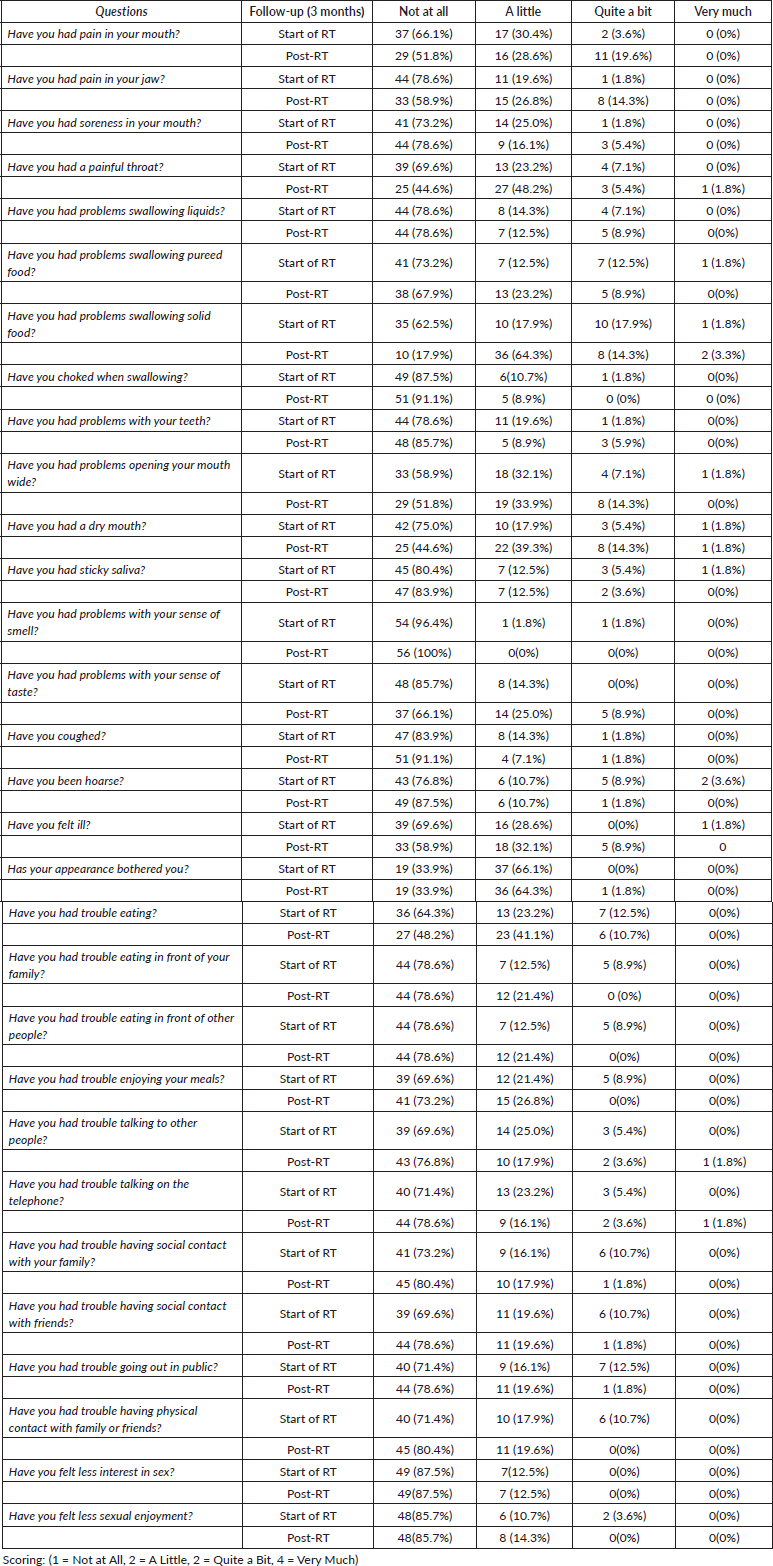
A total of 56 patients diagnosed with HNC undergoing RT were enrolled in the study. Patients had an average age of 49.03 years (range: 20–79 years); the majority were male (44 patients, 78.6%) versus female (12 patients, 21.4%). Most were married (51; 91.1%). Squamous cell carcinoma was the predominant histology (49; 87.5%). The oral cavity constituted the predominant tumour location (35; 62.5%), followed by the oropharynx (5; 8.9%) and the larynx (4; 7.1%) (Table 1). All patients successfully received curative RT using the volumetric modulated arc therapy (VMAT) technique. The domains and scoring structure of the questionnaire are detailed in Table 2.
Outcomes of HR-QoL
In Table 3, the descriptive statistics indicate both symptoms worsening and improvement across different domains of the QLQ-H&N35. Several symptom scales demonstrated a notable increase in mean scores post-RT, reflecting a deterioration in symptom burden. These included dry mouth (xerostomia); the mean score increased from 11.3 pre-treatment to 24.4 post-treatment (∆ [post−pre] = +13.1). Pain increased from 10.5 to 17.8 (∆ [post−pre] = +7.3), senses (taste/smell) from 3.27 to 7.14 (∆ [post−pre] = +3.87), feeling ill from 11.3 to 16.6 (∆ [post−pre] = +5.3) and difficulty in opening mouth from 17.2 to 20.8 (∆ [post−pre] = +3.6), indicating treatment-related aggravation of discomfort.
Conversely, several functional domains exhibited improvement, suggesting recovery in psychosocial and communicative aspects following treatment completion. These included speech problems: 12.1–8.13 (∆ [post−pre] = −3.97), social contact improvement: 15.0–10.3 (∆ [post−pre] = −4.7), coughing: 5.95–3.57 (∆ [post−pre] = −2.38) and sticky saliva: 9.52–6.54 (∆ [post−pre] = −2.98). A modest enhancement was also observed in sexual factors; the mean score declined slightly from 5.05 to 4.46 (∆ [post−pre] = −0.59), reflecting better psychosocial reintegration.
Table 1. Patient characteristics.
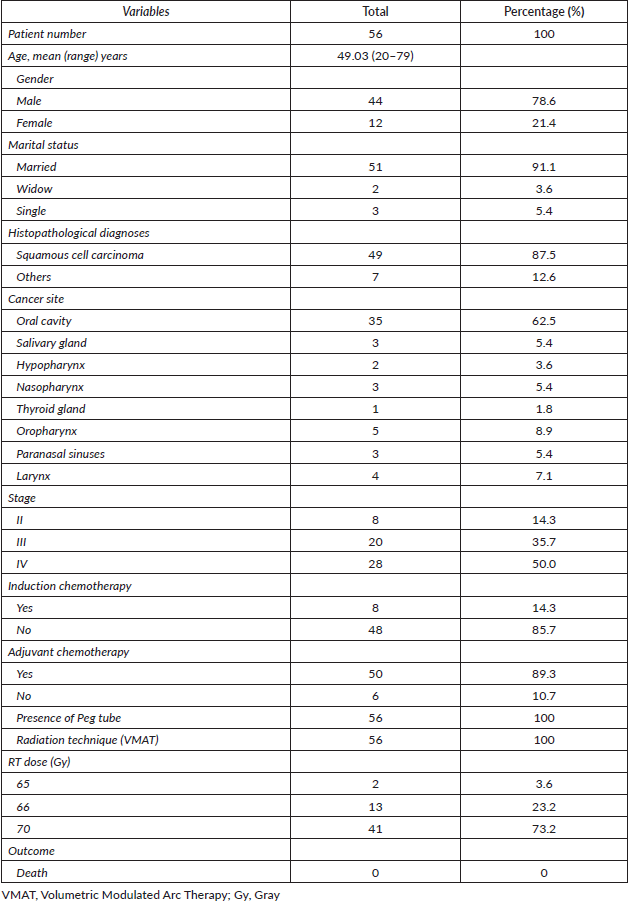
Table 2. Frequency and percentage distribution of survey responses.
Inferential analysis using paired t-tests (Table 4) further delineated the statistical significance of these changes. About 5 of the 13 scales demonstrated statistically significant pre- to post-treatment differences (Figure 1). Significant symptom worsening was observed for pain (95% CI [–12.84, –1.74], p = 0.011), dry mouth (95% CI [–21.72, –4.47], p = 0.004) and senses (taste/smell) (95% CI [–7.05, –0.69], p = 0.018), confirming that RT exerted a measurable adverse impact on these domains. In contrast, significant functional improvements were detected for social contact (95% CI [0.05, 9.23], p = 0.048) and sexual factors (95% CI [–2.70, 3.89], p < 0.001), reflecting enhanced psychosocial adjustment following treatment. The remaining domains, such as swallowing, teeth, opening mouth, sticky saliva, coughing, speech, feeling ill and social eating, did not reach statistical significance (all p > 0.05), suggesting that the observed mean differences in these scales likely represent random variation rather than a consistent RT effect.
Table 3. Calculated pre- and post-radiotherapy scores of EORTC QLQ-H&N35 scales for HNC survivors.
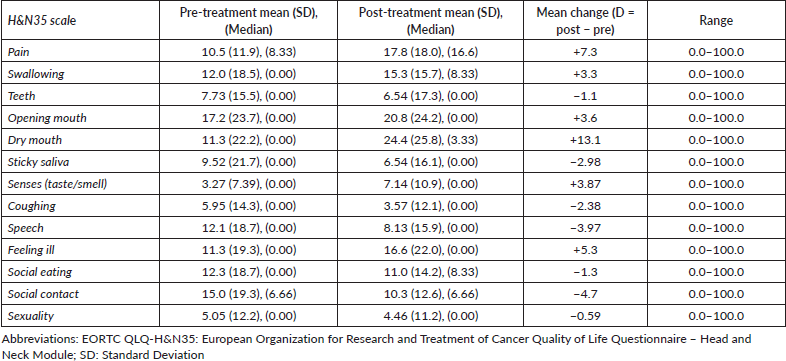
Table 4. Comparison of pre- and post -radiotherapy EORTC QLQ-H&N35 scale scores using paired t-test.
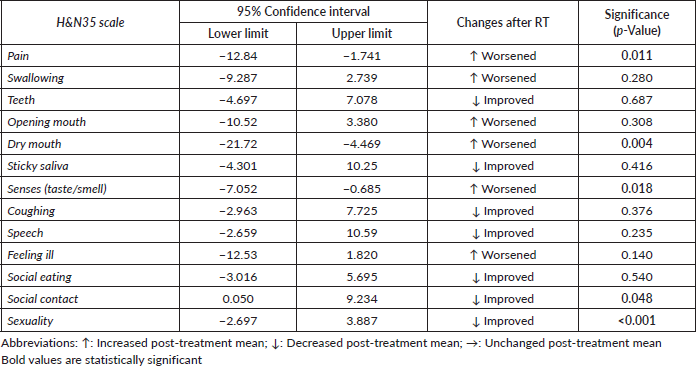
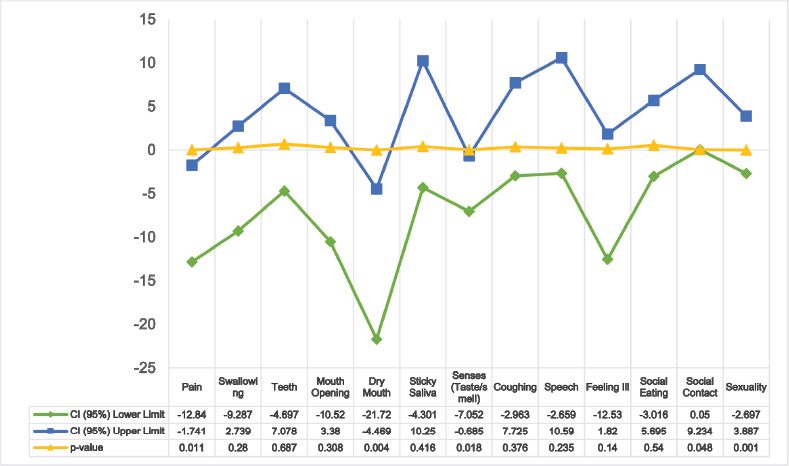
Figure 1. Mean change in EORTC QLQ-HN35 symptom domains at 3 months post-radiotherapy with corresponding 95% confidence intervals (CI) and p-values. The green line represents the lower CI limit, the blue line represents the upper CI limit and the yellow line indicates the p-values for each symptom domain. Significant functional improvements were detected for social contact and sexual factors.
Variables associated with HR-QoL outcomes
In the first step of the GLM-MANOVA, the association between the independent variables (three sociodemographic and seven clinical variables) and the dependent variables (scales of QLQ-H&N35) was investigated (one-factor model, Table 5). This analysis showed that four of the ten variables (except the age, p = 0.324; gender, p = 0.399; AJCC stage, p = 0.377; definitive therapy/surgical resection, p = 0.357; adjuvant therapy, p = 0.763; radiation phase, p = 0.074) were associated with the overall outcome on QLQ-H&N35. The ten variables were then entered into the multifactor model analysis, which demonstrated that histopathological diagnosis and tumour site were the most influential determinants of HR-QoL, exhibiting highly significant effects in both models (histopathology: Wilk’s λ = 0.081, p = 0.007 in the one-factor model; λ = 0.012, p < 0.001 in the multifactor model; tumour site: Wilk’s λ = 0.040, p < 0.001 in the one-factor model; λ = 0.003, p < 0.001 in the multifactor model). Marital status also emerged as a significant psychosocial determinant, achieving greater significance in the multifactor model (Wilk’s λ = 0.052, p < 0.001) compared to the one-factor model (Wilk’s λ = 0.422, p = 0.037), indicating that social support plays a vital, independent role in post-treatment adaptation and recovery (Table 5).
The site of tumour also exerted a significant influence on certain HR-QoL scales, including pain (F (7,48) = 2.38, p = 0.035, partial η² = 0.258), feeling ill (F (7,48) = 4.08, p = 0.001, partial η² = 0.373) and social eating (F (7,48) = 2.46, p = 0.030, partial η² = 0.265). Patients with oropharyngeal and hypopharyngeal tumours exhibited worse pain and social eating scores compared with those with nasopharyngeal or thyroid lesions,
suggesting that tumour location plays a considerable role in determining post-treatment functional outcomes and overall HR-QoL. In contrast, the adjuvant chemotherapy variable showed a significant effect only for the feeling ill scale (F (1,54) = 4.06, p = 0.049, partial η² = 0.070), with patients receiving adjuvant chemotherapy reporting greater levels of general malaise following treatment.
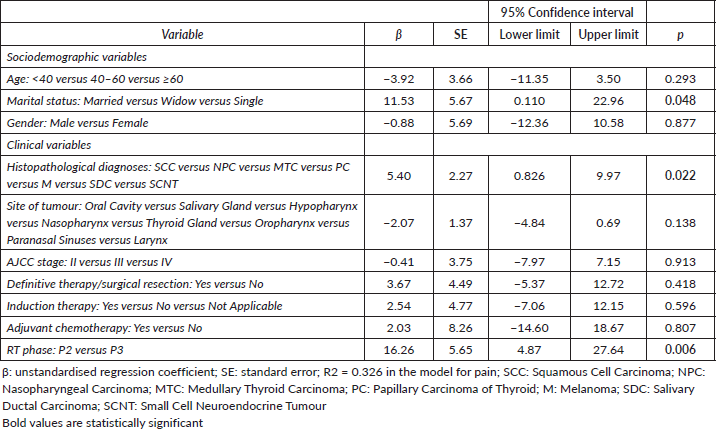
Additional analysis of pain-associated variables using multiple linear regression (Table 6) identified several significant predictors. Marital status showed a significant correlation with pain (β = 11.53, p = 0.048), with married individuals reporting elevated pain levels compared to widowed or single patients. Histopathological type also proved significant (β = 5.40, p = 0.022), revealing that squamous cell carcinoma patients experienced more severe pain than those with alternative tumour types.
Discussion
Assessment of HR-QoL at 12 weeks following RT
The current research investigated HR-QoL at the beginning of treatment and 12 ± 2 weeks after the conclusion of curative RT. This specific 12 ± 2 weeks assessment period was chosen because it represents a transition in early survivorship; during this time, acute side effects from radiation typically start to subside, while more persistent symptoms related to the treatment remain evident. This timeframe thus offers a valuable window to study the balance between treatment-induced morbidity and the return of functional health. The reason for using EORTC QLQ-HN35 is its wide acceptance and high compliance, as it provides patient assessment-based scoring for specific adverse effects and does not underestimate a patient’s own assessment of their pre-treatment physical performance as compared to post-treatment [16,18].
Table 5. GLM-MANOVA test of the overall effect of the sociodemographic and clinical variables on the EORTC QLQ-H&N35 scales.
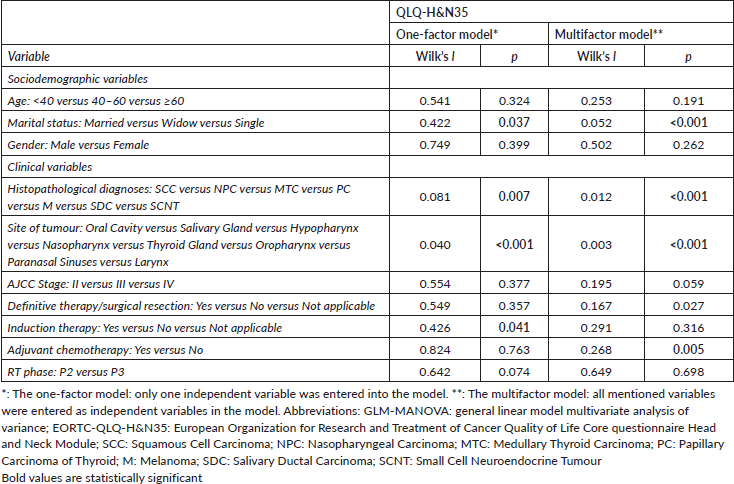
Table 6. Multiple linear regression analysis for pain.
Overall HR-QoL pattern at 12 weeks
Throughout the 12 ± 2 weeks following RT, patients exhibited a varied HR-QoL profile. There was a notable decline in areas such as dry mouth (xerostomia), pain levels and sensory abilities, particularly taste and smell. In contrast, domains related to social engagement and sexual health showed marked improvement. These results imply that while physical toxicities from treatment continue to impact survivors in the early post-therapy stage, psychosocial healing may initiate shortly after the treatment cycle ends [20].
Worsening of xerostomia, pain and sensory function
Among all evaluated domains, xerostomia demonstrated the greatest deterioration with mean scores increasing from 11.3 at baseline to 24.4 at 12 ± 2 weeks (Δ = +13.1, p = 0.004). This finding is consistent with the known vulnerability of salivary glands to RT because of their critical location and reflects the persistence of salivary dysfunction beyond treatment completion. Since saliva plays a critical role in swallowing, taste perception, oral hygiene, nutritional intake and speech, xerostomia remains one of the most clinically relevant determinants of post-treatment QoL in HNC survivors [21–23].
Pain also worsened significantly during the study period. It increased from a mean score of 10.5 before treatment to 17.8 at 12 ± 2 weeks (Δ = +7.3, p = 0.011). Persistent pain during this phase reflects ongoing mucosal healing, neuropathic injury, residual treatment-related inflammation and fibrosis. Similar findings have been reported in previous studies evaluating early post-RT recovery, highlighting the need for continued symptom monitoring beyond treatment completion [24].
Likewise, sensory dysfunction increased significantly, with taste and smell scores worsening from 3.3 to 7.1 (Δ = +3.9, p = 0.018). Alterations in taste and smell substantially affect appetite, nutritional status and overall patient satisfaction. Given that recovery of sensory function often extends over several months, the persistence of these symptoms at 12 ± 2 weeks is not unexpected [25].
Improvement in psychosocial domains
While physical symptoms worsened, psychosocial areas showed encouraging signs of progress. Social interaction scores improved from 15.0 at baseline to 10.3 at follow-up (Δ = −4.7, p = 0.048), and sexual health scores also saw a significant boost. These findings suggest that patients begin to reintegrate into their social lives once the intensive treatment phase is over.
Gains in social functioning stem from increased public confidence, better communication with family and fewer disruptions to daily routines [26]. Likewise, improvements in sexual health reflect a recovery in emotional well-being, self-regard and interpersonal connections. Altogether, these results emphasise that survivorship involves not just managing physical symptoms but also restoring emotional and social health [27, 28].
Determinants of HR-QoL at 12 weeks
The location of the tumour was found to be a major predictor of HR-QoL results. Patients with cancers in the oropharynx or hypopharynx suffered from significantly higher levels of pain, more difficulty with social eating and a greater sense of illness than those with tumours in other areas. This reflects the anatomical and functional burden of treating pharyngeal subsites [29].
Marital status was also an independent factor influencing pain and HR-QoL outcomes. The importance of marital status in the analysis highlights the critical role that social support plays during the recovery process. Patients with robust support networks are better prepared to handle treatment side effects, adjust to physical limitations and manage the general challenges of being a cancer survivor [30].
Clinical implications
The results of this study suggest that survivorship programs should go beyond disease monitoring to include early, multidisciplinary support. This should encompass symptom management, nutritional guidance, physical rehabilitation and psychological support, especially for patients at high risk of poor HR-QoL. Specific attention is needed for those with pharyngeal tumours or those who lack strong social support systems.
Strengths
This study is strengthened by its prospective design, assessment of HR-QoL changes from baseline to post-treatment within the same patient cohort with reduced recall bias. In addition, the use of the validated EORTC QLQ-HN35 questionnaire, interviewer-assisted bilingual administration and a relatively uniform VMAT-based curative-intent treatment approach provided a reliable evaluation of early survivorship outcomes in a South Asian population, an area where such data remain limited.
Limitations
As a single-centre study with a relatively small sample size, the findings may have limited generalisability. Furthermore, the 12 ± 2 weeks follow-up was designed to evaluate early survivorship and therefore does not capture long-term recovery patterns. Objective functional assessments, including swallowing evaluation, salivary flow measurements, nutritional assessment and trismus evaluation, were not performed, precluding correlation of patient-reported outcomes with functional recovery. Finally, the absence of a concurrent global HR-QoL instrument and minimally clinically important difference thresholds may limit interpretation of the clinical relevance of the observed changes.
Conclusion
This prospective study identified that within 3 months after curative-intent RT, HNC patients exhibited a significant aggravation of xerostomia, pain and sensory loss, while also showing significant improvement in the social contact and sexuality domains. Tumour site, histopathological subtype and marital status emerged as the strongest predictors of HR-QoL, emphasising the significance of anatomical, biological and psychosocial factors in determining survivorship outcomes. These results emphasise the need for targeted follow-up and individualised supportive interventions.
Recommendations
Future research should utilise multicentre, longitudinal designs with larger groups and repeated HR-QoL checks at 3, 6 and 12 months or longer. Although patient-reported QoL scores capture the subjective experience of symptoms and recovery, the integration of these measures with objective functional endpoints, such as assessments of swallowing efficiency, salivary flow and trismus, would provide a more comprehensive and reliable method of assessing the impact of treatment. Furthermore, early involvement of multidisciplinary teams and structured survivorship interventions, such as salivary-sparing RT techniques, swallowing rehabilitation programmes and symptom-triggered psychosocial support, should also be a priority in future research in high-risk subgroups. This would offer the potential to achieve personalised, data-driven, evidence-based survivorship care for HNC patients.
Conflicts of interest
The authors have no relevant financial or non-financial interests to disclose.
Funding
No funding was received for conducting this study.
Consent to participate
Informed consent was obtained from all individual participants included in the study.
Ethical approval
This study was conducted in accordance with institutional ethical standards. Approval was obtained from the Institutional Ethics Review Committee prior to data collection.
Author contributions
Mariam Hina: substantial contributions to conception and design, acquisition of data, analysis and interpretation of data; drafting the article and revising it critically for important intellectual content.
Bilal Mazhar Qureshi: substantial contributions to analysis and interpretation of data; drafting the article and reviewing it critically for important intellectual content.
Habiba Zaheer: substantial contributions to the critical review of the article for important intellectual content.
Bilal Ahmed: revised the draft critically for important intellectual content.
Maham Khan: revised the draft critically for important intellectual content.
Laraib Khan: revised the draft critically for important intellectual content.
Tooba Ali: revised the draft critically for important intellectual content.
Fabiha Shakeel: revised the draft critically for important intellectual content.
Jawad Ahmad: substantial contributions to the analysis and interpretation of data.
M. Abdul Wasay Zuberi: substantial contributions to analysis and interpretation of data.
Maria Tariq: revised the draft critically for important intellectual content.
Nasir Ali: revised the draft critically for important intellectual content.
Asim Hafiz: revised the draft critically for important intellectual content.
Ahmed Nadeem Abbasi: substantial contributions to conception and design, acquisition of data, analysis and interpretation of data; drafting the article and revising it critically for important intellectual content.
Data availability
The datasets generated and/or analysed during the current study are stored in an institutional repository available from the corresponding author on reasonable request.
Use of artificial intelligence
The authors confirm that no artificial intelligence-assisted technologies were used in the generation of the data/scientific content of this manuscript. All content, analysis and conclusions are solely those of the authors.
References
1. Larson A, Ma Y, and Sun Z, et al (2025) Survivorship therapy needs after radiotherapy for head and neck cancer: surveying opportunities for growth (STRONG) Support Care Cancer 33(5) 403 PMID: 40299080 PMCID: 12041175
2. Barsouk A, Aluru JS, and Rawla P, et al (2023) Epidemiology, risk factors, and prevention of head and neck squamous cell carcinoma Med Sci (Basel) 11(2) 42 PMID: 37367741 PMCID: 10304137
3. Anderson G, Ebadi M, and Vo K, et al (2021) An updated review on head and neck cancer treatment with radiation therapy Cancers (Basel) 13(19) 4912 https://doi.org/10.3390/cancers13194912 PMID: 34638398 PMCID: 8508236
4. Brook I (2020) Late side effects of radiation treatment for head and neck cancer Radiat Oncol J 38(2) 84–92 https://doi.org/10.3857/roj.2020.00213 PMID: 33012151 PMCID: 7533405
5. Hammad AM, Abrar S, and Tahseen R, et al (2023) Acute oral mucositis during hypo-fractionated radiation in squamous cell carcinoma of oral cavity J Coll Physicians Surg Pak 33(12) 1460–1462 PMID: 38062608
6. Soldera EB, Ortigara GB, and Bonzanini LIL, et al (2020) Clinical and sociodemographic factors associated with oral health-related quality of life in survivors of head and neck cancer Head Neck 42(5) 886–897 https://doi.org/10.1002/hed.26063 PMID: 31961033
7. Taylor KJ, Amdal CD, and Bjordal K, et al (2024) Long-term health-related quality of life in head and neck cancer survivors: a large multinational study Int J Cancer 154(10) 1772–1785 https://doi.org/10.1002/ijc.34861 PMID: 38312044
8. Reyes I, Arenilla M, and Alarcón D, et al (2023) Psychological impact after treatment in patients with head and neck cancer Med Oral Patol Oral Cir Bucal 28(5) e467–e473 https://doi.org/10.4317/medoral.25878 PMID: 36806022 PMCID: 10499343
9. Yuwanati M, Gondivkar S, and Sarode SC, et al (2021) Oral health-related quality of life in oral cancer patients: systematic review and meta-analysis Future Oncol 17(8) 979–990 https://doi.org/10.2217/fon-2020-0881 PMID: 33541115
10. Qamar S, Rozi S, and Sawani S, et al (2024) Oral health related quality of life in head and neck cancer survivors within the first year following treatment: a cross-sectional study in Karachi, Pakistan Sci Rep 14(1) 2560 https://doi.org/10.1038/s41598-024-52813-x PMID: 38297035 PMCID: 10830491
11. Joshi P, Dutta S, and Chaturvedi P, et al (2014) Head and neck cancers in developing countries Rambam Maimonides Med J 5(2) 9 https://doi.org/10.5041/RMMJ.10143
12. Anwer AW, Faisal M, and Malik A, et al (2018) Head and neck cancer in a developing country-a hospital based retrospective study across 10 years from Pakistan J Cancer Allied Spec 3(4) S104 https://doi.org/10.37029/jcas.v3i4.158
13. Ojo B, Genden EM, and Teng MS, et al (2012) A systematic review of head and neck cancer quality of life assessment instruments Oral Oncol 48(10) 923–937 https://doi.org/10.1016/j.oraloncology.2012.03.025 PMID: 22525604 PMCID: 3406264
14. Sprangers MA, Cull A, and Groenvold M, et al (1998) The European Organization for Research and Treatment of Cancer approach to developing questionnaire modules: an update and overview Qual Life Res 7(4) 291–300 https://doi.org/10.1023/A:1008890401133 PMID: 9610213
15. Aaronson NK, Ahmedzai S, and Bergman B, et al (1993) The European Organization for Research and Treatment of Cancer QLQ-C30: a quality-of-life instrument for use in international clinical trials in oncology J Natl Cancer Inst 85(5) 365–376 https://doi.org/10.1093/jnci/85.5.365 PMID: 8433390
16. Wan Leung S, Lee TF, and Chien CY, et al (2011) Health-related quality of life in 640 head and neck cancer survivors after radiotherapy using EORTC QLQ-C30 and QLQ-H&N35 questionnaires BMC Cancer 11 128 https://doi.org/10.1186/1471-2407-11-128
17. Bjordal K, De Graeff A, and Fayers PM, et al (2000) A 12 country field study of the EORTC QLQ-C30 (version 3.0) and the head and neck cancer specific module (EORTC QLQ-H&N35) in head and neck patients Eur J Cancer 36(14) 1796–1807 https://doi.org/10.1016/S0959-8049(00)00186-6 PMID: 10974628
18. Jensen K, Bonde Jensen A, and Grau C (2006) The relationship between observer-based toxicity scoring and patient assessed symptom severity after treatment for head and neck cancer. A correlative cross sectional study of the DAHANCA toxicity scoring system and the EORTC quality of life questionnaires Radiother Oncol 78(3) 298–305 https://doi.org/10.1016/j.radonc.2006.02.005 PMID: 16524633
19. Zahid N, Martins RS, and Zahid W, et al (2022) Psychometric properties of the Urdu version of the EORTC QLQ-H&N35 (European organization for research and treatment of cancer head and neck module) quality of life tool BMC Psychol 10(1) 194 https://doi.org/10.1186/s40359-022-00900-x PMID: 35934706 PMCID: 9358845
20. Patton LL, Helgeson ES, and Brennan MT, et al (2023) Oral health-related quality of life after radiation therapy for head and neck cancer: the OraRad study Support Care Cancer 31(5) 286 PMID: 37079106 PMCID: 11216743
21. Kiafi P, Kouri MA, and Patatoukas G, et al (2024) Unravelling quality of life for head and neck cancer patients after VMAT radiation therapy: insights from toxicity, dosimetry and symptoms correlation Clin Pract 14(3) 1085–1099 https://doi.org/10.3390/clinpract14030086 PMID: 38921264 PMCID: 11202948
22. Kosgallana S, Jayasekara P, and Abeysinghe P, et al (2023) Oral health related quality of life of oral cancer patients treated with radiotherapy alone or with chemotherapy in a tertiary referral centre in Sri Lanka BMC Oral Health 23(1) 162 https://doi.org/10.1186/s12903-023-02854-x PMID: 36935513 PMCID: 10024835
23. Caetano RS, Lima FF, and Gomes EP, et al (2022) Quality of life of patients after treatment for cancer in the head and neck region: a case-control study Cureus 14(6) e25800 PMID: 35822149 PMCID: 9270949
24. Van Den Bosch L, Van Der Laan HP, and Van Der Schaaf A, et al (2021) Patient-reported toxicity and quality-of-life profiles in patients with head and neck cancer treated with definitive radiation therapy or chemoradiation Int J Radiat Oncol Biol Phys 111(2) 456–467 https://doi.org/10.1016/j.ijrobp.2021.05.114 PMID: 34048816
25. Do Nascimento Santos Lima E, Ferreira IB, and Lajolo PP, et al (2020) Health-related quality of life became worse in short-term during treatment in head and neck cancer patients: a prospective study Health Qual Life Outcomes 18(1) 307 https://doi.org/10.1186/s12955-020-01543-5 PMID: 32938480 PMCID: 7493852
26. Saleem A, Khan AM, and Ali SME, et al (2023) Filling the void: the need for psycho-oncology multidisciplinary tumour boards in hospitals across Pakistan Int J Cancer Res Ther 8(4) 170–171
27. Schoenberg P, Wulff-Burchfield E, and Schlundt D, et al (2024) Qualitative classification of late systemic symptoms in head and neck cancer survivors Cancers (Basel) 16(11) 2106 https://doi.org/10.3390/cancers16112106 PMID: 38893225 PMCID: 11172150
28. De Felice F, Locati LD, and Ronchi S, et al (2022) Quality of life and financial toxicity after (chemo)radiation therapy in head and neck cancer: are there any sex- or gender-related differences? Tumori 108(6) 522–525 https://doi.org/10.1177/03008916221078885 PMID: 35260017
29. Nutting C, Finneran L, and Roe J, et al (2023) Dysphagia-optimised intensity-modulated radiotherapy versus standard intensity-modulated radiotherapy in patients with head and neck cancer (DARS). A phase 3, multicentre, randomised, controlled trial Lancet Oncol 24(8) 868–880 https://doi.org/10.1016/S1470-2045(23)00265-6 PMID: 37423227
30. Dahill A, Al-Nakishbandi H, and Cunningham KB, et al (2020) Loneliness and quality of life after head and neck cancer Br J Oral Maxillofac Surg 58(8) 959–965 https://doi.org/10.1016/j.bjoms.2020.04.041 PMID: 32665074