On-treatment and early post-radiotherapy EBV-DNA dynamics in locoregionally advanced nasopharyngeal carcinoma: a systematic review
Imad Barjij1,2a, Sarah Naciri1,2b, Sihame Lkhoyaali1,2, Saoussane Kharmoum3, Hanane Inrhaouen1,2, Ibrahim Elghissassi1,2, Saber Boutayeb1,2, Hind Mrabti1,2c and Hassan Errihani1,2
1Department of Medical Oncology, National Institute of Oncology, Ibn Sina University Hospital, Rabat 10000, Morocco
2Faculty of Medicine and Pharmacy of Rabat, Mohammed V University of Rabat, Rabat 10100, Morocco
3Department of Medical Oncology, Tangier Regional Hospital Center, Tangier 90000, Morocco
ahttps://orcid.org/0009-0004-2172-1058
bhttps://orcid.org/0009-0001-9164-2046
chttps://orcid.org/0000-0002-6728-6707
Abstract
Background: Plasma Epstein–Barr virus DNA (EBV-DNA) is an established prognostic biomarker in nasopharyngeal carcinoma (NPC). While baseline EBV-DNA reflects tumour burden, increasing interest has focused on on-treatment EBV-DNA dynamics as a marker of early molecular response (EMR), but heterogeneity in timepoints, EMR definitions and study designs limits clinical translation.
Objective: To systematically review and qualitatively synthesise the prognostic significance of plasma EBV-DNA dynamics measured during curative-intent therapy in locoregionally advanced, non-metastatic NPC.
Methods: This systematic review was conducted in accordance with the Preferred Reporting Items for Systematic Reviews and Meta-Analyses 2020 statement. PubMed/Medical Literature Analysis and Retrieval System Online, Embase, Scopus and Web of Science were searched (January 2004 to December 4, 2025). Eligible studies included prospective and observational designs reporting serial plasma EBV-DNA measurements during treatment and survival outcomes. Owing to heterogeneity in sampling timepoints, EMR constructs and EBV-DNA assays, no quantitative meta-analysis was performed. Risk of bias was assessed using design-appropriate tools.
Results: Twenty-one eligible reports, representing 20 analytically distinct study cohorts, met the inclusion criteria. Across treatment strategies and analytical approaches, unfavourable on-treatment EBV-DNA dynamics (persistent detectability, delayed clearance or adverse kinetic patterns) were consistently associated with inferior survival outcomes, particularly distant metastasis-free and event-free survival. In reports providing hazard ratios for distant metastasis-related endpoints, effect sizes were generally greater than 2. EBV-DNA rebound after initial clearance was also associated with unfavourable prognosis, although prospective validation remains required.
Conclusion: On-treatment and early post-radiotherapy EBV-DNA dynamics show consistent prognostic associations in locoregionally advanced NPC, but heterogeneous assays, sampling windows and response definitions preclude validated clinical decision thresholds. These measures should not guide treatment adaptation outside clinical trials; prospective standardisation and validation are required.
Keywords: nasopharyngeal carcinoma, Epstein–Barr virus DNA, early molecular response, circulating tumour DNA, prognostic biomarkers, treatment response, chemoradiotherapy
Correspondence to: Imad Barjij
Email: ibarjij@gmail.com
Published: 01/09/2026
Received: 26/02/2026
Publication costs for this article were supported by ecancer (UK Charity number 1176307).
Copyright: © the authors; licensee ecancermedicalscience. This is an Open Access article distributed under the terms of the Creative Commons Attribution License (http://creativecommons.org/licenses/by/4.0), which permits unrestricted use, distribution, and reproduction in any medium, provided the original work is properly cited.
Introduction
Nasopharyngeal carcinoma (NPC) is an epithelial malignancy strongly linked to Epstein–Barr virus (EBV), particularly in endemic regions. Most patients present with locoregionally advanced disease and receive curative-intent multimodality therapy, commonly incorporating induction chemotherapy (IC) and concurrent chemoradiotherapy (CCRT) [1–3]. Despite major gains in locoregional control with intensity-modulated radiotherapy (IMRT) and optimised systemic treatment, distant relapse remains clinically important, motivating prognostic biomarkers that can refine on-treatment risk stratification [4, 5].
Plasma EBV DNA (EBV-DNA) is an established biomarker in NPC: baseline levels correlate with tumour burden and have consistent prognostic value [4–6]. Baseline assessment is nevertheless static and does not capture real-time tumour response. Increasing attention has therefore focused on serial on-treatment and early post-radiotherapy dynamics as indicators of treatment sensitivity and residual disease [7–10].
Across reports, early molecular response (EMR) has been operationalised using several non-equivalent constructs [2, 7–16]. In this review, detectability denotes qualitative EBV-DNA status at a specified timepoint; clearance denotes conversion from detectable to undetectable; kinetics denotes the rate or magnitude of change; trajectory denotes a sequence of values across multiple timepoints; and rebound denotes re-detectability after documented clearance. The terms rapid and delayed clearance were retained only in relation to the windows defined by the original reports. Early post-treatment was defined as occurring within 3 months after radiotherapy. These constructs were categorised separately and synthesised within post-induction/pre-radiotherapy, mid-radiotherapy, end-radiotherapy and early post-treatment windows.
Previous systematic reviews and meta-analyses evaluated plasma EBV-DNA across broad clinical applications, including screening, pre-treatment prognostication, monitoring and surveillance or pooled pre-treatment, mid-treatment and post-treatment measurements [17–19]. The present review addresses a narrower question: serial on-treatment and early post-radiotherapy dynamics during curative-intent therapy for predominantly locoregionally advanced NPC. Its distinctive contribution is the use of explicit temporal windows together with construct-level differentiation among detectability, quantitative thresholds, kinetics, trajectories and rebound, rather than pooling biologically non-equivalent measures. It also incorporates studies published through 4 December 2025 and examines how assay and methodological heterogeneity constrain interpretation and clinical translation.
Methods
Study design and reporting standards
This systematic review was conducted in accordance with the Preferred Reporting Items for Systematic Reviews and Meta-Analyses (PRISMA) 2020 statement [20]. The review was not prospectively registered, and no standalone dated protocol was archived before screening. The review question, eligibility criteria, temporal categories, data-extraction domains, risk-of-bias approach and qualitative synthesis framework were established within the internal working methodology before completion of screening and data extraction. A retrospectively compiled methodological framework, clearly identified as having been prepared during peer review rather than as a contemporaneously archived protocol, is provided in Supplementary Material S1. Given the anticipated heterogeneity in EBV-DNA sampling schedules, constructs and effect measures, no quantitative meta-analysis was undertaken.
Eligibility criteria
Eligibility was defined using a population, intervention/exposure, comparator, outcomes (PICO)-based framework with additional methodological considerations.
We included original studies (randomised trials, prospective or retrospective cohort studies) involving adults (≥18 years) with non-metastatic NPC treated with curative intent, primarily those with locoregionally advanced disease corresponding to American Joint Committee on Cancer/Union for International Cancer Control (AJCC/UICC) stages III–IVA [21, 22]. Studies including earlier-stage disease were eligible if ≥50% of patients had locoregionally advanced disease or if relevant subgroups were extractable.
Eligible studies were required to report serial plasma EBV-DNA measurements with at least one on-treatment timepoint beyond baseline (post-induction, mid-radiotherapy, end-of-radiotherapy or early post-treatment). Comparisons included detectability versus non-detectability, quantitative thresholds, kinetic parameters (e.g., slope, half-life) or trajectory-based classifications. At least one time-to-event outcome (event-free, disease-free, distant metastasis–free, progression-free or overall survival) had to be reported. Hazard ratios (HRs) with 95% confidence intervals were extracted when available; otherwise, studies providing comparative survival analyses were included for qualitative synthesis. Studies were restricted to English-language publications between January 2004 and December 2025.
Exclusion criteria included paediatric-only cohorts, metastatic disease at diagnosis, recurrent/metastatic-only populations (unless non-metastatic subgroups were extractable), studies reporting baseline EBV-DNA only, technical assay-validation reports without clinical outcomes and non-original publications (reviews, editorials, letters, abstracts without full peer-reviewed data). In cases of overlapping cohorts, consistent report-selection rules were applied to retain the most comprehensive eligible analysis.
Management of overlapping cohorts
Potential cohort overlap was assessed by comparing recruitment centres, enrolment periods, eligibility criteria, treatment regimens, sample sizes and patient characteristics. Reports arising from the same underlying cohort were linked and counted once at the study level; complementary reports could contribute non-duplicative timepoint analyses, but their participant counts were not summed. When reports were judged to describe duplicate populations, selection favoured the most complete serial EBV-DNA and survival assessment. Potential partial overlap among large institutional series with different eligibility criteria or sampling schedules was acknowledged rather than assumed to represent complete duplication.
Information sources and search strategy
A systematic search was conducted in PubMed/Medical Literature Analysis and Retrieval System Online (MEDLINE), Embase, Scopus and Web of Science for English-language publications from 1 January 2004 through 4 December 2025; the final search was run on 4 December 2025. Reference lists and forward citations were screened manually. ClinicalTrials.gov was reviewed, and no additional eligible studies were identified.
Search strategies combined controlled vocabulary (MeSH/Emtree, where applicable) and free-text terms across four domains: NPC, EBV, plasma/circulating EBV-DNA and dynamic or on-treatment assessment. The complete database-specific strings, platforms, search date, language restriction, date limits and absence of design filters are reported in Supplementary Material S2.
Study selection
Records were imported into a reference management system and deduplicated automatically and manually. Screening was performed in two stages (title/abstract, then full text) by three reviewers (I.B., S.N. and H.M.) independently. Discrepancies were resolved by consensus or majority decision. No automation tools were used. The selection process is summarised in a PRISMA 2020 flow diagram.
Data collection and items
Two reviewers (I.B. and S.N.) independently extracted data using a standardised, piloted form; a third reviewer (H.M.) verified accuracy. Disagreements were resolved by consensus.
Primary outcomes were time-to-event endpoints (event-free, disease-free and distant metastasis-free survival). Overall survival was a key secondary endpoint. When multiple analyses were reported, multivariable models with the most comprehensive covariate adjustment were prioritised.
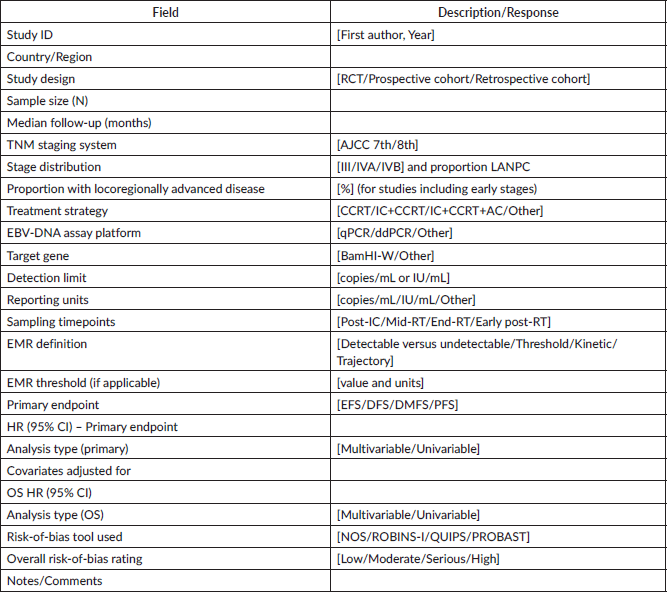
Extracted variables included study characteristics, patient and tumour features, treatment modalities, EBV-DNA assay characteristics, sampling timepoints and EMR definitions. Missing data were recorded as not reported.
Risk-of-bias assessment
Risk-of-bias tools were assigned according to the primary analytical objective of each report. The Newcastle–Ottawa Scale (NOS) was used for general observational cohort evidence [23]; Risk of Bias in Non-randomised Studies of Interventions (ROBINS-I) for non-randomised intervention or exposure comparisons [24]; Quality in Prognosis Studies (QUIPS) for prognostic-factor analyses in which EBV-DNA dynamics were the principal prognostic exposure [25]; and Prediction Model Risk-of-Bias Assessment Tool (PROBAST) for studies developing or validating multivariable prediction models [26]. Each report was assessed with one primary tool. Tool-specific domain judgments were retained, and ratings were not converted into numerical scores or pooled across instruments.
Assessment was performed independently by I.B. and S.N., with adjudication by H.M. Overall risk was categorised as low, moderate, serious or high based on predefined rules, and domain-level judgments are reported to support interpretation.
Certainty of evidence
The Grading of Recommendations Assessment, Development and Evaluation (GRADE) framework was not formally applied. Relative confidence in the evidence was summarised qualitatively for each temporal window using four pre-specified considerations: consistency of effect direction, risk-of-bias patterns, directness of the biomarker timepoint and construct and precision or replication across independent cohorts. This approach does not constitute a formal GRADE rating. Assay variability, sampling schedules, EMR definitions and the predominance of observational evidence were treated as factors that lowered confidence.
Effect measures and synthesis
Extracted effect measures included HRs with 95% confidence intervals. When HRs were unavailable, findings were described narratively based on reported survival analyses. No transformation or estimation from survival curves was performed.
Studies were grouped according to predefined temporal EBV-DNA categories and EMR constructs. Given heterogeneity in definitions and timing, synthesis was qualitative. Constructs were not pooled across non-comparable definitions. Tabular summaries present key characteristics and findings. No meta-analysis, subgroup analysis, sensitivity analysis or formal reporting bias assessment was conducted.
Reporting bias and certainty assessment
Formal assessment of reporting bias (e.g., funnel plots) and certainty of evidence (e.g., GRADE) was not conducted, as quantitative synthesis was not undertaken. Instead, confidence in the body of evidence was interpreted qualitatively, based on consistency of findings, biological plausibility and risk-of-bias assessments.
Results
Study selection
The database search identified 2,354 records, with no additional records from other sources. After removal of 612 duplicates, 1,742 records underwent title and abstract screening, of which 1,601 were excluded as clearly irrelevant.
Full texts were sought for 141 reports; seven could not be retrieved. A total of 134 full-text reports were assessed for eligibility, and 113 were excluded: metastatic or recurrent-only populations (n = 31), baseline EBV-DNA assessment without eligible on-treatment dynamics (n = 39), absence of survival outcomes (n = 21), overlapping cohorts or duplicate populations (n = 14) and non-original publications (n = 8). The screening archive retained the aggregate exclusions by reason but not a report-level appendix suitable for reliable retrospective publication; no speculative post hoc list was generated.
Twenty-one eligible reports, representing 20 analytically distinct study cohorts, were included in the qualitative synthesis (Figure 1).
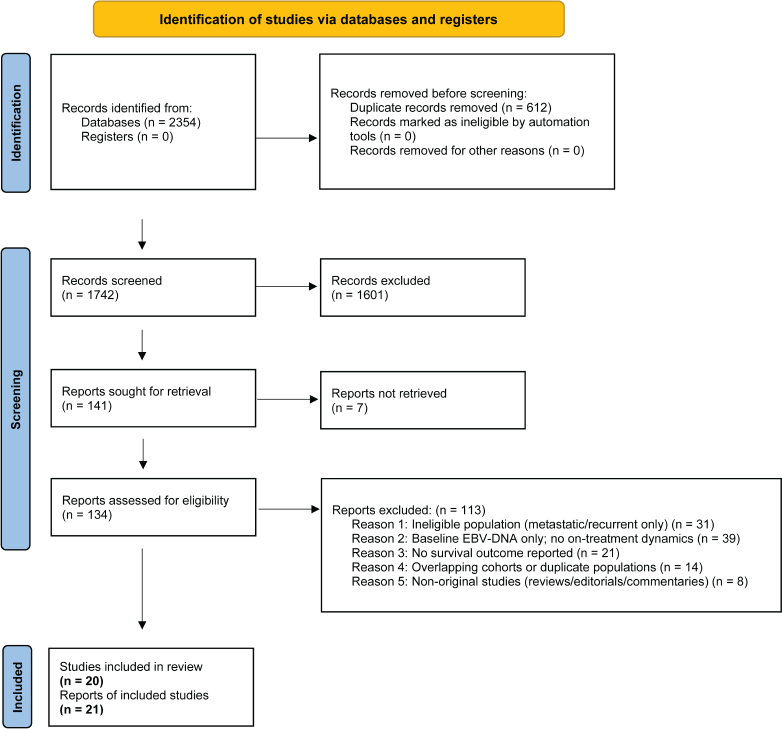
Figure 1. PRISMA 2020 flow diagram. Twenty-one eligible reports representing 20 analytically distinct study cohorts were included in the qualitative synthesis.
Characteristics of included studies
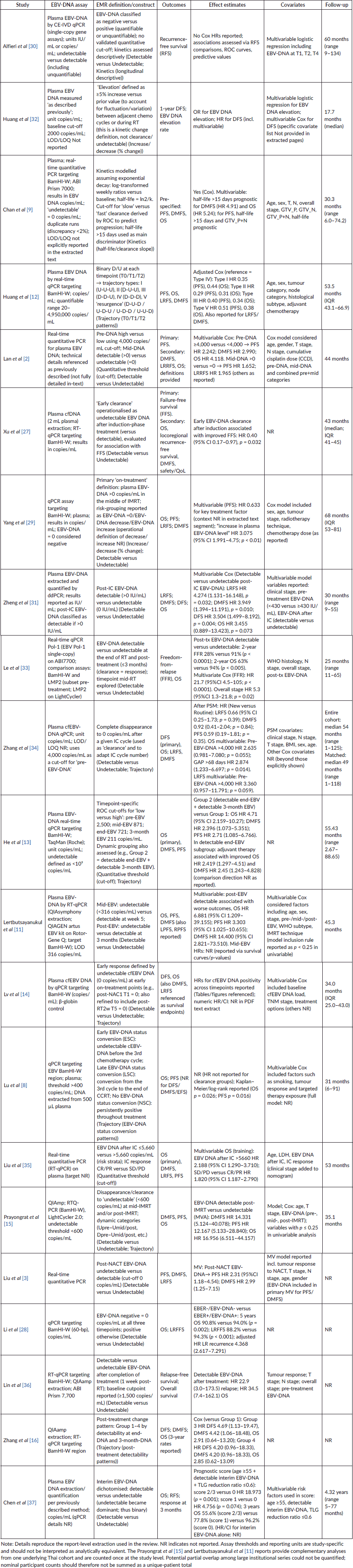
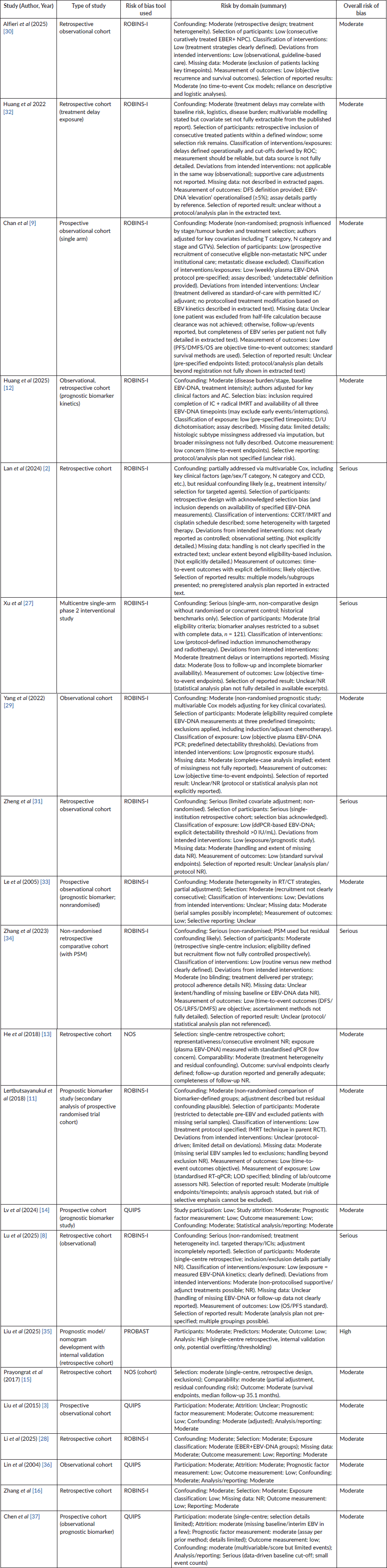
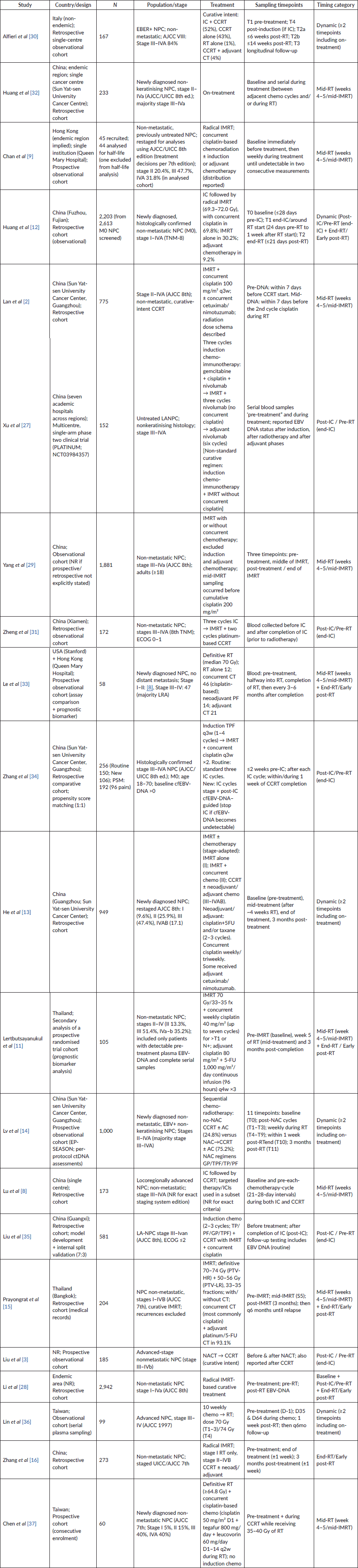
The 21 eligible reports represented 20 analytically distinct study cohorts (Table 1). Nominal sample sizes across reports exceeded 12,000; because linked reports and potential partial overlap among large institutional series could not be fully quantified, this value is not interpreted as a unique-patient total. Most evidence originated from endemic regions in mainland China, Hong Kong, Taiwan and Thailand.
Study designs were predominantly observational cohorts (retrospective and prospective) (Table 1), with one multicentre single-arm phase II trial [27]. Sample sizes ranged from fewer than 50 patients to over 2,000 [12, 28]. Most cohorts consisted primarily of locoregionally advanced disease (AJCC/UICC II–IVA) [2, 12, 14, 27].
Treatment strategies mainly involved CCRT using IMRT, either alone or following (IC; IC → CCRT) [2–3, 12, 15, 29–31]. A small subset evaluated non-standard strategies, including induction chemo-immunotherapy followed by radiotherapy without concurrent cisplatin [27].
Plasma EBV-DNA was quantified using polymerase chain reaction (PCR)-based assays, most commonly quantitative PCR (qPCR) targeting BamHI-W [2, 9, 11–13, 15, 29]. Thirteen reports used copies/mL exclusively, one used international units per millilitre (IU/mL), one allowed either IU/mL or copies/mL and six did not clearly report the unit in extractable text. Detectability definitions ranged from 0 copies/mL or greater than 0 IU/mL to assay-specific limits or thresholds of 316, 400, 600, 1,000, 2,000 or 4,000 copies/mL. These categories were not treated as interchangeable. Sampling schedules were categorised as baseline [2, 9, 12], post-induction/pre-radiotherapy [3, 12, 27, 31], mid-radiotherapy [9, 11, 13, 29] and end-radiotherapy/early post-radiotherapy [12–13, 15–16].
Table 1. Concise characteristics and principal findings of 21 eligible reports representing 20 analytically distinct study cohorts. The two linked Thai reports contribute complementary analyses from one underlying cohort and are not treated as independent replications. Full extraction fields are provided in Supplementary Material S3.
Risk-of-bias assessment
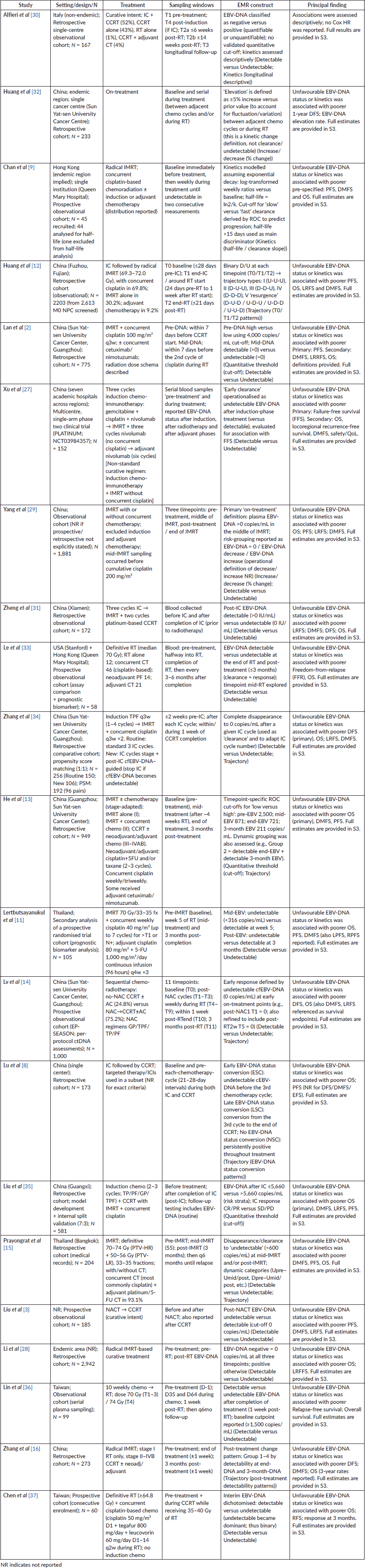
Risk-of-bias assessments are summarised in Table 2. Most observational studies were judged at moderate risk of bias due to confounding and selection limitations. Biomarker-focused prognostic analyses frequently showed moderate-to-serious risk across domains, particularly in retrospective single-centre studies with limited covariate adjustment.
The single-arm phase II trial was considered at serious risk of bias because of the absence of a comparator. Across the evidence base, objective survival endpoints and generally adequate follow-up supported confidence in outcome ascertainment, but recurrent confounding, complete-case biomarker availability and selection of patients who reached later sampling timepoints reduced confidence in causal or treatment-adaptive interpretations. Risk-of-bias judgments, therefore, informed the strength of wording: consistent associations were described as prognostic signals, whereas clinical utility and treatment-selection claims were considered unproven.
Results of individual studies and qualitative synthesis
Given the heterogeneity in timing, definitions of EMR and effect measures, no meta-analysis was conducted. Findings are synthesised qualitatively according to standardised temporal categories and EMR constructs.
Baseline EBV-DNA and dynamic context
Although baseline EBV-DNA retained independent prognostic value in multivariable models, baseline measurements alone did not capture the prognostic information provided by dynamic on-treatment changes and were not the primary focus of this review.
Table 2. Report-level risk-of-bias assessment for the 21 eligible reports. Linked reports from one underlying cohort were assessed separately because their analytical objectives differed.
Post-induction/pre-radiotherapy EBV-DNA dynamics
In patients receiving IC, post-induction EBV-DNA status consistently emerged as a strong prognostic marker. Studies uniformly showed that detectable EBV-DNA after induction was associated with inferior progression-free, distant metastasis-free or overall survival, even after adjustment for baseline EBV-DNA and clinical stage. Trajectory-based analyses further refined risk stratification, identifying patients with persistent detectability across induction and radiotherapy as the highest-risk subgroup.
Across studies, early clearance to an undetectable state after induction was associated with a favourable prognosis, whereas persistence or re-emergence of EBV-DNA signalled increased the risk of relapse.
Mid-radiotherapy (on-treatment) EBV-DNA dynamics
A substantial body of evidence evaluated mid-radiotherapy EBV-DNA, typically measured around weeks 4–5 of IMRT. The dominant EMR construct at this timepoint was detectable versus undetectable EBV-DNA, although some studies also examined kinetic changes, such as percentage increase or decrease relative to prior measurements.
Patients with detectable mid-radiotherapy EBV-DNA consistently experienced worse survival outcomes compared with those achieving clearance. In several cohorts, mid-treatment detectability retained independent prognostic significance after multivariable adjustment. Studies using kinetic definitions demonstrated that on-treatment elevation or lack of decline was associated with substantially increased risk of progression or death, underscoring the biological relevance of real-time tumour response during radiotherapy.
End-radiotherapy and early post-radiotherapy EBV-DNA
Strong and directionally consistent prognostic associations were observed at end-radiotherapy and during the early post-radiotherapy window. Across multiple cohorts, persistent detectability at treatment completion or within the first 3 months after treatment was associated with inferior progression-free, distant metastasis-free and overall survival. The apparent strength of later measurements must nevertheless be interpreted in light of time-dependent selection and heterogeneity in the exact post-treatment sampling interval.
Trajectory-based models integrating end-treatment and early post-treatment measurements further identified high-risk groups characterised by persistent or recurrent detectability, with HRs for adverse outcomes often exceeding those observed at earlier timepoints. Conversely, durable clearance at treatment completion was associated with favourable long-term control.
Qualitative confidence by temporal window
Relative confidence was judged moderate for post-induction/pre-radiotherapy evidence (replicated, directionally consistent associations, limited mainly by retrospective confounding); low-to-moderate for mid-radiotherapy evidence (fewer cohorts and variable timing and kinetic definitions); moderate for end-radiotherapy evidence (consistent associations across several cohorts but assay and selection heterogeneity); and moderate for early post-treatment evidence (strong, replicated prognostic separation offset by variable sampling windows and guarantee-time selection). These descriptors are qualitative and are not formal GRADE ratings (Supplementary Material S1).
Therapeutic context and subgroup considerations
Most evidence pertained to standard CCRT or IC → CCRT strategies. Within these contexts, the prognostic value of on-treatment EBV-DNA dynamics was highly consistent. Data on innovative strategies, including induction chemo-immunotherapy, were limited but suggested that early EBV-DNA clearance remained prognostically informative even in non-standard regimens. However, due to the small number of such studies and their higher risk of bias, these findings should be interpreted cautiously.
Magnitude of effect estimates
Across the included studies, effect estimates were not uniformly reported, and several studies provided prognostic associations without extractable HRs. Reported HRs are presented descriptively to illustrate the order of magnitude and directional consistency of associations, rather than to provide exhaustive or pooled estimates. Among studies reporting HRs, unfavourable on-treatment EBV-DNA dynamics were consistently associated with inferior time-to-event outcomes, with effect magnitudes generally increasing as assessments approached treatment completion and the early post-treatment window.
At the post-induction/pre-radiotherapy timepoint, detectable EBV-DNA or adverse dynamic constructs were associated with substantially higher risks across survival endpoints in multivariable models, and trajectory-based approaches similarly discriminated prognostic subgroups [3, 31]. Mid-radiotherapy assessments showed comparable directional consistency, with persistent detectability or unfavourable kinetic patterns independently associated with increased risks of progression-related outcomes [2, 9, 29]. The strongest and most consistent associations were observed at end-radiotherapy and within the early post-radiotherapy period (≤3 months), where persistent detectability or high-risk trajectories conferred markedly increased hazards across multiple survival endpoints [11, 13, 15–16, 33, 36].
Discussion
Interpretation of the findings in the context of existing evidence
This systematic review provides a timepoint- and construct-specific qualitative synthesis of on-treatment plasma EBV-DNA dynamics in patients with locoregionally advanced NPC treated with curative intent. Earlier reviews evaluated EBV-DNA broadly across clinical settings or pooled pre-treatment, mid-treatment and post-treatment values [17–19]. By separating detectability, thresholds, kinetics, trajectories and rebound within standardised treatment windows, the present review shows that on-treatment EMR carries prognostic information beyond baseline assessment while also making explicit why the available evidence cannot yet support standardised treatment decisions.
Baseline plasma EBV-DNA is an established prognostic biomarker in NPC, reflecting tumour burden and metastatic potential, but it remains a static measure that does not capture treatment sensitivity [4–6]. Serial assessment after IC, during radiotherapy or at treatment completion provides dynamic information that is consistently associated with survival outcomes, particularly distant metastasis-free and event-free survival.
This prognostic signal was observed across multiple EMR constructs. Reports using binary detectability consistently described poorer outcomes with persistent detectability [9, 11, 13, 15–16, 36], while quantitative thresholds, kinetic parameters and trajectory classifications similarly identified unfavourable dynamics [2, 8, 12, 14, 31]. These constructs are not interchangeable, but they interrogate a related biological signal: the extent to which therapy achieves early reduction of EBV-associated tumour DNA.
These findings align with broader oncology paradigms emphasising dynamic response biomarkers rather than baseline risk alone, including minimal residual disease monitoring and circulating tumour DNA kinetics in other malignancies [38–40]. In NPC, plasma EBV-DNA is particularly attractive because it is disease-specific and biologically grounded.
Biological and clinical interpretation of on-treatment EBV-DNA dynamics
The convergence of findings across heterogeneous studies suggests that on-treatment EBV-DNA dynamics reflect more than residual tumour volume. Early clearance likely integrates tumour radiosensitivity, systemic treatment efficacy, micrometastatic control and possibly host–tumour immune interactions. Conversely, persistent or slowly declining EBV-DNA may indicate resistant disease biology, suboptimal systemic control or ongoing dissemination from occult metastatic deposits.
The conceptual framework shown in Figure 2 summarises these observations into favourable, intermediate and unfavourable EMR profiles along a standardised treatment timeline. As highlighted by EP-SEASON, favourable prognosis may still be observed in patients who clear EBV-DNA during early radiotherapy despite persistence after IC, supporting a prognostic gradient rather than a strictly binary model. In this context, the literature generally considers ‘rapid clearance’ as undetectability during induction or within the first 4 weeks of radiotherapy, and ‘delayed clearance’ as clearance between mid-radiotherapy and treatment completion. These profiles are not proposed as new formal definitions but as an interpretative framework for contextualising heterogeneous evidence.
Clinically, when both distant and locoregional outcomes were reported, unfavourable on-treatment EBV-DNA dynamics appeared more strongly associated with distant failure than isolated locoregional relapse, supporting the hypothesis that persistent circulating EBV-DNA reflects ongoing systemic disease activity and may be particularly relevant for systemic treatment stratification.
The figure illustrates a unified therapeutic timeline encompassing baseline, post-induction (when applicable), mid-radiotherapy and end-radiotherapy or early post-treatment assessments. Distinct on-treatment plasma EBV-DNA dynamic patterns, early clearance, delayed clearance and persistent detectability are derived from the present qualitative synthesis and integrated into favourable, intermediate and unfavourable EMR profiles. These profiles are associated with differential prognostic risk across included studies and are presented to facilitate interpretative synthesis rather than clinical prescription. Proposed treatment-adaptive implications are shown as hypothesis-generating concepts and require prospective validation in dedicated clinical trials.
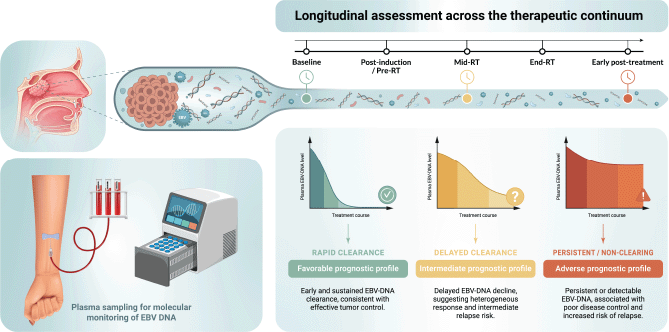
Figure 2. Hypothesis-generating conceptual framework integrating on-treatment plasma EBV-DNA dynamics with prognostic stratification in locoregionally advanced NPC. This interpretative model is not a validated clinical pathway or treatment-decision algorithm.
Methodological heterogeneity and its implications
Methodological heterogeneity was a defining feature of the evidence base. Included studies varied in treatment backbone (CCRT alone, IC followed by CCRT, and more recent investigational approaches including immunotherapy), assay methods, sampling schedules and analytical definitions.
Despite this diversity, the directionality of associations between unfavourable EMR and poorer outcomes was remarkably consistent, strengthening confidence in the biological relevance of the signal. However, some of this consistency may also reflect shared methodological limitations, including publication bias, selective reporting and cohort enrichment for patients completing multimodal therapy. For this reason, quantitative pooling across biologically distinct constructs and timepoints would likely have produced misleading summary estimates.
Some reports assessing both windows suggested stronger prognostic discrimination for early post-radiotherapy detectability [13, 15], but this requires prospective validation. Kinetic parameters such as half-life and slope remain promising but inconsistently defined and infrequently externally validated.
Limitations of the evidence base
Several limitations of the included studies warrant caution. Firstly, most studies were retrospective and single-centre, increasing risks of selection bias, residual confounding and heterogeneous follow-up. Although multivariable adjustment was common, covariate sets varied widely and unmeasured confounding remains likely.
Secondly, the availability of on-treatment or early post-treatment sampling may introduce time-dependent selection (guarantee-time) bias, because patients must remain event-free and on treatment long enough to reach the biomarker timepoint. This may inflate the apparent prognostic value of clearance assessed at later timepoints.
Thirdly, assay heterogeneity remains a major barrier to translation. Studies varied in plasma volume, extraction method, PCR platform, genomic target, calibration standard, reporting unit and limit of detection. Most used copies/mL, one used IU/mL, one allowed either unit and several did not report units or analytical limits clearly. Even among studies using BamHI-W qPCR, detectability thresholds ranged from complete non-detection to assay-specific cut-offs between 316 and 4,000 copies/mL. Absolute thresholds and kinetic estimates are therefore not directly interchangeable or readily generalisable across laboratories (Supplementary Material S3).
Fourthly, the evidence is geographically concentrated in endemic East and Southeast Asian populations. Although epidemiologically appropriate, this may limit generalisability to non-endemic settings with different tumour biology, host genetics and treatment patterns. In addition, some cohorts included earlier-stage disease; although eligibility criteria prioritised locoregionally advanced NPC, this may still have introduced heterogeneity affecting the precision of estimates for strictly locoregionally advanced populations.
Finally, patient-centred outcomes such as treatment-related toxicity, quality of life and functional outcomes were rarely integrated with EBV-DNA dynamics, limiting broader clinical contextualisation.
Limitations of the review process
This review also has methodological limitations. It was not prospectively registered, and no standalone dated protocol was archived before screening. The methodological framework was documented retrospectively in Supplementary Material S1 and cannot provide the same auditability as a prospectively registered protocol. In addition, the screening archive retained aggregate full-text exclusion categories but not a report-level appendix for historical cohort-overlap decisions; individual exclusions were therefore not reconstructed retrospectively. Potential partial overlap among large single-centre series may remain despite report-linkage checks and is considered when interpreting replication and nominal sample size.
In addition, despite a comprehensive multi-database search, unpublished and non-peer-reviewed data were not systematically included, which may contribute to publication bias. Formal statistical assessment of reporting bias was not performed because no quantitative synthesis was undertaken. Nevertheless, the consistency of findings across study designs and time periods partly mitigates this concern.
Implications for clinical practice and policy
Current evidence does not support escalation, de-escalation or other routine treatment modification based solely on on-treatment EBV-DNA dynamics outside a clinical trial. Serial measurements may provide supplementary prognostic information in centres with validated assays, but thresholds, sampling windows and treatment consequences remain insufficiently standardised. Figure 2 should therefore be read only as an interpretative research model [9–10, 14].
From a policy and research-standardisation perspective, these findings underscore the need for consensus-based harmonisation of EBV-DNA measurement and reporting, including sampling timepoints, assay characteristics, analytical constructs and reporting standards [6–8, 41–43].
Directions for future research
Future studies should prioritise prospective, multicentre validation of standardised EMR definitions across predefined timepoints [9, 14, 27]. Response-adaptive escalation or de-escalation should be evaluated only in rigorously controlled trials.
Integration of EBV-DNA dynamics with imaging response metrics and immune profiling may enable composite risk models that better capture tumour–host interactions [37, 44–46]. Development and external validation using robust prognostic-modelling frameworks are required before clinical implementation.
Conclusion
Across 21 eligible reports representing 20 analytically distinct cohorts, a consistent but methodologically heterogeneous signal emerged: favourable EBV-DNA clearance or kinetics during therapy was associated with improved survival outcomes, particularly distant metastasis-free and event-free survival. These findings extend the established prognostic role of baseline EBV-DNA while remaining insufficient for routine treatment adaptation.
Although methodological heterogeneity precluded quantitative meta-analysis, the direction of association was broadly consistent across timepoints and EMR constructs. Persistent detectability or delayed clearance identified patients at higher risk of treatment failure, and trajectory patterns, including rebound after initial clearance, may offer additional prognostic refinement. The observational design and variable assay methods nevertheless limit certainty regarding the magnitude and transportability of these associations.
Current evidence remains insufficient to support routine treatment modification based solely on on-treatment EBV-DNA outside clinical trials. Prospective studies should validate standardised assays, sampling windows and EMR definitions before response-adaptive strategies are tested. Until such evidence is available, EBV-DNA dynamics should be regarded as a promising prognostic research marker rather than a validated prescriptive biomarker.
List of abbreviations
5-FU, 5-Fluorouracil; AC, Adjuvant chemotherapy; AJCC/UICC, American Joint Committee on Cancer/Union for International Cancer Control; CCD, Cumulative cisplatin dose; CCRT, Concurrent chemoradiotherapy; cEBV-DNA, Circulating Epstein–Barr virus DNA; cfEBV-DNA, Circulating cell-free Epstein–Barr virus DNA; CR, Complete response; CT, Chemotherapy; ddPCR, Droplet digital polymerase chain reaction; DFS, Disease-free survival; DMFS, Distant metastasis-free survival; EBER, Epstein–Barr virus-encoded RNA; EBV, Epstein–Barr virus; EBV-DNA, Epstein–Barr virus DNA; EFS, Event-free survival; EMR, Early molecular response; ESC, Early EBV-DNA status conversion; FFR, Freedom-from-relapse; FFS, Failure-free survival; GP, Gemcitabine + Cisplatin; GRADE, Grading of Recommendations Assessment, Development and Evaluation; GTV, Gross tumour volume; HR, Hazard ratio; IC, Induction chemotherapy; ICI, Immune checkpoint inhibitor; IMRT, Intensity-modulated radiotherapy; IU/mL, International units per millilitre; LOD, Limit of detection; LPFS, Local progression-free survival; LRFFS, Locoregional failure-free survival; LRFS, Locoregional failure-free survival; LRRFS, Locoregional relapse-free survival; LSC, Late EBV-DNA status conversion; MEDLINE, Medical Literature Analysis and Retrieval System Online; MeSH, Medical Subject Headings; NACT/NAC, Neoadjuvant chemotherapy; NOS, Newcastle–Ottawa Scale; NR, Not reported; NSC, No EBV-DNA status conversion; NPC, Nasopharyngeal carcinoma; OS, Overall survival; PCR, Polymerase chain reaction; PD, Progressive disease; PF, Cisplatin + 5-fluorouracil; PFS, Progression-free survival; PICO, Population, intervention/exposure, comparator, outcomes; PR, Partial response; PRISMA, Preferred Reporting Items for Systematic Reviews and Meta-Analyses; PROBAST, Prediction model risk-of-bias assessment tool; PSM, Propensity score matching; PTV-HR, Planning target volume-high risk; PTV-LR, Planning target volume-low risk; qPCR, Quantitative polymerase chain reaction; QoL, Quality of life; QUIPS, Quality in prognosis studies; RCT, Randomised controlled trial; RFS, Recurrence-free survival; ROBINS-I, Risk of Bias in Non-randomised Studies of Interventions; ROC, Receiver operating characteristic; RPFS, Regional progression-free survival; RT, Radiotherapy; SD, Stable disease; TP, Taxane + Cisplatin; TPF, Taxane + Cisplatin + 5-fluorouracil.
Acknowledgments
The authors would like to thank Ms Hajar Khana for her valuable technical contribution to the conceptual refinement and graphical development of Figure 2, which supported the visual synthesis of the key findings of this systematic review.
Conflicts of interest
The authors declare that they have no competing interests.
Funding
This research received no specific grant from any funding agency in the public, commercial or not-for-profit sectors. The study was conducted independently by the authors without external financial support.
Consent for publication
Not applicable.
Human ethics and consent to participate
Not applicable.
Ethics approval and consent to participate
Not applicable. This study is a systematic review based exclusively on previously published literature and did not involve any new research with human participants or animals.
Data availability
All data analysed in this systematic review were derived from publicly available, peer-reviewed original studies. The study selection process and PRISMA 2020 flow diagram are reported in the manuscript. Complete database-specific search strategies are provided in Supplementary Material S2; the retrospective methodological framework and extraction template in Supplementary Material S1; and detailed study- and assay-level extraction tables in Supplementary Material S3.
Originality and prior publication
This manuscript is original, has not been published previously and is not under consideration for publication elsewhere.
Declaration of artificial intelligence-assisted editorial support.
The study conception, literature screening, data extraction, risk-of-bias assessment, evidence synthesis, interpretation and initial manuscript drafting were completed by the authors without generative artificial intelligence. During revision, an artificial intelligence-assisted tool was used for editorial and organisational support, including language refinement. It did not generate or independently determine the study data or scientific conclusions. All revisions were critically reviewed, verified and approved by the authors, who take full responsibility for the final content.
References
1. Li XY, Luo DH, and Guo L, et al (2022) Deintensified chemoradiotherapy for pretreatment Epstein-Barr Virus DNA-selected low-risk locoregionally advanced nasopharyngeal carcinoma: a phase II randomized noninferiority trial J Clin Oncol 40 1163–1173 https://doi.org/10.1200/JCO.21.01467 PMID: 34990291
2. Lan K, Mao J, and Sun X, et al (2024) Combined pre-treatment and middle-treatment Epstein–Barr virus DNA load contributes to prognostication and treatment modification in nasopharyngeal carcinoma patients Therapeutic Adv Med Oncol 16 17588359231221343
3. Liu LT, Tang LQ, and Chen QY, et al (2015) The prognostic value of plasma Epstein-Barr Viral DNA and tumor response to neoadjuvant chemotherapy in advanced-stage nasopharyngeal carcinoma Int J Radiat Oncol Biol Phys 93 862–869 https://doi.org/10.1016/j.ijrobp.2015.08.003 PMID: 26530755
4. Liang H, Lv X, and Wang L, et al (2018) The plasma Epstein–Barr virus DNA level guides precision treatment for nasopharyngeal carcinoma in the intensity-modulated radiotherapy era: a large population-based cohort study from an endemic area Ther Adv Med Oncol 10 1758835918782331 [https://doi.org/10.1177/1758835918782331]
5. Lu L, Li J, and Zhao C, et al (2016) Prognostic efficacy of combining tumor volume with Epstein-Barr virus DNA in patients treated with intensity-modulated radiotherapy for nasopharyngeal carcinoma Oral Oncol 60 18–24 https://doi.org/10.1016/j.oraloncology.2016.06.013 PMID: 27531868
6. Allen Chan KC and Dennis Lo YM (2002) Circulating EBV DNA as a tumor marker for nasopharyngeal carcinoma Semin Cancer Biol 12 489–496 https://doi.org/10.1016/S1044579X02000913
7. Li W, Chen J, and Liang B, et al (2021) Long‐term monitoring of dynamic changes in plasma EBV DNA for improved prognosis prediction of nasopharyngeal carcinoma Cancer Med 10 883–894 https://doi.org/10.1002/cam4.3669 PMCID: 7897970
8. Lu X, Zhu L, and Tan B, et al (2025) Early circulating EBV-DNA clearance predicts enhanced short-term treatment response and survival benefit in locally advanced nasopharyngeal carcinoma BMC Cancer 25 1499 https://doi.org/10.1186/s12885-025-14888-1 PMID: 41039233 PMCID: 12492512
9. Chan SK, Chan SY, and Choi HCW, et al (2020) Prognostication of half-life clearance of plasma EBV DNA in previously untreated non-metastatic nasopharyngeal carcinoma treated with radical intensity-modulated radiation therapy Front Oncol 10 1417 https://doi.org/10.3389/fonc.2020.01417 PMID: 32974150 PMCID: 7472777
10. Ho-Fun Lee V, Lai-wan Kwong D, and Leung TW, et al (2017) Prognostication of serial post-intensity-modulated radiation therapy undetectable plasma EBV DNA for nasopharyngeal carcinoma Oncotarget 8 5292–5308 https://doi.org/10.18632/oncotarget.14137
11. Lertbutsayanukul C, Kannarunimit D, and Prayongrat A, et al (2018) Prognostic value of plasma EBV DNA for nasopharyngeal cancer patients during treatment with intensity-modulated radiation therapy and concurrent chemotherapy Radiol Oncol 52 195–203 https://doi.org/10.2478/raon-2018-0016 PMID: 30018524 PMCID: 6043877
12. Huang Z, Li Y, and Wu W, et al (2025) Plasma Epstein-Barr Virus DNA temporal clearance pattern during induction-concurrent (chemo)radiation therapy for risk stratification in nasopharyngeal carcinoma Int J Radiat Oncol Biol Phys 123 129–140 https://doi.org/10.1016/j.ijrobp.2025.03.076 PMID: 40204246
13. He SS, Wang Y, and Bao Y, et al (2018) Dynamic changes in plasma Epstein–Barr virus DNA load during treatment have prognostic value in nasopharyngeal carcinoma: a retrospective study Cancer Med 7 1110–1117 https://doi.org/10.1002/cam4.1381 PMID: 29493874 PMCID: 5911595
14. Lv J, Xu LX, and Li ZX, et al (2024) Longitudinal on-treatment circulating tumor DNA as a biomarker for real-time dynamic risk monitoring in cancer patients: the EP-SEASON study Cancer Cell 42 1401–1414 https://doi.org/10.1016/j.ccell.2024.07.001 PMID: 39059389
15. Prayongrat A, Chakkabat C, and Kannarunimit D, et al (2017) Prevalence and significance of plasma Epstein-Barr Virus DNA level in nasopharyngeal carcinoma J Radiat Res 58 509–516 https://doi.org/10.1093/jrr/rrw128 PMID: 28204596 PMCID: 5570077
16. Zhang Y, Li WF, and Mao YP, et al (2016) Risk stratification based on change in plasma Epstein-Barr virus DNA load after treatment in nasopharyngeal carcinoma Oncotarget 7 9576–9585 https://doi.org/10.18632/oncotarget.7083 PMID: 26840023 PMCID: 4891061
17. Lee AWM, Lee VHF, and Ng WT, et al (2021) A systematic review and recommendations on the use of plasma EBV DNA for nasopharyngeal carcinoma Eur J Cancer 153 109–122 https://doi.org/10.1016/j.ejca.2021.05.022 PMID: 34153713
18. Qu H, Huang Y, and Zhao S, et al (2020) Prognostic value of Epstein–Barr virus DNA level for nasopharyngeal carcinoma: a meta-analysis of 8128 cases Eur Arch Oto-Rhino-Laryngol 277 9–18 https://doi.org/10.1007/s00405-019-05699-9
19. Xie X, Ren Y, and Wang K, et al (2019) Molecular prognostic value of circulating Epstein–Barr Viral DNA in nasopharyngeal carcinoma: a meta-analysis of 27,235 cases in the endemic area of Southeast Asia Genetic Test Mol Biomarkers 23 448–459 https://doi.org/10.1089/gtmb.2018.0304
20. Page MJ, McKenzie JE, and Bossuyt PM, et al (2021) The PRISMA 2020 statement: an updated guideline for reporting systematic reviews BMJ 372(71) [https://doi.org/10.1136/bmj.n71] PMID: 33782057 PMCID: 8005924
21. Edge SB and Compton CC (2010) The American Joint Committee on Cancer: the 7th edition of the AJCC cancer staging manual and the future of TNM Ann Surg Oncol 17 1471–1474 https://doi.org/10.1245/s10434-010-0985-4 PMID: 20180029
22. Amin MB, Greene FL, and Edge SB, et al (2017) The eighth edition AJCC cancer staging manual: continuing to build a bridge from a population‐based to a more “personalized” approach to cancer staging CA A Cancer J For Clin 67 93–99 [10.3322/caac.21388]
23. Stang A (2010) Critical evaluation of the Newcastle-Ottawa scale for the assessment of the quality of nonrandomized studies in meta-analyses Eur J Epidemiol 25 603–605 https://doi.org/10.1007/s10654-010-9491-z PMID: 20652370
24. Schünemann HJ, Cuello C, and Akl EA, et al (2019) GRADE guidelines: 18. How ROBINS-I and other tools to assess risk of bias in nonrandomized studies should be used to rate the certainty of a body of evidence J Clin Epidemiol 111 105–114 https://doi.org/10.1016/j.jclinepi.2018.01.012 PMCID: 6692166
25. Hayden JA, Van Der Windt DA, and Cartwright JL, et al (2013) Assessing bias in studies of prognostic factors Ann Internal Med 158 280–286 https://doi.org/10.7326/0003-4819-158-4-201302190-00009
26. Moons KGM, Wolff RF, and Riley RD, et al (2019) PROBAST: a tool to assess risk of bias and applicability of prediction model studies: explanation and elaboration Ann Internal Med 170 W1–W33 https://doi.org/10.7326/M18-1377
27. Xu C, Zhou GQ, and Li WF, et al (2025) Nivolumab combined with induction chemotherapy and radiotherapy in nasopharyngeal carcinoma: a multicenter phase 2 PLATINUM trial Cancer Cell 43 925–936 https://doi.org/10.1016/j.ccell.2025.01.014 PMID: 40020668
28. Li Y, Wu L, and Huang Z, et al (2025) Prognostic implications of EBER and EBV DNA combinations in nasopharyngeal carcinoma in endemic areas BMC Oral Health 25 1361 https://doi.org/10.1186/s12903-025-06733-5 PMID: 40849665 PMCID: 12374416
29. Yang ZC, Du CC, and Liu LT, et al (2022) The prognostic role of plasma Epstein-Barr Virus DNA levels in the middle of intensity modulated radiation therapy to guide cisplatin dose recommendation in concurrent chemoradiation therapy in patients with locally advanced nasopharyngeal carcinoma: a large cohort study Adv Radiat Oncol 7 100908 [https://doi.org/10.1016/j.adro.2022.100908]
30. Alfieri S, Romanò R, and Marceglia S, et al (2025) Longitudinal assessment of plasma EBV-DNA in non-endemic EBV-related nasopharyngeal cancer (NPC): the LEA study Eur J Cancer 226 115625 https://doi.org/10.1016/j.ejca.2025.115625 PMID: 40729842
31. Zheng H, Zhou P, and Wang J, et al (2023) Prognostic effect of residual plasma Epstein–Barr viral DNA after induction chemotherapy for locoregionally advanced nasopharyngeal carcinoma Cancer Med 12 14979–14987 https://doi.org/10.1002/cam4.6132 PMID: 37212447 PMCID: 10417187
32. Huang CL, Fang XL, and Mao YP, et al (2022) Association of delayed chemoradiotherapy with elevated Epstein-Barr virus DNA load and adverse clinical outcome in nasopharyngeal carcinoma treatment during the COVID-19 pandemic: a retrospective study Cancer Cell Int 22 331 https://doi.org/10.1186/s12935-022-02748-y PMID: 36316696 PMCID: 9623943
33. Le QT, Jones CD, and Yau TK, et al (2005) A comparison study of different PCR assays in measuring circulating plasma Epstein-Barr Virus DNA levels in patients with nasopharyngeal carcinoma Clin Cancer Res 11 5700–5707 https://doi.org/10.1158/1078-0432.CCR-05-0648 PMID: 16115906
34. Zhang Q, Peng ZW, and Gu ZS, et al (2023) Can Epstein–Barr virus‐deoxyribonucleic acid load after induction chemotherapy combined with American Joint Committee on Cancer stage determine the chemotherapy intensity of locally advanced nasopharyngeal carcinoma? Cancer Med 12 223–235 https://doi.org/10.1002/cam4.4899 PMCID: 9844613
35. Liu F, Ma C, and Chen M, et al (2025) A Nomogram based on tumor response to induction chemotherapy and plasma Epstein–Barr Virus DNA level after induction chemotherapy to explore individualized treatment of patients with locally advanced nasopharyngeal carcinoma J Inflammation Res 18 3677–3693 https://doi.org/10.2147/JIR.S507926
36. Lin JC, Wang WY, and Chen KY, et al (2004) Quantification of plasma Epstein–Barr Virus DNA in patients with advanced nasopharyngeal carcinoma New England J Med 350 2461–2470 https://doi.org/10.1056/NEJMoa032260
37. Chen YH, Chang KP, and Chu SC, et al (2019) Value of early evaluation of treatment response using 18F-FDG PET/CT parameters and the Epstein-Barr virus DNA load for prediction of outcome in patients with primary nasopharyngeal carcinoma Eur J Nucl Med Mol Imag 46 650–660 https://doi.org/10.1007/s00259-018-4172-3
38. Colmenares R, Álvarez N, and Barrio S, et al (2022) The minimal residual disease using liquid biopsies in hematological malignancies Cancers 14 1310 https://doi.org/10.3390/cancers14051310 PMID: 35267616 PMCID: 8909350
39. Zhong R, Gao R, and Fu W, et al (2023) Accuracy of minimal residual disease detection by circulating tumor DNA profiling in lung cancer: a meta-analysis BMC Med 21 180 https://doi.org/10.1186/s12916-023-02849-z PMID: 37173789 PMCID: 10176776
40. Negro S, Pulvirenti A, and Trento C, et al (2025) Circulating tumor DNA as a real-time biomarker for minimal residual disease and recurrence prediction in stage II colorectal cancer: a systematic review and meta-analysis Int J Mol Sci 26 2486 https://doi.org/10.3390/ijms26062486 PMID: 40141130 PMCID: 11942625
41. Lee VH, Kwong DL, and Leung TW, et al (2018) 5-year results of the prognostic roles of serial post-intensity-modulated radiation therapy undetectable plasma EBV DNA for non-metastatic nasopharyngeal carcinoma Int J Radiat Oncol Biol Phys 102 S126–S127 https://doi.org/10.1016/j.ijrobp.2018.06.315
42. Chan KCA, Leung SF, and Yeung SW, et al (2008) Quantitative analysis of the transrenal excretion of circulating EBV DNA in nasopharyngeal carcinoma patients Clin Cancer Res 14 4809–4813 https://doi.org/10.1158/1078-0432.CCR-08-1112 PMID: 18676752
43. Chan KC, Zhang J, and Chan AT, et al (2003) Molecular characterization of circulating EBV DNA in the plasma of nasopharyngeal carcinoma and lymphoma patients Cancer Res 63 2028–2032 PMID: 12727814
44. Yang Y, Shang N, and Lu S, et al (2025) Exploring the prognostic value of EBV DNA in advanced nasopharyngeal carcinoma treated with chemoradiotherapy using AI-based modeling Front Oncol 15 1650377 https://doi.org/10.3389/fonc.2025.1650377 PMID: 41018095 PMCID: 12463603
45. Guo SS, Chen YZ, and Liu LT, et al (2022) Prognostic significance of AKR1C4 and the advantage of combining EBV DNA to stratify patients at high risk of locoregional recurrence of nasopharyngeal carcinoma BMC Cancer 22 880 https://doi.org/10.1186/s12885-022-09924-3 PMID: 35953777 PMCID: 9373296
46. Ghose S, Roy S, and Ghosh V, et al (2024) The plasma EBV DNA load with IL-6 and VEGF levels as predictive and prognostic biomarker in nasopharyngeal carcinoma Virol J 21 224 https://doi.org/10.1186/s12985-024-02473-0 PMID: 39304953 PMCID: 11414088
Supplementary Materials
Supplementary Material S1
Supplementary methodological framework
Retrospectively compiled for transparency during peer review (June 2026)
Document status: This document was prepared during peer review to describe, in a consolidated form, the methodological framework used for the systematic review. It is a retrospective transparency document, not a prospectively registered or contemporaneously archived protocol. Where the archival record does not permit reliable retrospective reconstruction, this is stated explicitly.
Parent study: On-treatment and early post-radiotherapy EBV-DNA dynamics in locoregionally advanced NPC: a systematic review.
Investigators: Imad Barjij, Sarah Naciri, Sihame Lkhoyaali, Saoussane Kharmoum, Hanane Inrhaouen, Ibrahim Elghissassi, Saber Boutayeb, Hind Mrabti, Hassan Errihani
Affiliations: Department of Medical Oncology, National Institute of Oncology, Ibn Sina University Hospital, Rabat, Morocco; Faculty of Medicine and Pharmacy of Rabat, Mohammed V University of Rabat, Morocco; Department of Medical Oncology, Tangier Regional Hospital Center, Tangier, Morocco.
Background and rationale
Plasma EBV DNA is an established prognostic biomarker in NPC. While baseline levels reflect tumour burden, increasing interest has focused on on-treatment and early post-treatment EBV-DNA dynamics as markers of EMR. However, definitions of EMR, sampling timepoints, analytical constructs and assay methodologies vary substantially across studies, precluding direct comparison or quantitative pooling.
This supplementary document formalises the methodological framework that guided the systematic review, including objectives, eligibility criteria, search strategy, data extraction plan, quality assessment methods and synthesis approach.
Review objectives
Primary objective: To systematically review and qualitatively synthesise the prognostic significance of plasma EBV-DNA dynamics measured during curative-intent therapy (on-treatment and early post-treatment timepoints) in patients with locoregionally advanced, non-metastatic NPC.
Secondary objectives:
-
To characterise the heterogeneity in EMR definitions (binary detectability, quantitative thresholds, kinetic parameters, trajectory-based constructs) across the literature.
-
To identify which temporal assessment windows (post-induction, mid-radiotherapy, end-radiotherapy, early post-treatment) yield the most consistent prognostic associations.
-
To describe the magnitude and direction of reported prognostic associations (HRs) across treatment strategies.
-
To identify methodological gaps and formulate recommendations for future standardisation and prospective validation.
Eligibility criteria (PICO framework)
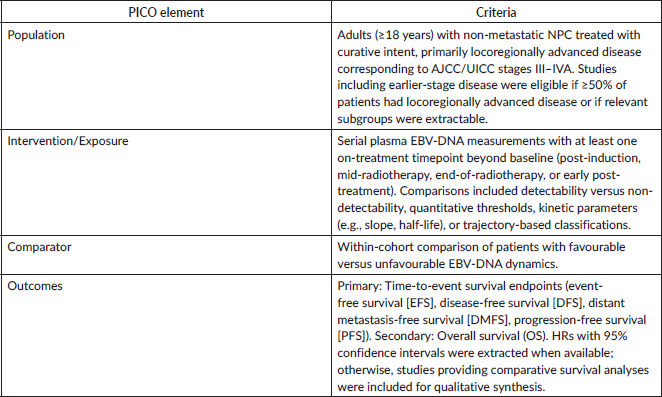
Eligible study designs: Randomised controlled trials, prospective cohort studies and retrospective cohort studies. Studies were restricted to English-language publications between January 2004 and December 2025
Exclusion criteria
-
Paediatric-only cohorts
-
Metastatic disease at diagnosis (unless non-metastatic subgroups were independently extractable)
-
Recurrent or metastatic-only populations
-
Studies reporting only baseline EBV-DNA without on-treatment dynamics
-
Technical assay-validation reports without clinical outcome data
-
Non-original publications (reviews, editorials, letters, abstracts without full peer-reviewed data)
-
Studies where EBV-DNA results could not be separated from composite biomarker panels
Management of overlapping cohorts
Potential cohort overlap was assessed using recruitment centre, enrolment period, eligibility criteria, treatment regimen, sample size and patient characteristics. Reports from the same underlying cohort were linked and counted once at the study level; complementary analyses could be retained without summing participants. The screening archive retained aggregate exclusion counts by reason but not a report-level appendix suitable for reliable retrospective publication, so no speculative list of historical overlap exclusions was generated.
Information sources and search strategy
Databases: PubMed/MEDLINE, Embase, Scopus and Web of Science. Coverage: 1 January 2004 through 4 December 2025. The final search was performed on 4 December 2025.
Supplementary sources: Reference lists and forward citations were screened manually. Trial registries (ClinicalTrials.gov) were reviewed.
Search strategies combined controlled vocabulary (MeSH/Emtree) and free-text terms across four conceptual domains: (1) NPC, (2) EBV, (3) plasma/circulating EBV DNA and (4) dynamic or on-treatment assessment. No design filters were applied.
Complete database-specific search strategies are provided in Supplementary Material S2.
Study selection process
Records were imported into a reference management system and deduplicated automatically and manually. Screening was performed in two stages:
-
Stage 1 (Title/Abstract): Three reviewers (I.B., S.N. and H.M.) independently screened all records. Discrepancies were resolved by consensus or majority decision.
-
Stage 2 (Full-text): All potentially eligible records underwent full-text review against the predefined eligibility criteria.
-
No automation tools were used.
-
The study selection process was documented using a PRISMA 2020 flow diagram.
Data collection and extraction
Two reviewers (I.B. and S.N.) independently extracted data using a standardised, piloted extraction form. A third reviewer (H.M.) verified accuracy. Disagreements were resolved by consensus.
Extracted variables included:
-
Study characteristics: first author, year, country, design, sample size, follow-up duration
-
Patient and tumour features: age, sex, TNM staging system and distribution, histological subtype
-
Treatment modalities: IC regimens, CCRT details, adjuvant therapy
-
EBV-DNA assay characteristics: platform (qPCR, ddPCR), target gene (BamHI-W), sample type (plasma/serum), detection limit, reporting units
-
Sampling timepoints and schedule: post-induction, mid-RT (weeks 4–5), end-RT, early post-treatment (≤3 months)
-
EMR definitions: binary detectability, quantitative thresholds (copies/mL), kinetic parameters (half-life, decay slope), trajectory-based constructs
-
Primary outcomes: HRs with 95% CI for EFS, DFS, DMFS, PFS from multivariable models (preferred) or univariable analyses
-
Secondary outcomes: HR with 95% CI for overall survival (OS)
-
When multiple analyses were reported, multivariable models with the most comprehensive covariate adjustment were prioritised
-
Missing data were recorded as not reported
A template of the standardised extraction form is provided in Appendix A.
Risk-of-bias assessment
Risk of bias was assessed according to study design and research objective:

Assessment was performed independently by I.B. and S.N., with adjudication by H.M. Overall risk was categorised as low, moderate, serious or high based on predefined rules, and domain-level judgments are reported to support interpretation.
Effect measures and data synthesis
Extracted effect measures included HRs with 95% confidence intervals. When HRs were unavailable, findings were described narratively based on reported survival analyses. No transformation or estimation from survival curves was performed.
Given the heterogeneity in EMR definitions, sampling timepoints, assay platforms and treatment contexts, quantitative meta-analysis was not undertaken. Synthesis was qualitative.
Synthesis approach:
-
Studies were grouped according to predefined temporal EBV-DNA categories: (a) post-induction/pre-radiotherapy, (b) mid-radiotherapy, (c) end-radiotherapy and (d) early post-treatment.
-
Within each temporal category, findings were further grouped by EMR construct type (binary detectability, quantitative threshold, kinetic parameters and trajectory-based models).
-
Tabular summaries present study-level effect estimates (HR with 95% CI where available).
-
Constructs were not pooled across non-comparable definitions.
-
Direction, consistency and magnitude of associations were described narratively.
Certainty of evidence
The GRADE framework was not formally applied. Given the predominance of heterogeneous observational prognostic studies, variability in EBV-DNA assays (platforms, units, detection limits), sampling schedules and EMR definitions (detectability, thresholds, kinetics, trajectories), formal GRADE rating would have been highly model-dependent and of limited interpretability. Certainty was therefore discussed qualitatively, based on consistency of effect direction, biological plausibility, magnitude of associations and risk-of-bias patterns.
Reporting bias assessment
Formal assessment of reporting bias (e.g., funnel plots) was not conducted, as quantitative synthesis was not undertaken. The potential for publication bias is discussed qualitatively in the manuscript, noting that studies with null results for EMR may be less likely to be published or to report EBV-DNA dynamics as a primary analysis.
Protocol registration and transparency statement
This review was not prospectively registered in PROSPERO or another registry, and no standalone dated protocol was archived before screening. The review question, eligibility criteria, temporal categories, data-extraction domains, risk-of-bias approach and qualitative synthesis framework were established in the internal working methodology before completion of screening and data extraction.
This supplementary document was compiled during peer review (June 2026) to improve transparency. It must not be interpreted as evidence that a standalone protocol existed before the review. The absence of prospective registration and of a contemporaneously archived protocol is acknowledged as a methodological limitation in the revised manuscript.
Qualitative confidence by temporal window
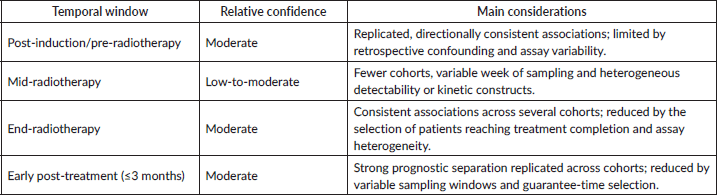
The descriptors below summarise relative confidence within this review and are not formal GRADE ratings
Assay reporting summary
The final synthesis comprised 21 eligible reports representing 20 analytically distinct study cohorts. Thirteen reports used copies/mL exclusively, one used IU/mL, one allowed either IU/mL or copies/mL and six did not clearly report the unit in extractable text. One report used ddPCR, and the remainder used qPCR or RT-qPCR. Detectability definitions ranged from complete non-detection to assay-specific thresholds between 316 and 4,000 copies/mL. Study-level details are provided in Supplementary Material S3.
Authors’ responsibilities

Appendix A: Standardised data extraction form (template).
Supplementary Material S2
Complete database-specific search strategies
Parent study: On-treatment and early post-radiotherapy EBV-DNA dynamics in locoregionally advanced NPC: a systematic review
Search date: 4 December 2025
This supplement reports the complete database-specific strategies retained in the review files. Searches combined controlled vocabulary, where applicable, with free-text terms across four domains: NPC, EBV, circulating or plasma EBV-DNA and dynamic or on-treatment assessment.
Search parameters
Databases and platforms: PubMed/MEDLINE (NLM), Embase (Elsevier), Web of Science (Clarivate) and Scopus (Elsevier)
Coverage: 1 January 2004 through 4 December 2025
Language restriction: English-language publications
Study-design filters: None applied
Supplementary searching: Reference lists and forward citations were screened manually; ClinicalTrials.gov was reviewed
Database-specific strategies
a. PubMed/MEDLINE (NLM) ((nasopharyngeal carcinoma OR nasopharyngeal neoplasms OR NPC) AND (EBV OR Epstein-Barr virus OR EBV DNA OR EBV-DNA) AND (liquid biopsy OR plasma OR serum OR circulating) AND (on-treatment OR monitoring OR early response OR clearance OR kinetics OR during radiotherapy))
b. Embase (Elsevier) (‘nasopharyngeal carcinoma’/exp OR ‘nasopharynx tumor’ OR npc) AND (‘epstein barr virus’/exp OR ‘ebv dna’ OR ‘ebv-dna’) AND (‘liquid biopsy’/exp OR ‘circulating tumor dna’/exp OR plasma OR serum) AND (‘treatment response’/exp OR ‘on-treatment’ OR ‘early response’ OR monitoring OR kinetics)
c. Web of Science (Clarivate) TS=((nasopharyngeal carcinoma OR npc) AND (EBV OR Epstein-Barr virus OR EBV-DNA) AND (plasma OR serum OR circulating) AND (on-treatment OR monitoring OR kinetics OR clearance))
d. Scopus (Elsevier) (TITLE-ABS-KEY ({nasopharyngeal carcinoma} OR npc) AND TITLE-ABS-KEY ({Epstein-Barr virus} OR {EBV-DNA}) AND TITLE-ABS-KEY (plasma OR serum) AND TITLE-ABS-KEY ({on-treatment} OR kinetics OR clearance))
Supplementary Material S3
Detailed study characteristics and EBV-DNA assay reporting
Parent study: On-treatment and early post-radiotherapy EBV-DNA dynamics in locoregionally advanced NPC: a systematic review
S3.1. Cross-study assay summary.

S3.2. Study design, population, treatment and sampling.
S3.3. Assay, EMR construct, outcomes and adjusted evidence.