Financial risk protection and distress financing for cervical cancer treatment in low- and middle-income countries: a systematic review
Denis Okova1, Jennifer Moodley2, Patricia Makwambeni3, Akim Lukwa Tafadzwa1,4, Bothwell T Guzha5 and John E Ataguba1,6,7,8
1Health Economics Unit, School of Public Health, Faculty of Health Sciences, University of Cape Town, Anzio Road, Observatory, Cape Town 7925, South Africa
2Division of Public Health Medicine, School of Public Health, Faculty of Health Sciences, University of Cape Town, Cape Town 7925, South Africa
3Bongani Mayosi Health Sciences Library, University of Cape Town, Cape Town 7925, South Africa
4Department of Family, Community and Emergency Care (FaCE), Faculty of Health Sciences, University of Cape Town, Cape Town 7925, South Africa
5Department of Obstetrics and Gynaecology, Faculty of Medicine and Health Sciences, University of Zimbabwe, Box A178, Harare, Zimbabwe
6Health Economics Laboratory, College of Community and Global Health, Rady Faculty of Health Sciences, University of Manitoba, Winnipeg, MB R3E 3P5, Canada
7School of Health Systems and Public Health, University of Pretoria, Pretoria 0002, South Africa
8Partnership for Economic Policy, Nairobi 00100, Kenya
Abstract
Background: Cervical cancer is a major health challenge in low- and middle-income countries (LMICs), where households face high out-of-pocket costs and limited financial risk protection (FRP). Insufficient FRP for treatment leads to catastrophic health expenditure (CHE), impoverishing health expenditure (IHE) and distress financing.
Objective: This review aimed to synthesise evidence and highlight gaps related to FRP and distress financing (cost-coping strategies) associated with treatment-related cervical cancer care in LMICs.
Methods: A systematic search of PubMed, Scopus, Cochrane Library and EBSCOhost was conducted on 1 July 2024 for peer-reviewed observational studies published from 1 January 2003. Using the Population, Exposure and Outcome framework, the review focused on women with cervical cancer or caregivers (Population), treatment and follow-up care (Exposure) and outcomes on CHE, IHE and cost-coping strategies (Outcome). Eligible studies were quantitative or qualitative with independently extractable outcomes.
Results: Twenty-nine studies (10 quantitative and 19 qualitative) met the inclusion criteria. Evidence on FRP for cervical cancer in LMICs remains scarce. Only four studies reported on CHE, with incidence ranging from 62% to 86%, all using unadjusted thresholds. No studies assessed IHE. Common coping strategies included selling assets and borrowing, while forgoing care for financial reasons was rarely examined. Predictors and long-term impacts of distress financing remain underexplored.
Conclusion: This study underscores the need for more research into the financial burden associated with cervical cancer treatment in LMICs and calls for stronger financial protection measures to mitigate these hardships.
Keywords: cervical cancer, catastrophic health expenditure, distress financing, out-of-pocket expenditure, LMICs
Correspondence to: Denis Okova
Email: Okvden001@myuct.ac.za
Published: 19/08/2026
Received: 06/03/2026
Publication costs for this article were supported by ecancer (UK Charity number 1176307).
Copyright: © the authors; licensee ecancermedicalscience. This is an Open Access article distributed under the terms of the Creative Commons Attribution License (http://creativecommons.org/licenses/by/4.0), which permits unrestricted use, distribution, and reproduction in any medium, provided the original work is properly cited.
Introduction
Cervical cancer is the fourth leading cause of cancer incidence and mortality worldwide, presenting a major public health challenge, particularly in low- and middle-income countries (LMICs), where approximately 90% of global new cases and deaths occur [1]. According to 2022 statistics, incidence is 19.3 per 100,000 in LMICs compared to 12.1 per 100,000 in high-income countries (HICs), while mortality is 12.4 per 100,000 versus 4.8 per 100,000, respectively [1]. While new cases and deaths have substantially declined over the past four decades in HICs due to extensive screening and treatment, rates in many LMICs continue to rise [2]. Despite progress in Human Papillomavirus (HPV) vaccination, screening methods and treatments in HICs, LMICs still have low screening rates [3], uneven HPV vaccination coverage [4] and cancer treatment disparities, which have exacerbated the late-stage diagnoses [5].
The impact of cancer, including cervical cancer, extends beyond individual health, affecting families, communities and institutions and leading to significant economic and social disruptions [6]. In LMICs, where health service out-of-pocket (OOP) expenses are high, cancer patients often spend an average of 42% of their annual income on related healthcare costs such as transport/travel, medications, caregiver costs, medical consultations and in-hospital care [7]. Recent findings highlight the significant financial hardships faced by cancer patients in LMICs [8]. This burden is significantly lower in HICs, where only 23% of cancer patients experience similar financial strain, compared to 68% in LMICs [9]. Given the chronic nature of cancer, prolonged treatment and associated expenses can further deplete household resources, disproportionately affecting poorer families who may already be struggling with limited financial resilience. The burden of OOP expenses highlights the gaps in these regions’ financial risk protection mechanisms and universal health coverage (UHC). Many people in LMICs lack access to affordable health services, including health insurance, and the few with health insurance still face substantial co-payments and deductibles, leaving them underprotected [10]. Achieving UHC, a key target of the Sustainable Development Goal (SDG 3.8), to provide quality healthcare without financial hardship, remains a formidable challenge in many LMICs.
Challenges persist despite some progress towards UHC in LMICs [11, 12]. Progress is assessed by coverage of essential health services and financial risk protection, which includes catastrophic health expenditure (CHE) and impoverishing health expenditure (IHE) [13, 14]. According to the SDGs, CHE occurs when OOP expenses within a defined period exceed a given threshold of total household expenditure or income, typically 10% and 25%, forcing families to reduce spending on other essentials [15, 16]. IHE, on the other hand, measures the extent to which direct OOP costs drive households into poverty or make existing poverty worse [15]. In LMICs, these OOP costs often lead to distressed financing where households adopt different cost-coping strategies (distress financing mechanisms) such as borrowing money, selling assets, utilising assets, seeking contributions from family/friends or forgoing care for financial reasons (FCFR), which perpetuate poverty cycles and undermine the long-term financial stability of households [17]. The incidence of distress financing is typically measured as the proportion of households engaging in one or more of these actions to cover healthcare expenses [18, 19], while FCFR is measured by the proportion of households that forgo needed care because they cannot afford OOP costs [20].
Recent systematic reviews have highlighted significant gaps in the understanding of financial burdens, specifically CHE, IHE and distress financing related to cancer care in LMICs. Doshmangir et al [9] provide global estimates of CHE in cancer-affected households; however, the study is dated and does not specifically address cervical cancer. Similarly, Iragorri et al [7] highlight the high prevalence of OOP costs among cancer patients in LMICs but lack cervical cancer-specific insights. Broader reviews that examine financial burdens, focused on noncommunicable diseases (NCDs) in general and often neglect key measures of financial hardship [21], with limited evidence specific to LMICs [22]. More recent reviews attempting to bridge these gaps remain limited in scope. For example, Fuady et al [23] introduced a standardised framework for evaluating the economic burden of cervical cancer in LMICs but did not account for CHE, IHE or distress financing. Dau et al [24] explored the socioeconomic impact of cervical cancer but relied on health-related quality of life (HRQoL) measures rather than direct financial indicators. Lastly, Udayakumar et al [25] provided qualitative insights into the financial toxicity of cancer (defined as the emotional and material distress caused by financial burden) but did not provide quantitative estimates specific to cervical cancer-related CHE, IHE or distress financing.
Collectively, these reviews underscore the critical need for updated, comprehensive research that directly addresses all dimensions of financial risk associated with cervical cancer in LMICs to inform policy and intervention strategies better. This study aimed to systematically review and synthesise evidence on the levels of financial risk protection and distress financing strategies associated with cervical cancer treatment among households in LMICs. By documenting available evidence and examining the empirical and methodological limitations of existing evidence, this review supports efforts that align with the World Health Organization’s (WHO) global cervical cancer strategy. This strategy aims to meet the 90–70–90 target by 2030: vaccinating 90% of eligible girls by age 15, screening 70% of women with a high-performance test (HPV based) by ages 35 and 45 and optimal treatment of 90% of women identified with cervical pre-cancer or invasive cancer [26, 27].
Methods
This systematic review, registered with the International Prospective Register of Systematic Reviews (PROSPERO, Registration ID: CRD42024577031), adhered to the Preferred Reporting Items for Systematic Reviews and Meta-Analyses (PRISMA) guidelines [28]. This review was guided by an adopted conceptual framework [29] shown in Figure 1. The framework illustrates how households requiring healthcare may experience CHE, IHE and distress financing depending on whether care is sought, how healthcare is financed and the economic consequences of OOP payments. Households that finance healthcare through direct OOP payments may experience CHE when healthcare spending consumes a substantial share of available household resources, forcing reductions in the consumption of other essential goods and services. Similarly, households experience IHE when OOP healthcare payments push them below, or further below, the poverty line. The framework further recognises that some households may avoid CHE or IHE in the short term through distress financing strategies such as borrowing money, selling assets or reducing future consumption; however, these coping mechanisms may negatively affect long-term household welfare and economic stability [29, 30]. In addition, the framework highlights that lack of financial risk protection (FRP) extends beyond households making OOP payments. Some households may forgo necessary healthcare entirely because of financial barriers, resulting in unmet healthcare needs despite zero OOP expenditure. Such households are also considered financially unprotected because inability to access needed healthcare may worsen health outcomes and perpetuate future economic hardship [30].
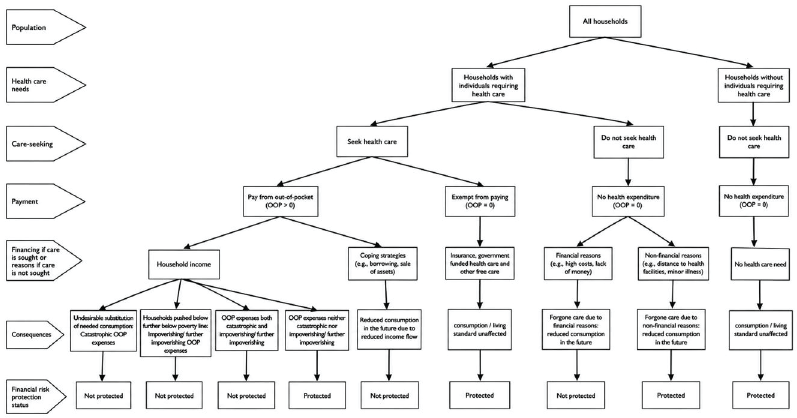
Figure 1. Conceptual framework for financial risk protection.
Eligibility criteria
Inclusion criteria
Studies were included if they were observational research (quantitative, qualitative or mixed methods) conducted in LMICs (as per the World Bank’s 2024 classification) [31] and reported independently extractable outcomes on CHE, IHE or distress financing mechanisms/cost-coping strategies related to cervical cancer treatment and follow-up care. Eligible studies could be nationally representative, region-specific or facility-based. Research on cervical cancer patients and/or caregivers was included, as well as multicancer studies if cervical cancer-specific outcomes could be isolated. Only studies published in English between 1 January 2003 and 1 July 2024 were considered. The start date (2003) was chosen because that was the earliest time when standardised methods for assessing CHE and IHE were published [32].
Exclusion criteria
Publications were excluded if they were editorials, opinion pieces, commentaries, letters, systematic reviews, abstracts, position papers or clinical trials; if they focused on non-LMICs or if they adopted provider- or payer-perspective costing only. Studies that reported treatment costs or economic burden without assessing whether expenditures were catastrophic or impoverishing, or without examining household-level distress financing or cost-coping strategies, were excluded, as such studies do not permit direct inference on financial risk protection. Publications focusing solely on clinical outcomes or HRQoL were also excluded.
Data sources
This review utilised four electronic databases: PubMed, Scopus, Cochrane Library and EBSCOhost, which include Africa-Wide Information, EconLit, CINAHL, APA PsycInfo and Academic Search Premier. The selection of these four electronic databases was based on their relevance, breadth of coverage and ability to provide high-quality literature on the subject matter. The search was further enhanced by manually searching the reference lists of included publications.
Search strategy
The search was structured around the research question, following the Population, Exposure and Outcome framework [33]. The research question was: What are the levels of financial risk protection and the cost-coping strategies associated with treatment-related cervical cancer spending in LMICs? The Population (P) consisted of women diagnosed with cervical cancer and/or their caregivers, the Exposure (E) was cervical cancer treatment and associated follow-up care and the Outcomes (O) were CHE, IHE and cost-coping strategies.
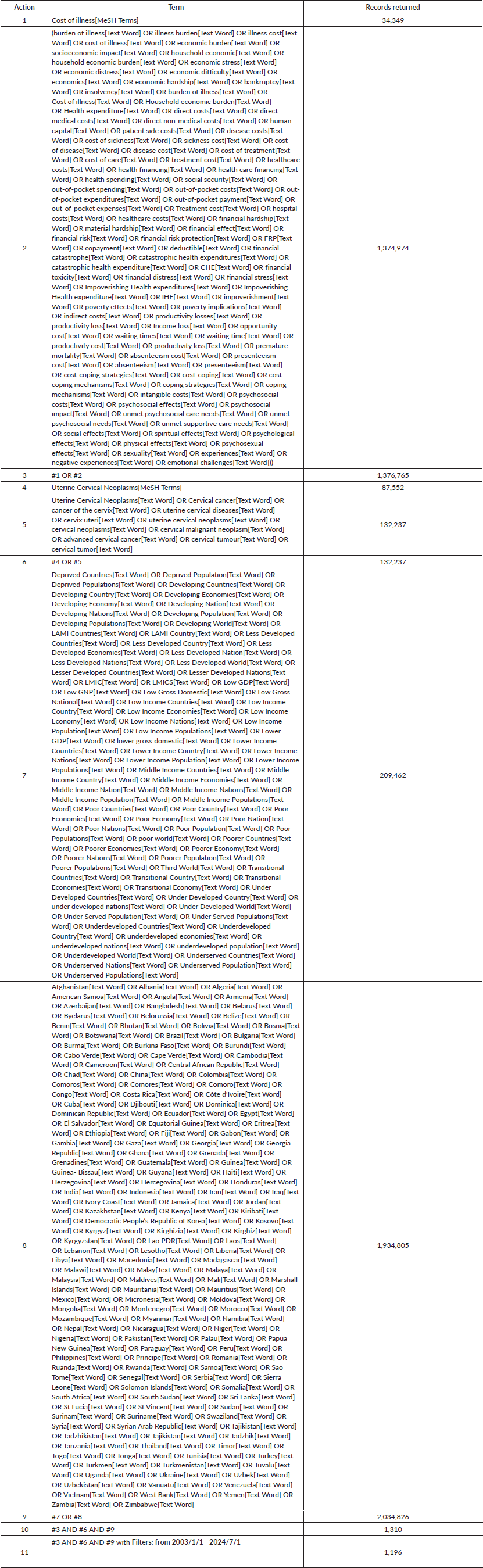
With guidance from an expert subject librarian, search terms were developed and the search was conducted on 1 July 2024. The search strategy incorporated terms related to key concepts such as cervical cancer, CHE, IHE, cost-coping strategies, cost of illness and LMICs. Medical Subject Headings (MeSHs), keywords and free-text terms were combined using “AND” and “OR” Boolean operators to refine the search. See Supplementary Table 1 for the initial search strategy on PubMed. This was adapted for the other databases.
Screening and data extraction
Studies retrieved from databases were exported to Rayyan systematic review software for management [34]. Initially, automatic de-duplication was applied to the library of publications. Subsequently, two reviewers (D.O. and A.T.L) independently screened the titles and abstracts of the studies for eligibility. Articles deemed relevant by either reviewer were advanced to full-text review. This stage was also conducted independently by D.O. and A.T.L., with any discrepancies resolved through consensus or by a third reviewer (J.A., B.G. or J.M.) if needed. The same reviewers independently extracted data from the included articles using an electronic form (Microsoft Excel 2021), capturing study identifiers, methodological details, key findings on CHE, IHE and cost-coping strategies, along with conclusions. Data on cost-coping strategies were extracted using a four-tiered socioecological framework, capturing mechanisms at the individual, relational, community and health system levels [8, 35]. Any differences in data extraction were discussed and resolved by consensus.
Quality assessment
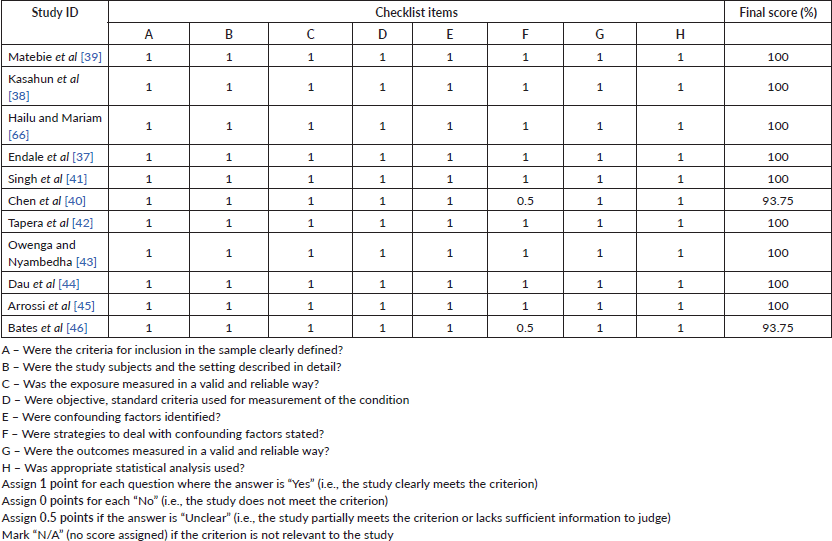
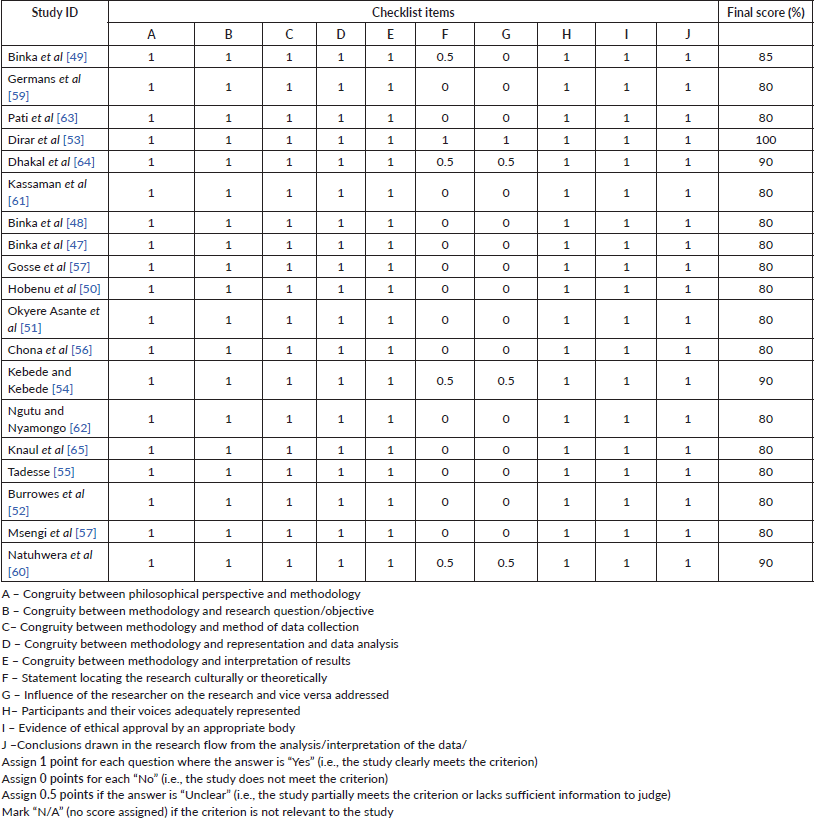
D.O. and A.T.L independently evaluated the quality of included studies using the Joanna Briggs Institute Critical Appraisal Checklists for qualitative and quantitative research. Qualitative studies were appraised using the checklist specified for qualitative research [36], and quantitative studies followed the checklist for analytical cross-sectional studies [36]. Quality was assessed on a three-point scale: ‘1 = yes’, ‘0 = no’ and ‘0.5 = unclear’, with nonapplicable items marked as not applicable. The risk of bias was calculated by averaging the scores, converting them to a percentage and categorising them as low (≥80%), moderate (60%–80%) or high (<60%). Any scoring discrepancies between D.O. and A.T.L. were resolved through consensus, with full details and risk of bias scores provided in Supplementary Tables 2 and 3.
Data synthesis and analysis
A meta-analysis to determine pooled prevalence rates for CHE and IHE was not feasible as only four studies reported CHE estimates, and none provided IHE estimates. Instead, a narrative synthesis was conducted on the prevalence of CHE and IHE based on quantitative studies, and empirical and methodological gaps were also identified. A narrative synthesis approach was also used to describe distress financing/cost-coping strategies, drawing on both quantitative and qualitative research. This synthesis utilised a four-tiered socioecological framework to examine cervical cancer patients’ layered approaches to cost-coping [8, 35]. The framework categorised coping strategies across four interconnected levels: individual, relationship, community and health system. Individual-level strategies referred to patient-directed actions taken in response to financial hardship, including using personal savings, selling or mortgaging assets, borrowing from financial institutions or family/friends, seeking cheaper alternatives from traditional/spiritual healers, skipping appointments and forgoing treatment. Relationship-level strategies captured reliance on support from partners, family members or close social networks. Community-level strategies referred to broader forms of social support, including community fundraising, assistance from religious organisations and informal community support mechanisms. Health system-level strategies included responses shaped by healthcare structures and service delivery arrangements, such as financial assistance programmes, and other system-level mechanisms influencing access to care [8]. Some coping strategies overlapped across framework levels; therefore, strategies were categorised according to the level that best represented the primary coping response.
The review also discussed limitations in the measurement and reporting of these strategies.
Results
Study selection
The database search identified 3,754 records. After removing 1,170 duplicates, 2,584 records remained for title and abstract screening, where 2,484 were excluded. The full texts of 100 records were assessed, with one excluded due to the unavailability of a full text. Of the 99 records available for full-text screening, 71 were excluded, leaving 28 records (9 quantitative and 19 qualitative). Reference screening yielded ten additional records, but nine were excluded, resulting in the inclusion of one additional record. In total, 29 studies (10 quantitative and 19 qualitative) were included in the review. This is summarised in the PRISMA flow diagram [28] in Figure 2. Articles were excluded for the following reasons: absence of data on CHE, IHE or cost-coping strategies (n = 55); outcomes not specific to cervical cancer (n = 18); costing perspectives that were not relevant (provider/payer perspective) (n = 4); language other than English (n = 2) and publication outside the specified date range – 1,999 (n = 1).

Figure 2. PRISMA flow diagram.
Study characteristics
Ten quantitative and nineteen qualitative studies met the inclusion criteria (Table 1 and Supplementary Table 4). The ten quantitative studies were predominantly hospital-based. Of the ten studies, seven were cross-sectional studies, two were prospective observational studies and one was a mixed-method study. Studies were distributed across ten countries: Ethiopia had three studies [37–39], and China [40], India [41], Zimbabwe [42], Kenya [43], Uganda [44], Argentina [45] and Malawi [46] each had one study. The sample sizes varied across studies, ranging from 89 participants in Malawi [46] to 3,471 participants in China [40].
The distribution of the qualitative studies was as follows: Ghana (five studies) [47–51], Ethiopia (four) [52–55], Tanzania (three) [56–58], Uganda (two) [59, 60], Kenya (two) [61, 62] and one study each from India [63], Nepal [64] and Mexico [65]. While most qualitative studies interviewed women with cervical cancer, three studies also interviewed male partners [48, 57, 58].
Incidence of CHE
Among the ten quantitative studies examined, only four specifically reported on the incidence of CHE; two from Ethiopia, and one each from India and Malawi [38, 39, 41, 46] (Table 2). Two studies applied a 40% capacity-to-pay threshold, with one estimating a CHE incidence of 62% (India) [41] and the other, 69% (Ethiopia) [39]. Kasahun et al [38] (Ethiopia) used a 10% annual household income threshold and reported a CHE incidence of 71%. The highest incidence, 86%, was observed in a study from India that also used a 20% nonfood household expenditure threshold [41]. The study from Malawi reported a CHE of 75% at the 20% annual household income threshold [46]. Of note, the studies from Malawi [46] and India [41] were conducted exclusively in public hospitals, whereas the Ethiopian studies [38, 39] included participants from both public and private healthcare facilities, with the majority being drawn from the public sector. In one of the Ethiopian studies [38], disaggregation of CHE by facility type revealed high incidence rates:
76% among cancer patients attending private hospitals and 74% among those in public hospitals. However, these estimates were not further stratified by cancer type. The other Ethiopian study did not provide CHE disaggregation by facility type [39].
Table 1. Characteristics of included quantitative studies.

Table 2. CHE and IHE in cervical cancer care in LMICs.
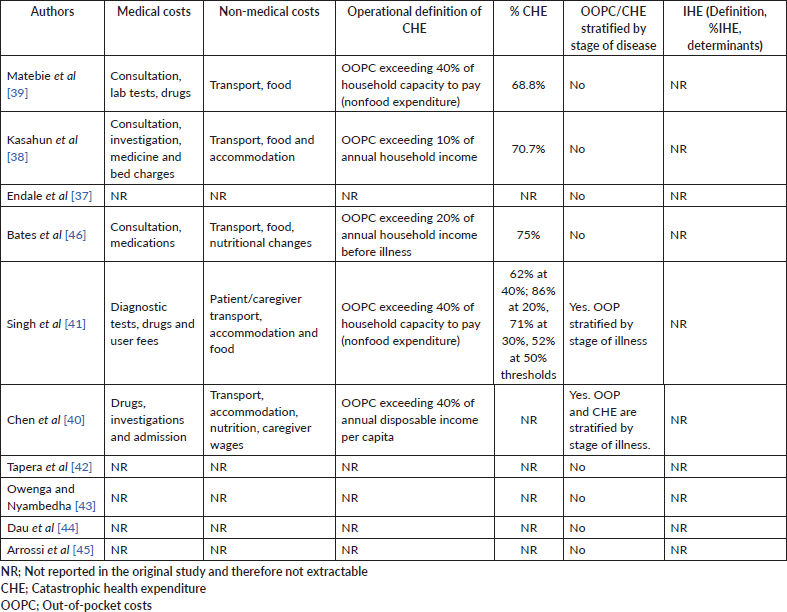
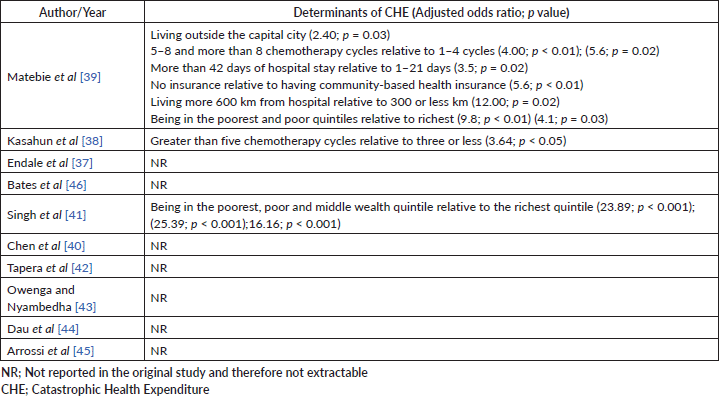
Table 3. Determinants of CHE.
While CHE incidence was not universally reported, several studies provided estimates of OOP costs by disease stage. In India, the mean OOP costs incurred during treatment were highest for Stage I (714 USD) and declined in Stage IV (505 USD) [41], whereas in Ethiopia, Stages II and III had the highest expenses, with costs decreasing in Stage IV [66]. In China, direct nonmedical costs increased as the disease progressed from early to advanced stages [40]. Methodologically, only the study conducted in India [41] stratified CHE by disease stage, with CHE incidence rising from 55% in Stage I to 67% in Stage IV (Stage II: 59% and Stage III: 63%) [41].
It is essential to note that all the reviewed studies assessing CHE were based on health service users and did not employ cervical cancer-specific thresholds in calculating CHE, which may better reflect the burden specific to the service [11].
The determinants of CHE, though not a focus of this review, are summarised in Table 3 and utilised in the Discussion section.
Impoverishing health expenditure
None of the included quantitative studies directly investigated IHE resulting from cervical cancer costs.
Cost-coping strategies
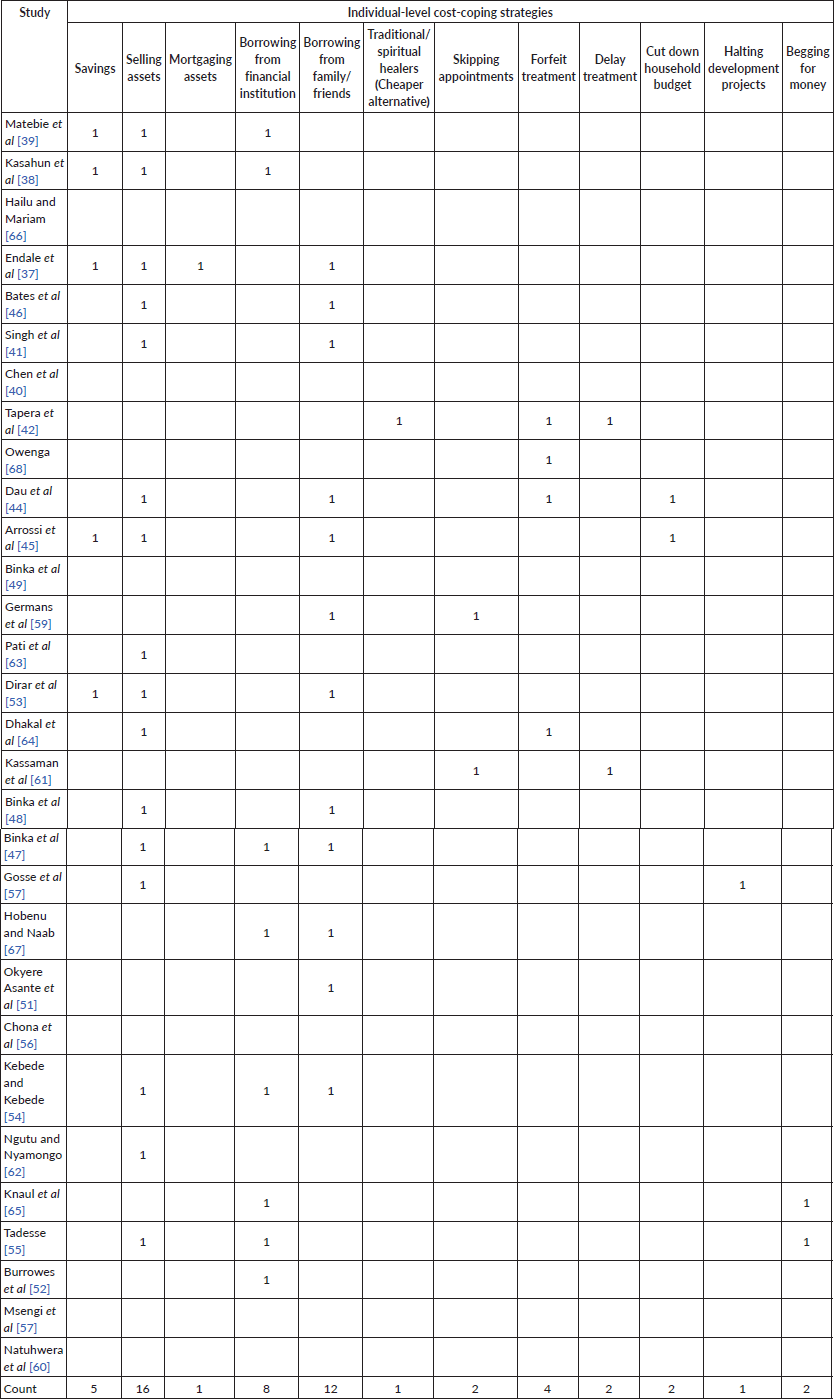
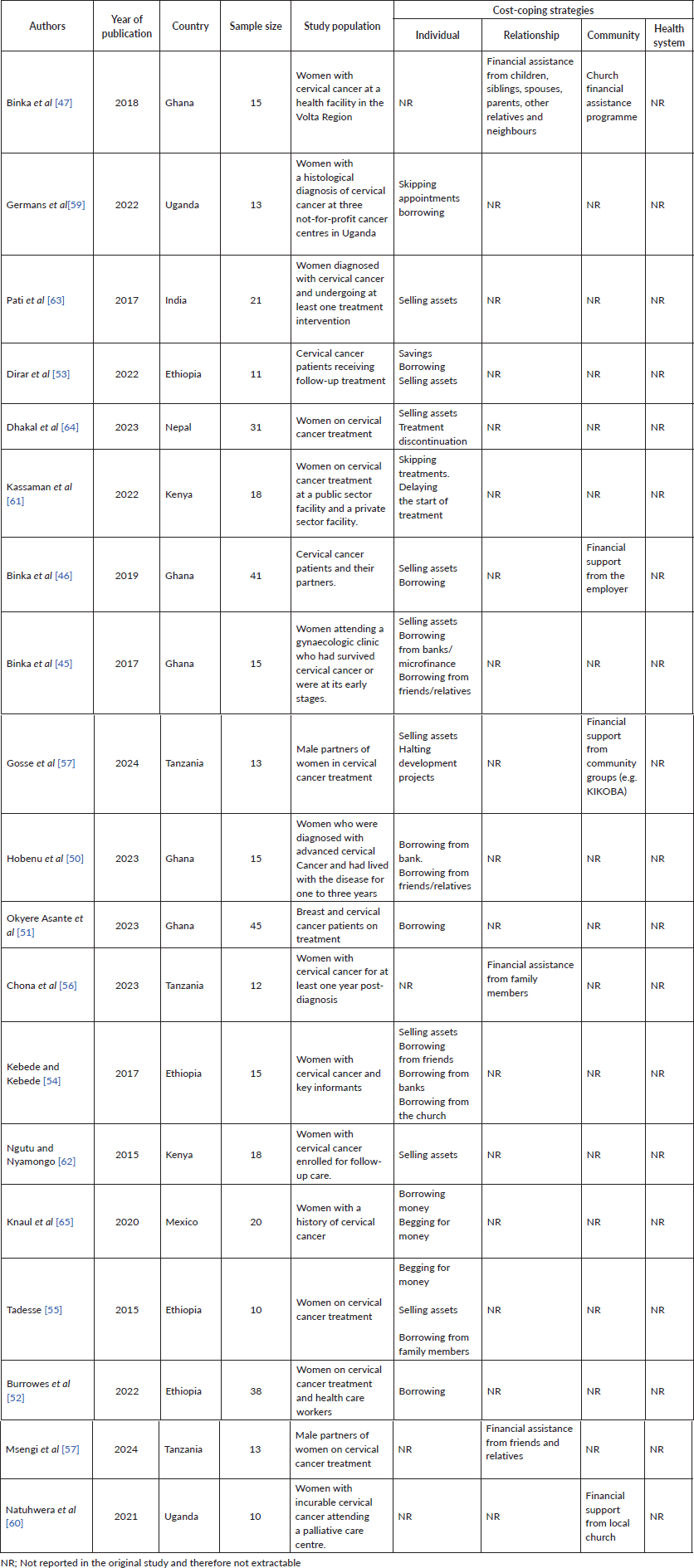
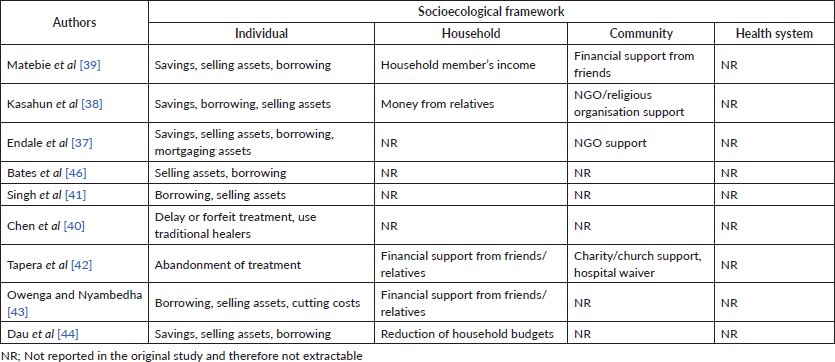
Of the 29 included studies, 5 did not report any coping mechanisms. In 27% (n = 8) of all included studies, patients borrowed from financial institutions for treatment costs, while in 40% (n = 12) of the studies, patients/caregivers borrowed from friends and family. Additionally, 53% (n = 16) of all studies reported that households had to sell assets. Strategies are summarised below and in Supplementary Tables 4 and 5 using the socioecological framework.
Individual-level cost-coping strategies
Individual-level cost-coping strategies were extracted from 24 studies and included utilising savings, selling or mortgaging assets, borrowing from financial institutions or friends and relatives, seeking alternative treatments (such as traditional or spiritual healers), forfeiting or delaying treatment, skipping appointments, reducing household expenses, halting development projects and begging for money [37–39, 41, 42, 44–46, 48, 49, 52–61, 63–65, 67]. The most common strategy at the individual level was selling assets (Supplementary Table 6).
Relationship/community/health system-level cost-coping strategies
The most commonly reported cost-coping mechanism at the relationship level involved financial support from friends and relatives [38, 39, 44, 47, 56, 58, 68]. At the community level, financial assistance was obtained from various sources, including religious organisations [38, 43, 49, 60], employers [48], community groups [57], charity organisations [43] and nongovernmental organisations [37, 38]. Regarding the health system level, the only exception in reporting was Owenga and Nyambedha [43], which documented that low socioeconomic status (SES) patients received hospital fee waivers.
The reviewed quantitative studies on cost-coping strategies primarily reported proportions but did not capture details such as the amounts borrowed or the value of assets sold. Notably, none of the studies examined the predictors of distress financing. Additionally, most studies focused on financial strategies, including depleting savings, borrowing and seeking financial help from friends and relatives, while less attention was given to coping strategies with direct consequences on the health of cancer patients, such as delaying treatment [42, 43], forfeiting treatment [40, 42] or skipping follow-up visits [59].
In terms of study designs, all studies (quantitative and qualitative) examined cost-coping cross-sectionally.
Quality assessment
The results of the quality assessment of the included studies are presented in (Supplementary Tables 2 and 3). All the included quantitative studies had a low risk of bias (Score ≥80%). All qualitative studies demonstrated high overall quality scores; however, weaknesses were noted in the lack of cultural or theoretical contextualisation and insufficiently addressing reflexivity.
Discussion
This systematic review aimed to synthesise existing evidence and highlight gaps related to financial risk protection and cost-coping strategies associated with treatment-related cervical cancer spending in LMICs. Although the evidence base was limited, the available studies suggest that cervical cancer care may impose substantial financial hardship on affected households in some LMIC settings. Only four studies reported CHE, no studies assessed IHE and important gaps remain regarding distress financing and the associated long-term economic consequences.
Although based on only four studies, the reported CHE levels ranging from 62% to 86% suggest that cervical cancer treatment may expose households to substantial financial hardship in some LMIC settings. However, these estimates should be interpreted cautiously given the substantial heterogeneity across studies in healthcare systems, study populations and CHE thresholds used. Consequently, direct comparison of CHE estimates across studies may be limited. Nevertheless, these findings are broadly consistent with wider evidence on cancer-related CHE in LMICs where pooled estimates ranged between 57% [8] and 68% [9]. Importantly, the included studies were cross-sectional and hospital-based, potentially excluding women unable to access care due to financial constraints. As a result, observed CHE levels may underestimate the true economic burden of cervical cancer. The findings may also reflect inequities in service utilisation, where financial barriers influence who accesses care, when care is sought and the intensity of treatment received [69–71]. Moreover, selection and survivorship biases may have influenced the findings, as women unable to seek care, discontinue treatment due to financial hardship or die before reaching care may be systematically excluded from facility-based datasets [38, 72]. This exclusion may distort the true scope of the burden and mask the extent of unmet need for cervical cancer services. In effect, this creates a pattern of inverse equity [73], where financial barriers filter utilisation, exacerbating disparities in service access and potentially leading to delayed care-seeking, disease progression and worse outcomes among poorer populations [69, 74–76].
This dynamic may also help explain the stark contrast with findings from HICs, where studies report significantly lower levels of pooled CHE in cancer care, such as 23.4% [9] and 16% [7]. In HICs, more comprehensive insurance systems and stronger public financing mechanisms may reduce reliance on OOP spending and improve access to care without severe financial hardship [77, 78]. By comparison, substantial financial vulnerability may persist despite expanded insurance coverage in many LMIC settings. Importantly, this vulnerability may increasingly be driven not only by residual medical costs but also by nonmedical expenditures such as transport, accommodation, food and income loss associated with accessing treatment [79].
The limited evidence also suggests that lack of health insurance may be associated with the risk of CHE among cervical cancer patients [39, 40], consistent with broader cancer literature showing that insured patients are less likely to incur catastrophic expenditure [9, 80]. Beyond insurance status, the four studies also identified low SES, rural residency, older age and increased chemotherapy cycles as possible predictors of CHE [38–41]. These findings underscore the need for comprehensive and inclusive health benefit packages in LMICs that specifically target high-risk women such as the economically disadvantaged, rural residents, patients with advanced stage disease and older women to strengthen financial protection and advance equity in the pursuit of UHC.
Despite the growing burden of cervical cancer in LMICs, this review identified only four studies examining CHE and no studies assessing IHE specific to cervical cancer. This finding reflects a broader evidence gap in FRP research, which has historically focused more heavily on infectious diseases [18, 29], maternal and child health [79] and general health service utilisation [81–83] with cancers being underrepresented [18]. Although limited, the available evidence suggests that cervical cancer may impose substantial financial strain on households, particularly as the disease affects women during economically productive years [6]. Experiences from countries such as Mexico demonstrate how evidence on cancer-related financial hardship can inform reforms aimed at improving financial protection and reducing OOP spending among vulnerable populations [84–86].
As noted earlier, the present study found no study on IHE with respect to cervical cancer treatment. This aligns with broader evidence suggesting that impoverishment is less frequently studied compared to CHE [87], perhaps due to the challenge of choosing the appropriate poverty line and attributing impoverishment to a specific disease [88, 89]. Existing studies from Asia examining IHE related to NCDs have reported impoverishment levels ranging from 1.3% to 15.6% [87, 90–99], although few provide disease-specific estimates for cancer. Consequently, important gaps remain regarding the extent to which cervical cancer treatment contributes to long-term poverty in LMIC settings. Beyond monetary poverty, impoverishment may also be reflected through multidimensional indicators such as food insecurity, reduced school attendance, loss of employment, asset depletion, indebtedness and forgone care due to financial constraints. Assessing these dimensions alongside CHE may therefore provide a more comprehensive understanding of how cervical cancer affects household welfare in LMICs.
This review also found that all four studies all-included CHE relied on traditional spending thresholds (40% of capacity to pay; 10% and 20% of annual household income). Recent methodological work has argued that applying these unadjusted thresholds to service/disease-specific spending may underestimate financial hardship because households often incur OOP costs for multiple conditions simultaneously rather than for a single disease/service alone [11]. To address this, Ataguba et al [11] proposed adjusting conventional thresholds according to the proportion of total OOP expenditure attributable to a specific disease or service. This framework was subsequently applied in Ghana using service-specific expenditure shares for outpatient, inpatient and medical product expenditures to derive adjusted CHE thresholds and assess service-specific financial catastrophe [100]. In settings where disease-specific expenditure data are unavailable, an alternative exploratory approach may involve using disease burden estimates, such as disability-adjusted life years (DALYs), as a proxy for the relative contribution of cervical cancer to overall disease burden. Such DALY estimates can be obtained from sources such as the Institute for Health Metrics and Evaluation Global Burden of Disease repository [101]. However, further empirical and methodological work is needed to validate these approaches before disease-specific thresholds can be routinely applied in cervical cancer research.
An additional methodological limitation within the current evidence base is the lack of disease-stage stratification in most studies, limiting the precision of policy responses and resource allocation. This limitation may reflect the persistent challenge in many LMICs where cervical cancer is often diagnosed at advanced stages, reducing opportunities for stage-specific analysis [75, 102–104]. The only study that stratified CHE by disease stage reported the highest incidence in stage IV disease and the lowest in stage I disease [41]. Similar findings have been reported in broader cancer literature [19], suggesting that advanced disease may increase financial burden through more intensive treatment requirements. Nevertheless, even early-stage disease appears associated with substantial costs, reinforcing the need for financial protection across the cervical cancer care continuum [105, 106]. This also demonstrates the missed opportunity in preventing cervical cancer, a preventable but often not prevented disease [1, 27]. Scaling up HPV vaccination, screening and early treatment is both a public health and a financial imperative, aligning with the global elimination agenda [27, 107].
This review found that selling assets and/or borrowing were the most common cost-coping mechanisms. Similar findings have been documented in broader NCD literature in LMICs [108, 109]. However, evidence on distress financing remains largely derived from cross-sectional studies, limiting understanding of how coping strategies and financial hardships evolve over time. FCFR, as typified by delaying treatment [40, 43], abandoning treatment [42] and skipping appointments [59], has been less examined despite its potential consequences for disease progression, emergency hospitalisation, higher treatment costs and preventable mortality [110]. In addition, quantitative studies rarely quantified the severity or persistence of distress financing, such as debt accumulation or long-term asset depletion, and none examined predictors of distress financing among cervical cancer patients.
Taken together, the findings of this review underscore important evidence gaps regarding FRP and distress financing among cervical cancer patients in LMICs. Future research should not only expand empirical evidence on FRP in cervical cancer but also incorporate longitudinal designs to better understand how financial hardship and coping strategies evolve over time. The current lack of longitudinal evidence limits understanding of long-term impoverishment, debt accumulation, treatment discontinuation and broader intergenerational economic consequences associated with cervical cancer care. Greater attention should also be given to FCFR, the severity and duration of distress financing and the socioeconomic and clinical predictors of financial vulnerability.
Implications for policy and practice
Although the available evidence remains limited, the findings of this review suggest that strengthening financial protection for cervical cancer care may be important for reducing household vulnerability in LMICs. Expanding insurance coverage and improving benefit packages for high-cost conditions such as cervical cancer may help reduce reliance on OOP spending, particularly among economically disadvantaged populations. These packages ought to account for nonmedical costs, disease stage and income level, similar to Mexico’s Fondo de Protección contra Gastos Catastróficos under Seguro Popular, which improved access and reduced OOP spending for breast cancer patients [84]. Another example is Rwanda, which has a community-based health insurance scheme that is set to provide free treatment to all cancer patients [111]. Second, FRP monitoring can adopt disease-specific thresholds for CHE to better capture the financial burden of cervical cancer, which is likely underestimated using unadjusted thresholds. Third, financial protection indicators (CHE, IHE and distress financing) can be embedded into national cervical cancer elimination strategies to monitor, track and strengthen progress towards UHC. Further, where possible, these indicators should be disaggregated by disease stage, SES and geography to expose and address vulnerabilities.
Strengths and limitations
To our knowledge, this is the first systematic review to examine cervical cancer-specific financial risk protection and distress financing in LMICs, thereby advancing the limited but growing body of evidence on the economic burden of cancer in these settings. Its main strength lies in its breadth, covering diverse LMIC’s contexts and including both qualitative and quantitative studies focused on the treatment and follow-up phases. This approach provides a more granular understanding of household financial vulnerability and aligns with the WHO’s call for evidence to guide equity-focused UHC reforms, particularly in contexts where OOP payments dominate health financing [112]. Importantly, it also adds to debates on the urgency of the global cervical cancer elimination initiative, which prioritises HPV vaccination, screening and early treatment; which supports progress toward SDG 1 (No Poverty), SDG 3 (Good Health and Well-being), SDG 5 (Gender Equality) and SDG 10 (Reduced Inequalities) [27]. Nevertheless, several limitations should be considered when interpreting the findings. Most importantly, only four studies examined CHE specific to cervical cancer, limiting the ability to draw robust conclusions regarding the magnitude of financial burden. Considerable heterogeneity in study methodologies, settings and populations may also limit comparability across studies. In addition, only English-language studies were included and grey literature was excluded. This may have resulted in omission of relevant regional reports, government and policy documents, programme evaluations, theses and nonindexed studies from LMIC settings where financial risk protection research is often underrepresented in indexed international journals. Consequently, important contextual and locally generated evidence on cervical cancer-related financial hardship may not have been captured in this review. An additional limitation relates to the included quantitative studies, which were largely cross-sectional, hospital-based and reliant on self-reported expenditure data. These designs may be prone to recall bias, selection bias and survivorship biases. Consequently, the findings may underestimate the true extent of financial hardship among the most vulnerable populations. Moreover, the predominance of hospital-based populations limits generalisability, particularly to rural, underserved and nonfacility-attending populations in LMIC settings.
Conclusion
Although based on a limited number of studies, the available evidence suggests that cervical cancer treatment may impose substantial financial strain on affected households, often resulting in reliance on distress financing strategies. Achieving UHC requires access to quality health services without undue financial hardship. Unfortunately, the high levels of financial hardships and the burdening coping strategies that households adopt to cater for family members with cervical cancer reported in the studies covered in this systematic review raise a concern regarding the progress countries are making to achieve universal access to health services. As demonstrated, vulnerable households suffer more due to the various social determinants of health. Providing financial protection to households must recognise existing heterogeneities in households, ensuring that no one is left behind. The exorbitant costs associated with cancer treatment have meant that LMICs with existing health insurance systems often exclude them from their core benefit packages. The evidence from this review supports the need for these countries to consider broadening their health benefits packages to integrate cost-effective cervical cancer care, as is currently being done in Rwanda [111], for instance, to significantly reduce the household burden of paying OOP for care, as this is a crucial step towards ensuring universal access to health services.
Acknowledgments
The authors wish to thank the University of Cape Town’s Health Economics Unit (HEU) and the Cancer Research Initiative (CRI) for their steadfast support during this study.
Conflicts of interests
The authors declare no competing interests.
Funding
This research was funded by the NIHR (NIHR133231) using UK international development funding from the UK Government to support global health research. The views expressed in this publication are those of the author(s) and not necessarily those of the NIHR or the UK government.
Consent to participate
N/A.
Ethical approval
N/A.
Author contributions
D.O.: Conceptualization, Methodology, Literature search, Study selection, Data curation, Formal analysis, Interpretation of findings, Writing – original draft, Writing – review & editing, Project administration. A.T.L.: Study selection (screening), Data extraction, Data verification, Writing – review & editing. P.M.: Search strategy development, Literature search, Methodology, Writing – review & editing. J.M.: Conceptualization, Methodology, Supervision, Writing – review & editing. B.T.G.: Supervision, Methodological guidance, Writing – review & editing. J.E.A.: Conceptualization, Supervision, Methodological guidance, Writing – review & editing. All authors have read and agreed to the published version of the manuscript.
References
1. Bray F, Laversanne M, and Sung H, et al (2024) Global cancer statistics 2022: GLOBOCAN estimates of incidence and mortality worldwide for 36 cancers in 185 countries CA A Cancer J For Clin 74(3) 229–263
2. Jedy-Agba E, Joko WY, and Liu B, et al (2020) Trends in cervical cancer incidence in sub-Saharan Africa Br J Cancer 123(1) 148–154 https://doi.org/10.1038/s41416-020-0831-9 PMID: 32336751 PMCID: 7341858
3. Yang L, Boily MC, and Rönn MM, et al (2023) Regional and country-level trends in cervical cancer screening coverage in sub-Saharan Africa: a systematic analysis of population-based surveys (2000–2020) PLoS Med 20(1) e1004143 https://doi.org/10.1371/journal.pmed.1004143 PMID: 36634119 PMCID: 9882915
4. Duncan J, Harris M, and Skyers N, et al (2021) A call for low-and middle-income countries to commit to the elimination of cervical cancer Lancet Regional Health-Americas 2 100036 https://doi.org/10.1016/j.lana.2021.100036
5. Ngalla C, Didymus J, and Manjuh F, et al (2024) Challenges faced in managing cervical cancer patients who present post-operatively with more advanced disease in LMICs: case studies from Cameroon Gynecologic Oncol Rep 55 101485 https://doi.org/10.1016/j.gore.2024.101485
6. Ginsburg O, Bray F, and Coleman MP, et al (2017) The global burden of women’s cancers: a grand challenge in global health Lancet 389(10071) 847–860 https://doi.org/10.1016/S0140-6736(16)31392-7
7. Iragorri N, De Oliveira C, and Fitzgerald N, et al (2021) The out-of-pocket cost burden of cancer care—a systematic literature review Curr Oncol 28(2) 1216–1248 https://doi.org/10.3390/curroncol28020117 PMID: 33804288 PMCID: 8025828
8. Donkor A, Atuwo-Ampoh VD, and Yakanu F, et al (2022) Financial toxicity of cancer care in low-and middle-income countries: a systematic review and meta-analysis Support Care Cancer 30(9) 7159–7190 PMID: 35467118 PMCID: 9385791
9. Doshmangir L, Hasanpoor E, and Abou Jaoude GJ, et al (2021) Incidence of catastrophic health expenditure and its determinants in cancer patients: a systematic review and meta-analysis Appl Health Econ Health Policy 19 839–855 https://doi.org/10.1007/s40258-021-00672-2 PMID: 34318445
10. Desai A and Gyawali B (2020) Financial toxicity of cancer treatment: moving the discussion from acknowledgement of the problem to identifying solutions EClinicalMedicine 20 100269 https://doi.org/10.1016/j.eclinm.2020.100269 PMID: 32300733 PMCID: 7152810
11. Ataguba JE, Ichoku HE, and Ingabire M‐G, et al (2024) Financial protection in health revisited: is catastrophic health spending underestimated for service‐ or disease‐specific analysis? Health Econ 33(6) 1229–1240 https://doi.org/10.1002/hec.4813
12. Day C, Gray A, and Cois A, et al (2021) Is South Africa closing the health gaps between districts? Monitoring progress towards universal health service coverage with routine facility data BMC Health ServRes 21 1–13
13. Ng M, Fullman N, and Dieleman JL, et al (2014) Effective coverage: a metric for monitoring universal health coverage PLoS Med 11(9) e1001730 https://doi.org/10.1371/journal.pmed.1001730 PMID: 25243780 PMCID: 4171091
14. Saksena P, Hsu J, and Evans DB (2014) Financial risk protection and universal health coverage: evidence and measurement challenges PLoS Med 11(9) e1001701 https://doi.org/10.1371/journal.pmed.1001701 PMID: 25244520 PMCID: 4171370
15. Wagstaff A and Neelsen S (2020) A comprehensive assessment of universal health coverage in 111 countries: a retrospective observational study Lancet Global Health 8(1) e39–e49 https://doi.org/10.1016/S2214-109X(19)30463-2
16. United Nations (2015) Sustainable Development Goals (SDGs) (New York: United Nations)
17. Joe W (2015) Distressed financing of household out-of-pocket health care payments in India: incidence and correlates Health Policy Planning 30(6) 728–741 https://doi.org/10.1093/heapol/czu050
18. Murphy A, Mcgowan C, and Mckee M, et al (2019) Coping with healthcare costs for chronic illness in low-income and middle-income countries: a systematic literature review BMJ Global Health 4(4) 1475 [e001475] https://doi.org/10.1136/bmjgh-2019-001475
19. Mohanty SK, Wadasadawala T, and Sen S, et al (2024) Catastrophic health expenditure and distress financing of breast cancer treatment in India: evidence from a longitudinal cohort study Int J For Equity Health 23(1) 145 https://doi.org/10.1186/s12939-024-02215-2
20. Ergo A, Htoo TS, and Badiani-Magnusson R, et al (2019) A new hope: from neglect of the health sector to aspirations for Universal Health Coverage in Myanmar Health Policy Planning 34(Supplement_1) i38–i46 https://doi.org/10.1093/heapol/czy110 PMID: 31644797 PMCID: 6807514
21. Kazibwe J, Tran PB, and Annerstedt KS (2021) The household financial burden of non-communicable diseases in low-and middle-income countries: a systematic review Health Res Policy Syst 19(1) 96. https://doi.org/10.1186/s12961-021-00732-y PMID: 34154609 PMCID: 8215836
22. Jaspers L, Colpani V, and Chaker L, et al (2015) The global impact of non-communicable diseases on households and impoverishment: a systematic review Eur J Epidemiol 30 163–188 https://doi.org/10.1007/s10654-014-9983-3
23. Fuady A, Setiawan D, and Man I, et al (2024) Toward a framework to assess the financial and economic burden of cervical cancer in low-and middle-income countries: a systematic review JCO Global Oncol 10 e2400066 https://doi.org/10.1200/GO.24.00066
24. Dau H, Trawin J, and Nakisige C, et al (2023) The social and economic impacts of cervical cancer on women and children in low‐and middle‐income countries: a systematic review Int J Gynecol Obstet 160(3) 751–761 https://doi.org/10.1002/ijgo.14395
25. Udayakumar S, Solomon E, and Isaranuwatchai W, et al (2022) Cancer treatment-related financial toxicity experienced by patients in low-and middle-income countries: a scoping review Support Care Cancer 30(8) 6463–6471 PMID: 35322274
26. World Health Organization (2018) A Global Cervical Cancer Elimination Initiative (Geneva: World Health Organization)
27. World Health Organization (2020) Global Strategy to Accelerate the Elimination of Cervical Cancer as a Public Health Problem (Geneva: World Health Organization).
28. Page MJ, McKenzie JE, and Bossuyt PM, et al (2021) The PRISMA 2020 statement: an updated guideline for reporting systematic reviews BMJ 372 PMID: 33782057 PMCID: 8005924
29. Rahman T, Gasbarro D, and Alam K (2022) Financial risk protection from out-of-pocket health spending in low-and middle-income countries: a scoping review of the literature Health Res Policy Syst 20(1) 83 https://doi.org/10.1186/s12961-022-00886-3 PMID: 35906591 PMCID: 9336110
30. Mcintyre D, Thiede M, and Dahlgren G, et al (2006) What are the economic consequences for households of illness and of paying for health care in low-and middle-income country contexts? Soc Sci Med 62(4) 858–865 https://doi.org/10.1016/j.socscimed.2005.07.001
31. Country classification by income levels [Internet] (2024) https://data.worldbank.org/income-level/low-and-middle-income
32. Xu K, Evans DB, and Kawabata K, et al (2003) Household catastrophic health expenditure: a multicountry analysis Lancet 362(9378) 111–117 https://doi.org/10.1016/S0140-6736(03)13861-5 PMID: 12867110
33. Morgan RL, Whaley P, and Thayer KA, et al (2018) Identifying the PECO: a framework for formulating good questions to explore the association of environmental and other exposures with health outcomes Environ Int 121(Pt 1) 1027 https://doi.org/10.1016/j.envint.2018.07.015 PMID: 30166065 PMCID: 6908441
34. Ouzzani M, Hammady H, and Fedorowicz Z, et al (2016) Rayyan—a web and mobile app for systematic reviews Systematic Rev 5 1–10 https://doi.org/10.1186/s13643-016-0384-4
35. Yuan X, Sun Y, and Kuang Y, et al (2025) Strategies for mitigating cancer-related financial toxicity in China: a multiperspective qualitative study based on the socioecological framework JCO Oncol Pract 21(7) 970–978 https://doi.org/10.1200/OP.24.00399 PMID: 39854652
36. Joanna Briggs Institute (2017) The Joanna Briggs Institute critical appraisal tools for use in JBI systematic reviews: checklist for prevalence studies Crit Apprais Checkl Preval Stud 7 147–153
37. Endale H, Demelew TM, and Habte T (2022) The socioeconomic impact of cervical cancer on patients in Ethiopia: evidence from Tikur Anbessa Specialized Hospital Cancer Manage Res 14 1615–1625 https://doi.org/10.2147/CMAR.S352389
38. Kasahun GG, Gebretekle GB, and Hailemichael Y, et al (2020) Catastrophic healthcare expenditure and coping strategies among patients attending cancer treatment services in Addis Ababa, Ethiopia BMC Public Health 20(1) 984 https://doi.org/10.1186/s12889-020-09137-y PMID: 32571275 PMCID: 7310089
39. Matebie GY, Mebratie A, and Demeke T, et al (2024) Catastrophic health expenditure and associated factors among hospitalized cancer patients in Addis Ababa, Ethiopia Risk Manage Healthcare Policy 2024 537–548 https://doi.org/10.2147/RMHP.S434075
40. Chen H, Zhao X, and Hu S, et al (2023) Estimation of economic burden throughout course of cervical squamous intraepithelial lesion and cervical cancer in China: a nationwide multicenter cross-sectional study Chin J Cancer Res 35(6) 675–685 https://doi.org/10.21147/j.issn.1000-9604.2023.06.11
41. Singh MP, Chauhan A, and Rai B, et al (2020) Cost of treatment for cervical cancer in India Asian Pac J Cancer Prev 21(9) 2639–2646 https://doi.org/10.31557/APJCP.2020.21.9.2639 PMID: 32986363 PMCID: 7779435
42. Tapera O, Dreyer G, and Kadzatsa W, et al (2019) Health system constraints affecting treatment and care among women with cervical cancer in Harare, Zimbabwe BMC Health ServRes 19(1) 1
43. Owenga JA and Nyambedha EO (2018) Perception of cervical cancer patients on their financial challenges in Western Kenya BMC Health Serv Res 18(1) 261 https://doi.org/10.1186/s12913-018-3073-2 PMID: 29631577 PMCID: 5891984
44. Dau H, Nankya E, and Naguti P, et al (2024) The economic burden of cervical cancer on women in Uganda: findings from a cross-sectional study conducted at two public cervical cancer clinics PLoS Glob Public Health 4(3) 2554 https://doi.org/10.1371/journal.pgph.0002554
45. Arrossi S, Matos E, and Zengarini N, et al (2007) The socio-economic impact of cervical cancer on patients and their families in Argentina, and its influence on radiotherapy compliance. Results from a cross-sectional study Gynecol Oncol 105(2) 335–340 https://doi.org/10.1016/j.ygyno.2006.12.010 PMID: 17258801
46. Jane Bates M, Gordon MRP, and Gordon SB, et al (2021) Palliative care and catastrophic costs in Malawi after a diagnosis of advanced cancer: a prospective cohort study Lancet Global Health 9(12) e1750–e17e7 https://doi.org/10.1016/S2214-109X(21)00408-3 PMID: 34756183 PMCID: 8600125
47. Binka C, Doku DT, and Awusabo-Asare K (2017) Experiences of cervical cancer patients in rural Ghana: an exploratory study PLoS One 12(10) 185829 https://doi.org/10.1371/journal.pone.0185829
48. Binka C, Doku DT, and Nyarko SH, et al (2019) Male support for cervical cancer screening and treatment in rural Ghana PLoS One 14(11) 224692 https://doi.org/10.1371/journal.pone.0224692
49. Binka C, Nyarko SH, and Awusabo-Asare K, et al (2018) “I always tried to forget about the condition and pretend I was healed”: coping with cervical cancer in rural Ghana BMC Palliat Care 17(1) 24 https://doi.org/10.1186/s12904-018-0277-5 PMID: 29433502 PMCID: 5810057
50. Hobenu KA, Naab F, and Amakpa E (2023) ‘I want us to divorce so that I will stay alone and be free’: the social experiences of women living with advanced cervical cancer in Ghana Afr J Midwifery Women’s Health 17(1) 1–15 https://doi.org/10.12968/ajmw.2022.0012
51. Okyere Asante PG, Owusu AY, and Oppong JR, et al (2023) The psychosocial burden of women seeking treatment for breast and cervical cancers in Ghana’s major cancer hospitals PLoS One 18(8) e0289055 https://doi.org/10.1371/journal.pone.0289055
52. Burrowes S, Holcombe SJ, and Leshargie CT, et al (2022) Perceptions of cervical cancer care among Ethiopian women and their providers: a qualitative study Reprod Health 19(1) 2 https://doi.org/10.1186/s12978-021-01316-3 PMID: 34983586 PMCID: 8725313
53. Dirar A, Mekonnen W, and Berhanu Z (2022) The experiences of cervical cancer patients during follow-up care in Ethiopia: a qualitative study Cancer Manag Res 14 2507–2518 https://doi.org/10.2147/CMAR.S373379 PMID: 36035503 PMCID: 9416456
54. Kebede W and Kebede K (2017) Psychosocial experiences and needs of women diagnosed with cervical cancer in Ethiopia Int Soc Work 60(6) 1632–1646 https://doi.org/10.1177/0020872815617993
55. Tadesse SK (2015) Socio-economic and cultural vulnerabilities to cervical cancer and challenges faced by patients attending care at Tikur Anbessa Hospital: a cross sectional and qualitative study BMC Womens Health 15 75 https://doi.org/10.1186/s12905-015-0231-0 PMID: 26376638 PMCID: 4571133
56. Chona EZ, Msengi EA, and Gosse RA, et al (2023) The lived experiences and caring needs of women diagnosed with cervical cancer: a qualitative study in Dar es Salaam, Tanzania PLoS One 18(8) 289925 https://doi.org/10.1371/journal.pone.0289925
57. Gosse RA, Msengi EA, and Chona EZ, et al (2024) Experiences of caring for women with cervical cancer: a qualitative study among male partners in Dar es Salaam, Tanzania Health Expect 27(2) e14038 https://doi.org/10.1111/hex.14038 PMID: 38561909 PMCID: 10985225
58. Msengi EA, Chona EZ, and Gosse RA, et al (2024) Coping mechanisms used by male partners of women diagnosed with cervical cancer: an explorative qualitative study at Ocean Road Cancer Institute in Dar es Salaam, Tanzania Health Soc Care Community 1(1) 8879829 https://doi.org/10.1155/2024/8879829
59. Germans N, Ellis P, and Wilson S, et al (2022) The socioeconomic burden of a diagnosis of cervical cancer in women in rural Uganda: findings from a descriptive qualitative study Int J Palliative Nurs 28(7) 322–332 https://doi.org/10.12968/ijpn.2022.28.7.322
60. Natuhwera G, Ellis P, and Acuda SW (2021) Women’s lived experiences of advanced cervical cancer: a descriptive qualitative study Int J Palliat Nurs 27(9) 450–462 https://doi.org/10.12968/ijpn.2021.27.9.450 PMID: 34846937
61. Kassaman D, Mushani T, and Kiraithe P, et al (2022) Fear, faith and finances: health literacy experiences of English and Swahili speaking women newly diagnosed with breast and cervical cancer Ecancermedicalscience 16 1350 https://doi.org/10.3332/ecancer.2022.1350 PMID: 35242231 PMCID: 8831107
62. Ngutu M and Nyamongo IK (2015) Exploring the barriers to health care and psychosocial challenges in cervical cancer management in Kenya Int J Womens Health 7 791–798 https://doi.org/10.2147/IJWH.S88668 PMID: 26346001 PMCID: 4556289
63. Pati S, Chauhan AS, and Mahapatra S, et al (2017) Treatment experiences of women with reproductive cancers in Odisha, India: a qualitative exploration of enablers and barriers Asian Pacific J Cancer Preven 18(4) 1019–1024
64. Dhakal K, Wang P, and Mboineki JF, et al (2023) Assessment of supportive care needs among cervical cancer patients under treatment in Nepal: a cross-sectional study BMC Womens Health 23(1) 407 https://doi.org/10.1186/s12905-023-02484-z PMID: 37537619 PMCID: 10401776
65. Knaul FM, Doubova SV, and Gonzalez Robledo MC, et al (2020) Self-identity, lived experiences, and challenges of breast, cervical, and prostate cancer survivorship in Mexico: a qualitative study BMC Cancer 20(1) 577 https://doi.org/10.1186/s12885-020-07076-w PMID: 32571255 PMCID: 7310126
66. Hailu A and Mariam DH (2013) Patient side cost and its predictors for cervical cancer in Ethiopia: a cross sectional hospital based study BMC Cancer 13 69 https://doi.org/10.1186/1471-2407-13-69 PMID: 23391288 PMCID: 3576296
67. Hobenu KA and Naab F (2022) Accessing specialist healthcare: experiences of women diagnosed with advanced cervical cancer in Ghana Br J Healthc Manage 28(2) 1–11
68. Owenga JA (2018) Assessment of health related quality of life in cervical cancer patients in Western Kenya Am J Nurs Sci 7(6) 325–332 https://doi.org/10.11648/j.ajns.20180706.26
69. Omotoso O, Teibo JO, and Atiba FA, et al (2023) Addressing cancer care inequities in sub-Saharan Africa: current challenges and proposed solutions Int J For Equity Health 22(1) 189 https://doi.org/10.1186/s12939-023-01962-y
70. Makene FS, Ngilangwa R, and Santos C, et al (2022) Patients’ pathways to cancer care in Tanzania: documenting and addressing social inequalities in reaching a cancer diagnosis BMC Health Serv Res 22(1) 189 https://doi.org/10.1186/s12913-021-07438-5 PMID: 35151290 PMCID: 8841053
71. Wambalaba F and Wambalaba A (2024) The inequity of cancer treatment services in Kenya The Landscape of Global Health Inequity (Cham: Springer Nature Switzerland) pp 37–46
72. Gwatkin DR, Bhuiya A, and Victora CG (2004) Making health systems more equitable Lancet 364(9441) 1273–1280 https://doi.org/10.1016/S0140-6736(04)17145-6 PMID: 15464189
73. Victora CG, Vaughan JP, and Barros FC, et al (2000) Explaining trends in inequities: evidence from Brazilian child health studies Lancet 356(9235) 1093–1108 https://doi.org/10.1016/S0140-6736(00)02741-0 PMID: 11009159
74. Moodley J, Constant D, and Mwaka AD, et al (2021) Anticipated help seeking behaviour and barriers to seeking care for possible breast and cervical cancer symptoms in Uganda and South Africa ecancermedicalscience 15 1171 https://doi.org/10.3332/ecancer.2021.1171 PMID: 33680085 PMCID: 7929770
75. Nnaji CA, Ezenwankwo EF, and Kuodi P, et al (2022) Timeliness of diagnosis of breast and cervical cancers and associated factors in low-income and middle-income countries: a scoping review BMJ Open 12(2) e057685
76. Kitaw TA, Tilahun BD, and Zemariam AB, et al (2025) The financial toxicity of cancer: unveiling global burden and risk factors–a systematic review and meta-analysis BMJ Global Health 10(2) https://doi.org/10.1136/bmjgh-2024-017133
77. Health at a Glance 2023: OECD Indicators [Internet] (2023) (OECD Publishing) [https://doi.org/10.1787/7a7afb35-en] Date accessed: 19/06/25
78. Wagstaff A, Flores G, and Hsu J, et al (2018) Progress on catastrophic health spending in 133 countries: a retrospective observational study Lancet Global Health 6(2) e169–e179 https://doi.org/10.1016/S2214-109X(17)30429-1
79. Eze P, Osaheni Lawani L, and Justina Agu U, et al (2022) Catastrophic health expenditure in sub-Saharan Africa: systematic review and meta-analysis Bull World Health Organ 100(5) 337–351 https://doi.org/10.2471/BLT.21.287673 PMID: 35521041 PMCID: 9047424
80. Sun CY, Shi JF, and Fu WQ, et al (2021) Catastrophic health expenditure and its determinants among households with breast cancer patients in China: a multicentre, cross-sectional survey Front Public Health 9 704700 https://doi.org/10.3389/fpubh.2021.704700 PMID: 34291034 PMCID: 8287064
81. Wagstaff A, Cotlear D, and Eozenou PHV, et al (2016) Measuring progress towards universal health coverage: with an application to 24 developing countries Oxford Rev Econ Policy 32(1) 147–189 https://doi.org/10.1093/oxrep/grv019
82. Boerma T, Eozenou P, and Evans D, et al (2014) Monitoring progress towards universal health coverage at country and global levels PLoS Med 11(9) e1001731 https://doi.org/10.1371/journal.pmed.1001731 PMID: 25243899 PMCID: 4171369
83. Marten R, Mcintyre D, and Travassos C, et al (2014) An assessment of progress towards universal health coverage in Brazil, Russia, India, China, and South Africa (BRICS) Lancet 384(9960) 2164–2171 https://doi.org/10.1016/S0140-6736(14)60075-1 PMID: 24793339 PMCID: 7134989
84. Knaul FM, González-Pier E, and Gómez-Dantés O, et al (2012) The quest for universal health coverage: achieving social protection for all in Mexico Lancet 380(9849) 1259–1279 https://doi.org/10.1016/S0140-6736(12)61068-X PMID: 22901864
85. Knaul FM, Bhadelia A, and Atun R, et al (2015) Achieving effective universal health coverage and diagonal approaches to care for chronic illnesses Health Affairs 34(9) 1514–1522 https://doi.org/10.1377/hlthaff.2015.0514 PMID: 26355053
86. Knaul FM, Arreola-Ornelas H, and Méndez-Carniado O, et al (2006) Evidence is good for your health system: policy reform to remedy catastrophic and impoverishing health spending in Mexico Lancet 368(9549) 1828–1841 https://doi.org/10.1016/S0140-6736(06)69565-2 PMID: 17113432
87. Rahman T, Gasbarro D, and Alam K (2022) Financial risk protection against noncommunicable diseases: trends and patterns in Bangladesh BMC Public Health 22(1) 1835 https://doi.org/10.1186/s12889-022-14243-0 PMID: 36175951 PMCID: 9524135
88. Wagstaff A and Doorslaer EV (2003) Catastrophe and impoverishment in paying for health care: with applications to Vietnam 1993–1998 Health Econ 12(11) 921–933 https://doi.org/10.1002/hec.776 PMID: 14601155
89. Wagstaff A, Flores G, and Smitz MF, et al (2018) Progress on impoverishing health spending in 122 countries: a retrospective observational study Lancet Global Health 6(2) e180–e192 https://doi.org/10.1016/S2214-109X(17)30486-2
90. Dugee O, Sugar B, and Dorjsuren B, et al (2019) Economic impacts of chronic conditions in a country with high levels of population health coverage: lessons from Mongolia Trop Med Int Health 24(6) 715–1626 https://doi.org/10.1111/tmi.13231 PMID: 30870575
91. Sangar S, Dutt V, and Thakur R (2019) Comparative assessment of economic burden of disease in relation to out of pocket expenditure Front Public Health 7 9 https://doi.org/10.3389/fpubh.2019.00009 PMID: 30761284 PMCID: 6362399
92. Datta BK, Husain MJ, and Husain MM, et al (2018) Noncommunicable disease-attributable medical expenditures, household financial stress and impoverishment in Bangladesh SSM-population Health 6 252–268 https://doi.org/10.1016/j.ssmph.2018.10.001 PMID: 30417068 PMCID: 6214871
93. Verma VR, Kumar P, and Dash U (2021) Assessing the household economic burden of non-communicable diseases in India: evidence from repeated cross-sectional surveys BMC Public Health 21(1) 881 https://doi.org/10.1186/s12889-021-10828-3 PMID: 33962625 PMCID: 8106177
94. Yadav J, Allarakha S, and Menon GR, et al (2021) Socioeconomic impact of hospitalization expenditure for treatment of noncommunicable diseases in India: a repeated cross-sectional analysis of national sample survey data, 2004 to 2018 Value Health Regional Issues 24 199–213 https://doi.org/10.1016/j.vhri.2020.12.010
95. Wang N, Gao W, and Ma M, et al (2021) The medical insurance system’s weakness to provide economic protection for vulnerable citizens in China: a five-year longitudinal study Arch Gerontol Geriat 92 104227 https://doi.org/10.1016/j.archger.2020.104227
96. Ma M, Tian W, and Kang J, et al (2021) Does the medical insurance system play a real role in reducing catastrophic economic burden in elderly patients with cardiovascular disease in China? Implication for accurately targeting vulnerable characteristics Globalization Health 17 1–13 https://doi.org/10.1186/s12992-021-00683-7
97. Swe KT, Rahman MM, and Rahman MS, et al (2018) Cost and economic burden of illness over 15 years in Nepal: a comparative analysis PLoS One 13(4) 194564 https://doi.org/10.1371/journal.pone.0194564
98. Zhao Y, Oldenburg B, and Mahal A, et al (2020) Trends and socio‐economic disparities in catastrophic health expenditure and health impoverishment in China: 2010 to 2016 Trop Med Int Health 25(2) 236–247 https://doi.org/10.1111/tmi.13344
99. Ranjan A, Thiagarajan S, and Garg S, et al (2019) Progress towards universal health coverage in the context of rheumatic diseases in India Int J Rheumatic Dis 22(5) 880–889 https://doi.org/10.1111/1756-185X.13488
100. Akazili J, Amenah MA, and Chola L, et al (2025) Catastrophic health payments in Ghana post-National Health Insurance Scheme implementation: an analysis of service-specific health expenditures BMJ Global Health 10(3) https://doi.org/10.1136/bmjgh-2024-018141 PMID: 40132804 PMCID: 11938226
101. IHME (2023) Global Burden of Disease 2023: Findings from the GBD 2023 Study (Seattle: IHME)
102. Zeleke S, Anley M, and Kefale D, et al (2021) Factors associated with delayed diagnosis of cervical cancer in Tikur Anbesa Specialized Hospital, Ethiopia, 2019: cross-sectional study Cancer Manage Res 13 579–585 https://doi.org/10.2147/CMAR.S285621
103. Parekh S, Chisoni F, and Amu H (2025) The delayed diagnosis of cervical cancer in low-middle income countries (LMICs): a scoping review [pre-print] https://doi.org/10.21203/rs.3.rs-6092037/v1
104. Shin MB, Liu G, and Mugo N, et al (2021) A framework for cervical cancer elimination in low-and-middle-income countries: a scoping review and roadmap for interventions and research priorities Front Public Health 9 670032 https://doi.org/10.3389/fpubh.2021.670032 PMID: 34277540 PMCID: 8281011
105. Yeong SW, Lee SW, and Ong SC (2024) Cost of illness of breast cancer in low-and middle-income countries: a systematic review Health Econ Rev 14(1) 56 https://doi.org/10.1186/s13561-024-00536-0 PMID: 39034345 PMCID: 11264967
106. Bamodu OA and Chung CC (2024) Cancer care disparities: overcoming barriers to cancer control in low-and middle-income countries JCO Global Oncol 10 e2300439 https://doi.org/10.1200/GO.23.00439
107. Canfell K, Kim JJ, and Brisson M, et al (2020) Mortality impact of achieving WHO cervical cancer elimination targets: a comparative modelling analysis in 78 low-income and lower-middle-income countries Lancet 395(10224) 591–603 https://doi.org/10.1016/S0140-6736(20)30157-4 PMID: 32007142 PMCID: 7043006
108. Huang H, Yang Z, and Dong Y, et al (2024) Cancer cost-related subjective financial distress among breast cancer: a scoping review Support Care Cancer 32(7) 484 PMID: 38958768
109. Dhankhar A, Kumari R, and Bahurupi Y (2021) Out-of-pocket, catastrophic health expenditure and distress financing on non-communicable diseases in India: a systematic review with meta-analysis Asian Pacific J Cancer Preven APJCP 22(3) 671 https://doi.org/10.31557/APJCP.2021.22.3.671
110. Carrera PM, Kantarjian HM, and Blinder VS (2018) The financial burden and distress of patients with cancer: understanding and stepping‐up action on the financial toxicity of cancer treatment CA A Cancer J For Clin 68(2) 153–165
111. Nakkazi E (2025) Rwanda provides free treatment to all cancer patients Lancet Oncol 26(7) 840 https://doi.org/10.1016/S1470-2045(25)00344-4
112. World Health Organization (2013) Research for Universal Health Coverage: World Health Report 2013 (Geneva: WHO)
Supplementary materials
Supplementary Table 1. Search strategy for PubMed database.
Supplementary Table 2. Joanna Briggs Institute critical appraisal checklist for analytical cross-sectional studies.
Supplementary Table 3. Joanna Briggs Institute critical appraisal checklist for qualitative research.
Supplementary Table 4. Cost-coping strategies reported in qualitative studies.
Supplementary Table 5. Cost-coping strategies reported in quantitative studies.
Supplementary Table 6. Analysis of individual-level cost-coping strategies.