Knowledge, attitudes and practices regarding palliative sedation among healthcare professionals: a scoping review
Mayra F Ordoñez Sayago1 and Patricia Bonilla Sierra2
1Postgraduate Programme in Palliative Care, Pontifical Catholic University of Ecuador, Quito 170129, Ecuador
2Faculty of Health Sciences, Universidad Técnica Particular de Loja, Loja 110104, Ecuador
Abstract
Palliative sedation (PS) is a medical intervention aimed at alleviating refractory suffering in patients with advanced disease through the controlled reduction of consciousness. Although it is an essential practice in PS, its application continues to generate conceptual, ethical and procedural controversies among healthcare professionals. The aim of this review was to systematically explore and map the global scientific evidence on the knowledge, attitudes and practices of healthcare professionals regarding PS. A scoping review was conducted following the Preferred Reporting Items for Systematic Reviews and Meta-Analyses extension for Scoping Reviews and Joanna Briggs Institute guidelines. The search was conducted in PubMed/MEDLINE, Web of Science, Scopus, BVS, LILACS and the Cochrane Library, covering publications from 2015 to June 2025. Of 2,204 records identified, 61 studies met the inclusion criteria. The results revealed significant gaps in knowledge, particularly regarding indications, pharmacology and the distinction between PSE and euthanasia. Attitudes were generally positive, although influenced by cultural, religious and ethical factors. Clinical practices showed considerable variability: midazolam was the most commonly used drug, while opioids were misused in several contexts. The lack of standardised protocols and interdisciplinary consultation contributed to heterogeneity and increased moral distress among healthcare teams. It is concluded that a disconnect between theory and clinical practice persists. Strengthening ethical and clinical training, developing context-specific guidelines and promoting interdisciplinary decision-making are key actions to ensure safe, equitable and compassionate end-of-life care.
Keywords: palliative sedation, knowledge, attitudes, professional practice, end-of-life care
Correspondence to:Mayra F Ordoñez Sayago
Email: mfordonezs@puce.edu.ec
Published: 10/08/2026
Received: 21/10/2025
Publication costs for this article were supported by ecancer (UK Charity number 1176307).
Copyright: © the authors; licensee ecancermedicalscience. This is an Open Access article distributed under the terms of the Creative Commons Attribution License (http://creativecommons.org/licenses/by/4.0), which permits unrestricted use, distribution, and reproduction in any medium, provided the original work is properly cited.
Background
Palliative sedation (PS) is a medical intervention aimed at alleviating refractory suffering in patients with advanced disease through the controlled and proportionate reduction of consciousness [1]. It is indicated when conventional therapies fail to control physical or existential symptoms and is grounded in ethical principles such as proportionality and deliberation [2–5].
Despite the availability of international guidelines, variations persist in their interpretation and application, particularly regarding clinical indications, drug selection and monitoring. These differences are influenced by cultural, religious and regulatory factors, which generate uncertainty and affect the quality of end-of-life care [6–12].
PS remains a controversial area. Its potential confusion with euthanasia, together with ethical dilemmas regarding therapeutic intent and the difficulty in addressing existential suffering, creates tensions in clinical practice [12–15].
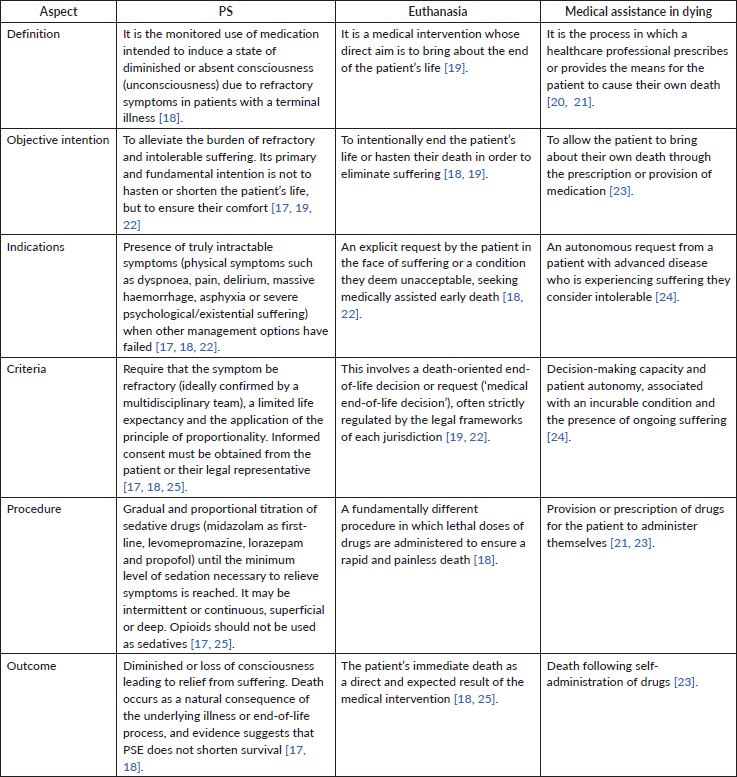
In this context, the European Association for Palliative Care (EAPC) defines existential suffering as ‘feelings of hopelessness, helplessness, fear of death, disappointment, loss of self-esteem, remorse, loss of meaning and purpose in life, alteration of personal identity or loss of dignity’ [16,17]. To clarify these differences, a comparative table between PS, euthanasia and medical assistance in dying is presented (Table 1).
The evidence highlights the importance of interdisciplinary work, ethical deliberation and communication with families in improving decision-making [8–11, 26]. However, the practice of PS remains variable, with a reported prevalence of between 12% and 67% depending on the context and professional training [27, 28]. The EAPC emphasises the need to strengthen continuing education, given that knowledge and attitudes continue to be influenced by cultural and religious factors, and challenges persist regarding autonomy and informed consent [29–33].
In this context, it is necessary to systematically analyse the knowledge, attitudes and practices (KAP) of healthcare professionals, with the aim of improving the quality of end-of-life care.
Methodology
Research design
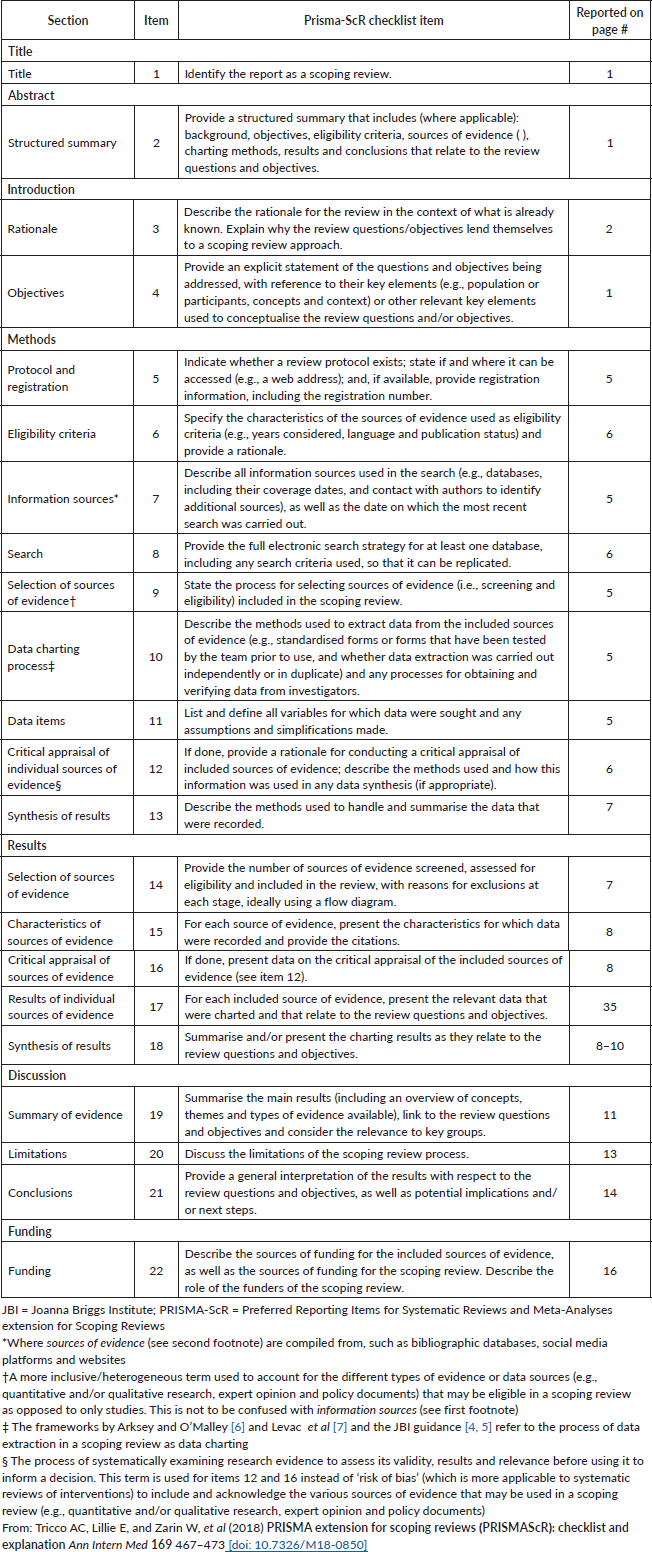
A scoping review was conducted with the aim of comprehensively and systematically mapping the available scientific evidence on the KAP of healthcare professionals regarding PS. This design was chosen for its suitability in identifying knowledge gaps, synthesising scattered information and guiding future research [34]. The methodological process was conducted in accordance with the guidelines of the Joanna Briggs Institute (JBI) [34] and the presentation of results followed the recommendations of the Preferred Reporting Items for Systematic Reviews and Meta-Analyses extension for Scoping Reviews (PRISMA-ScR checklist), ensuring transparency, rigour and reproducibility [35].
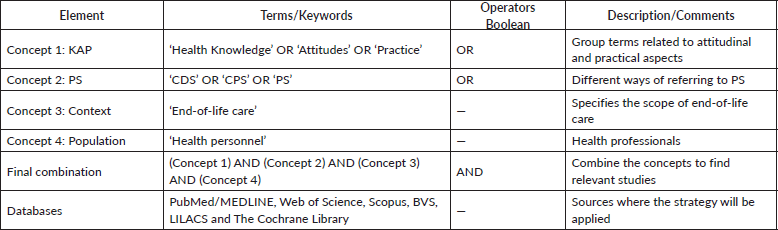
The population, concept and context strategy was applied, in which the population included healthcare professionals (doctors, nurses and support staff); the concept focused on KAP regarding PS; and the context covered end-of-life care in hospitals, palliative care units (PCUs) and home care (Appendices: Table 1). The literature search was conducted between January 2015 and June 2025 in the PubMed/MEDLINE, Web of Science, Scopus, Virtual Health Library (VHL), LILACS and The Cochrane Library databases. To maximise the retrieval of relevant studies, controlled terms (MeSH) and keywords combined using Boolean operators (AND/OR) were used: (‘Health Knowledge’ OR ‘Attitudes’ OR ‘Practice’) AND (‘PS’ OR ‘Deep continuous sedation (CDS)’ OR ‘Continuous palliative sedation (CPS)’) AND ‘End-of-life care’ AND ‘Health personnel’ (Appendices: Table 2)
We included peer-reviewed studies published in any language that addressed the KAP of healthcare professionals regarding PS. We considered research with qualitative, quantitative and mixed-methods designs, as well as systematic reviews. We excluded opinion pieces, letters to the editor, editorials and articles focused exclusively on patients or on aspects not directly related to PS.
The selection and data extraction process was carried out by two independent reviewers who conducted a structured search, removed duplicates, reviewed titles and abstracts and finally assessed the full text of the shortlisted studies. Data management was carried out using the Rayyan platform [36]. The two authors (MO and PB) reviewed the studies independently, achieving 95% agreement between the reviewers. Discrepancies were resolved by consensus with the involvement of a third reviewer. Subsequently, the data were organised into a matrix designed to systematically record the essential information from each study, including author, year, country, objective, study design, study population, level of KAP and main conclusions.
Mendeley Cite was used as bibliographic management software, and a data extraction matrix was developed to record the author, year, country, objective, type and design of the study, professionals included, level of KAP regarding PS as well as the main conclusions (Appendix 1).
Table 1. Comparison between euthanasia, medically assisted dying and PS: ethical and clinical aspects.
Results
A search of six electronic databases (PubMed/MEDLINE, Web of Science, Scopus, BVS, LILACS and The Cochrane Library) identified 2,204 references. After removing 548 duplicates, 1,656 records were reviewed. During the screening phase, 1,571 were excluded for failing to meet the inclusion criteria. A total of 85 full-text articles were assessed for retrieval, of which 4 could not be obtained. Finally, 81 articles underwent eligibility assessment, with those having irrelevant outcomes (n = 3), an inappropriate population (n = 4) and contextual articles (n = 13) being excluded. As a result, 61 studies were included in the final review (Figure 1, Appendix 1).
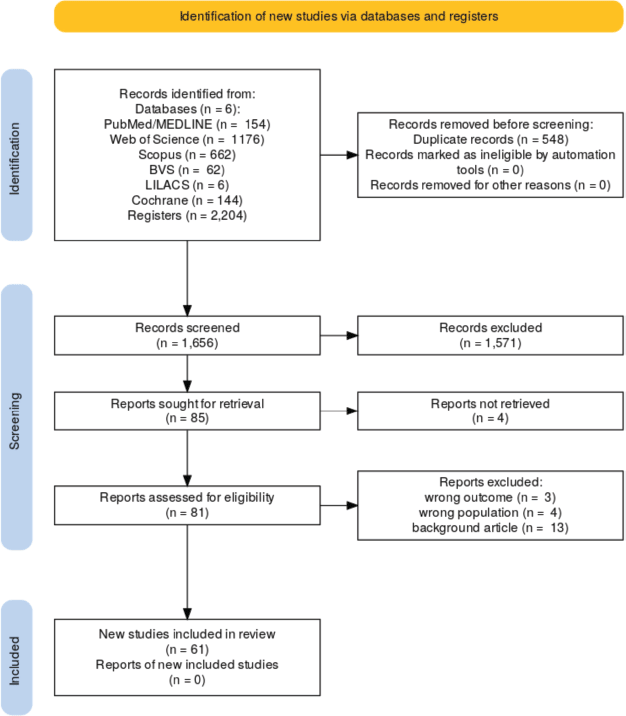
Figure 1. Flowchart.
In the general characterisation, qualitative studies were the most common (41%, n = 25), followed by quantitative studies (36.1%, n = 22), reviews (11.5%, n = 7) and mixed-methods studies (6.6%, n = 4). A Delphi study was also included (1.6%). The samples consisted mainly of doctors (62.4%) and nurses (37.1%), with limited participation from other healthcare professionals (0.47%). The geographical distribution showed higher output in France, Belgium and Germany, followed by Brazil, Japan, Switzerland and Spain, reflecting the concentration of evidence in European countries and limited representation from Latin America (Figure 2).
Figure 2 shows the distribution of studies by country, where darker colours indicate a higher number of publications.
The included studies covered a publication period between 2015 and 2025, with peaks in 2018 and 2024, years in which an increase in research on PS was observed. Detailed information on the included articles is presented in Appendix 1.
The results were organised into three dimensions – KAP – which reflect how professionals understand, value and apply PS.
Knowledge
Practitioners demonstrated a general understanding of PS, although technical and ethical gaps persisted. In Colombia, nursing staff reported medium-to-high knowledge, with limitations regarding indications and pharmacology [1]. In Europe, variability was observed in the availability and use of midazolam, with greater access in The Netherlands, Belgium and Spain, and less in Hungary and Romania [5]. Training in PS was associated with better conceptual understanding and was often confused with euthanasia in Brazil and Austria [15, 37].
Significant errors persisted. In Spain, only 5.6% recognised that morphine is not a sedative [2], and in Switzerland, 23% lacked standardised terminology [3]. Consequently, the inappropriate use of opioids as sedatives was reported in some contexts, a practice linked to training deficits. Taken together, these findings highlight the need to strengthen education and standardise clinical criteria.
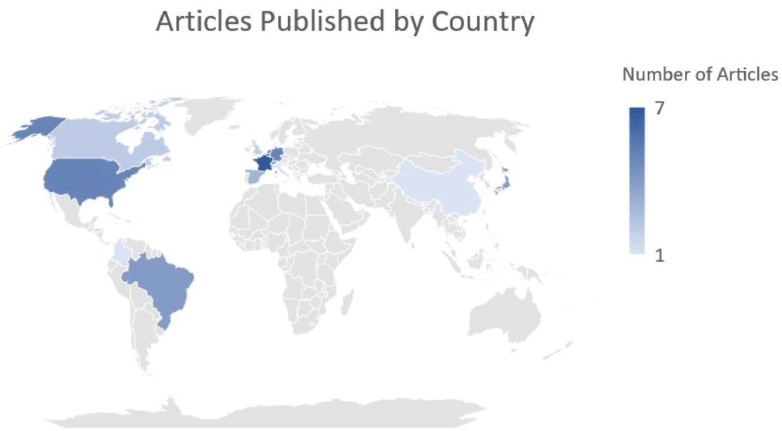
Figure 2. Distribution of the number of selected articles by country.
This point is critical because opioids are analgesics, not sedatives, and their sedative effect is unpredictable; therefore, they should not be used as the sole sedation strategy [38, 39]. Nevertheless, a Dutch study reported their use on its own in 22% of cases, which was considered inappropriate and linked to a lack of knowledge [39, 40]. In contrast, midazolam is the first-line drug, while morphine should be reserved for analgesia or dyspnoea, combined with benzodiazepines when sedation is required [38, 41]. Taken together, these findings highlight the need to strengthen training and standardise criteria for safe practice.
Attitudes
Most professionals considered PS to be an ethical intervention for relieving refractory suffering. However, attitudes varied according to culture, training and the type of suffering. In Canada, there was division regarding its use in existential suffering [12]. Religious beliefs influenced decision-making: in The Netherlands and Denmark, greater religiosity was associated with greater opposition to PS [26, 42]. In Japan, 95% supported its use for symptom control, but only 38% accepted continuous sedation until death (CSUD) [43].
In the United Kingdom, nurses reported ethical conflicts, particularly with young patients or when faced with family pressure [28]. The emotional burden was greater among professionals with less experience or without clear protocols [14, 29, 30, 44, 45]. In Germany, home care teams showed greater confidence than hospital teams, where the fear of ‘blind sedation’ predominated [46, 47]. In countries where assisted suicide is legal, such as Switzerland and Canada, SP was viewed by some as an ethical alternative, although the risk of confusion with euthanasia persists [48]. Overall, attitudes reflected the tension between the alleviation of suffering, patient autonomy and the ethical and legal principles that guide clinical practice.
Practices
Clinical practices in PS were heterogeneous. The use of midazolam predominated in most contexts, although differences in availability and administration persisted. In some countries, such as Italy, Germany and Brazil, the use of opioids as substitutes was reported due to limitations in access or training, while in the United States, this practice was largely rejected [4, 6, 49, 50]. In Austria, inappropriate use of opioids and diphenhydramine was observed among professionals without training in PS [15]. In Germany, some centres incorporated drugs such as lorazepam and ketamine in specific cases [51].
In Japan, progressive proportional sedation was the predominant approach (83%) [43]. In Brazil, continuous sedation was common, with high levels of family involvement in decision-making [45]. In the home setting, the main barriers were the lack of continuous coverage and the fragmentation of the team [52]. In Dutch care homes, CPS was used in some cases of existential suffering [53]. Its use was less frequent for nonphysical symptoms [54], and in paediatrics, it was reserved for exceptional situations [55]. Specialist units showed greater standardisation than general settings [33]. Nursing staff focused on patient monitoring and comfort [56, 57].
Discussion
This review demonstrated consistent gaps in KAP regarding PS, in line with the international literature.
Insufficient training, ethical uncertainty and variability in practice predominate. In various contexts, knowledge is primarily experiential, which leads to confusion regarding indications, terminology and the use of drugs [1–3].
At the conceptual level, clinically relevant errors persist. In some settings, opioids are still used as sedatives, despite not being indicated for this purpose. This practice is associated with a lack of training and unequal access to guidelines, rather than an intention to hasten death [4–7]. In contrast, settings with structured training show greater adherence to recommendations and a clearer distinction between PS and euthanasia.
Professional attitudes reflect a constant tension between alleviating suffering, respecting autonomy and avoiding the perceived risk of shortening life. Existential suffering remains a point of controversy, with a lack of consensus regarding its indication. These differences are influenced by cultural, religious and legal factors [8–13]. Specific training and working in PS teams favoured safer decisions [14, 15, 26, 27]. In high-demand settings or those with limited institutional support, the moral burden on the team increases, particularly in the face of diagnostic/ethical uncertainty or ambiguity regarding therapeutic intent [28–31, 58].
In practice, PS was common but varied. Settings with established guidelines showed greater standardisation, with a predominant use of benzodiazepines and proportional strategies. Conversely, in systems with resource or training limitations, variable practices persisted [4, 5, 7, 32]. Specialised units showed greater adherence to protocols [6, 32, 33], while in home care and care homes, factors such as resource availability, continuity of care and team coordination play a role [53, 56, 59–61]. In intensive care, doubts persisted regarding its impact on survival, reflecting the need to clarify the therapeutic intent of PS [62, 63].
Globally, the practice of PS continues to face ethical and conceptual challenges. However, effective strategies exist to improve its implementation. In Japan, progressive proportional sedation predominates, allowing for gradual symptom control. In Europe, structured ethical deliberation and early communication have been shown to reduce the moral burden on the team [43]. In Latin America, the adaptation of protocols and the active involvement of the family have fostered a more context-sensitive practice. In Colombia, PS has proven to be safe and effective when delivered in specialised units that tailor international protocols and guidelines to the patient’s clinical needs on an individual basis [64]. Similarly, in Brazil, ethical dilemmas have been successfully navigated by actively involving the family in decision-making, thereby responding to Latin cultural values that prioritise family consensus over critical end-of-life decisions [45].
Based on these findings, three areas for improvement are proposed: first, to strengthen structured training at undergraduate and postgraduate levels, with an emphasis on criteria for treatment resistance, the use of drugs and decision-making [1, 29, 65]; second, to promote the implementation of clinical guidelines, alongside tools such as checklists and explicit documentation of therapeutic intent [5–7]; and third, to strengthen clinical governance through interdisciplinary teams, complex case committees and early communication with patients and families [10, 13, 66].
This review synthesises the evidence on KAP in PS and highlights significant gaps, particularly in Latin America. It also demonstrates a weak correlation between knowledge, attitudes and the implementation of clinical guidelines. Addressing these gaps is key to ensuring safer, more ethical and patient-centred end-of-life care.
Limitations
This review has limitations inherent to its design. The methodological heterogeneity of the included studies prevented direct comparisons or a meta-analysis, so the synthesis was narrative in nature. Furthermore, several primary studies used small or convenience samples, which may limit the generalisability of the findings. Finally, as this is a scoping review, the aim was to map the available evidence rather than assess its quality; therefore, the results should be interpreted with caution and within an exploratory framework.
Contribution to practice
This review offers a comprehensive and up-to-date overview of KAP regarding PS, highlighting the gaps and factors that influence its implementation. Its main contribution is to provide healthcare professionals with a tool for reflection, self-assessment and the strengthening of their clinical practice.
It accurately identifies the most common conceptual shortcomings, such as the confusion between PS and euthanasia or the management of existential suffering, guiding continuing education towards areas requiring greater clarity and technical competence. By highlighting international variability in the use of drugs, dosages and protocols, the review invites clinicians to contextualise their decisions within a broader ethical, legal and cultural framework and to promote institutional standardisation of practice.
Furthermore, it highlights the importance of interdisciplinary work and spaces for ethical deliberation to reduce the moral burden on the team and ensure shared and consistent decisions. In this regard, the review not only guides individual medical practice but also promotes the creation of ethics committees, institutional protocols and integrated training programmes.
Taken together, this study enables us to rethink how PS is practised, offering a solid foundation for professional training, public policy design and curricular reform, with the ultimate aim of achieving more compassionate, safe and patient-centred care.
Conclusion
This comprehensive review highlights persistent gaps in primary care regarding PS, alongside variability in its clinical application. Although it is an essential intervention for alleviating refractory suffering, conceptual confusion and operational differences persist, limiting its safe and consistent use.
The findings underscore the need to strengthen clinical and ethical training at all levels, with an emphasis on criteria for refractory suffering, differentiation from euthanasia and appropriate pharmacological management. They also highlight the value of interprofessional training and ethical deliberation in improving decision-making.
At the healthcare level, progress is needed in implementing clinical guidelines and regulatory frameworks adapted to the context, which promote proportionate, transparent and patient-centred practices. In research, comparative studies are needed, particularly in Latin America, to explore the cultural and ethical factors that influence its application.
Taken together, these findings provide a basis for improving training, strengthening institutional policies and promoting safer, more consistent, ethical and person-centred primary care practice.
Acknowledgments
The authors of this manuscript declare that artificial intelligence (AI) was used during the writing process solely to improve readability and refine the language. Specifically, ChatGPT-4 was utilised to generate the text. This use was carried out under strict human supervision and control. Following the application of AI technologies, the authors thoroughly reviewed and edited all outputs, taking full responsibility for the accuracy, coherence and integrity of the content presented in this publication.
Conflicts of interest
The authors declare that there are no conflicts of interest.
Funding
This review did not receive external funding.
Author contributions
Conceptualisation, MFOS and PBS; methodology, MFOS; PBS, HPO; software, MFOS and PBS; validation, MFOS and PBS; formal analysis, MFOS; investigation, MFOS and PBS; resources, MFOS; data curation, MFOS and PBS; writing – original draft preparation, MFOS; writing – review and editing, MFOS and PBS; supervision, PBS; funding acquisition, NA. All authors have read and agreed to the published version of the manuscript.
References
1. Zuleta‐Benjumea A, Muñoz SM, and Vélez MC, et al (2018) Level of knowledge, emotional impact and perception about the role of nursing professionals concerning palliative sedation J Clin Nurs 27(21-22) 3968–3978 https://doi.org/10.1111/jocn.14582
2. Hernández Manzano CM, Angulo Ardoy M, and Viloria Jiménez MA (2024) Knowledge among primary care health professionals about therapeutic resources at the end of life Rev Esp Educ Med 5(2) 54–67
3. Sarah Z, Margareta S, and Matthias B, et al (2018) Continuous deep sedation until death in patients admitted to palliative care specialists and internists Swiss Med Wkly 148 [https://doi.org/10.4414/smw.2018.14657]
4. Mercadante S, Masedu F, and Mercadante A, et al (2017) Attitudes of palliative home care physicians towards palliative sedation at home in Italy Support Care Cancer 25(5) 1615–1620 [https://doi.org/10.1007/s00520-017-3581-3] PMID: 28097432
5. Pozsgai E, Garralda E, and Busa C, et al (2024) Report on palliative sedation medication usage BMC Palliat Care 23(1) https://doi.org/10.1186/s12904-024-01484-6 PMID: 38902670 PMCID: 11188245
6. Heijltjes MT, Morita T, and Mori M, et al (2022) Physicians’ opinion and practice regarding the continuous use of sedatives in the final days of life J Pain Symptom Manage 63(1) 78–87 https://doi.org/10.1016/j.jpainsymman.2021.07.012
7. Lux MR, Protus B, and Kimbrel J, et al (2017) A survey of hospice and palliative care physicians regarding palliative sedation practices Am J Hosp Palliat Care 34(3) 217–222 https://doi.org/10.1177/1049909115615128
8. Ciancio AL, Mirza RM, and Ciancio AA, et al (2020) The use of palliative sedation to treat existential suffering J Palliat Care 35(1) 13–20 https://doi.org/10.1177/0825859719827585
9. Rodrigues P, Menten J, and Gastmans C (2020) Physicians’ perceptions of palliative sedation for existential suffering BMJ Support Palliat Care 10(2) 136–144 https://doi.org/10.1136/bmjspcare-2019-001865
10. Rodrigues P, Ostyn J, and Mroz S, et al (2023) Ethics of sedation for existential suffering BMJ Support Palliat Care 13(2) 209–217 https://doi.org/10.1136/bmjspcare-2021-003395
11. Rodrigues P, Ostyn J, and Mroz S, et al (2024) Palliative care physicians’ decision-making about palliative sedation Palliat Support Care 22(1) 119–127 https://doi.org/10.1017/S1478951522001559
12. Voeuk A, Nekolaichuk C, and Fainsinger R, et al (2017) Continuous palliative sedation for existential distress J Palliat Care 32(1) 26–33 https://doi.org/10.1177/0825859717711301 PMID: 28662627
13. Rys S, Deschepper R, and Mortier F, et al (2015) Bridging the gap between continuous sedation and assisted death Am J Hosp Palliat Care 32(4) 407–416 https://doi.org/10.1177/1049909114527152
14. Foley RA, Johnston WS, and Bernard M, et al (2015) Attitudes regarding palliative sedation among Swiss physicians Death Stud 39(8) 473–482 https://doi.org/10.1080/07481187.2015.1029142 PMID: 26107119
15. Fischer L, Le NS, and Kirchner S, et al (2025) Evaluating physicians’ knowledge of assisted suicide and palliative sedation Wien Klin Wochenschr 137(11-12) 11 https://doi.org/10.1007/s00508-025-02509-7
16. Thomas C, Kulikowski JD, and Breitbart W, et al (2024) Existential suffering as an indication for palliative sedation Palliat Support Care 22(4) 633 https://doi.org/10.1017/S1478951524000336 PMID: 38419195 PMCID: 11358359
17. Surges SM, Brunsch H, and Jaspers B, et al (2024) Revised EAPC framework on palliative sedation Palliat Med 38(2) 213–228 https://doi.org/10.1177/02692163231220225 PMID: 38297460 PMCID: 10865771
18. Torvund S, Thoresen L, and Magelssen M, et al (2025) Conceptual barriers to palliative sedation BMC Palliat Care 24(1) 299 https://doi.org/10.1186/s12904-025-01931-y PMID: 41331611 PMCID: 12673737
19. Colburn B and Johnston B (2023) Palliative sedation: autonomy, suffering, and euthanasia Curr Opin Support Palliat Care 17(3) 214–218 https://doi.org/10.1097/SPC.0000000000000665 PMID: 37428181
20. Treem J (2023) Medical aid in dying: ethical and practical issues J Adv Pract Oncol 14(3) 207 https://doi.org/10.6004/jadpro.2023.14.3.5 PMID: 37197727 PMCID: 10184842
21. Fujioka JK, Mirza RM, and Klinger CA, et al (2019) Medical assistance in dying: implications for health systems from a scoping review of the literature J Health Serv Res Policy 24(3) 207–216 https://doi.org/10.1177/1355819619834962 PMID: 31291767
22. Tan F, Li N, and Wu Y, et al (2023) Determinants of palliative sedation: systematic review and meta-analysis in palliative medicine BMJ Support Palliat Care 13(3) e664–e675 [10.1136/spcare-2022-004085] https://doi.org/10.1136/spcare-2022-004085
23. Fontalis A, Prousali E, and Kulkarni K (2018) Euthanasia and assisted dying: what is the current position and what are the key arguments informing the debate? J R Soc Med 111(11) 407–413 https://doi.org/10.1177/0141076818803452 PMID: 30427291 PMCID: 6243437
24. Henry M, Alias A, and Bisson‐Gervais V, et al (2023) Medical assistance in dying in Canada: a scoping review on the concept of suffering Psychooncology 32(9) 1339–1347 https://doi.org/10.1002/pon.6196 PMID: 37496186
25. Beauverd M, Mazzoli M, and Pralong J, et al (2024) Palliative sedation: revised recommendations Swiss Med Wkly 154 3590 https://doi.org/10.57187/s.3590
26. Balslev van Randwijk C, Opsahl T, and Assing Hvidt E, et al (2020) Association between Danish physicians’ religiosity and spirituality and their attitudes toward end-of-life procedures J Relig Health 59(5) 2654–2663 https://doi.org/10.1007/s10943-020-01026-3 PMID: 32441014
27. Maeda S, Morita T, and Ikenaga M, et al (2019) Changes in opinions on palliative sedation among palliative care specialists over 16 years Support Care Cancer 27(6) 2211–2219 [https://doi.org/10.1007/s00520-018-4497-2]
28. De Vries K and Plaskota M (2017) Ethical dilemmas faced by hospice nurses when administering palliative sedation Palliat Support Care 15(2) 148–157 https://doi.org/10.1017/S1478951516000419
29. Leboul D, Aubry R, and Peter JM, et al (2017) Palliative sedation challenging the professional competency of healthcare providers BMC Palliat Care 16(1) https://doi.org/10.1186/s12904-017-0198-8 PMID: 28399846 PMCID: 5387333
30. Ziegler S, Merker H, and Schmid M, et al (2017) Impact of continuous deep sedation until death on healthcare professionals’ emotional well-being BMC Palliat Care 16(1) https://doi.org/10.1186/s12904-017-0205-0 PMID: 28482856 PMCID: 5422916
31. Locatelli M, Fasse L, and Lacombe C, et al (2025) Deep continuous sedation until death and the experience of relatives and healthcare providers: a systematic review J Pain Symptom Manage 69(6) https://doi.org/10.1016/j.jpainsymman.2025.02.004 PMID: 39947526
32. Vivat B, Bemand-Qureshi L, and Harrington J, et al (2019) Palliative care specialists use low doses of sedatives at the end of life Palliat Med 33(6) 578–588 https://doi.org/10.1177/0269216319826007 PMID: 30747052 PMCID: 6537030
33. Yamashita C, Ando S, and Sugimura A (2025) Nursing practices in palliative sedation across respiratory wards Asia Pac J Oncol Nurs 12 https://doi.org/10.1016/j.apjon.2025.100675
34. Aromataris E, Barber B, and Barker T, et al (2024) JBI manual for evidence synthesis [Internet] [https://synthesismanual.jbi.global] Date accessed: 23/04/26
35. Tricco AC, Lillie E, and Zarin W, et al (2018) PRISMA extension for scoping reviews Ann Intern Med 169(7) 467–473 https://doi.org/10.7326/M18-0850 PMID: 30178033
36. Ouzzani M, Hammady H, and Fedorowicz Z, et al (2016) Rayyan: a web and mobile app for systematic reviews Syst Rev 5(1) 210 https://doi.org/10.1186/s13643-016-0384-4 PMID: 27919275 PMCID: 5139140
37. Eich M, Verdi MIM, and Finkler M, et al (2018) Principles and values in palliative sedation and euthanasia Interface (Botucatu) 22(66) 733–744 https://doi.org/10.1590/1807-57622016.0853
38. Klein C, Voss R, and Ostgathe C, et al (2023) Sedation in palliative care: a clinically oriented overview Dtsch Arztebl Int 120(14) 235–242 [https://doi.org/10.3238/arztebl.m2023.0034] PMID: 36851822 PMCID: 10282508
39. Schildmann EK, Schildmann J, and Kiesewetter I (2015) Medication and monitoring in palliative sedation therapy J Pain Symptom Manage 49(4) 734–746 https://doi.org/10.1016/j.jpainsymman.2014.08.013
40. Reuzel RPB, Hasselaar GJ, and Vissers KCP, et al (2008) Inappropriateness of using opioids for end-stage palliative sedation Palliat Med 22(5) 641–646 https://doi.org/10.1177/0269216308091867 PMID: 18612030
41. Beller EM, Van Driel ML, and Mcgregor L, et al (2015) Palliative pharmacological sedation for terminally ill adults Cochrane Database Syst Rev 1(1) CD010206 [https://doi.org/10.1002/14651858.cd010206.pub2] PMID: 25879099 PMCID: 6464857
42. Muishout G, Van Laarhoven HWM, and Wiegers G, et al (2018) Muslim physicians and palliative care: attitudes towards the use of palliative sedation Support Care Cancer 26(11) 3701–3710 [https://doi.org/10.1007/s00520-018-4229-7] PMID: 29736869 PMCID: 6182360
43. Hamano J, Morita T, and Ikenaga M, et al (2018) A nationwide survey about palliative sedation involving Japanese palliative care specialists J Pain Symptom Manage 55(3) 785–791 https://doi.org/10.1016/j.jpainsymman.2017.10.006
44. Niaré D, Robert G, and Rocquevieille A, et al (2024) General practitioners and palliative care practices BMC Health Serv Res 24(1) https://doi.org/10.1186/s12913-024-11266-8
45. Piedade MAO, Cardoso Filho CA, and Priolli DG (2020) Prevalence of palliative sedation in São Paulo Einstein (Sao Paulo) 18 5395 https://doi.org/10.31744/einstein_journal/2020AO5395
46. Grüne B, Meesters S, and Bausewein C, et al (2022) Challenges and strategies regarding sedation at the end of life J Pain Symptom Manage 63(4) 530–538 https://doi.org/10.1016/j.jpainsymman.2021.12.012
47. Bazata J, Meesters S, and Bozzaro C, et al (2025) An easier way to die? A qualitative interview study on dying under sedation Palliat Med 39(4) https://doi.org/10.1177/02692163251321320 PMID: 39981842 PMCID: 11977801
48. Mills A, Nolen A, and Qureshi F, et al (2023) Use of palliative sedation following MAiD legislation Palliat Support Care 21(4) [https://doi.org/10.1017/s1478951523000706] PMID: 37365818
49. Spineli VMCD, Kurashima AY, and De Gutiérrez MGR (2015) The process of palliative sedation in Brazil Palliat Support Care 13(5) 1293–1299 https://doi.org/10.1017/S1478951514001278
50. Maier S, Estrada-Stephen K, and Sahr N, et al (2017) Survey of clinicians’ experiences regarding palliative sedation J Palliat Med 20(9) 915–921 https://doi.org/10.1089/jpm.2016.0464
51. Stiel S, Nurnus M, and Ostgathe C, et al (2018) Palliative sedation in Germany BMC Palliat Care 17(1) 1 https://doi.org/10.1186/s12904-018-0303-7
52. Meesters S, Bazata J, and Handtke V, et al (2023) Home care circumstances and sedation Palliat Med 37(1) 140–148 https://doi.org/10.1177/02692163221128938 PMCID: 9841818
53. Van Deijck RHPD, Hasselaar JGJ, and Krijnsen PJC, et al (2015) The practice of continuous palliative sedation in long-term care for frail patients with existential suffering J Palliat Care 31(3) 141–149 https://doi.org/10.1177/082585971503100303 PMID: 26514019
54. Benítez-Rosario MA and Morita T (2019) Palliative sedation in clinical scenarios Support Care Cancer 27(5) 1647–1654 [https://doi.org/10.1007/s00520-018-4409-5]
55. Zanin A, Brierley J, and Latour JM, et al (2023) End-of-life decisions in paediatric critical care Front Pediatr 10 https://doi.org/10.3389/fped.2022.1067860
56. Meesters S, Grüne B, and Bausewein C, et al (2021) Intentions when administering sedative drugs BMC Palliat Care 20(1) [https://doi.org/10.1186/s12904-021-00832-0] PMID: 34517847 PMCID: 8439055
57. Heino L, Stolt M, and Haavisto E (2022) Nursing practices regarding palliative sedation J Adv Nurs 78(11) 3733–3744 https://doi.org/10.1111/jan.15350 PMID: 35774002 PMCID: 9796790
58. Lokker ME, Swart SJ, and Rietjens JAC, et al (2018) Palliative sedation and moral distress Appl Nurs Res 40 157–161 https://doi.org/10.1016/j.apnr.2018.02.002 PMID: 29579492
59. Anquinet L, Rietjens JA, and Mathers N, et al (2015) Collaboration in continuous sedation at home J Pain Symptom Manage 49(1) 98–109 https://doi.org/10.1016/j.jpainsymman.2014.05.012
60. Garcia ACM, Isidoro GM, and Paiva EMDC, et al (2023) Palliative sedation at home: a scoping review Am J Hosp Palliat Care 40(2) 173–182 https://doi.org/10.1177/10499091221096412
61. Veldwijk-Rouwenhorst AE, Smalbrugge M, and Zuidema SU, et al (2021) Continuous palliative sedation in dementia patients J Am Med Dir Assoc 22(2) 305–311 https://doi.org/10.1016/j.jamda.2020.11.004
62. Auffray L, Mora P, and Giabicani M, et al (2024) Sedation and assisted dying in intensive care Anaesth Crit Care Pain Med 43(1) [https://doi.org/10.1016/j.accpm.2023.101317] PMID: 38934930
63. Yu J, Liu H, and Peng J, et al (2024) Clinicians’ opinions on sedation therapy Acta Acad Med Sin 46(1) 62–67 [https://doi.org/10.3881/j.issn.1000-503x.15861]
64. Parra Palacio S, Giraldo Hoyos CE, and Arias Rodríguez C, et al (2018) Palliative sedation in advanced cancer patients hospitalised in a specialised palliative care unit Support Care Cancer 26(9) 3173–3180 [https://doi.org/10.1007/s00520-018-4164-7] PMID: 29600413
65. Guité-Verret A, Boivin J, and Hanna AMR, et al (2024) Continuous palliative sedation until death: a qualitative study of clinicians’ experiences BMC Palliat Care 23(1) https://doi.org/10.1186/s12904-024-01426-2
66. Cocker A, Singy P, and Jox RJ (2022) How should healthcare providers inform about palliative sedation? Eur J Cancer Care (Engl) 31(5) 31 [https://doi.org/10.1111/ecc.13602]
67. Henderson CM, FitzGerald M, and Hoehn KS, et al (2017) Ambiguity among paediatricians regarding their understanding of palliative sedation at the end of life Am J Hosp Palliat Care 34(1) 5–19 https://doi.org/10.1177/1049909115609294
68. Heijltjes MT, Van Thiel GJ, and Rietjens JAC, et al (2023) Continuous deep sedation at the end of life: a qualitative interview study among healthcare providers BMC Palliat Care 22(1) 160 https://doi.org/10.1186/s12904-023-01289-z PMID: 37880650 PMCID: 10601190
69. Dumont S, Blondeau D, and Turcotte V, et al (2015) The use of palliative sedation: comparison of attitudes of physicians from Quebec and Switzerland Palliat Support Care 13(4) 839–847 https://doi.org/10.1017/S1478951514000364
70. Vissers S, Dierickx S, and Robijn L, et al (2022) Physicians’ experiences of environmental factors affecting sedation practices Int J Environ Res Public Health 19(9) https://doi.org/10.3390/ijerph19095472 PMID: 35564867 PMCID: 9104501
71. Locatelli M, Flahault C, and Roche N, et al (2024) PAL-PRAT study: healthcare workers’ knowledge and perception of palliative practices Bull Cancer 111(6) 554–565 https://doi.org/10.1016/j.bulcan.2023.12.009 PMID: 38458927
72. Ávila E, Bermejo JC, and Sastre P, et al (2019) Knowledge and preferences regarding end-of-life care in Madrid Semergen 45(5) 303–310 https://doi.org/10.1016/j.semerg.2018.08.005
73. Benítez-Rosario MA and Ascanio-León B (2020) Palliative sedation: beliefs and decision-making among Spanish physicians Support Care Cancer 28(6) 2651–2658 [https://doi.org/10.1007/s00520-019-05086-4]
74. Halfeld JC and Caldana J (2023) Terminal palliative sedation in Brazil: a comprehensive review Rev Bioet 31(3) 3625 [https://doi.org/10.1590/1983-803420233625]
75. Robijn L, Chambaere K, and Raus K, et al (2017) Reasons for continuous sedation until death in cancer patients Eur J Cancer Care (Engl) 26(1) [https://doi.org/10.1111/ecc.12405]
76. Robijn L, Cohen J, and Rietjens J, et al (2016) Trends in continuous deep sedation until death between 2007 and 2013 PLoS One 11(6) 158188 [https://doi.org/10.1371/journal.pone.0158188]
77. Salzmann L, Alt-Epping B, and Simon A (2022) Palliative sedation in amyotrophic lateral sclerosis BMC Neurol 22(1) 1–10 https://doi.org/10.1186/s12883-022-02681-7
78. Seymour J, Rietjens J, and Bruinsma S, et al (2015) Continuous sedation until death in cancer patients: qualitative study Palliat Med 29(1) 48–59 https://doi.org/10.1177/0269216314543319
79. Abarshi EA, Papavasiliou ES, and Preston N, et al (2014) Nurses’ attitudes and practice of sedation at the end of life: systematic review J Pain Symptom Manage 47(5) https://doi.org/10.1016/j.jpainsymman.2013.06.011
80. Vieille M, Dany L, and Coz P Le, et al (2021) Perception and attitudes regarding sedation practices among professionals Palliat Med Rep 2(1) 160–167 [https://doi.org/10.1089/pmr.2021.0022] PMID: 34223516 PMCID: 8241398
Appendices
Table 1. Search strategy according to the JBI guidelines [34].

Table 2. Literature search strategy.
Appendix 1. Matrix for characterising studies included in the scoping review.

Appendix 2. PRISMA-ScR checklist.