Incidence of pathologically positive lymph node in clinico-radiologic T4b oral squamous cell carcinoma: a meta-analysis
Sameer Pandey1a, Sooraj Pillai2b, Megha Punetha3c and Santhosh Rao4d
1 Government Medical College Haldwani, Nainital, Haldwani, Uttarakhand 263139, India
2 Oral and Maxillofacial Surgery, Swami Vivekanand Subharti University, Meerut, Uttar Pradesh 250005, India
3 Soban Singh Jeena Government Institute of Medical Sciences and Research, Almora, Uttarakhand 263601, India
4 All India Institute of Medical Sciences Raipur, Raipur, Chhattisgarh 492099, India
a https://orcid.org/0000-0002-7070-8237
b https://orcid.org/0009-0009-2310-2329
c https://orcid.org/0000-0002-2448-9854
d https://orcid.org/0000-0003-0274-7442
Abstract
Background: Clinico-radiologic T4b oral squamous cell carcinoma (OSCC) lesions form the most advanced cohort of oral malignancy. Survival outcomes depend on major prognostic determinants, such as nodal status. The anatomic extent of disease determines triage for curative-intent surgery.
Purpose: The purpose of the meta-analysis was to find the incidence of lymph-node metastasis and estimate the survival outcomes of patients with cT4b OSCC treated with curative intent surgery.
Data sources: PubMed, Scopus, Ovid, Cochrane Library, Embase and ClinicalKey databases were searched from July 2005 to July 2024. A manual search of speciality journals was conducted from July 2005 to July 2024, without any language restriction and reporting only human studies.
Study selection: All randomised controlled trials (RCTs), non-RCTs, prospective, retrospective studies based on cT4b OSCC of all subsites except tongue were included in the review.
Methods for selecting the study: Studies were reviewed by two reviewers, and a third reviewer resolved any disagreements.
Data extraction and synthesis: The extracted data were recorded in a pre-piloted Excel sheet. The synthesis of results was performed using MedCalc version 23.0.6 software.
Main outcomes and measures: A PRISMA-guided systematic review was conducted. Data on the incidence of N0 disease, the number of cases with clear surgical margins, overall survival and disease-free survival were recorded. Based on data homogeneity, a proportional meta-analysis was performed to evaluate the weighted incidence of N0 disease.
Results: Eleven studies were shortlisted for data extraction. Due to heterogeneous surgical techniques and criteria for surgical margins and survival duration, outcomes were analysed only for the incidence of N0 disease. Results suggested that 40.58% of patients had pathologically N0 disease. There was statistically significant heterogeneity (I2 = 93%).
Conclusion and relevance Among patients with cT4b OSCC, 40.58% have negative neck disease, with carefully evaluated information on anatomic spread, a curative intent surgical treatment plan can be designed.
Keywords: oral cancer, metastasis, lymph node, carcinoma, head and neck
Correspondence to: Sameer Pandey
Email: sameerpandey14@gmail.com
Published: 02/06/2026
Received: 15/09/2025
Publication costs for this article were supported by ecancer (UK Charity number 1176307).
Copyright: © the authors; licensee ecancermedicalscience. This is an Open Access article distributed under the terms of the Creative Commons Attribution License (http://creativecommons.org/licenses/by/4.0), which permits unrestricted use, distribution, and reproduction in any medium, provided the original work is properly cited.
Introduction
Oral squamous cell carcinoma (OSCC) continues to be a significant oncologic burden in India, with up to 64% [1] of patients presenting in stage IV disease. A US-based National Cancer Database study reported a 55% incidence of locally advanced head and neck malignancy [2]. The anatomical spread and the surgical resectability of the tumour have guided the treatment algorithm for locally advanced OSCC. Lymphatic spread of disease is a significant predictor of survival in OSCC [3].
Locally advanced OSCC is usually a term denoted to T3-T4 lesions. In contrast, there has been a broad consensus regarding the surgical management of T3 and T4a lesions. However, T4b lesions have been grouped with unresectable tumours in the NCCN 2025 version guidelines [4]. These tumours are defined as involving the masticator space or skull base/pterygoid plates or internal carotid artery encasement. However, the tumours of the maxillary sinus with skull base and infratemporal fossa (ITF) involvement have been grouped as cT4a in TNM for maxillary sinus malignancies [5]. The recently updated TNM 9th edition [5] Classification has removed the terminology of ‘locally advanced’ or ‘very advanced’ malignancy. However, it still keeps all the oral cavity squamous cell carcinoma (SCC) involving the masticator space in T4b [5] same as in previous TNM 6th, 7th and 8th edition.
Triage for surgical treatment of very advanced disease (cT4b) depends on surgical resectability, which refers to the technical ability to obtain clear surgical margins [6]. Compartment resection has become a standard surgical approach to address T4b OSCC, with a well-established oncologic safety [7].
The prognosis of patients with OSCC and their survival outcomes can be predicted by lymph node disease status.
Reclassification of cT4b OSCC has been consistently discussed since the introduction of compartment resection in surgical management. While a series of prospective and retrospective studies have been conducted, only a few systematic reviews of the literature and meta-analyses have been published on the subject. The systematic review aims to identify the available literature and meta-analyse published data to estimate the critical prognostic determinants, i.e., Lymph node metastasis in patients with T4b OSCC and to generate better guidelines.
Materials and methods
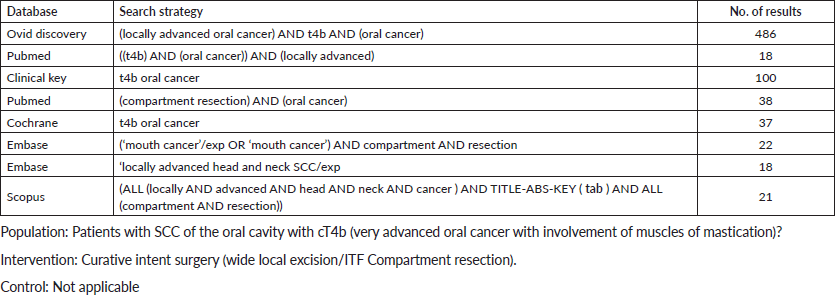
A PRISMA [8] a guided systematic review protocol was registered in PROSPERO (Reg. No. CRD42021230116). An electronic database search was performed in PubMed, Cochrane Library, Embase, ClinicalKey, Ovid Discovery and Scopus from 2005 to July 2024.
Manual searches of journals such as Laryngoscope, Oral Oncology, the International Journal of Oral and Maxillofacial Surgery and Journal of Oral and Maxillofacial Surgery were conducted for published issues from 2005 until July 2024. The references of shortlisted articles were also examined to identify additional studies. MeSH terms and an advanced search strategy (Table 1) were utilised to identify studies based on the following Population, Intervention, Comparator, Outcomes (PICOs) criteria.
Research questions:
-
a. What is the proportion of cT4b OSCC patients without lymphatic metastasis?
-
b. What is the overall disease-free survival (DFS) and overall survival (OS) rate in supra-notch T4b SCC patients treated surgically?
Table 1. Search strategy for database search.
Outcomes
Primary: Incidence of lymph node metastasis, DFS and OS.
Secondary: Disease spread anatomical indication for upfront curative intent surgery.
Study designs
This review included randomised controlled trials (RCTs), non-randomised controlled trials (non-RCTs), prospective studies, retrospective studies and case series of more than ten cases. No language restrictions were applied in the review. The studies, which were based on specific disease sites (OSCC of subsites, including buccal mucosa, Gingivobuccal sulcus and maxillary alveolus) with clinical staging of T4b, were included in the review. Only studies reporting curative intent surgery with compartment resection or specimen-driven resection were included in the review.
Data extraction measures
A pre-piloted Excel sheet was used to record data under the following sections: author, total number of patients treated, total DFS, OS, percentage of clear margins, pathologically N0 nodes and clear margins.
Risk of bias and critical appraisal of included studies
Robins-I and ROB-2 tools from Cochrane were utilised to assess the risk of bias. A risk of bias traffic plot and a risk of bias summary were produced using the Robvis tool. Studies were appraised for bias related to the outcome examined in the meta-analysis. SP and SoP participated in the risk of bias assessment and any disagreements were resolved by MP.
Strategy of statistical analysis and synthesis of results
The pooled data on the proportion of patients treated surgically with pathologically free lymph nodes were used to perform a proportional meta-analysis using MedCalc version 23.0.6 [9].
A similar meta-analysis was conducted for the proportion of patients with 5-year DFS and OS rates. Given the expected clinical and methodological heterogeneity among the included studies, a random-effects model was used to generate pooled estimates, as it offers a more conservative summary by accounting for between-study variability.
Publication bias was evaluated by using Egger’s test and Kendall’s test and represented through a funnel plot.
Heterogeneity was quantified using
Results
Results of search strategy: Database searches identified (Table 1) a total of 740 articles for de-duplication and abstract screening. After de-duplication and abstract screening, 220 articles were sought for full-text screening. Eleven articles [10–20] were shortlisted for final data analysis and inclusion in meta-analysis (Table 2). There were 1,229 patients of cT4b OSCC treated with curative intent surgery (Figure 1).
Data analysis
A proportional meta-analysis of the number of patients treated surgically with pathologically negative nodes revealed that 40.58% patients had no lymphatic disease spread (Figure 2) (
An attempt was also made to extract hazard ratios (HRs) and 95% confidence intervals from Kaplan-Meier curves and reported survival data to enable a time-to-event meta-analysis. However, due to inconsistent reporting formats, lack of HRs in several studies and significant heterogeneity in survival endpoints (DFS, OS at varying time points), pooling HR-based outcomes was not feasible. Instead, survival outcomes were summarised narratively. Table 3 presents the reported survival rates in patients with supra-notch T4b disease. Three years of DFS have been reported from 39% to 51% [10, 13, 17–19]. OS at 5 years has been reported as 14% to 51% [10, 13, 18, 19]. Liao
Risk of bias analysis
ROBINS-I V2 tool [21] was used to evaluate the risk of bias in included studies in relation to the studied result (i.e., the reported incidence of pathologically N0 lymph nodes). The risk of bias in the traffic plot and summary plot indicates a moderate to low risk of bias, considering the research question regarding the incidence of pathologically negative lymph nodes (Figures 4 and 5).
Sensitivity analysis
A sensitivity analysis was conducted to investigate the factors contributing to the significant heterogeneity identified in the proportional meta-analysis. Such an analysis was performed by segregating the included studies based on neoadjuvant chemotherapy (NACT) + surgery and Primary surgery Cohorts. The segregation again revealed significant heterogeneity, indicating heterogeneous data within the cohort.
A meta-analysis was conducted on studies that reported compartment resection as the standard operating procedure, resulting in an
The authors of this review identified that non-uniformity of data reporting, inclusion of different subsites, inclusion of both supra- and infra-notch disease and NACT are factors that contribute to high heterogeneity.
Table 2. Study characteristics.
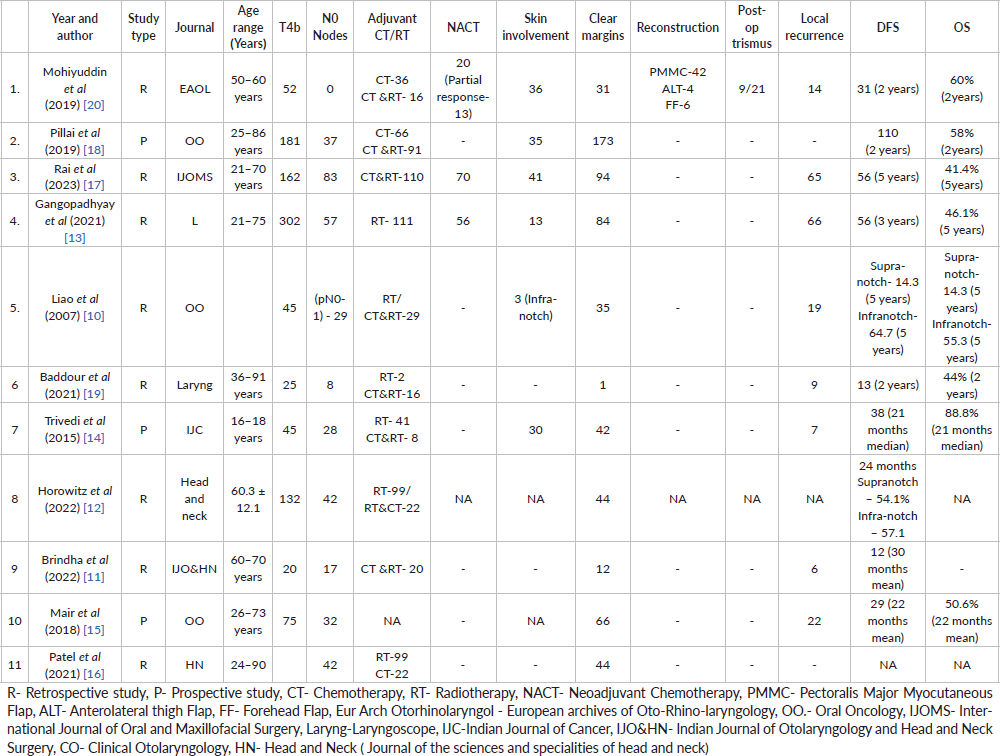
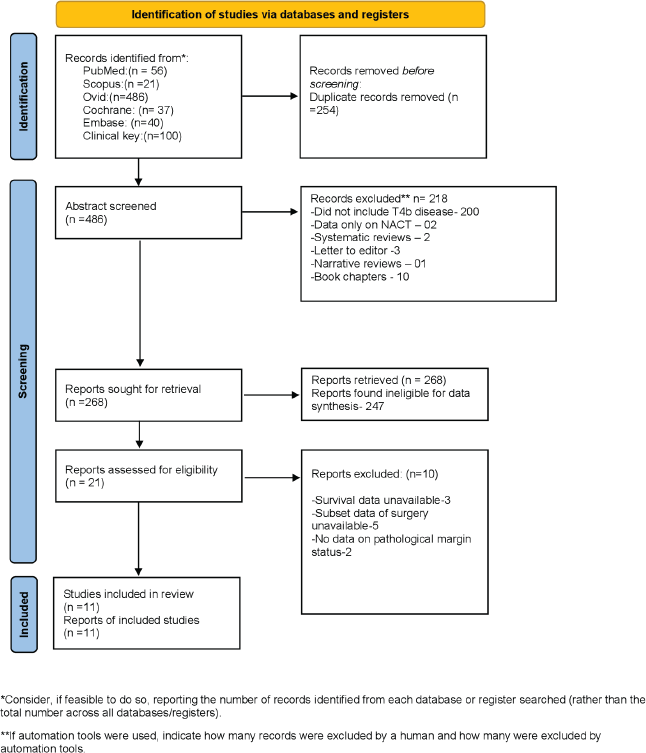
Figure 1. PRISMA flow chart.
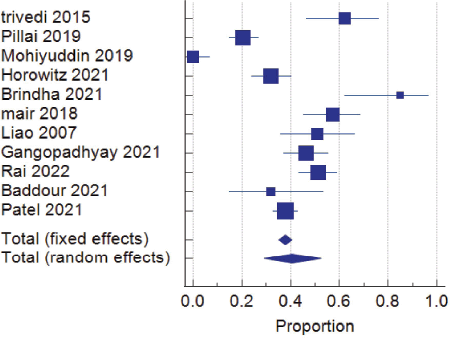
Figure 2. Forest plot of proportional meta-analysis (incidence of N0 in cT4b disease).
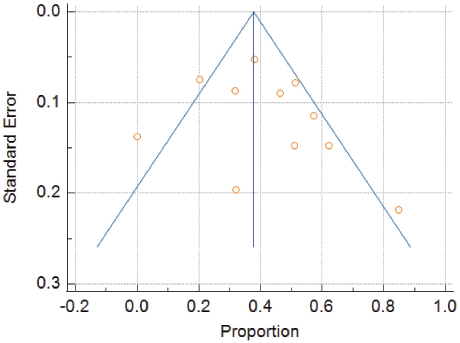
Figure 3. Funnel plot -representing risk of publication bias.
Table 3. Survival outcomes in patients with supra-notch cT4b OSCC.
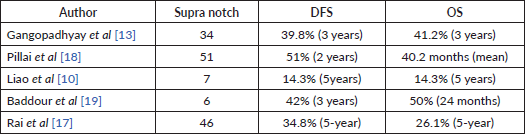
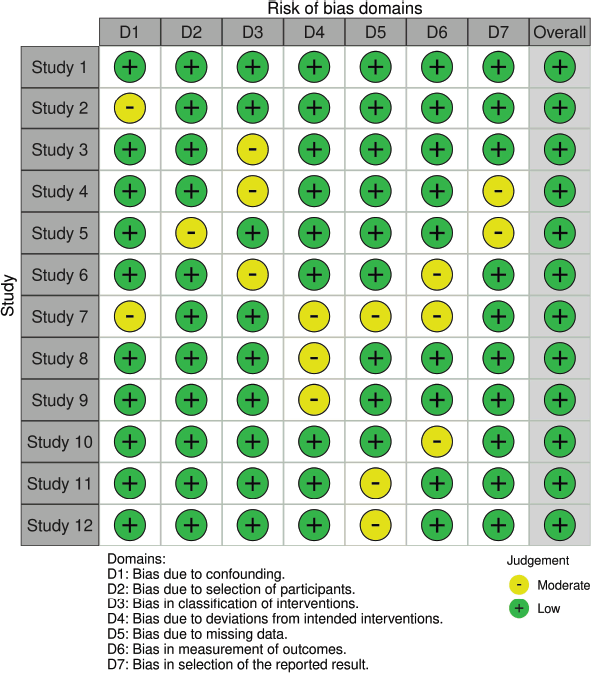
Figure 4. Risk of bias traffic plot.
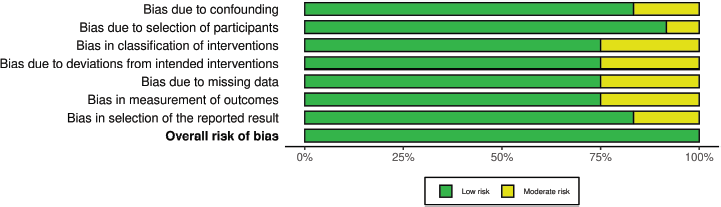
Figure 5. Risk of bias summary plot.
Discussion
Clinico-radiologic cT4b OSCC has been considered an advanced stage of disease with Low overall DFS. There is a current debate regarding the Triage of patients with cT4b OSCC for curative intent surgery.
To address the critical question, a proportional meta-analysis attempted to evaluate the most significant prognostic determinants in these patients, viz, positive neck nodes. The proportional meta-analysis revealed that 40.58% patients with cT4b disease have pathologically negative lymph nodes. This information is critical in light of a recently reported study by Liao
A proportional meta-analysis of survival outcomes could not be conducted due to heterogeneous data. However, survival data, as reported in supra-notch T4b disease, are shown in Table 2. It has already been established in literature that infra-notch cT4b disease has a comparative survival outcome to cT4a disease [23].
3-dimensional clearance of disease is the primary requirement of any surgical resection; a single surgical technique has not been standardised for all patients. However, compartment resection has attempted to standardise the surgical technique and extent of excision. It has become a tool for comparing treatment results among various surgical units, with reported improvements in marginal clearance [19]. The treatment benefit achieved in this cohort of patients will define and determine the future resectability of cT4b disease as classified using the TNM AJCC 9th edition.
Selection criteria for curative intent surgery
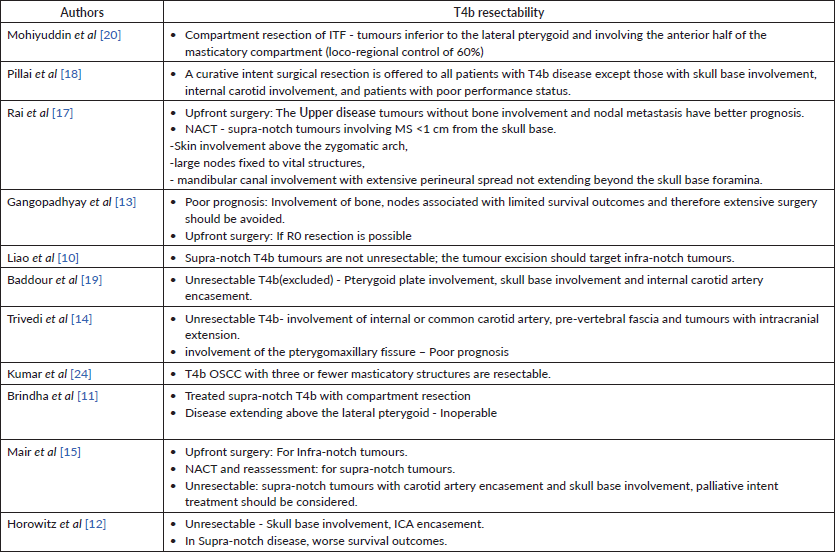
The key factors guiding surgeons in choosing curative intent surgery are listed separately in Table 4, which are widely based on the anatomic extent of the disease. The earliest paper by Liao
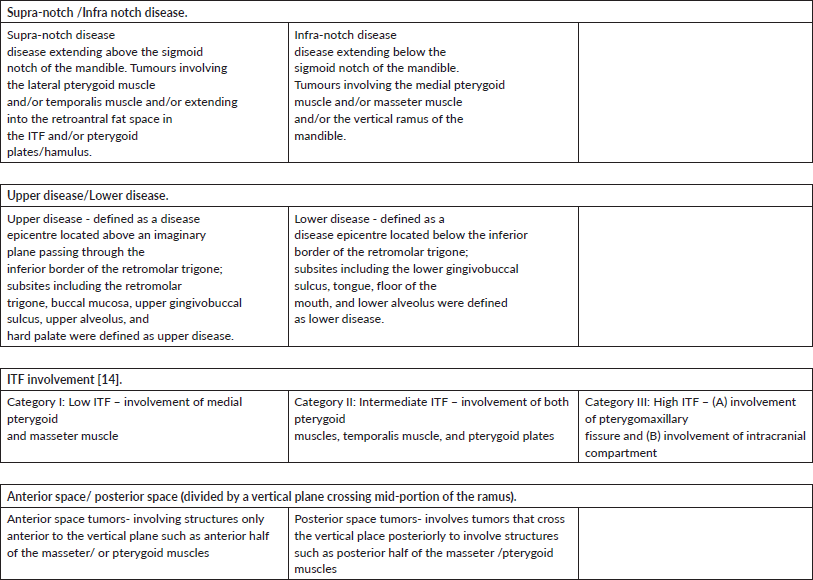
Currently, many authors have classified the disease based on its anatomical extent (Table 5), describing either anterior or posterior disease [10], upper disease and lower disease [17], while most commonly mentioned supra and infra-notch disease [10], which has been correlated with tumour biology and surgical resectability. Kumar
The evidence in favour or against the resectability can only be decided by the survival benefits associated with curative intent surgery. The survival outcomes have been described in Table 3. The heterogeneous nature of data reporting has prevented us from doing proportional meta-analysis of survival benefits.
Such heterogeneity suggests a need to reclassify the disease currently designated as cT4b. The technical challenges have been overcome by utilising compartment resection, which has enabled the achievement of safe margins. However, the term ‘technical challenge’ is not the best description of the non-resectability of this disease, as it has been described to have an aggressive biology. Hence, the survival benefits of aggressive surgical resection of such tumours, when technically possible, need to be highlighted.
Our systematic review highlighted that 40.58% of patients with cT4b disease have pN0 disease. 7 out of 11 included studies would not opt for upfront surgery in a cT4b supra-notch disease. The prognosis is worse when the bone and pterygomaxillary fissure are involved. MRI examination is the most suitable radiographic assessment for surgical planning, as well as for evaluating tumour response to NACT. However, the heterogeneity of imaging modalities used in the included studies also highlights the need for standardisation on imaging protocols.
The clinical and radiographic examinations can only infer tumour biology. The anatomical spread of the disease in T4b OSCC not only suggests a challenging resection but may also indicate aggressive tumour biology, as previously noted by Liao
Table 4. Indications for upfront curative intent surgery.
Neo-adjuvant Pembrolizumab and the new standard of care
Conventional Standard of care in cT4b oral malignancy is NACT-Sx /Primary surgery-CTRT, which has failed to improve outcomes in the last 2 decades (chances of cure under 50%). Recent primary results from the phase 3 KEYNOTE-689 trial [25]. A study that evaluated a pembrolizumab-based regimen versus adjuvant radiotherapy with or without cisplatin in 714 resectable locally advanced lesions suggested an improved event-free survival with pembrolizumab therapy in PD-L1 positive disease (27% improvement in EFS). Hence, the FDA has recently approved pembrolizumab therapy for locally advanced OSCC.
A recently reported study from Tata Memorial Hospital, Mumbai, by Peelay
Challenges persist regarding the affordability of Pembrolizumab therapy in financially constrained populations of developing countries; therefore, the current standard of care remains relevant until immunotherapy becomes affordable or accessible in public health systems worldwide.
Table 5. Various classification systems for cT4b disease.
Conclusion
The systematic review identified significant heterogeneity, making a meta-analysis of all tumour-related prognostic markers unfeasible. However, analysis of data on the proportion of patients with N0 lymph nodes reveals that 40% of patients with cT4b disease may be suitable candidates for curative intent surgery if technically resectable. There is a consensus that patients with supra-notch cT4b disease generally have a poor prognosis. Involvement of pterygoid plates and lymph node metastasis are indicators of poor prognosis. The role of newly approved neoadjuvant immunotherapy in improving survival outcomes warrants further study in ongoing and future trials.
Conflicts of interest
The authors declare that they have no conflicts of interest.
Funding
The authors declare that no funding was received for the work and publication of this meta-analysis.
Consent to participate
Not applicable.
Consent for publication
No person’s data used. It is a systematic review based on available literature.
Ethical approval
Not applicable.
Author contributions
Author SP contributed to the conceptualisation of the research and literature search. SP and SoP were involved in data synthesis. Statistical analysis was performed by MP, and manuscript proofreading was done by SR.
Availability of data and materials
No such data has been shared with any platform.
Code availability
No software, AI or custom code was used for the preparation of this manuscript.
Clinical trial registration
Not applicable.
References
1. Kumar V, Singh M, and Misra S, et al (2015) Clinical profile and epidemiological factors of oral cancer patients from North India Natl J Maxillofac Surg 6(1) 21 https://doi.org/10.4103/0975-5950.168215 PMID: 26668448 PMCID: 4668727
2. Dhar H, Vaish R, and D’Cruz AK (2020) Management of locally advanced oral cancers [Internet] Oral Oncol 105 104662 [https://linkinghub.elsevier.com/retrieve/pii/S1368837520300981] https://doi.org/10.1016/j.oraloncology.2020.104662
3. Liao LJ, Lu CL, and Cheng YP, et al (2025) The cervical lymph node positive metastatic probability is a significant predictor of survival for oral squamous cell carcinoma—a nationwide study [Internet] Cancers (Basel) 17(16) 2704 [https://www.mdpi.com/2072-6694/17/16/2704]
4. Colevas AD, Cmelak AJ, and Pfister DG, et al (2025) NCCN Guidelines® insights: head and neck cancers, version 2.2025 [Internet] J Natl Compr Cancer Netw 23(2) 2–11 [https://jnccn.org/view/journals/jnccn/23/2/article-p2.xml] https://doi.org/10.6004/jnccn.2025.0007
5. Brierley JD, Giuliani M, and O’Sullivan B, et al (2025) TNM Classification of Malignant Tumours [Internet] 9th edn (Puducherry: Wiley) p 272 [https://www.wiley.com/en-us/TNM+Classification+of+Malignant+Tumours%2C+9th+Edition-p-9781394216871]
6. Swartz LK and Swiecicki PL (2021) Head and neck cancers Oncology Board Review, Third Edition: Blueprint Study Guide and Q&A (New York: demosMEDICAL) pp 185–195
7. Pillai V, Tiwari M, and Kuriakose M (2024) Surgical technique for compartmental resection of T4b gingivobuccal cancer [Internet] J Maxillofac Oral Surg 23(4) 747–762 https://doi.org/10.1007/s12663-024-02224-2 PMID: 39118908 PMCID: 11303372
8. Page MJ, Mckenzie JE, and Bossuyt PM, et al (2021) The PRISMA 2020 statement: an updated guideline for reporting systematic reviews [Internet] J Clin Epidemiol 134 178–189 [http://www.ncbi.nlm.nih.gov/pubmed/33789819]
9. MedCalc® Statistical <AQ: Please provide full list of authors for the reference 9.> Software Version 19.6.3 (Ostend: MedCalc Software Ltd)
10. Liao CT, Ng SH, and Chang JTC, et al (2007) T4b oral cavity cancer below the mandibular notch is resectable with a favorable outcome Oral Oncol 43(6) 570–579 https://doi.org/10.1016/j.oraloncology.2006.06.008
11. Brindha HS, Mohiyuddin SMA, and Sagayaraj A, et al (2022) Outcome of treatment in locally advanced upper alveolar carcinoma extending to infra-temporal fossa [Internet] Indian J Otolaryngol Head Neck Surg 74(2) 136–141 https://doi.org/10.1007/s12070-020-01810-3 PMID: 35813778 PMCID: 9256872
12. Horowitz G, De Almeida JR, and Berania I, et al (2022) Achieving negative resection margins in oral cavity cancer with masticator space involvement—is it feasible? International collaborative study Head Neck 44(2) 453–459 https://doi.org/10.1002/hed.26943
13. Gangopadhyay A, Bhatt S, and Nandy K, et al (2021) Survival impact of surgical resection in locally advanced T4b oral squamous cell carcinoma Laryngoscope 131(7) E2266–E2274 https://doi.org/10.1002/lary.29394
14. Trivedi N, Kekatpure V, and Shetkar G, et al (2015) Pathology of advanced buccal mucosa cancer involving masticator space (T4b) Indian J Cancer 52(4) 611–615 https://doi.org/10.4103/0019-509X.178410
15. Mair MD, Sawarkar N, and Nikam S, et al (2018) Impact of radical treatments on survival in locally advanced T4a and T4b buccal mucosa cancers: selected surgically treated T4b cancers have similar control rates as T4a [Internet] Oral Oncol Internet 82 17–22 https://doi.org/10.1016/j.oraloncology.2018.04.019
16. Patel EJ, Oliver JR, and Vaezi A, et al (2021) Primary surgical treatment in very advanced (T4b) oral cavity squamous cell carcinomas [Internet] Otolaryngol Neck Surg 165(3) 431–437 [http://journals.sagepub.com/doi/10.1177/0194599820984358] https://doi.org/10.1177/0194599820984358
17. Rai S, Nandy K, and Bhatt S, et al (2023) Surgical outcomes of T4b oral cancers: assessment of prognostic factors and a need to re-evaluate the current staging system [Internet] Int J Oral Maxillofac Surg 52(2) 143–151 https://doi.org/10.1016/j.ijom.2022.04.015
18. Pillai V, Yadav V, and Kekatpure V, et al (2019) Prognostic determinants of locally advanced buccal mucosa cancer: do we need to relook the current staging criteria? [Internet] Oral Oncol 95 43–51 https://doi.org/10.1016/j.oraloncology.2019.05.021 PMID: 31345393
19. Baddour HM, Ochsner MC, and Patel MR, et al (2021) Surgical resection is justifiable for oral T4b squamous cell cancers with masticator space invasion Laryngoscope 131(2) E466–E472 https://doi.org/10.1002/lary.28725 PMCID: 7704866
20. Mohiyuddin SMA, Harsha P, and Maruvala S, et al (2018) Outcome of compartment resection of locally advanced oral cancers extending to infratemporal fossa: a tertiary rural hospital experience [Internet] Eur Arch Oto-Rhino-Laryngol Internet 275(11) 2843–2850 https://doi.org/10.1007/s00405-018-5124-z
21. Sterne JA, Hernán MA, and Reeves BC, et al (2016) ROBINS-I: a tool for assessing risk of bias in non-randomised studies of interventions BMJ 355 1–7
22. Zanoni DK, Montero PH, and Migliacci JC, et al (2019) Survival outcomes after treatment of cancer of the oral cavity (1985–2015) [Internet] Oral Oncol 90 115–121 [https://linkinghub.elsevier.com/retrieve/pii/S1368837519300387] https://doi.org/10.1016/j.oraloncology.2019.02.001
23. Rao KN, Arora R, and Dange P, et al (2023) A meta-analysis of surgical outcomes of T4a and infranotch T4b oral cancers Oncol Ther 11(4) 461–480 https://doi.org/10.1007/s40487-023-00246-3 PMID: 37804420 PMCID: 10673764
24. Kumar A, Singh R, and Santhosh M, et al (2021) Role of structures in the masticator space in selecting patients with resectable T4b oral cancer: findings from a survival analysis [Internet] Int J Oral Maxillofac Surg 50(5) 579–584 https://doi.org/10.1016/j.ijom.2020.07.026
25. Uppaluri R, Haddad RI, and Tao Y, et al (2025) Neoadjuvant and adjuvant pembrolizumab in locally advanced head and neck cancer [Internet] N Engl J Med 393(1) 37–50 https://doi.org/10.1056/NEJMoa2415434 PMID: 40532178
26. Peelay Z, Patil V, and Mittal N, et al (2026) PD-L1 in oral cavity cancers—audit for tertiary care center in India Indian J Surg Oncol 17 152–157 [https://doi.org/10.1007/s13193-025-02195-x]