CAR T-cell therapy in small-cell lung cancer with a focus on DLL3-targeted approaches
Leila Matindoost1, Haidar Al-Saig1,2 and Mark Nalder1,2
1Royal Brisbane and Women’s Hospital, Queensland Health, Brisbane, QLD 4006, Australia
2Royal Brisbane Clinical Unit, Faculty of Health, Medicine and Behavioural Sciences, The University of Queensland, Brisbane, QLD 4006, Australia
Abstract
Small-cell lung cancer (SCLC) remains a fast-growing, genomically plastic neuroendocrine cancer with poor survival despite chemo-immunotherapy. Converging biological and clinical evidence identifies delta-like ligand 3 (DLL3) as a lineage-linked target expressed in most SCLC with limited normal tissue expression, enabling selective T-cell-based strategies. This review synthesises the trajectory of DLL3-directed therapies, positioning chimeric antigen receptor (CAR) T cells within a broader T-cell engagement continuum that now includes a clinically validated DLL3 × CD3 engager. We integrate preclinical and early clinical data to articulate a design blueprint for DLL3-directed CAR T cell in solid tumours: binder affinity tuned for on-target specificity; second- and third-generation signalling to balance rapid cytolysis with persistence; and armouring modules, such as IL-7/ CCL19 or IL-18, to counter hypoxia, poor trafficking and immune suppression in the SCLC tumour microenvironment. Using a representative next-generation DLL3-directed CAR T-cell platform as an example, we highlight the translational importance of shortened manufacturing that preserves T-cell stemness and may facilitate dose optimisation and improve treatment feasibility. We also set out a biomarker framework that links antigen density, longitudinal DLL3 assessment in tissue and liquid biopsies and pharmacodynamic tracking of expansion and persistence to patient selection and retreatment. Finally, we outline a pragmatic trial agenda that prioritises step-up dosing, built-in control features and rational combinations with radiotherapy or checkpoint blockade to mitigate toxicity and reduce antigen escape. Together, these engineering, biomarker and clinical design principles provide a framework for evaluating DLL3-directed CAR T-cell therapies in future clinical studies.
Keywords: small-cell lung cancer, SCLC, DLL3, delta-like ligand 3, CAR T, chimeric antigen receptor T cells, tumour microenvironment
Correspondence to: Leila Matindoost
Email: leila.Matindoost@health.qld.gov.au
Published: 08/10/2026
Received: 28/01/2026
Publication costs for this article were supported by ecancer (UK Charity number 1176307).
Copyright: © the authors; licensee ecancermedicalscience. This is an Open Access article distributed under the terms of the Creative Commons Attribution License (http://creativecommons.org/licenses/by/4.0), which permits unrestricted use, distribution, and reproduction in any medium, provided the original work is properly cited.
Introduction
Small-cell lung cancer (SCLC) is a highly aggressive neuroendocrine malignancy, characterised by rapid doubling time, early dissemination and poor long-term survival [54]. SCLC accounts for ~12% of all lung cancers and as of 2022, global SCLC incidence remains high, International Agency for Research on Cancer estimated 267,965 new smallcell carcinoma cases worldwide in 2022 (180,063 men; 87,902 women), corresponding to 11.5% of male and 9.7% of female lung cancers globally [29]. In Australia, 12%–13% of new lung cancers are SCLC [50]. The majority of patients present with extensive-stage disease, with the current standard of care being platinum/etoposide chemotherapy and anti-PD-L1 immunotherapy. Unfortunately, despite some recent advances, therapeutic outcomes remain modest [42]. Although initial responses are common, most patients relapse rapidly, with a median overall survival of 12.3 months when using atezolizumab plus chemotherapy [19]. Given its poor prognosis and limited treatment options, SCLC remains a major focus of translational research [32]. In recent years, significant progress has been made in deciphering the biology of SCLC and in designing new treatment approaches, including novel drugs and refined radiotherapy protocols [48]. Among emerging strategies, chimeric antigen receptor (CAR) T-cell therapy is of particular interest. Although CAR T cells have demonstrated remarkable success in haematological malignancies [58], their application in solid tumours has been limited by tumour heterogeneity, immunosuppressive microenvironments and on-target/off-tumour toxicities [10]. Delta-like ligand 3 (DLL3), a Notch inhibitory ligand, has emerged as a promising target due to its high expression in SCLC (≥80% of cases) and limited presence in normal tissues [59]. Among DLL3-directed cell therapies for SCLC, development has progressed from the first-in-human T-cell therapy targeting DLL3, AMG 119, to newer constructs. This review summarises the preclinical and clinical advancements in DLL3-targeted CAR T-cell therapy for SCLC, with a focus on recent advances in nextgeneration DLL3-directed CAR T-cell therapies.
The CAR T-cell continuum and beyond
CAR T-cell therapy, originally termed ‘T-bodies’, emerged from seminal work in 1987 by Yoshihisa Kuwana et al in Japan, who combined antibody-derived recognition domains with T-cell receptor (TCR) signalling elements [25]. Since then, the platform has advanced through five design “generations,” from CD3ζ-only prototypes (as the sole intracellular signalling domain) to constructs incorporating costimulatory signalling and, more recently, cytokine and signalling-pathway modules [33]. An overview of the generational evolution of CAR T cells is provided in Table1.
First-generation CAR T cells fused a single-chain variable fragment (scFv) to the CD3ζ signalling motif alone. They could trigger cytotoxicity on contact but showed limited proliferation, cytokine production and in vivo persistence, so clinical activity was modest and short-lived [19,23,35]. Second-generation CARs added a single costimulatory domain, most commonly CD28 or 4-1BB, alongside CD3ζ [24]. This upgrade improved expansion and survival, boosted effector function and produced more durable remissions [44].
Third-generation CAR T cells incorporate two costimulatory domains, typically CD28 and 4-1BB, alongside CD3ζ to enhance both early effector function and longer-term persistence compared with second-generation constructs. Early clinical experience suggests this dual signalling can yield rapid tumour cytolysis (via CD28) while supporting durability (via 4-1BB), although definitive head-to-head trials remain limited [13,20,46].
Table 1. Generational evolution of CAR T-cell designs.
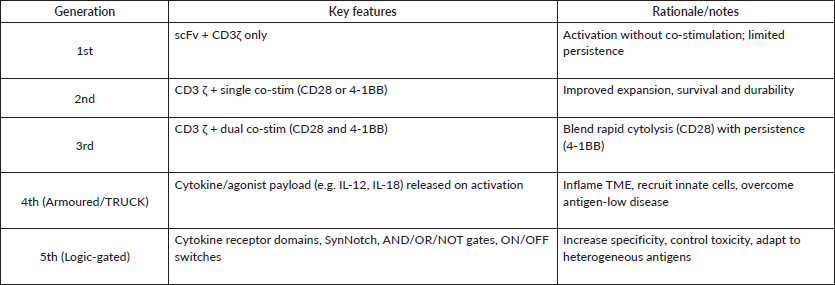
Fourth-generation ‘armoured’ CARs often termed TRUCKs (T cells redirected for antigen-unrestricted/universal cytokine-mediated killing) add an inducible payload cassette so that, upon antigen engagement, engineered T cells locally secrete cytokines (e.g. IL-12 or IL-18) or other immunomodulators (Figure 1). This aims to remodel hostile tumour microenvironments, recruit innate immunity and overcome antigen-low disease while limiting systemic exposure by restricting payload release to the tumour site [11,24].
In parallel, bispecific T-cell engager (BiTE) technology offers an ‘off-the-shelf’ approach that physically links CD3 on T cells to a tumour antigen, activating cytotoxicity independently of native TCR specificity [18]. The first-in-class CD19×CD3 BiTE, blinatumomab, clinically validated the platform in B-ALL and established characteristic toxicities such as cytokine release syndrome and neurotoxicity that are now managed with step-up dosing and supportive care [4,56]. More recently, FDA’s accelerated approval of DLL3×CD3 BiTE tarlatamab (AMG 757; IMDELLTRA) for extensive-stage SCLC extends the milestones of T-cell-engaging therapies into a major solid tumour and underscores the potential complementarity of BiTEs and next-generation CARs as the field works to broaden antigen targets, deepen responses and mitigate toxicity [60].
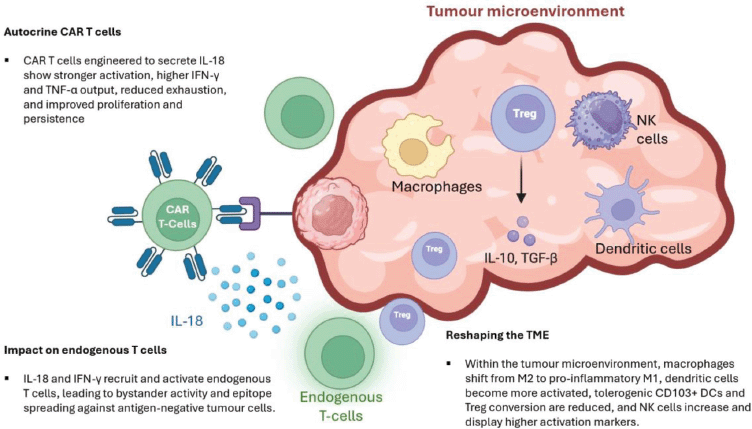
Figure 1. Mechanisms of tumour microenvironment remodelling by IL-18-secreting armoured CAR T cells. CAR T cells engineered to secrete the proinflammatory cytokine IL-18 operate through autocrine and paracrine mechanisms to enhance anti-tumour efficacy. In an autocrine loop, IL-18 binding to its receptor on the CAR T cell itself leads to stronger activation, enhanced production of IFN-γ and TNF-α, reduced exhaustion, and improved proliferation and persistence. Through paracrine signalling, the secreted IL-18 and IFN-γ recruit and activate endogenous T cells, enabling bystander killing of antigennegative tumour cells through epitope spreading. Furthermore, this cytokine milieu reshapes the immunosuppressive TME by polarizing macrophages towards a pro-inflammatory M1 phenotype, enhancing DC activation, suppressing Treg function and boosting the activation and cytotoxicity of NK cells. IL-18 was selected as an illustrative example because it is one of the best-characterised armouring strategies in DLL3-directed CAR T-cell development and has demonstrated the ability to enhance T-cell persistence while simultaneously remodelling the tumour microenvironment, although several alternative cytokine and chemokine-based approaches are also under active investigation. *Adapted from and created based on mechanisms described in [54].*CAR, chimeric antigen receptor; IFN, interferon; TNF, tumour necrosis factor; IL, interleukin; Treg, regulatory T cell; NK, natural killer; DC, dendritic cell.
DLL3 as a therapeutic target in SCLC
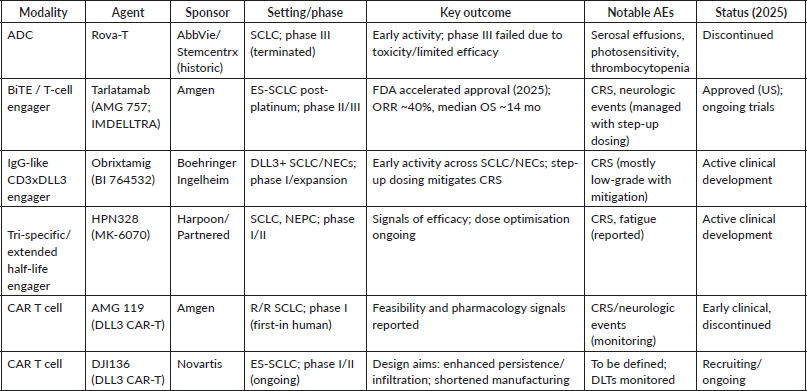
DLL3 is a membrane-bound notch ligand that is overexpressed in SCLC and other neuroendocrine tumours, with limited normal-tissue expression largely confined to the brain and pituitary, supporting a favourable therapeutic index [5,43]. Preclinical studies have demonstrated that DLL3-targeted therapies, including antibody–drug conjugates (ADCs) and BiTEs, exhibit potent anti-tumour activity [12,37]. The first targeted approach investigated was rovalpituzumab tesirine (Rova-T), an anti-DLL3 ADC, showed early promise but failed in phase III trials due to toxicity and limited efficacy [51]. Combination attempts to deepen and prolong responses included pairing Rova-T with PD-1 blockade, such as budigalimab, and with nivolumab with or without ipilimumab, but these did not rescue the programme [54]. Building on this experience, the field then pivoted to DLL3-directed T-cell engagement, the DLL3×CD3 bispecific tarlatamab received FDA’s accelerated approval in May 2024 for ES-SCLC progressing after platinum therapy. The approval was based on a study showing a 40% objective response rate and median overall survival of about 14 months, with cytokine release syndrome and neurologic events as the key toxicities to manage [2]. Next-generation DLL3 engagers are broadening the field: the IgG-like DLL3/CD3 engager obrixtamig (BI 764532) has reported phase I activity across DLL3-positive SCLC and other NECs with manageable cytokine release syndrome (CRS) at step-up dosing and is now moving through expansion cohorts [55]. Similarly, the trispecific, half-life-extended DLL3 engager HPN328 (TriTAC/MK-6070) has shown early signals of efficacy in SCLC and other neuroendocrine malignancies, including neuroendocrine prostate cancer (NEPC), with ongoing dose-optimisation in phase I/II [6,34].
In addition to monotherapy, combination strategies involving the DLL3×CD3 bispecific T-cell engager tarlatamab are currently being explored in SCLC. In particular, ongoing clinical studies are evaluating tarlatamab in combination with pembrolizumab and other standard therapies. The rationale for combining tarlatamab with PD-1 blockade is that DLL3-directed T-cell activation may be further enhanced by reversal of T-cell exhaustion, potentially improving the depth and durability of anti-tumour responses. Although clinical data remain immature (Clinical- Trials.gov NCT06211036), these combination approaches may help overcome adaptive immune resistance mechanisms and further expand the role of DLL3-targeted immunotherapy in SCLC [2,37]
Collectively, the evidence establishes DLL3 as a viable SCLC target and motivates further development of cellular therapies, as summarised for key agents in Table 2. DJI136 is discussed throughout this review as an example of a next-generation DLL3-directed CAR T-cell platform.
Table 2. DLL3-targeted therapies for SCLC and related neuroendocrine cancers.
DLL3 expression across SCLC molecular subtypes and implications for heterogeneity
SCLC is increasingly understood as a spectrum of molecular states defined by lineage transcriptional programmes, most commonly described by dominant regulators ASCL1 (SCLC-A), NEUROD1 (SCLC-N), POU2F3 (SCLC-P) and YAP1 (SCLC-Y), alongside immune-enriched or ‘inflamed’ phenotypes in some classifications ([3,17]. Across patient cohorts, these states can coexist within the same tumour and can shift under therapeutic pressure, highlighting biological plasticity as a core feature of SCLC [39].
DLL3 expression is most consistently linked to neuroendocrine lineage programmes and is frequently enriched in ASCL1-high disease. In surgically resected SCLC, DLL3 protein expression correlates positively with ASCL1 expression, supporting a lineage-coupled model in which DLL3 marks neuroendocrine differentiation rather than a universally uniform tumour antigen [56]. Emerging subtype analyses further suggest that ASCL1-dominant tumours show higher DLL3 expression than NEUROD1-dominant tumours, while neuroendocrine-low states such as POU2F3-driven or YAP1-associated disease may show lower or absent DLL3 in a subset of cases [3].
This subtype-linked heterogeneity has practical implications for patient selection and for anticipating antigen escape. Baseline testing should therefore consider not only DLL3 positivity but also the underlying lineage state, using paired immunohistochemistry panels (e.g. DLL3 with ASCL1, NEUROD1, POU2F3 and YAP1) to contextualise antigen density and to identify patients most likely to benefit from DLL3-directed cellular therapy. Because subtype composition and DLL3 levels can vary between lesions and over time, longitudinal sampling using repeat tissue assessment where feasible and liquid-biopsy approaches where validated, may help guide selection and retreatment decisions and should be incorporated into correlative science in prospective trials [14,39].
Beyond baseline heterogeneity, therapeutic pressure may drive antigen escape through downregulation of DLL3 expression or transition towards alternative lineage states [2,37]. Similar mechanisms have been observed with other targeted therapies and cellular immunotherapies. Given the recognised plasticity of SCLC, transitions from neuroendocrine-high states towards neuroendocrine-low phenotypes may reduce DLL3 expression and compromise durable responses [16,39]. These observations provide a rationale for longitudinal monitoring of DLL3 expression and support future development of dual-targeting or logic-gated CAR T-cell approaches to reduce selective pressure on a single antigen [40].
DLL3 beyond SCLC
Although DLL3 has been most extensively studied in SCLC, its expression is not restricted to pulmonary neuroendocrine malignancies. High levels of DLL3 expression have also been reported in large-cell neuroendocrine carcinoma, NEPC and a subset of poorly differentiated gastroenteropancreatic and extrapulmonary neuroendocrine carcinomas [6,55]. In these tumours, DLL3 expression is frequently associated with neuroendocrine differentiation and aggressive clinical behaviour, proving its potential as a therapeutic target across multiple high-grade neuroendocrine malignancies [45].
The clinical development of DLL3-targeted therapies has increasingly reflected this broader relevance. Recent studies of tarlatamab, obrixtamig and HPN328 have expanded enrollment beyond SCLC to include patients with neuroendocrine carcinomas and NEPC, demonstrating preliminary evidence of activity across DLL3-expressing tumour types [1,55]. As a result, advances in DLL3-directed cellular therapies may have implications beyond SCLC and could provide a framework for treating a wider group of aggressive neuroendocrine cancers characterised by limited therapeutic options.
CAR T-cell therapy in SCLC: preclinical evidence
Notably, DLL3 is commonly expressed across disease stages and treatment lines, although expression can vary between lesions and over time with therapy [14]. DLL3-CAR-natural killer (NK) cells exhibited significant efficacy and robust tumour infiltration in SCLC subcutaneous xenograft models [28]. However, orthotopic models may better recapitulate the lung tumour microenvironment. Encouragingly, these findings have already translated to clinical testing, with a phase I trial investigating DLL3-CAR-NK cells in relapsed/refractory SCLC (NCT05507593). Similarly, AMG119, was a phase I study initiated by Amgen in 2018 which was based on DLL3-targeted CAR T cells that was suspended after early clinical evaluation, although detailed reasons for programme termination have not been publicly reported [36].
Although the specific reasons for discontinuation of AMG 119 have not been fully reported, the programme likely encountered challenges that are common to CAR T-cell therapy in solid tumours. Unlike haematological malignancies, CAR T-cell therapy in SCLC must overcome several well-recognised barriers, including an immunosuppressive tumour microenvironment, tumour heterogeneity and rapid disease progression. In addition, intratumoural heterogeneity and variability in DLL3 expression may reduce the effectiveness of single-antigen targeting strategies, while rapid disease progression and declining performance status can further complicate treatment delivery [5,8,9]. These challenges highlight the biological barriers that early DLL3-directed CAR T-cell programmes were required to overcome and provide important context for the development of next-generation approaches
Several features distinguish newer DLL3-directed CAR T-cell platforms from earlier approaches and may improve their therapeutic potential in SCLC. Advances in CAR design have focused on enhancing T-cell persistence, reducing exhaustion and improving activity within the immunosuppressive tumour microenvironment. In addition, newer strategies incorporate armoured constructs, chemokine-receptor engineering and biomarker-driven patient selection to address limitations associated with tumour trafficking and antigen heterogeneity [21,22,24,38]. Manufacturing innovations aimed at preserving less-differentiated T-cell populations may also improve product fitness and durability. While these developments provide a strong biological rationale for improved outcomes, their clinical benefit remains to be confirmed in ongoing studies [2,37].
[58] developed a second-generation anti-DLL3 CAR T-cell construct (CD28 or 4-1BB costimulatory domains) that demonstrated robust cytotoxicity against DLL3+ SCLC cell lines and xenografts [58]. However, a key hurdle was ensuring sufficient persistence and tumour infiltration. To enhance efficacy, strategies such as armoured CAR T cells (secreting IL-15 or PD-1 blockers) and combinatorial approaches with ICIs have been investigated [22]. These findings support continued clinical evaluation of DLL3-targeted CAR T-cell therapy to determine whether the encouraging preclinical activity translates into meaningful clinical benefit for patients with SCLC.
DJI136: a novel DLL3-targeted CAR T-cell therapy for SCLC
DJI136, an investigational CAR T-cell therapy designed to target DLL3, a validated tumour-associated antigen highly expressed in SCLC. DJI136 has been designed to enhance persistence, proliferation and tumour infiltration, addressing key limitations of earlier CAR T-cell therapies. Notably, this product exhibits high-affinity binding to DLL3, which may increase on-target/off-tumour toxicity risk and activation in antigen-low normal tissue, depending on epitope density and kinetics. DJI136 is also reported to use an accelerated manufacturing workflow, a strategy that is intended to preserve less-differentiated T-cell phenotypes and improve feasibility of delivery (shortened ‘veinto- door’) compared with conventional autologous CAR T-cell manufacturing; the impact on product phenotype, scalability and cost requires confirmation with programme-specific manufacturing and release-characterisation data
Clinical evaluation and trial design
DJI136 is currently being evaluated in an ongoing first-in-human Phase I study incorporating dose escalation followed by expansion cohorts in patients with relapsed or refractory DLL3-positive SCLC. The primary objectives are to evaluate safety, determine the recommended dose and assess preliminary anti-tumour activity while incorporating pharmacodynamic biomarkers including CAR T-cell expansion and persistence (NCT07564401).
Toxicity management
Toxicity management may be particularly challenging in patients with relapsed or refractory SCLC, who frequently present with extensive metastatic disease, high tumour burden, prior thoracic radiotherapy and declining performance status. These factors may increase vulnerability to treatment-related complications and complicate attribution of symptoms during therapy. In addition, central nervous system metastases are common in SCLC and may increase the complexity of monitoring for and managing immune effector cell-associated neurotoxicity syndrome (ICANS), particularly where baseline neurological symptoms are already present [2,5,36,37].
As with other CAR T-cell therapies, CRS and ICANS remain key safety concerns for DLL3-directed CAR T-cell approaches. Although early experience with DLL3-targeted cellular therapies remains limited, lessons from haematological malignancies suggest that careful patient selection, inpatient monitoring during peak CAR T-cell expansion and early intervention with corticosteroids and anti-cytokine therapies such as tocilizumab are likely to be important components of safe clinical implementation [5,56]. Furthermore, the low-level expression of DLL3 reported in selected normal tissues, including the brain and pituitary gland, highlights the importance of continued vigilance for potential off-tumour toxicities as these therapies advance through clinical development.
Beyond biological challenges, successful implementation of CAR T-cell therapy in SCLC will also depend on practical considerations. Autologous CAR T-cell manufacturing requires specialised infrastructure, is associated with substantial cost and may involve production times that are difficult to accommodate in a disease characterised by rapid clinical progression. Access to specialised treatment centres, the need for bridging therapy during manufacturing and careful patient selection based on performance status and disease burden are also likely to influence real-world applicability. Continued efforts to shorten manufacturing time and improve scalability may therefore be as important as advances in CAR design for successful clinical implementation [1,21].
The following strategies represent emerging approaches that aim to address current limitations of CAR T-cell therapy in solid tumours but remain largely preclinical or in early clinical development.
Challenges and future directions
It is important to distinguish between advances that have already demonstrated clinical activity and those that remain largely experimental. Clinical validation of DLL3-directed T-cell engagement has been established through the approval of tarlatamab and the ongoing clinical evaluation of DLL3-targeted cellular therapies. In contrast, many next-generation CAR T-cell engineering strategies, including logic-gated receptors, cytokine-armoured constructs, chemokine-receptor engineering and dual-targeting approaches, remain at the preclinical or early clinical stage. While these innovations may help overcome key barriers associated with solid tumours, their safety and efficacy in SCLC remain to be established [2,5,21,24,37,56].
DLL3 CAR T cell is biologically compelling but remains investigational and faces many of the same challenges that have limited CAR T-cell efficacy in solid tumours. While DLL3 is overexpressed in a majority of SCLC, its prevalence and intensity vary by cohort and assay, with realworld and systematic reviews reporting high overall positivity but only a subset achieving very high tumour-cell staining fractions – important for antigen density – dependent platforms [7,41]. Longitudinal assessment of DLL3 expression remains important because antigen expression may vary between lesions and evolve during treatment, as discussed above [14,21].
Off-tumour risks must be managed: Although available evidence suggests minimal cell-surface DLL3 expression in normal tissues, transcriptomic studies demonstrate detectable expression in selected regions of the central nervous system and pituitary gland. While no major off-tumour CNS toxicity signal has yet emerged from DLL3-targeting approaches, continued vigilance remains warranted, particularly in the setting of neuroinflammation, blood–brain barrier disruption or future cellular therapies capable of prolonged persistence [37,53] (Figure 2).
Beyond antigen biology, SCLC’s hypoxic, T-cell-poor microenvironment impairs trafficking and function, a recognised barrier across solid tumours [1,8,9]. Several experimental strategies have been proposed to counter this, including ‘armouring’ CAR T cells to enhance persistence and infiltration (e.g. IL-7/CCL19 secretion or chemokine-receptor engineering such as CXCR1/2), and pairing with modalities that modulate hypoxia or inflame the tumour bed (e.g. radiotherapy or checkpoint blockade), all of which are supported by emerging preclinical/ early-clinical data and recent consensus reviews [21,38]. If forthcoming trials demonstrate acceptable safety, durability and feasibility with biomarker-driven selection and correlative science, DLL3-directed CAR T-cell therapy could move to a new standard for relapsed or refractory SCLC. Ongoing clinical studies of next-generation DLL3-directed CAR T-cell products will determine whether these design innovations translate into improved patient outcomes.
Limitations of current evidence
Interpretation of the current literature is limited by the scarcity of mature clinical data. Most evidence supporting DLL3-directed CAR T-cell therapy derives from preclinical models, conference abstracts or early-phase studies with limited patient numbers and short follow-up. Consequently, key questions regarding durability of response, optimal patient selection, long-term toxicity, manufacturing feasibility and comparative effectiveness remain unresolved.
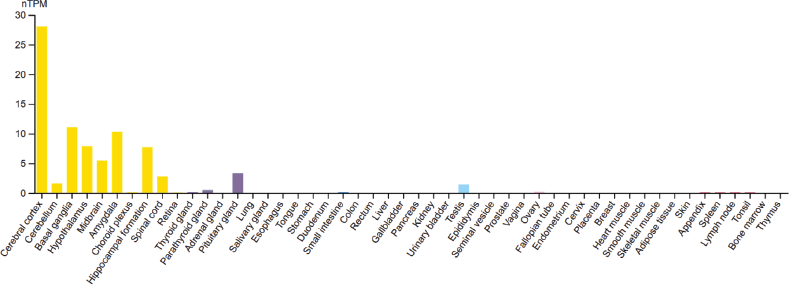
Figure 2. DLL3 expression in normal human tissues (consensus dataset). Normalized transcript levels (nTPM) of DLL3 are shown across various tissues. DLL3 transcript levels are highest in regions of the brain (e.g. cerebral cortex and amygdala) and detectable in the pituitary gland, indicating potential off-tumour expression [47].
Conclusion
SCLC has a poor prognosis with few durable treatment options, yet DLL3 has emerged as a tractable lineage target across most tumours with limited normal-tissue expression. Clinical experience with Rova-T clarified the limits of ADCs in this setting, whereas the approval of tarlatamab confirms that DLL3-directed T-cell engagement can deliver meaningful activity in a common solid tumour. Preclinical and early clinical data now position DLL3-CAR approaches, including DJI136 and the first-in-human AMG 119 program, as credible next steps to deepen and prolong responses.
Realising this potential will depend on careful target management and engineering. Biomarker-guided patient selection and longitudinal assessment of DLL3 expression may help optimise treatment strategies and identify patients most likely to benefit from DLL3-directed cellular therapies. Safety will depend on affinity optimisation and delivery within established CAR T-cell safety pathways, including lymphodepleting chemotherapy. Close inpatient monitoring during the early post-infusion expansion and protocolised CRS and ICANS grading and management (with timely use of tocilizumab and corticosteroids when indicated) will further improve the safety. Overcoming microenvironmental barriers will likely require a combination of cellular engineering and rational combination strategies, as discussed above. Continued advances in CAR engineering are expected to further improve efficacy while reducing toxicity, although these approaches remain investigational.
If forthcoming trials can couple robust manufacturing and feasible delivery with biomarker-driven selection and rich correlative science, DLL3-directed CAR T-cell therapy could become an important addition to the therapeutic landscape for relapsed or refractory SCLC and provide a template for targeting other neuroendocrine malignancies.
Conflicts of interest
The authors declared no conflicts of interest.
Funding
This research did not receive any specific grant funding from public, commercial or not-for-profit funding agencies.
References
1. Aggarwal R, Rottey S, and Bernard-Tessier A, et al (2025) Safety and efficacy of tarlatamab in patients with neuroendocrine prostate cancer: results from the phase 1b DeLLpro-300 study Clin Cancer Res 31 3854–3863 https://doi.org/10.1158/1078-0432.CCR-25-1211 PMID: 40689871 PMCID: 12434391
2. Ahn MJ, Cho BC, and Felip E, et al (2023) Tarlatamab for patients with previously treated small-cell lung cancer New England J Med 389 2063–2075 https://doi.org/10.1056/NEJMoa2307980
3. Baine MK, Hsieh MS, and Lai WV, et al (2020) SCLC subtypes defined by ASCL1, NEUROD1, POU2F3, and YAP1: a comprehensive immunohistochemical and histopathologic characterization J Thorac Oncol 15 1823–1835 https://doi.org/10.1016/j.jtho.2020.09.009 PMID: 33011388 PMCID: 8362797
4. Bargou R, Leo E, and Zugmaier G, et al (2008) Tumor regression in cancer patients by very low doses of a T cell-engaging antibody Science 321 974–977 https://doi.org/10.1126/science.1158545 PMID: 18703743
5. Bellis RY, Adusumilli PS, and Amador-Molina A (2024) DLL3-targeted CAR T-cell therapy in pre-clinical models for small cell lung cancer: safety, efficacy, and challenges Transl Lung Cancer Res 13 694–698 https://doi.org/10.21037/tlcr-23-820 PMID: 38601455 PMCID: 11002519
6. Beltran H, Dowlati A, and Jain P, et al (2024) Interim results from a phase 1/2 study of HPN328, a tri-specific, half-life (T1/2) extended DLL3-targeting T-cell engager, in patients (pts) with neuroendocrine prostate cancer (NEPC) and other neuroendocrine neoplasms (NEN) J Clin Oncol 42 121 https://doi.org/10.1200/JCO.2024.42.4_suppl.121
7. Bylsma LC, Pundole X, and Ju CH, et al (2023) systematic literature review of the prevalence and prognostic value of delta-like ligand 3 protein expression in small cell lung cancer Target Oncol 18 821–835 https://doi.org/10.1007/s11523-023-01008-x PMID: 37930513 PMCID: 10663197
8. Chen G, Wu K, and Li H, et al (2022) Role of hypoxia in the tumor microenvironment and targeted therapy Front Oncol 12, 961637 [https://doi.org/10.3389/fonc.2022.961637]
9. Chen Y, Jin Y, and Hu X, et al (2022) Infiltrating T lymphocytes in the tumor microenvironment of small cell lung cancer: a state of knowledge review J Cancer Res Clin Oncol 148 881–895 https://doi.org/10.1007/s00432-021-03895-x
10. Cherkassky L, Hou Z, and Amador-Molina A, et al (2022) Regional CAR T cell therapy: an ignition key for systemic immunity in solid tumors Cancer Cell 40 569–574 https://doi.org/10.1016/j.ccell.2022.04.006 PMID: 35487216 PMCID: 9197990
11. Chmielewski M and Abken H (2020) TRUCKS, the fourth-generation CAR T cells: current developments and clinical translation Adv CELL GENE THERAPY 3 e84 https://doi.org/10.1002/acg2.84
12. Ding J and Yeong C (2024) Advances in DLL3-targeted therapies for small cell lung cancer: challenges, opportunities, and future directions Front Oncol 14 1504139 https://doi.org/10.3389/fonc.2024.1504139 PMID: 39703856 PMCID: 11655346
13. Enblad G, Karlsson H, and Wikstrom K, et al (2015) Third generation CD19-CAR T cells for relapsed and refractory lymphoma and leukemia report from the Swedish Phase I/IIa trial Blood 126 1534 https://doi.org/10.1182/blood.V126.23.1534.1534
14. Farago A, Isse K, and Drapkin B, et al (2018) Dynamics of DLL3 and ASCL1 expression in SCLC over disease course J Thoracic Oncol 13 S970–S971 https://doi.org/10.1016/j.jtho.2018.08.1825
15. Furuta M, Sakakibara-Konishi J, and Kikuchi H, et al (2019) Analysis of DLL3 and ASCL1 in surgically resected small cell lung cancer (HOT1702) Oncologist 24 e1172–e1179 https://doi.org/10.1634/theoncologist.2018-0676 PMID: 31068386 PMCID: 6853124
16. Ghorbian S (2025) Cancer cell plasticity and therapeutic resistance: mechanisms, crosstalk, and translational perspectives Hereditas 162 188 https://doi.org/10.1186/s41065-025-00564-8 PMID: 41013839 PMCID: 12465352
17. Guo H, Li W, and Guo Y, et al (2024) Molecular classification of small cell lung cancer subtypes: Characteristics, prognostic factors, and clinical translation Chin Med J 137 130–139 https://doi.org/10.1097/CM9.0000000000002693 PMCID: 10798698
18. Gurevich Shapiro A, Winter E, and Moshe Y, et al (2023) Unraveling the mechanism of action of bispecific T-cell engagers in B-cell acute lymphoblastic leukemia using advanced single-cell multiomics Blood 142 599 https://doi.org/10.1182/blood-2023-188930
19. Horn L, Mansfield AS, and SzczÄ™sna A, et al (2018) First-line atezolizumab plus chemotherapy in extensive-stage small-cell lung cancer N Engl J Med 379 2220–2229 https://doi.org/10.1056/NEJMoa1809064 PMID: 30280641
20. Jayaraman J, Mellody MP, and Hou AJ, et al (2020) CAR-T design: elements and their synergistic function EBioMedicine 58 102931 https://doi.org/10.1016/j.ebiom.2020.102931 PMID: 32739874 PMCID: 7393540
21. Ji K, Guo L, and Zuo D, et al (2025) Harnessing delta-like ligand 3: bridging biomarker discovery to next-generation immunotherapies in refractory small cell lung cancer Front Immunol 2025 16
22. Kailayangiri S, Altvater B, and Wiebel M, et al (2020) Overcoming heterogeneity of antigen expression for effective CAR T cell targeting of cancers Cancers (Basel) 12 https://doi.org/10.3390/cancers12051075 PMID: 32357417 PMCID: 7281243
23. Kershaw MH, Westwood JA, and Parker LL, et al (2006) A phase I study on adoptive immunotherapy using gene-modified T cells for ovarian cancer Clin Cancer Res 12 6106–6115 https://doi.org/10.1158/1078-0432.CCR-06-1183 PMID: 17062687 PMCID: 2154351
24. Krause A, Guo HF, and Latouche JB, et al (1998) Antigen-dependent CD28 signaling selectively enhances survival and proliferation in genetically modified activated human primary T lymphocytes J Exp Med 188 619–626 https://doi.org/10.1084/jem.188.4.619 PMID: 9705944 PMCID: 2213361
25. Kuwana Y, Asakura Y, and Utsunomiya N, et al (1987) Expression of chimeric receptor composed of immunoglobulin-derived V regions and T-cell receptor-derived C regions Biochem Biophys Res Commun 149 960–968 https://doi.org/10.1016/0006-291X(87)90502-X PMID: 3122749
26. Kwon N and Chen YY (2025) Overcoming solid-tumor barriers: armored CAR-T cell therapy Trends Cancer 11(10):1019–29 [https://doi.org/10.1016/j.trecan.2025.08.009]
27. Lamers CHJ, Sleijfer S, and Vulto AG, et al (2006) Treatment of metastatic renal cell carcinoma with autologous T-lymphocytes genetically retargeted against carbonic anhydrase IX: first clinical experience J Clin Oncol 24 e20–ee2 https://doi.org/10.1200/JCO.2006.05.9964 PMID: 16648493
28. Liu M, Huang W, and Guo Y, et al (2022) CAR NK-92 cells targeting DLL3 kill effectively small cell lung cancer cells in vitro and in vivo J Leukoc Biol 112 901–911 https://doi.org/10.1002/JLB.5MA0122-467R PMID: 35088475
29. Luo G, Zhang Y, and Rumgay H, et al (2025) Estimated worldwide variation and trends in incidence of lung cancer by histological subtype in 2022 and over time: a population-based study Lancet Respir Med 13 348–363 https://doi.org/10.1016/S2213-2600(24)00428-4 PMID: 39914442
30. Malhotra J, Nikolinakos P, and Leal T, et al (2021) A phase 1–2 study of rovalpituzumab tesirine in combination with nivolumab plus or minus ipilimumab in patients with previously treated extensive-stage SCLC J Thoracic Oncol 16 1559–1569 https://doi.org/10.1016/j.jtho.2021.02.022
31. Mazza R, Maher J, and Hull CM (2024) Challenges and considerations in the immunotherapy of DLL3-positive small-cell lung cancer using IL-18 armoured chimeric antigen receptor T-cells Transl Lung Cancer Res 13 678–683 https://doi.org/10.21037/tlcr-23-793 PMCID: 11002502
32. Megyesfalvi Z, Barany N, and Lantos A, et al (2022) Expression patterns and prognostic relevance of subtype-specific transcription factors in surgically resected small-cell lung cancer: an international multicenter study J Pathol 257 674–686 https://doi.org/10.1002/path.5922 PMID: 35489038 PMCID: 9541929
33. Mitra A, Barua A, and Huang L, et al (2023) From bench to bedside: the history and progress of CAR T cell therapy Front Immunol 14 1188049 https://doi.org/10.3389/fimmu.2023.1188049 PMID: 37256141 PMCID: 10225594
34. Molloy ME, Aaron WH, and Barath M, et al (2024) HPN328, a trispecific T Cell-activating protein construct targeting DLL3-expressing solid tumors Mol Cancer Ther 23 1294–1304 https://doi.org/10.1158/1535-7163.MCT-23-0524 PMID: 38670552 PMCID: 11372363
35. Moritz D, Wels W, and Mattern J, et al (1994) Cytotoxic T lymphocytes with a grafted recognition specificity for ERBB2-expressing tumor cells Proc Natl Acad Sci U S A 91 4318–4422 https://doi.org/10.1073/pnas.91.10.4318 PMID: 7910405 PMCID: 43776
36. Noguera-Ortega E and Albelda SM (2024) Small cell, big promises: targeting small cell lung cancer with CAR T cells Translational Lung Cancer Res 13 956–960 https://doi.org/10.21037/tlcr-24-10
37. Paz-Ares L, Champiat S, and Lai WV, et al (2023) Tarlatamab, a first-in-class DLL3-targeted bispecific T-cell engager, in recurrent small-cell lung cancer: an open-label, phase I study J Clin Oncol 41 2893–2903 https://doi.org/10.1200/JCO.22.02823 PMID: 36689692 PMCID: 10414718
38. Qian W, Liu H, and Lei W, et al (2024) Long-term efficacy and safety of CD19-Specific CAR-T cells armed with IL-7 and CCL19 in patients with relapsed or refractory large B-cell lymphoma: a multi-center prospective study Blood 144 2087 https://doi.org/10.1182/blood-2024-205376
39. Qu S, Fetsch P, and Thomas A, et al (2022) Molecular subtypes of primary SCLC tumors and their associations with neuroendocrine and therapeutic markers J Thorac Oncol 17 141–153 https://doi.org/10.1016/j.jtho.2021.08.763
40. Rafii S, Mukherji D, and Komaranchath AS, et al (2025) Advancing CAR T-cell therapy in solid tumors: current landscape and future directions Cancers 17 2898 https://doi.org/10.3390/cancers17172898 PMID: 40940995 PMCID: 12428560
41. Rojo F, Corassa M, and Mavroudis D, et al (2020) International real-world study of DLL3 expression in patients with small cell lung cancer Lung Cancer 147 237–243 https://doi.org/10.1016/j.lungcan.2020.07.026 PMID: 32745892
42. Rudin CM, Brambilla E, and Faivre-Finn C, et al (2021) Small-cell lung cancer Nat Rev Dis Primers 7(3) 3 https://doi.org/10.1038/s41572-020-00235-0 PMID: 33446664 PMCID: 8177722
43. Saunders LR, Bankovich AJ, and Anderson WC, et al (2015) A DLL3-targeted antibody-drug conjugate eradicates high-grade pulmonary neuroendocrine tumor-initiating cells in vivo Sci Transl Med 7 302
44. Savoldo B, Ramos CA, and Liu E, et al (2011) CD28 costimulation improves expansion and persistence of chimeric antigen receptor-modified T cells in lymphoma patients J Clin Invest 121 1822–1826 https://doi.org/10.1172/JCI46110 PMID: 21540550 PMCID: 3083795
45. Schmitt M, Bohnenberger H, and Bartsch DK, et al (2025) DLL3 expression in neuroendocrine carcinomas and neuroendocrine tumours: insights from a multicentric cohort of 1294 pulmonary and extrapulmonary neuroendocrine neoplasms Endocr Pathol 36(9) 9 https://doi.org/10.1007/s12022-025-09854-3 PMID: 40153138 PMCID: 11953094
46. Schubert ML, Schmitt A, and Neuber B, et al (2019) Third-generation CAR T Cells targeting CD19 are associated with an excellent safety profile and might improve persistence of CAR T cells in treated patients Blood 134 51 https://doi.org/10.1182/blood-2019-125423
47. Sjöstedt E, Zhong W, and Fagerberg L, et al (2020) An atlas of the protein-coding genes in the human, pig, and mouse brain Science eaay5947 https://doi.org/10.1126/science.aay5947 PMID: 32139519
48. Sun A, Abdulkarim B, and Blais N, et al (2023) Use of radiation therapy among patients with Extensive-stage Small-cell lung cancer receiving Immunotherapy: canadian consensus recommendations Lung Cancer 107166 https://doi.org/10.1016/j.lungcan.2023.03.002
49. Tang L, Pan S, and Wei X, et al (2023) Arming CAR-T cells with cytokines and more: innovations in the fourth-generation CAR-T development Mol Ther 31 3146–3162 https://doi.org/10.1016/j.ymthe.2023.09.021 PMID: 37803832 PMCID: 10638038
50. Thomas J, Cooper WA, and Wright G, et al (2020) Lung cancer in Australia J Thoracic Oncol 15 1809–1814 https://doi.org/10.1016/j.jtho.2020.09.005
51. Uprety D, Remon J, and Adjei AA (2021) All That Glitters Is Not Gold: the Story of Rovalpituzumab Tesirine in SCLC J Thorac Oncol 16 1429–1433 https://doi.org/10.1016/j.jtho.2021.07.012 PMID: 34425994
52. Uslu U and June CH (2025) Beyond the blood: expanding CAR T cell therapy to solid tumors Nature Biotechnol 43 506–515 https://doi.org/10.1038/s41587-024-02446-2
53. Wang H, Zheng T, and Xu D, et al (2025) Targeting DLL3: innovative strategies for tumor treatment Pharmaceutics 17
54. Wang S, Tang J, and Sun T, et al (2017) Survival changes in patients with small cell lung cancer and disparities between different sexes, socioeconomic statuses and ages Sci Rep 7 1339 https://doi.org/10.1038/s41598-017-01571-0 PMID: 28465554 PMCID: 5431017
55. Wermke M, Gambardella V, and Kuboki Y, et al (2025) Phase I dose-escalation results for the delta-like ligand 3/CD3 IgG-Like T-cell engager obrixtamig (BI 764532) in patients with delta-like ligand 3+ small cell lung cancer or neuroendocrine carcinomas J Clin Oncol 43 3021–3031 https://doi.org/10.1200/JCO-25-00363 PMID: 40706016 PMCID: 12440289
56. Wu J, Fu J, and Zhang M, et al (2015) Blinatumomab: a bispecific T cell engager (BiTE) antibody against CD19/CD3 for refractory acute lymphoid leukemia J Hematology & Oncol 8 104 https://doi.org/10.1186/s13045-015-0195-4
57. Zhang X, Zhu L, and Zhang H, et al (2022) CAR-T cell therapy in hematological malignancies: current opportunities and challenges Front Immunol 13 927153 https://doi.org/10.3389/fimmu.2022.927153 PMID: 35757715 PMCID: 9226391
58. Zhang Y, Tacheva-Grigorova SK, and Sutton J, et al (2023) Allogeneic CAR T cells targeting DLL3 are efficacious and safe in preclinical models of small cell lung cancer Clin Cancer Res 29 971–985 https://doi.org/10.1158/1078-0432.CCR-22-2293 PMID: 36692420
59. Zhou B, Lin W, and Long Y, et al (2022) Notch signaling pathway: architecture, disease, and therapeutics Signal Transduction Targeted Therapy 7 95 https://doi.org/10.1038/s41392-022-00934-y PMID: 35332121 PMCID: 8948217
60. FDA (2025) US Food and Drug Administration grants traditional approval to tarlatamab-dlle for extensive stage small cell lung cancer [https://www.fda.gov/drugs/resources-information-approved-drugs/fda-grants-traditional-approval-tarlatamab-dlle-extensive-stage-small-cell-lung-cancer]