Mindfulness improves stress and psycho-social morbidities of cancer patients: a clinical trial using community group-therapy in the Indian context
Anirban Pal1a, Purnava Mukhopadhyay2b, Nidhi Dawar Pal3c and Saurabh Joshi4d
1Department of Anaesthesia, KPC Medical College and Hospital, Kolkata 700032, India
2Kalyani ESI Hospital, Kalyani, West Bengal 741235, India
3Department of Microbiology, Neotia Bhagirathi Women and Child Care Center, Kolkata 700156, India
4Hospice Education India LLP, New Delhi 110088, India
a https://orcid.org/0000-0002-6474-3992
b https://orcid.org/0000-0001-7953-3165
c https://orcid.org/0000-0001-2851-5335
d https://orcid.org/0000-0001-6977-1418
Abstract
Background: Cancer patients suffer from higher rates of psycho-social challenges. In the Indian context, their stress and psycho-social morbidities are often inadequately addressed. The researchers introduced a brief structured mindfulness group (Group M) therapy for them in a community cancer-care setting. The primary objective was to see an improvement in mental stress. Additionally, changes in anxiety, depression, pain intensity, sleep quality, coping with cancer, quality of life (QOL) and mindfulness characteristics were noted.
Methods: In this clinical trial, 100 cancer patients diagnosed with cancer (stage III/IV) were screened and then randomised to two groups to attend brief face-to-face ‘mindfulness (Group M)’ or ‘usual care (Group U)’ (not including mindfulness) sessions in a community cancer-care center in West Bengal, India, from May 2023 to April 2024. The outcome variables were noted pre-program, post-program and at 2 months follow-up. The statistical analysis was done using statistical software SPSS statistics for Windows 7® version 18.0.0. T-test was used for age, chi-square test for sex, cancer type, stage, treatment and the repeated-measures ANOVA test for other variables.
Results: The pre-session outcome variables among ‘Group M’ and ‘Group U’ were comparable. In ‘Group M,’ the post-session perceived stress scores (p value <0.001: treatment effect size = 0.093), anxiety, depression, sleep quality and emotional component of QOL improved significantly and this improvement was sustained in 2-months follow-up. While the effect on pain intensity, cancer coping and other aspects of QOL and mindfulness characteristics was modest or less significant.
Conclusion: In Indian cancer patients, a brief, structured mindfulness-based intervention demonstrated notable improvements in stress, anxiety, depression, sleep quality and emotional component of QOL. Further studies will be needed to substantiate these results and integration of mindfulness into community oncology-care services of the country.
Trial registration: Clinical Trial Registry- India CTRI/2023/04/051910.
Keywords: mindfulness, stress, psycho-social morbidity, clinical trial, cancer, community group therapy
Correspondence to: Anirban Pal
Email: pal.anirban1@gmail.com
Published: 26/06/2026
Received: 06/01/2026
Publication costs for this article were supported by ecancer (UK Charity number 1176307).
Copyright: © the authors; licensee ecancermedicalscience. This is an Open Access article distributed under the terms of the Creative Commons Attribution License (http://creativecommons.org/licenses/by/4.0), which permits unrestricted use, distribution, and reproduction in any medium, provided the original work is properly cited.
Introduction
The crude rate of cancer cases in India was 100.4 per 100,000 in 2022 [1] and every year approximately 1.15 million new cases are being diagnosed [2]. Mental health remains closely associated with physical health and patients suffering from cancer have a higher incidence of mental and social morbidity [3]. The diagnosis of cancer can be very stressful and patients often experience psychological symptoms like increased distress, anxiety, depression and sleep problems [4]. Cancer patients in India are no exceptions, facing diverse psycho-social challenges from extreme stress affecting their ability to cope and quality of life (QOL) to even suicidal attempts [5]. Some preclinical research suggests that psychological stress itself can also influence cancer progression [6]. These psycho-social problems differ from western countries based on the socio/cultural/economic dis-similarities and are inadequately addressed.
At present, in an Indian society, the family or caregivers fail to provide effective mental/emotional support to the cancer patients in the majority of cases [7]. The mental health challenges are exacerbated by limited access to mental health specialists and disparities in the availability of psychosocial care [8]. Moreover, due to a lack of focus on the psycho-social needs in the country, research and ground-level application remain minimal/inadequate [9]. In this context, introduction of evidence-based community-level group-therapies can be of substantial help to the cancer patients [10]. The present researchers have experience with mindfulness as stress reduction intervention in Indian general population [11] and aims for a trial in cancer patients to improve their stress and psychosocial morbidities.
Mindfulness is defined as ‘the awareness that arises from paying attention, on purpose, in the present moment and non-judgmentally’ [12]. and may reflect a search beyond the suffering and illness. Mindfulness-Based Stress Reduction (MBSR) was the first structured training in mindfulness, which later got modified to briefer versions called Mindfulness-Based Interventions (MBI). The brief versions appear more suitable in advanced-stage cancer patients as they are vulnerable to morbidities/mortality. In the Western healthcare system, mindfulness programs are already in the process of integration with oncology-care services [13]. In the Indian context, the research and experience with mindfulness in cancer patients remain inadequate and a major research gap exits.
This study aims to introduce a brief structured mindfulness training at the community level for Indian cancer patients. The primary objective was to see the effects on mental stress (measured by Perceived Stress Scale (PSS 10)) and the secondary objective was to see effects on anxiety, depression, pain intensity, sleep quality, cancer coping, QOL and mindfulness characteristics over 1 year study period from May 2023 to April 2024. A hypothesis was formed that Mindfulness will improve mental stress of cancer patients.
Methods
Study design and setting
This study was a prospective, parallel group randomised controlled trial. The research work was conducted by a medical institution in collaboration with a community cancer-care center in West Bengal, India. The study period was May 2023 to April 2024. An institutional ethical clearance was obtained and the trial was registered with the Clinical Trial Registry of India [CTRI/2023/04/051910].
Sample size calculation and randomisation
The sample size was calculated with a standard deviation (SD) of 6.71 and 8.52 for the expected difference in PSS-10, as per a previous Swedish study by Bränström et al [14] in cancer patients (since Indian data was not available). With a power of >80% to detect the above difference using an ANOVA test with type I error (∞) of <5%; the calculated minimum sample size was 40 in each group and total sample size was 80. Keeping in mind a high attrition rate in advanced cancer patients, the study was started with 100 patients and a drop-out analysis was included.
Participants
The cancer patients attending a community cancer-care center were informed about the study and those interested were screened by an attending physician as per the inclusion and exclusion criteria. One hundred participants aged 40 to 60 years were initially screened and 92 eligible were randomised to the Mindfulness group (Group M) and the usual-care group (Group U) (Figure 1 (Consort flow diagram) for details). Participants were randomised using a random sequence of numbers (produced by SPSS software) indicating group assignment. The participants were blinded to the type of intervention (mindfulness or usual care) they were receiving. A drop-out analysis was included, expecting significant drop-outs in this group of patients. Any participant experiencing any adverse effects related to intervention like increased anxiety or psychosis, was asked to report to the study co-ordinators. Any medical treatment was not interfered with and Mindfulness was used as an additional tool. A written informed consent was obtained from the enrolled participants.
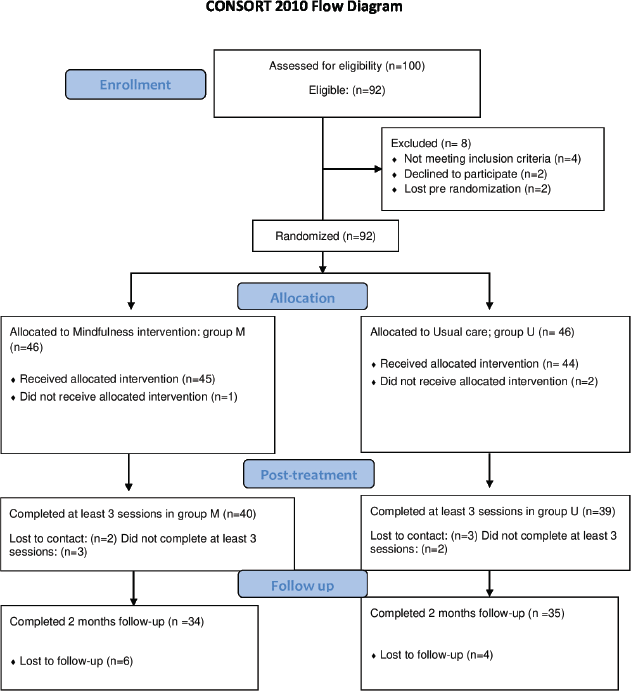
Figure 1. Consort flow diagram of recruitment, progression and follow-up of study participants.
Inclusion and exclusion criteria
Inclusion criteria: 1. Age 40–60 years 2. Diagnosed with stage III/IV cancer of any type and stage specified (assessed by the treating physician) under active treatment like chemo/radio/immune therapies 3. Presently having a steady physical state 4. On a stable treatment regimen (no plan of starting a new treatment or change in next 4 months) 5. Have no major psychiatric illness (as per patient history or medical records)
Exclusion criteria: 1. Cancer patients in remission or cancer survivors 2. Any other major co morbid condition affecting patient’s participation 3. Major cognitive impairment or extreme physical mobility problems. 4. Previous experience with Mindfulness
Intervention
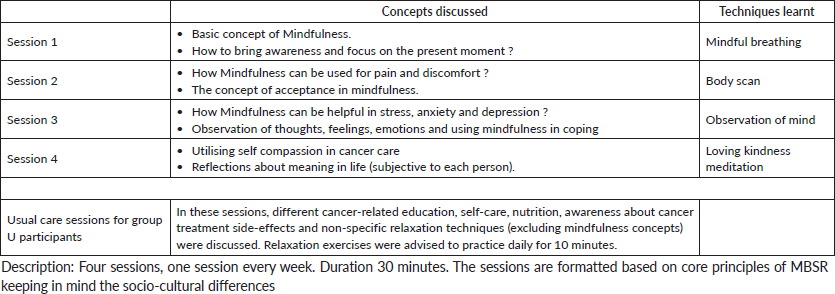
The in-person intervention chosen for this research was influenced by previous research work on cancer patients like coping with cancer mindfully by Zimmermann et al [15] and Managing Cancer and Living Meaningfully by Rodin et al [16]. The intervention had four sessions, one session every week, utilised the core principles of MBSR, with 35–40 participants in a group and adaptations included shortened duration of sessions (30 minutes) and less expectations from home practice (10 minutes daily). The mindfulness practices included breathing exercises, body scanning, observation of mind and meditations to support patients in cultivating psychological adaptability and improve emotional regulation capabilities. A physician who had attended the original MBSR program (https://www.ummhealth.org/center-mindfulness) and with more than 5 years teaching experience in mindfulness conducted the sessions. More details of the mindfulness intervention are represented in Table 1.
The group U participants attended similar duration ‘usual care’ sessions (mindfulness not discussed) with 10 minutes daily home practice of relaxation exercises (details in Table 1). These sessions were not structured nor as per any protocol to qualify as an active intervention.
The participants maintained a date-wise diary of daily practice and participant compliance was weekly monitored by the mentor to improve adherence to the practice. During practice if any participant experienced any discomfort, dizziness, restlessness or exacerbated stress/psychological problems, they were instructed to report to the study co-ordinator. There was a provision for group U participants to join Mindfulness training if they desired after the stipulated study period.
Table 1. An overview of the structured brief MBI (and usual care sessions) for Indian cancer patients.
Measurement parameters
The baseline variables included demographic parameters like age, sex, type and stage of cancer, present treatment received and comorbidities, were noted before the start of the sessions. The outcome variables were assessed at three time points: pre-program, post program and 2 months post-program (follow-up). The researchers collecting and analysing the data were blinded to group assignments.
Primary outcome variable
Perceived stress: PSS-10 is a classic instrument of stress assessment in research studies. It consists of a ten item with a four point rating scale. Scores 0–13 indicate low stress, 14–26 indicate moderate stress and 27–40 indicate severe stress [17].
Secondary outcome variables
I. Anxiety and depression: The Hospital Anxiety and Depression Scale (HADS) is a frequently used scale to assess anxiety and depression in non-psychiatric patients in a medical setting. It is a 14-item scale and consists of two subscales, Anxiety (7 items) and Depression (7 items) each [18].
II. Pain intensity: Measured using the 11 point Numerical Rating Scale (NRS). NRS (0–10) which have high correlations with other pain-assessment tools [19].
III. Sleep quality: The Pittsburgh Sleep Quality Index (PSQI) can evaluate overall sleep quality in clinical populations, including cancer patients [20]. It has 19 items grouped into 7 components, including (1) sleep duration, (2) sleep disturbance, (3) sleep latency, (4) daytime dysfunction due to sleepiness, (5) sleep efficiency, (6) overall sleep quality and (7) sleep medication use.
IV. Cancer coping: The Cancer Coping Questionnaire (CCQ 21) is designed to measure levels of cognitive, behavioural, emotional and interpersonal coping in cancer patients [21].
V. QOL: Short form survey (SF 36) is a well-researched objective measure of QOL [22]. It consists of eight subscales, which include physical, role-physical functioning, bodily pain, general health perception, vitality, social functioning, role-emotional functioning and mental health.
VI. Mindfulness characteristics: Freiburg Mindfulness Inventory (FMI) is a valid and reliable questionnaire with 14 items covering all the different aspects of Mindfulness [23].
Statistical analysis
The investigators collecting the data and doing the analysis were unaware of group allocations. Data were tested for equality of variance using Levene’s Test. Normality was tested using the Shapiro-Wilk Test. Baseline characteristics were tested using the unpaired t-test for age and chi-square (χ2) test for sex, cancer type, stage, treatment, respectively. The other outcome parameters were analysed using Repeated measures ANOVA (Bonferroni model). The statistical software used was SPSS Statistics for Windows 7® version 18.0.0 (Chicago, IL 60606-6412), GraphPad Prism® InStat version 5.0 (California 92037-3219) and Microsoft® Office Excel 2010 (Washington: Microsoft). Results were presented as mean (SD) and percentage format. p < 0.05 was considered statistically significant.
Results
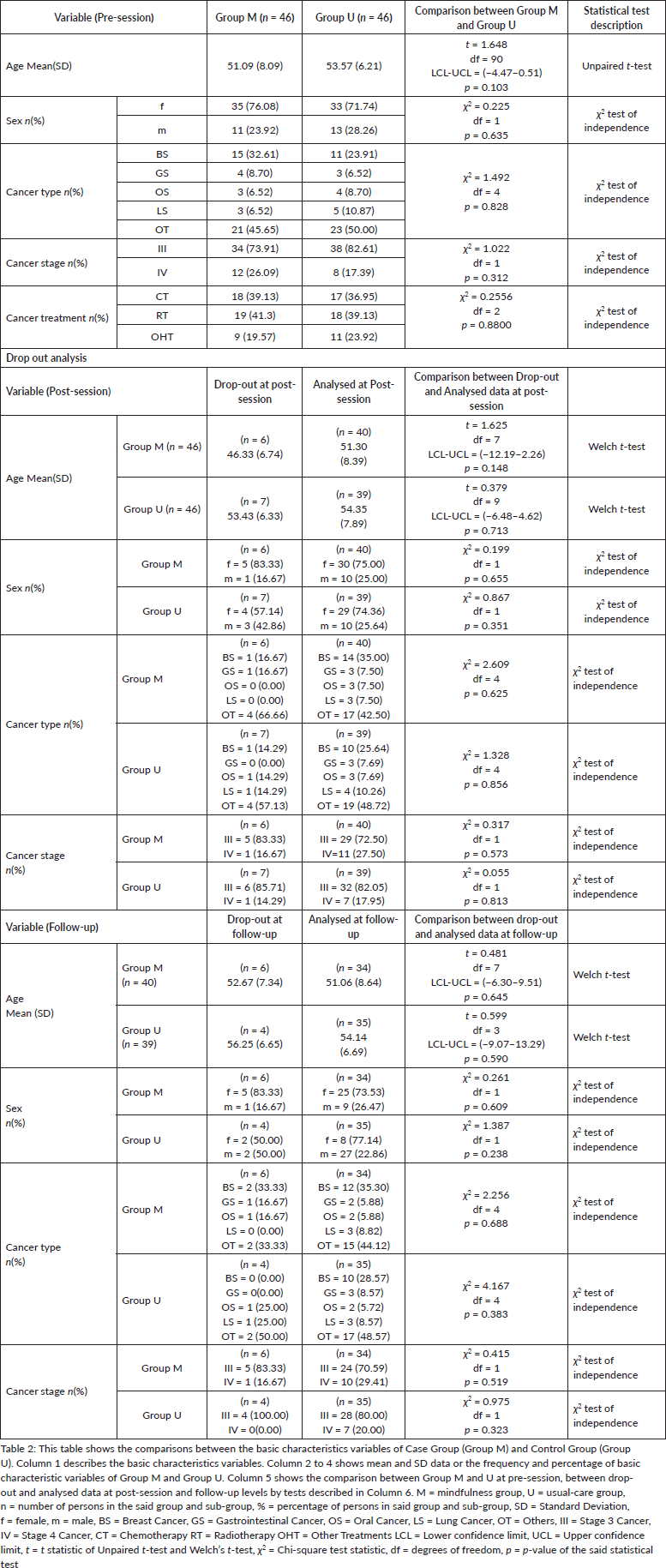
The basic characteristic variables: age, sex, different cancer types and stage showed no difference in Group M and U. Due to high dropout rates in post session and follow up, a dropout analysis was performed between groups and no significant difference was found (Table 2).
Table 2. Baseline characteristic outcome of patients and comparison of dropout in cases (Group M) and controls (Group U).
Regarding the primary outcome variable PSS-10 (Table 3 and Figure 2), on comparison between Group M and U, (Tukey’s HSD) in post-session (Q = 6.322; p = 0.000) and follow-up (Q = 4.614; p = 0.015)] were significant between Group M and Group U when compared separately. Results of RM-ANOVA showed a significant difference [F(1,234) = 13.537; p = 0.000] between pre versus post session and [F(1,234) = 18.573; p = 0.000] between pre versus follow-up session in PSS-10 scores, with mixed variance for both Group M and Group U [Treatment effect size was ηp2 = 0.093 (medium)].
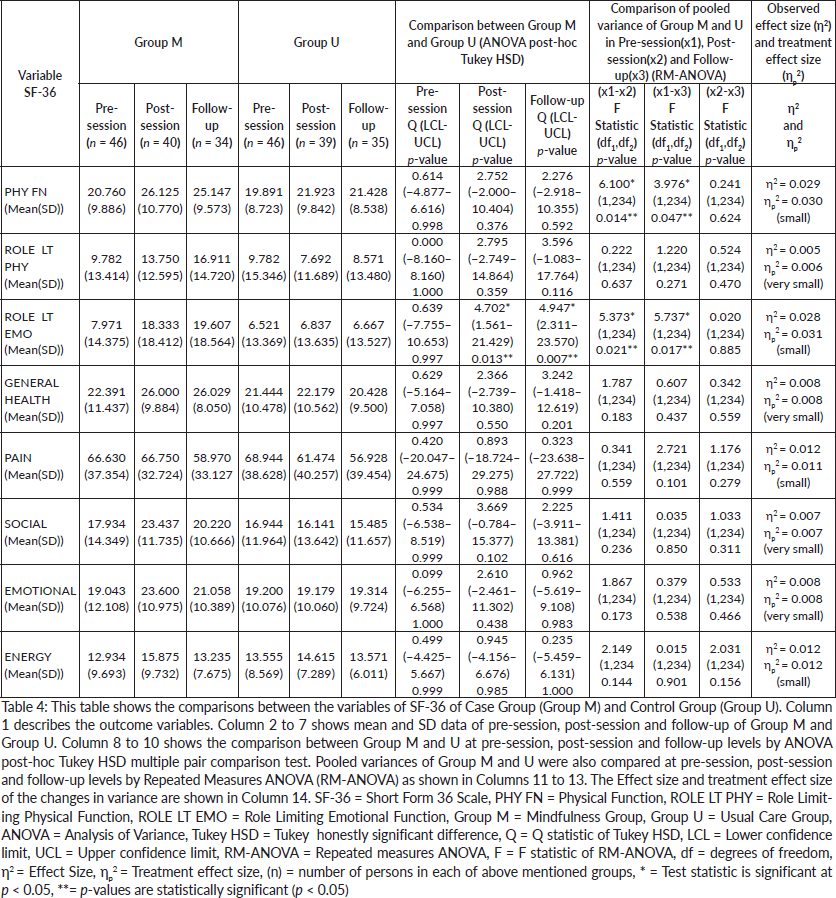
Regarding the secondary variables (Tables 2 and 3), the post-hoc Tukey’s HSD test in post-session showed significant differences between Group M and Group U in HADS-Anxiety [Q =4.964; p = 0.007] and HADS-Depression [Q = 5.726; p = 0.000] scores. Statistically significant differences were observed between pre versus post session for HADS-A [F(1,234) = 7.632; p = 0.006] and HADS-D [F(1,234) = 8.033; p = 0.005], with Treatment effect sizes were small for both HADS-A (ηp2 = 0.036) and HADS-D; with for HADS-A and ηp2 = 0.038 for HADS-D. For PSQI sleep quality, the Tukey’s HSD test in post-session [Q = 6.841; p = 0.000] and follow-up (Q = 6.004; p = 0.000) showed significant differences between Group M and Group U while statistically significant differences were observed pre versus post session [F(1,234) = 17.215; p = 0.000] and pre versus follow-up session [F(1,234) = 18.294; p = 0.000], with mixed variance for both Group M and Group U by RM-ANOVA with treatment effect size was ηp2 = 0.099 (medium). Regarding the ‘Role Limiting Emotional component’ of SF-36 data (Table 4), the comparison between Group M and Group U showed significant differences in post-session (Q = 4.702; p = 0.013) and follow-up (Q = 4.947; p = 0.007) using the Tukey’s HSD test when compared separately. The data also showed significant differences in pre versus post [F(1,234) = 5.373; p = 0.021] and pre versus follow-up [F(1,234) = 5.737; p = 0.017] sessions, with a small treatment effect size (ηp2 = 0.031) with mixed variance for both Group M and Group U. Regarding the other secondary variables, no significant difference was observed for pain intensity (measured by NRS), CCQ-21 and other parameters of SF-36 and FMI. No participants reported any side effects to the study co-ordinators.
Discussion
In the present study, the brief mindfulness program reduced the perceived stress (PSS 10) of the participants (p value <0.001: treatment effect size 0.093) and the hypothesis formed pre-intervention was proved. Regarding the secondary variables studied, there was a positive impact on HADS anxiety, HADS depression, PSQI sleep quality and SF36 subscale ‘role limitation: emotional’. The effects on pain intensity, cancer coping and other aspects of QOL and mindfulness characteristics were small and/or not significant. Mindfulness remains a skill to be learned through long-term practice, so many parameters did not show change in limited time and considering the brief nature of intervention (as expected). But even small changes remain meaningful in advanced cancer patients with deteriorating health. The improvements were sustained to some extent in a 2-month follow-up.
Table 3. Representation and statistical analysis of the primary variable (perceived stress) and secondary variables (except SF 36).
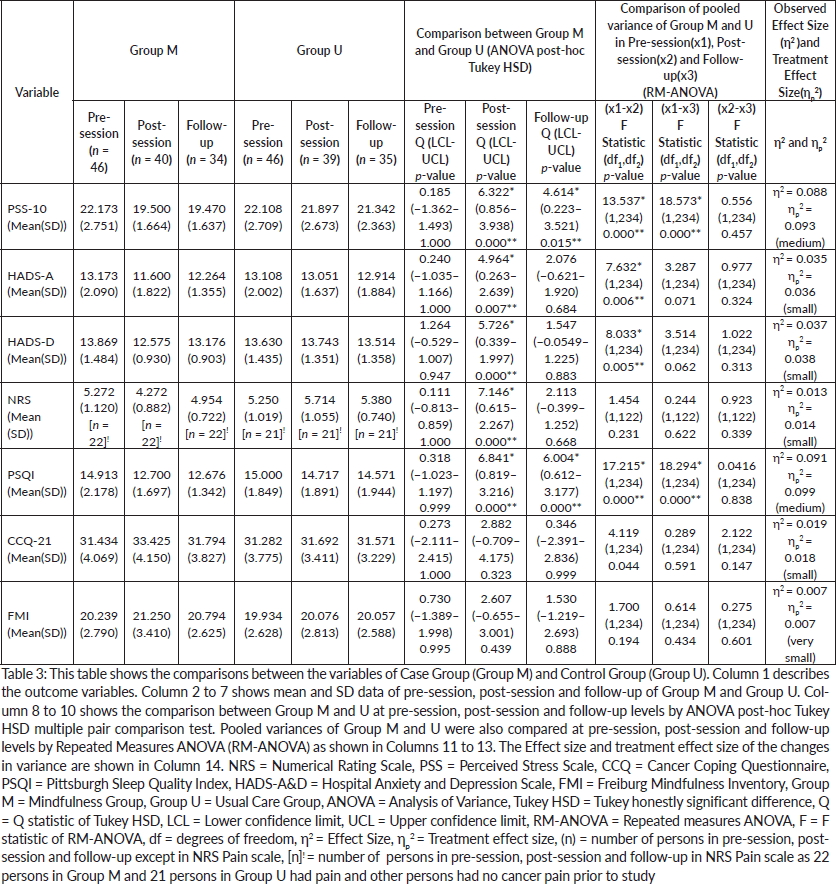
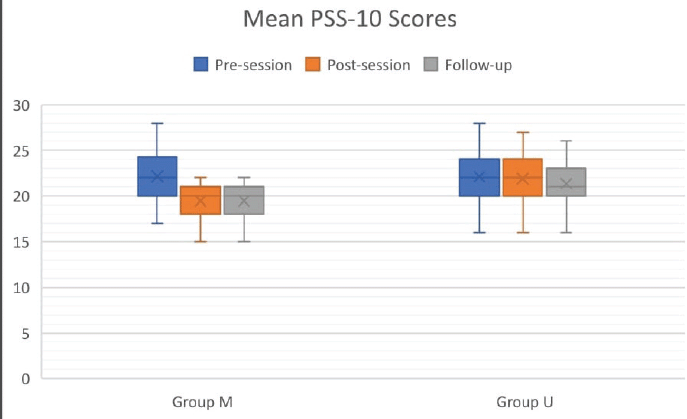
Figure 2. Box-plot representation of mean PSS-10 of pre-session, post-session and follow-up session of group M and group U. A significant decrease in mean PSS-10 scores were recorded in post-session and follow-up session in Group M.
The effect of mindfulness on different variables in this study aligns with previous studies in other countries. A study found MBSR to decrease perceived stress in Chinese breast cancer survivors, similar to our study [24]. MBSR was found to improve coping in breast cancer patients [25], but in our study, it was less evident. A study in Iranian cancer patients showed that mindfulness to improve anxiety [26], similar to our study. A study on colorectal cancer patients in New Zealand, found mindfulness to have a positive effect on depression scores [27], like our study. An US study found mindfulness to improve perceived stress, anxiety, depression and QOL in breast cancer survivors [28]. A Malaysian study found that mindful breathing therapy has no significant effects on cancer pain reduction [29]. But a systematic review in cancer patients concluded that mindfulness improves pain severity and had positive effects on anxiety, stress, depression and QOL [30]. In our study, the effect on pain intensity was small, probably due to the inadequate (n = 22/21) sample size of patients experiencing pain. Another systematic review and meta-analysis found the MBIs efficacious in reducing sleep disturbances, pain severity, anxiety and depression in cancer patients and survivors [31]. A meta-analysis found MBSR to improve QOL and slightly reduce anxiety, depression and improve quality of sleep in breast cancer patients [32]. Another recent meta-analysis supports the role of MBIs in decreasing anxiety and depression and on improving QOL in patients with cancer [33]. As the motivation to continue mindfulness practice grows, usually the QOL improves, which was not well reflected in our study, as the intervention was brief and the study period was limited.
Previous research in Indian context: The research with mindfulness in advanced cancer patients during active treatment remains limited. A study by Joshi et al [34] found that 1 week of Mindfulness-based Art therapy decreased psychological distress and improved spiritual wellbeing in breast cancer patients undergoing chemotherapy. Another study found mindfulness meditation intervention (integrated with pranayama) in reducing emotional distress and fatigue in haematological cancer patients undergoing chemotherapy [35]. But none of these studies used a structured MBI for cancer patients.
Table 4. Representation and statistical analysis of the SF36 and it’s sub components in the participants.
Special implications of mindfulness beyond stress in cancer patients: Besides stress management, the mindfulness teachings can help a cancer patient to embrace all kinds of experiences (even if the cancer is incurable or in end-stage) through the concept of mindful acceptance. Patients learn to notice all the events as they occur (staying non- judgmental) without blaming the past or worrying about the future. They choose to live life 1 day at a time without undue expectations and avoiding disappointment. The meditation practices further encourage relaxation and reduce worries exacerbated by cancer treatments and the fear of recurrence. The symptoms and effects of the disease course get moderated by a positive coping (going beyond the fear of life may end any moment), allowing resilience and personal growth [36].
Modifications and safety aspects needed for cancer patients: The intervention tailor-made for cancer patients (ongoing treatment for stages III and IV disease), was of shorter duration and deliberately included only core concepts and gentle practices. The medical condition of participants was closely monitored throughout the intervention by a physician. The participants were requested to report any adverse effects related to the intervention to the study co-ordinators but none of the participants reported any.
Importance of group therapy at the community level: the group setting was deliberately chosen to provide psychological benefit through social support, as most patients will not individually seek help for their mental health. In India, from diagnosis to treatment, cancer care and prevention have many myths and misconceptions. Indian patients suffer from shame and guilt of having cancer and the fear of being held responsible for his/her condition. In addition, they often find themselves isolated due to denial and avoidance by family and society [37]. A community-based group program was planned to help patients feel less alone in their struggles and encourage them to build a sense of community where they can develop healthier coping mechanisms together.
Immediate need of mental (and social) health support in the Indian context: The psycho-social difficulties of a cancer patient lack importance in an Indian society but the extent of the problem is huge. An Indian study reports that 75.7% of cancer patients suffered from moderate to high perceived stress, 26.5% from anxiety and 49.2% from depression [38]. Psychosocial support/assurance through counselling/psychotherapy is an essential need, and psychologists or psycho‑oncologists should be an integral part of the cancer care team [39]. But in India, the social stigma of mental illness, lack of awareness about mental health and under-utilisation of mental health-care services remain a serious concern [9]. Most cancer-care centres lack access to mental health experts [40]. The present researchers do not underestimate the role of mental-health experts, but rather re-emphasise it in cancer care. In this study, Group M-programs were introduced with an intention to fill up the lacunae at the community-level, preventing the pre-clinical symptoms of stress (and other psycho-social morbidities) from getting manifested as mental diseases or till more specialised-care becomes available. So, mindfulness should neither be looked upon as a universal solution to mental sufferings of the cancer patients nor as a replacement of specialized mental health-care. The results of this study, substantiated by future research, may encourage the use of Mindfulness as a ‘useful tool’ in holistic community cancer-care services in the Indian context.
Future directions: Research using mode of delivery as online-platforms or mobile-applications may make mindfulness interventions more accessible to a wider range of individuals, especially for those living in rural areas or those having disabilities/restricted mobility due to advanced disease or treatment. Future research will be needed to understand any optimal point in the disease trajectory where mindfulness can best be initiated and timing, format and duration of training most suitable for these patients.
The strengths of this research were the use of a randomised controlled design, a substantial sample size, the use of an evidence-based structured MBI (maybe for the first time in Indian cancer patients), studying multiple different outcome variables and providing a valuable database in the Indian population for future research.
Limitations
This study being an early attempt in the Indian context have a number of limitations. This remains a single-center study from the urban region of eastern India, while the country is well known for its’ population diversity. The use of self-reported variables has the potential of bias. Despite randomisation and blinding, the heterogeneity of the types of cancer, treatment regimens and inconsistences in practice may have influenced the results. The MBI chosen may differ from other MBIs in structure, delivery and duration and the results may not accurately reflect when another MBI’s are implemented. Despite best possible efforts (drop-out analysis has been included in Table 2), the dropouts may have some effects on statistical data analysis. No comments could be made on the cost-effectiveness of the intervention (an important aspect in the context of a lower-middle-income country), as cost analysis was beyond the scope of the study. A longer follow-up (after 6/12 months) would have been more appropriate but was not possible due to logistic concerns.
Conclusion
A brief, structured MBI can significantly reduce stress in Indian cancer patients (stage III/IV). There was a positive impact on anxiety, depression and improving sleep quality and emotional component of QOL. There were small/insignificant effects on cancer coping, pain intensity and mindfulness characteristics. Further studies will be required to substantiate these results.
Acknowledgments
We would like to extended our heartfelt gratitude to Mrs Runa Mitra and other members/staff of Eastern India Palliative Care Center, India for their co-operation towards this research work.
Conflicts of interest
The author(s) declare that they have no conflicts of interest.
Funding
No funding received.
Author contributions
Anirban Pal: concept and design, literature search, execution, manuscript preparation.
Purnava Mukhopadhyay: data collection, statistical analysis, manuscript editing.
Nidhi Dawar Pal: data collection, execution, manuscript preparation.
Saurabh Joshi: concept and design, critical acclaim, manuscript editing.
References
1. Sathishkumar K, Chaturvedi M, and Das P, et al (2022) Cancer incidence estimates for 2022 & projection for 2025: result from National Cancer Registry Programme, India Indian J Med Res 156(4&5) 598–607 https://doi.org/10.4103/ijmr.ijmr_1821_22 PMID: 36510887 PMCID: 10231735
2. Chandramohan K and Thomas B (2018) Cancer trends and burden in India Lancet Oncol 19 663 https://doi.org/10.1016/S1470-2045(18)30839-8
3. Kar S and Thakur M (2020) Unmet mental health needs in cancer patients in India: what needs to be done? Cancer Res Stat Treat 3(1) 158–159 [https://www.researchgate.net/publication/339457952] https://doi.org/10.4103/CRST.CRST_123_19
4. Iskandar AC, Rochmawati E, and Wiechula R (2021) Patient’s experiences of suffering across the cancer trajectory: a qualitative systematic review protocol J Adv Nurs 77(2) 1037–1042 https://doi.org/10.1111/jan.14628
5. Mathew A, Jagan S, and Abraham J (2019) Mental health care as part of cancer care: a call for action Cancer Res Stat Treat 2(2) 244–245 https://doi.org/10.4103/CRST.CRST_59_19
6. Eckerling A, Ricon-Becker I, and Sorski L, et al (2021) Stress and cancer: mechanisms, significance and future directions Nat Rev Cancer 21(12) 767–785 https://doi.org/10.1038/s41568-021-00395-5 PMID: 34508247
7. Mir WAY, Misra S, and Sanghavi D (2023) Life before death in India: a narrative review Indian J Palliat Care 29 207–211 https://doi.org/10.25259/IJPC_44_2022 PMID: 37325266 PMCID: 10261930
8. Menon R and Saranya TS (2020) Impact of mindfulness practices to improve quality of life and mental health of persons diagnosed with breast cancer: a systematic review Front Psychol 16 16417–16451 [https://doi.org/10.3389/fpsyg.2025.1641751]
9. Salins N (2019) Health related quality of life: is it a missing feature in the Indian cancer setting? Cancer Res Stat Treat 2 213–214 https://doi.org/10.4103/CRST.CRST_91_19
10. Barre PV, Padmaja G, and Rana S, et al (2018) Stress and quality of life in cancer patients: medical and psychological intervention Indian J Psychol Med 40(3) 232–238 https://doi.org/10.4103/IJPSYM.IJPSYM_512_17 PMID: 29875530 PMCID: 5968644
11. Pal A, Mukhopadhyay P, and Datta S, et al (2022) Effect of an online mindfulness program on stress in Indian adults during COVID-19 pandemic: a randomized controlled preliminary study Indian J Psychiatry 64(4) 401–407 [10.4103/indianjpsychiatry.indianjpsychiatry_4_21] https://doi.org/10.4103/indianjpsychiatry.indianjpsychiatry_4_21 PMID: 36060713 PMCID: 9435616
12. Kabat-Zinn J (2003) Mindfulness-based interventions in context: past, present, and future Clin Psychol Sci Pract 10(2) 144–156 [10.1093/clipsy.bpg016] https://doi.org/10.1093/clipsy.bpg016
13. Miroslav S (2020) Mindfulness in palliative care - the healing effect of the present moment Mindfulness Klin Onkol 33 138–140 [https://www.researchgate.net/publication/347934443]
14. Bränström R, Kvillemo P, and Moskowitz JT (2012) A randomized study of the effects of mindfulness training on psychological well-being and symptoms of stress in patients treated for cancer at 6-month follow-up Int J Behav Med 19(4) 535–542 https://doi.org/10.1007/s12529-011-9192-3
15. Zimmermann FF, Burrell B, and Jordan J (2020) Patients’ experiences of a mindfulness intervention for adults with advanced cancer: a qualitative analysis Support Care Cancer 28 1007 [https://doi.org/10.1007/s00520-020-05331-1]
16. Rodin G, Lo C, and Rydall A, et al (2018) Managing cancer and living meaningfully (CALM): a randomized controlled trial of a psychological intervention for patients with advanced cancer J Clin Oncol 36(23) 2422–2432 https://doi.org/10.1200/JCO.2017.77.1097 PMID: 29958037 PMCID: 6085180
17. Hewitt PL, Flett GL, and Mosher SW (1992) The perceived stress scale: factor structure and relation to depression symptoms in a psychiatric sample J Psychopathol Behav Assessment 14 247–257 [https://www.researchgate.net/publication/225783725] https://doi.org/10.1007/BF00962631
18. Zigmond AS and Snaith RP (1983) The hospital anxiety and depression scale Acta Psychiatr Scand 67(6) 361–370 https://doi.org/10.1111/j.1600-0447.1983.tb09716.x PMID: 6880820
19. Alghadir AH, Anwer S, and Iqbal A, et al (2018) Test-retest reliability, validity, and minimum detectable change of visual analog, numerical rating, and verbal rating scales for measurement of osteoarthritic knee pain J Pain Res 11 851–856 https://doi.org/10.2147/JPR.S158847 PMID: 29731662 PMCID: 5927184
20. Pai A, Sivanandh B, and Udupa K (2020) Quality of sleep in patients with cancer: a cross-sectional observational study Indian J Palliat Care 26(1) 9–12 https://doi.org/10.4103/IJPC.IJPC_164_19 PMID: 32132776 PMCID: 7017701
21. Moorey S, Frampton M, and Greer S (2003) The cancer coping questionnaire: a self-rating scale for measuring the impact of adjuvant psychological therapy on coping behaviour Psycho-Oncology 12(4) 331–344 https://doi.org/10.1002/pon.646 PMID: 12748971
22. Treanor C and Donnelly M (2015) A methodological review of the short form health survey 36 (SF-36) and its derivatives among breast cancer survivors Qual Life Res 24(2) 339–362 https://doi.org/10.1007/s11136-014-0785-6
23. Walch H, Buchheld H, and Buttenmüller V, et al (2006) Measuring mindfulness—the Freiburg Mindfulness Inventory (FMI) Personality Individual Differences 40 1543–1555 [https://www.researchgate.net/publication/222528212] https://doi.org/10.1016/j.paid.2005.11.025
24. Zhang JY, Zhou YQ, and Feng ZW, et al (2017) Randomized controlled trial of mindfulness-based stress reduction (MBSR) on posttraumatic growth of Chinese breast cancer survivors Psychol Health Med 22(1) 94–109 https://doi.org/10.1080/13548506.2016.1146405
25. Witek-Janusek L, Albuquerque K, and Chroniak KR, et al (2008) Effect of mindfulness based stress reduction on immune function, quality of life and coping in women newly diagnosed with early stage breast cancer Brain Behav Immun 22 969–981 https://doi.org/10.1016/j.bbi.2008.01.012 PMID: 18359186 PMCID: 2586059
26. Mirmahmoodi M, Mangalian P, and Ahmadi A, et al (2020) The effect of mindfulness-based stress reduction group counseling on psychological and inflammatory responses of the women with breast cancer Integr Cancer Ther 19 1534735420946819 https://doi.org/10.1177/1534735420946819 PMID: 33078649 PMCID: 7594228
27. Mccombie A, Jordan J, and Mulder R, et al (2023) A randomized controlled trial of mindfulness in recovery from colorectal cancer Chin J Integr Med 29 590–599 https://doi.org/10.1007/s11655-023-3632-1 PMID: 36941505 PMCID: 10027425
28. Reich RR, Lengacher CA, and Alinat CB, et al (2017) Mindfulness-based stress reduction in post-treatment breast cancer patients: immediate and sustained effects across multiple symptom clusters J Pain Symptom Manage 53(1) 85–95 https://doi.org/10.1016/j.jpainsymman.2016.08.005
29. Guan N, Beng T, and Sue-Yin L, et al (2021) The effect of 5-min mindful breathing on pain in palliative care cancer patients: a randomized controlled study Indian J Palliat Care 27(1) 83–88 https://doi.org/10.4103/IJPC.IJPC_122_20 PMID: 34035622 PMCID: 8121240
30. Ngamkham S, Holden JE, and Smith EL (2019) A systematic review: mindfulness intervention for cancer-related pain Asia Pac J Oncol Nurs 2019 161–169 https://doi.org/10.4103/apjon.apjon_67_18
31. Cillessen L, Johannsen M, and Speckens AEM, et al (2019) Mindfulness-based interventions for psychological and physical health outcomes in cancer patients and survivors: a systematic review and meta-analysis of randomized controlled trials Psycho-Oncology 28(12) 2257–2269 https://doi.org/10.1002/pon.5214 PMID: 31464026 PMCID: 6916350
32. Schell LK, Monsef I, and Wöckel A, et al (2019) Mindfulness-based stress reduction for women diagnosed with breast cancer Cochrane Database Syst Rev 3(3) CD011518 [https://doi.org/10.1002/14651858.CD011518.pub2] PMID: 30916356 PMCID: 6436161
33. Stanerova E, Zelenayova V, and Rajcani J (2025) Mindfulness-based interventions for cancer patients in standard treatment: a meta-analysis of effects on depression, anxiety, and quality of life J Psychosom Res 196 112312 [https://doi.org/10.1016/j.jpsychores.2025.112312]
34. Joshi AM, Mehta SA, and Pande N, et al (2021) Effect of mindfulness-based art therapy (MBAT) on psychological distress and spiritual wellbeing in breast cancer patients undergoing chemotherapy Indian J Palliat Care 27 552–560 https://doi.org/10.25259/IJPC_133_21 PMID: 34898951 PMCID: 8655656
35. Joshi AM, Mehta SA, and Dhakate, et al (2023) Effect of pranayama and mindfulness meditation on emotional distress and fatigue in adult hematological cancer patients undergoing chemotherapy Yoga Mimamsa 55(2) 80–87 https://doi.org/10.4103/ym.ym_41_23
36. Conduah AK, Essiaw MN, and Ofoe SH (2025) Coping with chronic illness: a systematic review of adaptive strategies across cancer, COPD, diabetes and heart disease Public Health Chall 4(4) e70129 https://doi.org/10.1002/puh2.70129 PMID: 41140532 PMCID: 12552898
37. Sahoo S, Sahu D, and Verma M, et al (2019) Cancer and stigma: present situation and challenges in India Oncol J India 3(3) 51–53 [https://www.researchgate.net/publication/338171447] https://doi.org/10.4103/oji.oji_51_19
38. Jan F, Singh M, and Nisar S (2021) Perceived stress in cancer patients: an integrative review Indian J Psychiatric Nursing 18(2) 113–125 [https://www.researchgate.net/publication/357243136] https://doi.org/10.4103/iopn.iopn_4_21
39. Ganesan P, Gopal V, and Kayal S, et al (2021) Psychosocial counseling of patients planned for hematopoietic stem-cell transplantation for malignant conditions-practical challenges and solutions from India Indian J Cancer 58(1) 122–128 https://doi.org/10.4103/ijc.IJC_81_20 PMID: 33762488
40. Grover S, Shankar A, and Dracham C, et al (2006) Prevalence of depression and anxiety disorder in cancer patients: an institutional experience Indian J Canc 53(3) 432–434 https://doi.org/10.4103/0019-509X.200651