Access to cancer medicines in Kenya: a scoping review of costs, financial toxicity, quality of life and policy impacts
James Onyuro Oketch, Daniel Ogungu Onguru and Stephen Asito Amolo
School of Health Sciences, Jaramogi Oginga Odinga University of Science and Technology, PO Box 210-40601, Bondo, Kenya
Abstract
Background: Cancer, Kenya’s third leading cause of death, imposes severe health and economic burdens, through high treatment costs and limited availability of cancer medicines. However, the full evidence landscape is fragmented. In this scoping review, we synthesise evidence on access to cancer medicines, financial toxicity (FT), Quality of life (QoL) and health policy impacts for the top five cancers in Kenya.
Methods: Following Preferred Reporting Items for Systematic Reviews and Meta-analysis; extension for Scoping Reviews guidelines, we searched PubMed, African Journals Online, Google Scholar and grey literature (January 2018–May 2025) for studies on Kenyan adults, focusing on breast, cervical, prostate, esophageal or colorectal cancers. Eligible studies reporting outcomes on medicine access, FT, QoL or National/Social health insurance fund/Authority (SHA) were included. Studies were screened using Rayyan software and data synthesised descriptively and thematically.
Results: A total of 60 articles were included. About one-quarter addressed health policy (15, 25%), while others focused on multiple objectives (14, 23.3%), medicine access (12, 20%), FT (10, 16.7%) and QoL (9, 15%). Most studies focused on breast (63%) and cervical cancers (50%). Medicine affordability was poor, costing 3.15–162.42 days of minimum wage per chemotherapy cycle, exceeding the World Health Organisation threshold, particularly for regimens including Trastuzumab. Public facility availability was below 50%, with procurement delays (4–8 months) contributing to stockouts. Treatment costs for stage I–III cancers ranged from USD 1,340–1,542 in public versus 10,915–11,862 in private facilities. FT affected 20%–54% of households and treatment abandonment due to costs was reported in over half (53.8%) of patients. QoL was generally poor (median scores 41.99–53), associated with FT and late-stage diagnosis (71% stage III/IV). Insurance provided inadequate coverage, although SHA’s KES 400,000 cap showed potential to reduce costs despite underfunding and limited adoption of expert advice. Major evidence gaps included the scarcity of data regarding pricing and catastrophic health expenditure measures.
Conclusion: High treatment costs, limited medicine availability and inadequate financial protection constrain access to cancer medicines in Kenya. Strengthening supply chains, expanding insurance coverage and improving measurement of FT are critical to inform policies aimed at improving equitable access to cancer treatment in Kenya.
Keywords: cancer medicines, financial toxicity, quality of life, out-of-pocket costs, health policy, Kenya
Correspondence to: James Onyuro Oketch
Email: jamonyuro@gmail.com
Published: 28/05/2026
Received: 23/10/2025
Publication costs for this article were supported by ecancer (UK Charity number 1176307).
Copyright: © the authors; licensee ecancermedicalscience. This is an Open Access article distributed under the terms of the Creative Commons Attribution License (http://creativecommons.org/licenses/by/4.0), which permits unrestricted use, distribution, and reproduction in any medium, provided the original work is properly cited.
Background
Cancer presents a significant health and economic toll globally. In 2022, there were an estimated 19.9 million new cancer cases and 9.7 million deaths worldwide. In Kenya, cancer ranks as the third leading cause of death. It accounted for 44,726 new cases and 29,317 deaths in 2022. The disease burden is driven mainly by breast, cervical, prostate, colorectal and esophageal cancers [1].Despite the growing burden, delivering timely and affordable cancer treatment in Kenya remains challenging. As in many low- and middle-income countries (LMICs), patients face high out-of-pocket (OOP) costs, limited availability of essential cancer medicines and incomplete financial risk protection [2–4]. These constraints expose patients and their families to substantial financial hardship following cancer diagnosis.
Financial toxicity (FT), is increasingly used to describe the economic consequences of cancer and its treatment. FT encompasses both the objective financial burden and subjective financial distress. Objective burden includes OOP payments for medical and non-medical costs, such as transport as well as indirect costs, including income loss and reduced productivity. Subjective financial distress reflects a patient’s perceived inability to cope with treatment-related expenses [5]. It includes concerns about future costs and the need to adopt cost-coping strategies such as delaying treatment, borrowing or selling assets. In LMICs, FT manifests as catastrophic health expenditure (CHE), commonly defined as health spending that exceeds 40% of a household’s non-food income. An estimated 13%–68% of cancer patients in LMICs experience CHE. This level of financial strain is associated with delayed care, treatment abandonment and poorer quality of life (QoL) [5, 6]. However, although individual studies document FT in particular settings or cancer types, comprehensive evidence describing its scale and drivers in Kenya remains fragmented.
Access to affordable, quality-assured cancer medicines is a core requirement for effective cancer control. This is particularly important for breast and cervical cancers, where early and sustained treatment significantly improves survival. The World Health Organisation (WHO) access to medicines framework identifies four key pillars: availability, affordability, accessibility and quality as essential for equitable health systems [7].In Kenya, these pillars are inadequately met. Public sector availability of essential cancer medicine is estimated to average below 50%. Affordability is further constrained by high medicine prices and reliance on OOP payments. Weak supply chains contribute to recurrent stockouts and inconsistent treatment continuity [3, 8–10].These challenges are compounded by limited public financing for health. Kenya allocates approximately 3.5% of its gross domestic product (GDP) to health. This falls well below the WHO-recommended threshold of 6% [10, 11].As a result, the health system struggles to deliver equitable and continuous cancer care.
Recent health financing reforms have sought to address these gaps. In 2023, Kenya transitioned from the National Hospital Insurance Fund (NHIF) to a new insurance scheme called the Social Health Authority (SHA) as part of broader efforts towards universal health coverage (UHC) and improved financial risk protection. However, early implementation has faced several operational and governance challenges. These include underfunding, limited uptake of expert recommendations, weak political commitment and disruptions in service continuity for chronic conditions such as cancer [10, 12].The National Cancer Control Strategy 2023–2027 acknowledges many of these systemic weaknesses but continues to face implementation constraints [13]. This is in part due to fragmented and incomplete evidence on medicine access, patient-level financial outcomes and performance of health financing mechanisms.
In this review, we map available data on cancer medicine access, FT, QoL and health policy impacts (including NHIF/SHA outcomes) among Kenyan adults with breast, cervical, prostate, colorectal or esophageal cancers. By consolidating evidence across economic, clinical and policy domains, this review addresses fragmentation in the existing literature. It examines how medicine access and health financing arrangements shape patient experiences, treatment continuity and outcomes. The evidence aims to identify knowledge gaps and inform health system reforms under the SHA. Ultimately, this review seeks to guide future research priorities and policy making to enhance medicine affordability, availability and financial risk protection for people living with cancer in Kenya and comparable LMIC settings.
Methods
This scoping review followed the Preferred Reporting Items for Systematic Reviews and Meta-analysis; extension for Scoping Reviews (PRISMA-ScR) guidelines, adhering to the methodological framework of Arksey and O’Malley , refined by Levac et al [14, 15]. The protocol was registered with the Open Science Framework (OSF) (contact jamonyuro@gmail.com for draft protocol). The review followed five stages that guide how scoping reviews are done: 1) identifying the research question, 2) identifying relevant studies, 3) study selection, 4) charting the data and 5) collating, summarising and reporting results.
Search strategy and selection criteria
The review addressed the primary research question ‘What evidence exists on access to essential cancer medicines, FT, QoL and health policy effectiveness among adult cancer patients in Kenya?’ For the purpose of this scoping review, OOP costs refer to direct payments for care such as medicines, diagnostics, travel; CHE is healthcare spending exceeding 40% of household non-food expenditure; and FT encompasses OOP costs, income loss and coping strategies such as borrowing and asset sales. The review focused on the top five most prevalent cancers in Kenya, breast, cervical, prostate, colorectal and esophageal cancers, to align with Kenya’s health policy priorities.
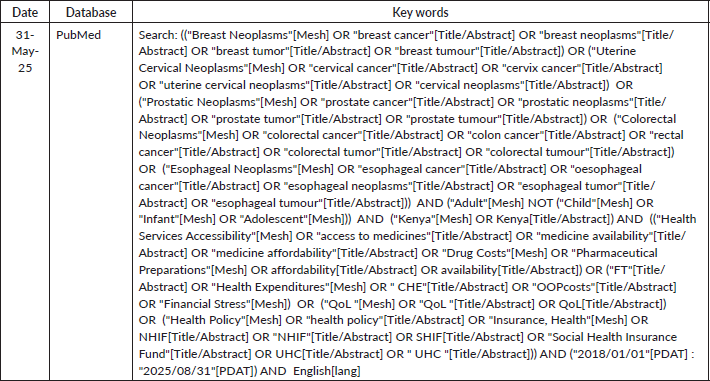
Searches were conducted on 31 May 2025 in PubMed, African Journals Online (AJOL) and Google Scholar, limited to English publications from January 2018 to May 2025. A comprehensive search strategy was used, combining Medical Subject Headings (MeSH) and keywords tailored to each database. Key terms included ‘cancer,’ ‘Kenya,’ ‘essential medicines,’ ‘FT,’ ‘financial burden,’ ‘economic hardship,’ ‘financial distress,’ ‘CHE,’ ‘QoL,’ ‘NHIF,’ ‘SHIF,’ ‘SHA’ and ‘UHC,’ combined using Boolean operators (Supplementary Table S1 shows a search strategy used in PubMed).
Grey literature was sourced from WHO, Kenya Ministry of Health, NHIF/SHA and Kenya National Cancer Control Program websites, with credibility assessed by institutional authority and author expertise. Google Scholar searches were stopped after three consecutive pages of irrelevant results. Additional studies were identified from reference lists, scanning of included studies through manual searches and institutional repositories (University of Nairobi Digital Repository). Embase, Medline, Scopus and Web of Science were excluded due to access constraints, mitigated by AJOL (which indexes multiple journals in Africa, enhancing coverage of regionally relevant open access publications) and comprehensive gray literature searches.
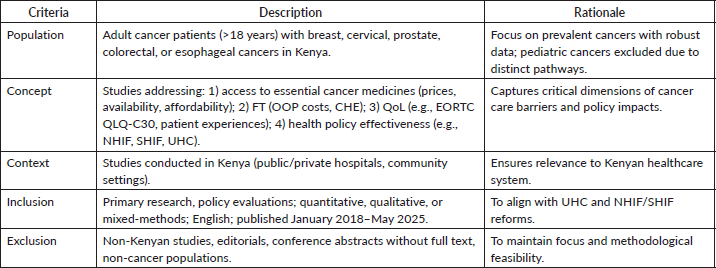
To assess the eligibility of studies, the scoping review followed the Population, Concept and Context (PCC) mnemonic (Supplementary Table S2). Studies were included if published between January 2018 and May 2025, in English, and included primary research or policy evaluations. Exclusions included non-Kenyan studies, editorials and abstracts without full text. All citations resulting from the searches were imported into the web-based software platform Rayyan. After removing duplicated citations, two reviewers independently screened titles and abstracts, followed by full texts review and any disagreements on final inclusion were reached by consensus.
Data analysis
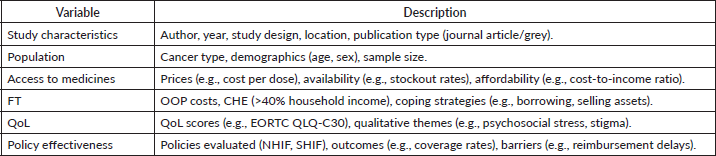
Data were extracted from selected articles using an Excel form, piloted on six included studies (two quantitative, two qualitative and two mixed-methods) and refined accordingly. The data charting form captured study characteristics (author, year, design, location and publication type), population (cancer type, demographics and sample size), medicine access (prices, stockout rates and affordability), FT (OOP costs, CHE and coping strategies), QoL (scores, qualitative themes) and policy outcomes (NHIF/SHIF coverage, procurement and barriers) and main findings (Supplementary Table S3). Authors were contacted for clarification where necessary, such as cost data, with two responses received. Medicine availability was stratified by data source (national surveys, single-facility studies and supplier/agency assessments) using the Kenya Essential Medicines List (KEML) and WHO/HAI methodology, and data gaps and methodological differences documented.
We used the Mixed Methods Appraisal Tool (MMAT v. 2018) to assess the quality of studies given the different types of study designs included in the scoping review. The tool included methodological quality of quantitative studies (sampling, measurement, bias), qualitative (approach, coherence), mixed-methods (integration) and policy documents (clarity, relevance). Quality ratings informed interpretation but did not affect inclusion, as the scoping review’s objective was to map all relevant evidence.
Results are synthesised descriptively with numerical summaries of sample sizes and cancer types; and thematically by objectives (medicine access, FT, QoL and policy effectiveness), to show the extent and nature of evidence. Any other emerging themes relevant to the research question are reported. Where appropriate, we visualised findings using tables and graphs. Finally, the implications of findings, the broader context and recommendations for health system improvement and future studies are presented.
Results
Following PRISMA-ScR guidelines, 393 articles were identified through searches in PubMed, AJOL, Google Scholar and grey literature (WHO, Kenya Ministry of Health, NHIF/SHIF and Kenya National Cancer Control Programme) conducted up to May 31, 2025. After removing 157 duplicates, 236 records were screened by title/abstract, with 152 excluded due to non-Kenyan settings (n = 80), non-cancer-specific focus (n = 42), editorials (n = 20) or abstracts without full text (n = 10). Full-text review of 84 records resulted in 60 included studies (42 journal articles, 8 government reports, 7 policy briefs, 2 regulatory documents, 1 thesis). Figure 1 presents the PRISMA-ScR flow diagram.
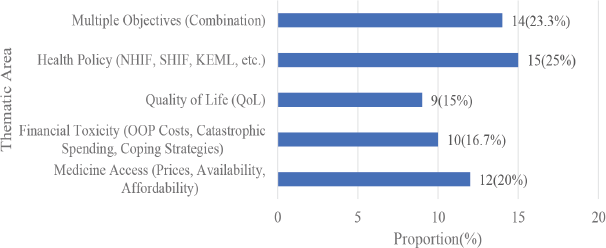
About a quarter of articles were health policy related (15, 25%), followed by those touching on multiple objectives (14, 23.3%), medicine access (12, 20 %), FT (10, 16.7%) and lastly QoL (9,15%) (Supplementary Figure S1).
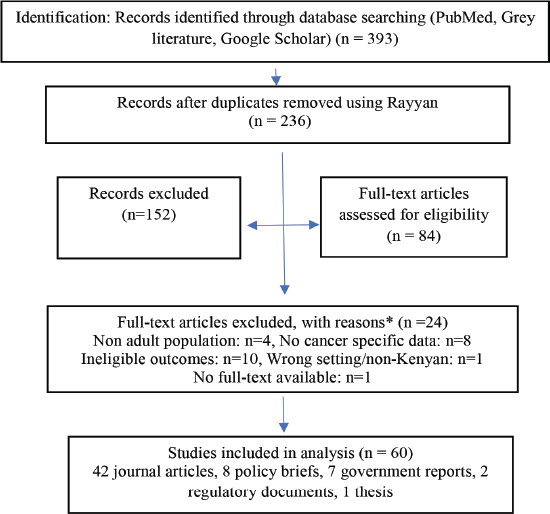
Figure 1. PRISMA-ScR flow diagram.
The quality of studies was assessed using the MMAT version 2018. The assessment excluded 13 non-research policy/guideline documents, hence included 47 studies. All had clear research questions and data addressing the research questions. The majority were quantitative descriptive studies (n = 31) and they generally performed well across MMAT criteria. All had a relevant sampling strategy (100%), appropriate measurements (100%) and appropriate statistical methods (94%). However, representativeness of the sample (68%) and low nonresponse bias (78%) were somewhat lower. Qualitative studies (n = 19) showed moderate adherence to MMAT criteria, with 74% meeting standards for an appropriate qualitative approach. There were 14 mixed-methods studies, which had an adequate rationale for mixed methods (71%) and effective integration of components (86%), though adequate interpretation of integrated outputs (64%) and addressing divergences between quantitative and qualitative results (57%) were lower Table 1.
Most studies were conducted in urban settings (Nairobi 28, 47%, Eldoret 10, 17%, Kisumu 8, 13%, Mombasa 6, 10%), with only 6/60 (10%) reporting rural data. Studies primarily focused on breast (38, 63%), cervical (30, 50%), prostate (16, 27%), esophageal (11, 18%) and colorectal cancers (9, 15%), with some addressing multiple cancers. Sample sizes ranged from 2 to 37,500 (median 151, IQR 77–334), with participants predominantly female (72%), aged 40–68.5 years and of low-to-middle socioeconomic status (77% unemployed, household income <KES 5,000/month) Table 2 summarises key study characteristics.
Table 1. MMAT table for cancer medicines, FT, QoL and health policy studies.
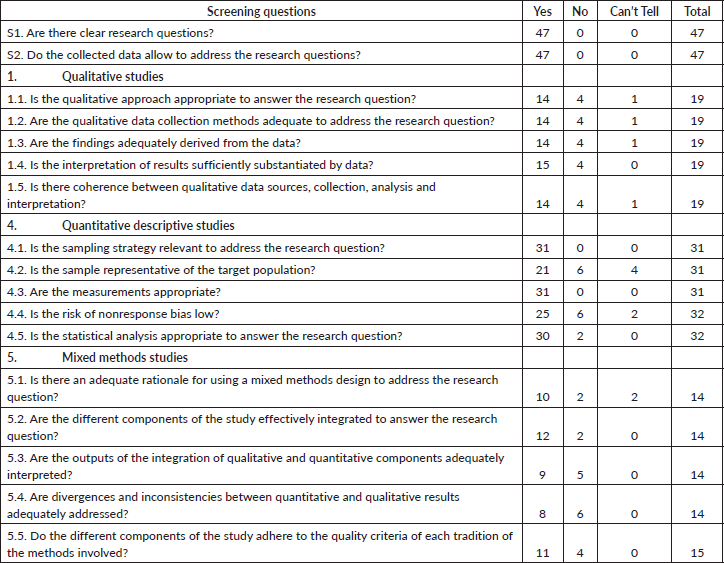
Table 2. Study characteristics.

Synthesis of results
The primary assessment focused on access to essential cancer medicines (prices, availability, affordability), FT, QoL and health policy effectiveness. No study investigated all four interconnected aspects in a unified manner. The focus of the studies varied from access and affordability to FT and its coping mechanisms; from QoL assessments to health policy evaluations and their implementation barriers, with some studies addressing multiple outcomes. The findings are organised thematically into the four outcomes.
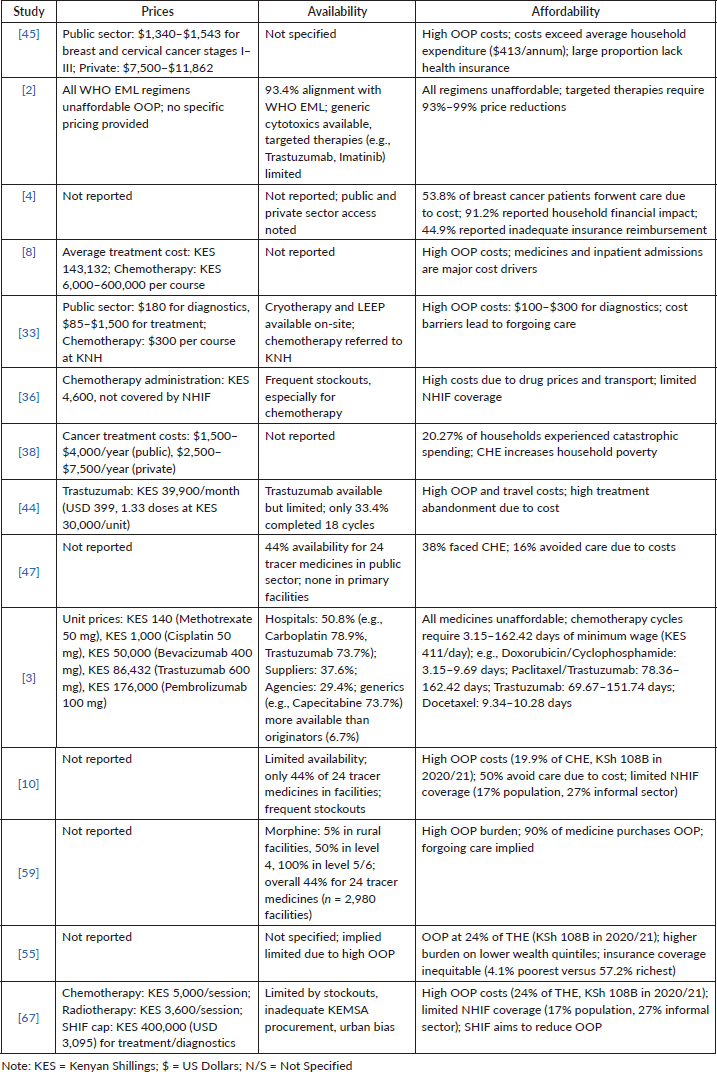
About 12 studies (19%) reported medicine access using the WHO/HAI methodology or KEML assessments. Pricing data showed high costs. One study showed the minimum and maximum medicine prices across providers [3].Minimum prices ranged from KES 140 for Methotrexate to KES 176,000 for Pembrolizumab 100 mg [3].Another study reported specific pricing, with public sector costs for treating stages I–III of breast and cervical cancers ranging from $1,340 to $1,543 and private sector costs significantly higher at $7,500–$11,862 [45].General chemotherapy costs ranged from KES 6,000–600,000 per course [8].Targeted therapies like Trastuzumab required 69.67–151.74 days of minimum wage per cycle [3].
Medicine availability varied significantly by facility type across the studies. National facility surveys, such as the Kenya Health Facility Assessment [57, 59], reported an overall availability of 44% for 24 tracer medicines (n = 2,896 facilities). Single-facility studies indicated higher availability in tertiary hospitals (50.8%, n = 4 hospitals) for drugs like Carboplatin (78.9%) and Trastuzumab (73.7%). Supplier and agency assessments reported lower availability at supply agencies, 33.5%(n = 5) for tier 1 suppliers and 40.2% (n = 8) for tier 2 suppliers, with generics more available (46.9%) than originator brands (6.7%) [3].Notably, 78.3% of studies (47/60) lacked specific availability data, particularly for private facilities.
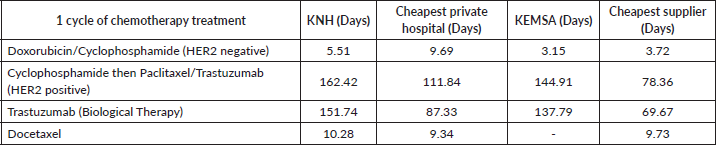
Affordability was poor, with all medicines exceeding the WHO affordability threshold of 1 day’s wage, rendering them unaffordable. Treatments involving biological therapies such as Trastuzumab were significantly more expensive, requiring several months of minimum wage. One cycle of chemotherapy involving Doxorubicin/Cyclophosphamide (HER2 negative) required 3.15–9.69 days of minimum wage; Cyclophosphamide then Paclitaxel/Trastuzumab (HER2 positive) required 78.36–162.42 days; Trastuzumab, 69.67–151.74 days; Docetaxel, 9.34–10.28 days [3].The cheapest supplier and the cheapest private hospital often provided lower costs compared to Kenyatta National Hospital, the main cancer referral hospital in Kenya, particularly for expensive regimens involving Trastuzumab (Supplementary Table S4) [3] Table 3.
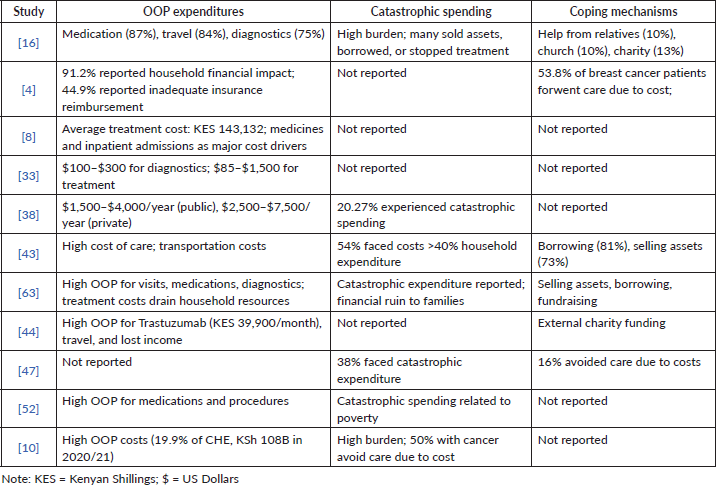
FT was reported in 10/60 studies (17%), with limited available data suggesting OOP costs ranging from $1,298 to $12,713/year [46].Public sector costs for stages I–III breast and cervical cancers were $1,340–$1,543, while private sector costs were $7,500–$11,862 [45].Cervical cancer patients faced OOP costs of 87% for medication, 84% for travel and 75% for diagnostics [16]. OOP constituted 24% of total health expenditure (KSh 108B in 2020/21), with limited NHIF uptake (17% population, 27% informal sector) exacerbating the burden [10].CHE affected 20.27%–54% of households [38, 43].Coping mechanisms included borrowing (81%), selling assets (73%) and seeking charity (13%) or family/church support (10%) [16].Treatment abandonment was noted, with 53.8% of breast cancer patients forgoing care due to costs [4].However, the review noted sparse data and wide OOP variation, disadvantaging comprehensive/definitive affordability assessments/ population-level projections, as only 10 studies covered specific OOP or CHE data (Supplementary Table S5).
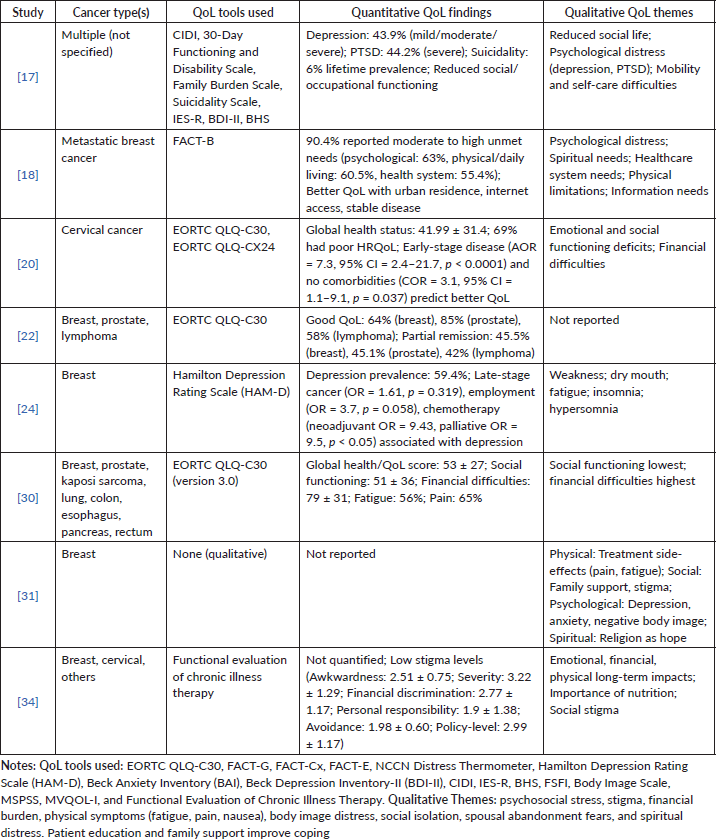
About 9/60 studies (15%) reported QoL, indicating compromised QoL, with median global health status scores of 41.99–53 (EORTC QLQ-C30, FACT-Cx). Breast cancer patients reported 64% good QoL, prostate 85% [20, 22].Advanced disease (AOR = 7.3, p < 0.0001) and comorbidities (OR = 3.1, p = 0.037) predicted poor QoL [20]. High symptom burdens included fatigue (56%), pain (65%) and financial difficulties (79%) [30].Some studies reported thematic findings without quantitative tools.
Qualitative themes from ten studies highlighted psychosocial distress, stigma, social isolation, and physical limitations. In the physical domain, symptom burden and functional limitations were key, including fatigue, pain, weakness, dry mouth, insomnia/hypersomnia and mobility/self-care difficulties. Cervical cancer patients reported poor physical (60%) and emotional QoL, with hygiene challenges and family dependence. Multi-cancer studies noted reduced occupational functioning [17, 26, 30, 31]Better QoL was associated with early-stage disease, urban residence and stable remission [20]
Psychological themes included depression (59.4% in breast cancer), influenced by late-stage diagnosis (OR = 1.61, p = 0.319), employment (OR = 3.7, p = 0.058) and chemotherapy (neoadjuvant OR = 9.43, palliative OR = 9.5, p < 0.05), leading to reduced mental resilience and ‘constant worry’ about survival/family [24, 31].
Table 3. Findings on prices, availability and affordability of cancer medicines in Kenya.
Social domain themes featured isolation, stigma and family burden, with avoidance/discrimination (awkwardness: 2.51 ± 0.75; severity: 3.22 ± 1.29). Breast/cervical patients faced rejection/over-dependence, strained relationships, reduced social life, ‘community stigma’ and policy-level discrimination (2.99 ± 1.17), intersecting with financial strain via borrowing/charity [18, 31, 34]Spiritual themes showed religion as hope/coping, but unmet needs worsened distress in metastatic cases [18, 31]. Healthcare/systemic domain included unmet information needs (low cancer knowledge: 23.6%), system delays and financial difficulties (79%), amplifying access issues [20, 30](Supplementary Table S6).
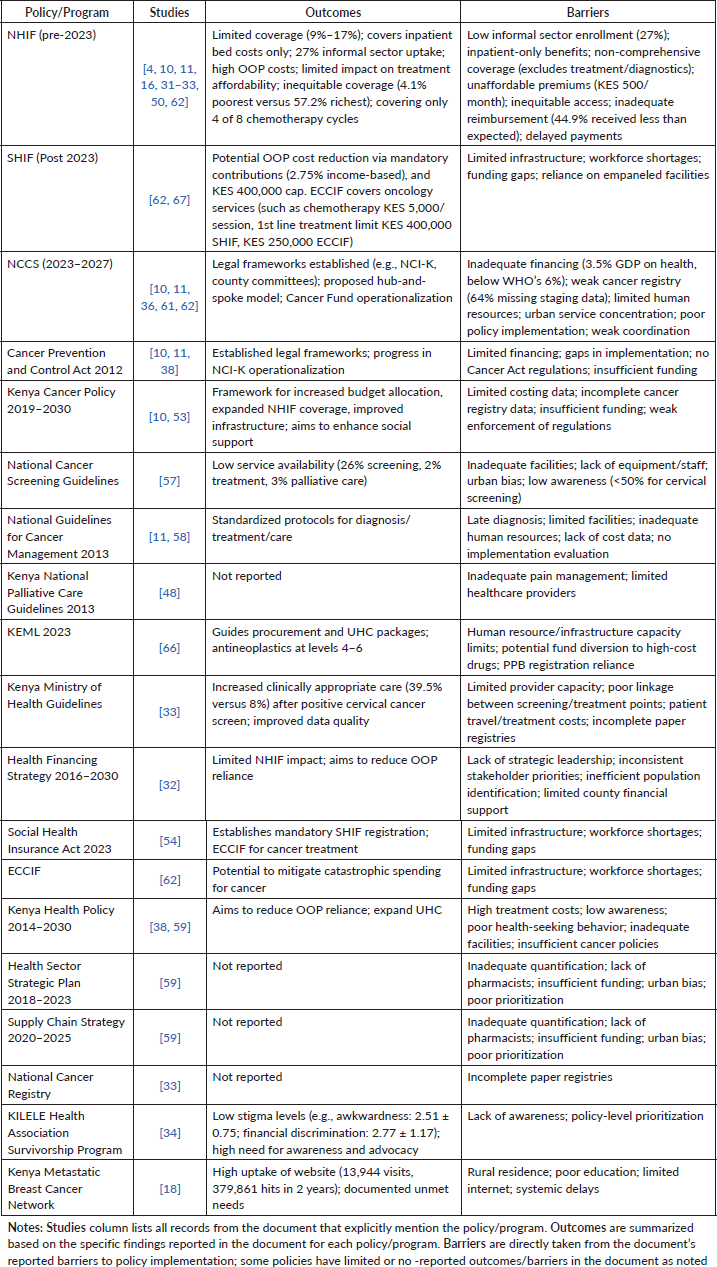
About 15/60 studies (25%) evaluated health policy effectiveness, focusing on NHIF, SHA and the National Cancer Control Strategy (2023–2027). Stratifying by policy era, 13/15 policy studies (87%) focused on pre-2023 NHIF implementation, reporting low NHIF uptake (9%–17%) primarily covering inpatient services, and limited impact on treatment affordability, covering only 4 of 8 chemotherapy cycles [16, 62]. Post-2023 SHA data (limited to 2/60 studies) showed potential to reduce OOP costs via mandatory contributions (2.75% income-based) and the Emergency, Chronic and Critical Illness Fund (ECCIF), covering oncology services (chemotherapy KES 5,000/session, 1st line treatment limit KES 400,000 from SHA, KES 250,000 from ECCIF), but faced infrastructure and funding gaps [62, 68]No studies directly compared pre- and pos insurance policy transition outcomes. Health financing remained limited at 3.5% of GDP (below WHO’s 6%), with OOP costs at 24% of total health expenditure (KSh 108B in 2020/21), and weak cancer registries (64% missing staging data) hindered progress [11, 62, 69] Decentralisation efforts aimed to improve access, but oncology services remained urban-centric, with limited screening/treatment capacity in rural areas [23, 39] A medium-term expenditure report highlighted Kenya Medical Supplies Agency (KEMSA’s) role in procuring essential cancer medicines, such as chemotherapy, hormonal therapies, aligned with WHO EML, but noted barriers, including stockouts, inadequate procurement and urban bias [62]. Another study reported NHIF/SHIF schemes and UHC implementation, but identified barriers such as limited NHIF uptake (17% population, 27% informal sector) and infrastructure/capacity limits [12] (Supplementary Table S7).
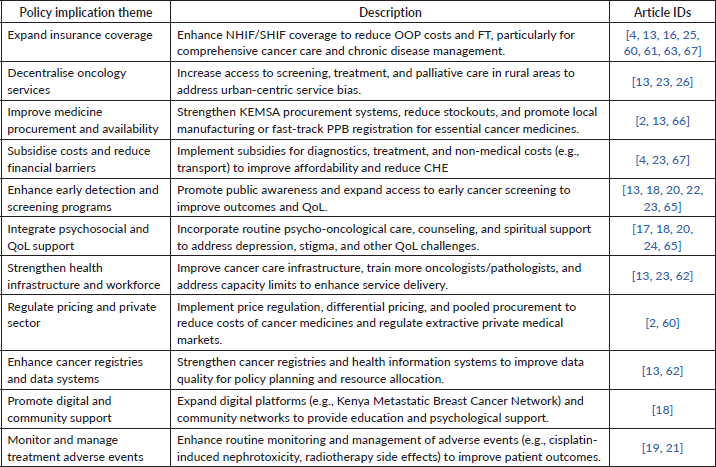
From the reviewed documents, 8/60 studies identified the need to expand NHIF/SHA coverage to reduce OOP costs and FT. About 3/60 studies identified the need to strengthen KEMSA. Other policy suggestions included subsidising costs (3/60), enhancing early detection and screening programs (7/60), integrating psychological and QoL support (5/60), strengthening health infrastructure and workforce (4/60), enhancing cancer registries (2/60), monitoring and management of treatment adverse effects (3/60) and promoting digital and community support to provide education and psychological care (1/60) Table 4.
Discussion
This scoping review of 60 articles published between 2018 and May 2025 mapped the nature and distribution of evidence on cancer medicines access, FT, QoL and health policy performance for breast, cervical, prostate, colorectal and esophageal cancers in Kenya. Across the literature, three patterns consistently emerged: high medicine costs, low public sector availability and inadequate financial protection through health insurance. Our review builds on and extends prior literature by consolidating fragmented evidence across systems of access, financing, QoL and policy interactions with a focus on Kenyan context.
The high cost and low availability of cancer medicines align with broader trends reported across LMICs. Yet, several gaps within Kenya are evident. Procurement delays of 4–8 months at the KEMSA were frequently reported and translated into medicine stock outs at public facilities. Public-sector availability remained below 50% across studies, indicating persistent supply constraints. In contrast, Uganda achieved 85.8% availability, exceeding the WHO’s 80% target, facilitated by centralised procurement [70] Compared to a study that mapped African medicine access methods [71], this review offers detailed insights on cost and policy effectiveness. Chemotherapy regimens such as Doxorubicin/Cyclophosphamide required 3.15–9.69 days of minimum wage, while targeted therapies like Trastuzumab required 69.67–151.74 days of minimum wageexceeding WHO affordability thresholds [3, 8, 44]. This renders guideline-recommended care inaccessible for most patients. Public-private sector disparities, indicating treatment costs as higher in private facilities, an eightfold increase in some cases, further deepen inequities. With about 73% of Kenyans reliant on the public sector, these differences restrict continuity of care and erode patient survival [39].The review notes scarcity of data for colorectal and esophageal cancers (addressed in only 4 studies), limiting cost-effectiveness analyses for high-mortality cancers, despite rising incidence.
FT emerged as the most consistently documented patient-level consequence across included studies. OOP payments, ranging from US$1,298 to US$12,713 annually, placed substantial pressure on households. About 20.3%–54% of households experienced FT and elevated risks of CHE. Medication costs (87%), transport (84%) and diagnostic services (75%) were major cost drivers contributing to this burden [4, 16, 43, 63].Patients frequently adopted severe coping strategies, including borrowing (81%), asset sales (73%), fundraising, and treatment abandonment (53.8%). Such patterns reflect deep financial strain upon cancer diagnosis. A systematic review reported a pooled CHE prevalence of 43.3% (95% CI 36.7–50.1) among cancer patients globally [72].However, the wide variation in OOP estimates due to inconsistent reporting approaches, diverse CHE definition, and heterogeneous samples (different cancers, stages and time points) limits comparability. Most studies were cross-sectional and descriptivelimiting restricting insights into how FT evolves across treatment trajectories. In addition, most studies lacked OOP payment and CHE data, limiting comparability. Similar methodological concerns have been noted in previous systematic reviews [73, 74].Importantly, validated FT tools like COST, remain underused in Kenya, limiting robust comparative evaluation of financial burden. These tools (COST-FACIT, PROFFIT) offer standardised, patient-centered assessment of both objective and subjective financial distress [75].
QoL outcomes were reported in 9 of the 60 articles, indicating limited integration of patient-reported outcomes in Kenyan oncology research. Global health scores measured using the EORTC QLQ-C30 ranged from 41.99 to 53, indicating moderate to poor overall functioning. Most studies particularly covered breast and cervical cancers. High symptom burden contributed substantially to poorer QoL. Reported symptoms included fatigue (56%), pain (65%) and financial difficulties (79%). Psychosocial distress was also prevalent, with depression ranging from 43.9% to 59.4% [20, 30, 76].Qualitative findings further highlighted psychosocial impacts, including stigma, anxiety, body image concerns and social isolation [4, 16, 31, 46]
Clinical factors also influenced QoL outcomes. Early disease stage and stable treatment response were associated with better QoL. One study reported seven-fold higher odds of good QoL among early-stage cervical cancer patients (adjusted odds ratio = 7.3). However, the variation in assessment tools (EORTC QLQ-C30, FACT-B, HAM-D, Functional Evaluation of Chronic Illness Therapy) undermined cross study comparability. Most studies were cross-sectional and few examined longitudinal changes in QoL during the cancer care continuum. Longitudinal research is therefore needed to capture interaction between FT, treatment progression and patient-reported outcomes overtime. A previous study conducted in LMICs demonstrates the value of standardised metrics and reports robust QoL data, although covering only breast cancer [77]
At the policy level, the evidence base revealed persistent gaps between policy design and the level of financial protection experienced by cancer patients. About 15 articles examined cancer-related policies and financing mechanisms. Policies, though promising, showed mixed progress. The NHIF reached only 9%–17% of Kenyan population with partially low enrollment among the informal sector workers (27%), which constitutes majority of working population. National health financing stood at 3.5% of GDP, below the WHO’s 6% benchmark [11, 16, 62]. This chronic underfunding severely constrains the system’s capacity to absorb the rapidly rising costs of cancer care. There was limited data (only 2 articles) on the post-2023 SHA reforms limiting possibility of robust evaluation.
Despite this, the scoping review identifies several potentially transformative mechanisms within the SHA framework, providing a foundational synthesis of the available evidence. These include ECCIF and the proposed oncology benefit package initially set at KES 400,000, with discussions of expansion. If implemented effectively, it could meaningfully reduce treatment-related financial hardship. However, infrastructure gaps, including workforce shortages, low uptake and weak procurement governance, dilute its potential impact [10, 46, 62]
Procurement delays were repeatedly reported. These delays contribute directly to medicine stockouts and force patients to seek care in private facilities at higher costs [9].Decentralisation has increased chemotherapy access (69.1%) and palliative care (57.9%), but radiotherapy remains domiciled in urban-centers restricting access for rural populations [39].Weak cancer registries; 64% missing staging data undermine evidence-based policy responsiveness and resource allocation. Patient distrust in NHIF due to inadequate reimbursement, with 44.9% reporting receiving less than expected, reflected perceived gaps between policy promises and real world benefits [4].Overall, these findings suggest that financial protection policies have expanded coverage but have not yet translated into consistent financial risk reduction for cancer patients, consistent with LMIC policy challenges [78]
Table 4. Policy implications for cancer care in Kenya from scoping review (2018–2025).
The review had strengths and some limitations. Adherence to PRISMA-ScR guidelines, OSF registration, MMAT appraisal and grey literature inclusion, enhanced transparency and contextual relevance. The synthesis integrated clinical, economic and policy evidence, providing a multidimensional perspective on cancer medicine access in Kenya. Methodological inconsistencies in cost reporting also constrained cross study comparisons. Exclusion of databases (Embase, Medline, Scopus) due to access limitations may have introduced selection bias. Some international studies with Kenyan sub-analyses may therefore have been missed. Finally, there was sparse evidence on post 2023 SHA reforms, given the recent implementation. Nonetheless, since we identified 60 articles, it suggests that the mapped literature provides a meaningful overview of the current evidence landscape on cancer medicines access, FT, QoL and health policy performance in Kenya.
Evidence before this study
Globally, FT is recognised as a major barrier to cancer care even in high-income countries with UHC. Studies report CHE in 13%–68% of households, while public sector medicine availability of cancer medicine in East Africa is at less than 50%. LMIC reviews on cancer care have laid a thoughtful foundation. The body of evidence, though varied, highlights systemic weaknesses; low insurance penetration, procurement inefficiencies, as issues of significance in cancer treatment access. In addition, the current body of evidence shows diverse methodologies in cost reporting for cancer medicines, suggesting the need for country-specific studies to highlight the cancer treatment access landscape.
Added value of this study
To the best of our knowledge, this is the first scoping review to consolidate evidence on cancer medicine access, FT, QoL and health policy performance in Kenya. Current studies are fragmented, with inconsistent methods and limited literature on access, especially for colorectal and esophageal cancers. Nevertheless, this review demonstrates that Kenya’s cancer treatment access crisis is not due to medical scarcity but policy misalignment, where high costs, fragmented coverage and inefficient procurement perpetuate inequity. The review demonstrates that no studies have directly compared health insurance transition (NHIF to SHA) on cancer treatment outcomes in Kenya. It also highlights that FT and QoL validated tools are underused in Kenya, demonstrating the urgent need for more exploration using standardised methodologies, longitudinal data and policy-focused research to inform Kenya’s National Cancer Control Strategy.
Implications of all the available evidence
High treatment costs, procurement inefficiencies, and inadequate insurance coverage disadvantage cancer treatment access in Kenya. Corrective strategies must integrate price regulation, pooled regional procurement and expanded SHA coverage to reduce FT and improve QoL. There is a need to strengthen cancer registries and adapt and harmonise validated patient-reported outcomes tools, such as the COST questionnaire for FT and the EORTC QLQ-C30 for QoL, to better capture the undetected financial burden and QoL impacts. Longitudinal and multi-stakeholder studies (patients, carers, providers and policymakers) using standardised measurement tools are needed to capture FT and QoL trajectories over time, given the rising cancer cases. Furthermore, policymakers should prioritise prospective evaluation of SHA reforms, as well as funding and training for researchers in health services research, to enhance the development of local expertise in cost-effectiveness analysis and financial protection initiatives for cancer patients.
Acknowledgments
We thank the Kenya Ministry of Health and the University of Nairobi Digital Repository for providing access to gray literature and institutional reports.
Conflicts of interest
I/we declare no conflicts of interest.
Funding
The scoping review is a preliminary investigation and part of a larger study funded by National Cancer Research Fund (NRF), (NCI-NRF001/2024), Kenya. However, the funder had no role in study design, data collection, data analysis, data interpretation or writing of the report.
Data sharing
The data used are available upon reasonable request.
Author contributions
JOO, DOO and SAA conceived and designed the scoping review. JOO and SAA conducted study selection and data extraction. All authors contributed to data interpretation and analysis. JOO drafted the manuscript, with revisions and supervisory support from SAA and DOO. All authors read and approved the final manuscript.
Supplementary information
Supplementary data are available, including full search strategy for PubMed, detailed inclusion and exclusion criteria (based on PCC framework) and data charting template (Excel format).
References
1. Globocan (2022) The global cancer observatory | Globocan 2022 (version 1.1) - 08.02.2024
2. Kizub DA, Naik S, and Abogan AA, et al (2022) Access to and affordability of World Health Organization Essential Medicines for Cancer in Sub-Saharan Africa: examples from Kenya, Rwanda, and Uganda Oncologist 27(11) 958–970 https://doi.org/10.1093/oncolo/oyac143 PMID: 36094141 PMCID: 9632308
3. Mutugi L, Okalebo FA, and Guantai AN, et al (2024) Availability, Price and Affordability of Anticancer Drugs in Nairobi, Kenya (Nairobi: University of Nairobi) [https://erepository.uonbi.ac.ke/handle/11295/167178?show=full]
4. Subramanian S, Gakunga R, and Jones M, et al (2019) Financial barriers related to breast cancer screening and treatment: a cross-sectional survey of women in Kenya J Cancer Policy 22 100206 https://doi.org/10.1016/j.jcpo.2019.100206
5. Donkor A, Atuwo-Ampoh VD, and Yakanu F, et al (2022) Financial toxicity of cancer care in low- and middle-income countries: a systematic review and meta-analysis Support Care Cancer 30(9) 7159–7190 PMID: 35467118 PMCID: 9385791
6. Fundytus A, Sengar M, and Lombe D, et al (2021) Access to cancer medicines deemed essential by oncologists in 82 countries: an international, cross-sectional survey Lancet Oncol 22(10) 1367–1377 https://doi.org/10.1016/S1470-2045(21)00463-0 PMID: 34560006 PMCID: 8476341
7. WHO (2004) Equitable Access to Essential Medicines: a Framework for Collective Action (Geneva: WHO)
8. Atieno OM, Opanga S, and Martin A, et al (2018) Pilot study assessing the direct medical cost of treating patients with cancer in Kenya; findings and implications for the future J Med Econ 21(9) 878–887 https://doi.org/10.1080/13696998.2018.1484372 PMID: 29860920
9. Anne M, Chandani Y, and Njenga E, et al (2024) Examining how counties finance, procure, and manage essential medicines and supplies: a case study of four counties in Kenya. Kenya Report 2 (Nairobi: ThinkWell, Supply Health, and the Chartered Institute of Procurement and Supplies) [https://thinkwell.global/wp-content/uploads/2024/10/Final_Kenya-supplies-financing_30-September-2024] Date accessed: 15/05/25
10. MOH <AQ: Please provide publisher’s name and its location (city/country) for the references “10, 13, 53, 54, 58, 66, 67, 68.”> (2022) National Cancer Taskforce Report [https://www.health.go.ke/wp-content/uploads/2022/07/National-Cancer-Taskforce-Report-July-2022.pdf] Date accessed: 10/05/25
11. Makau <AQ: Please provide PageNo for the references “11, 23, 24, 25, 27, 28, 33, 34, 39, 49, 76, 77 and 78”.>-Barasa LK, Greene S, and Othieno-Abinya NA, et al (2020) A review of Kenya’s cancer policies to improve access to cancer testing and treatment in the country Health Res Policy Syst 18(1) https://doi.org/10.1186/s12961-019-0506-2 PMID: 31910868 PMCID: 6947983
12. Nungo S, Filippon J, and Russo G (2024) Social health insurance for universal health coverage in low and middle-income countries (LMICs): a retrospective policy analysis of attainments, setbacks and equity implications of Kenya’s social health insurance model BMJ Open 14(12) 85903 https://doi.org/10.1136/bmjopen-2024-085903
13. MOH (2023) The National Cancer Control Strategy (2023–2027) [http://guidelines.health.go.ke.pdf] Date accessed: 05/05/25
14. Tricco AC, Lillie E, and Zarin W, et al (2018) PRISMA extension for scoping reviews (PRISMA-ScR): checklist and explanation Ann Intern Med 169(7) 467–473 https://doi.org/10.7326/M18-0850 PMID: 30178033
15. Peters MDJ, Marnie C, and Tricco AC, et al (2020) Updated methodological guidance for the conduct of scoping reviews JBI Evid Synth 18(10) 2119–2126 https://doi.org/10.11124/JBIES-20-00167 PMID: 33038124
16. Owenga JA and Nyambedha EO (2018) Perception of cervical cancer patients on their financial challenges in Western Kenya BMC Health Serv Res 18(1) 261 https://doi.org/10.1186/s12913-018-3073-2 PMID: 29631577 PMCID: 5891984
17. Ndetei D, Musyimi C, and Tele A, et al (2018) Psychological well-being and social functioning across the cancer stages: implications for palliative care J Soc Work End Life Palliat Care 14(2–3) 194–208 https://doi.org/10.1080/15524256.2018.1472718
18. Shaikh AJ, Dhillion N, and Shah J, et al (2022) Supporting Kenyan women with advanced breast cancer through a network and assessing their needs and quality of life Support Care Cancer 30(2) 1557–1567
19. Kibaara M and Degu A (2023) Assessment of adverse events among cervical cancer patients at Kenyatta National Hospital J Oncol Pharm Pract 29(2) 326–332 https://doi.org/10.1177/10781552211068133
20. Shajahan Ahamed M and Degu A (2023) Health-related quality of life among cervical cancer patients at Kenyatta National Hospital J Oncol Pharm Pract 29(2) 393–400 https://doi.org/10.1177/10781552211073886
21. Isaaka J, Degu A, and Kimani LM (2022) Assessment of cisplatin-induced nephrotoxicity and its associated factors among cervical cancer patients in the leading tertiary hospital in Kenya J Oncol Pharm Pract 28(7) 1603–1608 https://doi.org/10.1177/10781552221119417 PMID: 35929126
22. Degu A, Terefe EM, and Some ES, et al (2022) Treatment outcomes and its associated factors among adult patients with selected solid malignancies at Kenyatta National Hospital: a hospital-based prospective cohort study Cancer Manag Res 14 1525–1540 https://doi.org/10.2147/CMAR.S361485 PMID: 35498512 PMCID: 9042075
23. Wambalaba FW, Son B, and Wambalaba AE, et al (2019) Prevalence and capacity of cancer diagnostics and treatment: a demand and supply survey of health-care facilities in Kenya Cancer Control 26(1) https://doi.org/10.1177/1073274819886930 PMID: 31795739 PMCID: 6893940
24. Saina C, Gakinya B, and Songole R (2021) Factors associated with depression among patients with breast cancer at Moi Teaching and Referral Hospital, Eldoret, Kenya J Anxiety Depression 4(1) https://doi.org/10.46527/2582-3264.133
25. Bosire A, Irene M, and Samuel K (2020) Psychological effects of chemotherapy experienced by patients diagnosed with breast and cervical cancer attending Kenyatta National Hospital Cancer Treatment Centre Int J Health Sci Res 10(1)
26. Owenga JA (2018) Assessment of health related quality of life in cervical cancer patients in Western Kenya [Internet] Am J Nursing Sci 7(6) 325–332 [http://www.sciencepublishinggroup.com/j/ajns]
27. Wang’Ombe J and Kathungu B (2021) Palliative care recovery outcomes: nature of recovery outcomes among cancer patients in Nairobi and Nyeri Counties, Kenya J Health Med Nursing 6(2) https://doi.org/10.47604/jhmn.1244
28. Obora M, Onsongo L, and Ogutu JO (2022) Determinants of sexual function among survivors of gynaecological cancers in a tertiary hospital: a cross-sectional study Ecancermedicalscience 16 https://doi.org/10.3332/ecancer.2022.1384 PMID: 35919237 PMCID: 9300405
29. Ezzi MS, Othieno-Abinya NA, and Amayo E, et al (2019) Prevalence and predictors of cisplatin-induced peripheral neuropathy at the Kenyatta National Hospital [Internet] J Global Oncol https://doi.org/10.1200/JGO.19.00097
30. Davda J, Kibet H, and Achieng E, et al (2021) Assessing the acceptability, reliability, and validity of the EORTC quality of life questionnaire (QLQ-C30) in Kenyan cancer patients: a cross-sectional study J Patient Rep Outcomes 5(1) 1 https://doi.org/10.1186/s41687-020-00275-w
31. Annamalai D, Helova A, and Saleh M, et al (2024) Mental health and quality of life following breast cancer diagnosis in patients seen at a tertiary care hospital in Nairobi, Kenya: a qualitative study [Internet] Cambridge Prisms Global Mental Health Internet 11 e96 [https://www.cambridge.org/core/product/identifier/S2054425124000797/type/journal_article] https://doi.org/10.1017/gmh.2024.79
32. Oraro-Lawrence T and Wyss K (2020) Policy levers and priority-setting in universal health coverage: a qualitative analysis of healthcare financing agenda setting in Kenya BMC Health Serv Res 20(1) 1 https://doi.org/10.1186/s12913-020-5041-x
33. Mabachi NM, Wexler C, and Acharya H, et al (2022) Piloting a systems level intervention to improve cervical cancer screening, treatment and follow up in Kenya Front Med (Lausanne) 9 PMID: 36186820 PMCID: 9520305
34. Maureen KJ, Mwangi J, and Kithaka B, et al (2024) Effects of stigma on quality of life of cancer survivors: preliminary evidence from a survivorship programme in Kenya Heliyon 10(9) https://doi.org/10.1016/j.heliyon.2024.e30165
35. Kamau T, Menya D, and Busakhala N, et al (2024) Changes in health-related quality of life of patients treated for esophageal cancer in Eldoret, Kenya J Health Med Nursing 10(3) 15–27 https://doi.org/10.47604/jhmn.2716
36. Mchidi N, Oyore J, and Ogweno G (2024) Perspectives of healthcare workers on chemotherapy treatment in selected facilities in Kenya Int J Community Med Public Health 11(4) 1686–1691 https://doi.org/10.18203/2394-6040.ijcmph20240912
37. Mushani T, Kassaman D, and Brownie S, et al (2024) In their voices: kenyan women’s experiences with cancer treatment–related side effects Asia Pac J Oncol Nurs 11(7) 11 https://doi.org/10.1016/j.apjon.2024.100502
38. Douglas W (2021) Catastrophic healthcare expenditures and household poverty in Kenya: the case of cancer, hypertension, and diabetes J Econ Sustain Develop
39. Nyangasi MF, Mcligeyo AA, and Kariuki D, et al (2023) Decentralizing cancer care in sub-Saharan Africa through an integrated regional cancer centre model: the case of Kenya PLoS Global Public Health 3 https://doi.org/10.1371/journal.pgph.0002402 PMID: 37738236 PMCID: 10516416
40. Daniel O, Ashrafi A, and Muthoni MA, et al (2023) Delayed breast cancer presentation, diagnosis, and treatment in Kenya Breast Cancer Res Treatment 202(3) 515–527 https://doi.org/10.1007/s10549-023-07067-y
41. Orindi T, Aduda DO, and Amimo FA (2021) Socio-demographic characteristics associated with quality of life-scores among palliative care cancer patients in Kenya J Community Med Public Health
42. Olwanda E, Owiti E, and David N (2024) Budget impact analysis of cervical cancer treatment in Kenya [Internet] Public Health Res 2024(1) 12–21 [http://journal.sapub.org/phr]
43. Sherman S and Okungu V (2018) Access to breast cancer treatment services in Mombasa County, Kenya: a quality of care analysis of patient and survivor experiences Am J Public Health Res 6(4) 189–194 https://doi.org/10.12691/ajphr-6-4-3
44. Wabende LN, Bhatia M, and Kiptoo S, et al (2022) The cost implication of trastuzumab in patients with HER2-positive breast cancer at Moi Teaching and Referal Hospital, Eldoret, Kenya JCO Glob Oncol 8(Supplement_1) 48 https://doi.org/10.1200/GO.22.54000
45. Subramanian S, Gakunga R, and Kibachio J, et al (2018) Cost and affordability of non-communicable disease screening, diagnosis and treatment in Kenya: patient payments in the private and public sectors PLoS One 13(1) 190113 https://doi.org/10.1371/journal.pone.0190113
46. Lehmann J, Machira YW, and Schneidman M, et al (2020) Economic and social consequences of cancer in Kenya case studies of selected households
47. Toroitich AM, Dunford L, and Armitage R, et al (2022) Patients access to medicines – a critical review of the healthcare system in Kenya Risk Manage Healthcare Policy 15 361–374 https://doi.org/10.2147/RMHP.S348816
48. Justin Kinoti F, Oluchina S, and Wambua Mbithi B (2020) Psychosocial distress among patients with cancer at a county referral hospital in Kenya Int J Adv Nursing Stud https://doi.org/10.14419/ijans.v9i2.30745
49. Ong’Ondi M, Njuguna I, and Obulumire R, et al (2023) Psychological distress in patients with cancer at the Kenyatta National Hospital in Nairobi, Kenya, during the COVID-19 pandemic J Psychosoc Oncol Res Pract 5(2)
50. Mbau R, Kabia E, and Honda A, et al (2020) Examining purchasing reforms towards universal health coverage by the National Hospital Insurance Fund in Kenya Int J Equity Health 19(1) 19 https://doi.org/10.1186/s12939-019-1116-x PMID: 32013955 PMCID: 6998279
51. Angachi M, Njiru L, and Muturi W (2022) Prevalence of anxiety and depression among cervical cancer patients in Referral Hospitals in Western Kenya Afr J Clin Psychol
52. Mwarania M (2022) Catastrophic healthcare expenditures and household poverty in Kenya: the case of cancer J Med Nursing Public Health 5(4) 52–61
53. MOH (2019) Kenya Cancer Policy 2019-2030 [http://guidelines.health.go.ke] Date accessed: 05/05/25
54. Republic of Kenya (2023) Social Health Insurance Act (General) Regulations Date accessed: 03/05/25
55. Njuguna D, Wangia E, and Pepela W, et al (2022) Is social health insurance the magic bullet to achieving Universal Health Coverage? A case to reduce direct out of pocket payments
56. Gathecha Gladwell and Watiri T (2022) Policy brief: rising burden of NCDs to household: a call to balanced investment
57. Kagiri H, Kiarie H, and Karagu A (2020) Policy brief on assessment of demand versus supply of cancer services on Kenya insights from the Kenya health facility assessment (KHFA) 2018/2019
58. MOH (2019) Kenya National Cancer Treatment Protocols 2019 [http://guidelines.health.go.ke] Date accessed: 05/05/25
59. Karumbi J, David N, and Cosmas L, et al (2020) Policy brief: essential medicines availability in primary health care facilities insights from the KHFA 2018
60. Prince RJ (2023) Private health care, cancer, and the vulnerable middle class in Kenya Am Ethnol 50(4) 595–608 https://doi.org/10.1111/amet.13219
61. Njuguna D, Mwai D, and Kwesiga B, et al (2022) Policy brief: a call to more sustainable domestic financing for health in Kenya
62. Republic of Kenya (2024) Health Sector Report, Medium Term Expenditure Framework (MTEF) for the Period 2025/26-2027/28 [https://newsite.treasury.go.ke/sites/default/files/Estimates/HEALTH-SECTOR-MTEF-PRESENTATION-2024-21] Date accessed: 05/05/25
63. Too W and Lelei F (2022) Financial toxicity related to advanced cancer patients’ care: case study of selected households of Kiambu County, Kenya J Health Med Nursing
64. Degu A, Karimi PN, and Opanga SA, et al (2023) Determinants of survival outcomes among esophageal cancer patients at a national referral hospital in Kenya Chronic Dis Transl Med 9(1) 20–28 PMID: 36926251 PMCID: 10011667
65. Kung’U M, Onsongo L, and O Ogutu J (2022) Factors influencing quality of life among cancer survivors in Kenya Afr Health Sci 22(4) 87–95 https://doi.org/10.4314/ahs.v22i4.12
66. MOH (2023) Kenya Essential Medicines List 2023 [http://guidelines.health.go.ke] Date accessed: 05/05/25
67. MOH (2023) Tariffs to the Benefit Package Under the Social Health Insurance Act No. 16 of 2023
68. MOH (2023) Tariffs to the Benefit Package Under the Social Health Insurance Act No. 16 of 2023
69. Njuguna D, Mwai D, and Kwesiga B, et al (2022) Policy brief: a call to more sustainable domestic financing for health in Kenya
70. Osinde G, Niyonzima N, and Mulema V, et al (2021) Increasing access to quality anticancer medicines in low- and middle-income countries: the experience of Uganda Future Oncol 17(21) 2735–2745 https://doi.org/10.2217/fon-2021-0117 PMID: 33855863 PMCID: 8819588
71. Lane J, Nakambale H, and Kadakia A, et al (2024) A systematic scoping review of medicine availability and affordability in Africa BMC Health Serv Res 24(1) 91 https://doi.org/10.1186/s12913-023-10494-8 PMCID: 10792840
72. Doshmangir L, Hasanpoor E, and Abou Jaoude GJ, et al (2021) Incidence of catastrophic health expenditure and its determinants in cancer patients: a systematic review and meta-analysis Appl Health Econ Health Policy 19(6) 839–855 https://doi.org/10.1007/s40258-021-00672-2 PMID: 34318445
73. Jiang H, Lyu J, and Mou W, et al (2023) Association between financial toxicity and health‐related quality of life in cancer survivors: a systematic review Asia Pac J Clin Oncol 19(4) 439–457 https://doi.org/10.1111/ajco.13901
74. Witte J, Mehlis K, and Surmann B, et al (2019) Methods for measuring financial toxicity after cancer diagnosis and treatment: a systematic review and its implications Ann Oncol 30(7) 1061–1070 https://doi.org/10.1093/annonc/mdz140 PMID: 31046080 PMCID: 6637374
75. Thomy LB, Crichton M, and Jones L, et al (2024) Measures of financial toxicity in cancer survivors: a systematic review Support Care Cancer 32(7) 403 PMID: 38831061 PMCID: 11147933
76. Degu A, Karimi PN, and Opanga SA, et al (2024) Health‐related quality of life among patients with esophageal, gastric, and colorectal cancer at Kenyatta National Hospital Cancer Rep 7(3)
77. Ngo NTN, Nguyen HT, and Nguyen PTL, et al (2023) Health-related quality of life in breast cancer patients in low-and-middle-income countries in Asia: a systematic review Front Glob Womens Health 4 https://doi.org/10.3389/fgwh.2023.1180383 PMID: 37389285 PMCID: 10304018
78. Bamodu OA and Chung CC (2024) Cancer care disparities: overcoming barriers to cancer control in low- and middle-income countries JCO Glob Oncol 10(10) PMID: 39173080
Supplementary data
Supplementary Table S1. PubMed pilot search strategy for studies on the five cancers.
Supplementary Table S2. Eligibility criteria.
Supplementary Table S3. Data items.
Supplementary Table S4. Summary of cancer medicine affordability (days of minimum wage).
Supplementary Table S5. Summary of findings on FT among cancer patients in Kenya.
Supplementary Table S6. QoL of cancer patients.
Supplementary Table S7. Policy interventions and implementation barriers in cancer care in Kenya.
Supplementary Figure S1. Distribution of articles by thematic area