Epidemiological, clinical and therapeutic profile of hepatocellular carcinoma in Toamasina Madagascar
Randriamanovontsoa Niaina Ezra1, Ranaivomanana Mampionona2, Rasataharifetra Hanta1, Jano1, Rabenjanahary Tovo Harimanana1 and Rafaramino Florine3
1Faculty of Medicine, University of Toamasina, Toamasina 501, Madagascar
2Faculty of Medicine, University of Fianarantsoa, Fianarantsoa 301, Madagascar
3Faculty of Medicine, University of Antananarivo, Antananarivo 101, Madagascar
Abstract
Background: International recommendations for the management of hepatocellular carcinoma (HCC) are often difficult to apply in low-resource settings. This study aimed to describe the epidemiological, clinical, diagnostic and therapeutic characteristics of HCC patients managed at Analankininina University Hospital in Toamasina, Madagascar.
Methods: This retrospective, descriptive cross-sectional study was conducted from January 1, 2017 to December 31, 2021. Diagnosis of HCC was based on histological confirmation or non-invasive radiological criteria (arterial enhancement with washout on dynamic imaging) and/or elevated alpha-fetoprotein >500 ng/ml in cirrhotic patients. Serological, radiological and therapeutic data were analysed. The Child–Pugh score was used to assess liver function and the Barcelona Clinic Liver Cancer (BCLC) classification was used for staging and therapeutic guidance. Alcoholism was defined as documented chronic excessive alcohol consumption recorded in medical files.
Results: Forty-three patients were included. Mean age was 52.57 ± 19.74 years. The male-to-female ratio was 2.31. Most patients were diagnosed at advanced stages (BCLC C/D: 39/43). Alpha-fetoprotein was >500 ng/ml in 33/43 patients. Liver ultrasound was performed in all cases, CT scan in 9/43 and histological confirmation was obtained in 9/43. Symptomatic palliative care was administered in 33/43 patients.
Conclusion: HCC is frequently diagnosed at an advanced stage in our setting, limiting curative treatment options. Limited access to dynamic imaging, histopathology and systemic therapies contributes to suboptimal management. Strengthening hepatitis B virus birth dose vaccination, early screening of at-risk populations and improving access to diagnostic tools are essential priorities.
Keywords: alpha-fetoprotein, hepatocellular carcinoma, viral hepatitis, Madagascar
Correspondence to: Randriamanovontsoa Niaina Ezra.
Email: docezraonco@yahoo.fr
Published: 26/05/2026
Received: 08/10/2025
Publication costs for this article were supported by ecancer (UK Charity number 1176307).
Copyright: © the authors; licensee ecancermedicalscience. This is an Open Access article distributed under the terms of the Creative Commons Attribution License (http://creativecommons.org/licenses/by/4.0), which permits unrestricted use, distribution, and reproduction in any medium, provided the original work is properly cited.
Introduction
Hepatocellular carcinoma (HCC) is the most frequent form of primary liver cancer and a major public health problem worldwide. It most often occurs in a diseased liver, particularly a cirrhotic one, linked to chronic liver diseases such as infections by hepatitis B (HBV) and C (HCV) viruses, chronic alcoholism or metabolic steatosis.
While industrialised countries benefit from high-performance diagnostic tools and multidisciplinary therapeutic strategies, the situation is much more worrying in developing countries, where the burden of the disease is particularly heavy. In this context, the difficulties are multiple: limited access to high-resolution imaging, insufficient systematic screening programs, frequent diagnostic delays and low resources for treatment. Moreover, low awareness among at-risk populations, a lack of specialised infrastructure and the high cost of innovative treatments worsen the inequalities in care.
In Madagascar, infection with HBV and HCV viruses remains endemic. Chronic alcoholism and metabolic liver disorders also contribute to the increasing incidence of this cancer. Early diagnosis is rare due to the absence of national targeted screening programs and limited access to specialised biological and radiological examinations. Consequently, the majority of patients are diagnosed at an advanced stage. Specialised surgical interventions are rarely available, liver transplantation does not exist and locoregional treatments are not very accessible. Expensive and non-reimbursed systemic treatments make their use marginal.
This work aims to describe the epidemiological, clinical and therapeutic characteristics of patients with HCC in a university hospital in Toamasina, Madagascar, with a view to proposing avenues for improvement adapted to local realities.
Method
This was a retrospective, descriptive and cross-sectional study carried out on medical records, from 1st January 2017, to 31st December 2021, in the Internal Medicine, Intensive Care Unit, Visceral Surgery and Oncology departments of the Analankininina University Hospital (Centre Hospitalier Universitaire (CHU)) in Toamasina, Madagascar. The records of patients who met the diagnosis of HCC according to one of the following inclusion criteria were selected:
-
Histological confirmation of HCC from a liver biopsy.
OR
-
On ultrasound, CT scan or abdominal magnetic resonance imaging (MRI), the presence of one or more hypervascularised nodules greater than 1 cm in the arterial phase is associated with ‘washout’ in the portal and/or late phase.
AND/OR
-
Cirrhotic patient with a single or multiple nodular liver associated with an elevation of Alpha-fetoprotein (AFP) >500 ng/ml.
The positive diagnosis of cirrhosis was based on clinical and abdominal ultrasound findings. The suggestive clinical signs were hepatomegaly with a firm, hard, sharp lower border liver, splenomegaly, ascites, digestive hemorrhage related to the rupture of esophageal varices, asterixis and behavioural disorders. Ultrasound signs included dysmorphic liver, heterogeneous echotexture with regeneration nodules, splenomegaly, dilatation of the portal vein and the presence of collateral varices and ascites.
The following factors were studied.
-
Social and behavioural risk factors:
-
Gender,
-
Age,
-
Occupation sector: primary (agriculture and fishing), secondary (industrial activities), tertiary (services such as trade and administration) and others (unemployed, students and unspecified).
-
Consumption alcoholism was defined as documented chronic excessive alcohol consumption recorded in the medical files and assessed by the treating physician. Patients were classified as alcoholic when chronic consumption exceeded 30g/day for men and 20g/day for women, according to international hepatology guidelines.
-
-
Clinical factors: circumstances of discovery, performance status index (PSI)
-
Serological and anatomopathological factors: serology for HBV and HCV infection, AFP, anatomopathological result and Child–Pugh score. Child-Pugh score was used to assess liver function severity and prognosis (class A, B or C)
-
Radiological factors: liver ultrasound, CT scan or MRI.
-
Therapeutic factors: Barcelona classification and the type of treatments received. The Barcelona Clinic Liver Cancer (BCLC) classification was used to stage the disease and guide therapeutic decision-making.
Descriptive statistical analysis was performed using Microsoft Excel® 2016. Continuous variables were expressed as mean ± standard deviation or median as appropriate. Categorical variables were expressed as proportions (n/N). This retrospective study was conducted in accordance with institutional ethical standards and the Declaration of Helsinki. Patient confidentiality and anonymity were strictly maintained.
Results
In total, 43 patient files were selected for this study. The meanage was 52.57 ± 19.74 years. Age distribution showed no major skewness. The majority of patients were aged between 50 and 69 years (24/43). The male-to-female ratio (M:F) was 2.31(30/13). Regarding occupation, 14/43 patients were involved in the primary sector (agriculture and fishing), 9/43 in the secondary, 11/43 in tertiary sector and 9/43 were classified as others (Table 1).
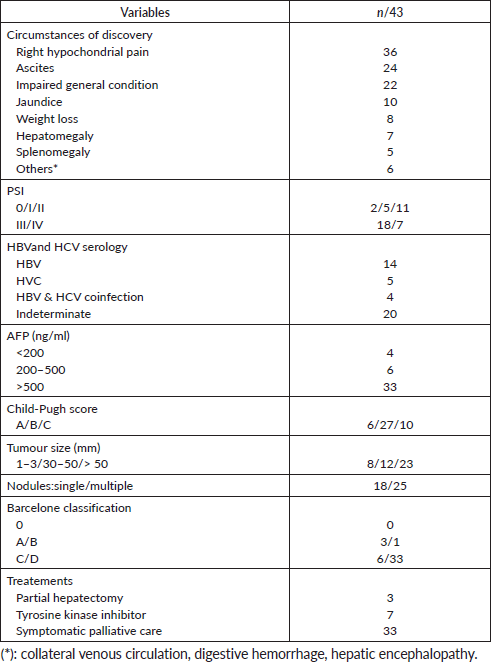
The most frequent circumstances of discovery were: right hypochondrial pain (36/43), ascites (24/43) and impaired general condition (22/43). The signs could be isolated or associated. Alcoholism, defined as documented chronic excessive alcohol consumption, was reported in 29/43 patients. Most patients presented with an altered general condition, with 25/43 classified as performance status III or IV.
On a biological level, serologies for HBV and HCV or a HBV/HCV co-infection were respectively: 14/43, 5/43 and 4/43. AFP was elevated more than 500 ng/ml in 33/43. According to the Child–Pugh classification, 24/43 were class B and 10/43 class C.
On an iconographic level, all patients had benefited from a liver ultrasound; a CT scan was performed in 9/43 patients and no patient was able to undergo an MRI. Cirrhotic features were observed in 22/43 cases. Tumour size was greater than 20 mm in 41/43. Multiple nodules were present in 25/43.
Histological confirmation was obtained in 9/43 cases.
According to the BCLC classification, 33/43 patients were classified as stage D. Curative treatement (partial hepatectomy) was performed in 3/43 patients. Thyrosine kinase inhibitors were administred in 7/43; symptomatic palliative care was provided to 33/43 cases.
Table 2 shows the details of these clinico-biological, radiological and therapeutic characteristics.
Table 1. Sociodemographic characteristics of HCC patients at CHU Analankininina Toamasina.
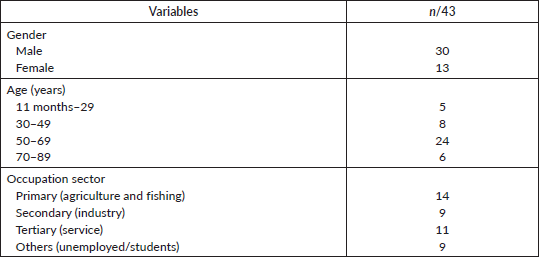
Table 2. Clinico-biological, radiological and therapeutic characteristics of HCC patients at CHU Analankininina Toamasina.
Discussion
Epidemiological profile
This study highlights several epidemiological characteristics of the HCC cases observed over a given period. The population studied is predominantly male (M:F = 2.31) (69.77%), which is consistent with trends observed at the national, African and global levels. Ranaivomanana et al [1], in a study at CHU Tambohobe Fianarantsoa, reported six cases, four of which were men. This male predominance was also observed (69.05%) in a study conducted by Rakotozafindrabe et al [2] at the Joseph Raseta Befelatanana Hospital, Antananarivo. According to data from the World Health Organisation (WHO) and the International Agency for Research on Cancer, HCC affects men two to four times more often than women [3, 4]. This male predominance could be explained by greater exposure to risk factors such as chronic alcoholism, smoking, consumption of food contaminated with aflatoxins and chronic viral hepatitis, especially hepatitis B, which is widespread in sub-Saharan Africa [5]. Hormonal and behavioural factors could also play a role in this disparity [6].
Patients aged 50 to 69 constitute the majority of cases (24/43; 55.81%) with an average age of 52.57 ± 19.74 years, which corresponds to the average age of onset of HCC in many developing countries. In Africa, the disease generally appears at a younger age than in Europe or North America, due to early infection with the HBV, often transmitted perinatally or during early childhood [7, 8]. In Madagascar, epidemiological data remain limited, but the trend of onset at an intermediate or advanced age is shown in the studies by Ranaivomanana et al [1]at CHU Tambohobe Fianarantsoa (49 years) and that of Rakotozafindrabe et al [2] at the Joseph Raseta Befelatanana Hospital, Antananarivo (56.6 years).
The predominance of the primary sector (14/43) among those affected is significant. This sector includes farmers and fishermen, who are often exposed to aflatoxins, toxins produced by molds that grow on poorly stored food (peanuts, corn and rice). These substances are recognised as major risk factors for HCC, especially in association with chronic HBV infection [9, 10]. Furthermore, rural populations have limited access to healthcare, particularly hepatitis screening and vaccination, which contributes to the late diagnosis of HCC [11].
Diagnostic challenges
The late diagnosis of HCC is a recurrent situation in low-resource countries. In the present study, nearly 91% of patients are diagnosed at an advanced stage (Barcelona stages C and D), with revealing clinical signs such as pain, ascites and impaired general condition. AFP greater than 500 ng/ml represented 33/43. This observation is consistent with the results of a study conducted in Antananarivo, where 98% of patients were diagnosed at an advanced stage [2]. Diagnostic delay is also well documented in sub-Saharan Africa: according to the Africa Liver Cancer Consortium, more than 90% of patients are diagnosed at a non-curable stage [12].
The recommended imaging to establish a non-invasive diagnosis was rarely performed. Liver ultrasound was performed in 100% of patients, while an abdominal CT scan was only performed in 20.93% of cases, and no MRI was performed. In addition, anatomopathological confirmation was only obtained in 20.93% (9/43 cases). The present study corroborates the results of the Ranaivomanana study in Tambohobe Fianarantsoa, where the CT scan was performed in 50%, while the biopsy was performed in 16.66% of cases [1]. These results highlight the diagnostic constraints and show a dependence on ultrasound in the absence of generalised access to second-line imaging techniques and histological confirmation.
Abdominal ultrasound is a common HCC screening tool, particularly in at-risk populations, due to its availability, relatively low cost and safety. It allows the detection of liver nodules as part of the surveillance of cirrhotic patients [13]. However, its diagnostic performance is highly operator-dependent and decreases in the face of small lesions or in the presence of hepatic steatosis [14]. Therefore, ultrasound alone does not allow for a certain confirmation of an HCC diagnosis, especially in the absence of typical signs. In addition, the ultrasound in our study was without an injected contrast medium. However, ultrasound without contrast enhancement has limited sensitivity for small lesions and early-stage tumours. Consequently, some cases may have been missed during the early disease stage or diagnosed only when lesions became clinically apparent. This diagnostic limitation may partly explain the high proportion of patients presenting at an advanced stage in our cohort. The lack of access to contrast-enhanced imaging techniques, such as triphasic CT scan or MRI, likely contributed to delayed diagnosis and reduced eligibility for curative treatments. This finding highlights the impact of resource-limited settings on HCC detection and emphasises the need for improved surveillance strategies among high-risk populations, particularly patients with chronic viral hepatitis.
International recommendations, particularly those of the European Association for the Study of the Liver and American Association for the Study of Liver Diseases, advocate the use of dynamic imaging such as CT or MRI with contrast medium injection to establish a non-invasive diagnosis of HCC. The key radiological criterion is based on the combination of arterial enhancement followed by ‘washout’ in the portal or late phase, which has high specificity for HCC [15, 16]. While the majority of cases had a tumour size greater than 2 cm, the absence of dynamic imaging constitutes a significant limitation, likely to compromise early diagnosis, particularly in cases where the nodules do not have typical ultrasound characteristics.
Furthermore, the low rate of anatomopathological confirmation (9/43; 20.93%) reflects limited access to liver biopsy. In a context where dynamic imaging is insufficient or unavailable, biopsy remains essential to confirm the diagnosis [15, 17]. However, it is often avoided due to the risks of complications such as bleeding, tumour dissemination, cost and the lack of qualified human resources in disadvantaged environments [18]. In Toamasina and particularly in the Eastregion, MRI does not exist. Two CT scanners are present, one of which is housed in a public institution. The cost of this examination remains a constraint for most patients. Ultrasound is available to everyone, but very often without an injection. Liver biopsy is rarely performed in this region due to a lack of an adequate technical platform.
Therapeutic situation
The diagnostic delay compromises curative options, limiting access to potentially effective treatments. A small proportion of patients had benefited from partial hepatectomy, 3/43 (6.98%). In the literature, surgery is a preferred option for patients with preserved liver function and a single tumour without vascular invasion or metastasis [15]. However, in our study population, cases were very often seen with nodules larger than 20 mm and multiple. The detection of early cases is very limited in our context. Rakotozafindrabe et al [2] reported a result comparable to our study; curative treatment represented only 2.38%.
The use of targeted therapies, particularly tyrosine kinase inhibitors like sorafenib, was observed in 7/43 cases. This modest rate can be attributed to the high cost of these treatments and their limited accessibility in the country. Sorafenib, the first systemic treatment approved for advanced HCC, modestly improves survival but remains expensive and its side effects are often poorly tolerated, which could limit prolonged use [19].
Finally, a significant proportion of patients 33/43 were managed only with symptomatic palliative care. This result is consistent with that observed at the Gastroenterology-Hepatology department in Befelatanana Antananarivo, where 97.62% of patients had received symptomatic palliative care [2]. This therapeutic choice is necessary due to the advanced stage of the disease, the patient’s altered general condition or the inaccessibility of curative and systemic treatments. In many African and Asian contexts, this orientation is frequent and highlights the need to strengthen prevention, screening and equitable access to treatment strategies [13, 20]. In total, conservative surgery can be performed within the hospital. Liver transplantation and all types of radiotherapy do not exist in the Region or throughout the country. Other loco-regional treatments such as radiofrequency or percutaneous ethanol injection, and chemoembolisation are not available. The use of targeted therapy and/or immunotherapy remains very limited due to the cost of these treatments. Very often, patients benefit from symptomatic palliative care.
Suggestions
These results highlight the major diagnostic and therapeutic challenges in the management of HCC in a low-resource setting: diagnostic delay, insufficient infrastructure and the high cost of innovative treatments. This situation reiterates the importance of strengthening primary and secondary prevention actions.
Vaccination against the HBV is the main lever for primary prevention of HCC. The WHO recommends administering a dose at birth followed by two to three additional doses in the following months [21]. In Madagascar, HBV vaccination has been integrated into the Expanded Program on Immunisation since 2002, with coverage estimated at around 70% for the three doses, but the birth dose is not yet systematically administered [22, 23]. However, this dose is essential to prevent vertical transmission, the main source of chronic infection in countries with intermediate to high endemicity [24].
In addition to HBV, the other major factors of HCC are HCV infection, chronic alcoholism, aflatoxicosis, non-alcoholic steatohepatitis and metabolic diseases [25]. In Madagascar, as in several African countries, co-exposure to HBV and aflatoxin B1 is becoming particularly worrying [26]. It is therefore necessary to strengthen the universal administration of the birth dose of the HBV vaccine, secondary prevention by active screening of chronic HBV/HCV carriers and their antiviral treatment and the fight against alcoholism. The fight against aflatoxin involves improving agricultural and storage practices, an area still not well controlled in Madagascar despite the efforts of some agricultural projects [27].
The GALAD score allows for early diagnosis. It is composed of five parameters: gender, age, AFP, its L3 fraction and Des-gamma-carboxyprothrombin (DCP or PIVKA-II) and has been validated in several multicenter studies, showing a performance superior to that of AFP alone, particularly for the detection of early forms of HCC [28]. In a multicenter study conducted by Best et al [28] grouping patients from the United Kingdom, Germany and Japan, the GALAD score showed an area under the curve (AUC) of 0.97 for the diagnosis of HCC, compared to 0.76 for AFP alone. Another study by Singal et al [29], conducted in the United States, reported an AUC of 0.95 for GALAD in a cohort of cirrhotic patients, confirming its diagnostic superiority. A recent study by Nartey et al [30] in Ghana reported that the GALAD score has a sensitivity of 81% and a specificity of 86%. In Nigeria, Akinyemiju et al [31] evaluated the applicability of GALAD and reported good sensitivity, but logistics remain a challenge for its implementation. The GALAD score represents a promising tool in the early detection of HCC, with excellent diagnostic accuracy. Its implementation in health systems, however, requires a cost-effectiveness evaluation and adaptation to regional realities.
Conclusion
This study provides insight into the epidemiological and clinical characteristics of HCC in a teaching hospital in Toamasina Madagascar, where patients predominantly present at advanced disease stages. Late diagnosis, limited diagnostic resources and restricted access to specialised treatments significantly influence therapeutic options and prognosis. Improving early detection represents the most effective strategy to reduce HCC mortality in this setting. Strengthening hepatitis prevention programs, implementing systemic surveillance for high-risk population and improving access to diagnostic imaging should be prioritised. Future health policies should focus on early screening, decentralisation of diagnostic facilities and capacity building in liver cancer management to improve patient outcomes in Madagascar.
Acknowledgments
The authors would like to thank the members of the three departments where we conducted the study in the University Hospital Analankininina Toamasina.
Conflicts of interest
No conflicts of interest to declare.
Funding
This research was not supported by any specific grants from public, commercial or nonprofit funding agencies.
Reference
1. Ranaivomanana M, Rakotovao A, and Fanantenantsoa R (2017) Étude préliminaire épidémio-clinique des carcinomes hépatocellulaires observés au Centre Hospitalier Universitaire Tambohobe FianarantsoaRevue Médicale De Madagascar7(1) 779–782
2. Rakotozafindrabe ALR, Razafindrazoto CI, and Laingonirina DHH, et al (2022) Demographic, clinical and aetiological characteristics of patients with hepatocellular carcinoma followed between 2012 and 2017 at University Hospital Joseph Raseta Befelatanana, Antananarivo, Madagascarecancer16 1466 https://doi.org/10.3332/ecancer.2022.1466
3. World Health Organization (2022) Global Cancer Observatory: Liver cancer fact sheet [https://gco.iarc.fr/]
4. International Agency for Research on Cancer (IARC) (2022) Cancer Today: Liver Cancer Incidence and Mortality (Lyon, France: International Agency for Research on Cancer) [https://gco.iarc.fr/today]
5. Schweitzer A, Horn J, and Mikolajczyk RT, et al (2015) Estimations of worldwide prevalence of chronic hepatitis B virus infection: a systematic reviewLancet386(10003) 1546–1555 https://doi.org/10.1016/S0140-6736(15)61412-X PMID: 26231459
6. Naugler WE, Sakurai T, and Kim S, et al (2007) Gender disparity in liver cancer due to sex differences in MyD88-dependent IL-6 productionScience317(5834) 121–124 https://doi.org/10.1126/science.1140485 PMID: 17615358
7. Yang JD, Hainaut P, and Gores GJ, et al (2019) A global view of hepatocellular carcinoma: trends, risk, prevention and managementNature Rev Gastroenterol & Hepatol16(10) 589–604 https://doi.org/10.1038/s41575-019-0186-y
8. Ott JJ, Stevens GA, and Groeger J, et al (2012) Global epidemiology of hepatitis B virus infection: new estimates of age-specific HBsAg seroprevalenceVaccine30(12) 2212–2219 https://doi.org/10.1016/j.vaccine.2011.12.116 PMID: 22273662
9. Liu Y and Wu F (2010) Global burden of aflatoxin-induced hepatocellular carcinoma: a risk assessmentEnviron Health Perspect118(6) 818–824 https://doi.org/10.1289/ehp.0901388 PMID: 20172840 PMCID: 2898859
10. Wild CP and Gong YY (2010) Mycotoxins and human disease: a largely ignored global health issueCarcinogenesis31(1) 71–82 https://doi.org/10.1093/carcin/bgp264
11. World Health Organization, Regional Office for Africa. (2021). Hepatitis situation and response in the WHO African Region: Progress report 2021.
12. Yang JD, Mohamed EA, and Aziz AOA, et al (2017) Characteristics and outcomes of hepatocellular carcinoma in Africa: the Africa Liver Cancer ConsortiumLancet Gastroenterol & Hepatol2(2) 103–111 https://doi.org/10.1016/S2468-1253(16)30161-3
13. Forner A, Reig M, and Bruix J (2018) Hepatocellular carcinomaLancet391(10127) 1301–1314 https://doi.org/10.1016/S0140-6736(18)30010-2 PMID: 29307467
14. Singal AG, Mittal S, and Yerokun OA, et al (2017) Hepatocellular carcinoma screening in patients with cirrhosis in a US cohortCancer Epidemiology Biomarkers & Prevention26(3) 396–402 https://doi.org/10.1158/1055-9965.EPI-16-0845]
15. Galle PR, Forner A, and Llovet JM, et al (2018) EASL Clinical Practice Guidelines: management of hepatocellular carcinomaJ Hepatol69(1) 182–236 https://doi.org/10.1016/j.jhep.2018.03.019
16. Singal AG, Llovet JM, and Yarchoan M, et al (2023) AASLD practice guidance on prevention, diagnosis, and treatment of hepatocellular carcinomaHepatology78(6) 1922–1965 https://doi.org/10.1097/HEP.0000000000000466 PMID: 37199193 PMCID: 10663390
17. Omata M, Cheng AL, and Kokudo N, et al (2017) Asia-Pacific clinical practice guidelines on the management of hepatocellular carcinoma: a 2017 updateHepatol Int11(4) 317–370 https://doi.org/10.1007/s12072-017-9799-9 PMID: 28620797 PMCID: 5491694
18. Heimbach JK, Kulik LM, and Finn RS, et al (2018) AASLD guidelines for the treatment of hepatocellular carcinomaHepatology67(1) 358–380 https://doi.org/10.1002/hep.29086
19. Cheng AL, Kang YK, and Chen Z, et al (2009) Efficacy and safety of sorafenib in patients in the Asia-Pacific region with advanced hepatocellular carcinoma: a phase III randomised, double-blind, placebo-controlled trialLancet Oncol10(1) 25–34 https://doi.org/10.1016/S1470-2045(08)70285-7
20. Ginsburg O, Bray F, and Coleman MP, et al (2017) The global burden of women’s cancers: a grand challenge in global healthLancet389(10071) 847–860 https://doi.org/10.1016/S0140-6736(16)31392-7
21. Organization WH (2017) Hepatitis B vaccines: wHO position paper, July 2017Weekly Epidemiological Rec92(27) 369–392
22. Ministère de la Santé Publique à Madagascar (2022) Rapport annuel du Programme Élargi de Vaccination (PEV) (Paris: Ministère de la Santé Publique à Madagascar)
23. UNICEF (2023) Immunization dashboard Madagascar [https://data.unicef.org/resources/immunization-dashboard]
24. Hyams KC (1995) Risks of chronicity following acute hepatitis B virus infection: a reviewClin Infect Dis20(4) 992–1000 https://doi.org/10.1093/clinids/20.4.992 PMID: 7795104
25. Mcglynn KA and London WT (2011) The global epidemiology of hepatocellular carcinoma: present and futureClinics Liver Dis15(2) 223–243 https://doi.org/10.1016/j.cld.2011.03.006
26. Andriamandimby SF, Rakoto-Andrianarivelo M, and Randrianarisoa E, et al (2021) Prevalence of hepatitis B and aflatoxin exposure among children in MadagascarBMC Public Health21 1342 https://doi.org/10.1186/s12889-021-11360-y]
27. Kouadio JH, Dano DS, and Meka S, et al (2020) Strategies for reducing exposure to aflatoxin in Sub-Saharan Africa: a reviewAfr J Food Sci14(9) 275–282 https://doi.org/10.5897/AJFS2020.1970]
28. Best J, Bechmann LP, and Sowa JP, et al (2016) GALAD score detects early hepatocellular carcinoma in an international cohort of patients with nonalcoholic steatohepatitisGastroenterology150(6) 153–163 https://doi.org/10.1053/j.gastro.2016.01.021]
29. Singal AG, Tayob N, and Mehta A, et al (2017) Validation of the GALAD model for hepatocellular carcinoma detection in patients with cirrhosisGastroenterology152(5) 1137–1145 https://doi.org/10.1053/j.gastro.2016.12.029]
30. Nartey YA, Yang JD, and Zemla TJ, et al (2024) GALAD score for the diagnosis of hepatocellular carcinoma in Sub-Saharan Africa: a validation study in Ghanaian patientsCancer Res Commun4(10) 2653–2659 https://doi.org/10.1158/2767-9764.CRC-24-0227 PMID: 39324700 PMCID: 11465414
31. Akinyemiju T, McDonald JA, and Lazenby GB, et al (2020) Disparities in hepatocellular carcinoma occurrence and outcomes among African Americans and other ethnic groups: implications for cancer surveillance and risk modelsCancer Epidemiol Biomark Prev29(1) 112–120 https://doi.org/10.1158/1055-9965.EPI-19-0521]