
Knowledge and practice gaps despite favourable attitudes towards Kaposi sarcoma among people living with HIV in Tanzania
Zakayo Ernesti1,2a, Emanuel Lugina1,3b, Chacha J Mwita1c, Felister Tupa1d, Herriethsiah S Noah1,2e, John R Ngowi1f, Charles Wood4, Julius Mwaiselage1,3g and Salum J Lidenge1,3h
1Clinical Research Training and Consultancy Unit, Ocean Road Cancer Institute, Dar es Salaam 3592, Tanzania
2School of Public Health, Louisiana State University Health Sciences Center, New Orleans, LA 70112,
3Department of Clinical Oncology, Muhimbili University of Health and Allied Sciences, Dar es Salaam 65001, Tanzania
4Department of Interdisciplinary Oncology, Louisiana State University Health Sciences Center, New Orleans, LA
ahttps://orcid.org/0009-0006-0591-1323
bhttps://orcid.org/0000-0002-9083-4302
chttps://orcid.org/0000-0003-4685-0142
dhttps://orcid.org/0000-0002-4005-8704
ehttps://orcid.org/0009-0008-3726-4639
fhttps://orcid.org/0000-0002-3583-1758
ghttps://orcid.org/0000-0002-0322-9981
hhttps://orcid.org/0000-0002-0574-6595
Abstract
Purpose: Kaposi sarcoma (KS) remains a significant AIDS-defining malignancy in sub-Saharan Africa. In Tanzania, limited public awareness and persistent stigma hinder early diagnosis and treatment of KS. We assessed the influence of socio-demographics on knowledge, attitudes and practices (KAPs) related to KS among people living with HIV (PLWH) attending HIV care and treatment clinics (CTCs) in Tanzania.
Methods: A cross-sectional survey of 302 PLWH from 10 CTCs in Dar es Salaam [January–June, 2023] assessed socio-demographics and KAP among patients with KS using structured questionnaires. Descriptive statistics, bivariate analyses and multivariate linear regression were performed to identify factors associated with KAP outcomes.
Results: Among the 302 respondents with a median age of 41 (32–50) years, 203 (67.2%) were female, 182 (60.3%) were aged 35–49 years, 148 (59%) were married, 158 (52.3%) had primary education, and 189 (62.6%) earned <100,000 TZS monthly. KS knowledge was generally low (11.6%), with up to 208 (68.9%) being unaware of the disease; higher knowledge was associated with college education (p < 0.001), attending a lower-level facility (p < 0.001) and better income (p = 0.02). Positive attitudes (70%) were common among the college-educated (p < 0.002), but less common among PLWH at lower-level facilities (p < 0.001). Practices were poor (32.8%) but improved among married participants (p = 0.046). Knowledge weakly correlated with practice (ρ = 0.13; p = 0.003) and practice with attitude (ρ = 0.20; p < 0.001), with no knowledge–attitude correlation (ρ = 0.087; p = 0.13).
Conclusion: Despite positive attitudes towards KS, knowledge and practices among PLWH attending CTC in Tanzania remain poor. Targeted approaches that consider clients’ demographics are needed to improve KS KAP.
Keywords: Kaposi sarcoma, HIV/AIDS, knowledge, attitudes and practices, Tanzania, cancer awareness.
Correspondence to: Salum Lidenge
Email: sjlidenge@yahoo.co.uk
Published: 13/10/2026
Received: 09/02/2026
Publication costs for this article were supported by ecancer (UK Charity number 1176307).
Copyright: © the authors; licensee ecancermedicalscience. This is an Open Access article distributed under the terms of the Creative Commons Attribution License (
Introduction
Cancer is a growing global health challenge [1], with an estimated 20 million new cases and 9.7 million cancer-related deaths reported in 2022 [2]. Projections indicate that by 2030, 17 million cases of cancer will occur annually, with ~70% of these deaths occurring in low- and middle-income countries (LMICs) [2,3]. Among the various risk factors, HIV has been recognised as a significant contributor to the cancer burden, particularly through its association with AIDS-defining cancers such as Kaposi sarcoma (KS), non-Hodgkin lymphoma and cervical cancer [4,5]. In sub-Saharan Africa (SSA), where the prevalence of HIV remains high [6], these cancers are still major causes of illness and death among people living with HIV (PLWH) [7–10].
KS, caused by Kaposi sarcoma-associated herpesvirus (KSHV), is the most common cancer diagnosed among PLWH in Tanzania and other parts of SSA [10,11]. HIV-induced immunosuppression significantly increases susceptibility to KSHV infection and potentiates KS development [10,12]. Despite advances in HIV care, particularly the scale-up of antiretroviral therapy (ART), KS continues to pose a serious health burden [13–15]. In Tanzania, ~1,300 new KS cases were diagnosed in 2020 [16]. Alarmingly, 60%–82% of these cases are detected at an advanced stage as per the AIDS Clinical Trials Group staging system [17], even among PLWH who regularly visit care and treatment clinics (CTCs) for ART refills [18,19]. Advanced-stage diagnosis is often associated with poor treatment outcomes, high healthcare costs and increased mortality [20,21].
One of the critical barriers to improved outcomes in KS care is late presentation [22–24]. This pattern of late presentation is driven by a range of factors, including low awareness of KS symptoms, negative attitudes such as stigma, some poor practices such as reliance on traditional healers [25–27] and weak integration of cancer screening into HIV care services [28–30]. At the individual level, knowledge about KS among PLWH is limited [27,31]. Many are unaware that the etiologic agent of KS is a virus, KSHV. Infection by this virus is required for KS development, but not all infected individuals develop KS. In PLWH, HIV weakens the immune system in ways that enable cancers such as KS to develop more frequently [10,12]. Poor recognition of early KS symptoms leads to delayed diagnosis [27,31]. Studies in SSA have consistently reported low to moderate levels of KS knowledge among both the general population and PLWH, including those with high adherence to ART and HIV viral suppression [32,33]. This knowledge gap delays early detection and intervention, reducing the effectiveness of available treatment options [34].
In addition to knowledge barriers, negative attitudes such as KS-related stigma and poor practices play a significant role in late KS presentation [31,34]. KS often presents with visible skin lesions that are difficult to conceal; however, owing to associated stigma, fear and shame, some patients opt to isolate themselves from society, leading to late presentation [31]. The visible nature of KS lesions reinforces the stigma associated with HIV, further discouraging individuals from seeking timely medical care [27]. Negative attitudes, driven by misconceptions about the disease, contribute to psychological distress and the avoidance of health facilities [34].
In addition to knowledge and attitudes, practice-related behaviours also represent a critical but underexplored barrier to timely KS detection and care [27]. Studies in SSA report that many PLWH engage in health-seeking behaviours that delay formal care, including reliance on traditional healers and a reluctance to discuss symptoms with healthcare providers or family members. Such behaviours are often reinforced by stigma, limited access to KS-specific education [35] and cultural beliefs about illness and treatment [33]. For example, traditional beliefs may attribute visible skin changes to spiritual causes or witchcraft, delaying appropriate biomedical responses. Despite these challenges, there is limited research exploring how these poor practices vary across sociodemographic groups or how they can be effectively addressed within HIV care settings. Understanding these behavioural dimensions is essential for designing effective, context-specific interventions that go beyond awareness and address the behavioural gaps that prevent early KS diagnosis and care engagement.
While existing research has focused heavily on HIV/AIDS awareness, there is a critical gap in understanding how sociodemographic factors influence KS knowledge, attitudes and practice (KAP) among high-risk populations, especially in LMICs such as Tanzania. Addressing this gap is essential for informing targeted educational interventions, improving early detection and ultimately reducing the morbidity and mortality associated with KS. Therefore, this study was conducted to assess the current levels of KAP regarding KS among PLWH attending CTCs in Dar es Salaam, Tanzania, and to identify sociodemographic correlates that could inform targeted interventions.
Methods
Study design and setting
We conducted a cross-sectional study to assess KAP related to KS among PLWH attending CTCs in Dar es Salaam, Tanzania. Data collection took place over 6 months, from January 2023 to June 2023. The study sites included all five municipalities of Dar es Salaam: Kinondoni, Ilala, Temeke, Ubungo and Kigamboni, which were selected based on the presence of CTCs offering comprehensive care and treatment services to PLWH.
Study sites and sampling
In the first stage, we employed a multistage random sampling approach to identify the study sites [36,37]. All five municipalities were included as primary sampling units to ensure geographic representativeness across the study area [38]. Within each municipality, two CTCs were randomly selected via computer-generated random numbers. The selection of two clinics per municipality was intended to optimise within-municipality variation while remaining logistically feasible given the available time and resources. This strategy resulted in the sampling of a total of ten CTCs across the five municipalities.
In the second stage, we targeted all PLWH attending the CTCs within the selected municipalities. Given the lack of prior data on the proportion of PLWH with KS knowledge in Tanzania, we estimated this proportion at 25%. Using a 95% confidence interval (Z = 1.96) and a 0.05 margin of error (d), the minimum sample size required for the study was calculated as 288 participants using the Kish and Lisle formula (1965) [39].
As of our sample size estimate, we successfully recruited 302 participants. At each CTC location, participants were randomly recruited into the study and were asked to complete the survey during their regular clinic visits at their discretion. All participants consented to be included in the study, which involved PLWH aged 18 years and older who were attending the selected CTCs in Dar es Salaam.
Study instrument and KAP scoring
Data were collected via a paper-based, validated, structured self-administered questionnaire. To construct the outcome variables for KAP regarding KS, we selected a subset of items from the broader assessment tools used in the questionnaire. This selection was based on both conceptual relevance and the distribution of responses, a strategy recommended in KAP studies where awareness levels are low, and item performance may vary [40]. Specifically, we prioritised items that addressed the core concepts of KS awareness, transmission, symptoms, stigma and health-seeking behaviours. Items with high rates of missing data, excessive neutrality or limited discriminatory value were excluded to enhance the validity and interpretability of the classifications [40,41].
Statistical analysis
The completed questionnaires were first manually reviewed and verified by the research team and then sorted by a biostatistician to check for errors and completeness. The data were then entered into a Microsoft Excel spreadsheet via a double-entry method to minimise transcription errors and enhance accuracy. The cleaned dataset was subsequently imported into IBM SPSS Statistics version 27 for statistical analysis.
The Shapiro–Wilk test was used to assess the normality of the quantitative data. Continuous variables such as age, being non-normally distributed, were summarised using medians and interquartile ranges (IQRs). Categorical variables were summarised using frequencies and proportions. For comparisons, the Mann–Whitney U test was applied for nonparametric comparisons of medians. Where necessary, the variables were dichotomised into ‘agree’ or ‘disagree’ categories to facilitate the determination of predictors of poor knowledge.
Most items in the questionnaire included three response options: ‘agree’, ‘unsure’ and ‘disagree’. For the knowledge and practice sections, a correct response was awarded one point, whereas an incorrect or unsure response was awarded 0 points. Unsure attracted 0 points in the knowledge and practice domains. For the attitude domain, responses were scored on a three-point Likert scale, with ‘agree’, ‘unsure’ and ‘disagree’ assigned values of three, two and one, respectively. For negatively worded items, scores were reverse-coded to maintain consistency. The composite scores were then converted into percentages.
The percentage scores were classified via modified Broom’s cut-off points: ≥70%: high knowledge, positive attitude, or good practice; 50%–69%: moderate knowledge, neutral attitude or intermediate practice; and <50%: poor knowledge, negative attitude, or poor practice. The internal consistency of the attitude domain was evaluated via Cronbach’s alpha, which measures how reliably the items within that domain assess the same concept.
The Spearman correlation coefficient test was administered to determine the correlations between knowledge and attitudes, knowledge and practices and attitudes and practices.
To simplify the determination of predictors of KAP domains, all multichotomous independent variables were converted into dichotomous variables. A Mann‒Whitney test was used to determine predictors of KAP domains in the univariate analysis. To further examine the predictors of the KAP domains, multivariate linear regression models were fitted for each KAP domain. Variables with p values ≤ 0.2 in the bivariate analyses were entered into the multivariate linear regression models. A statistically significant difference between groups was determined at the 95% confidence level (p value < 0.05).
Results
Demographic characteristics
A total of 302 questionnaires were distributed in the study area. The recorded response rate was 100%. Most respondents were female (67.2%), with a median age of 41 (32–50) years. Most respondents were married (59%) and had a primary school education (52.3%). The majority of respondents (62.6%) had a monthly income of <100,000 TZS, which is below the minimum wage according to Tanzania’s Prime Minister’s Office, Labor, Youth, Employment, and Persons with Disabilities 2025 Report. The respondents came from all five districts of Dar es Salaam (~20% per district). The demographic characteristics of the respondents are described in Table 1.
Assessment of the participants’ KS knowledge
Table 2 shows that the respondents scored at a low mean level on all the questions in the knowledge domain. The most common response was unsure across all the questions in the KS knowledge domain, and ~68.9% of the respondents had never heard about KSHV (Figure 1). Awareness of the cancerous nature of the disease (20.5%), opportunistic profile (12.6%) and viral cause (8.9%) was poor. Knowledge of clinical signs such as skin (13.9%) and oral lesions (7.6%) was also limited. Misconceptions were common, although a minority correctly rejected false beliefs such as transmission via handshakes (9.6%), clothing (7.1%), mosquito bites (9.9%), witchcraft (12.6%) or shared toilets (10.9%).
Assessment of participants’ attitudes towards KS
Items 7–9 were negatively worded items and, therefore, were reverse-coded to ensure consistency across all the items in the scale. The mean score across all items in the attitude domain towards KS indicated a positive attitude, except for the items assessing willingness to share eating utensils, whose score indicated a neutral attitude. The Cronbach’s alpha was 0.7, indicating good internal consistency of the test items on the attitude domain towards KS (Table 3). Among the most important results concerning attitudes (Figure 2), 58.6% of the respondents agreed that they are susceptible to developing KS. In comparison, only 14.2% of the respondents reported that KS is a disease of prostitutes and men who have sex with men (MSM) (Figure 2).
Table 1. Demographic characteristics.
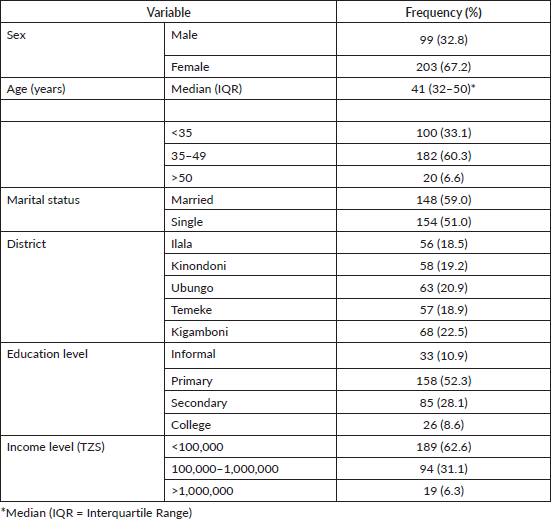
Table 2. KS knowledge.
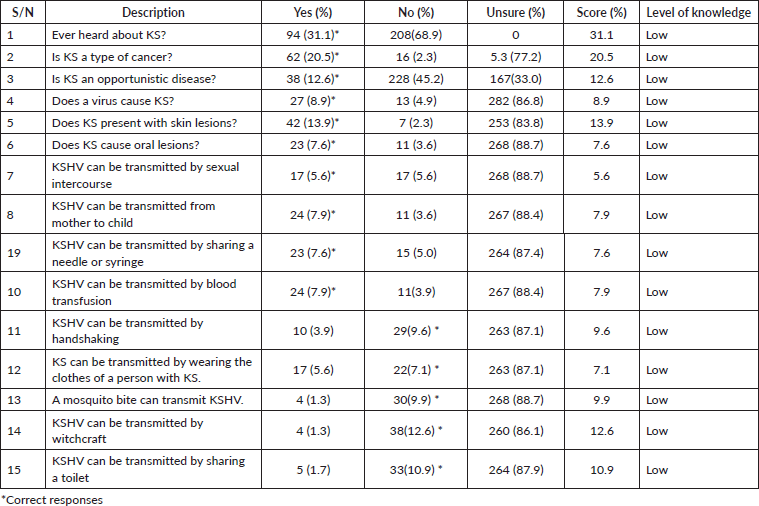
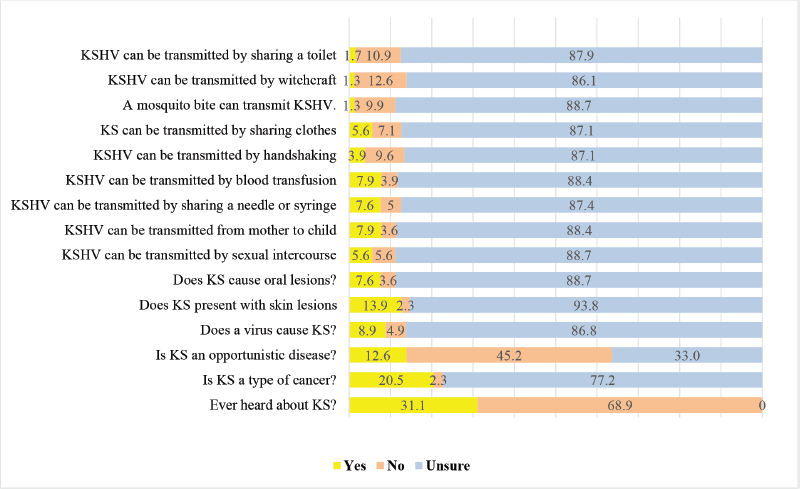
Figure 1. Response patterns to questions about KS knowledge.
Table 3. Participants’ attitudes towards KS.
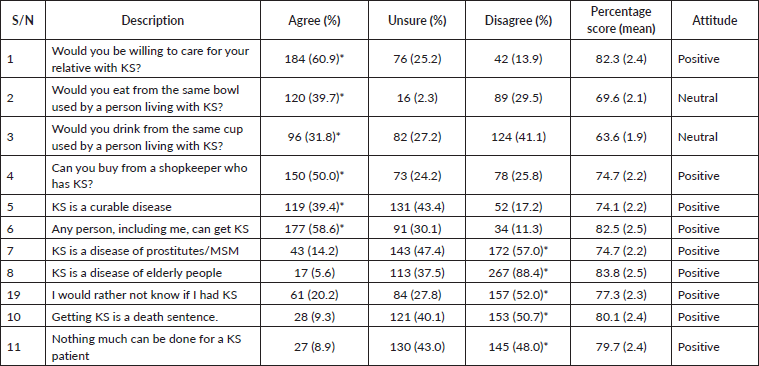
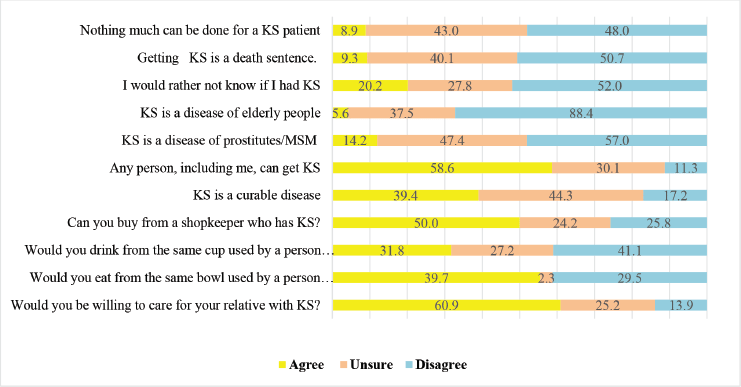
Figure 2. Response patterns to questions about attitudes towards KS.
Assessment of participants’ Practices towards KS
The mean score for most items indicated poor practice, except for items one, two and six, which showed intermediate practice (Table 4). On the basis of the questions about the practices of the respondents regarding KS, ~37.4% of the respondents said they once visited a traditional healer. Nevertheless, 15.6% of the respondents agreed that traditional healers can cure KS. Only 20.5% of the respondents said that their mouth was examined, and only 17.5% of patients were asked to undress before skin examination during one of the clinic visits (Figure 3).
KAP domain scoring
The data were standardised on a 0–100 scale to evaluate respondents’ performance across the KAP domain. The results indicated a low level of knowledge, with an overall score of 11.6%. In contrast, the attitude domain reflected a generally positive outlook, with an overall score of 70%. However, the practice domain was characterised by poor performance, with an overall score of 32.8% (Figure 4). These findings highlight a significant gap between knowledge and practice, despite a predominantly positive attitude (Table 5).
A significant majority of the respondents exhibited low levels of knowledge, accounting for 89.1% of the sample. Conversely, nearly half of the respondents (49.7%) demonstrated a positive attitude towards KS. However, the prevalence of poor practices was notably high, with 91.1% of respondents engaging in behaviours classified as inadequate (Figure 5).
Bivariate analysis of associations between sociodemographic factors and KAP domains
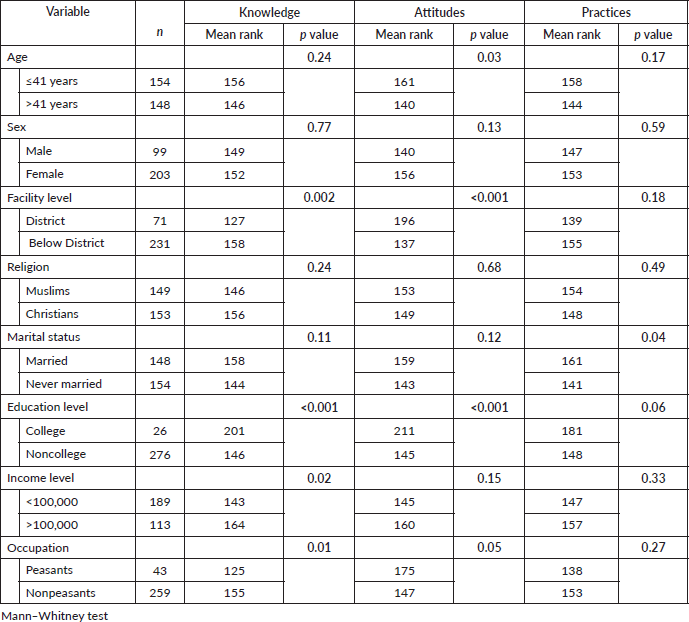
Bivariate associations between sociodemographic characteristics and KAP domains were assessed using the Mann–Whitney U test.
Knowledge score distributions differed significantly by facility level, education level, income and occupation. Higher-ranked knowledge scores were observed among respondents attending health centres or dispensaries compared with district hospitals (p = 0.002), those with college-level education compared with non-college education (p < 0.001), individuals earning >100,000 TZS compared with lower earners (p = 0.02) and non-peasants compared with peasants (p = 0.01). No significant associations were observed for age, sex, religion or marital status.
Table 4. KS practices.
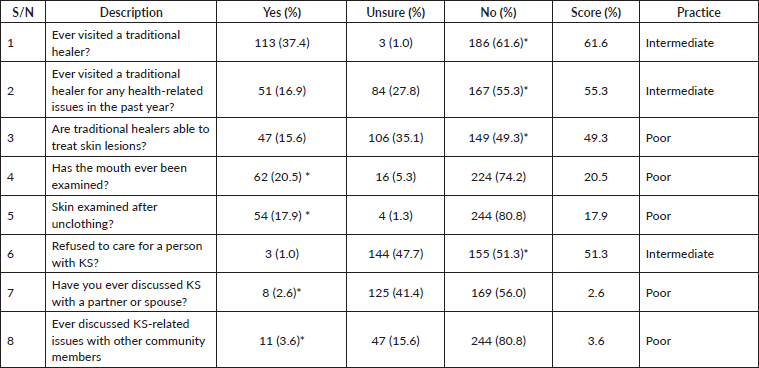
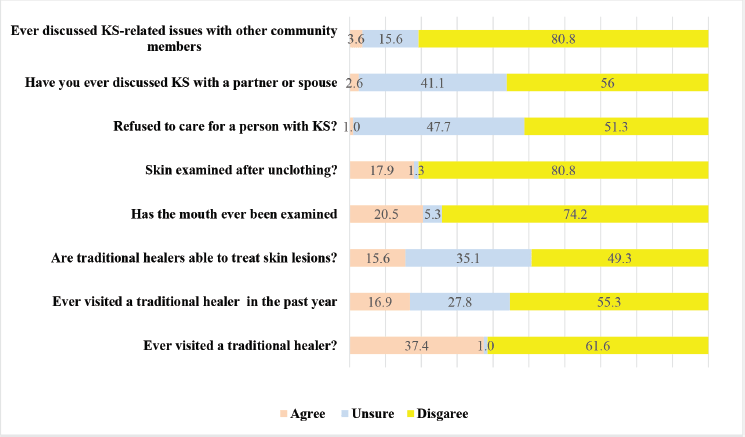
Figure 3. Response patterns to questions about KS practices.
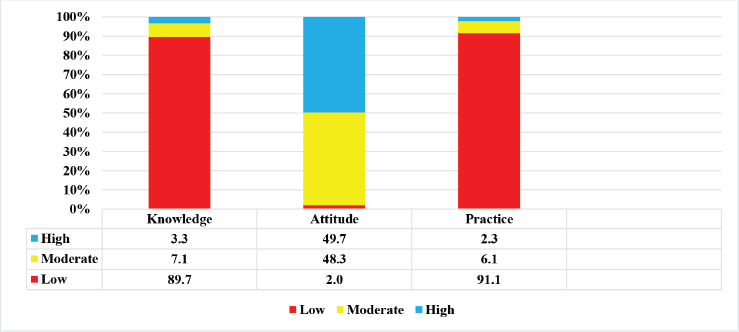
Figure 4. Categories of the KAP domains.
Table 5. The number of questions, range score and level of KAPs.

Attitude scores were significantly associated with age, facility level and education level. Respondents older than 41 years had higher-ranked attitude scores than younger respondents (p = 0.03). Higher-ranked attitude scores were also observed among respondents attending district hospitals compared with lower-level facilities (p < 0.001) and those with college-level education compared with non-college education (p < 0.001). Other variables were not significantly associated with attitude scores.
Practice scores differed significantly only by marital status, with married respondents demonstrating higher-ranked practice scores than never-married respondents (p = 0.04). No other sociodemographic variables were significantly associated with practice scores (Table 6).
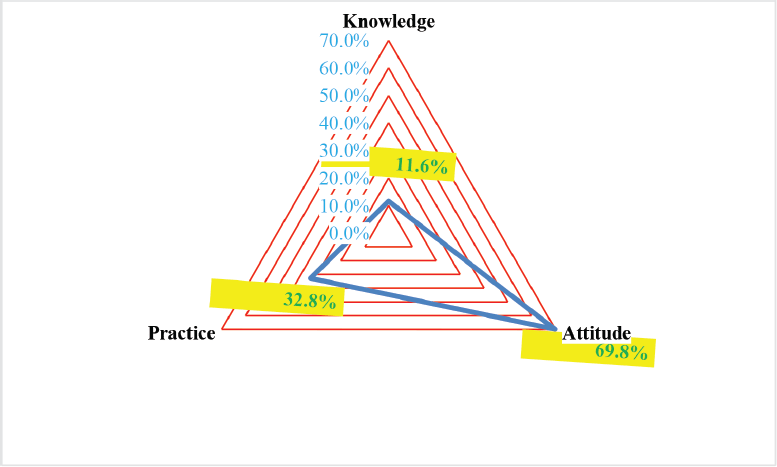
Figure 5. Radar plot summarising the mean overall score on all the KAP domains.
Table 6. Bivariate analysis of associations between sociodemographic factors and KAP domains.
Multivariate analysis of predictors of KAP domains
The results of the regression analyses revealed several significant predictors across the different KAP domains. Facility level (b = 9.9, p < 0.001) and education level (b = -23.2, p < 0.001) were significant predictors of knowledge. Facility level (b = -6.7, p < 0.001), education level (b = -7.2, p = 0.002) and occupation type (b = -4.8, p = 0.009) were significant predictors of attitude. Marital status (b = -4.4, p = 0.046) was the only predictor of practice (Table 7).
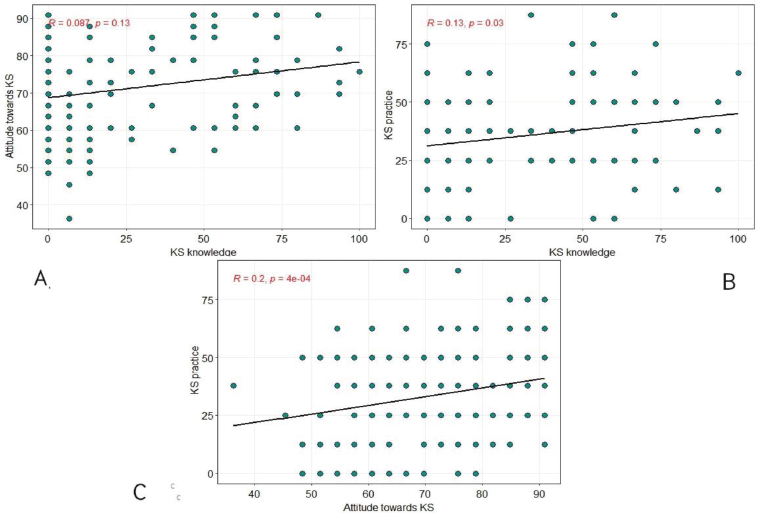
The scatterplot analysis indicated that the relationships between various domains of knowledge, attitudes and practices are linear, which justifies the use of the Spearman correlation test (Figure 6). The results of the Spearman correlation analysis indicate a statistically significant, albeit weak, positive correlation between knowledge and practice (ρ = 0.13, p = 0.003), as well as between practice and attitude (ρ = 0.20, p < 0.001). Conversely, no significant correlation was observed between knowledge and attitude (ρ = 0.087, p = 0.13).
Table 7. Multivariate analysis of predictors of KAP domains.
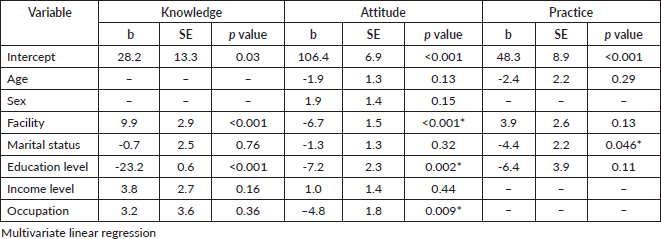
Figure 6. Scatterplot for KAP domains.
Discussion
This study assessed the sociodemographic correlates of KAP regarding KS among PLWH attending the CTC in Dar es Salaam, Tanzania. The results revealed marked disparities in KS-related awareness and behaviour across educational levels, occupations, genders and income groups, with broader implications for stigma. Because over three-quarters of documented PLWH in Tanzania are women, our cohort had a higher proportion of female participants (67.2%). This observation may also be attributed to the higher HIV prevalence among women in Tanzania [42], potentially leading to a larger representation of women in studies focusing on PLWH.
Consistent with previous findings from Fisher et al and Phipps et al [20,43], participants’ education was reported as a key determinant of KS knowledge and attitudes. The participants with a college or university education presented the highest levels of knowledge and positive attitudes towards KS, positioning them as proxies for participant insight in the context of HIV care. This aligns with Collier et al [31] and Laker-Oketta et al [35], who reported that individuals’ knowledge gaps are major contributors to delayed KS diagnosis and management in SSA, suggesting the need to leverage educated clients as peer health educators. However, these findings should be interpreted in the context of those we studied: PLWH presenting to CTCs. Besides formal education, these individuals receive ongoing health education and counselling targeted to HIV-related conditions like KS, which may have increased lay knowledge about KSHV compared to the general population. Future studies can investigate the relationship between CTC-based health education practices and KSHV knowledge, with differential impact across educational levels.
Facility level also significantly predicted KS knowledge and attitudes, with participants attending health centres and dispensaries demonstrating greater knowledge and more positive attitudes than those at district hospitals did. Perhaps decentralised healthcare services to lower facilities may offer better opportunities for patient education or community engagement than larger district hospitals do, potentially due to differences in patient–provider interactions or resource allocation [44,45]. Higher-level health services are often limited by patient–provider interactions [46]. Tailoring interventions by facility type could enhance KS-related health communication strategies and optimise reach.
Although income was not a significant predictor in multivariate models, its bivariate association with KS knowledge highlights socioeconomic status as a potential barrier to accessing accurate health information, with lower income possibly limiting engagement with health services and exposure to educational campaigns, underscoring the need for equity-focused messaging and targeted outreach to vulnerable populations [47].
The stigma operationalised here as a limitation in KS-related health-seeking practices remains a central challenge. Our study revealed poor practice scores among peasants and unemployed participants, mirroring Collier et al’s [31] qualitative findings, where stigma surrounding HIV and cancer hindered timely KS care. Jedy-Agba et al [34] similarly reported that many PLWH in Nigeria viewed cancer as incurable and fatal, with little knowledge of HIV-associated malignancies. These findings suggest that reduced practices may reflect internalised stigma, fear or fatalism. Interestingly, our study revealed that participants with informal education were more likely to practice well with KS-affected individuals than were those with primary education. This may reflect the influence of informal community-level knowledge or experiential learning that is not captured in formal education metrics.
In our analysis, marital status was significantly correlated with KS-related practices, as married participants presented better practice scores, likely reflecting the positive influence of social support networks and caregiving roles inherent in marital relationships that facilitate improved health-seeking behaviours and care adherence [48,49]. These findings suggest that future interventions should incorporate family and partner involvement to strengthen KS education and management efforts within the broader social context.
Gender dynamics were also notable; women had significantly more favourable attitudes than men did, although this did not translate into better practices in the adjusted models. This finding may reflect cultural perceptions of caregiving or health-seeking, aligning with observations from other regional studies that report gendered differences in cancer-related awareness (e.g. with cervical cancer dominating female-related health narratives) [50].
While our study did not evaluate the impact of interventions, prior work has shown that community-based educational strategies have encouraged progress in addressing knowledge and awareness gaps around KS [51]. Educational initiatives, such as video-based modules and KS survivor testimonials, have been shown to improve awareness and encourage proactive health-seeking behaviours among PLWH [22,27]. Peer navigation programmes, where KS survivors mentor others, have been particularly effective [27]. These interventions not only enhance knowledge but also help dispel persistent myths, reduce stigma and improve engagement with care by offering both emotional reassurance and practical guidance [44, 52]. Such multifaceted approaches underscore the importance of community-driven, context-specific strategies in addressing KS-related barriers to care.
One of the possible limitations of our study is the linguistic context in which it was conducted. The term ‘KS’ lacks a widely recognised or commonly used translation in Swahili, which may have hindered participants’ understanding of the survey items, especially among those with lower levels of formal education [53]. Consequently, some respondents might have been unfamiliar with the term ‘KS’ despite possibly having encountered or experienced its symptoms [54]. Public health messaging should incorporate locally appropriate translations or culturally resonant descriptors to improve disease recognition and communication effectiveness.
Together, our results underscore the need for targeted health education efforts that consider educational level, occupational background, gender and linguistic accessibility. Tailoring public health messaging to these sociodemographic realities may improve KS KAP and the early detection and management of KS among PLWH populations in Tanzania and similar settings. Future research should also investigate KS-related knowledge, attitudes and practices among healthcare practitioners, as a comprehensive perspective of provider and patient perceptions may yield insights on factors associated with KS prevention, early detection or management.
Conclusion
Our study highlights the dual burden of low knowledge and bad practices as barriers to effective KS care among PLWH. Education remains a powerful enabler of knowledge and attitude change, but addressing stigma, particularly among lower-income and less educated groups, requires targeted community engagement, provider training and culturally responsive communication strategies. Interventions must focus not only on increasing knowledge but also on reducing fear, enhancing the visibility of treatment success and building health system accountability for KS management within HIV care frameworks.
List of abbreviations
ACTG, AIDS Clinical Trials Group; ; ART, Antiretroviral therapy; CI, Confidence interval; CTC, Care and treatment clinic; HIV, Human immunodeficiency virus; KAP, Knowledge, attitudes and practices; KS, Kaposi sarcoma; KSHV, Kaposi sarcoma-associated herpesvirus; LMICs, Low- and middle-income countries; NIMR, National Institute of Medical Research; ORCI, Ocean Road Cancer Institute; PLWH, People living with HIV; ; SSA, Sub-Saharan Africa; TZS, Tanzanian Shillings; WHO, World Health Organization.
Acknowledgments
We would like to express our gratitude to the Tanzania Ministry of Health, the President’s Office, the Regional Administration and Local Government Ministry, Dar es Salaam Region, Municipalities, District Administrations and the administrative personnel at the Ocean Road Cancer Institute (ORCI) for their support during the study. We also thank the Tanzania AIDS Malignancies Training and Research Program (TAMTRP) for the research training opportunity.
Author contributions
Conception and Design: Z.E., E.L. and S.J.L. Administrative Support: Z. E, S.J.L. and J. M. Collection and assembly of data: Z.E., J. R. N. and F. T. Data analysis and interpretation: Z.E., H.S.N., C.J. M., E.L., C.W., J.M. and S.J.L. Manuscript writing: Z.E., E.L. and S.J.L. Final approval of Manuscript: All authors. Accountable for all aspects of the work: All authors.
Conflicts of interest
The authors declare that they have no conflicts of interest.
Funding
This work was supported in part by the US National Institute of Health: National Cancer Institute U54 CA277846 to C.W. and J.M.; Fogarty International D43 TW012277 to C.W. and J.M.; and K43TW011418 to S.J.L., E.L., C.J.M., Z.E., F.T. and H.S.N. are Fogarty fellows.
Ethics approval and consent to participate
The study was approved by the Institutional Review Board of the National Institute of Medical Research (NIMR) with reference number NIMR/HQ/R.8a/Vol. IX/3750. The study was planned and conducted in accordance with the ethical principles outlined in the 1964 Declaration of Helsinki and its 2008 revision, as permission was obtained from the relevant administrative authorities at each CTC site before data collection. All participants were informed of the study purpose, the voluntary nature of their participation and their right to confidentiality. Informed consent was obtained from all participants before they completed the survey. The participants were assured that their responses would remain anonymous and that the data would be used solely for research purposes; no incentives were provided for participation.
Availability of supporting data
Available upon request.
References
1. Dattani S, Spooner F, and Ritchie H, et al (2023) Causes of death. Our World in Data [https://ourworldindata.org/causes-of-death]
2. Bray F, Laversanne M, and Sung H, et al (2024) Global cancer statistics 2022: GLOBOCAN estimates of incidence and mortality worldwide for 36 cancers in 185 countries CA Cancer J Clin 74(3) 229–263 [https://doi.org/10.3322/caac.21834] PMID: 21296615
3. Farmer P, Frenk J, and Knaul FM, et al (2010) Expansion of cancer care and control in countries of low and middle income: a call to action Lancet 376(9747) 1186–1193 https://doi.org/10.1016/S0140-6736(10)61152-X PMID: 21296615
4. Grulich AE, Van Leeuwen MT, and Falster MO, et al (2007) Incidence of cancers in people with HIV/AIDS compared with immunosuppressed transplant recipients: a meta-analysis Lancet 370(9581) 59–67 https://doi.org/10.1016/S0140-6736(07)61050-2 PMID: 21296615
5. Reid E, Suneja G, and Ambinder RF, et al (2019) AIDS-related Kaposi sarcoma, version 2.2019 J Nat Comprehensive Cancer Netw 17(2) 171–189 https://doi.org/10.6004/jnccn.2019.0008
6. Lane T, Raymond HF, and Dladla S, et al (2011) High HIV prevalence among men who have sex with men in Soweto, South Africa: results from the Soweto men’s study AIDS Behav 15(3) 626–634 https://doi.org/10.1007/s10461-009-9598-y PMCID: 2888758
7. Semango GP, Charles RM, and Swai CI, et al (2018) Prevalence and associated risk factors for Kaposi’s sarcoma among HIV-positive patients in a referral hospital in Northern Tanzania: a retrospective hospital-based study BMC Cancer 18(1) 1258 https://doi.org/10.1186/s12885-018-5155-2 PMID: 21296615 PMCID: 6296123
8. Cesarman E, Damania B, and Krown SE, et al (2019) Kaposi sarcoma Nat Rev Dis Primers 5(1) 9 https://doi.org/10.1038/s41572-019-0060-9 PMID: 21296615 PMCID: 6685213
9. Dalla Pria A, Pinato DJ, and Bracchi M, et al (2019) Recent advances in HIV-associated Kaposi sarcoma F1000Research 8 970 https://doi.org/10.12688/f1000research.17401.1
10. Grabar S and Costagliola D (2021) Epidemiology of Kaposi’s Sarcoma Cancers (Basel) 13(22) 5692 https://doi.org/10.3390/cancers13225692 PMID: 21296615 PMCID: 8616388
11. Dhokotera T, Bohlius J, and Spoerri A, et al (2004) The burden of cancers associated with HIV in the South African public health sector, 2004-2014: a record linkage study Infect Agent Cancer 14(1) 1–12 [https://doi.org/10.1186/s13027-019-0228-7]
12. Lurain KA, Ramaswami R, and Krug LT, et al (2024) HIV-associated cancers and lymphoproliferative disorders caused by Kaposi sarcoma herpesvirus and Epstein-Barr virus Clin Microbiol Rev 37(3) https://doi.org/10.1128/cmr.00022-23 PMID: 21296615 PMCID: 11391709
13. Nasti G, Talamini R, and Antinori A, et al (2003) AIDS-related Kaposi’s sarcoma: evaluation of potential new prognostic factors and assessment of the AIDS Clinical Trial Group staging system in the Haart era - The Italian Cooperative Group on AIDS and tumors and the Italian cohort of patients naïve from J Clin Oncol 21(15) 2876–2882 https://doi.org/10.1200/JCO.2003.10.162 PMID: 21296615
14. Bohlius J, Valeri F, and Maskew M, et al (2014) Kaposi’s Sarcoma in HIV-infected patients in South Africa: multicohort study in the antiretroviral therapy era Int J Cancer 135(11) 2644–2652 https://doi.org/10.1002/ijc.28894 PMID: 21296615 PMCID: 4415728
15. Boffi El Amari E, Toutous-Trellu L, and Gayet-Ageron A, et al (2008) Predicting the evolution of Kaposi sarcoma, in the highly active antiretroviral therapy era Aids 22(9) 1019–1028 https://doi.org/10.1097/QAD.0b013e3282fc9c03
16. Sung H, Ferlay J, and Siegel RL, et al (2021) Global Cancer Statistics 2020: GLOBOCAN estimates of incidence and mortality worldwide for 36 cancers in 185 countries CA Cancer J Clin 71(3) 209–249 [https://doi.org/10.3322/caac.21660] PMID: 21296615
17. Gonçalves PH, Uldrick TS, and Yarchoan R (2017) HIV-associated Kaposi sarcoma and related diseases AIDS 31(14) 1903–1916 https://doi.org/10.1097/QAD.0000000000001567 PMID: 21296615 PMCID: 6310482
18. Freeman EE, Semeere A, and Mcmahon DE, et al (2021) Beyond T staging in the “treat-all” era: severity and heterogeneity of Kaposi Sarcoma in East Africa JAIDS J Acquired Immune Deficiency Syndromes 87(5) 1119–1127 https://doi.org/10.1097/QAI.0000000000002699
19. Chalya PL, Mbunda F, and Rambau PF, et al (2015) Kaposi’s sarcoma: a 10-year experience with 248 patients at a single tertiary care hospital in Tanzania BMC Res Notes 8(1) 440 https://doi.org/10.1186/s13104-015-1348-9
20. Phipps W, Ssewankambo F, and Nguyen H, et al (2010) Gender differences in clinical presentation and outcomes of epidemic Kaposi sarcoma in Uganda PLoS One 5(11) e13936 https://doi.org/10.1371/journal.pone.0013936 PMID: 21296615 PMCID: 2980479
21. Bhutani M, Polizzotto MN, and Uldrick TS, et al (2018) KSHV-associated malignancies: epidemiology, pathogenesis, and advances in treatment Semin Oncol 42(2) 223–246 https://doi.org/10.1053/j.seminoncol.2014.12.027 PMCID: 6309362
22. Laker-Oketta M, Butler L, and Kadama-Makanga P, et al (2020) Using media to promote public awareness of early detection of Kaposi’s Sarcoma in Africa J Oncol 2020 https://doi.org/10.1155/2020/3254820
23. Musa J, Kocherginsky M, and Magaji FA, et al (2023) Epidemiology and survival outcomes of HIV-associated cervical cancer in Nigeria Infect Agent Cancer 18(1) https://doi.org/10.1186/s13027-023-00550-7 PMID: 21296615 PMCID: 10619301
24. Maillie L, Masalu N, and Mafwimbo J, et al (2020) Delays experienced by patients with pediatric cancer during the health facility referral process: a study in Northern Tanzania JCO Glob Oncol 6(6) 1757–1765 https://doi.org/10.1200/GO.20.00407 PMID: 21296615 PMCID: 7713565
25. Tetteh DA and Faulkner SL (2016) Sociocultural factors and breast cancer in sub-Saharan Africa: implications for diagnosis and management Women’s Health 12(1) 147–156 [https://doi.org/10.2217/whe.15.76]
26. Alegbeleye BJ, (2018). Challenges of cancer care delivery in a resource-constrained settings in North-Western cameroon Health Sci Dis 19(3) [https://doi.org/10.5281/hsd.v19i3.1094]
27. Collier SM, Semeere A, and Chemtai L, et al (2024) Impact of a multicomponent navigation strategy on stigma among people living with HIV and Kaposi’s sarcoma in Kenya: a qualitative analysis JNCI Monographs 2024(63) 38–44 https://doi.org/10.1093/jncimonographs/lgae017
28. Junod Perron N, Dominicé Dao M, and Kossovsky MP, et al (2010) Reduction of missed appointments at an urban primary care clinic: a randomised controlled study BMC Fam Pract 11(1) 79 https://doi.org/10.1186/1471-2296-11-79
29. Venter WDF, Coleman J, and Chan VL, et al (2018) Smart Linkage to Care (Washington, DC: World Bank) [https://doi.org/10.1596/30862]
30. Venter WDF, Fischer A, and Lalla-Edward ST, et al (2019) Improving linkage to and retention in care in newly diagnosed HIV-positive patients using smartphones in South Africa: randomized controlled trial JMIR Mhealth Uhealth 7(4) e12652 https://doi.org/10.2196/12652 PMID: 21296615 PMCID: 6465976
31. Collier S, Singh R, and Semeere A, et al (2022) Telling the story of intersectional stigma in HIV-associated Kaposi’s sarcoma in western Kenya: a convergent mixed-methods approach J Int AIDS Soc 25(S1) https://doi.org/10.1002/jia2.25918
32. Mcmahon DE, Chemtai L, and Grant M, et al (2022) Understanding diagnostic delays for Kaposi sarcoma in kenya: a qualitative study JAIDS J Acquired Immune Defic Synd 90(5) 494–503 https://doi.org/10.1097/QAI.0000000000003011
33. Okuku F, Krantz EM, and Kafeero J, et al (2017) Evaluation of a predictive staging model for HIV-associated Kaposi Sarcoma in Uganda JAIDS J Acquired Immune Deficiency Syndromes 74(5) 548–554 https://doi.org/10.1097/QAI.0000000000001286
34. Jedy-Agba E and Adebamowo C (2012) Knowledge, attitudes and practices of AIDS associated malignancies among people living with HIV in Nigeria Infect Agent Cancer 7(1) 1–8 https://doi.org/10.1186/1750-9378-7-28
35. Laker-Oketta M, Wenger M, Butler L et al (2013) Low level of Kaposi’s sarcoma-specific knowledge and screening practices among clinicians in Uganda, Proceedings of the 14th International Conference on Malignancies in AIDS and Other Acquired Immunodeficiencies, (Bethesda) [https://onlinelibrary.wiley.com/action/getFTRLinkout?url=http%3A%2F%2Fscholar.google.com%2Fscholar%3Fhl%3Den%26q%3D%250ALaker-Oketta%2BM.%252C%2B%250AWenger%2BM.%252C%2B%250AButler%2BL.%2Bet%2Bal.%252C%2BLow%2Blevel%2Bof%2BKaposi%25E2%2580%2599s%2Bsarcoma-specific%2Bknowledge%2Band%2Bscreening%2Bpractices%2Bamong%2Bclinicians%2Bin%2BUganda%252C%2BProceedings%2Bof%2Bthe%2B14th%2BInternational%2BConference%2Bon%2BMalignancies%2Bin%2BAIDS%2Band%2BOther%2BAcquired%2BImmunodeficiencies%252C%2BNovember%2B2013%252C%2BBethesda%252C%2BMD%252C%2BUSA.&doi=10.1155%2F2020%2F3254820&linkType=gs&linkLocation=Reference&linkSource=FULL_TEXT]
36. Sheffel A, Wilson E, and Munos M, et al (2019) Methods for analysis of complex survey data: an application using the Tanzanian 2015 Demographic and Health Survey and Service Provision Assessment J Glob Health 9(2) https://doi.org/10.7189/jogh.09.020902 PMCID: 6925968
37. Ahmed SK (2024) How to choose a sampling technique and determine sample size for research: a simplified guide for researchers Oral Oncol Rep 12 100662 https://doi.org/10.1016/j.oor.2024.100662
38. Winarti E, Prasetyanti DK, and Alimansur M, et al (2021) Determining behavioral to uptake and its predictors toward cervical cancer screening among women: a case-control multistage study Jurnal Keperawatan Padjadjaran 9(3) 206–215 https://doi.org/10.24198/jkp.v9i3.1691
39. Pourhoseingholi MA, Vahedi M, and Rahimzadeh M (2013) Sample size calculation in medical studies Gastroenterol Hepatol From Bed To Bench 6(1) 14–17
40. Phagava H, and Mchedlishvili I (2022) A method to study knowledge, attitude and practice (KAP Survey) Exp Clin Med Georgia 18 [https://doi.org/10.52340/jecm.2020.01]
41. Karunamoorthi AK (2004) Guideline for conducting a knowledge, attitude and practice (KAP) study AECS Illumination 4 7–9
42. Tanzania Commission for AIDS, Zanzibar AIDS Commission, Ministry of Health Tanzania, Ministry of Health Zanzibar (2023) Tanzania HIV Impact Survey (THIS 2022–2023): Summary sheet [Internet] (Dar es Salaam: National Bureau of Statistics) Available from: https://www.nbs.go.tz/nbs/takwimu/THIS2022-2023/THIS2022-2023_Summary_Sheet.pdf [Accessed 2026 June 23]
43. Fisher LH, Stafford KA, and Fantry LE, et al (2015) Cancer knowledge and opportunities for education among HIV-infected patients in an Urban Academic Medical Center J Cancer Educ 30(2) 319–326 https://doi.org/10.1007/s13187-014-0714-y
44. Phiri SA, Mulwafu M, and Robbins Zaniku H, et al (2024) Toward enhanced decentralized palliative care services in Neno District, Malawi: a qualitative study BMC Palliat Care 23(1) 132 https://doi.org/10.1186/s12904-024-01455-x
45. Abimbola S, Baatiema L, and Bigdeli M (2019) The impacts of decentralization on health system equity, efficiency and resilience: a realist synthesis of the evidence Health Policy Plan 34(8) 605–617 https://doi.org/10.1093/heapol/czz055 PMID: 21296615 PMCID: 6794566
46. Wu S, Lei Z, and Liu T, et al (2025) The analysis of factors influencing patient choice of healthcare providers between tertiary hospitals and community clinics Front Public Health 13 [https://doi.org/10.3389/fpubh.2025.1510311]
47. Stormacq C, Van Den Broucke S, and Wosinski J (2019) Does health literacy mediate the relationship between socioeconomic status and health disparities? Integrative review Health Promotion Int 34(5) e1–17 https://doi.org/10.1093/heapro/day062
48. Aizer AA, Chen MH, and McCarthy EP, et al (2013) Marital status and survival in patients with cancer J Clin Oncol 31(1) 3869–3876 https://doi.org/10.1200/JCO.2013.49.6489 PMID: 21296615 PMCID: 4878087
49. Wen Y, Zhang H, and Zhi K, et al (2022) Influence of marital status on the treatment and survival of middle-aged and elderly patients with primary bone cancer Front Med (Lausanne) 9 [https://doi.org/10.3389/fmed.2022.1001522]
50. Mubin N, Bin Abdul Baten R, and Jahan S, et al (2021) Cancer related knowledge, attitude, and practice among community health care providers and health assistants in rural Bangladesh BMC Health Serv Res 21(1) https://doi.org/10.1186/s12913-021-06202-z PMID: 21296615 PMCID: 7927368
51. Semeere AS, Busakhala N, and Martin JN (2012) Impact of antiretroviral therapy on the incidence of Kaposi’s sarcoma in resource-rich and resource-limited settings Curr Opin Oncol 24(5) 522–530 https://doi.org/10.1097/CCO.0b013e328355e14b PMID: 21296615 PMCID: 3418488
52. Kohler RE, Gopal S, and Miller AR, et al (2017) A framework for improving early detection of breast cancer in sub-Saharan Africa: a qualitative study of help-seeking behaviors among Malawian women Patient Educ Couns 100(1) 167–173 https://doi.org/10.1016/j.pec.2016.08.012
53. Raynor EM (2016) Factors affecting care in non-english-speaking patients and families Clin Pediatr (Phila) 55(2) 145–149 https://doi.org/10.1177/0009922815586052
54. Zhao W, So WKW, and Li H, et al (2024) Knowledge, attitudes, and practices regarding cancer screening and primary prevention among ethnic minorities in mainland China: a literature review Asia Pac J Oncol Nurs 11(4) 100435 https://doi.org/10.1016/j.apjon.2024.100435 PMID: 21296615 PMCID: 11004070


