
Workforce determinants of workforce preparedness for early palliative care integration in oncology
Neha Sharma1, Sheeba Bhardwaj1, Anurag Ranga2 and Baljit Singh3
1Department of Radiation Oncology, Shri Atal Bihari Vajpayee Government Medical College, Faridabad, Haryana 121004, India
2Department of Physical Medicine and Rehabilitation, Shri Atal Bihari Vajpayee Government Medical College, Faridabad, Haryana 121004, India
3Department of Radiation Oncology, Pt B.D. Sharma Post Graduate Institution of Medical Science, Rohtak, Haryana 121004, India
Abstract
Background: Although palliative care is recognised as an essential component of comprehensive oncology practice, workforce readiness for its early integration remains uncertain, particularly in low- and middle-income countries. Beyond knowledge assessment alone, identifying independent determinants of preparedness is critical for informing competency-based educational reforms.
Methods: A cross-sectional study was conducted among doctors, MBBS interns and nursing staff at a tertiary care teaching institution in India, selected because it provides multidisciplinary care to patients with advanced illnesses. Data were collected using a structured questionnaire adapted from previously validated palliative care knowledge–attitude–practice instruments. Of 200 distributed questionnaires, 193 complete responses were included in the final analysis. The survey assessed knowledge across four core domains, communication confidence, beliefs regarding early palliative care integration, opioid regulatory perceptions, clinical exposure and prior training. A composite Workforce Preparedness Index was constructed by standardising and averaging knowledge and attitudinal components. Statistical analyses were performed using R version 4.5.3 (R Foundation for Statistical Computing, Vienna, Austria). Multiple linear regression was used to identify independent predictors of preparedness.
Results: Of 200 responses, 193 (96.5%) were included in the final analysis. Among the participants, 117 (60.6%) were MBBS interns, 46 (23.8%) were nursing staff and 30 (15.5%) were doctors; 70 (36.3%) had received prior formal palliative care training. Poor knowledge (score 0–1/4) was observed in 103 (53.4%) participants, whereas only 7 (3.6%) achieved the maximum score. In multivariable analysis (R² = 0.137, p < 0.001), increasing years of clinical experience was independently associated with lower workforce preparedness (B = −0.13, p = 0.003). Compared with doctors, nursing staff demonstrated significantly higher preparedness scores (B = 1.66, p = 0.048). Prior formal training, frequency of exposure to patients requiring palliative care, gender and MBBS intern status were not independently associated with preparedness. Lack of structured training was identified as the most frequently reported barrier by 138 (71.5%) participants.
Conclusion: Workforce preparedness for early palliative care integration appears influenced more by professional role and generational factors than by prior formal training alone. These findings suggest that experiential, competency-based educational models may be required to strengthen integration within oncology services.
Keywords: palliative care, oncology integration, workforce preparedness, medical education, opioid policy, cancer care
Correspondence to: Neha Sharma
Email: radoncneha@gmail.com
Published: 22/09/2026
Received: 16/03/2026
Publication costs for this article were supported by ecancer (UK Charity number 1176307).
Copyright: © the authors; licensee ecancermedicalscience. This is an Open Access article distributed under the terms of the Creative Commons Attribution License (http://creativecommons.org/licenses/by/4.0), which permits unrestricted use, distribution, and reproduction in any medium, provided the original work is properly cited.
Introduction
Palliative care focuses on improving the quality of life of people living with serious or life-limiting illnesses by preventing and alleviating physical, psychological, social and spiritual suffering through timely assessment and comprehensive supportive care [1]. The global burden of serious health-related suffering is expected to rise markedly over the coming decades, driven by population ageing and the increasing prevalence of noncommunicable diseases, with projections extending to 2060 [2]. Although palliative care is increasingly recognised as a key component of universal health coverage, access to these services remains highly unequal, particularly across low- and middle-income countries (LMICs) [3].
India bears a substantial burden of cancer and other chronic illnesses that require long-term supportive and palliative care. Although the National Programme for Palliative Care was established to strengthen palliative care services, considerable regional disparities in infrastructure, workforce capacity and access to essential opioid analgesics continue to limit equitable service delivery [4, 5]. Recent mapping studies have shown that palliative care development across many parts of South Asia remains limited, with inadequate integration into routine healthcare systems [6]. These challenges highlight the need to strengthen workforce preparedness alongside policy initiatives to facilitate the effective integration of palliative care into clinical practice.
In oncology, evidence from randomised clinical trials has consistently shown that integrating palliative care early in the course of advanced cancer improves symptom control, quality of life and patient satisfaction, and may also confer survival benefits in selected patient populations [7]. Accordingly, the American Society of Clinical Oncology (ASCO) recommends that specialist palliative care be delivered concurrently with disease-directed cancer treatment for patients with advanced malignancies [9]. Despite these recommendations, timely referral to palliative care remains inconsistent, and fragmented care pathways continue to hinder its routine integration into oncology practice [8].
Workforce-related factors play a pivotal role in the successful integration of palliative care into routine oncology practice. Previous studies from India and other LMICs have identified deficiencies in healthcare professionals’ knowledge of fundamental palliative care principles, opioid use and appropriate referral practices [10]. However, most published studies have been primarily descriptive and have not explored the independent determinants of workforce preparedness across different professional groups. Moreover, exposure to formal palliative care training has not consistently been associated with greater clinical confidence or implementation of palliative care principles, indicating that preparedness is likely influenced by multiple factors beyond knowledge acquisition alone [11].
Understanding how professional role and clinical experience influence workforce preparedness is important for designing competency-based educational programmes and implementation strategies that support early palliative care integration [12]. Accordingly, the present study evaluated knowledge, attitudes and practices (KAPs) related to palliative care among doctors, MBBS interns and nursing staff at a tertiary care teaching institution in India. In addition, it examined independent factors associated with workforce preparedness for integrating palliative care into routine oncology practice.
Materials and methods
Study design and setting
This cross-sectional observational study was conducted at Shri Atal Bihari Vajpayee Government Medical College. The study aimed to assess healthcare professionals’ KAPs and perceived barriers related to palliative care, and to explore factors influencing preparedness for integrating palliative care into routine oncology practice. Data collection was carried out over a 3-month period.
Study population
The study included healthcare professionals involved in direct patient care, comprising doctors, MBBS interns and nursing staff. Participating doctors represented multiple clinical departments, including oncology, anaesthesiology, internal medicine, psychiatry, paediatrics, surgery, Otorhinolaryngology (ENT), gynaecology, orthopaedics, emergency medicine and physical medicine and rehabilitation. Nursing staff working in oncology units, intensive care units and other departments managing patients requiring palliative care were also included.
Eligible participants were clinicians and nursing staff currently posted in clinical departments with active patient care responsibilities. Individuals who declined to participate or submitted incomplete questionnaires were excluded from the analysis.
Sample size
The sample size was estimated using the standard formula for cross-sectional studies with a 95% confidence level (Z = 1.96), an assumed prevalence of 50% (p = 0.5) to maximise sample size, and a margin of error of 5% (d = 0.05), resulting in a required sample size of approximately 385 participants. Applying finite population correction for an estimated institutional population of around 400 healthcare professionals reduced the required sample size. Considering feasibility and expected response rates, a target sample size of 200 participants was selected.
Data collection instrument
Data were collected using a structured, self-administered questionnaire developed based on previously validated instruments used in palliative care KAP surveys. The questionnaire was reviewed by experts in oncology to assess its content relevance, clarity and appropriateness before administration. It comprised five sections: (1) demographic characteristics (profession, age, years of experience and prior training in palliative care); (2) knowledge of palliative care principles and opioid use; (3) attitudes towards palliative care integration and end-of-life communication; (4) current clinical practices related to symptom management and patient communication; and (5) perceived barriers to palliative care implementation. Attitude-related items were assessed using a five-point Likert scale. The complete questionnaire is provided as Supplementary Appendix 1 (Annexure I).
Data collection procedure
The questionnaire was distributed electronically through Google Forms. Participants received a secure survey link via institutional communication channels. Responses were collected anonymously, and no identifying information was recorded. A total of 200 questionnaires were distributed. Of these, 193 complete responses were received and included in the final analysis, yielding a response rate of 96.5%. Seven questionnaires were excluded because of incomplete responses. Data were automatically compiled in Google Sheets, and periodic reminders were sent to enhance response rates.
Ethical considerations
The study was conducted in accordance with the principles of the Declaration of Helsinki. Electronic informed consent was obtained from all participants prior to completion of the questionnaire. Participation was voluntary, and confidentiality of all responses was strictly maintained.
Statistical analysis
Data were exported into statistical software for analysis. Statistical analyses were performed using R version 4.5.3 (R Foundation for Statistical Computing, Vienna, Austria). Descriptive statistics were used to summarise participant characteristics. Categorical variables were presented as frequencies and percentages, while continuous variables were summarised using means and standard deviations.
A composite knowledge score (maximum score = 4) was calculated based on responses to key knowledge items and categorised as poor (0–1), moderate (2–3) and good (4). For inferential analyses, knowledge scores were further dichotomised into poor knowledge (≤1) and adequate knowledge (≥2). Attitude scores derived from Likert-scale items were categorised as positive or neutral/negative based on predefined thresholds.
Associations between categorical variables were assessed using the chi-square test. Correlation analysis (Spearman rank correlation) was used to examine relationships between knowledge scores and self-reported confidence in discussing end-of-life care.
To identify factors associated with knowledge and attitudes towards palliative care, multivariable logistic regression analysis was performed. Variables entered into the regression models included profession, prior formal training in palliative care and other relevant demographic factors.
To assess broader readiness for palliative care integration, a composite workforce preparedness index was constructed by combining standardised scores of knowledge, communication confidence, attitudes towards early palliative care integration and perceived opioid regulatory barriers. Multivariable linear regression analysis was conducted to identify independent predictors of workforce preparedness, including profession, years of clinical experience, prior training in palliative care, frequency of exposure to palliative care patients and gender.
A p-value <0.05 was considered statistically significant for all analyses.
Data management
Prior to analysis, data were screened for missing values, inconsistencies and outliers. Incomplete questionnaire responses were excluded from the final dataset.
Results
Participant characteristics
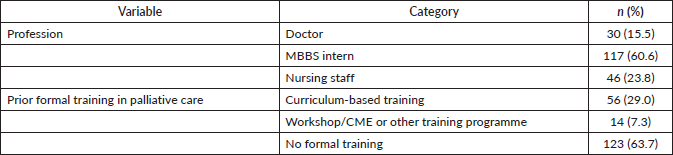
A total of 200 responses were received. After excluding 7 questionnaires with incomplete demographic information, 193 (96.5%) responses were included in the final analysis. Among the included participants, 117 (60.6%) were MBBS interns, 46 (23.8%) were nursing staff and 30 (15.5%) were doctors. Formal palliative care training was reported by 70 (36.3%) participants, including 56 (29.0%) who had received curriculum-based training and 14 (7.3%) who had attended additional workshops or training programmes. The remaining 123 (63.7%) participants reported no formal palliative care training (Table 1).
Knowledge assessment
A composite knowledge score (maximum score = 4) was calculated based on four domains: conceptual understanding of palliative care, timing of initiation, scope of services and preferred route of opioid administration. Overall, 103 (53.4%) participants demonstrated poor knowledge (score 0–1), 83 (43.0%) demonstrated moderate knowledge (score 2–3) and 7 (3.6%) achieved the maximum score (score = 4).
Table 1. Demographic characteristics of participants (n = 193).
Mean knowledge scores varied across professional groups, with doctors demonstrating the highest mean score (1.77), followed by MBBS interns (1.45) and nursing staff (1.26) (Table 2). When knowledge was dichotomised into adequate (score ≥2) and poor (score ≤1), no significant association was observed between prior formal training and knowledge level (χ² = 2.12, p = 0.145) (Table 2).
Attitudes towards palliative care
Overall, 85 (44.0%) respondents demonstrated a positive attitude towards early palliative care integration, opioid policy reform and the inclusion of palliative care training in medical curricula, whereas 108 (56.0%) exhibited neutral or negative attitudes.
No significant correlation was observed between knowledge scores and self-reported confidence in discussing end-of-life care (Spearman r = 0.07, p = 0.31). Profession was significantly associated with positive attitudes towards palliative care (p < 0.001), with nursing staff demonstrating the highest proportion of positive attitudes compared with doctors and MBBS interns (Table 2). Prior formal training was not significantly associated with attitudes towards palliative care (p = 0.840).
Table 2. Knowledge levels, attitudes towards palliative care, exposure to palliative patients, pain management practices and perceived barriers to palliative care implementation among healthcare professionals participating in the study (n = 193).

Current practices
Exposure to patients requiring palliative care varied among respondents. Overall, 92 (47.7%) participants reported encountering patients requiring palliative care occasionally, 40 (20.7%) encountered such patients daily, 25 (13.0%) encountered them weekly and 36 (18.7%) reported never encountering them in routine clinical practice.
Regarding pain management practices (multiple responses permitted), 85 (44.0%) participants reported prescribing or using weak opioids such as tramadol or codeine, whereas 83 (43.0%) reported prescribing or using strong opioids such as morphine or fentanyl. In addition, 48 (24.9%) participants reported using paracetamol or nonsteroidal anti-inflammatory drugs (NSAIDs) and 48 (24.9%) reported not directly prescribing or managing pain medications (Table 2).
Perceived barriers to palliative care implementation
As multiple responses were permitted, the most frequently reported barrier to effective palliative care delivery was lack of structured training, identified by 138 (71.5%) participants. Other commonly reported barriers included limited availability of palliative care services, reported by 111 (57.5%) participants, cultural resistance from families reported by 74 (38.3%) participants, institutional policy constraints reported by 66 (34.2%) participants and regulatory barriers to opioid prescribing reported by 64 (33.2%) participants (Table 2).
Perception of lack of structured training as a barrier did not differ according to previous formal palliative care training. It was reported by 50 of 70 (71.4%) participants who had received formal training and 88 of 123 (71.5%) participants without prior formal training.
Multivariate analysis
Predictors of adequate knowledge
Multivariable logistic regression analysis was performed to identify predictors of adequate knowledge (score ≥2) (Figure 1). Using doctors as the reference category, nursing staff were significantly less likely to demonstrate adequate knowledge (OR 0.34, 95% CI 0.13–0.89; p = 0.028). MBBS interns also showed lower odds compared with doctors, although this difference was not statistically significant (OR 0.55, 95% CI 0.24–1.26; p = 0.160). Prior formal training was associated with higher odds of adequate knowledge (OR 1.66, 95% CI 0.91–3.05), but this did not reach statistical significance (p = 0.101).
Predictors of positive attitude
A separate multivariable logistic regression model was constructed to identify predictors of positive attitudes towards palliative care. Nursing staff were significantly more likely to demonstrate positive attitudes compared with doctors (OR 4.12, 95% CI 1.53–11.12; p = 0.005), whereas MBBS interns did not differ significantly from doctors (p = 0.176). Prior formal training was not independently associated with positive attitude (OR 1.43, 95% CI 0.75–2.73; p = 0.283).
Predictors of workforce preparedness
To assess broader readiness for palliative care integration, a composite workforce preparedness index was constructed by combining standardised scores of knowledge, communication confidence, beliefs regarding early palliative care integration and perceptions of opioid regulatory barriers.
Multivariable linear regression analysis was performed to identify independent predictors of preparedness (Figure 1). Increasing years of clinical experience was significantly associated with lower preparedness scores (B = −0.13, p = 0.003). Compared with doctors, nursing staff demonstrated significantly higher preparedness scores (B = 1.66, p = 0.048). Other variables, including prior formal training, exposure frequency to palliative care patients, gender and MBBS intern status, were not independently associated with preparedness.
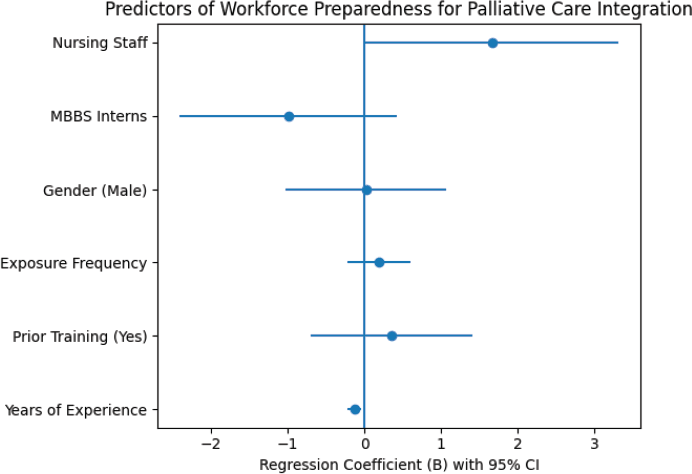
Figure 1. Predictors of workforce preparedness for palliative care integration.
Forest plot showing regression coefficients (B) with 95% confidence intervals from multivariable linear regression analysis examining factors associated with workforce preparedness for palliative care integration. Variables included profession, years of experience, prior formal training, exposure frequency and gender.
Discussion
This study demonstrates substantial knowledge deficits regarding palliative care among healthcare professionals, with 53.4% exhibiting poor knowledge scores and only 3.6% achieving a high composite score, despite 44.0% expressing positive attitudes towards integration. This discordance between knowledge and attitude reflects a critical workforce preparedness gap.
Similar findings have been reported in previous Indian studies, where healthcare professionals demonstrated inadequate knowledge and limited clinical preparedness despite recognising the importance of palliative care. A survey conducted at an apex tertiary care hospital in India found that more than half of medical professionals had not received formal palliative care training and strongly supported the incorporation of palliative care into undergraduate curricula [13]. Likewise, Wani et al [14] reported poor knowledge, attitudes and practices among healthcare workers in a North Indian tertiary care hospital and identified inadequate training and the absence of dedicated palliative care services as major barriers to implementation. These consistent findings suggest that awareness of the importance of palliative care alone is insufficient to ensure workforce preparedness for effective integration into routine oncology practice [14].
Globally, palliative care is recognised as an ethical and public health imperative. The Lancet Commission estimated that more than 61 million individuals experience serious health-related suffering annually, the majority residing in LMICs [1]. Projections indicate that this burden will rise sharply due to demographic transitions and increasing cancer prevalence [2]. Despite growing recognition of its importance, global mapping studies continue to demonstrate marked inequities in palliative care development, with many LMICs lacking comprehensive integration into routine health services and oncology care [15, 16].
The finding that over half of respondents demonstrated poor knowledge aligns with prior Indian studies documenting limited conceptual understanding among healthcare workers [7, 8]. In the present study, 83 of 193 participants (43.0%) reported prescribing or using strong opioids, while 48 (24.9%) reported that they did not directly prescribe or manage pain medications, suggesting persistent uncertainty regarding opioid use in cancer pain management. Similar deficiencies in opioid-related knowledge and confidence have been reported in both Indian and international studies, where inadequate education, concerns regarding adverse effects and regulatory restrictions continue to influence prescribing practices [17–19]. These findings reinforce the need for structured education in pain management and opioid stewardship as part of comprehensive palliative care training.
Importantly, prior formal palliative care training, reported by 70 of 193 participants (36.3%), was not independently associated with adequate knowledge (OR = 1.66, 95% CI: 0.91–3.05; p = 0.101). This finding suggests that existing educational approaches may lack sufficient depth, longitudinal reinforcement or supervised clinical exposure to translate into measurable competency. Similar observations have been reported in previous studies, where brief didactic sessions alone produced limited improvements in clinical knowledge and confidence. In contrast, longitudinal, interprofessional and simulation-based educational programmes incorporating mentorship and experiential learning have demonstrated greater effectiveness in improving knowledge, communication skills and preparedness for palliative care practice [20, 21].
Professional role emerged as a significant determinant of knowledge. Nursing staff were significantly less likely to demonstrate adequate knowledge than doctors (OR = 0.34, 95% CI: 0.13–0.89; p = 0.028). Similar findings have been reported in previous studies, where inadequate palliative care knowledge among nursing professionals has been attributed to limited access to structured education and continuing professional development. Salins et al [22] highlighted the need to strengthen palliative care education in India, while Kassa et al [23] demonstrated significant knowledge deficits among nurses in Ethiopia despite their central role in symptom management and end-of-life care. Comparable observations have also been reported internationally, where inadequate access to structured palliative care education and continuing professional development has been identified as an important contributor to knowledge gaps among nursing professionals [23]. These findings emphasise the need for profession-specific educational strategies and interdisciplinary training to strengthen palliative care competencies across the healthcare workforce, consistent with the ASCO Clinical Practice Guideline recommending multidisciplinary integration of palliative care and workforce education as core components of high-quality oncology care [22, 24].
However, nursing staff in this study were more than four times more likely to exhibit positive attitudes (OR 4.12, p = 0.005). Similar findings have been reported among nurses in other settings, where favourable attitudes towards palliative and end-of-life care were observed despite deficiencies in formal knowledge and training, likely reflecting their close involvement in symptom management, psychosocial support and patient-centred care [25].
The lack of correlation between knowledge and communication confidence (r = 0.07, p = 0.31) further underscores that cognitive knowledge alone does not ensure communicative competence. Landmark randomised trials by Temel et al [11] and Zimmermann et al [12] demonstrated that early integration of palliative care improves quality of life, symptom burden and patient satisfaction, but successful implementation depends on clinicians’ ability to communicate effectively with patients and families. Structured communication skills training, including simulation, feedback and mentorship, has been shown to improve clinician confidence and patient-centred communication in oncology practice [26].
Practice patterns revealed that 92 of 193 participants (47.7%) encountered patients requiring palliative care only occasionally, while 36 (18.7%) reported never encountering such patients in routine clinical practice. Similar findings have been reported in Indian and international studies, where delayed referral, limited availability of specialist palliative care services and inadequate integration into routine oncology practice reduced healthcare professionals’ opportunities for clinical exposure and interdisciplinary collaboration [14, 15, 27]. This likely reflects under-recognition of palliative care needs rather than their true absence, as the global burden of serious health-related suffering substantially exceeds access to specialist palliative care services [15]. The ASCO recommends the early integration of specialist palliative care into standard oncology care for patients with advanced cancer, while Hui and Bruera [28] have emphasised evidence-based integrated care models that promote timely referral, multidisciplinary collaboration and improved patient outcomes [28].
Opioid underutilisation remains a significant challenge in palliative cancer care. Globally, inequitable access to essential opioid analgesics continues to contribute to undertreated cancer pain, particularly in LMICs [29]. Consistent with our findings, in which 138 of 193 participants (71.5%) identified lack of structured training as the principal barrier to palliative care delivery, previous Indian studies have similarly reported that inadequate physician training, misconceptions regarding opioid use, regulatory restrictions and concerns about adverse effects contribute to prescriber hesitancy and limited opioid utilisation [30, 31]. These findings suggest that educational interventions should be complemented by supportive regulatory policies and institutional initiatives to strengthen workforce competency, promote safe opioid prescribing and improve access to effective cancer pain management.
Health system strengthening is essential for the sustainable integration of palliative care into routine oncology practice. Consistent with our findings, previous Indian studies have identified inadequate workforce training, limited service availability and fragmented referral pathways as major barriers to palliative care delivery. Thakkar et al [4] demonstrated substantial inequities in access to palliative care across India and highlighted the need to strengthen health systems through workforce development, improved service availability and integration within public healthcare facilities. Similarly, Bag et al [5] emphasised that expanding palliative care services in India requires coordinated policy reform, structured education and training, improved opioid availability and the integration of palliative care across all levels of the healthcare system. Together, these findings support the need for comprehensive health system strengthening to achieve sustainable integration of palliative care within oncology services [4, 5]. Successful regional examples, such as the Kerala model, demonstrate how community engagement and structured training can expand access [10]. Contemporary frameworks for palliative care development emphasise the importance of context-sensitive implementation strategies, stakeholder engagement, workforce development and adaptation to local health system capacities when scaling evidence-based interventions. These principles are particularly relevant to palliative care integration, where successful implementation depends not only on clinical evidence but also on workforce training, institutional readiness, supportive policies and sustainable health system infrastructure [32, 33].
Cultural considerations also influence the acceptance and uptake of palliative care services. In many Asian settings, including India, family-centred decision-making, misconceptions regarding palliative care and stigma surrounding opioid use and end-of-life discussions may delay referral and limit the timely integration of palliative care into routine oncology practice. These findings highlight the importance of culturally sensitive communication, shared decision-making and community engagement when implementing palliative care services across diverse healthcare settings [34, 35]. Incorporating culturally sensitive communication strategies and cultural competence training into undergraduate and continuing professional education may improve clinician–patient communication, facilitate shared decision-making and enhance acceptance of palliative care services [35].
From an oncology perspective, the early integration of specialist palliative care into routine cancer services has been shown to improve quality of life, symptom control, patient and caregiver satisfaction and, in some settings, reduce aggressive end-of-life interventions and unnecessary healthcare utilisation [12, 13, 36]. Multidisciplinary models integrating oncologists, palliative care specialists, nurses and other allied healthcare professionals have consistently been associated with improved symptom control, enhanced quality of life, better care coordination, and more timely advance care planning compared with standard oncology care alone [37].
Educational reform remains central to improving workforce preparedness for early palliative care integration. Published evidence demonstrates that structured, longitudinal and experiential palliative care education, including interprofessional learning, simulation-based training and supervised clinical exposure improves healthcare professionals’ knowledge, communication skills and confidence in delivering palliative care [38, 39]. Embedding dedicated palliative care rotations within undergraduate and postgraduate oncology and internal medicine training programmes may help address the knowledge–practice gap identified in the present study.
This study’s strengths include inclusion of multiple professional groups and multivariate modelling to identify independent predictors. Limitations include its single-centre design and reliance on self-reported practices. Multicentre longitudinal studies are warranted to evaluate the impact of competency-based educational interventions.
Conclusion
In conclusion, despite moderately favourable attitudes, substantial knowledge deficits and systemic barriers impede effective palliative care integration. Targeted educational reform, opioid policy facilitation and structured oncology-palliative collaboration are critical to advancing equitable care delivery in South Asia and comparable LMIC settings.
Acknowledgement
The authors thank all healthcare professionals who participated in this study for their valuable time and contributions.
Conflicts of interest
There are no potential conflicts of interest to declare.
Funding
This research received no specific grant from any funding agency in the public, commercial or not-for-profit sectors.
Ethical approval
This study was conducted in accordance with the Declaration of Helsinki. Ethical approval was obtained from the Institutional Ethics Committee of Shri Atal Bihari Vajpayee Government Medical College, Chhainsa, Faridabad, Haryana, India (Approval No.: SABVGMC/IEC/2025/48; dated: 25.07.2025). Informed electronic consent was obtained from all participants prior to inclusion in the study. Participation was voluntary, and anonymity and confidentiality of responses were strictly maintained.
References
1. Rome RB, Luminais HH, and Bourgeois DA, et al (2011) The role of palliative care at the end of life Ochsner J 11(4) 348–352
2. Sleeman KE, De Brito M, and Etkind S, et al (2019) The escalating global burden of serious health-related suffering: projections to 2060 Lancet Glob Health 7(7) e883–e892 https://doi.org/10.1016/S2214-109X(19)30172-X
3. Bergerot CD, Soto-Perez-De-Celis E, and Thompson C, et al (2025) Navigating challenges in palliative care: a survey on ASCO guideline adherence among health care providers in low- and middle-income countries JCO Glob Oncol 11 e2400625 https://doi.org/10.1200/GO-24-00625
4. Thakkar P, Sharma H, and Patil A, et al (2025) Access to palliative care in India: situational analysis and modeling of access from public healthcare centers ecancermedicalscience 19 2038 https://doi.org/10.3332/ecancer.2025.2038
5. Bag S, Mohanty S, and Bag N, et al (2020) Palliative and end of life care in India – current scenario and the way forward J Assoc Physicians India 68 61–65
6. Monzón Llamas L, Tripodoro VA, and Centeno C (2025) Mapping palliative care development in Asia Pacific: a regional milestone for equity and system reform Palliat Med Rep 6(1) 465–467 [https://doi.org/10.1177/26892820251381245]
7. Nair M, Kumar P, and Mahajan R, et al (2021) Knowledge, attitudes, and practices regarding palliative care: a mixed-methods study from Bihar, India J Palliative Care 36(1) 9–11 https://doi.org/10.1177/0825859720946514
8. Biswas DK, Deb LM, and Dasgupta P, et al (2024) Assessment of knowledge on palliative care among the community health officers in rural area of Purba Medinipur District, West Bengal, India Indian J Palliative Care 30 65–70 https://doi.org/10.25259/IJPC_151_2023
9. Kumar SK (2007) Kerala, India: a regional community-based palliative care model J Pain Symptom Manage 33(5) 623–627 https://doi.org/10.1016/j.jpainsymman.2007.02.005
10. Forsetlund L, O’Brien MA, and Forsén L, et al (2021) Continuing education meetings and workshops: effects on professional practice and healthcare outcomes Cochrane Database Syst Rev 9(9) CD003030 [https://doi.org/10.1002/14651858.CD003030.pub3]
11. Temel JS, Greer JA, and Muzikansky A, et al (2010) Early palliative care for patients with metastatic non–small-cell lung cancer N Engl J Med 363 733–742 https://doi.org/10.1056/NEJMoa1000678
12. Zimmermann C, Swami N, and Krzyzanowska M, et al (2014) Early palliative care for patients with advanced cancer: a cluster-randomised controlled trial Lancet 383(9930) 1721–1730 https://doi.org/10.1016/S0140-6736(13)62416-2
13. Bhatnagar S, Patel A, and Deo S (2019) A survey of medical professionals in an apex tertiary care hospital to assess awareness, interest, practices, and knowledge in palliative care: a descriptive cross-sectional study Indian J Palliative Care 25(2) 172–180 https://doi.org/10.4103/IJPC.IJPC_191_18
14. Wani EK, Kumar D, and Sahni B, et al (2022) Perceptions of healthcare workers regarding palliative care services in a tertiary care teaching hospital in North India – a mixed methods observational study Indian J Palliative Care 28(4) 354–359 https://doi.org/10.25259/IJPC_21_2021
15. Clark D, Baur N, and Clelland D, et al (2020) Mapping levels of palliative care development in 198 countries: the situation in 2017 J Pain Symptom Manage 59(4) 794–807 https://doi.org/10.1016/j.jpainsymman.2019.11.009
16. Radbruch L, De Lima L, and Knaul F, et al (2020) Redefining palliative care—a new consensus-based definition Lancet Oncol 21(12) e548–e556
17. Vahos J, Rojas-Cortés R, and Daza D, et al (2023) Barriers of access to opioid medicines within the context of palliative care in Latin America: the perception of health professionals J Palliat Med 26(1) 50–59 https://doi.org/10.1089/jpm.2022.0122
18. Singh P, Varma S, and Kapoor R (2019) Barriers to opioid prescription for cancer pain management in India: a survey among physicians J Pain Symptom Manage 58(3) 475–482
19. Dureja GP, Jain PN, and Joshi M, et al (2017) Addressing barriers related to opioid therapy for chronic pain in India Pain Manag 7(2) 123–135 https://doi.org/10.2217/pmt-2016-0064
20. Horlait M, Baes S, and Dhaene S, et al (2019) How multidisciplinary are multidisciplinary team meetings in cancer care? An observational study in oncology departments Patient Educ Couns 102 2204–2211
21. Gillan PC, Van Der Riet PJ, and Jeong S (2014) End of life care education, past and present: a review of the literature Nurse Educ Today 34(3) 331–342 [10.1016/j.nedt.2013.06.009] https://doi.org/10.1016/j.nedt.2013.06.009
22. Salins N, Deodhar J, and Muckaden M (2020) Need for palliative care education in India: benefits and challenges of online platforms Indian J Palliat Care 26(Suppl 1) S14–S20 https://doi.org/10.4103/IJPC.IJPC_7_20
23. Kassa H, Murugan R, and Zewdu F, et al (2014) Assessment of knowledge, attitude and practice and associated factors towards palliative care among nurses working in selected hospitals, Ethiopia BMC Palliative Care 13 6 https://doi.org/10.1186/1472-684X-13-6
24. Ferrell BR, Temel JS, and Temin S, et al (2017) Integration of palliative care into standard oncology care: American Society of Clinical Oncology Clinical Practice Guideline Update J Clin Oncol 35(1) 96–112 https://doi.org/10.1200/JCO.2016.70.1474
25. Wilson O, Avalos G, and Dowling M (2016) Knowledge of palliative care and attitudes towards nursing the dying patient Br J Nurs 25(11) 600–605 https://doi.org/10.12968/bjon.2016.25.11.600
26. Back AL, Arnold RM, and Baile WF, et al (2005) Approaching difficult communication tasks in oncology J Clin Oncol 23(10) 177–185
27. Knaul FM, Farmer PE, and Krakauer EL, et al (2018) Alleviating the access abyss in palliative care and pain relief—an imperative of universal health coverage: the Lancet Commission report Lancet 391 1391–1454 https://doi.org/10.1016/S0140-6736(17)32513-8
28. Hui D and Bruera E (2016) Integrating palliative care into oncology practice: evidence-based models and future directions Oncologist 21(10) 1206–1214
29. Krakauer EL, Kwete X, Verguet S, et al (2017) Palliative care and pain control Disease Control Priorities: Improving Health and Reducing Poverty 3rd ed, eds Jamison DT, Gelband H, and Horton S, et al, Vol 9 (Washington, DC: World Bank) pp 235–246
30. Singh S, Prasad S, and Bhatnagar S, et al (2019) A cross-sectional web-based survey of medical practitioners in India to assess their knowledge, attitude, prescription practices, and barriers toward opioid analgesic prescriptions Indian J Palliat Care 25(4) 567–574 https://doi.org/10.4103/IJPC.IJPC_83_19
31. Bouothmani A, Gutierrez R, and Lamrous A, et al (2025) Access to opioids for palliative care in humanitarian settings: two case studies of Médecins Sans Frontières experience in India and Bangladesh BMC Palliative Care 24 90 https://doi.org/10.1186/s12904-025-01673-x
32. Centeno C and Arias-Casais N, et al (2018) Facts and indicators for palliative care development J Pain Symptom Manage 55(2) CD011129
33. Gómez-Batiste X, Martínez-Muñoz M, and Blay C, et al (2018) Global development of palliative care: past, present, and future J Pain Symptom Manage 55(2) 131–139
34. Rajagopal MR, Joranson DE, and Gilson AM (2012) Cultural perspectives and opioid regulation in India Indian J Palliat Care 18(2) 98–102
35. Stanford J, Malloy P, and Ferrell B (2016) Cultural competence in end-of-life care J Palliat Med 19(10) 1071–1078
36. Haun MW, Estel S, and Rücker G, et al (2017) Early palliative care for adults with advanced cancer Cochrane Database Syst Rev (6) CD011129 https://doi.org/10.1002/14651858.CD011129.pub2
37. Higginson IJ and Evans CJ (2010) What is the evidence that palliative care teams improve outcomes? J Palliat Med 13(8) 983–993
38. Head BA, Schapmire TJ, and Earnshaw L, et al (2016) Improving medical graduates’ training in palliative care: advancing education and practice Adv Med Educ Pract 7 99–113 https://doi.org/10.2147/AMEP.S94550
39. Downar J, Hawryluck L, and Kenny L, et al (2014) Interprofessional palliative education: evaluation of a structured program J Palliat Med 17(10) 1171–1178
Supplementary Appendix 1 (Annexure I). Questionnaire: KAP on palliative care
Section A: Demographic details
1. Profession:
° Doctor
° MBBS Student (Year: ____)
° Nursing Staff
2. Age: _____ years
3. Gender: [ ] Male [ ] Female [ ] Other
4. Years of Experience (for doctors and nurses): ____ years
5. Have you received formal training in palliative care?
° No
° Yes, as part of the curriculum
° Yes, attended additional workshops/training programs
° (If yes, specify number of sessions attended: ____)
6. Have you ever provided direct care to a patient requiring palliative care?
° Yes, frequently
° Yes, occasionally
° Rarely
° No
7. Currently you are working in which clinical Department/ICU:
Section B: Knowledge of palliative care
8. Which of the following best describes palliative care? (Select all that apply)
° Only for terminal cancer patients
° Aims to provide comfort and improve quality of life
° Focuses only on pain relief
° Includes psychological, social and spiritual support
° I do not know
9. When should palliative care ideally begin for a patient with a serious illness?
° Only in the last few weeks of life
° At the time of diagnosis
° When curative treatment options are exhausted
° I do not know
10. Which of the following services are included in palliative care? (Select all that apply)
° Pain and symptom management
° Emotional and psychological support
° Spiritual and cultural care
° End-of-life decision-making support
° None of the above
11. Which is the preferred route of opioid administration for chronic cancer pain?
° Intravenous (IV)
° Oral
° Intramuscular (IM)
° Not sure
Section C: Attitudes towards palliative care
12. Do you believe palliative care should be integrated early in disease management? (Likert scale: 1 = Strongly Disagree, 5 = Strongly Agree)
13. Do you feel confident in discussing end-of-life care with patients and families? (Likert scale: 1 = Not Confident, 5 = Very Confident)
14. What are your main concerns regarding discussing palliative care with patients? (Open-ended response)
15. Do you think opioid regulations prevent adequate pain management in palliative care? (Likert scale: 1 = Strongly Disagree, 5 = Strongly Agree)
16. Do you believe palliative care education should be mandatory in medical and nursing training? (Likert scale: 1 = Strongly Disagree, 5 = Strongly Agree)
Section D: Current practices in palliative care
17. How often do you encounter patients needing palliative care?
• Daily
• Weekly
• Occasionally
• Never
18. How do you currently manage pain in terminally ill patients? (Select all that apply)
• Paracetamol/NSAIDs
• Weak opioids (e.g. tramadol, codeine)
• Strong opioids (e.g. morphine, fentanyl)
• I do not prescribe/manage pain medication
19. How do you approach discussions on end-of-life care with patients and families? (Select all that apply)
• I provide detailed explanations on palliative care options
• I wait for the patient/family to bring it up
• I avoid the topic unless absolutely necessary
• Not applicable
20. What challenges do you face in providing palliative care? (Open-ended response)
Section E: Barriers & recommendations
21. What are the major barriers to providing palliative care in your setting? (Select all that apply)
• Lack of training
• Institutional policies
• Regulatory barriers for opioid prescription
• Cultural resistance from families
• Limited availability of palliative care services


