Implementation of the cancer navigation programme at a referral centre in Colombia: an institutional experience
Juanita Granados-Diaz1, Francisco Javier Sabogal-Camargo1, Adriana Carolina Aya-Porto2,3, Marilen Escobar-Chiquiza1, Julieth Montaño-Angarita1, Sandra Viviana Leguizamón-Vasquez1, Yesenia del Carmen Doria-Negrete1, Lady Alejandra Masmela-Prieto1, Edwin Orlando Pulido-Ramirez2,3, Heidy Trujillo-Gordillo2,3, Elvy Milena Parra-Coronado1, Beatriz Andrea Prada4 and Andrés F Cardona2,3
1Care Department , Luis Carlos Sarmiento Angulo Cancer Treatment and Research Centre (CTIC), Bogotá 110131, Colombia
2GIGA Research Group, Luis Carlos Sarmiento Angulo Cancer Treatment and Research Centre (CTIC), El Bosque University, Bogotá 110131, Colombia
3Institute for Research and Education, Luis Carlos Sarmiento Angulo Cancer Treatment and Research Centre (CTIC), Bogotá 110131, Colombia
4Patient and Family Education Programme, Luis Carlos Sarmiento Angulo Cancer Treatment and Research Centre (CTIC), Bogotá 110131, Colombia
Abstract
Background: In Latin America, cancer patients face multiple barriers to accessing timely diagnosis and treatment. Cancer navigation is a strategy that aims to improve the patient experience, reduce critical delays in care and enhance education about the cancer care process. However, its structured implementation has been limited in the region.
Objective: To describe the implementation and initial outcomes of a cancer navigation model at a cancer referral centre in Colombia and to evaluate its impact on waiting times, patient satisfaction and educational needs using the reach, effectiveness, adoption, implementation and maintenance (RE-AIM) framework. This study represents one of the first structured initiatives of its kind in the country.
Methods: A prospective, descriptive, observational cohort study was conducted between March 2023 and March 2024 at the Luis Carlos Sarmiento Angulo Cancer Treatment and Research Centre (CTIC), Bogotá, Colombia. Of the 3,000 patients treated, 1,879 were included in the cancer navigation programme. Consent for the evidence–verification–analysis protocol was offered to patients receiving comprehensive cancer care; 649 patients (34.5%) signed the consent form and formed the analysis cohort. The model followed the guidelines of the Oncology Nursing Society and the George Washington Cancer Centre, led by oncology nurse navigators. Indicators of timeliness of care, educational needs at two time points (M1: prior to the multidisciplinary team meeting; M2: after the start of treatment) and patient satisfaction were assessed.
Results: The cohort comprised 649 patients (60% women; 50.4% aged over 65; 34% on the subsidised scheme; and 42.8% with advanced-stage disease). The time from diagnostic confirmation to the start of treatment had a median of 21.5 days (range: 11.0–44.7 days), compared with an institutional target of 30 days, which was consistently exceeded. Patient satisfaction, measured using the Net Promoter Score (scale: −100 to +100; values >70 = excellent), reached a median of 79.55 points (range: 66.24–89.49), exceeding the institutional target of 50 points in every month. Education was predominantly verbal (88.1% in M1; 95.1% in M2), with a comprehension rate of 76% in M1 and 83% in M2, assessed using the teach-back technique. The main educational needs in M1 were aspects of the healthcare system (85.5%) and diagnosis/treatment (77.5%); at M2, they were diagnosis/treatment (87.9%) and physical aspects (46%), with a notable reduction in administrative needs (85.5%→28%).
Conclusion: The cancer navigation programme implemented at the CTIC improved the timeliness of care, patient satisfaction and patients’ understanding of the information provided. The leadership of specialist nursing staff and the application of the RE-AIM framework enabled a structured, replicable implementation that had a positive impact on a highly complex and vulnerable population. Its implementation represents a viable strategy for improving comprehensive cancer care in Colombia.
Keywords: patient navigation, neoplasms, oncology nursing, patient satisfaction, accessibility of health services
Correspondence to: Juanita Granados-Diaz
Email: jgranados@fctic.org
Published: 10/09/2026
Received: 09/11/2025
Publication costs for this article were supported by ecancer (UK Charity number 1176307).
Copyright: © the authors; licensee ecancermedicalscience. This is an Open Access article distributed under the terms of the Creative Commons Attribution License (http://creativecommons.org/licenses/by/4.0), which permits unrestricted use, distribution, and reproduction in any medium, provided the original work is properly cited.
Background
The World Health Organization defines cancer as a group of malignant diseases with a significant impact on global public health [1]. According to Global Cancer Observatory, in 2022, 20 million new cases and 9.7 million cancer-related deaths were recorded globally; in Colombia, 117,620 new cases and 54,987 deaths were recorded, with age-standardised incidence and mortality rates of 177 and 84 per 100,000 inhabitants, respectively [2]. The high-cost account (CAC) reported 458,589 prevalent cases in the country for 2023 [3].
The first cancer navigation programme was established in the United States in 1990, focusing on removing barriers to access from the time of suspected diagnosis through to the start of treatment, with a positive impact on overall 5-year survival of up to 70%. The model was subsequently expanded to Canada [4], Australia [5] and Europe [6]; in Latin America, it has been implemented in Brazil [7], Argentina [8], Peru [9] and Costa Rica [10], demonstrating a reduction in barriers to access, improved quality of care and greater patient satisfaction.
In Colombia, the National Cancer Institute, together with the Ministry of Health, has spearheaded the 10-Year Public Health Plan 2022–2031 [11,12], and in 2016, the Functional Units for Adult Cancer Care and the Paediatric Cancer Care Units were established as units providing comprehensive cancer care [13–15]. In 2022, the Luis Carlos Sarmiento Angulo Cancer Treatment and Research Centre (CTIC) [16] was inaugurated; this is a private, not-for-profit initiative that implemented a structured cancer navigation model to reduce barriers to access and improve clinical outcomes. This study evaluates this programme using the reach, effectiveness, adoption, implementation and maintenance (RE-AIM) framework, reporting on indicators of timeliness of care, patient experience Net Promoter Score (NPS), educational needs and equity of access.
Methods
Study design, context and participants
A prospective, descriptive, observational cohort study was conducted at the CTIC in Bogotá, Colombia, between March 2023 and March 2024, with the aim of evaluating the implementation of the cancer navigation programme using the RE-AIM framework [17]. The outcome variables assessed were as follows: indicators of timeliness of care (time to the first oncological assessment and time to the start of treatment), patient experience as measured by the NPS[18], educational needs of the patient and their family and equity of access according to demographic variables, health insurance status and geographical origin. The CTIC treated 3,000 patients during this period; 500 were excluded due to a life expectancy of less than 12 weeks, resulting in 2,500 eligible patients. Of these, 621 attended only for diagnostic tests or one-off services without requiring comprehensive support and were not referred to the programme. The remaining 1,879 patients were enrolled in the cancer navigation model: 90% via outpatient consultations and 10% via hospitalisation. Informed consent for the evidence–verification–analysis (EVA) protocol, CEI-114 was offered to patients receiving comprehensive cancer care; 649 (34.5%) signed the consent form and constituted the analysis cohort. No loss to follow-up or refusals to participate in the programme were recorded. The complete selection flowchart is shown in Figure 1 (CONSORT diagram).
The inclusion criteria were as follows: age ≥18 years, a confirmed institutional diagnosis of cancer and a life expectancy of >12 weeks. Patients with cognitive impairment preventing them from signing an informed consent form were excluded, as were those receiving one-off treatment without comprehensive follow-up.
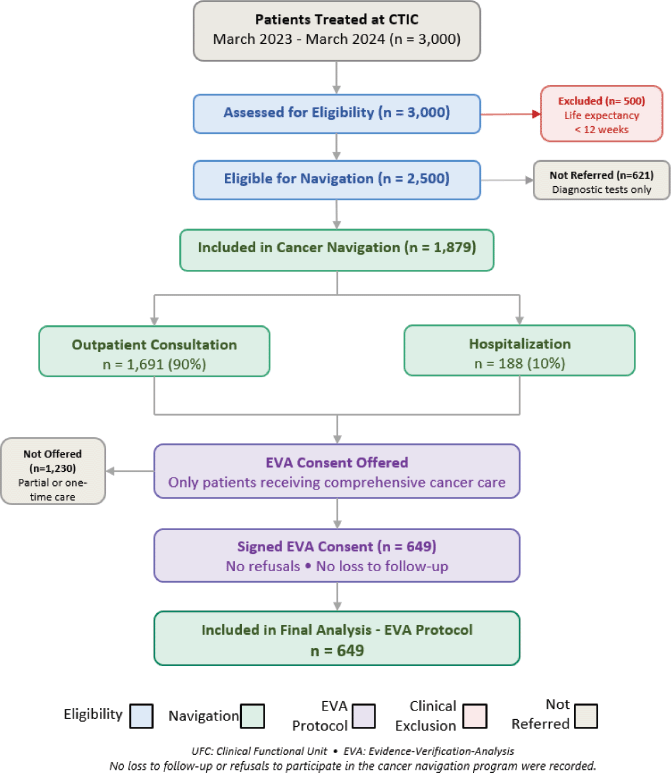
Figure 1. CONSORT diagram.
Cancer navigation model
The programme was designed in accordance with the guidelines of the Oncology Nursing Society (ONS) and the GW Cancer Centre [19–21], based on Dr Harold Freeman’s model for removing barriers in vulnerable populations [22,23], and in accordance with current Colombian regulations for comprehensive cancer care [13,24–32]. During the study period, six clinical functional units were in operation: head and neck (n = 160; 24.7%), leukaemia/lymphoma/myeloma (n = 145; 22.3%), breast and soft tissues (n = 138; 21.3%), gastrointestinal and neuroendocrine tumours (n = 115; 17.7%), genitourinary (n = 76; 11.7%) and thoracic (n = 15; 2.3%). Each Primary Care Unit (UFC) is coordinated by a clinical lead and an oncology nurse navigator, with support from social work, psycho-oncology, nutrition, specialist pharmacy and the infusion unit [33].
Figure 2 presents a summary integrating the main conceptual and operational contributions regarding the role of the oncology nurse navigator, based on the evidence described by Freeman, Pautasso et al, Katerenchuk and Santos and the ONS [7,20,34,35]. These authors agree in defining oncology navigation as a patient-centred model that seeks to identify and reduce barriers to access, improve care coordination and ensure continuous, high-quality care throughout the entire cancer journey.
The oncology nurse navigator conducted an initial consultation to identify needs, mapped out an individual support pathway and acted as a focal point between the patient, clinical teams and insurers. Standardised multidisciplinary meetings were held weekly to reach consensus on clinical decisions and monitor institutional indicators. Figure 3 illustrates the CTIC’s care model.
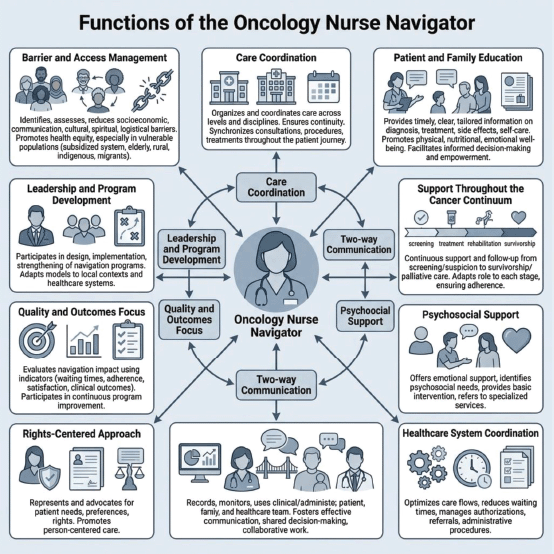
Figure 2. Roles of the oncology nurse navigator. Source: Created in-house using NanoBananaAI.
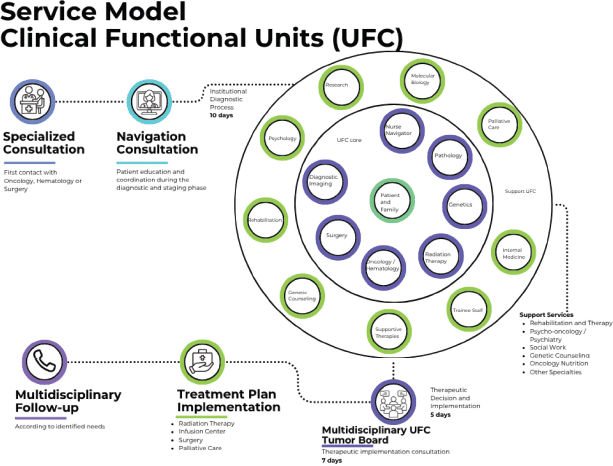
Figure 3. CTIC navigation model. A model of cancer care based on clinical functional units. Every patient admitted to Oncology, Haematology or Surgery is initially assessed by the navigation nurse, who identifies needs, provides education, coordinates care and prioritises diagnostic tests. The diagnostic process is carried out with the aim of presenting the case to a multidisciplinary team within a maximum of 15 days. Subsequently, once the treatment plan has been finalised, an implementation consultation takes place within a maximum of 7 days, during which patient education is reinforced and the start of treatment and its follow-up are coordinated, ensuring a comprehensive and continuous approach. Source: 2023–2027 Development Plan. CTIC [33].
Navigation tool
To characterise the educational needs arising from the navigation process, an instrument comprising 30 variables grouped into six dimensions was designed: access to the healthcare system, diagnosis and treatment, physical aspects, psychological aspects, body image and social support (Figure 4). The instrument was administered at two standardised time points. Timepoint 1 corresponded to the initial consultation for admission to the navigation programme, which took place in parallel with, simultaneously with or following the initial specialist consultation (oncology, haematology or surgery). During this consultation, the patient is provided with education and the diagnostic and staging process is coordinated, with the aim of presenting the case at a multidisciplinary team meeting within a maximum of 15 days. Timepoint 2 took place within 7 days of the therapeutic plan being finalised or the start of active treatment. Based on the identified needs, a structured educational plan was generated and parameterised within the institutional information system (Tasy™ Electronic Medical Record) to facilitate referral to Clinical Care Units and therapeutic support groups.
Statistical analysis
The data were recorded on the EVA platform (a hybrid on-premise/cloud model) with structural integrity exceeding 75% and centralised in REDCap (licence 22109, ID #10122). Analyses were performed using Python 3.11.4. The CTIC Scientific Committee approved a pre-specified sub-analysis of this cohort. Quantitative variables were described as means ± SD or medians (IQR), following an assessment of normality using the Shapiro–Wilk test.
Categorical variables were expressed as absolute frequencies and percentages. Comparisons of proportions between the two assessment time points were performed using the McNemar test (p < 0.05; 95% CI). Missing data (<5%) were imputed using the median (continuous variables) or the mode (categorical variables). The sample size of 649 patients allows proportions to be estimated with a margin of error of 5% and a confidence level of 95%.
Results
Characteristics of the population
The cohort consisted mainly of women (60%), with 50.4% of patients aged over 65 years. A total of 55.5% were from urban areas and 13.4% from rural areas. Regarding educational attainment, no data were available for 57% of the records; among those who reported it, primary education was the most common (13.3%). Overall, 34% were covered by the subsidised health scheme. With regard to the stage of care, 60% were at the diagnostic stage, 30.1% were undergoing treatment and 9.1% were in follow-up. A total of 42.8% had advanced-stage disease at the time of assessment. Of the patients, 48.2% (n = 313) completed the second assessment. The full characteristics are presented in Table 1.
Identification of educational needs
In M1, the most common educational needs were ‘Healthcare system and administrative matters’ (85.5%) and ‘Diagnosis, treatment and rehabilitation’ (77.5%). Significant changes were observed in M2: ‘Diagnosis, treatment and rehabilitation’ emerged as the main category (87.9%), ‘Physical aspects and daily living’ increased to 46%, while ‘Healthcare system and administrative issues’ fell significantly to 28%, suggesting that administrative needs are progressively being resolved through navigation support. ‘Psychological and social aspects’ (14% in M1, 12% in M2) and ‘Sexuality and body image’ (3% in M1, 4% in M2) remained stable at both time points (Figure 5).
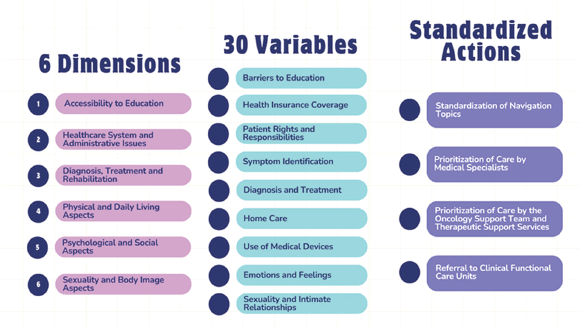
Figure 4. Navigation tool. Structure of the oncology navigation tool. The tool comprises six dimensions: accessibility to education, the healthcare system and administrative aspects, diagnosis, treatment and rehabilitation, physical and daily living aspects, psychosocial aspects and sexuality and body image. From these dimensions, 30 variables are derived that enable a comprehensive assessment of the patient, some of which are grouped together in the figure. This approach facilitates the development of an individualised care plan and the definition of standardised procedures aimed at ensuring traceability, prioritisation of interventions and continuous monitoring of the care plan. Source: Author’s own work.
Table 1. Demographic characteristics of study patients.
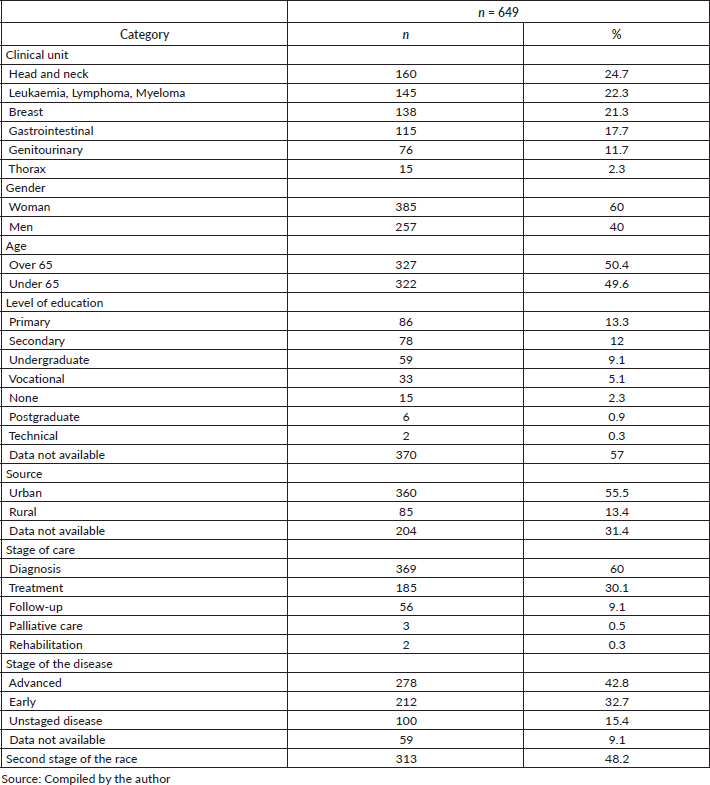
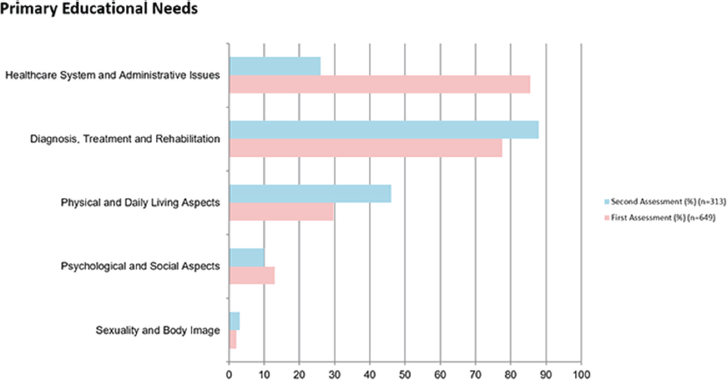
Figure 5. Identification of primary educational needs according to the time of assessment. The horizontal bars show the percentage of patients with identified educational needs in each dimension, comparing M1 (n = 649, initial consultation, first 15 days from diagnosis, pink bars) and M2 (n = 313, first 7 days after the start of treatment, blue bars). The five dimensions assessed are: diagnosis, treatment and rehabilitation; physical and daily living aspects; healthcare system and administrative matters; psychological and social aspects and sexuality and body image. Of particular note is the marked reduction in administrative needs (85.5% in M1 versus 28% in M2) and the increase in physical needs (25% in M1 versus 46% in M2), reflecting the progression of the care process. Source: Author’s own work.
Distribution of referrals
Referrals to navigation were the most frequent at both time points, with an increase from M1 to M2 (73.2% versus 80.2%). Referrals to specialist medical consultations showed a slight decrease (57.3% versus 53.4%). The services showing the greatest reduction between M1 and M2 were social work (24.2% versus 10.2%) and the patient experience team (22.0% versus 10.0%), reflecting the gradual resolution of non-clinical support needs. Conversely, pain relief and palliative care showed an increase from M1 to M2, consistent with the progression of the treatment process in a cohort where 42.8% had advanced-stage disease (Figure 6).
Education and understanding strategies
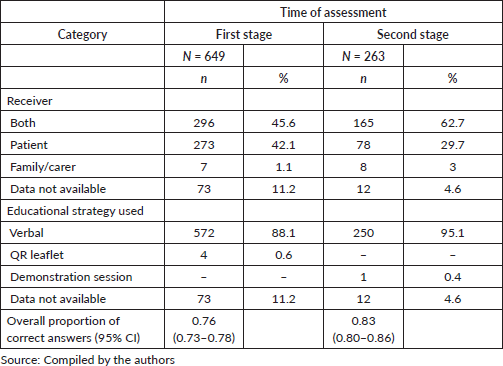
The educational method was predominantly verbal at both time points (88.1% at M1 and 95.1% at M2). The recipients of the education were mostly patients and their families together (45.6% at M1 and 62.7% at M2). Comprehension was assessed using the teach-back technique, with a rate of 76% at M1 and 83% at M2. The detailed results are presented in Table 2.
Indicators of timeliness of care
The time from diagnostic confirmation to the start of treatment had a median of 21.5 days (range: 11.0–44.7 days), compared with an institutional target of 30 days, which was consistently met throughout the period. The CAC reports times of 15–47 days at national level [3]; the CTIC’s results fall at the lower end of this range, with reductions of up to 28% compared with the national average.
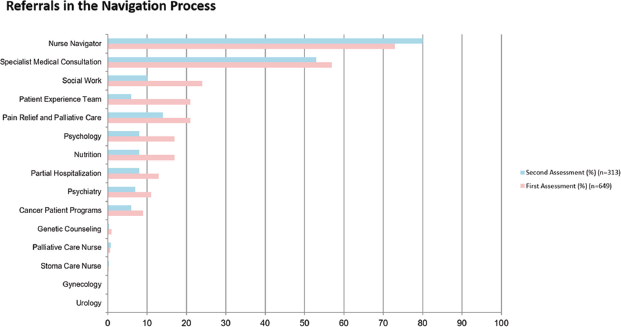
Figure 6. Distribution of referrals in the cancer care pathway by time of assessment. The horizontal bars show the percentage of patients referred to each service during M1 (n = 649, pink bars) and M2 (n = 313, blue bars). The services include: oncology navigation, specialist medical consultation, pain relief and palliative care, social work, nutrition, partial hospitalisation, psychology, psychiatry, patient experience team, programmes for cancer patients, genetic counselling, palliative care nurse, stoma care nurse, urology and gynaecology. Notable findings include the increase in referrals to patient navigation (73.2% versus 80.2%) and to advanced cancer support services, and the reduction in Social Work and the Patient Experience Team between M1 and M2. Source: Author’s own analysis.
Table 2. Educational strategies used and comprehension levels according to the time of assessment
Patient satisfaction
The NPS, on a scale of -100 to +100, where values >70 are classified as excellent, had a median of 79.55 points (range: 66.24–89.49), exceeding the institutional target of 50 points in every month of the period, with a trend of progressive improvement since the programme’s inception.
Discussion
The results presented reflect the structured implementation of a cancer navigation model at the local level, based on robust theoretical principles and international best practice. The characterisation of the population and the identification of specific needs at two stages of the care process provide a solid basis for discussing the model’s effectiveness and its impact on patient care. Various successful navigation models have demonstrated the positive impact of their incorporation into clinical oncology practice [36–38].
Evaluation using the RE-AIM framework
With the aim of comprehensively evaluating the programme’s implementation, the results were analysed using the RE-AIM framework, which is widely used in implementation science to evaluate cancer navigation programmes() In terms of reach, the programme reached 1,879 patients in 1 year, with significant representation of vulnerable population groups: 34% from the subsidised health scheme, 50.4% aged 65 or over and 13.4% from rural areas. With regard to effectiveness, a median of 21.5 days to treatment initiation was achieved – consistently exceeding the institutional target of 30 days – with understanding improving from 76% at M1 to 83% at M2, and a median NPS of 79.55 points, classified as excellent. In terms of adoption, the model was implemented by six UFCs with the participation of multidisciplinary teams. Implementation was carried out with high fidelity to the protocol, using a standardised instrument comprising 30 variables applied at two systematic time points, alongside weekly multidisciplinary meetings. Finally, sustainability is ensured by the structural integration of the programme since the opening of the CTIC in 2022, with monthly follow-up meetings [17,36].
Impact on the timeliness of care
Barker et al [39] demonstrated that cancer navigation reduced the time to surgical treatment, optimised access to oncology consultations for people aged 75 and over, reduced the time to multidisciplinary assessment and altered the staging of the disease in 20% of cases[39]. Oh et al [40] in a meta-analytic review of 16 studies, found that cancer navigation reduced the mean time to specialist care by 20.4 days (95% CI: 8.7–32.1; p = 0.001) and the time from that point to diagnosis by 30.1 days (95% CI: 11.9–48.3; p = 0.001); furthermore, patients who received navigation were 45% more likely to complete the diagnostic process and 13% more likely to commence comprehensive cancer treatment [40] (Table 3). At the CTIC, the navigation programme enabled a median of 21.5 days to be achieved from diagnostic confirmation to the start of treatment (range: 11.0–44.7 days), a figure that lies at the lower end of the national range reported by the CAC (15–47 days) and represents a reduction of up to 28% compared with the national average, demonstrating a clinically significant impact on the timeliness of care, consistent with the international literature.
Patient satisfaction and experience
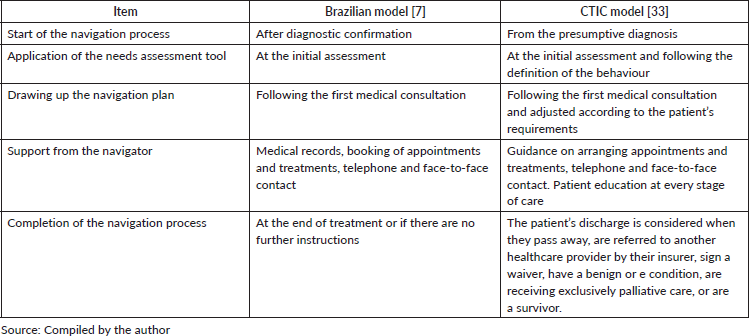
Rocque and Ver-Hoeve demonstrated that the experience of patients who underwent navigation was four times better than that of those who did not [41,42]; however, navigation had no positive impact on psychological outcomes relating to resilience, coping with uncertainty, anxiety, depression and distress arising from the diagnosis and treatment of cancer [43–45]. At the CTIC, the NPS, with a median of 79.55 points (range: 66.24–89.49), exceeded the institutional target of 50 points in every month of the period and showed a trend of progressive improvement from the start of the programme, results consistent with those reported by Rocque et al [41]. From a regional perspective, various institutions in Brazil have successfully implemented the cancer navigation model [7], with comparable results in terms of satisfaction and timeliness of care.
Table 3. Main characteristics of the navigation model adopted in Brazil compared with the CTIC.
Patient education and identified needs
The ONS stated that cancer navigation includes various activities related to cancer prevention and screening, care coordination, communication and patient and family education [35]. At least 60% of oncology nurses in the United States are involved in structured education programmes for cancer patients [46,47]. Chan et al [48] found that the main guidance needs among cancer patients receiving navigation services include provision of information on physical, financial and emotional effects; referral to support services; coordination of care; timely access; holistic care; ongoing counselling and proactive resolution of queries.
At the CTIC, educational needs varied significantly between M1 and M2, reflecting the progression of the care process. In M1, administrative and healthcare system needs predominated (85.5%), followed by those relating to diagnosis and treatment (77.5%). In M2, the diagnosis and treatment category emerged as the leading one (87.9%), while administrative needs fell markedly to 28%, suggesting that navigation support progressively resolves barriers to accessing the system. Needs relating to physical aspects and daily living increased from 25% to 46% in M2, consistent with the progress of active treatment. These findings are consistent with previous reports in the literature [7,49,50]. Comprehension of information improved from 76% in M1 to 83% in M2, as assessed using the teach-back technique, with a predominantly verbal approach (88.1%in M1 and 95.1% in M2).
Impact on survival and equity of access
In 2014, the ONS presented the results of a multicentre study involving 2,308 patients, which demonstrated that patient navigation improved median overall survival (p = 0.06) and reduced disease-specific mortality at 1 year [51]. The original study by Freeman et al [23] in Harlem demonstrated a 31% improvement in 5-year overall survival among Black women. The National Cancer Institute Patient Navigation Research Programme [52] included patients from racial/ethnic minority groups, demonstrating that navigation was beneficial in optimising diagnosis and the initiation of treatment [53–55]. The greatest benefit was found in centres with longer delays in care [56] and greater limitations to prevention and early detection [57], suggesting that navigation should be prioritised for high-risk populations. At the CTIC, navigation had a particular impact on patients facing the greatest barriers: 34% were on the subsidised health scheme, 13.4% came from rural areas, 50.4% were aged 65 or over and 42.8% had advanced-stage disease at the time of assessment – characteristics that define a cohort of high complexity and vulnerability.
Economic impact
Cancer navigation has been shown to have a positive impact on the economics of healthcare services. Herman et al [58] demonstrated that personalised community-based navigation reduced the average cost per diagnosis by USD 650 in populations with inadequate medical and financial resources. Other studies have demonstrated a positive economic impact of cancer navigation in breast and cervical cancer, reducing population-level disparities in access to care [59,60]. The current status of this study does not allow for an assessment of the economic impact of cancer navigation; however, improvements in treatment times and treatment adherence may reduce the costs attributable to cancer care in Colombia [61].
Limitations
This study has the following limitations: (i) potential reporting biases associated with the partially retrospective collection of clinical variables, although the navigation tool was administered prospectively and consistently; (ii) the absence of a contemporary control group limits causal inferences regarding the programme’s impact; (iii) the statistical analysis was predominantly descriptive, without multivariable adjustment for confounders (age, clinical stage and comorbidities), which restricts the generalisability of the results and (iv) the proportion of missing data on educational attainment (57%) and place of origin (31.4%) may introduce bias in the characterisation of the cohort’s educational and geographical profile. Long-term follow-up of these patients is crucial and challenging, particularly in countries such as Colombia, where barriers to accessing the cancer care system are key determinants of prognosis.
This is the first study to report findings on the successful implementation of an oncology navigation model in Colombia. The oncology navigator is essential to the model’s proper functioning: their ability to guide patients, coordinate administrative requirements with insurers and other stakeholders and manage databases and performance indicators ensures the programme’s sustainability and effectiveness.
Conclusion
The navigation model implemented at the CTIC is consistent with those described in other leading institutions and countries. The data collected suggest that navigation improves patient guidance and education, helping patients to overcome the challenges associated with a catastrophic illness such as cancer, while taking into account the specific characteristics of the Colombian population and its healthcare system.
A navigator who understands their cohort and educational needs can design and implement tailored information strategies, enabling patients to make decisions with greater autonomy and knowledge. Furthermore, they act as a continuous source of guidance and support, strengthening patient’s ability to cope with the cancer care process.
It is advisable to dedicate specific research efforts to analysing the identified barriers to access and education, as these are key determinants in each patient’s health–disease process. Identifying these barriers and developing management strategies with the involvement of all stakeholders in the healthcare system can result in significant benefits for cancer patients in Colombia.
Conflicts of interest
The authors declare that there is no conflicts of interest at any stage of this manuscript.
Funding
This research has not received any specific funding from any funding body, commercial organisation or non-profit organisation.
Author contributions
JGD, FJSC, MEC, JMA, SVLV, YCDN, LAMP, EMPC and BAP contributed significantly to the conception and design of the work; ACAP, EOP and HT contributed to the collection of the study data; JGD, ACAP and AFCZ contributed to the analysis and interpretation of the study data. All authors participated in the drafting and critical review of the manuscript. All authors read and approved the final manuscript. All authors agreed to be accountable for ensuring that all aspects of the work are properly investigated and resolved.
Acknowledgments
The authors express their deep gratitude to the Management of the Institute of Research and Education, as well as to the Care Management team at the Luis Carlos Sarmiento Angulo Cancer Treatment and Research Centre (CTIC), for their invaluable support in the conduct and development of this research. Their commitment to academic excellence and the continuous improvement of cancer care has been fundamental to the completion of this study.
References
1. World Health Organisation (2022) Cancer [Internet] (Geneva: WHO)
2. Bray F, Laversanne M, and Sung H, et al (2024) Global cancer statistics 2022: GLOBOCAN estimates of incidence and mortality worldwide for 36 cancers in 185 countries CA Cancer J Clin 74(3) 229–263 [https://doi.org/10.3322/caac.21834] PMID: 38572751
3. High-Cost Account (2024) The Situation Regarding Cancer in the Adult Population Treated Within Colombia’s SGSSS in 2023 (Bogotá: High-Cost Account)
4. Tang KL, Kelly J, and Sharma N, et al (2021) Patient navigation programmes in Alberta, Canada: an environmental scan CMAJ Open 9(3) E841–E847 https://doi.org/10.9778/cmajo.20210004 PMID: 34493550 PMCID: 8428899
5. Agbejule OA, Joseph R, and Merchant S, et al (2025) Navigation as a system approach: a qualitative descriptive study to inform a , statewide cancer navigation approach in Australia Support Care Cancer 33(3) 197 [https://doi.org/10.1007/s00520-025-09201-6]
6. Miranda R, Smets T, and Pivodic L, et al (2024) Adapting, implementing and evaluating a navigation intervention for older people with cancer and their family carers in six European countries: the Horizon Europe-funded EU NAVIGATE project Palliat Care Soc Pract 18 26323524241246800
7. Pautasso FF, Lobo TC, and Flores CD, et al (2020) Nurse navigator: development of a programme for Brazil Rev Lat Am Enfermagem 28 3275 https://doi.org/10.1590/1518-8345.3258.3275
8. Valencia D, Granda P, and Pesce V, et al (2022) Argentina’s National Programme for the Control of Breast Cancer: time 1, patient navigation, and patient cancer education experience J Cancer Educ 37(6) 1669–1676 https://doi.org/10.1007/s13187-021-02011-4
9. Matassini-Eyzaguirre SM and Figueroa-Montes LE (2021) Patient navigation in women with suspected breast cancer: a qualitative study in Lima, Peru Rev Cuerpo Med Hosp Nac Almanzor Aguinaga Asenjo 14(4) 452–458 [https://doi.org/10.35434/rcmhnaaa.2021.144.1320]
10. Sáenz Madrigal MR, Gutiérrez Miranda M, and Alvarado Prado R, et al (2015) Navigation and breast cancer: a patient-centred intervention Rev Costarric Salud Pública 24(2) 84–91
11. National Institute of Cancerology (2024) Mission, vision, values, principles and code of integrity [Internet] (Bogotá: National Institute of Cancerology)
12. Ministry of Health and Social Protection, National Cancer Institute (ESE) (2012) National Plan for Cancer Control in Colombia 2012–2020 (Bogotá: Ministry of Health and Social Protection)
13. Ministry of Health and Social Protection (2016) Resolution 1477 of 2016 [Internet] (Bogotá: Ministry of Health and Social Protection)
14. Ruiz F, Escobar MG, and Godoy CMA, et al (2022) Ten-Year Public Health Plan 2022–2031 (Bogotá: Ministry of Health and Social Protection)
15. Franco-Rocha OY, Carillo-González GM, and Garcia A, et al (2022) Cancer survivorship care in Colombia: review and implications for health policy Hisp Health Care Int 20(1) 66–74 https://doi.org/10.1177/15404153211001578
16. Cancer Treatment and Research Centre (2022) About us [Internet] (Bogotá: CTIC)
17. Glasgow RE, Vogt TM, and Boles SM (1999) Evaluating the public health impact of health promotion interventions: the RE-AIM framework Am J Public Health 89(9) 1322–1327 https://doi.org/10.2105/AJPH.89.9.1322 PMID: 10474547 PMCID: 1508772
18. Adams C, Walpola R, and Schembri AM, et al (2022) The ultimate question? Evaluating the use of Net Promoter Score in healthcare: a systematic review Health Expect 25(5) 2328–2339 https://doi.org/10.1111/hex.13577 PMID: 35985676 PMCID: 9615049
19. Rosenzweig M, Belcher SM, and Braithwaite LE, et al (2024) Research priorities of the Oncology Nursing Society: 2024–2027 Oncol Nurs Forum 51(6) 502–515 [https://doi.org/10.1188/24.ONF.502-515] PMID: 39431689 PMCID: 11697697
20. Katerenchuk J and Santos Salas A (2023) An integrative review on the role of the oncology nurse navigator in the Canadian context Can Oncol Nurs J 33(4) 385–399 https://doi.org/10.5737/23688076334385
21. GW Cancer Centre (2022) Guide for Patient Navigators: A Supplement for Cancer Patient Navigators (Washington, DC: George Washington Cancer Centre)
22. Aversano J, Boehmer LM, and Spira A (2022) Improving cancer care delivery: lessons for oncology nurses and patient navigation from a national quality survey J Adv Pract Oncol 13(5) 484–493 https://doi.org/10.6004/jadpro.2022.13.5.2 PMID: 35910500 PMCID: 9328452
23. Freeman HP (2012) The origin, evolution, and principles of patient navigation Cancer Epidemiol Biomarkers Prev 21(10) 1614–1617 https://doi.org/10.1158/1055-9965.EPI-12-0982 PMID: 23045534
24. Colombia (2010) Congress of the Republic. Law 1384 of 2010, Establishing Measures for Comprehensive Cancer Care in Colombia [Internet] (Bogotá: Official Gazette)
25. Ministry of Health and Social Protection (2012) Resolution 4496 of 2012 (Bogotá: Ministry of Health and Social Protection)
26. Ministry of Health and Social Protection (2013) Resolution 1419 of 2013 (Bogotá: Ministry of Health and Social Protection)
27. Ministry of Health and Social Protection (2013) Resolution 1383 of 2013: Ten-Year Plan for Cancer Control in Colombia 2012–2021 [Internet] (Bogotá: Ministry of Health and Social Protection)
28. Ministry of Health and Social Protection (2013) Resolution 1442 of 2013 (Bogotá: Ministry of Health and Social Protection)
29. Ministry of Health and Social Protection (2014) Resolution 247 of 2014 (Bogotá: Ministry of Health and Social Protection)
30. Ministry of Health and Social Protection (2016) Resolution 3202 of 2016 [Internet] (Bogotá: Ministry of Health and Social Protection)
31. Colombia (2022) Congress of the Republic. Act 2194 of 2022 (Bogotá: Official Gazette)
32. Office of the President of the Republic of Colombia (2022) Decree 441 of 2022 (Bogotá: Official Gazette)
33. Luis Carlos Sarmiento Angulo Cancer Treatment and Research Centre (2022) Development Plan 2023–2027 (Bogotá: CTIC)
34. Freeman HP and Rodriguez RL (2011) History and principles of patient navigation Cancer 117(Suppl 15) 3537–3540 https://doi.org/10.1002/cncr.26262
35. Oncology Nursing Society and Academy of Oncology Nurse and Patient Navigators (2020) Joint position statement from the Oncology Nursing Society and Academy of Oncology Nurse and Patient Navigators: role of the oncology nurse navigator throughout the cancer journey Clin J Oncol Nurs 24(5) 579–581 PMID: 32945799
36. Ver Hoeve ES, Calhoun E, and Hernandez M, et al (2024) Evaluating the implementation of a community-focused patient navigation intervention at an NCI-designated cancer centre using RE-AIM BMC Health Serv Res 24(1) 640 https://doi.org/10.1186/s12913-024-10919-y
37. Garfield KM, Franklin EF, and Battaglia TA, et al (2022) Evaluating the sustainability of patient navigation programmes in oncology by length of existence, funding, and payment model participation Cancer 128(Suppl 13) 2578–2589 https://doi.org/10.1002/cncr.33932 PMID: 35699609 PMCID: 10961851
38. Battaglia TA, Gunn CM, and Bak SM, et al (2022) Patient navigation to address socio-legal barriers for patients with cancer: a comparative-effectiveness study Cancer 128(Suppl 13) 2623–2635 https://doi.org/10.1002/cncr.33965 PMID: 35699610 PMCID: 10152516
39. Barker CS, Chung CW, and Mukherjee R, et al (2023) The impact of nurse navigation on the timeliness of treatment for benign high-risk breast pathology Breast Cancer Res Treat 202(1) 129–137 https://doi.org/10.1007/s10549-023-07049-0 PMID: 37584883
40. Oh J and Ahn S (2021) Effects of nurse navigators during the transition from cancer screening to the first treatment phase: a systematic review and meta-analysis Asian Nurs Res 15(5) 291–302 https://doi.org/10.1016/j.anr.2021.10.001
41. Rocque GB, Dent DN, and Waugh C, et al (2025) Evaluating the implementation and impact of a volunteer oncology support programme: study protocol for a pragmatic, real-world hybrid type 2 study BMJ Open 15(1) 88047 https://doi.org/10.1136/bmjopen-2024-088047
42. Ver Hoeve ES, Simon MA, and Danner SM, et al (2022) Implementing patient navigation programmes: considerations and lessons learnt from the Alliance to Advance Patient-Centred Cancer Care Cancer 128(14) 2806–2816 https://doi.org/10.1002/cncr.34251 PMID: 35579501 PMCID: 9261966
43. Wu YL, Padmalatha K.m. S, and Yu T, et al (2021) Is nurse-led case management effective in improving treatment outcomes for cancer patients? A systematic review and meta-analysis J Adv Nurs 77(10) 3953–3963 https://doi.org/10.1111/jan.14874 PMID: 33942383
44. Bidstrup PE, Johansen C, and Kroman N, et al (2023) Effect of a nurse navigation intervention on mental symptoms in patients with psychological vulnerability and breast cancer: the REBECCA randomised clinical trial JAMA Netw Open 6(6) e2318798 https://doi.org/10.1001/jamanetworkopen.2023.19591
45. Yu WZ, Wang HF, and Lin YK, et al (2024) The effect of oncology nurse navigation on mental health in patients with cancer in Taiwan: a randomised controlled clinical trial Curr Oncol 31(7) 4105–4122 https://doi.org/10.3390/curroncol31070306 PMID: 39057178 PMCID: 11276177
46. Hopkinson JB (2023) The role of the nurse in meeting the educational needs for self-care in cachectic cancer patients and their family carers: a scoping review Asia Pac J Oncol Nurs 10 100294 https://doi.org/10.1016/j.apjon.2023.100294
47. Portela Dos Santos O, Melly P, and Hilfiker R, et al (2022) Effectiveness of educational interventions to increase skills in evidence-based practice among nurses: the EDITcare systematic review Healthcare (Basel) 10(11) 2204 https://doi.org/10.3390/healthcare10112204 PMID: 36360544 PMCID: 9691114
48. Chan RJ, Milch VE, and Crawford-Williams F, et al (2023) Patient navigation across the cancer care continuum: an overview of systematic reviews and emerging literature CA Cancer J Clin 73(6) 565–589 [https://doi.org/10.3322/caac.21788] PMID: 37358040
49. Chen M, Wu VS, and Falk D, et al (2024) Patient navigation in cancer treatment: a systematic review Curr Oncol Rep 26(5) 504–537 https://doi.org/10.1007/s11912-024-01514-9 PMID: 38581470 PMCID: 11063100
50. Tilly AE, Ellis GK, and Chen JS, et al (2022) Implementation and evaluation of educational videos to improve cancer knowledge and patient empowerment JCO Glob Oncol 8 e2100347 [https://doi.org/10.1200/GO.21.00347]
51. Pirschel C (2016) Nurse-led patient navigation programme improves cancer survival [Internet] (Pittsburgh, PA: Oncology Nursing Society) [https://www.ons.org] Date accessed: 3/07/2026
52. Freund KM, Battaglia TA, and Calhoun E, et al (2008) National Cancer Institute Patient Navigation Research Programme: methods, protocol, and measures Cancer 113(12) 3391–3399 https://doi.org/10.1002/cncr.23960 PMID: 18951521 PMCID: 2698219
53. Battaglia TA, Bak SM, and Heeren T, et al (2012) Boston Patient Navigation Research Programme: the impact of navigation on time to diagnostic resolution following an abnormal cancer screening result Cancer Epidemiology Biomarkers & Prevention 21(10) 1645–1654 https://doi.org/10.1158/1055-9965.EPI-12-0532
54. Ko NY, Darnell JS, and Calhoun E, et al (2014) Can patient navigation improve receipt of recommended breast cancer care? Evidence from the National Patient Navigation Research Programme J Clin Oncol 32(25) 2758–2764 https://doi.org/10.1200/JCO.2013.53.6037 PMID: 25071111 PMCID: 4145185
55. Collier S, Semeere A, and Byakwaga H, et al (2022) A type III effectiveness-implementation hybrid evaluation of a multicomponent patient navigation strategy for advanced-stage Kaposi’s sarcoma: protocol Implement Sci Commun 3(1) 35 https://doi.org/10.1186/s43058-022-00281-7
56. DeSalvo JM, Young GS, and Krok-Schoen JL, et al (2018) Characterising the time to diagnostic resolution following an abnormal cancer screening test in older adult participants in the Ohio Patient Navigation Research Programme J Aging Health 30(8) 1284–1304 https://doi.org/10.1177/0898264317715184
57. Mosquera I, Todd A, and Balaj M, et al (2023) Components and effectiveness of patient navigation programmes to increase participation in breast, cervical and colorectal cancer screening: a systematic review Cancer Med 12(13) 14584–14611 https://doi.org/10.1002/cam4.6050 PMID: 37245225 PMCID: 10358261
58. Herman PM, Bucho-Gonzalez J, and Menon U, et al (2022) Cost-effectiveness of community-to-clinic tailored navigation for colorectal cancer screening in an underserved population: economic evaluation alongside a group-randomised trial Am J Health Promot 36(4) 678–686 https://doi.org/10.1177/08901171211068454 PMID: 35081762 PMCID: 9771473
59. Dixit N, Rugo HS, and Burke NJ (2025) Navigating a path to equity in cancer care: the role of patient navigation. Am Soc Clin Oncol Educ Book 45 eDBK250001 [https://doi.org/10.1200/EDBK_250001]
60. Rajabiun S, Cabral HJ, and Chen CA, et al (2025) Cost and activity analysis for a city-wide patient navigation intervention to engage underserved patients in breast cancer treatment: findings from the ‘ ’ Translating Research Into Practice study Cancer 131(1) e35671 https://doi.org/10.1002/cncr.35671 PMID: 39748471 PMCID: 11695749
61. Ricardo J and Novoa U (2024) Estimation of the Net Direct Medical Costs of Breast Cancer Care in Colombia’s General Social Security System for Health (Bogotá: National University of Colombia)