Evaluating home-based palliative care through caregiver-reported outcomes in children with advanced cancer: a cross-sectional study from South India
T K Jithin1 , M S Biji2, K G Gopakumar1, K N Rizwana1 and T Nimitha1
1Pediatric Oncology Division, Malabar Cancer Centre (Postgraduate Institute of Oncology Sciences and Research), Thalassery, Kerala 670103, India
2Department of Cancer Palliative Medicine, Malabar Cancer Centre (Postgraduate Institute of Oncology Sciences and Research), Thalassery, Kerala 670103, India
Abstract
Background: Paediatric palliative care (PPC) services in low- and middle-income countries remain underdeveloped, with limited data on caregiver-reported outcomes. Families of children with advanced cancer often transition from hospital-based oncology services to home-based care, but little is known about their satisfaction with the care received.
Objective: To evaluate caregiver satisfaction with home-based PPC after hospital discharge and identify gaps in symptom management, psychosocial and financial support, home care access and morphine availability.
Methods: A cross-sectional survey was conducted among caregivers of children with advanced cancer who were discharged for home-based palliative care. A structured, expert-validated questionnaire assessed satisfaction across domains including counselling, symptom relief, psychological and financial support, home care and pain management. Composite scores were calculated using domain medians. Descriptive, bivariate and multivariable analyses were performed.
Results: Thirty-six caregivers participated (response rate 60%). Pain was reported in 91.7% of children; although 72.7% received morphine, only 42.4% of caregivers were satisfied with pain control. Rural families reported significantly better symptom relief than urban families (p = 0.034). Home care services reached 55.6% of families and were associated with higher satisfaction and fewer admissions. Financial and psychological support satisfaction were moderate. Male children were less likely to receive home care (adjusted odds ratios 0.18, p = 0.045). Bereavement support was provided to 72.2% of families.
Conclusion: Substantial gaps in symptom relief, opioid access, financial support and home care availability limit caregiver satisfaction with PPC. Strengthening paediatric-focused home care, improving pain management and addressing urban–rural disparities are essential to enhance PPC quality in India.
Keywords: paediatric palliative care, caregiver outcomes, morphine access, home care, pain management, India
Correspondence to: M S Biji
Email: bijims@gmail.com
Published: 27/08/2026
Received: 03/03/2026
Publication costs for this article were supported by ecancer (UK Charity number 1176307).
Copyright: © the authors; licensee ecancermedicalscience. This is an Open Access article distributed under the terms of the Creative Commons Attribution License (http://creativecommons.org/licenses/by/4.0), which permits unrestricted use, distribution, and reproduction in any medium, provided the original work is properly cited.
Introduction
Survival rates for childhood cancer are steadily improving in high-income countries, yet outcomes for children in low- and middle-income countries (LMICs) remain disproportionately poor [1]. A significant proportion of children in LMICs present with advanced or relapsed disease, where cure is no longer feasible and palliative care becomes central to management [2]. Paediatric palliative care (PPC) aims to alleviate suffering by addressing physical, psychological, social and spiritual needs of children and their families [3]. Despite its recognised importance, PPC remains underdeveloped in many LMIC settings, with services often fragmented, under-resourced and concentrated in tertiary centres [2].
In India, the need for PPC is particularly acute, with an estimated 76,000 new cases of childhood cancer annually [4] and a significant proportion presenting at advanced stages. Most paediatric oncology units lack dedicated palliative care teams, and integration of PPC into cancer care is limited [5]. Families frequently face socioeconomic constraints, limited access to opioids and inadequate home care services [6]. Consequently, children with advanced cancer and their caregivers are left with significant unmet needs.
While global frameworks and consensus statements emphasise the importance of early and integrated PPC [3, 7], evidence on its effectiveness and accessibility for children in LMICs remains scarce. The few available studies largely focus on adult populations [10], with limited caregiver-reported outcomes in paediatric oncology [8]. Understanding the perspectives of caregivers - who shoulder the primary responsibility for decision-making and caregiving - can provide critical insights into the strengths and gaps of current PPC models.
Although Kerala has a widely recognised adult community palliative care network [9], PPC remains underdeveloped. The transition from hospital-based care to home is especially challenging. After discharge, caregivers often must manage worsening symptoms, coordinate emergency visits, access opioids, navigate financial strain and cope with anticipatory grief. Despite these challenges, very little is known about caregiver satisfaction with PPC delivered at home in India.
This study aimed to evaluate caregiver-reported outcomes of home-based PPC among families of children with cancer in Kerala, India. Specifically, we examined caregiver perceptions of symptom relief, psychological and financial support, morphine access, preferred place of care and healthcare utilisation, including home care uptake and hospital admissions.
Methods
Study setting
The study was conducted in a southern Indian state known for its extensive community-based palliative care network. Over the past two decades, this region has developed a decentralised, volunteer-supported model of palliative care integrated into primary health services. Adult palliative care is widely available through home visits, community participation, government–non–governmental organisation partnerships and neighbourhood-level palliative care units. However, specialised PPC services remain limited, with fewer trained providers and inconsistent integration into cancer care pathways.
The tertiary cancer centre where the study was based provides paediatric oncology and palliative services to children from both urban and rural areas across multiple districts. PPC is delivered by a small interdisciplinary team comprising physicians, nurses, counsellors and social workers. Services include inpatient PPC consultations, discharge planning, caregiver education and telephone support. Home-based palliative care is available for some families through collaborations with local community palliative care organisations, although coverage is inconsistent.
Children who do not receive structured home visits typically rely on outpatient follow-up, private healthcare facilities or community volunteer groups for symptom management and end-of-life support. Access to opioids, including oral morphine, is facilitated through licensed palliative care units, but availability and continuity vary by locality.
Study design
A cross-sectional observational study was conducted at the Paediatric Oncology Division, of a tertiary cancer centre located in South India, over 2 months (June–July 2024).
Participants
Parents of children younger than 15 years with cancer who had been discharged from the treating centre for home-based palliative care were eligible. Families without access to the online survey platform were excluded. Surveys were completed ≥4 weeks after death to avoid acute bereavement distortion. A total of 60 eligible families were approached, of whom 36 completed the survey (response rate 60%).
Data collection
A structured questionnaire was developed following a literature review and expert input. Content validity was established through review by a panel of paediatric oncology and palliative care specialists. The final instrument consisted of 68 items, including Likert-scale ratings (1–5), dichotomous (yes/no) responses and open-ended questions (Supplementary File for the Survey Questionnaire). Demographic and clinical details were abstracted from medical records.
The survey was created and administered through Google Forms. Informed consent was obtained electronically at the outset within the Google Form before participants could proceed to the questionnaire. Surveys were distributed via WhatsApp, with telephonic support provided to maximise participation. To ensure validity, responses were monitored manually so that only one response per family was recorded. All questions were mandatory, and no adaptive questioning or skip logic was applied.
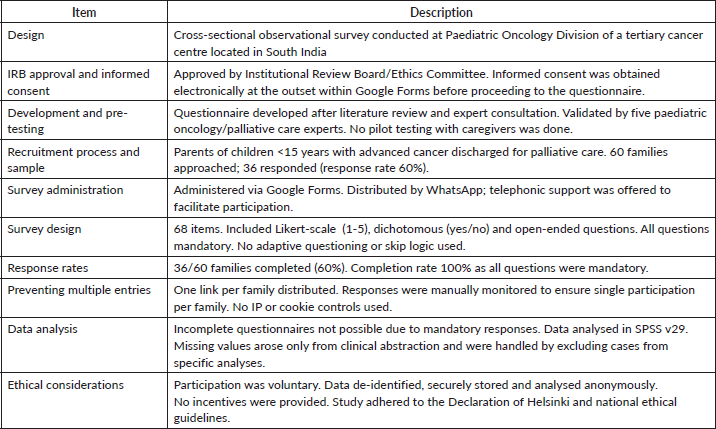
The study followed the Checklist for Reporting Results of Internet E-Surveys (CHERRIES) [10] to ensure transparency in reporting online survey methodology. This included detailed reporting of study design, ethics approval, consent process, recruitment strategy, survey administration, prevention of multiple entries, response rates and data handling (Supplementary Table S1 for the completed CHERRIES checklist).
Statistical analysis
All analyses were conducted using IBM SPSS Statistics version 29. Descriptive statistics summarised demographic, clinical and service-related characteristics. Continuous variables were expressed as median and interquartile range (IQR) due to non-normal distributions confirmed through Shapiro–Wilk tests. Categorical variables were described using frequencies and percentages.
Reliability analysis of multi-item scales
Internal consistency of the multi-item domains - Symptom Relief (11 items), Psychological Support (four items) and Financial Support (revised four-item scale) - was evaluated using Cronbach’s α, with α ≥0.70 considered acceptable for group-level comparisons.
-
Symptom relief: α = 0.824 (very good reliability)
-
Psychological support: α = 0.821 (strong reliability)
-
Financial support (revised): α = 0.781 (acceptable reliability)
The Counselling scale (two items) demonstrated low internal consistency (α = 0.57); therefore, counselling responses were analysed item-wise rather than as a composite score. Reliability results are shown in Table 1.
Construction of composite domain scores
For each caregiver, domain-level satisfaction was summarised using median composite scores, calculated as the median of all Likert-scale items within that domain. This approach was chosen because the data were skewed and ordinal (Likert-based), domains had unequal numbers of items (e.g., Symptom Relief = 11 items versus Psychological Support = 4 items) and median composites provide a more robust measure of central tendency for non-normal data. Each composite was dichotomised into high versus low satisfaction using a median split for use in regression modelling.
Table 1. Reliability analysis of scales and composite scores.

For bivariate and logistic regression analyses, composite satisfaction scores were dichotomised into “high” and “low” satisfaction using the sample median as the cut-off. This approach was chosen because there are no established clinically validated thresholds for these caregiver-reported satisfaction domains in PPC, and the small sample size limited the use of more complex modelling strategies. However, we acknowledge that dichotomisation may reduce variability and statistical power; therefore, these analyses were interpreted cautiously and primarily used to identify potential associations for future research.
Bivariate analyses
Associations between independent variables and domain outcomes were examined using chi-square tests for categorical predictors and Mann–Whitney U tests for continuous predictors (e.g., age, distance from centre).
Predictors assessed included: child age, gender, diagnosis type, relapse status, residence (urban/rural), socioeconomic status, use of home care services, use of alternative therapy, hospital admission and distance from nearest healthcare facility (Supplementary Table S2).
Multivariable logistic regression modelling
To identify independent predictors for each satisfaction domain (Symptom Relief, Psychological Support, Financial Support) and for service outcomes (Home care receipt, Hospital admission, Bereavement support, Morphine access), binary logistic regression models were constructed. Variables with p < 0.20 in bivariate analysis were eligible for inclusion. Variables of clinical importance, even if not significant in bivariate testing (e.g., gender, distance from centre), were retained for consideration. Given the small sample (N = 36), each model included no more than 2–3 predictors to avoid overfitting.
Results were reported as adjusted odds ratios (aOR) with 95% confidence intervals (CI). A p-value <0.05 was considered statistically significant. Given the small sample size and limited number of outcome events, multivariable logistic regression analyses were considered exploratory and hypothesis-generating rather than confirmatory. To reduce the risk of overfitting, only variables with clinical relevance or p < 0.20 in bivariate analysis were considered for inclusion, and the number of covariates in each model was restricted. Ethics
The study was approved by the Institutional Review Board and Ethics Committee. Data were anonymised, and participation was voluntary. The study adhered to the Declaration of Helsinki and national ethical guidelines.
Results
Participant characteristics
Thirty-six caregivers completed the survey. The median age of children was 8.5 years (IQR 3.25–13.0), with 61% males. The most common diagnoses were acute lymphoblastic leukaemia (27.8%), Ewing sarcoma (16.7%), acute myeloid leukaemia (16.7%) and osteosarcoma (13.9%). At the time of referral for home-based palliative care, 56% were in relapse, 19% were refractory and 25% had de novo disseminated disease. Most families resided in rural areas (89%) and belonged to the lower-middle socioeconomic group (69%). Fathers were the most frequent respondents (61%) (Table 2).
Service use, preferences and satisfaction
Most caregivers (66.7%) preferred home-based care (Figure 1), further supporting the need to expand structured paediatric home care services. Satisfaction with discharge counselling was high (91.7%), whereas satisfaction with follow-up was lower (69.4%). Home care services were received by 55.6% of families, with 69.2% expressing satisfaction. Satisfaction with government facilities was moderate (46.1%), while satisfaction with private facilities was low (23%) (Table 3).
Table 2. Participant characteristics (N = 36).

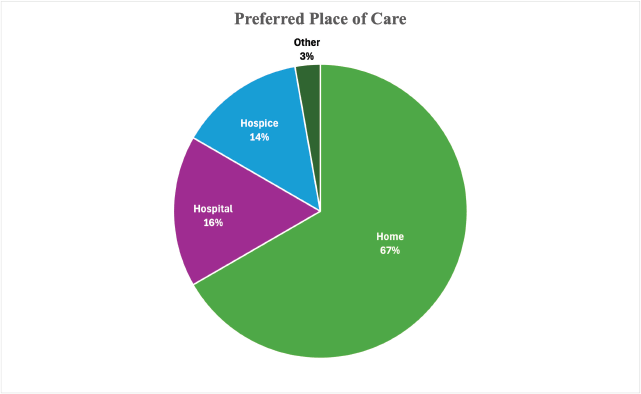
Figure 1. Preferred place of care among caregivers after hospital discharge. This figure illustrates caregiver preferences for the child’s place of care after discharge. Two-thirds (67%) preferred home-based care, while fewer preferred hospital (16%) or hospice (14%). This highlights the strong acceptability of home-based PPC services in this setting.
Pain, analgesic use and morphine access
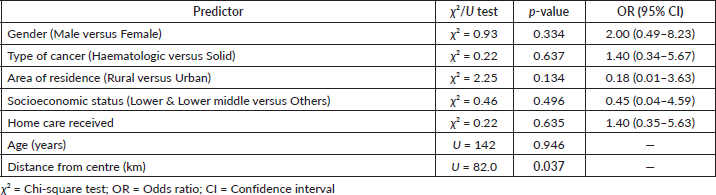
Figure 2 summarises the pain management pathway, showing substantial attrition from pain reporting to effective relief. Pain was reported in 33 (91.7%) of children, and 29 (87.8%) received some form of analgesic. Morphine was prescribed for 24 (72.7%). Only 14 (42.4%) parents were satisfied with pain control. In bivariate analysis (Supplementary Table S2), greater distance from the treating centre was associated with higher morphine access (U = 82.0, p = 0.037), suggesting that families living farther away were more likely to receive morphine through community channels. No significant associations were observed with gender, diagnosis type or socioeconomic status. In multivariable regression (Table 4), distance remained a borderline predictor of morphine access (aOR 1.05 per km, 95% CI 0.99–1.11, p = 0.063).
Symptom relief satisfaction
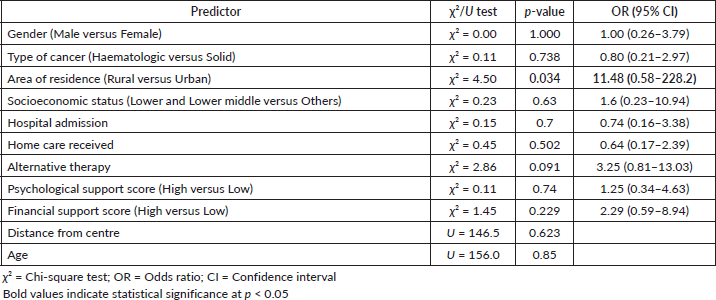
The median symptom relief composite score was 3.6 (IQR 2.87–4.88). Rural residence was significantly associated with higher symptom relief (OR 11.48, p = 0.034). Use of alternative therapy showed a non-significant positive trend (OR 3.25, p = 0.091). Neither financial nor psychological support satisfaction was associated with symptom relief (Supplementary Table S2). In regression analysis, financial satisfaction (aOR 2.00, p = 0.35) was not independently associated after adjustment (Table 4).
Table 3. Service use, preferences and satisfaction.
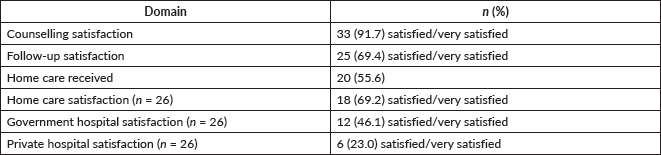

Figure 2. Journey from pain to relief among children receiving palliative care: reported pain, treatment steps and caregiver satisfaction. A composite figure showing (a): the stepwise proportion of children who experienced pain, received analgesics, received morphine and achieved pain relief and (b): caregiver satisfaction with morphine counselling. The visual highlights attrition along the pain-relief pathway and emphasises opioid-related gaps in paediatric PPC.
Financial support satisfaction
The median financial support satisfaction composite score was 4.25 (3.25-5.00). Just over half (52.8%) reported high satisfaction. Lower satisfaction was noted among families of children with solid tumours (OR 0.26, p = 0.060), while alternative therapy use was associated with a trend towards higher satisfaction (OR 3.33, p = 0.09) (Supplementary Table S2). No independent predictors were identified in regression (Table 4).
Psychological support satisfaction
The median psychological support score was 4.25 (IQR 3.81–4.94), with 58.3% reporting high satisfaction. Younger age was associated with better satisfaction in bivariate analysis (U = 105.5, p = 0.074). Regression confirmed a borderline inverse association (aOR 0.86 per year, 95% CI 0.73–1.01, p = 0.07). No significant associations were observed with financial satisfaction or diagnosis type.
Healthcare utilisation
Home care was received by 55.6% of families. Male children were significantly less likely to receive home care (OR 0.19, 95% CI 0.04–0.87, p = 0.027). This relationship persisted after adjustment (aOR 0.18, 95% CI 0.03–0.97, p = 0.045). No associations were found with diagnosis, socioeconomic status, or prior hospital admission.
Table 4. Logistic regression models for key outcomes.
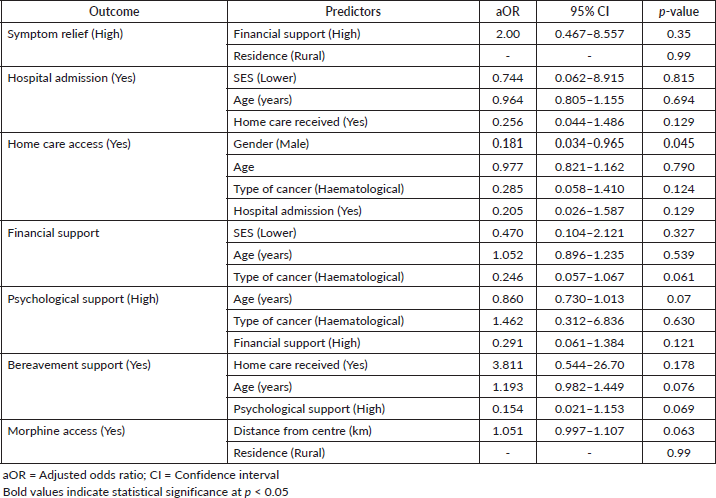
Hospital admission was required in 27 children (75%). The main reasons were symptom control (37%), end-of-life care (37%) and transfusion needs (26%). Home care showed a non-significant protective trend against admission (OR 0.27, p = 0.121), but no variables independently predicted hospital use in regression (Table 4).
Blood transfusions were required for 42% of children. Complementary medicine was used by 42% of families - most commonly homeopathy (25%) and Ayurveda (22%).
Bereavement support
Bereavement follow-up was provided to 72.2% of families, lasting a median of 3 months (IQR 2–12). Although home care families were more likely to receive bereavement follow-up (OR 2.40, p = 0.244), this was not statistically significant. Regression showed a similar non-significant positive trend (aOR 3.81, p = 0.178).
Discussion
This study provides one of the first structured evaluations of caregiver satisfaction with home-based PPC delivered after hospital discharge in India. Conducted within Kerala’s unique palliative care landscape - where adult community-based services are well established but paediatric services remain limited - this study captures caregivers’ real-world experiences as they transition from tertiary cancer care to the home setting. The aim was to understand how families perceive symptom management, psychosocial and financial support, morphine access and healthcare use during this vulnerable period. The findings underscore that while satisfaction with counselling and home-based care was high, significant gaps remain in pain management, morphine accessibility and uniformity of home care coverage - patterns echoed across similar LMIC contexts [2, 3, 11].
The finding that rural families reported significantly higher symptom relief (p = 0.034) is notable and counterintuitive. Traditionally, rural residence is associated with poorer access to oncology and palliative care [1]. However, in Kerala, a strong community-based palliative network likely enhances symptom management at home [9]. Studies from the state have shown that decentralised community engagement can reduce caregiver distress and improve perceived symptom relief, even in resource-limited households [12]. Conversely, urban families may experience fragmented care due to weaker community follow-up systems.
Pain was reported in 91.7% of children, and while 87.8% received some analgesic, only 72.7% received morphine. Among them, only 42.4% achieved partial or complete relief. These findings parallel previous data from India, where morphine access is inadequate [13]. The absence of child-appropriate morphine formulations further contributes to the undertreatment of pain. Our data thus mirror global disparities in opioid availability highlighted by Connor [14] and reaffirm the urgent need for policy-supported opioid education, community-level distribution and reassurance of caregivers regarding safe use.
Over half of families (55.6%) received home care, reflecting Kerala’s strong community outreach model. However, male gender was independently associated with lower home care receipt (aOR 0.18, p = 0.045). While gender disparities in PPC are seldom reported in global literature, studies in India have documented gender biases in healthcare-seeking behaviour for female children [15]. Our finding of lower home care among male children might reflect a selection effect, as families of girls may rely more on home-based support due to financial constraints and sociocultural protectiveness.
High satisfaction was observed in both financial (53%) and psychological (58%) support domains, indicating effective social assistance mechanisms within the regional palliative framework. However, these outcomes did not correlate with socioeconomic or clinical predictors, suggesting a generally uniform caregiver experience irrespective of background. Lower satisfaction among families of solid tumour cases (p = 0.06) may reflect prolonged treatment duration, higher travel costs and late-stage disease-related stress.
Similarly, our finding that older child age trended towards lower psychological satisfaction (p = 0.07) parallels data from Abdelaal et al [16], who found that adolescents exhibit more complex emotional needs and require age-specific psychosocial interventions.
Bereavement support reached 72% of families, primarily through phone or home visits, and was more likely among families who received prior home care (aOR 3.81, p = 0.18). This continuity model aligns with WHO’s PPC guidance emphasising longitudinal contact with families after a child’s death [14].
These findings collectively highlight the importance of strengthening decentralised, home-based PPC models, particularly in LMIC contexts. Integrating morphine distribution with home care, improving continuity of psychosocial support and addressing gender-related service gaps should be key priorities. Future multicentre studies with larger, stratified samples and mixed-method designs can help validate these associations and guide service planning under India’s National Programme for Palliative Care.
This study’s strengths include validated outcome scales, a caregiver-centred methodology and adherence to CHERRIES online survey standards. Limitations include the small sample size, cross-sectional design and reliance on self-reported caregiver satisfaction, which may introduce recall and response bias. Because only 36 caregivers participated, the multivariable logistic regression models may be vulnerable to overfitting and should therefore be interpreted as exploratory and hypothesis-generating rather than definitive. The findings require validation in larger, prospective, multicentre studies. Nonetheless, the study provides novel quantitative evidence on PPC performance in India and contributes to the global understanding of caregiver experiences in LMIC settings.
Conclusion
This study provides an important perspective on caregiver satisfaction with PPC in a setting where community-based adult palliative services are robust but paediatric services remain insufficiently developed. These findings highlight the need to expand structured paediatric home-based palliative care, strengthen community opioid delivery and caregiver education, bolster psychosocial and bereavement services and ensure equity across demographic groups. Despite limitations of single-centre design and modest sample size, this study adds to the limited body of evidence from LMICs and demonstrates the value of incorporating caregiver-reported outcomes into PPC service evaluation. A more comprehensive, paediatric-focused integration within Kerala’s established palliative framework is essential for improving the quality of life of children with advanced cancer and their families.
Acknowledgments
We gratefully acknowledge the children who bravely fought cancer and are no longer with us, and their parents, who shared their experiences with strength and honesty. Their voices and journeys form the foundation of this work. We are also deeply grateful to the experts who helped validate the questionnaire, in particular Dr. Lulu Mathews, whose thoughtful comments greatly strengthened the tool. We also acknowledge the other colleagues who provided constructive feedback during questionnaire development. We sincerely thank Dr. Bindu T for her valuable support in statistical analysis.
Conflicts of interest
The authors declared no potential conflicts of interest with respect to the research, authorship and/or publication of this article.
Funding
This research did not receive any specific grant from funding agencies in the public, commercial, or not-for-profit sectors.
Ethical approval
The study was approved by the Institutional Review Board and Ethics Committee (approval no. 1617/IRB-IEC/13/MCC/22-8-2023/1). Data were anonymised, and participation was voluntary. The study adhered to the Declaration of Helsinki and national ethical guidelines.
References
1. Magrath I, Steliarova-Foucher E, and Epelman S, et al (2013) Paediatric cancer in low-income and middle-income countries Lancet Oncol 14 https://doi.org/10.1016/S1470-2045(13)70008-1
2. Connor SR, Downing J, and Marston J (2017) Estimating the global need for palliative care for children: a cross-sectional analysis J Pain Symptom Manage 53 171–187 https://doi.org/10.1016/j.jpainsymman.2016.08.020
3. World Health Organization (2018) Integrating Palliative Care and Symptom Relief Into Paediatrics: A WHO Guide for Health Care Planners, Implementers and Managers (Geneva: World Health Organization)
4. Arora R, Eden T, and Kapoor G (2009) Epidemiology of childhood cancer in India Indian J Cancer 46 264–273 https://doi.org/10.4103/0019-509X.55546 PMID: 19749456
5. Siddiqui MF, Nohra L, and Saleh M, et al (2023) Pediatric oncology, palliative care and low- or middle- income countries: a call for action Glob Pediatr Health 10 2333794X [https://doi.org/10.1177/2333794X231188591]
6. Rajagopal MR, Joranson DE, and Gilson AM (2001) Medical use, misuse, and diversion of opioids in India Lancet 358 139–143 https://doi.org/10.1016/S0140-6736(01)05322-3 PMID: 11463435
7. Marston J, Boucher S, and Downing J (2018) International children’s palliative care network: a global action network for children with life-limiting conditions J Pain Symptom Manage 55 S104–S111 https://doi.org/10.1016/j.jpainsymman.2017.03.024
8. Friedrichsdorf SJ, Postier A, and Dreyfus J, et al (2015) Improved quality of life at end of life related to home-based palliative care in children with cancer J Palliat Med 18 143–150 https://doi.org/10.1089/jpm.2014.0285
9. Kumar SK (2007) Kerala, India: a regional community-based palliative care model J Pain Symptom Manage 33 623–627 https://doi.org/10.1016/j.jpainsymman.2007.02.005 PMID: 17482058
10. Eysenbach G (2004) Improving the quality of web surveys: the Checklist for Reporting Results of Internet E-Surveys (CHERRIES) J Med Internet Res 6 e132 https://doi.org/10.2196/jmir.6.3.e34
11. Downing J, Boucher S, and Daniels A, et al (2018) Paediatric palliative care in resource-poor countries Children 5 27 https://doi.org/10.3390/children5020027 PMID: 29463065 PMCID: 5835996
12. Kochuvilayil A and Varma RP (2024) Understanding caregiver burden and quality of life in Kerala’s primary palliative care program: a mixed methods study from caregivers and providers’ perspectives Int J Equity Health 23 1–15 https://doi.org/10.1186/s12939-024-02155-x
13. Ghoshal A, Khan Joad A, and Spruijt O, et al (2022) Situational analysis of the quality of palliative care services across India: a cross-sectional survey Ecancermedicalscience 16 https://doi.org/10.3332/ecancer.2022.1486
14. Connor SR, ed (2020) Global Atlas of Palliative Care 2nd edn (London: Worldwide Hospice Palliative Care Alliance; Geneva: World Health Organization)
15. Bhatia KP, Ganguly S, and Sasi A, et al (2025) Impact of gender of the child on health care–seeking behavior of caregivers of childhood patients with cancer: a mixed-methods study JCO Glob Oncol https://doi.org/10.1200/GO-24-00325
16. Abdelaal M, Avery J, and Chow R, et al (2023) Palliative care for adolescents and young adults with advanced illness: a scoping review Palliat Med 37 88–107 https://doi.org/10.1177/02692163221136160 PMCID: 9841827
Supplementary materials
Supplementary Table S1. CHERRIES checklist for online survey reporting.
Supplementary Table S2. Bivariate analysis of predictors with symptom relief (high versus low).
Supplementary Table S3. Bivariate analysis of predictors with hospital admission (Yes versus No).
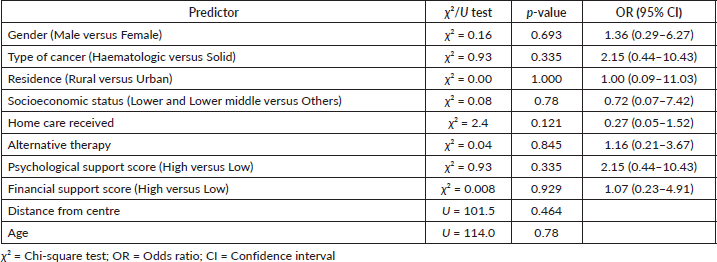
Supplementary Table S4. Bivariate analysis of predictors with home care access (Yes versus No).
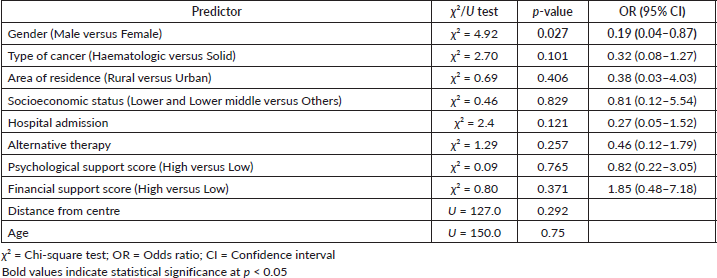
Supplementary Table S5. Bivariate analysis of predictors with financial support satisfaction (High versus Low).
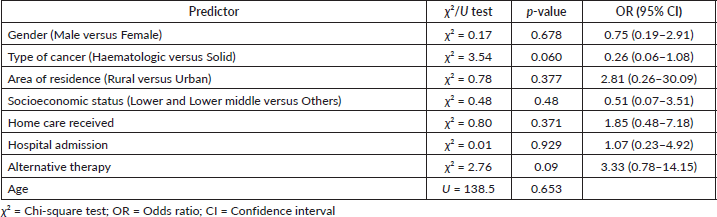
Supplementary Table S6. Bivariate analysis of predictors with psychological support satisfaction (High versus Low).
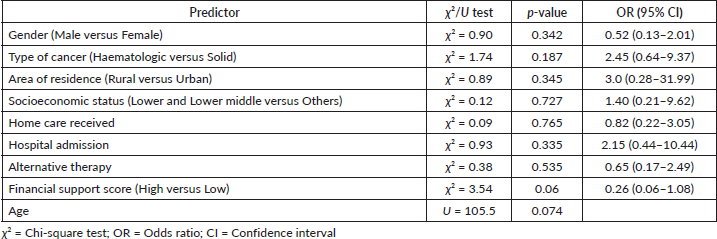
Supplementary Table S7. Bivariate analysis of predictors with bereavement support received (Yes versus No).
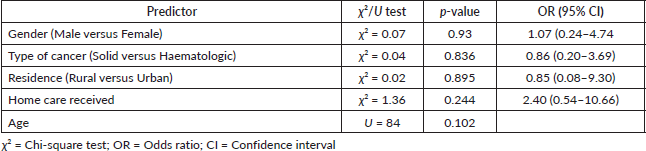
Supplementary Table S8. Bivariate analysis of predictors with morphine access (Yes versus No).