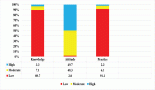
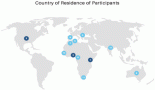
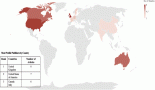
The purpose of this study was to evaluate current practices in the management of epithelial ovarian cancer (OC) in sub-Saharan Africa (SSA). A 27-question survey was distributed to SSA-based physicians who managed OC and were members of the African Organisation for Research and Training in Cancer (AORTIC) via Research Electronic Data Capture. Questions evaluated diagnostics, imaging, surgical capacity, guideline adherence, access and barriers to systemic therapies, genetic testing and palliative care. Survey responses from 58 providers in 25 SSA countries were analysed. Clinical/medical oncologists and gynaecologic oncologists made up 52% and 36% of the respondents, respectively. Harmonised guidelines for SSA and the European Society of Medical Oncology guidelines were the most commonly used guidelines among respondents. Surgeries were performed by gynaecologic oncologists (53%) and general gynaecologists (38%). Complete cytoreductive surgery was the primary surgical goal for 38% of the respondents. Lymphadenectomy was routinely performed in 34% of patients with early-stage disease. The majority of systemic therapies were prescribed by clinical/medical oncologists (76%). Platinum/taxane doublet chemotherapy was the prevalent choice for adjuvant (90%) and neoadjuvant indications (83%). Single-agent gemcitabine was preferred for treating platinum-resistant disease (55%). Bevacizumab was prescribed by 33% of the providers. BRCA testing was limited. Drugs that target BRCA-positive tumours were prescribed by 12% of the respondents. Referral to routine palliative care services for advanced disease was performed by 41% of the respondents. The survey results demonstrate areas of guideline-concordant care for OC in SSA despite several challenges, including limited subspecialty surgical capacity and highlight important remaining gaps. To improve OC outcomes in SSA, increasing gynaecologic oncology capacity, promoting and adopting context-specific guidelines and supporting implementation-focused research require prioritisation.

Supporting oncology professionals through education
The content on this site is intended for healthcare professionals only