Cabozantinib plus nivolumab and ipilimumab improves response in low GDS mRCC while high GDS predicts worse survival

18 Mar 2026

The content on this site is intended for healthcare professionals only
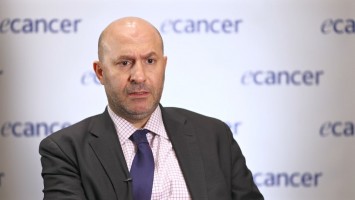
Dr Taigo Kato speaks to ecancer about ultra-sensitive whole-genome sequencing-based molecular residual disease detection in resectable renal cell carcinoma.
He discusses early results from the MONSTAR-SCREEN-3 study.
This study evaluated a next-generation circulating tumour DNA approach in patients with resectable RCC.
Using an ultra-sensitive whole-genome sequencing platform, researchers were able to detect ctDNA in all patients at baseline, including at extremely low levels often missed by conventional methods.
Following surgery, a subset of patients remained ctDNA-positive, and in one case, molecular detection of residual disease preceded radiographic recurrence by several months.
These findings highlight the potential of highly sensitive ctDNA assays to improve surveillance in kidney cancer, a tumour type traditionally considered difficult for liquid biopsy due to low DNA shedding.
Dr Kato explores how this technology could enable earlier detection of relapse and help guide post-surgical monitoring strategies in the future.
Our previous studies demonstrated an association between MRD status and the recurrence risk or benefit from adjuvant chemotherapy in patients with colon cancer and bladder cancers. However, limited data are available in low-shedding tumours like renal cell carcinoma. So we started the multicentre prospective MONSTAR-SCREEN-3 trials.
Can you describe the MONSTAR-SCREEN-3 study design and patient population?
Our MONSTAR-SCREEN-3 study consisted of various types of cancers including renal cell carcinomas. This study was specifically applied an ultra-sensitive whole genome sequence-based MRD assay for various types of cancers. Basically whole exome sequencing sometimes lacks sufficient sensitivity for some types of cancers. We believe that a whole genome sequence-based approach can increase the detection of MRD.
What were the findings regarding MRD detection and its correlation with relapse risk?
We found 100% positivity at baseline and 11.1% at one month post-surgery with 50% ultrasensitive levels. We also found that ctDNA level is associated with clinical stage or tumour size or lymph node metastasis status. Importantly, our patients with recurrence had persistently ctDNA positive after surgery, so indicating that a whole-genome sequencing approach is very feasible and may predict recurrence earlier than currant practice.
What are the next steps for validating this approach and integrating it into clinical practice?
We have enrolled 29 patients and this is a preliminary result. Now we are expanding this cohort to 150 patients and hopefully we can stratify the patients with adjuvant therapy for ctDNA-positive patients so we don’t need to do unnecessary adjuvant therapy for ctDNA-negative patients. Now our ctDNA-guided therapy is upcoming, the next step, upcoming therapy for solid tumours. So we can apply this whole genome sequencing approach even to renal cell carcinoma.
Cabozantinib plus nivolumab and ipilimumab improves response in low GDS mRCC while high GDS predicts worse survival
Enzalutamide plus radium-223 extends survival in bone metastatic prostate cancer

AMVAC plus nivolumab in muscle-invasive bladder cancer preserves bladder and predicts metastatic control with ctDNA

Real-world cardiovascular risks with novel hormonal therapies in advanced prostate cancer
Circulating tumour DNA shows high accuracy for monitoring testicular cancer across all stages
Cabozantinib plus nivolumab and ipilimumab shows promising brain metastasis control in advanced kidney cancer

Belzutifan plus palbociclib shows modest activity with manageable safety in heavily pretreated kidney cancer
Circulating tumour DNA dynamics predict outcomes with pembrolizumab in advanced kidney cancer
HIF-2α inhibitor Cas shows durable responses and biomarker-linked benefit in metastatic kidney cancer