
Supporting oncology professionals through education
The content on this site is intended for healthcare professionals only
The content on this site is intended for healthcare professionals only
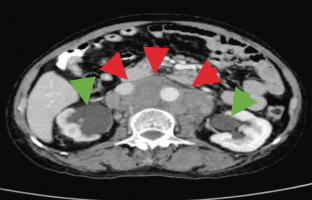
The prospective, multicenter, randomised phase II ZZ-FIRST clinical trial, led by the Vall d’Hebron Institute of Oncology’s (VHIO) Prostate Cancer Group, evaluated androgen receptor pathway inhibitor (ARPI) enzalutamide plus poly(ADP-ribose) polymerase inhibitor (PARPi) talazoparib versus enzalutamide alone in patients with high-tumour-burden metastatic prostate cancer who had not previously received hormone therapy.
This work, results of which published today in Nature Medicine1, also included the study of tumour adaptation that leads to resistance to hormonal therapy, known as castration resistance.
With an estimated 1.5 million new cases and 397,000 deaths worldwide in the year 2022, prostate cancer is the world’s second most frequent cancer and the fifth leading cause of cancer death among men2, with worldwide cases projected to double by 20403.
Although most cases are diagnosed when the disease is localised, metastases are detected in up to 10% of patients—these cases account for more than half of prostate cancer deaths.
Patients with metastatic disease initially respond to treatment with ARPI, but tumours frequently develop resistance leading to disease recurrence.
The ZZ-FIRST academic clinical trial included 54 patients with high-volume metastatic hormone-naïve prostate cancer (mHNPC) who were randomised 1:2 to receive the investigational enzalutamide-talazoparib combination (37 patients) or enzalutamide alone (17 patients).
Median radiographic progression-free survival (rPFS) was 45.3 months with talazoparib plus enzalutamide versus 31.1 months with enzalutamide monotherapy.
The findings also showed that the time to PSA progression—a blood-based prostate cancer biomarker—and the development of castration resistance was longer in patients treated with the investigational combination.
“Overall, talazoparib plus enzalutamide showed clinical activity in patients with high-tumour-burden metastatic hormone-sensitive prostate cancer, but the combination did not demonstrate a clear additional clinical benefit over enzalutamide monotherapy in patients whose tumours did not have actionable mutations, and was associated with increased toxicity,” observed Francesca Zacchi, Clinical Investigator of VHIO’s Prostate Cancer Group and first author of the study.
One key strength of this study is the integration of longitudinal tumour biopsies with spatially resolved transcriptomic analyses within the framework of a randomised clinical trial.
Using this approach, the investigators tracked how the disease changed and adapted over time and space to systemic treatment directly in patients, and without the need to solely rely on preclinical models or cross-sectional clinical datasets.
Furthermore, biological analyses performed on these biopsies before and during treatment enabled the research team to study how tumours adapted to androgen receptor pathway inhibition.
Results showed profound reprogramming of gene activity, with a decrease in cell division and proliferation.
However, this reduction did not translate into a functional loss of DNA repair capacity.
“DNA repair genes are expressed at lower levels primarily because tumour cells proliferate less, as opposed to having acquired an actual deficiency in this pathway,” said Joaquin Mateo, Medical Oncologist at the Vall d’Hebron University Hospital, Head of VHIO’s Prostate Cancer Group, and corresponding author of the study.
From tumour genomics to clinical trials: a decade of evidence building
The story of PARPi in prostate cancer began with a simple, yet at the time unanswered question: can we identify patients who are most likely to benefit from a specific treatment before administering it?
In 2015, an initial trial led by Joaquin Mateo demonstrated that the PARPi olaparib was effective in patients with metastatic castration-resistant prostate cancer with alterations in DNA repair genes, including BRCA1, BRCA2, and ATM.
For the first time, the investigators reported a causal link between a molecular biomarker and a drug response in prostate cancer—an approach known as precision medicine.
This work opened a line of research that subsequently yielded robust results, ultimately leading to the approval of this class of drugs in this setting.
Two key questions remained unanswered: could this benefit be extended to patients without these mutations, and could it be generated artificially by blocking the androgen receptor pathway?
Investigations using laboratory models suggested that hormone treatment could impair the DNA repair capacity of tumour cells, which, in theory, would make them more vulnerable to PARPi, irrespective of genetic profile.
To test this hypothesis directly in patient tumours, Mateo’s group designed the ZZ-FIRST trial.
Unlike previous trials, ZZ-FIRST included a period of hormone treatment prior to randomization, which allowed for the collection of tumour biopsies both before and during androgen blockade, enabling the researchers to analyse—with spatial resolution—how tumours adapt to treatment.
In a sense, it was the experimental answer to the biological question that had guided a decade of research.
Implications for future therapy
The results of the ZZ-FIRST trial align with emerging data from another, larger phase III study, which show that the benefit of combinations of ARPI and PARPi is clearly greater in patients whose tumours harbour alterations in DNA repair genes such as BRCA1, BRCA2, CDK12, PALB2, or ATM.
He concluded: “Our results therefore reinforce the importance of implementing biomarker testing to determine which patients may derive benefit from these strategies, especially in the earlier stages of disease when it is crucial to carefully weigh in the balance between clinical benefit and long-term toxicity.”
Directed by Joaquin Mateo and promoted by Medica Scientia Innovation Research S.L.(MEDSIR), the ZZ-FIRST investigator-initiated study received external funding from Pfizer S.L., and grants from the Scientific Foundation of the Spanish Association Against Cancer (AECC), and the United States Department of Defence (DoD).