
Supporting oncology professionals through education
The content on this site is intended for healthcare professionals only
The content on this site is intended for healthcare professionals only
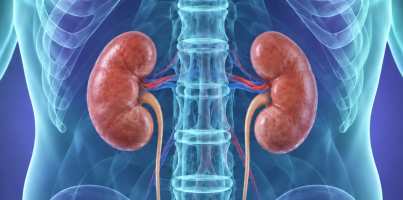
Renal medullary carcinoma (RMC) demonstrates strong uptake of the radiotracer 18F-FDG, distinguishing it from other types of kidney cancer which often have more variable uptake.
18F-FDG PET/CT was found to be highly effective even after systemic treatment and detected additional metastases missed by conventional anatomic imaging, providing a more complete picture of how far the cancer had spread.
This research was published in the September issue of The Journal of Nuclear Medicine.
RMC is a rare and highly aggressive form of non–clear cell renal cell carcinoma (non-ccRCC) that predominantly affects adolescents and young adults, occurring more often in males.
At the time of diagnosis, patients frequently present with metastatic disease, with a median overall survival of approximately 14.5 months.
“In RMC, the value of accurate staging cannot be overstated,” Simone Krebs, MD, MS, nuclear medicine physician and scientist at the University of Texas MD Anderson Cancer Centre in Houston.
“Upstaging a patient from localised to metastatic disease spares them from noncurative, high-morbidity surgeries that delay the initiation of essential systemic therapy. Identifying metastatic disease may also provide opportunities for more effective therapies.”
The utility of 18F-FDG PET/CT for detecting kidney cancer lesions varies by tumour subtype.
In this study, researchers evaluated its ability to assess disease burden and inform treatment planning in patients with RMC.
The single-centre retrospective review included 49 RMC patients who underwent 18F-FDG PET/CT from 2016-2025.
Researchers evaluated 18F-FDG uptake and quantitative PET/CT metrics, and recorded cases in which imaging findings altered treatment.
18F-FDG uptake was exhibited in 98 percent (48 out of 49) RMC patients; notably, the one patient without 18F-FDG uptake lacked any other evidence of active disease on anatomic imaging.
Additional cancer lesions were found in 65 percent of patients.
These findings led to a change in treatment plan for 21 percent patients with active disease.
“Our work demonstrates that PET/CT can provide clinically meaningful information beyond conventional imaging, helping doctors to better assess the extent of disease and choose the most appropriate treatment strategy,” said Krebs.
“On a larger scale, this research supports including 18F-FDG PET/CT in future clinical guidelines for RMC so that it can be more widely used in patient care.”