
Supporting oncology professionals through education
The content on this site is intended for healthcare professionals only
The content on this site is intended for healthcare professionals only
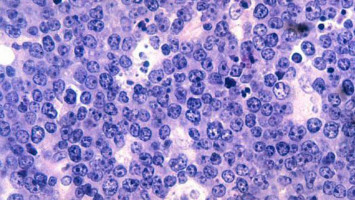
Research published in the Journal of Medicinal Chemistry showcases a novel PROTAC series from Insilico Medicine UAE, advancing local research in targeted protein degradation
Insilico Medicine AI R&D Centre in Abu Dhabi adds a new discovery milestone to the company’s UAE operations, with research on BTK degraders for potential applications in blood cancers.
Chemistry42 supported the design of novel molecular building blocks, yielding lead compounds ISM-PR25 and ISM-PR44 with picomolar BTK degradation activity and oral bioavailability in mice.
The research builds on the UAE-based discovery of PRMT5 inhibitor ISM0387, demonstrating the breadth of Insilico’s local drug discovery capabilities.
Insilico Medicine (“Insilico”, HKEX: 3696), a clinical-stage tech-bio company powered by generative artificial intelligence, today highlighted novel BTK degraders discovered by its UAE team as part of its growing research presence in the Middle East.
First published online in the Journal of Medicinal Chemistry (a premier international journal in medicinal chemistry) on August 14, 2026, the study represents a scientific milestone for Insilico Medicine UAE and demonstrates its capabilities in targeted protein degradation.
“Our ambition in Abu Dhabi is to build a team that can originate new medicines and contribute to international drug discovery,” said Alex Aliper, PhD, President of Insilico Medicine.
“Following our UAE-based discovery of the PRMT5 preclinical candidate, this BTK degrader publication demonstrates the range of scientific problems our local team can tackle. It is another step in building lasting drug discovery capabilities here in the UAE.”
Developing a new approach to BTK drug discovery
Blood cancers such as chronic lymphocytic leukaemia (CLL) and mantle cell lymphoma (MCL) affect B cells, a type of immune cell.
Bruton’s tyrosine kinase (BTK) supports signalling that helps these cancer cells grow and survive, making it an established therapeutic target.
Although BTK inhibitors have improved treatment options, resistance mutations can limit their effectiveness.
Proteolysis-targeting chimaeras (PROTACs) offer a different mechanism: they recruit the cell’s protein degradation machinery to remove BTK.
Developing selective orally bioavailable PROTACs remains challenging. Insilico’s team used its proprietary generative AI platform, Chemistry42, to design two new cereblon (CRBN)-binding warheads, ISM-WH1 and ISM-WH2.
CRBN helps recruit the machinery needed for protein degradation. Researchers then optimised the molecular linkers and evaluated more than 40 compounds, balancing BTK degradation, selectivity, cellular toxicity and pharmacokinetic properties.
Potent degradation with encouraging preclinical properties
Lead compounds ISM-PR25 and ISM-PR44 achieved BTK degradation DC₅₀ values of 0.04 and 0.05 nM in malignant B cells, respectively. DC₅₀ is the concentration required for 50% degradation.
The study reported activity against both wild-type and mutated BTK, with no concomitant degradation of the off-target proteins IKZF1, IKZF3 and GSPT1.
Oral bioavailability in mice reached 26% for ISM-PR25 and 29% for ISM-PR44. Both compounds reduced BTK levels in circulating mouse B cells following a single oral dose of 3 mg/kg, supporting further investigation as potential oral therapies.
“In this study, we present highly potent BTK-targeting PROTACs with favourable pharmacokinetic and toxicity profiles, alongside novel selective CRBN-targeting warheads,” said Dr. Alexey B.
Mantsyzov, corresponding author of the study.
“Leveraging these novel warheads combined with extensive linker optimisation enabled the discovery of promising lead candidates.”
ISM-PR25 and ISM-PR44 remain research-stage lead compounds. Further preclinical and clinical studies would be needed to establish their potential as medicines.
Building on the UAE research foundation
The BTK research builds on Insilico Medicine’s earlier announcements in drug discovery and development in the UAE.
On April 23rd, 2026, the company announced ISM0387, an MTA-cooperative PRMT5 inhibitor, the first ever drug discovered in the UAE and nominated as a preclinical candidate.
On July 23rd, 2026, it announced ISM9528, a potential first-in-class, non-opioid candidate for chronic pain and its 31st preclinical candidate since 2021.
The programmes demonstrate distinct AI-led and accelerated approaches to drug discovery emerging from the UAE across multiple potential disease categories.
Under the regulatory support and guidance of the Emirates Drug Establishment (EDE), these programmes continue to advance and help support the UAE’s objective of becoming a global innovator in healthcare and life sciences.
Insilico Medicine’s UAE operations were established with support from the Abu Dhabi Investment Office (ADIO), following a partnership announced in 2023.
Alongside the Department of Health - Abu Dhabi (DoH), ADIO has supported the company’s establishment and expansion under the Health, Endurance, Longevity, and Medicine (HELM) cluster, with a focus on localization, advanced pharmaceutical development and long-term manufacturing potential.
Based at the IRENA headquarters in Masdar City, Insilico Medicine’s Generative AI and Quantum Computing Research and Development Centre anchors its local research presence.
The company has also developed research relationships with MBZUAI, Khalifa University and NYU Abu Dhabi, connecting its drug discovery work with the UAE’s academic community.
In 2026, Insilico Medicine further strengthened its local presence through a strategic partnership with the Emirates Drug Establishment (EDE) to support pharmaceutical innovation in the UAE.
Recently, Insilico reported total revenue of approximately $106 million in the first half of 2026, a 287% year-over-year increase, and achieved its first profitable half-year since listing, with an adjusted net profit exceeding $51 million.
This milestone was driven by a series of out-licencing, co-development, and R&D collaborations with global partners, including Eli Lilly, Servier, Takeda, SK Biopharmaceuticals, Qilu Pharmaceutical, Hygtia Therapeutics, CMS, and Tenacia.
As of the latest practicable date, the total contract value of transactions announced by Insilico in 2026 reached approximately $7.3 billion, pushing the cumulative contract value of its major collaborations since 2021 approximately $11 billion.
On the AI-driven R&D front, Insilico nominated nine development candidates within nine months of 2026 as of late August, setting a new company record for annual pipeline productivity and achieving eight clinical milestones across its proprietary and co-developed programmes.
Leading this progress is rentosertib (ISM001-055), the world's first drug candidate discovered and developed using generative AI, which has advanced to a Phase III trial evaluating for idiopathic pulmonary fibrosis (IPF).
In addition, Insilico Medicine launched a comprehensive set of benchmarks that allow foundation models to be evaluated in all tasks needed for drug discovery and launched state of the art (SOTA) foundation models outperforming other models and even internal tools in benchmarks.
Using this new capability Insilico hopes to expand and accelerate longevity drug discovery and development both in terms of scale, therapeutic modalities, and indications.
Source: InSilico Medicine
We are an independent charity and are not backed by a large company or society. We raise every penny ourselves to improve the standards of cancer care through education. You can help us continue our work to address inequalities in cancer care by making a donation.
Any donation, however small, contributes directly towards the costs of creating and sharing free oncology education.
Together we can get better outcomes for patients by tackling global inequalities in access to the results of cancer research.
Thank you for your support.