
Supporting oncology professionals through education
The content on this site is intended for healthcare professionals only
The content on this site is intended for healthcare professionals only
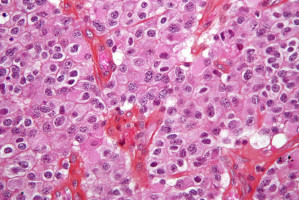
This study was led by Daisuke Kawauchi of Nagoya City University, Naofumi Uesaka of Institute of Science Tokyo, and Reo Maruyama of the Japanese Foundation for Cancer Research, in collaboration with their respective research teams and institutions.
News release
Brain tumours do not grow in isolation. They develop within the highly active environment of the brain, where neurons continuously exchange electrical and chemical signals.
While previous studies have shown that neuronal activity can promote glioma growth, a new study published in Neuron reveals that some brain circuits can have the opposite effect: they can act as a brake on tumour progression.
A research team led by Professor Daisuke Kawauchi at Nagoya City University, in close collaboration with Professor Naofumi Uesaka, Dr. Reo Maruyama and colleagues, has found that inhibitory neurons suppress the growth of adult gliomas by reducing calcium activity inside tumour cells.
The findings identify a tumour-suppressive role for GABAergic inhibitory circuits and suggest that the balance of neural activity in the tumour microenvironment can shape how brain cancers progress.
Gliomas are aggressive brain tumours that interact closely with surrounding neurons. Much attention has focused on excitatory neuronal activity, which can drive tumour growth through neuron–glioma communication.
However, the role of inhibitory neurons, which normally help regulate brain activity by limiting excessive excitation, has remained unclear.
In the new study, the researchers used mouse models of adult glioma and patient-derived tumour models to investigate whether inhibitory neurons communicate with glioma cells and influence their behaviour.
They found that inhibitory neurons form synaptic contacts with tumour cells and that increasing inhibitory tone reduced tumour cell proliferation and prolonged survival in preclinical models.
The team further discovered that this effect was linked to calcium dynamics within tumour cells.
Glioma cells showed active calcium transients during proliferative phases, but activation of inhibitory circuits suppressed these tumour calcium signals.
Conversely, restoring calcium activity in tumour cells weakened the anti-proliferative effect of inhibitory circuit activation, indicating that tumour calcium dynamics are a key mediator of this circuit-based control.
Downstream analyses revealed that inhibitory circuit activation reduced YAP1- and mTOR-associated oncogenic programmes, two signalling pathways linked to tumour growth and survival.
Together, the results suggest that inhibitory input from the surrounding brain microenvironment can restrain adult glioma progression by suppressing calcium-driven growth programmes within tumour cells.
“Our study shows that the brain is not simply a permissive environment for tumour growth,” said Professor Kawauchi.
“In adult glioma, inhibitory circuits can function as a tumour-suppressive force by quieting tumour calcium activity and downstream oncogenic signalling.”
Professor Uesaka added, “This project required a close integration of neuroscience and cancer biology. By combining circuit-level approaches, electrophysiology, imaging, and tumour models, we were able to show that inhibitory neuron–glioma communication has a functional impact on tumour progression.”
The findings add an important layer to the emerging field of cancer neuroscience, which explores how neural activity and tumour biology interact.
They also highlight the importance of considering glioma not only as a disease of cancer cells, but as a disease shaped by the broader brain ecosystem.
Although the study was performed in preclinical models, the work raises the possibility that strengthening inhibitory tone or suppressing tumour calcium activity could inspire new therapeutic strategies for adult gliomas.
Further research will be needed to determine how these mechanisms operate across different glioma subtypes and whether they can be safely targeted in patients.
Source: Nagoya City University
The World Cancer Declaration recognises that to make major reductions in premature deaths, innovative education and training opportunities for healthcare workers in all disciplines of cancer control need to improve significantly.
ecancer plays a critical part in improving access to education for medical professionals.
Every day we help doctors, nurses, patients and their advocates to further their knowledge and improve the quality of care. Please make a donation to support our ongoing work.
Thank you for your support.