
Supporting oncology professionals through education
The content on this site is intended for healthcare professionals only
The content on this site is intended for healthcare professionals only
Our immune system is naturally equipped to fight cancers.
However, cancers can mutate and develop the ability to exploit the immune system’s own built-in brakes — molecular off-switches called “immune checkpoints.”
To counter this, one modern treatment approach uses “immune checkpoint inhibitors,” which work by disabling this off-switch.
But cancers can develop yet other escape mechanisms and some patients don’t respond to this approach at all.
To boost anti-cancer immunity, researchers have tested injectable vaccines containing small fragments of a tumour-associated antigen protein called “Wilms tumour 1 (WT1) protein.” However, these vaccines commonly cause local injection-site reactions and sensitise the immune system to only a limited number of WT1 features, potentially restricting the breadth of the immune response.
Kobe University translational cancer researcher SHIRAKAWA Toshiro says: “When patients no longer respond to immune checkpoint inhibitors, effective treatment options are often limited. We need new approaches that can safely enhance anti-tumour immunity and complement immune checkpoint inhibitors.”
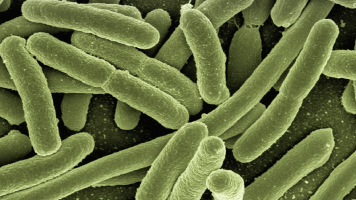
Shirakawa therefore turned to Bifidobacterium longum, a bacterium commonly used in probiotic yoghourts and known to interact with the immune system in the gut.
The Kobe University researcher explains, “Many oral vaccines currently in use are designed to prevent infectious diseases and are based on attenuated or inactivated forms of enteric pathogens. However, developing a safe and versatile oral platform capable of delivering a selected antigen protein, such as a cancer antigen, to gut-associated lymphoid tissue remains a major challenge.” Now, his team, spanning several medical specialties and clinical-trial management, genetically engineered the bacterium to display a much larger portion of a modified WT1 protein.
They then evaluated the resulting oral vaccine, called “B440,” in a phase I clinical trial involving 12 patients with metastatic urothelial cancer who had exhausted standard treatment options.
In the journal JCO Oncology Advances, they now published the results of their small-scale exploratory study.
The only treatment-related adverse event was a transient increase in interleukin-6 (IL-6), an inflammatory signalling molecule, observed in three patients; all cases were mild and non-serious.
As for the immune response, WT1-specific cellular immune responses were detected in six of the 12 patients, all of whom already had weak responses before treatment.
These patients also remained progression-free for longer than the other patients.
In the remaining six patients, who had no detectable preexisting response, B440 did not appear to induce a new WT1-specific immune response.
This suggests that B440 may act more as an immune enhancer than as an initiator of immunity.
If confirmed in future studies, a low-level preexisting immune response to WT1 could serve as a candidate biomarker for identifying patients who may be more likely to benefit from B440 or similar cancer immunotherapies.
After completing the trial, seven patients received pembrolizumab rechallenge, that is, another round of an immune checkpoint inhibitor, at their physicians’ discretion.
Tumour shrinkage was observed in three of these patients, all of whom had detectable WT1-specific cellular immune responses after B440 treatment.
However, because of the small number of patients and the post-trial, non-randomised nature of the observation, it is not possible to determine whether B440 contributed to these responses.
Shirakawa explains, “As this was a small, single-arm phase I trial, it was not designed to establish efficacy. These findings should therefore be regarded as exploratory and hypothesis-generating.” Nevertheless, the results support further investigation of B440 in combination with, or followed by, immune checkpoint inhibitors.
The Kobe University-led team is now conducting a phase I/II clinical trial of B440 in combination with the immune checkpoint inhibitors nivolumab and ipilimumab in patients with non-removable malignant pleural mesothelioma.
Shirakawa sums up the significance of the work, saying, “We believe this represents an important next step toward evaluating orally administered cancer vaccines as a new component of combination cancer immunotherapy.”
Source: Kobe University