
Supporting oncology professionals through education
The content on this site is intended for healthcare professionals only
The content on this site is intended for healthcare professionals only
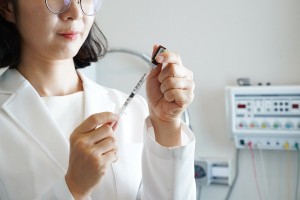
More than 27,000 women in Europe die from cervical cancer each year. The human papillomavirus (HPV) is responsible for this disease and for at least five other cancers that affect both women and men. HPV vaccination is among the most effective tools available, yet its full potential is still not being realised.
To help address this, two valuable resources are being introduced at the European Parliament: The European Parliamentary Forum for Sexual & Reproductive Rights (EPF) is presenting the HPV Prevention Policy Atlas 2025 – while the European Cancer Organisation (ECO) is launching the new ECO Good Practice Guide on HPV Vaccination.
Developed by leading European experts, the Guide brings together evidence and real-world experience from countries that have successfully improved vaccination rates. It provides practical recommendations on programme design, delivery systems, data use and communication, helping policymakers and health systems translate commitments into effective action. Designed as a concise, fully digital and interactive resource, the ECO Guide can be adapted to different countries and used to support continuous improvement of vaccination programmes.
To support this analysis, the EPF Atlas provides a comparative overview of vaccination policies and implementation across Europe, highlighting where gaps persist and where further action is needed.
Together, they identify where countries stand and offer practical solutions to strengthen HPV vaccination delivery
Key messages:
Join policymakers, clinicians, researchers and patient advocates for the presentation of these and other findings from the ECO Guide and the EPF Atlas, and how they can strengthen HPV-related cancers prevention across Europe.
Source: European Cancer Organisation
We are an independent charity and are not backed by a large company or society. We raise every penny ourselves to improve the standards of cancer care through education. You can help us continue our work to address inequalities in cancer care by making a donation.
Any donation, however small, contributes directly towards the costs of creating and sharing free oncology education.
Together we can get better outcomes for patients by tackling global inequalities in access to the results of cancer research.
Thank you for your support.