
Supporting oncology professionals through education
The content on this site is intended for healthcare professionals only
The content on this site is intended for healthcare professionals only
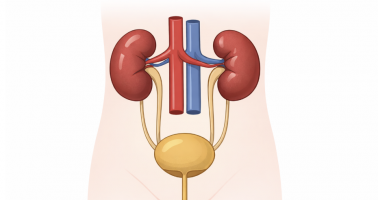
A new Italian study published in Nature Medicine provides compelling evidence that faecal microbiota transplantation (FMT) can enhance the effectiveness of immunotherapy in patients with advanced metastatic renal cell carcinoma (mRCC).
The research was coordinated by Università Cattolica del Sacro Cuore and Fondazione Policlinico Gemelli IRCCS and represents a significant step forward in understanding how the gut microbiota modulates cancer treatment outcomes.
Over the past 10–15 years, immunotherapy—drugs that reactivate the immune system against cancer—has revolutionised the treatment of many malignancies, including kidney cancer.
However, a substantial proportion of patients either fail to respond, or obtain only limited benefit.
Growing evidence suggests that the intestinal microbiota plays a crucial role in both cancer development, and in the response to immunotherapy.
“The gut microbiota is known to influence the immune system, and in kidney cancer several factors—such as marked angiogenesis and inflammatory mediators like IL-6—can reduce the effectiveness of immunotherapy,” explains Professor Giampaolo Tortora, Full Professor of Medical Oncology at Università Cattolica del Sacro Cuore and Director of the Comprehensive Cancer Centre at Fondazione Policlinico Gemelli IRCCS.
Building on these insights, the TACITO trial—a multicenter, randomised, double-blind, placebo-controlled phase 2a study—evaluated whether FMT from donors who had achieved a complete response to immunotherapy could improve clinical outcomes in patients with mRCC.
All patients were treated with the standard first-line combination of pembrolizumab (an immune checkpoint inhibitor) and axitinib (an anti-angiogenic targeted therapy).
“Our working hypothesis was that transplanting a ‘favourable’ gut microbiota could enhance response to immunotherapy,” says Dr. Gianluca Ianiro, Principal Investigator of the study, tenure-track researcher in Digestive Diseases at Università Cattolica del Sacro Cuore and physician at the CEMAD of Fondazione Policlinico Gemelli IRCCS.
“TACITO is the first randomised trial worldwide to compare immunotherapy outcomes following FMT from immunotherapy responders versus placebo.”
The study enrolled 45 previously untreated patients with advanced kidney cancer, who were randomised to receive either donor-derived FMT (d-FMT) or placebo (p-FMT).
The primary endpoint was progression-free survival at 12 months.
At one year, 70% of patients in the d-FMT group were free from disease progression, compared with 41% in the placebo group.
While this difference did not reach statistical significance for the primary endpoint, several secondary endpoints showed highly promising results.
“In particular,” notes Professor Roberto Iacovelli, Co-Principal Investigator and Associate Professor of Oncology at Università Cattolica del Sacro Cuore, “median progression-free survival was markedly longer in the d-FMT group—24 months versus 9 months in the control group—corresponding to a 50% reduction in the risk of disease progression.” The objective response rate was also higher in the d-FMT group (52%) compared with placebo (32%).
Notably, the benefits of FMT combined with immunotherapy appeared especially pronounced in patients with intermediate or poor prognostic risk.
“This finding is particularly relevant, as these patients typically have fewer therapeutic options and worse outcomes,” adds Dr. Chiara Ciccarese, co–first author of the study and oncology researcher at Università Cattolica del Sacro Cuore.
Microbiome analyses, led by Professor Nicola Segata (University of Trento), confirmed successful engraftment of donor bacterial strains and increased microbial diversity—considered a marker of a healthy gut ecosystem.
Importantly, clinical benefit was more closely associated with the presence or elimination of specific ‘harmful’ bacterial strains than with overall engraftment levels.
From a safety perspective, FMT preparation followed stringent quality and biosafety standards.
“Donor samples underwent extensive clinical and microbiological screening, including testing for bacterial, viral, and parasitic pathogens,” explains Professor Maurizio Sanguinetti, Full Professor of Microbiology at Università Cattolica del Sacro Cuore.
“All procedures were performed in controlled environments to minimise infectious risks.”
“These results provide further evidence that the gut microbiota is a key modulator of immunotherapy response,” concludes Dr. Ianiro.
“FMT from carefully selected donors may become an important complementary strategy to improve outcomes in metastatic renal cell carcinoma, likely by providing an immunological stimulus that enhances treatment response.”
Further studies in larger patient populations will be needed to confirm these findings and to better understand the biological mechanisms involved.
Looking ahead, researchers anticipate that the gut microbiota could serve as a predictive biomarker of response to immunotherapy and could be modulated through innovative strategies—such as lyophilised capsules or defined microbial consortia—beyond the use of faecal microbiota transplantation alone.
The TACITO study was funded by the Italian Ministry of Health under the “Ricerca Finalizzata – Giovani Ricercatori” 2018 call (project GR–2018–12365734).
We are an independent charity and are not backed by a large company or society. We raise every penny ourselves to improve the standards of cancer care through education. You can help us continue our work to address inequalities in cancer care by making a donation.
Any donation, however small, contributes directly towards the costs of creating and sharing free oncology education.
Together we can get better outcomes for patients by tackling global inequalities in access to the results of cancer research.
Thank you for your support.