
Supporting oncology professionals through education
The content on this site is intended for healthcare professionals only
The content on this site is intended for healthcare professionals only
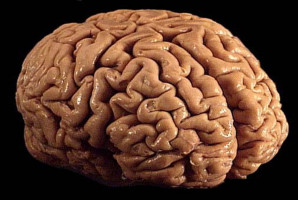
Researchers from the Terasaki Institute for Biomedical Innovation together with key pioneers in glioma biology, neuro-oncology, and stem cell biology, have published a comprehensive review in Society for Neuro-Oncology’s journal Neuro-Oncology outlining the evolving landscape of glioma organoid technologies and proposing a foundational classification framework to guide translational brain tumour research.
The article, titled “Modelling Gliomas with Organoids: Classification, Fidelity, and Guidelines for Translational Neuro-Oncology,” represents a collaborative effort among experts across multiple leading academic and translational research institutions.
Co-authors include Dr. Christopher G. Hubert, Dr. Renee D. Read, Dr. Tyler E. Miller, Dr. Albert Lai, alongside several emerging scientists helping shape the next generation of glioma organoid research.
The review was spearheaded by co-corresponding authors Dr. Zhaohui Wang and Dr. Hongjun Song.
The review provides one of the most comprehensive overviews to date of human glioma organoid systems, including engineered organoids, patient tissue-derived organoids, and assembloid models designed to study tumour–microenvironment interactions.
The publication also proposes a foundational nomenclature and classification framework intended to help address increasing methodological heterogeneity and fragmented terminology across the rapidly evolving field of glioma organoid research.
Foundational contributions include:
“This field is advancing extremely rapidly, but terminology, methodologies, and applications have become highly fragmented,” said Dr. Zhaohui Wang, Assistant Professor at the Terasaki Institute.
“By bringing together perspectives from leaders and emerging scientists across the field, our goal was to provide a practical roadmap for investigators while helping establish a more unified framework for evaluating and applying glioma organoid models across basic, translational, and therapeutic studies. We also hope this work will help support, connect, and inspire the next generation of scientists advancing translational neuro-oncology.”
Dr. Xiling Shen, Acting Director of the Terasaki Institute, emphasised the broader significance of the work.
“This exemplifies our mission to develop human-relevant platforms that bridge the gap between the laboratory and the clinic. By bringing together the community around shared standards, we believe this review will meaningfully accelerate the path to better treatments for patients with glioma.”
Gliomas remain among the most devastating and difficult-to-treat cancers of the central nervous system.
Traditional preclinical models often fail to fully capture the complexity, heterogeneity, and treatment resistance observed in patient tumours.
Advances in organoid technologies are increasingly enabling researchers to model glioma biology using human-relevant systems that better preserve tumour architecture, cellular diversity, and clinically relevant phenotypes.
Organoid models, three-dimensional, human cell-derived tissue constructs grown in the laboratory, offer a fundamentally more faithful representation of human tumour biology.
The work by Dr. Wang and the Terasaki Institute team provides the field with a shared foundation to ensure that the growing body of organoid research is cumulative, comparable, and ultimately translatable into clinical benefit.
We are an independent charity and are not backed by a large company or society. We raise every penny ourselves to improve the standards of cancer care through education. You can help us continue our work to address inequalities in cancer care by making a donation.
Any donation, however small, contributes directly towards the costs of creating and sharing free oncology education.
Together we can get better outcomes for patients by tackling global inequalities in access to the results of cancer research.
Thank you for your support.